IN
IN₹
Apparel & Fashion
Loading subcategories...
View More
Description
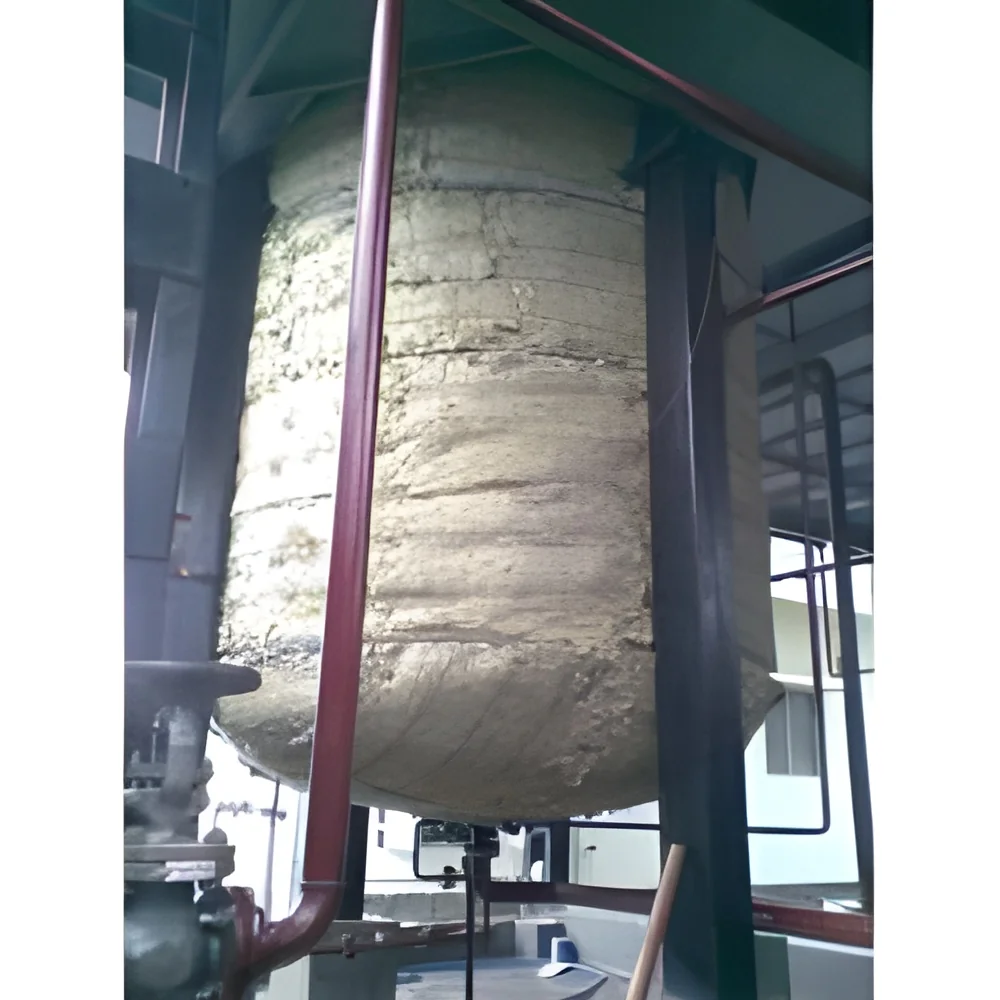
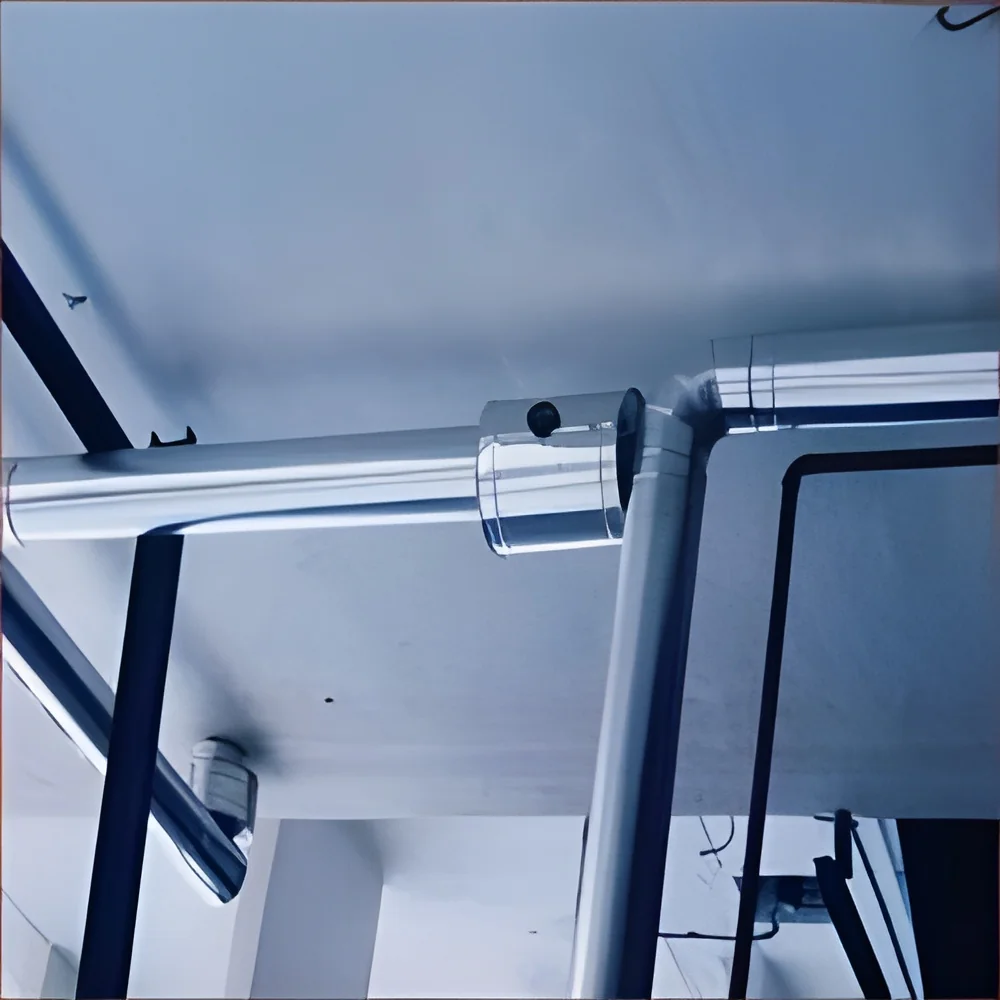
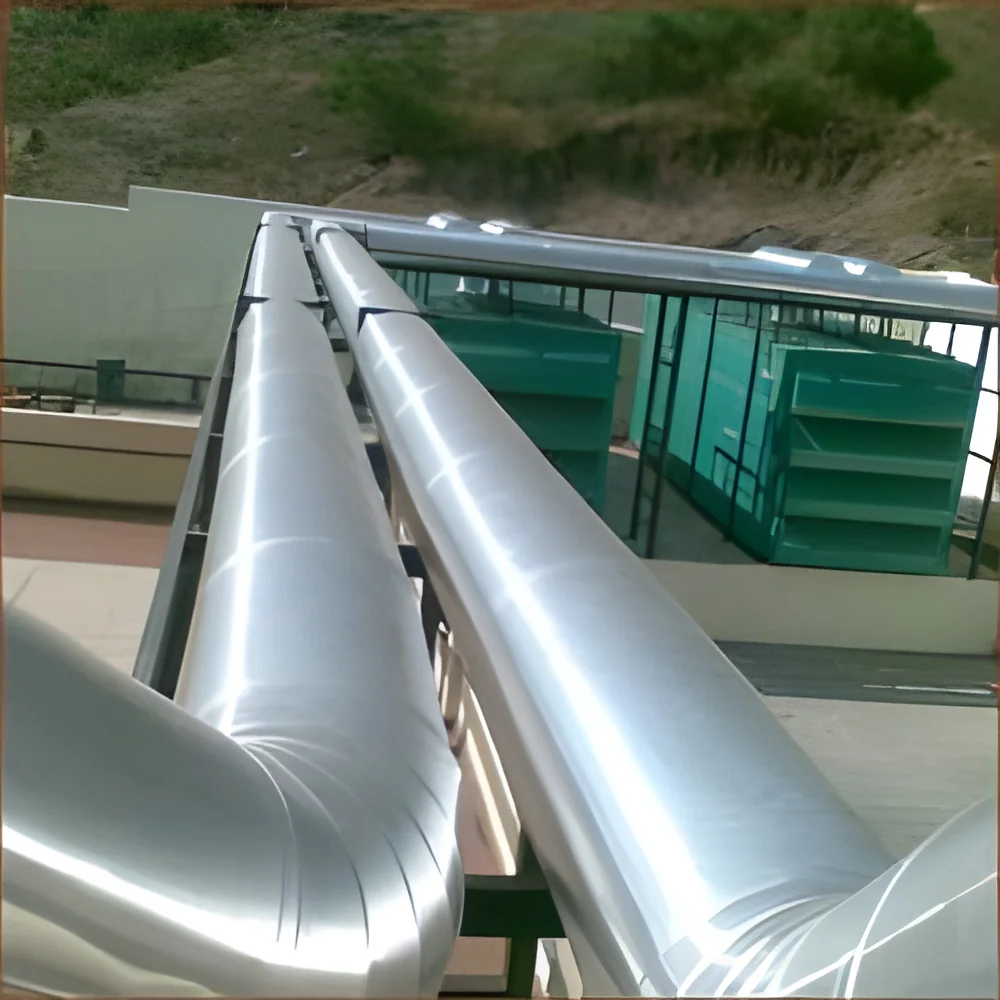
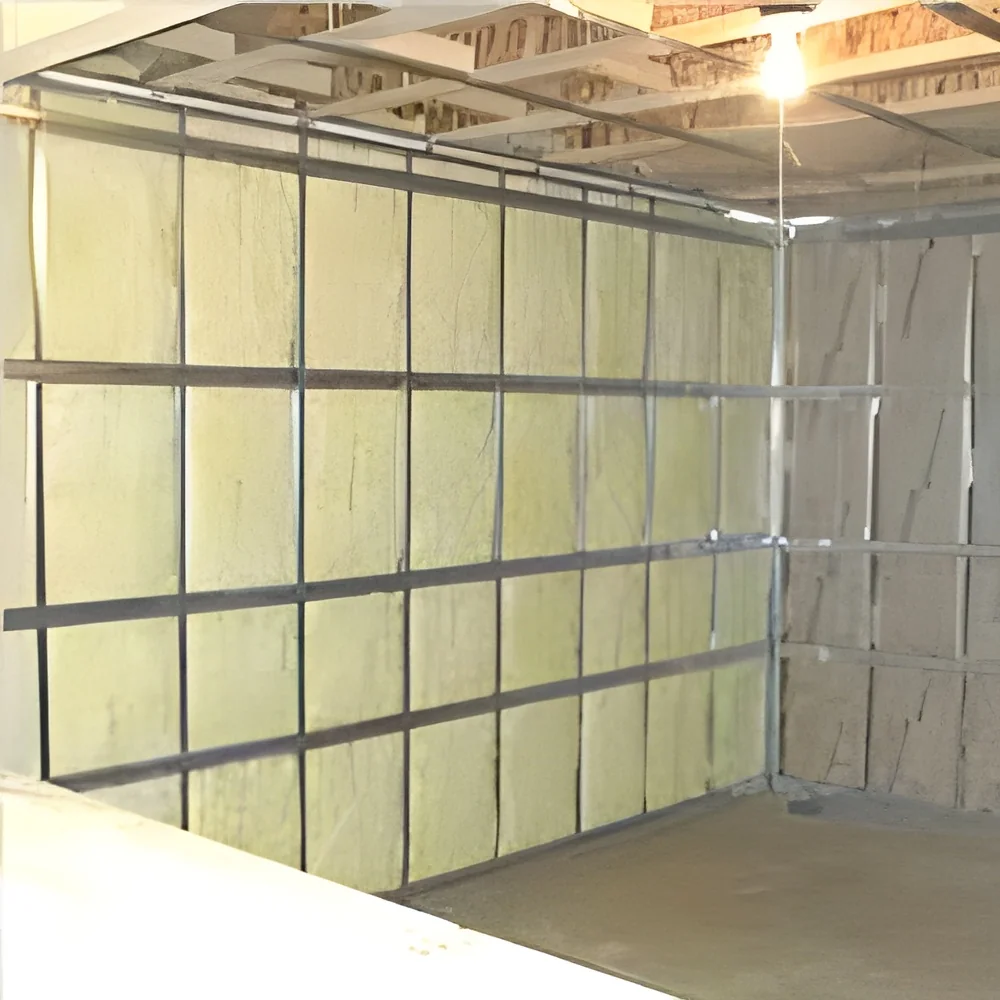
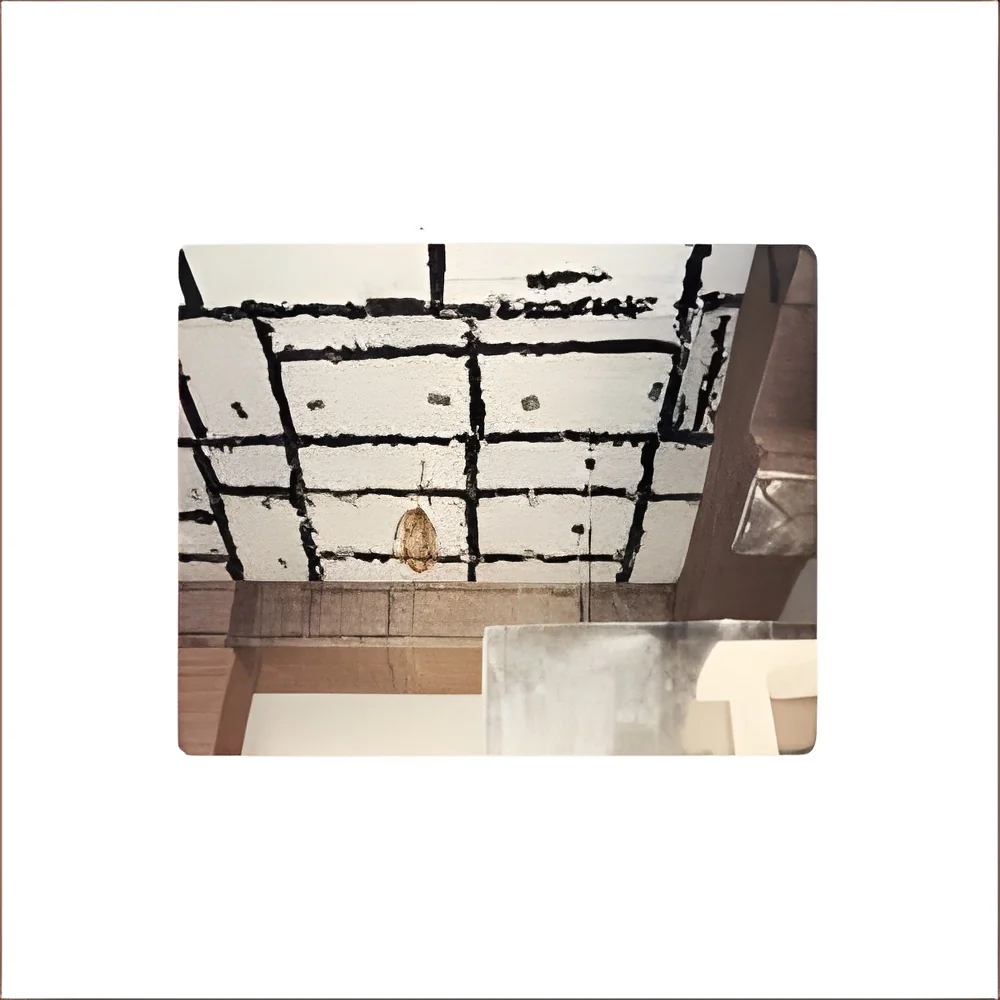
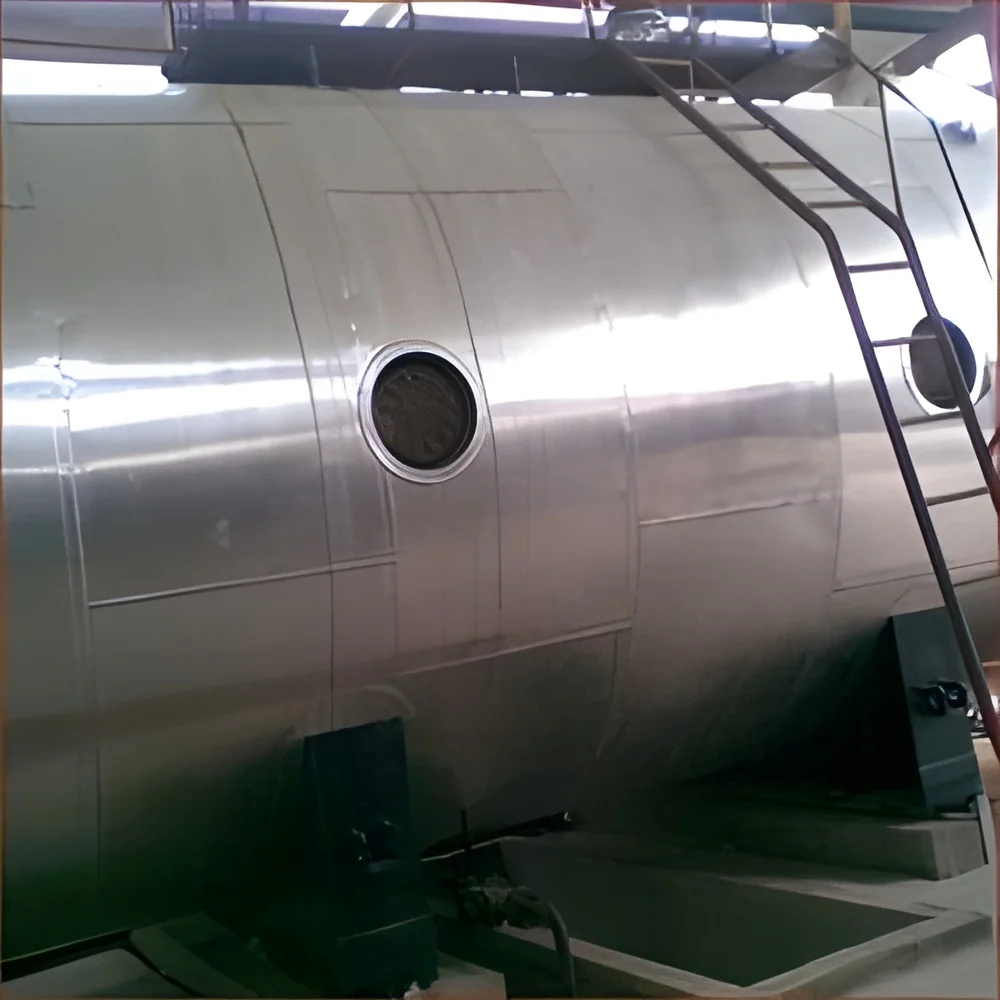
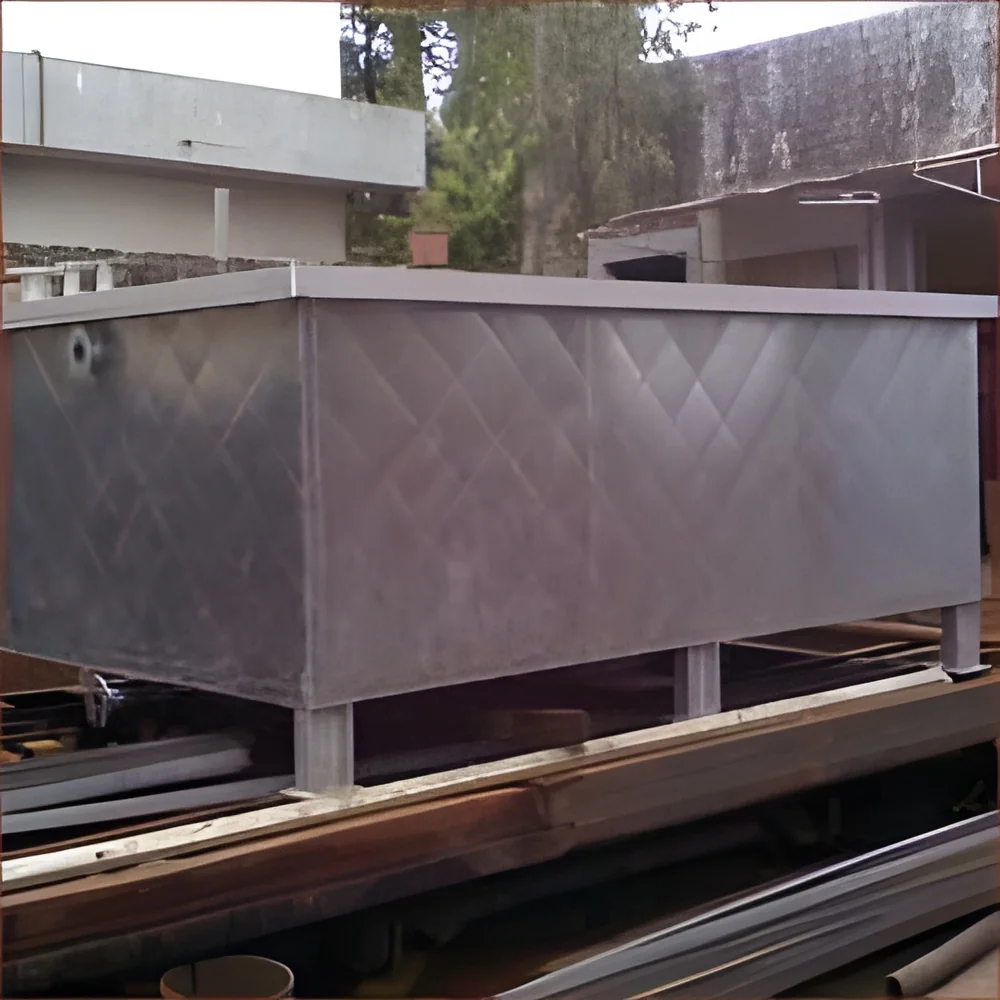
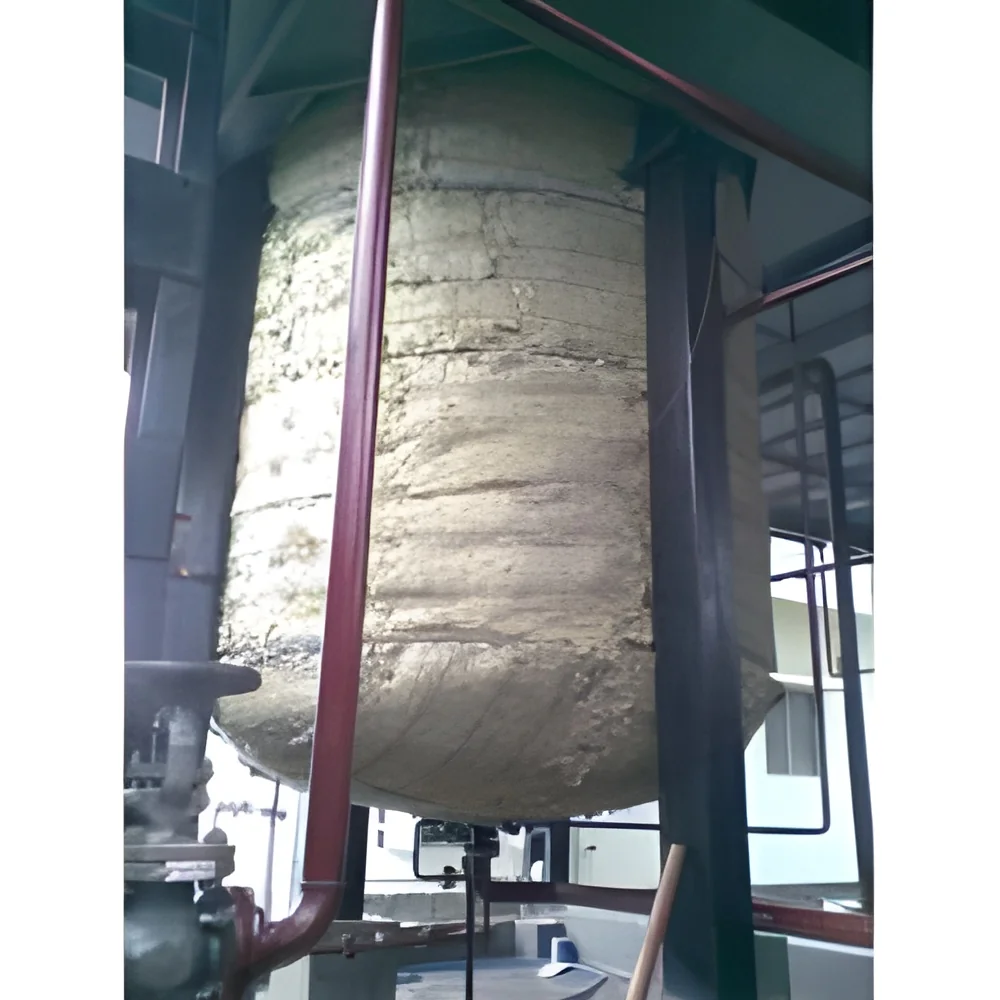
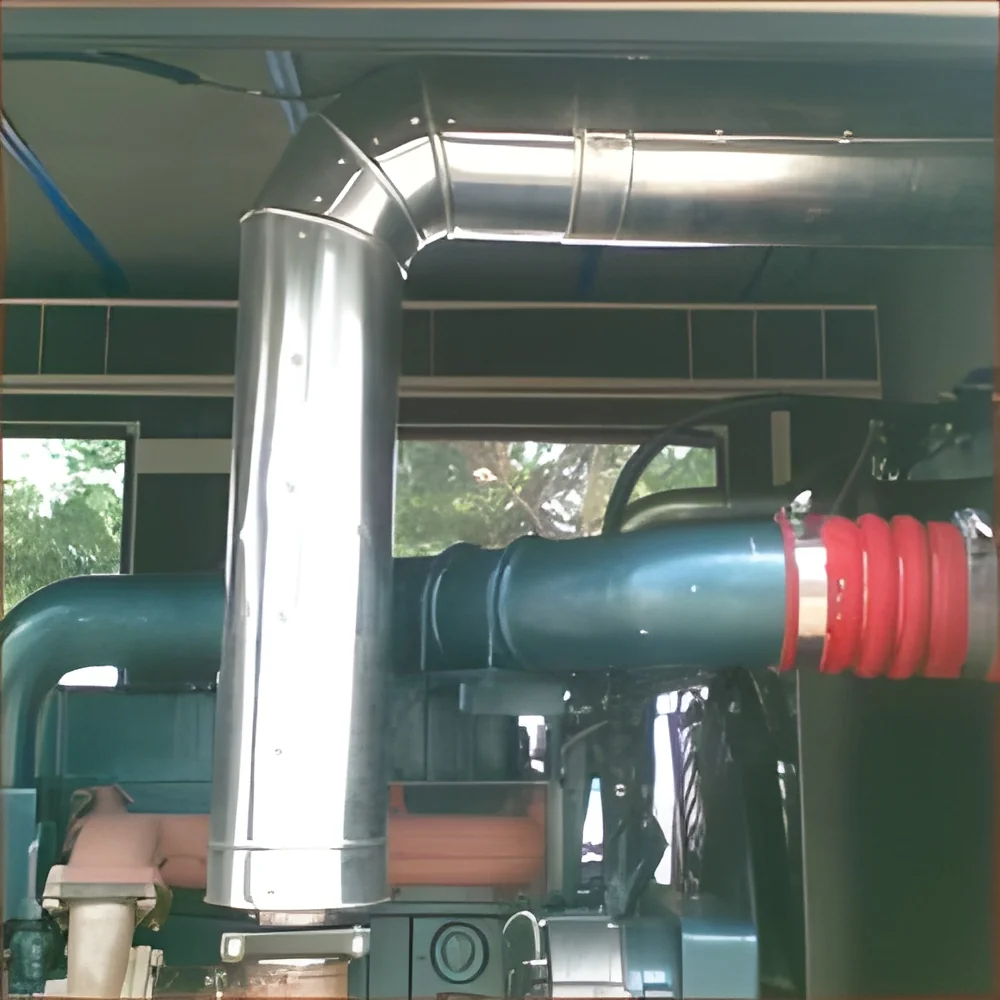
Industrial vessel insulation represents advanced thermal protection technology engineered for complex equipment across multiple industrial sectors. These insulation systems accommodate diverse vessel geometries including rectangular, cylindrical, spherical, and irregular configurations while maintaining consistent performance under demanding operational conditions. The insulation provides critical temperature control for equipment ranging from small processing vessels to massive storage tanks and high towers in industrial plants. Proper specification considers maximum service temperatures, insulation efficiency requirements, and environmental factors to ensure optimal performance and long-term reliability. These systems are designed to withstand harsh industrial environments while maintaining thermal integrity and supporting various protective finishes.

Multiple industries depend on specialized vessel insulation for their critical operational requirements. The chemical processing sect...
Industrial vessel insulation represents advanced thermal protection technology engineered for complex equipment across multiple industrial sectors. These insulation systems accommodate diverse vessel geometries including rectangular, cylindrical, spherical, and irregular configurations while maintaining consistent performance under demanding operational conditions. The insulation provides critical temperature control for equipment ranging from small processing vessels to massive storage tanks and high towers in industrial plants. Proper specification considers maximum service temperatures, insulation efficiency requirements, and environmental factors to ensure optimal performance and long-term reliability. These systems are designed to withstand harsh industrial environments while maintaining thermal integrity and supporting various protective finishes.

Multiple industries depend on specialized vessel insulation for their critical operational requirements. The chemical processing sector utilizes these systems for reactors, distillation columns, and process vessels requiring precise temperature maintenance and energy conservation. Power generation facilities install insulation on boilers, steam turbines, and heat recovery equipment to enhance energy efficiency and operational safety. Oil and gas operations rely on insulation for storage tanks, separators, and processing vessels in both onshore and offshore applications. Manufacturing plants use insulation for industrial ovens, drying equipment, and processing vessels across food processing, pharmaceutical production, and general industrial manufacturing sectors. Each application demands specific insulation properties tailored to operational temperatures and environmental challenges.

Businesses achieve substantial value through vessel insulation with significant energy savings, reduced operational costs, and improved process efficiency. These systems deliver reliable thermal performance that minimizes heat loss, lowers fuel consumption, and reduces environmental impact. The insulation enhances workplace safety by maintaining safe surface temperatures and protecting personnel from thermal hazards. The product's adaptability allows for optimal fitment to unique equipment shapes and sizes, ensuring comprehensive coverage and maximum effectiveness. Long-term reliability translates to reduced maintenance requirements and extended equipment lifespan, providing excellent return on investment for industrial operators seeking durable thermal solutions.

Key Features:
- Accommodates diverse vessel shapes including rectangular, cylindrical, and irregular configurations
- Suitable for extreme temperature ranges from cryogenic to high-temperature applications
- Customizable thickness and composition for specific thermal requirements
- Robust construction withstands industrial environments and mechanical stress
- Compatible with various protective finishes and cladding systems

Benefits:
- Significant energy savings through reduced heat loss and improved efficiency
- Enhanced operational safety with maintained safe surface temperatures
- Reduced maintenance requirements and extended equipment lifespan
- Lower operational costs through decreased fuel consumption
- Improved process stability and temperature control reliability
Specifications
| Additional Information | |
|---|---|
| Country of Origin | India |
| Customisable | No |
Application
Industrial vessel insulation delivers critical thermal management for equipment operating under extreme conditions. These specialized systems maintain optimal temperatures, prevent energy loss, and ensure operational safety across energy, chemical processing, and manufacturing sectors. Proper insulation significantly reduces heat transfer while protecting personnel and improving overall system efficiency in demanding industrial environments.
This insulation technology adapts to various vessel configurations including cylindrical tanks, rectangular chambers, spherical containers, and irregular equipment shapes. Industries utilize these solutions for temperature maintenance, condensation control, freeze protection, and process stability requirements. The insulation supports both high-temperature applications and cryogenic services, making it versatile for diverse industrial operational needs and challenging conditions.
- Thermal insulation for chemical process towers and reactors in petrochemical plants
- Energy conservation systems for large storage tanks in oil and gas facilities
- Boiler and steam turbine insulation in power generation plants
- Temperature maintenance for processing vessels in pharmaceutical manufacturing
- Cryogenic insulation for LNG storage tanks and industrial cooling systems
Trade Details
| Available Stock | In Stock |
| Sample Availability | No |
Payment Terms
| Payment Terms |
|
Company Profile

A. C. J. Insulation, Maharashtra
 Maharashtra, India
Maharashtra, IndiaServices & Support•Importer / Exporter
Factory Details
Factory SizeBelow 1000 sqm
Annual Production Capacity0
Industrial Vessel Insulation For Boilers Tanks Turbines Thermal Protection
Industrial vessel insulation provides reliable thermal protection for boilers, tanks, turbines, and chemical process towers. This high-performance insulation maintains temperature stability and energy efficiency across diverse industrial applications.
Min. Order Quantity: 1 unit
Shipping
Shipping fee and delivery date to be negotiated. Contact supplier now for more details.
A. C. J. Insulation
 Maharashtra, India
Maharashtra, IndiaServices & SupportImporter / Exporter