
 IN
Industrial Chimneys
14 products available
What are Industrial Chimneys?
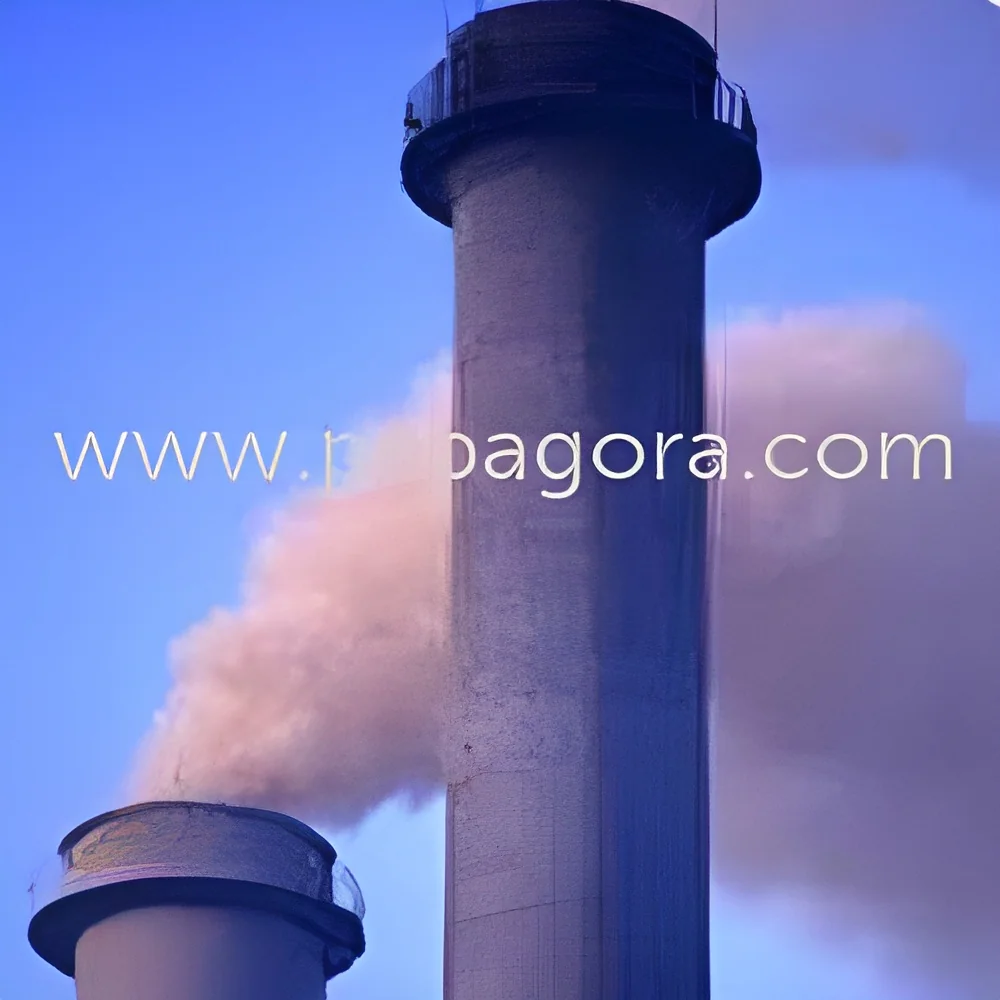
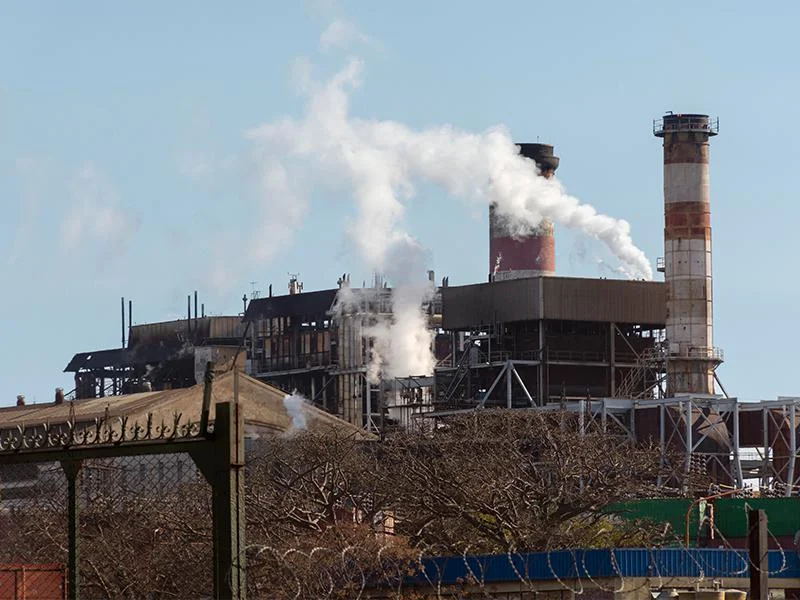
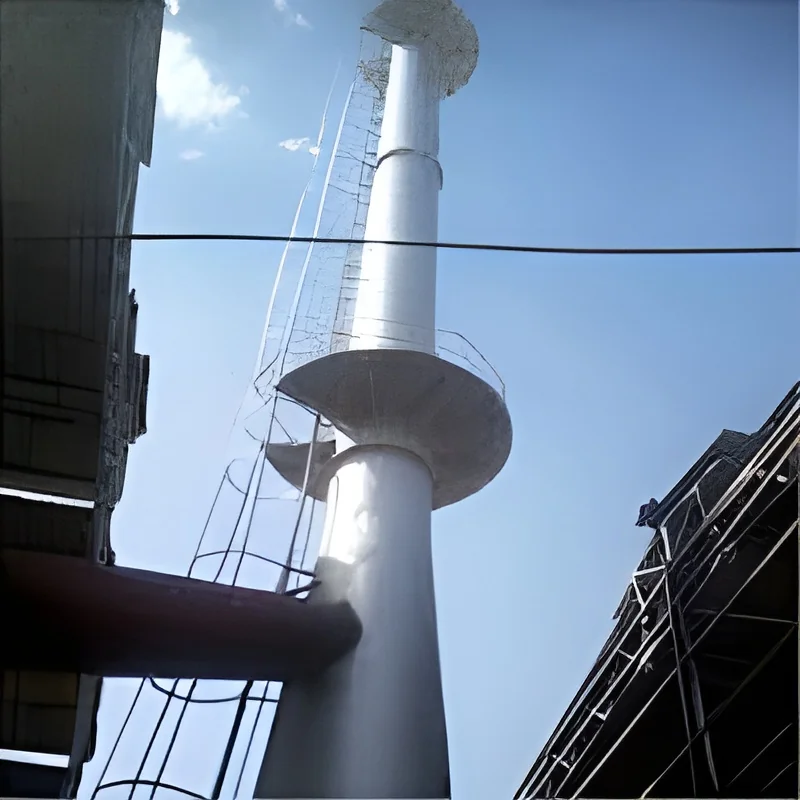
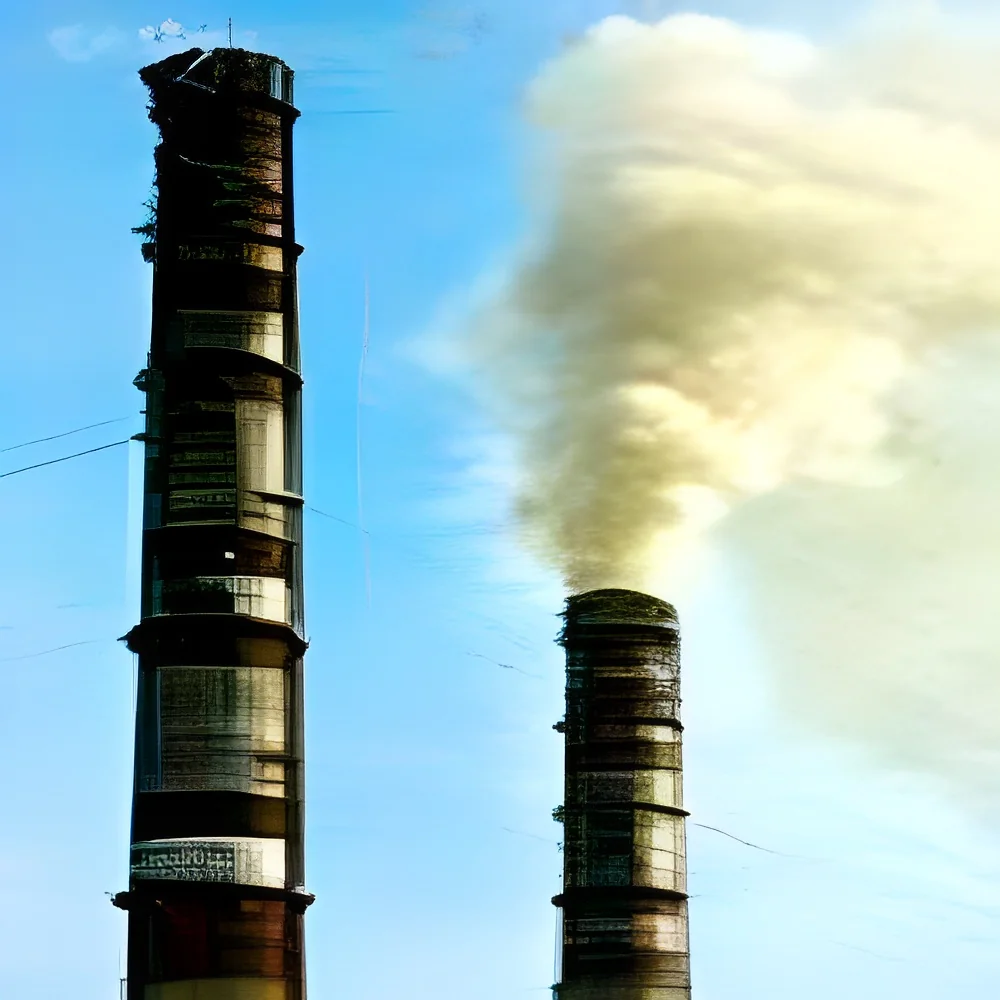
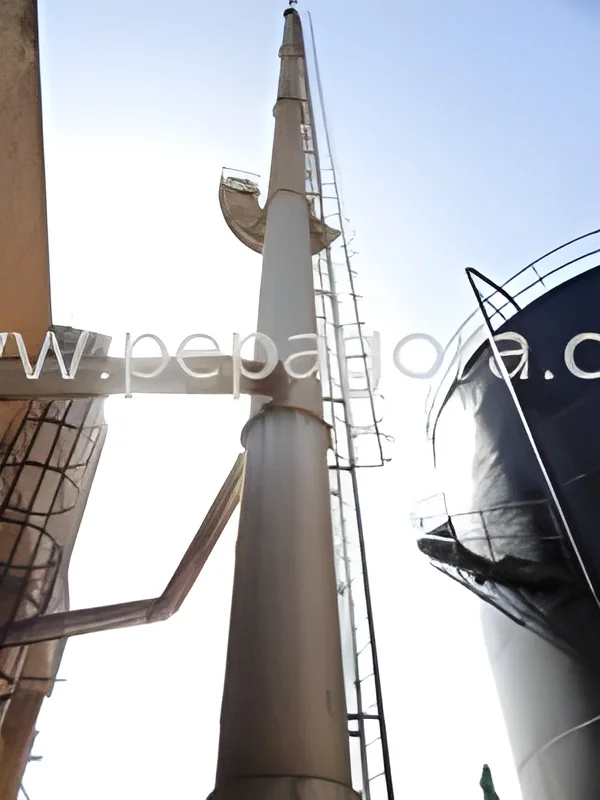
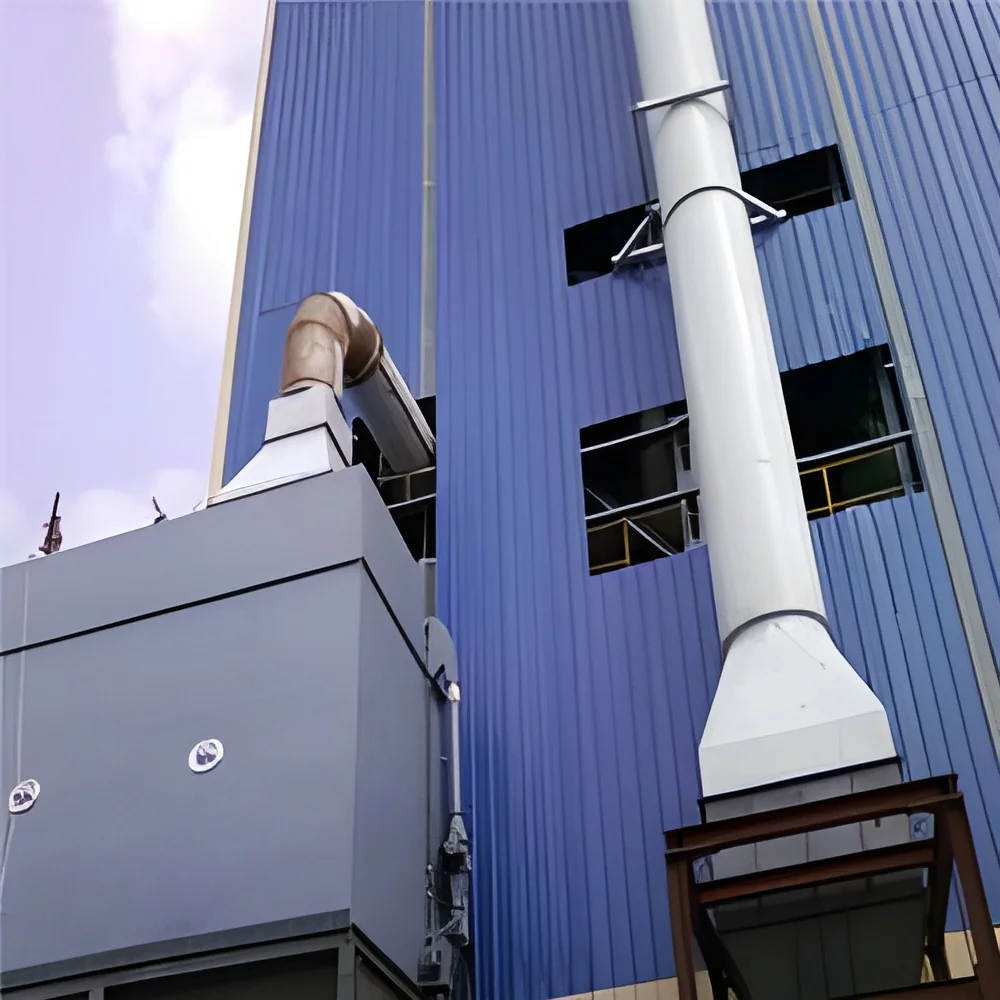
Industrial chimneys are tall structures designed to vent exhaust gases from industrial processes into the atmosphere. These chimneys help in the safe dispersion of harmful emissions, ensuring compliance with environmental regulations. They play a crucial role in maintaining air quality and mitigating the impact of industrial activities on the surrounding environment.
The primary uses of industrial chimneys include applications in manufacturing, power generation, and waste management. They are essential in industries where combustion processes occur, such as in boilers, furnaces, and incinerators. By facilitating the proper release of gases, industrial chimneys help companies meet air quality standards while protecting public health.
In the context of a growing focus on sustainability, the demand for effective industrial chimney solutions has increased. Industries are evolving to adopt cleaner technologies, thereby necessitating innovations in chimney designs. This has led to a competitive market where manufacturers strive to offer efficient, compliant, and cost-effective solutions.
Key Features and Specifications
Industrial chimneys are characterized by several key features that ensure their effectiveness and reliability. These specifications are crucial for B2B buyers when selecting the right product for their needs.
Key specifications include:
1. Height
- The height of the chimney can vary based on the application and regulatory requirements.
- Typical heights range from 30 feet to over 200 feet.
2. Material
- Common materials include stainless steel, carbon steel, and reinforced concrete.
- Each material offers different durability and resistance to environmental factors.
3. Diameter
- The diameter is determined by the volume of gases to be expelled.
- Diameters can range from 2 feet to over 10 feet.
4. Design Type
- Common designs include single-wall, double-wall, and insulated chimneys.
- The choice of design impacts thermal efficiency and structural integrity.
5. Emission Control Features
- Many chimneys include integrated systems for filtering or scrubbing gases.
- This can enhance compliance with emissions standards.
6. Temperature Resistance
- Industrial chimneys must withstand high temperatures generated by exhaust gases.
- Material specifications often include resistance to temperatures exceeding 500 degrees Fahrenheit.
7. Customization Options
- Buyers can often request custom designs to meet specific operational needs.
- Customization may involve alterations in height, diameter, and additional features.
8. Compliance Certifications
- Many industrial chimneys are certified to meet international standards such as CE.
- Compliance ensures adherence to safety and environmental regulations.
In summary, understanding the key specifications of industrial chimneys is vital for businesses to make informed purchasing decisions. This helps ensure the selected chimney meets operational requirements and regulatory compliance.
Common Applications and Use Cases
Industrial chimneys serve a wide range of industries, each with specific applications that benefit from effective exhaust management.
1. Manufacturing: In manufacturing facilities, chimneys are used to vent gases from processes such as metal treatment, chemical production, and textile processing, ensuring the safety of the work environment.
2. Power Generation: Power plants utilize industrial chimneys to discharge emissions from boilers and turbines. This is critical for reducing air pollution and adhering to environmental standards.
3. Waste Management: Incineration plants rely on chimneys to safely expel byproducts from burning waste materials. This application is vital for reducing landfill usage and managing waste effectively.
4. Food Processing: In food manufacturing, chimneys are used in ovens and dryers to remove steam and cooking fumes, maintaining air quality and safety standards.
5. Oil and Gas: Refineries use industrial chimneys to vent gases produced during the refining process. This helps in managing emissions and complying with industry regulations.
6. Pharmaceutical: Pharmaceutical manufacturing often involves processes that generate hazardous fumes. Chimneys help in removing these emissions, ensuring a safe production environment.
7. Construction: Temporary chimneys may be used on construction sites to manage emissions from equipment and machinery, playing a role in environmental management during building projects.
Product Variants and Subcategories
Industrial chimneys come in various forms to meet the diverse needs of different sectors. Each variant offers unique features tailored to specific applications.
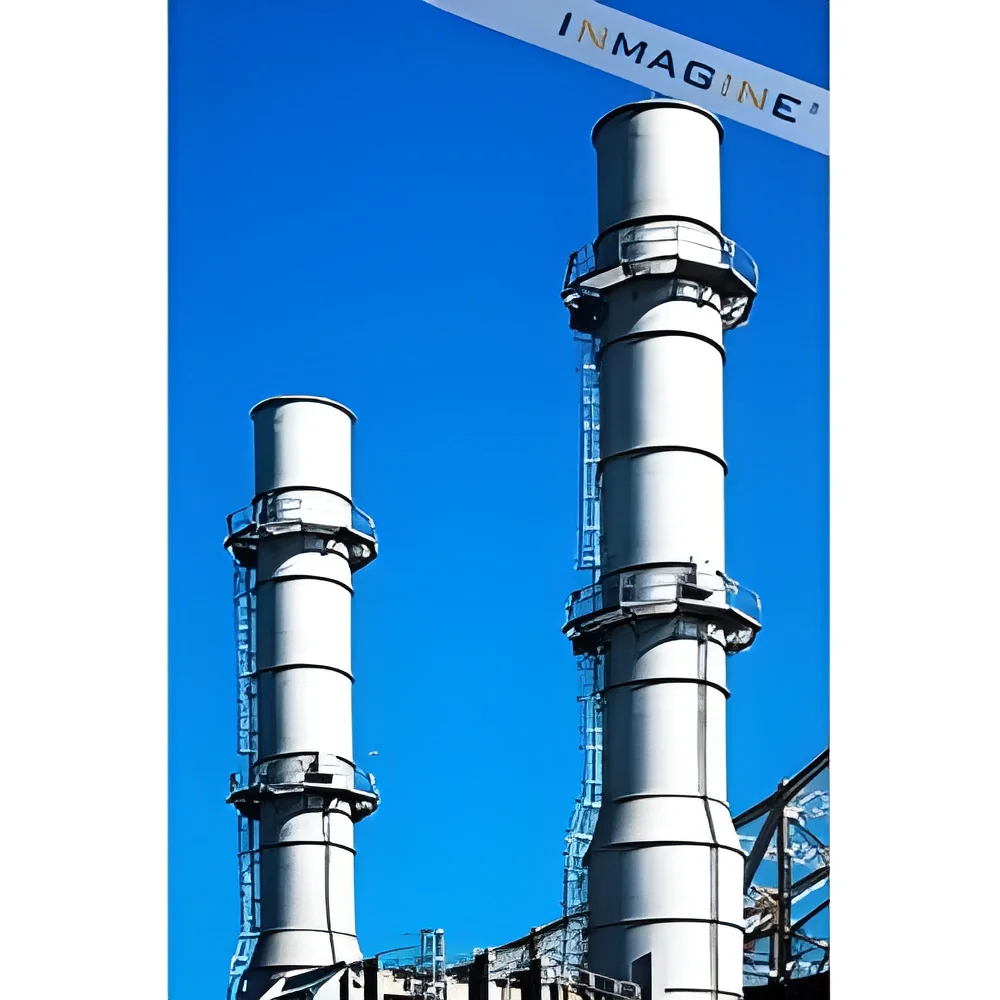
Stacked Chimneys: These chimneys are designed with multiple stacks to handle high volumes of exhaust from large industrial facilities. They facilitate efficient gas dispersion and are often used in power plants.
Modular Chimneys: Modular designs are customizable and can be easily assembled on-site. These chimneys are ideal for industries needing flexibility in design and installation.
Insulated Chimneys: Insulated variants are engineered to minimize heat loss and enhance energy efficiency. They are particularly beneficial in industries where maintaining temperature is crucial.
Passive Chimneys: These chimneys utilize natural convection for gas expulsion, making them energy-efficient. They are commonly used in smaller facilities and applications where active systems are impractical.
Benefits and Advantages
Investing in industrial chimneys offers several key benefits that enhance operational efficiency and compliance.
1. Environmental Compliance: Industrial chimneys help businesses meet environmental regulations, reducing the risk of fines and enhancing corporate responsibility.
2. Enhanced Safety: By effectively managing exhaust gases, industrial chimneys contribute to a safer working environment for employees, minimizing health risks associated with air pollution.
3. Cost-Effectiveness: Well-designed chimneys can lead to lower operational costs by improving energy efficiency and reducing emissions that require costly treatment.
4. Customization Capabilities: Many manufacturers offer the option to customize chimneys to fit specific operational requirements, ensuring optimal performance.
5. Durability: High-quality materials used in chimney construction enhance their lifespan and reduce maintenance needs, providing long-term value.
6. Improved Air Quality: By effectively dispersing harmful emissions, industrial chimneys contribute to better air quality in and around industrial facilities, benefiting both employees and the surrounding community.
Buying Guide for B2B Buyers
When sourcing industrial chimneys, several factors should be evaluated to ensure the right purchase.
1. Quality Assessment: Assess the quality of materials and construction. Look for certifications and industry standards that indicate reliability and durability.
2. Supplier Verification: Vet suppliers by checking their reputation, experience, and customer reviews. Ensure they have a track record of delivering high-quality products.
3. Pricing and MOQ: Consider the pricing structure and minimum order quantities. Compare costs among different suppliers to find the best value without compromising quality.
4. Delivery and Lead Times: Discuss delivery schedules and lead times with suppliers. Timely delivery is critical for maintaining operational efficiency.
5. Compliance Requirements: Ensure that the selected chimney meets all relevant regulatory standards and compliance requirements specific to your industry.
Compliance and Certifications
Compliance and certifications are critical aspects of industrial chimneys that ensure safety and environmental responsibility.
Industrial chimneys should adhere to relevant quality standards such as ISO 9001, which focuses on quality management systems. This certification helps ensure consistent quality in manufacturing processes.
The CE mark is another important certification that indicates conformity with European health, safety, and environmental protection standards. This is particularly relevant for businesses operating within or exporting to the European market.
Safety and testing requirements must also be considered, including evaluations for structural integrity and resistance to high temperatures. Regular testing ensures that chimneys function correctly and safely over time.
Additionally, regional compliance considerations may vary. It is essential to understand local regulations and standards that pertain to chimney emissions and safety in the specific geographic area of operation.
Why Source Industrial Chimneys from Pepagora?
Pepagora provides a trusted platform for sourcing industrial chimneys, offering several key advantages for B2B buyers.
Verified Supplier Network: Pepagora connects buyers with a network of verified suppliers who meet rigorous quality and compliance standards. This ensures that buyers can trust the products they purchase.
Streamlined RFQ Process: The platform offers a streamlined request for quotation (RFQ) process, allowing buyers to easily compare multiple suppliers and receive competitive pricing tailored to their needs.
Trade Assurance and Support: Pepagora provides trade assurance and buyer protection, which safeguards transactions and ensures that buyers receive the products as promised.
Regional Coverage: With a strong presence in India, the GCC, and Southeast Asia, Pepagora offers extensive regional coverage, connecting buyers with suppliers who understand local market conditions and requirements.
By choosing Pepagora, businesses can simplify their sourcing process while ensuring they obtain high-quality industrial chimneys that meet their operational needs.


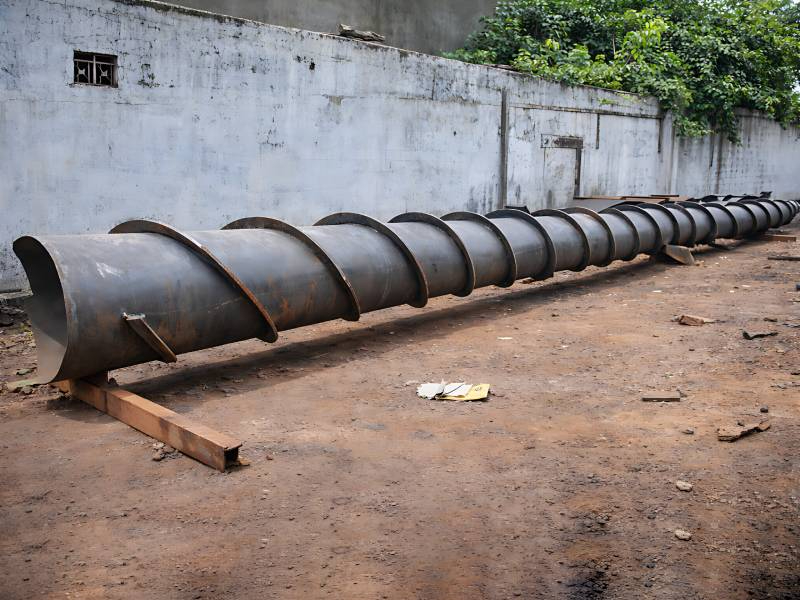

 India
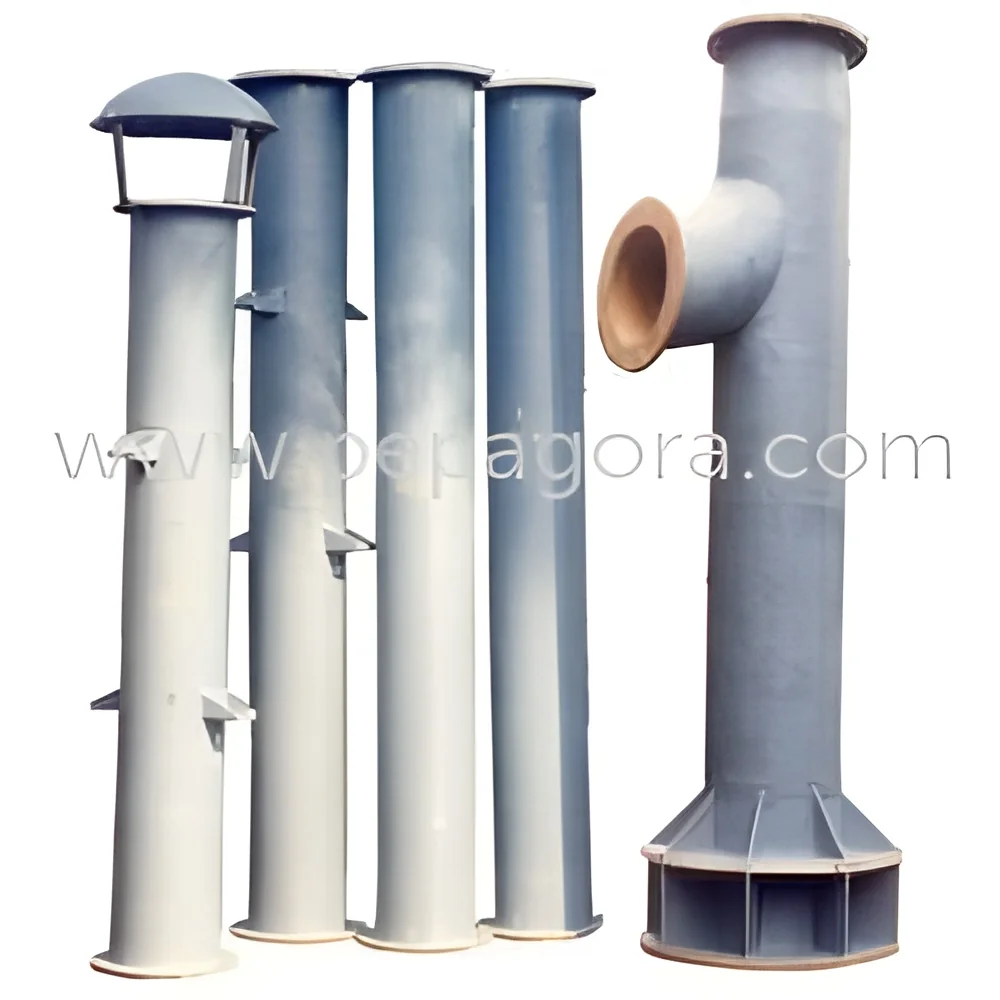
 India


 India
 India
 India
 India
 India
 India
Frequently Asked Questions
What are Industrial Chimneys?
Industrial chimneys are tall structures designed to vent exhaust gases from industrial processes into the atmosphere. They play a crucial role in ensuring that these emissions are released at a height sufficient to minimize pollution and comply with environmental regulations.
What are the different types of Industrial Chimneys?
There are several types of industrial chimneys, including brick chimneys, concrete chimneys, and steel chimneys. Each type is suited for different applications and environmental conditions, with variations in height, design, and materials used.
How do I choose the right Industrial Chimneys?
Choosing the right industrial chimney involves considering factors such as the type of industry, the volume and temperature of emissions, and local environmental regulations. Consultation with manufacturers or engineers can help determine the most suitable design and materials.
What are the standard specifications for Industrial Chimneys?
Standard specifications for industrial chimneys may include height, diameter, material, and thermal efficiency. Additionally, they must meet safety and environmental standards, which can vary by industry and location.
What is the price range for Industrial Chimneys?
The price range for industrial chimneys can vary widely based on factors such as size, material, and design complexity. On average, prices can start from a few thousand Indian Rupees and can go up to several lakhs, depending on the specifications.
What quality standards apply to Industrial Chimneys?
Industrial chimneys must comply with various quality standards, including IS codes and international standards like ASTM and ISO. These standards ensure structural integrity, safety, and environmental compliance.
Where can I find Industrial Chimneys suppliers in India?
You can find industrial chimney suppliers in India through B2B marketplaces like Pepagora, industry trade shows, or local directories. It is advisable to compare several suppliers to ensure quality and pricing.
Can Industrial Chimneys be customized?
Yes, industrial chimneys can often be customized to meet specific requirements for height, diameter, and material. Customization allows for better integration into existing systems and compliance with local regulations.
What is the typical minimum order quantity for Industrial Chimneys?
The typical minimum order quantity (MOQ) for industrial chimneys can vary depending on the manufacturer, but it generally ranges from one unit to several units for bulk orders. It is best to check with individual suppliers for their specific policies.
What is the typical lead time for Industrial Chimneys?
The typical lead time for industrial chimneys can range from a few weeks to several months, depending on factors such as customization, manufacturer workload, and material availability. It's recommended to discuss lead times with suppliers during the ordering process.
Why Businesses Trust Pepagora
Thousands of companies trust Pepagora to source smarter and sell faster
Expand Your Sales Globally

Source Smarter,Grow Faster
