IN
IN₹
Apparel & Fashion
Description
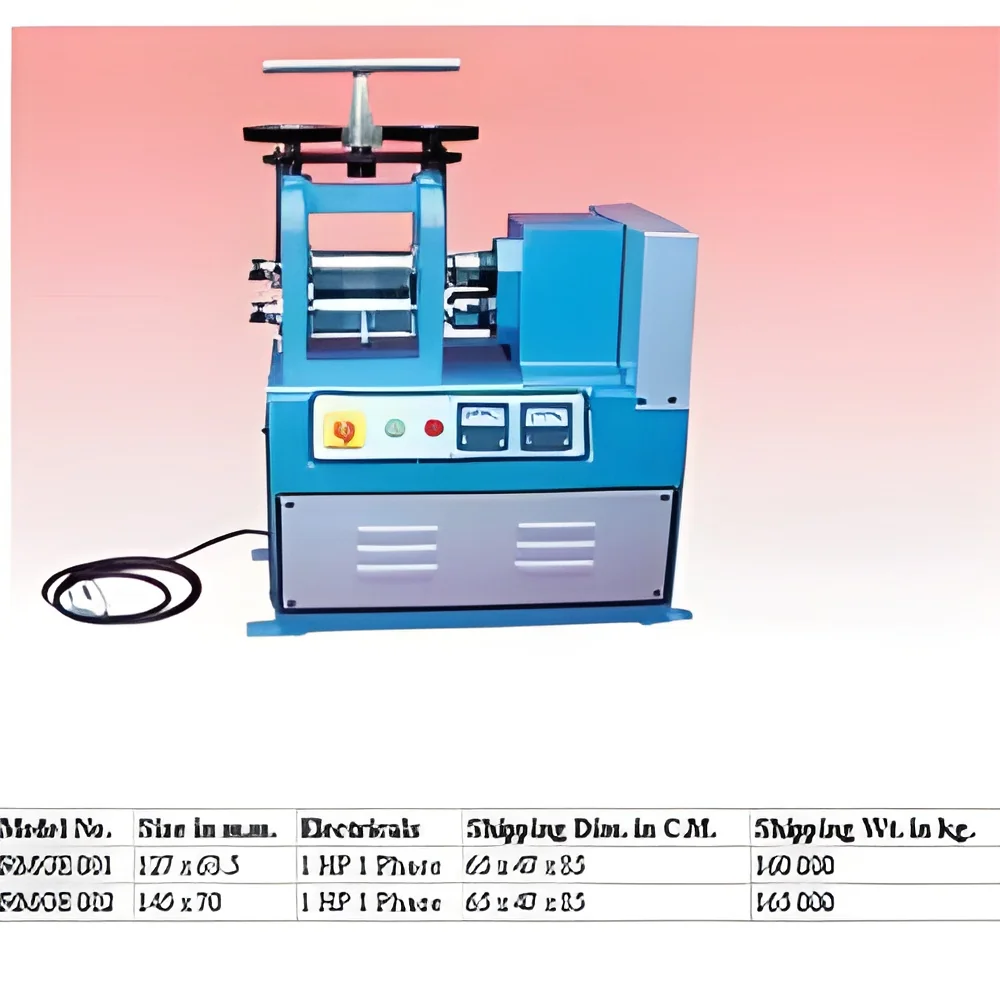
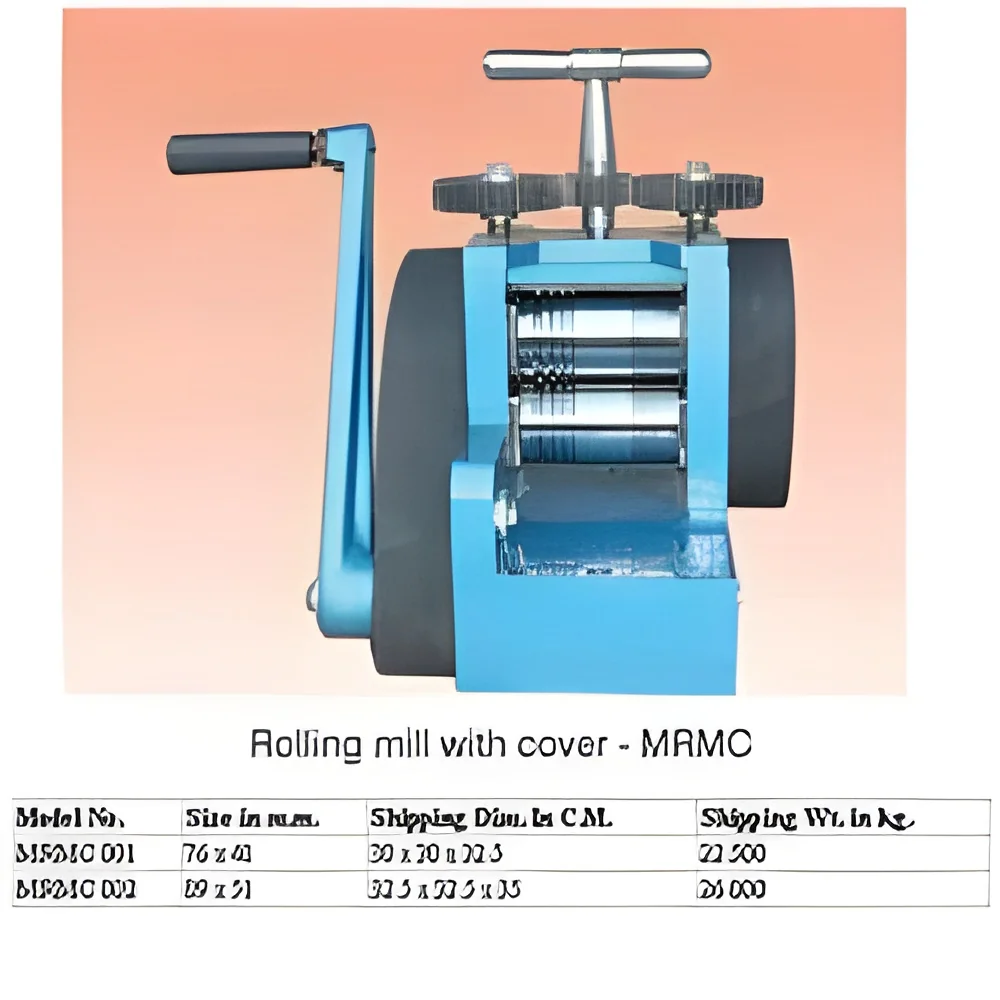
Premium rolling mills are heavy-duty industrial machines designed for the precise and efficient forming of metal. They work by passing metal stock through one or more pairs of rolls to reduce thickness, achieve a uniform cross-section, or impart a desired surface finish. Engineered for reliability and continuous operation, these mills handle a wide range of materials from common steels and aluminums to specialized copper alloys and high-strength metals. The core value lies in their ability to deliver consistent, high-tolerance output, which is the foundation for quality in countless manufactured products. Built with robust frames and advanced control systems, they are a long-term investment for serious production facilities seeking to enhance their metal processing capabilities.

These mills are indispensable in sectors where metal is a primary material. In the automotive industry, they are used to roll steel and aluminum into precise gauges for body panels, chassis parts, and engine c...
Premium rolling mills are heavy-duty industrial machines designed for the precise and efficient forming of metal. They work by passing metal stock through one or more pairs of rolls to reduce thickness, achieve a uniform cross-section, or impart a desired surface finish. Engineered for reliability and continuous operation, these mills handle a wide range of materials from common steels and aluminums to specialized copper alloys and high-strength metals. The core value lies in their ability to deliver consistent, high-tolerance output, which is the foundation for quality in countless manufactured products. Built with robust frames and advanced control systems, they are a long-term investment for serious production facilities seeking to enhance their metal processing capabilities.

These mills are indispensable in sectors where metal is a primary material. In the automotive industry, they are used to roll steel and aluminum into precise gauges for body panels, chassis parts, and engine components. Construction and infrastructure rely on them to produce rebar, beams, and plates. The appliance and electronics sectors use mills to create thin, uniform sheets and strips for housings and internal parts. Furthermore, the aerospace and defense industries utilize specialized rolling mills to process high-performance alloys like titanium and aluminum-lithium, where material integrity and exact specifications are non-negotiable for safety and performance.

Investing in a premium rolling mill delivers direct business value through enhanced operational efficiency and product quality. The reliability of these machines minimizes unplanned downtime, ensuring steady production flow and meeting delivery schedules. Precise thickness control reduces material waste and improves yield, directly impacting the bottom line. Their robust construction translates to lower long-term maintenance costs and a longer operational lifespan. By providing consistent, high-specification metal output, these mills enable manufacturers to improve their end-product quality, meet stringent industry standards, and strengthen their market competitiveness. They are a cornerstone asset for any business aiming to scale its metal processing operations with confidence.

Key Features:
- Heavy-duty, reinforced frame construction for stability and vibration dampening during high-load operations.
- Precision thickness and gauge control systems to ensure consistent output and tight tolerances.
- Durable, hardened steel rolls designed for longevity and smooth surface finishing of metals.
- Versatile design compatible with ferrous metals (steel), non-ferrous metals (aluminum, copper), and specialty alloys.
- Configurable setups including two-high, four-high, or cluster mill designs for different reduction levels and material types.

Benefits:
- Increases production throughput and efficiency by enabling continuous, high-speed metal forming processes.
- Enhances final product quality with uniform material properties, precise dimensions, and improved surface finish.
- Reduces operational costs by minimizing material scrap and optimizing raw material yield.
- Provides long-term reliability and durability, lowering total cost of ownership through reduced maintenance.
- Offers operational flexibility to process a wide variety of metals and produce different product shapes and sizes.
Specifications
| Additional Information | |
|---|---|
| Country of Origin | India |
Application
Premium rolling mills are engineered for precision metal forming, transforming raw materials like steel, aluminum, and copper into sheets, strips, and structural shapes. They ensure consistent thickness and material properties, which is critical for downstream manufacturing processes that require exact specifications and high-quality inputs.
These mills are fundamental across heavy industries that depend on processed metal. They serve automotive plants producing body panels, construction firms manufacturing beams, and aerospace facilities forming lightweight alloys. Their versatility in handling both ferrous and non-ferrous metals makes them a core asset in facilities focused on metal transformation and production efficiency.
- Forming steel sheets and coils for automotive body panels and structural components.
- Manufacturing aluminum strips and foils for packaging, electronics, and heat exchangers.
- Producing copper rods and busbars for electrical wiring and power distribution systems.
- Rolling structural steel sections like I-beams and channels for construction and infrastructure.
- Processing specialty alloys, including stainless steel and titanium, for aerospace, medical, and high-tech equipment.
Trade Details
| Available Stock | In Stock |
| Sample Availability | No |
Payment Terms
| Payment Terms |
|
Company Profile

Bharat Machine Tools, Gujarat
 Gujarat, India
Gujarat, IndiaApparel & Fashion•Manufacturer•Distributor / Wholesaler•Importer / Exporter
Factory Details
Factory SizeBelow 1000 sqm
Annual Production Capacity0
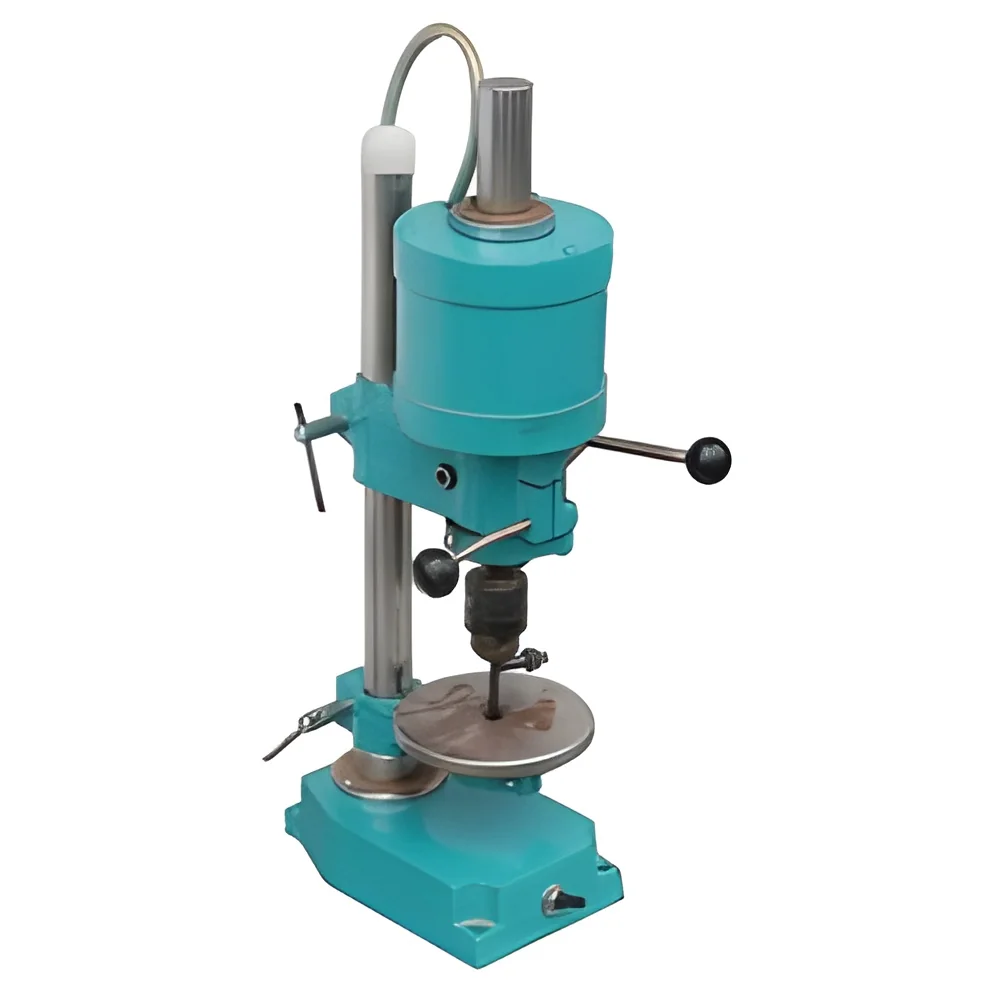
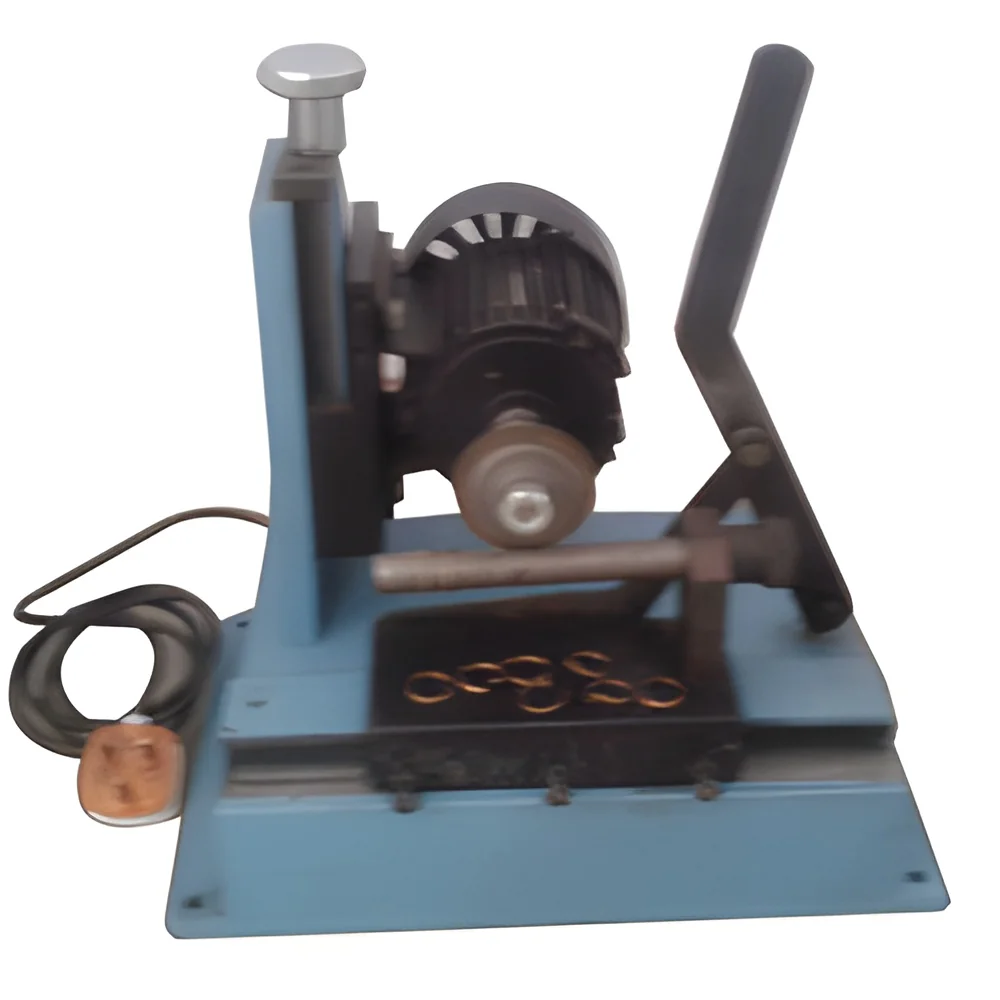
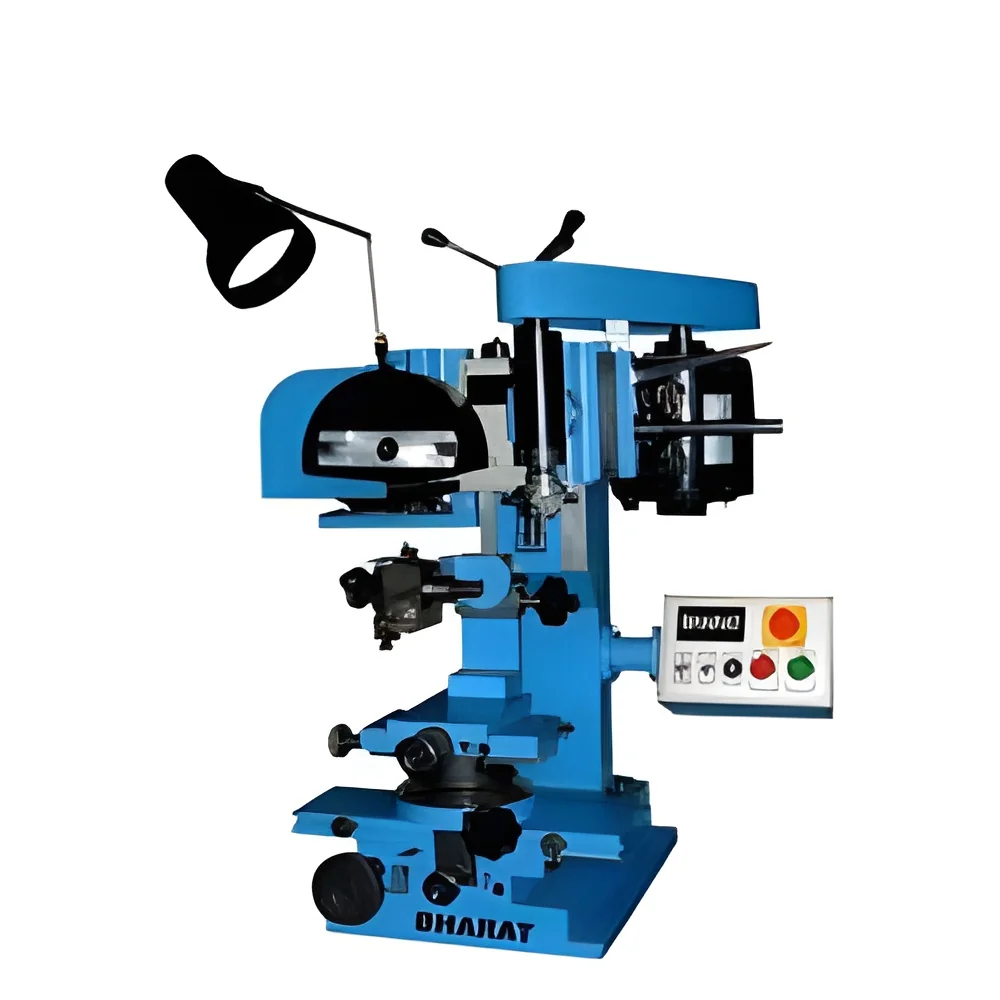
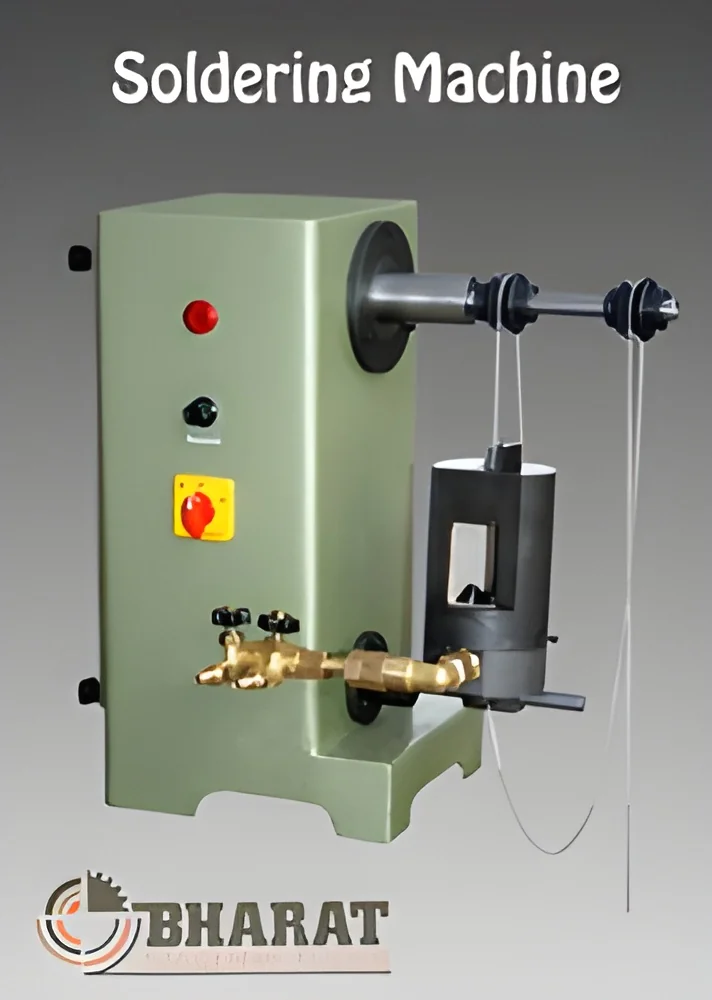
Premium Rolling Mills For Metal Forming And Processing Industries
Premium rolling mills for metal forming offer high reliability and robust performance for processing steel, aluminum, and copper in manufacturing industries. These durable machines provide precise thickness control for consistent output.
Min. Order Quantity: 1 unit
Shipping
Shipping fee and delivery date to be negotiated. Contact supplier now for more details.
Bharat Machine Tools
 Gujarat, India
Gujarat, IndiaApparel & FashionManufacturer