IN
IN₹
Apparel & Fashion
Description
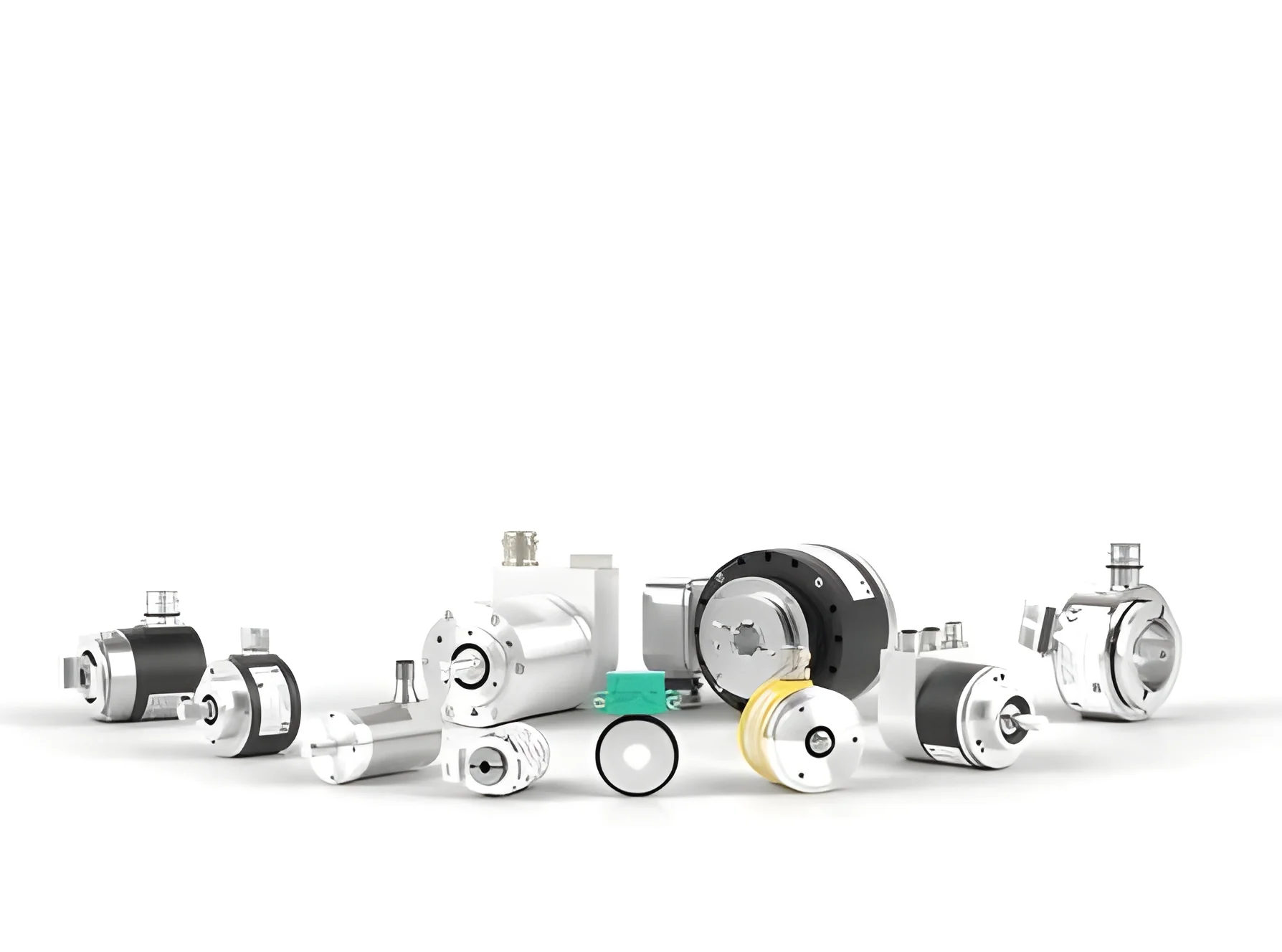
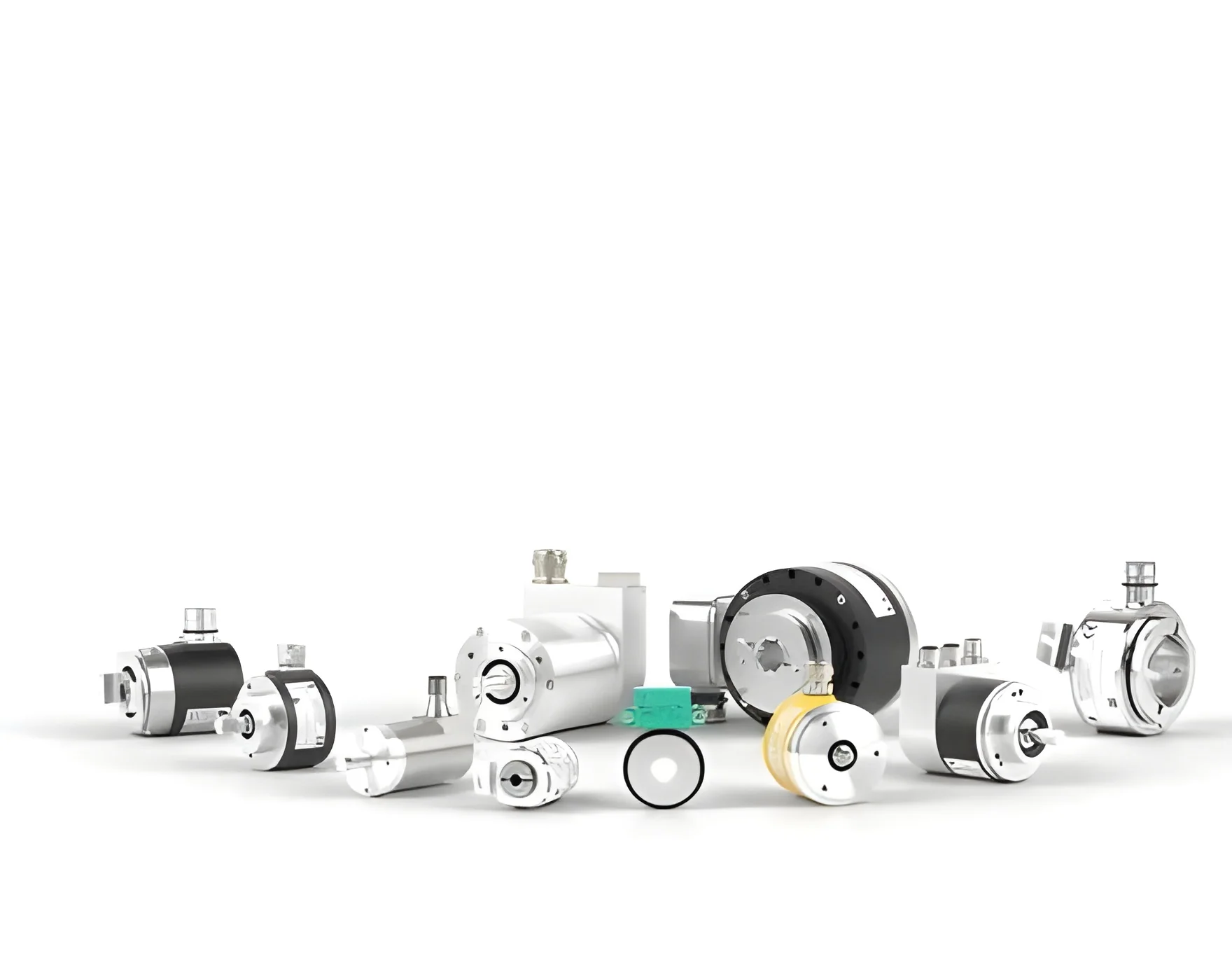
Rotary encoders are sophisticated electro-mechanical devices that transform rotational movement into precise digital or analog signals, providing essential feedback for motion control systems. These components accurately monitor shaft position, rotational speed, and direction, delivering real-time data that enables precise machinery operation. Available in both incremental and absolute configurations, rotary encoders serve as the eyes of automated systems, offering either relative movement information or exact positional data. Their robust construction ensures reliable performance even in demanding industrial environments, making them fundamental to modern automation where accuracy and reliability are non-negotiable for operational success and equipment safety.

Across manufacturing and industrial sectors, rotary encoders prove invaluable in numerous applications. In automotive assembly lines, they ensure robotic welders position components with millimeter precision. The packaging indu...
Rotary encoders are sophisticated electro-mechanical devices that transform rotational movement into precise digital or analog signals, providing essential feedback for motion control systems. These components accurately monitor shaft position, rotational speed, and direction, delivering real-time data that enables precise machinery operation. Available in both incremental and absolute configurations, rotary encoders serve as the eyes of automated systems, offering either relative movement information or exact positional data. Their robust construction ensures reliable performance even in demanding industrial environments, making them fundamental to modern automation where accuracy and reliability are non-negotiable for operational success and equipment safety.

Across manufacturing and industrial sectors, rotary encoders prove invaluable in numerous applications. In automotive assembly lines, they ensure robotic welders position components with millimeter precision. The packaging industry relies on them for synchronized conveyor systems that maintain product orientation and spacing. CNC machining centers utilize encoders for tool positioning that achieves micron-level accuracy in metalworking. Semiconductor manufacturing depends on encoder feedback for wafer handling robots, while material handling systems use them for automated storage and retrieval operations. These diverse applications demonstrate how rotary encoders form the backbone of precision motion control across multiple industries.

The business value of high-quality rotary encoders extends beyond technical specifications to tangible operational benefits. Reliable encoders minimize production downtime by providing consistent, accurate feedback that prevents machine errors and reduces maintenance requirements. Their precision directly impacts product quality, reducing scrap rates and rework costs in manufacturing processes. Customization options allow businesses to select encoders specifically tailored to their application requirements, optimizing performance while controlling costs. The long service life and durability of quality encoders translate to lower total cost of ownership, making them a smart investment for businesses focused on operational efficiency and competitive advantage in their markets.

Key Features:
- High-precision position and speed feedback
- Robust construction for industrial environments
- Incremental and absolute encoder options
- Customizable specifications for specific applications
- Reliable signal output in demanding conditions

Benefits:
- Enhanced operational accuracy and repeatability
- Reduced downtime through reliable performance
- Improved product quality and reduced waste
- Custom solutions for specific business needs
- Long-term cost efficiency and value
Specifications
| Additional Information | |
|---|---|
| Country of Origin | India |
Application
Rotary encoders are indispensable in industrial automation, providing critical feedback for motor control, conveyor positioning, and robotic arm movement. Their precision ensures manufacturing processes maintain tight tolerances and high repeatability, directly impacting production quality and operational safety in automated environments. These devices are equally vital in CNC machinery, where they deliver real-time position data for cutting tools and worktables. This enables complex machining operations with micron-level accuracy, supporting industries from aerospace to automotive manufacturing that demand flawless component production and assembly line efficiency.
Real-world applications:
Real-world applications:
- CNC machine tool positioning for precise cutting and milling operations
- Robotic joint angle measurement in assembly and welding robots
- Conveyor belt speed synchronization in packaging and logistics
- Motor speed feedback in industrial drives and servo systems
- Elevator car position control for accurate floor leveling
Trade Details
| Available Stock | In Stock |
| Sample Availability | No |
Payment Terms
| Payment Terms |
|
Company Profile

Advancve Power Controls, Gujarat
 Gujarat, India
Gujarat, IndiaElectronics & Electrical•Manufacturer•Retailer
Factory Details
Factory SizeBelow 1000 sqm
Industrial Automation Rotary Encoders For Precise Position And Speed Feedback
High-quality rotary encoders convert shaft rotation into precise electrical signals for accurate speed, position, and direction feedback in industrial automation, robotics, and motor control systems.
Min. Order Quantity: 1
Shipping
Shipping fee and delivery date to be negotiated. Contact supplier now for more details.
Advancve Power Controls
 Gujarat, India
Gujarat, IndiaElectronics & ElectricalManufacturer