IN
IN₹
Apparel & Fashion
Description
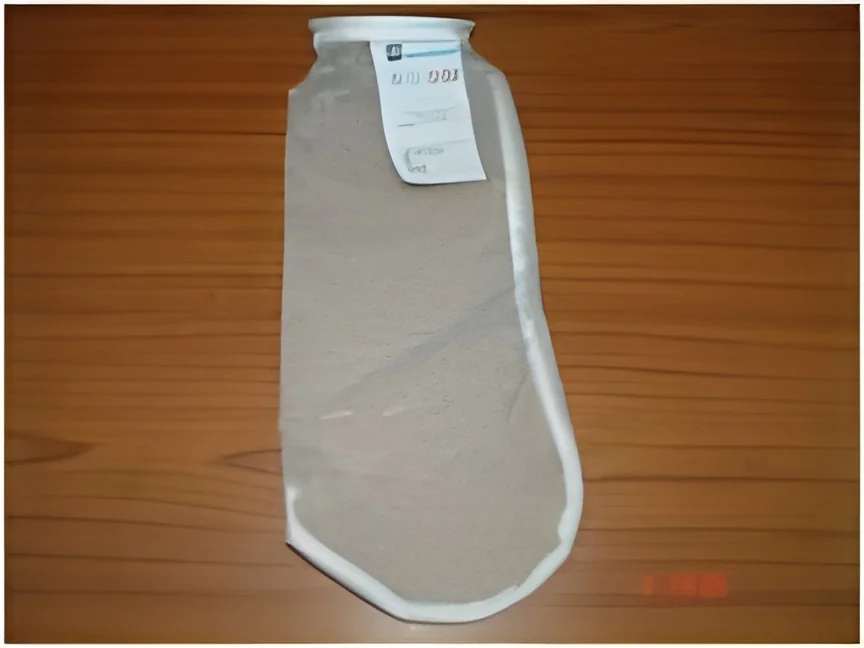
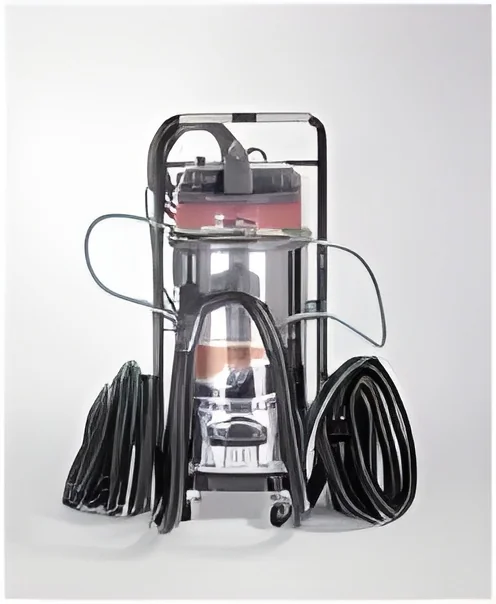
Industrial vacuum machines represent a critical solution for effective dust control in manufacturing environments. These powerful systems are engineered to capture, filter, and contain particulate matter directly at the source, preventing airborne contamination that compromises air quality and safety. With reliable performance and durable construction, they operate continuously in demanding conditions, ensuring consistent particulate management. Their efficient filtration systems handle everything from coarse debris to fine dust particles, making them indispensable for facilities prioritizing clean air standards, equipment protection, and regulatory compliance. These machines transform challenging industrial environments into safer, cleaner spaces through superior dust extraction technology.

These dust control systems find extensive application across industries where particulate management directly impacts operations and safety. In woodworking and furniture manufacturing, they effici...
Industrial vacuum machines represent a critical solution for effective dust control in manufacturing environments. These powerful systems are engineered to capture, filter, and contain particulate matter directly at the source, preventing airborne contamination that compromises air quality and safety. With reliable performance and durable construction, they operate continuously in demanding conditions, ensuring consistent particulate management. Their efficient filtration systems handle everything from coarse debris to fine dust particles, making them indispensable for facilities prioritizing clean air standards, equipment protection, and regulatory compliance. These machines transform challenging industrial environments into safer, cleaner spaces through superior dust extraction technology.

These dust control systems find extensive application across industries where particulate management directly impacts operations and safety. In woodworking and furniture manufacturing, they efficiently collect sawdust and wood particles that could otherwise create fire hazards and respiratory issues. Metal fabrication facilities utilize them for capturing hazardous metal dust generated during grinding, cutting, and polishing operations. The pharmaceutical industry relies on these vacuum systems to maintain sterile production environments and prevent cross-contamination between batches. Food processing plants implement them to uphold strict hygiene standards by removing food particles and potential allergens. Construction companies employ them for silica dust control during concrete cutting, drilling, and demolition activities where airborne particles pose significant health risks.

The business value of implementing industrial vacuum machines extends well beyond basic compliance to deliver measurable operational advantages. These systems enhance workplace safety by significantly reducing respiratory hazards and minimizing explosion risks in environments with combustible dust. They protect expensive machinery and electronic equipment from abrasive dust damage, extending equipment lifespan and reducing maintenance frequency and costs. Improved air quality contributes to higher employee productivity, reduced absenteeism, and better overall morale. The reliability of these vacuum systems ensures continuous operation without frequent downtime, while their energy-efficient designs help control long-term operational expenses. Investing in quality dust control demonstrates a commitment to both employee welfare and sustainable operational practices, creating a cleaner, safer, and more efficient working environment.

Key Features:
- High-efficiency multi-stage filtration system capturing fine particulate matter down to micron levels
- Heavy-duty construction with industrial-grade components designed for continuous operation
- Powerful suction capabilities handling various materials from fine dust to coarse debris
- Comprehensive safety features including explosion-proof options for hazardous environments
- Energy-efficient motor design with optimized airflow for reduced operational costs

Benefits:
- Ensures regulatory compliance with air quality standards and workplace safety requirements
- Protects sensitive machinery and equipment from dust-related damage and wear
- Reduces health risks for workers by minimizing exposure to hazardous airborne particles
- Lowers maintenance costs through efficient dust collection and extended equipment life
- Improves overall operational efficiency with reliable, continuous dust control performance
Specifications
| Additional Information | |
|---|---|
| Country of Origin | India |
Application
Industrial vacuum machines deliver essential dust control for manufacturing and processing facilities. They capture hazardous particulate matter at the source, protecting worker health and ensuring compliance with stringent air quality regulations. Their robust design handles continuous operation, preventing cross-contamination and maintaining clean production zones.
These versatile systems serve critical roles across multiple sectors. From woodworking shops managing sawdust to metal fabrication containing grinding particles, they adapt to specific industry challenges. Their effectiveness in maintaining sterile environments makes them vital for pharmaceuticals and food processing, while construction sites rely on them for controlling silica dust during cutting and drilling operations.
- Woodworking facilities collecting sawdust from sanders, saws, and planers to maintain air quality
- Metal fabrication shops capturing fine metal dust during grinding, cutting, and welding processes
- Pharmaceutical production areas ensuring contaminant-free environments for sensitive manufacturing
- Food processing plants maintaining hygiene standards by removing food particles and allergens
- Construction and demolition sites controlling hazardous silica dust from concrete cutting operations
Trade Details
| Available Stock | In Stock |
| Sample Availability | No |
Payment Terms
| Payment Terms |
|
Company Profile
Aalayams Industries Link, Tamil Nadu
 Tamil Nadu, India
Tamil Nadu, IndiaManufacturer•Trading Company•Distributor / Wholesaler
Factory Details
Factory SizeBelow 1000 sqm
Annual Production Capacity0
Industrial Vacuum Machines For Dust Control In Manufacturing
Industrial vacuum machines for manufacturing dust control provide reliable, high-performance particulate management. These systems ensure clean air compliance and operational safety across diverse industrial environments with durable construction and efficient filtration.
Min. Order Quantity: 1 unit
Shipping
Shipping fee and delivery date to be negotiated. Contact supplier now for more details.
Aalayams Industries Link
 Tamil Nadu, India
Tamil Nadu, IndiaManufacturer