IN
IN₹
Apparel & Fashion

Description
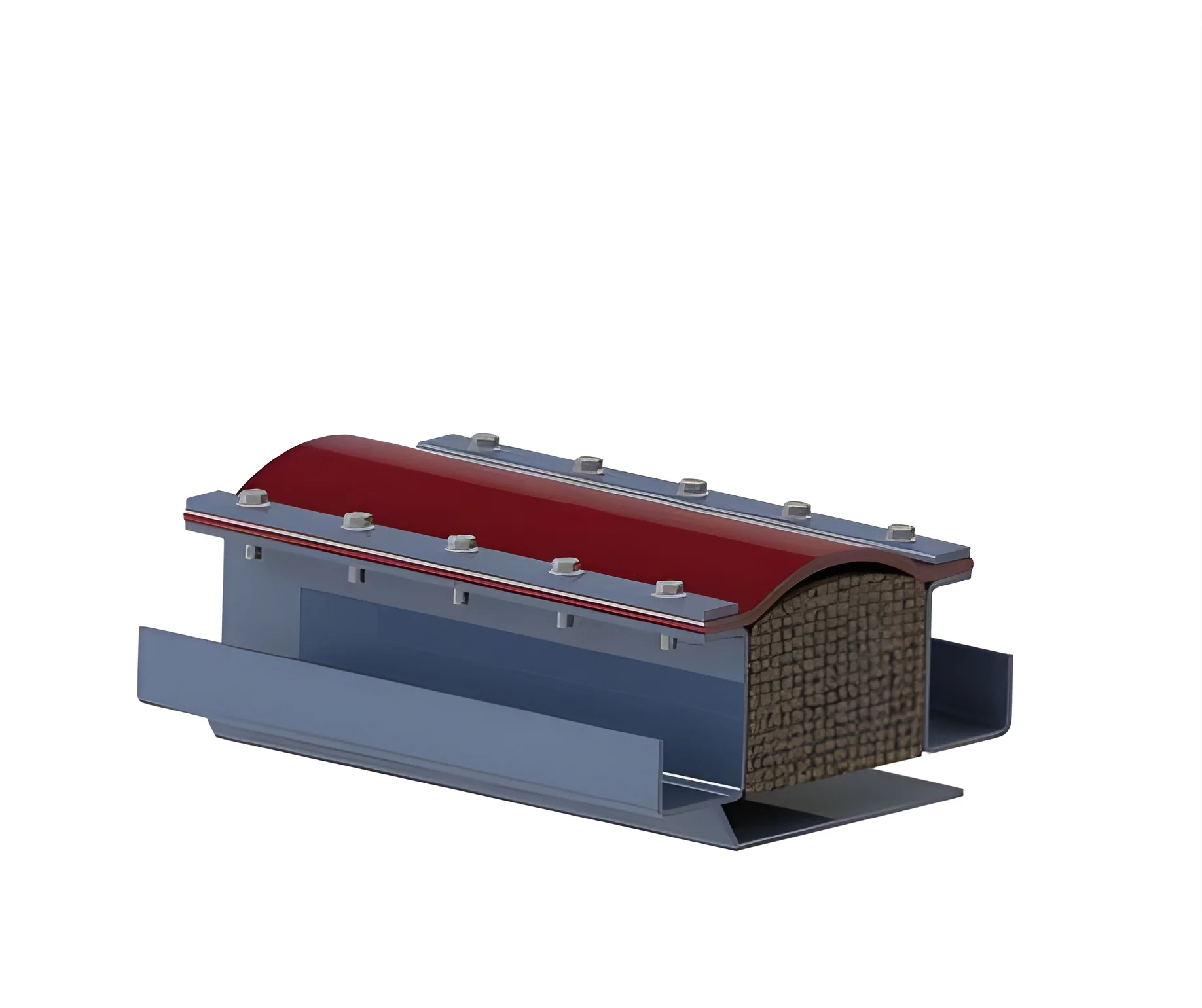
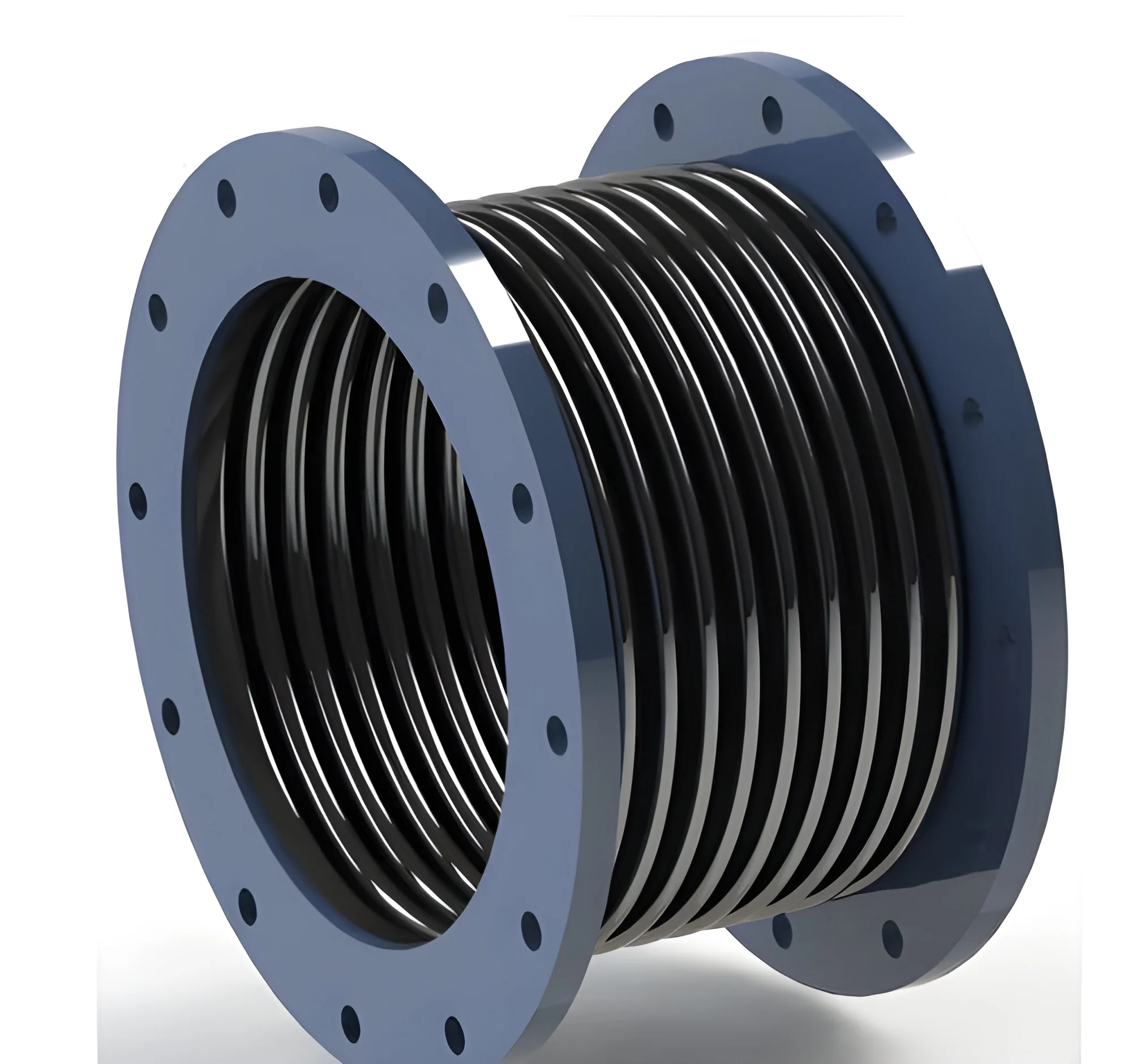
The High-Temperature Fabric Expansion Joint is a specialized, multi-layer flexible connector designed for critical ducting systems that transport hot air, flue gases, and corrosive process streams. Constructed with high-performance materials like PTFE and insulating fabrics, it excels where rigid metal joints fall short. Its primary function is to safely absorb thermal expansion, contraction, and mechanical movements—including axial, lateral, and angular shifts—while maintaining a tight seal. This capability is essential for preventing stress fractures, leaks, and equipment misalignment, ensuring the entire duct system operates smoothly and reliably under variable pressures and extreme temperatures.

This joint finds indispensable use across heavy industries where high-temperature duct integrity is non-negotiable. In power generation, it is installed in boiler flue-gas ducts and SCR systems. For chemical and petrochemical plants, it handles corrosive fumes in scrubbers and reactors. Th...
The High-Temperature Fabric Expansion Joint is a specialized, multi-layer flexible connector designed for critical ducting systems that transport hot air, flue gases, and corrosive process streams. Constructed with high-performance materials like PTFE and insulating fabrics, it excels where rigid metal joints fall short. Its primary function is to safely absorb thermal expansion, contraction, and mechanical movements—including axial, lateral, and angular shifts—while maintaining a tight seal. This capability is essential for preventing stress fractures, leaks, and equipment misalignment, ensuring the entire duct system operates smoothly and reliably under variable pressures and extreme temperatures.

This joint finds indispensable use across heavy industries where high-temperature duct integrity is non-negotiable. In power generation, it is installed in boiler flue-gas ducts and SCR systems. For chemical and petrochemical plants, it handles corrosive fumes in scrubbers and reactors. The HVAC sector relies on it for industrial ventilation and thermal compensation networks, while manufacturing facilities use it in process-air heating, drying ovens, and exhaust management for gas turbines. Its design addresses the universal need for a durable, flexible link that can withstand harsh operational environments without failure.

For businesses, this expansion joint delivers significant value through enhanced system reliability and reduced lifecycle costs. Its robust construction minimizes downtime by preventing ductwork failures that lead to costly repairs and production halts. The joint's ability to isolate vibration protects sensitive downstream equipment, extending its service life. By accommodating movement, it eliminates undue stress on supports and anchors, simplifying structural design. This translates into a dependable, long-lasting component that supports continuous, efficient, and safe industrial operations, making it a smart investment for system integrity.

Key Features:
- Multi-layer construction with high-temperature fabrics and PTFE for superior flexibility and sealing.
- Engineered to absorb large axial, lateral, and angular movements in ducting systems.
- Excellent resistance to corrosion, chemical attack, and thermal shock up to high continuous temperatures.
- Lightweight design compared to metal joints, enabling easier handling and installation.
- Durable build ensures long service life with minimal maintenance in demanding industrial environments.

Benefits:
- Protects ductwork and connected equipment from stress damage caused by thermal expansion and vibration.
- Reduces system downtime and maintenance costs by preventing leaks and joint failures.
- Enhances operational safety by maintaining a secure seal for hot and potentially hazardous gases.
- Improves energy efficiency by minimizing air or gas leakage in the duct system.
- Offers a reliable, cost-effective solution for thermal movement management where metal joints are unsuitable.
Specifications
| Additional Information | |
|---|---|
| Country of Origin | 106 |
Application
This high-temperature fabric expansion joint is engineered for demanding environments where ductwork must handle thermal expansion, vibration, and corrosive media. Its multi-layer flexible design reliably accommodates axial, lateral, and angular movements, protecting connected equipment from stress and damage in continuous operation.
Ideal for a wide range of industrial sectors, the joint ensures system integrity in processes involving hot air and gases. It is a critical component for maintaining operational safety and efficiency, preventing leaks and reducing maintenance needs across power generation, chemical processing, and heavy manufacturing facilities.
- Compensating for thermal expansion in flue-gas ducts of power plant boilers and industrial furnaces.
- Isolating vibration and absorbing movement in hot-air handling systems for process heating and drying.
- Sealing and flexing in scrubber, absorber, and pollution-control equipment ducting.
- Managing exhaust pulsations and thermal growth in gas turbine and engine exhaust duct systems.
- Providing chemical-resistant flexibility in ductwork for chemical and petrochemical processing plants.
Trade Details
| Available Stock | In Stock |
| Sample Availability | No |
Payment Terms
| Payment Terms |
|
Company Profile

Edgeflex Engineering Pvt Ltd, Tamil Nadu
 Tamil Nadu, India
Tamil Nadu, IndiaIndustrial Equipment & Machinery•Manufacturer•Retailer•Importer / Exporter
Factory Details
Factory SizeBelow 1000 sqm
Industrial High Temperature Fabric Expansion Joint For Flue Gas Ducts
High-Temperature Fabric Expansion Joint by FlexiTech absorbs movement, isolates vibration, and resists corrosion in flue-gas and air-handling ducts for industrial, power, and HVAC systems.
Min. Order Quantity: 1
Shipping
Shipping fee and delivery date to be negotiated. Contact supplier now for more details.
Edgeflex Engineering Pvt Ltd
 Tamil Nadu, India
Tamil Nadu, IndiaIndustrial Equipment & MachineryManufacturer