IN
IN₹
Apparel & Fashion
Description
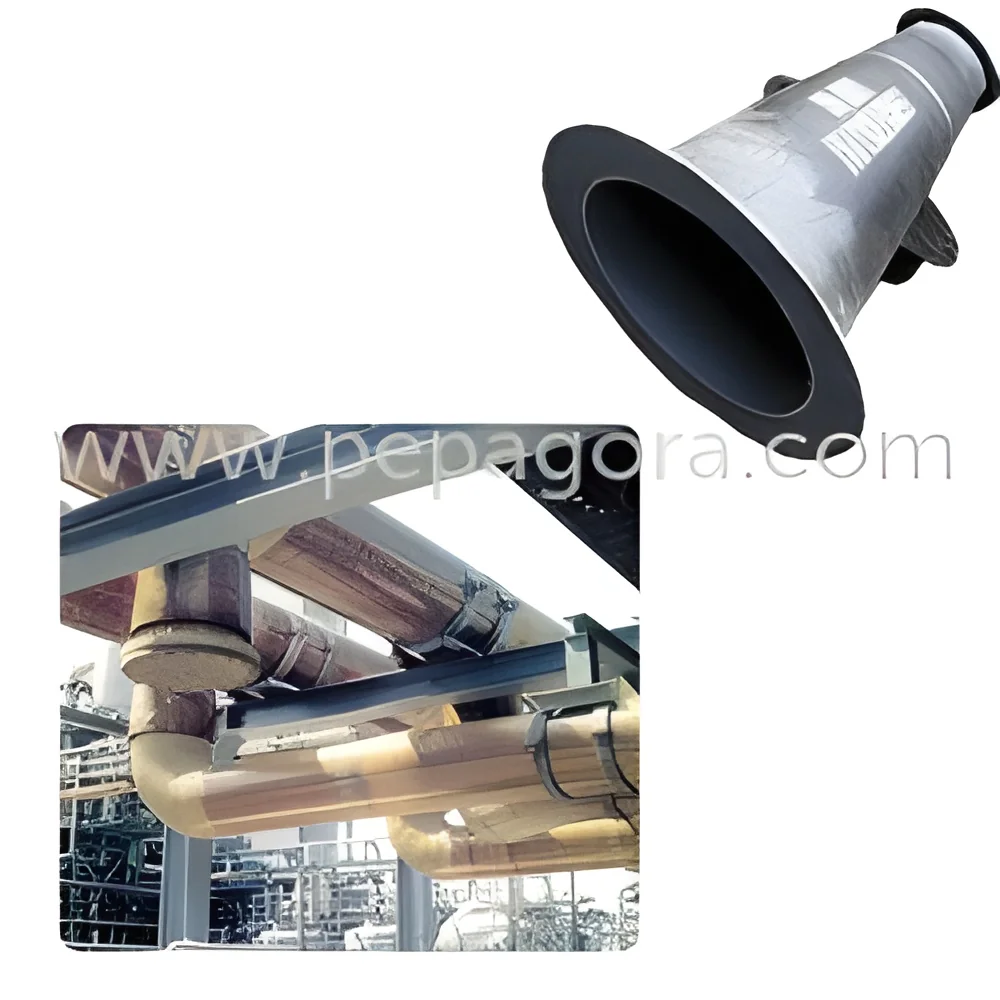
Industrial Ventilation PP FRP Ducts represent a superior solution for handling corrosive air streams in demanding industrial settings. Constructed from Polypropylene (PP) and Fiber Reinforced Plastic (FRP), these ducts offer exceptional resistance to acids, alkalis, and chemical fumes that rapidly degrade traditional metal systems. Engineered for leak-proof performance, each duct undergoes rigorous testing to ensure complete system integrity before installation. Available in custom configurations including round, rectangular, and specialized profiles, these ducts can be manufactured to specific dimensional requirements with various wall thicknesses and reinforcement options to meet exact pressure and environmental demands.

These corrosion-resistant ducts serve critical functions across multiple industries where air quality and equipment longevity are paramount. In chemical manufacturing, they safely transport aggressive fumes from production areas to treatment systems. Pharmaceutical ...
Industrial Ventilation PP FRP Ducts represent a superior solution for handling corrosive air streams in demanding industrial settings. Constructed from Polypropylene (PP) and Fiber Reinforced Plastic (FRP), these ducts offer exceptional resistance to acids, alkalis, and chemical fumes that rapidly degrade traditional metal systems. Engineered for leak-proof performance, each duct undergoes rigorous testing to ensure complete system integrity before installation. Available in custom configurations including round, rectangular, and specialized profiles, these ducts can be manufactured to specific dimensional requirements with various wall thicknesses and reinforcement options to meet exact pressure and environmental demands.

These corrosion-resistant ducts serve critical functions across multiple industries where air quality and equipment longevity are paramount. In chemical manufacturing, they safely transport aggressive fumes from production areas to treatment systems. Pharmaceutical companies rely on them for cleanroom ventilation where non-shedding, contaminant-free surfaces are essential for product purity. The wastewater treatment sector utilizes FRP ducts for moving highly corrosive air from biological processes and settling tanks. Manufacturing facilities employ them in metal fabrication, electroplating, and surface treatment operations where exposure to chemical mists would quickly compromise conventional ductwork.

The business value of specifying PP and FRP ducts lies in their significantly reduced total cost of ownership and minimal maintenance requirements. While initial investment may exceed standard metal options, the elimination of corrosion-related replacements, unplanned downtime, and frequent maintenance delivers substantial long-term savings. Their lightweight nature reduces structural support costs and simplifies installation logistics, while smooth interior surfaces improve airflow efficiency to lower operational energy consumption. Reliability is ensured through stringent quality control protocols, material verification testing, and performance validation, delivering systems that perform consistently in the most challenging industrial environments.

Key Features:
- Exceptional corrosion resistance against acids, alkalis, solvents, and chemical fumes.
- Leak-proof construction with welded seams and pressure-tested integrity before shipment.
- Custom fabrication available in various shapes, sizes, and reinforcement configurations.
- Lightweight design with high strength-to-weight ratio for easier handling and installation.
- Smooth interior surface minimizing friction loss and preventing particulate accumulation.

Benefits:
- Long service life with minimal maintenance requirements in corrosive environments.
- Reduced energy consumption due to optimized airflow and smooth interior surfaces.
- Lower total cost of ownership through elimination of corrosion-related replacements.
- Simplified installation with lightweight construction reducing structural support needs.
- Reliable performance ensured through rigorous quality control and testing protocols.
Specifications
| Additional Information | |
|---|---|
| Country of Origin | India |
Application
PP and FRP ducts are engineered to handle corrosive fumes, acidic mists, and chemical vapors where traditional metal ductwork fails. Their non-corrosive properties ensure long-term reliability in aggressive environments, while leak-proof construction maintains system integrity and prevents hazardous emissions. These ducts are essential for maintaining air quality and safety in facilities processing chemicals, pharmaceuticals, and industrial materials.
Beyond basic ventilation, these systems excel in specialized applications requiring contamination control and consistent airflow. The smooth interior surfaces prevent particulate buildup and minimize pressure drop, reducing energy consumption over the system's lifespan. Their lightweight construction simplifies installation and reduces structural support requirements compared to heavier metal alternatives, making them practical for both new installations and retrofit projects.
- Chemical processing plants for extracting acidic vapors and volatile organic compounds from reaction vessels.
- Pharmaceutical manufacturing facilities requiring non-contaminating air handling in cleanroom environments.
- Wastewater treatment plants moving corrosive, moisture-laden air from aeration tanks and processing areas.
- Metal finishing and plating operations handling corrosive mists from pickling lines and surface treatment.
- Power generation facilities for flue gas ducting and scrubber systems exposed to chemical byproducts.
Trade Details
| Available Stock | In Stock |
| Sample Availability | No |
Payment Terms
| Payment Terms |
|
Company Profile
Nikunj Reinforced Plastics, Gujarat
 Gujarat, India
Gujarat, IndiaIndustrial Equipment & Machinery•Manufacturer•Distributor / Wholesaler•Importer / Exporter
Factory Details
Factory SizeBelow 1000 sqm
Annual Production Capacity0
Industrial Ventilation PP FRP Ducts Corrosion Resistant Leak Proof
Industrial Ventilation PP FRP Ducts provide corrosion-resistant, leak-proof air handling for chemical fumes and aggressive industrial environments. These custom-engineered ducts offer reliable performance in pharmaceutical, manufacturing, and wastewater treatment applications.
Min. Order Quantity: 1 unit
Shipping
Shipping fee and delivery date to be negotiated. Contact supplier now for more details.
Nikunj Reinforced Plastics
 Gujarat, India
Gujarat, IndiaIndustrial Equipment & MachineryManufacturer