
 IN
Coating Machines
19 products available
What are Coating Machines?
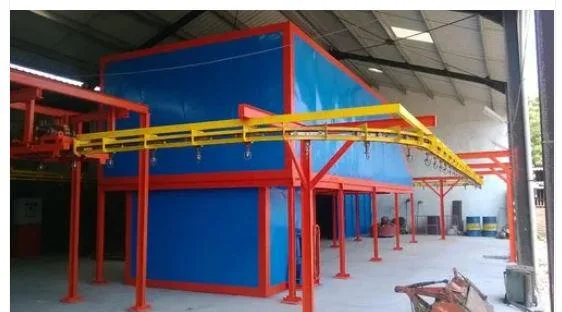
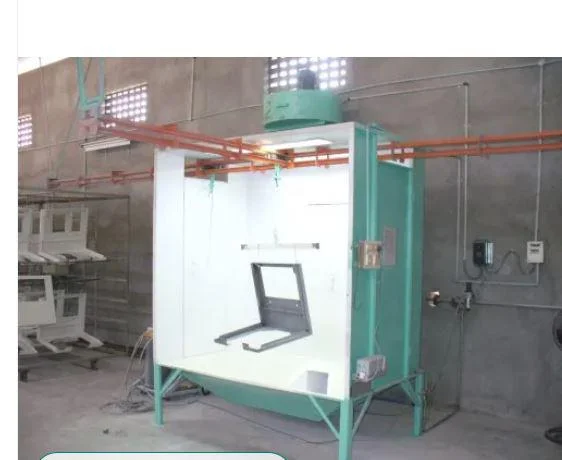
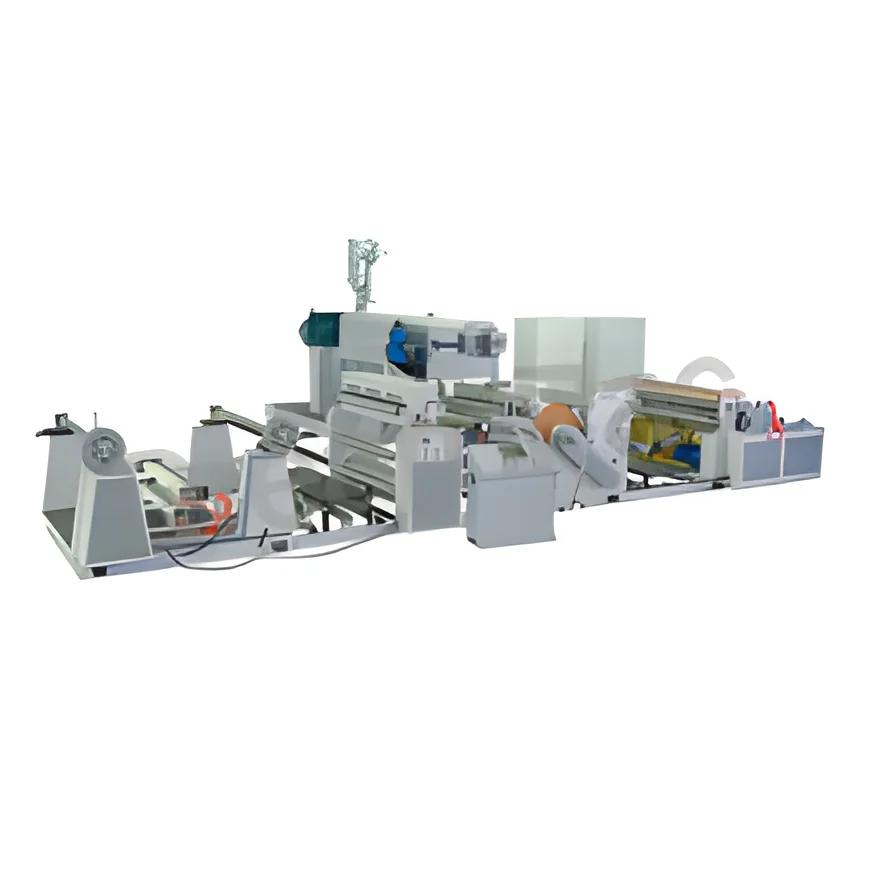
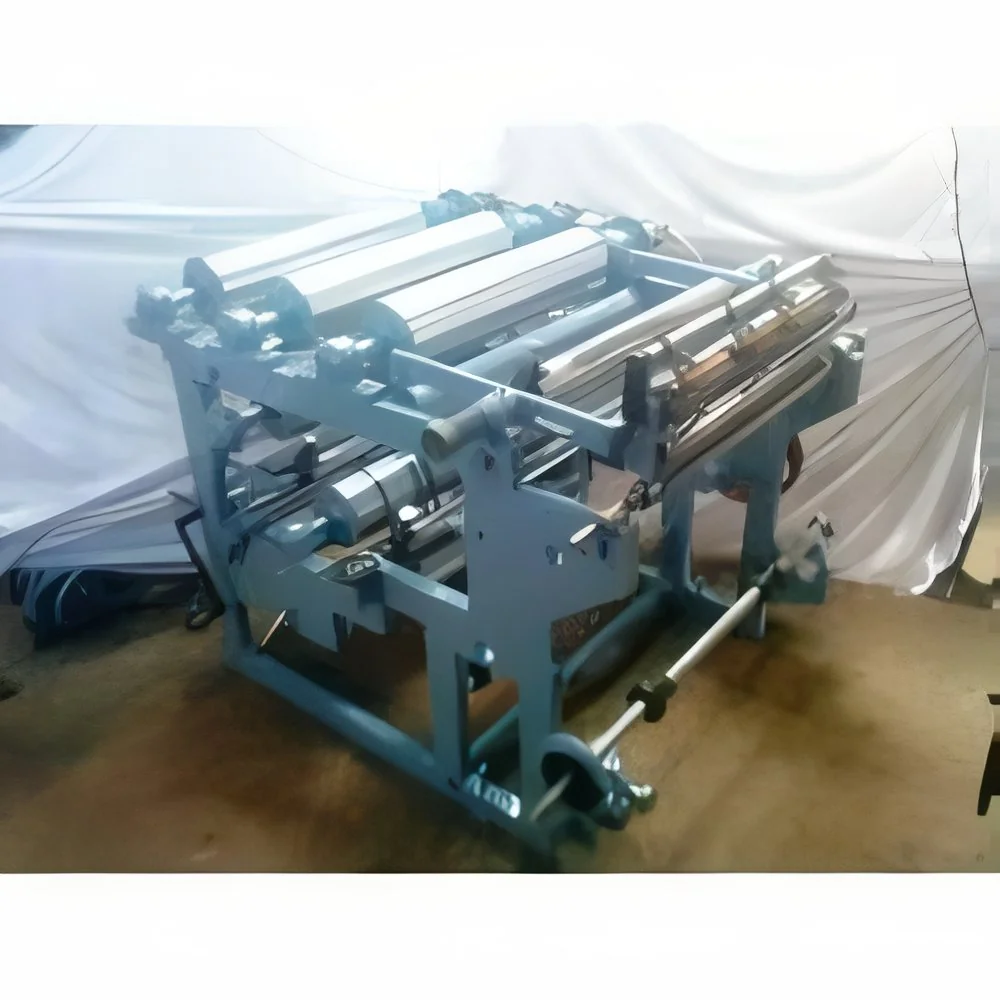
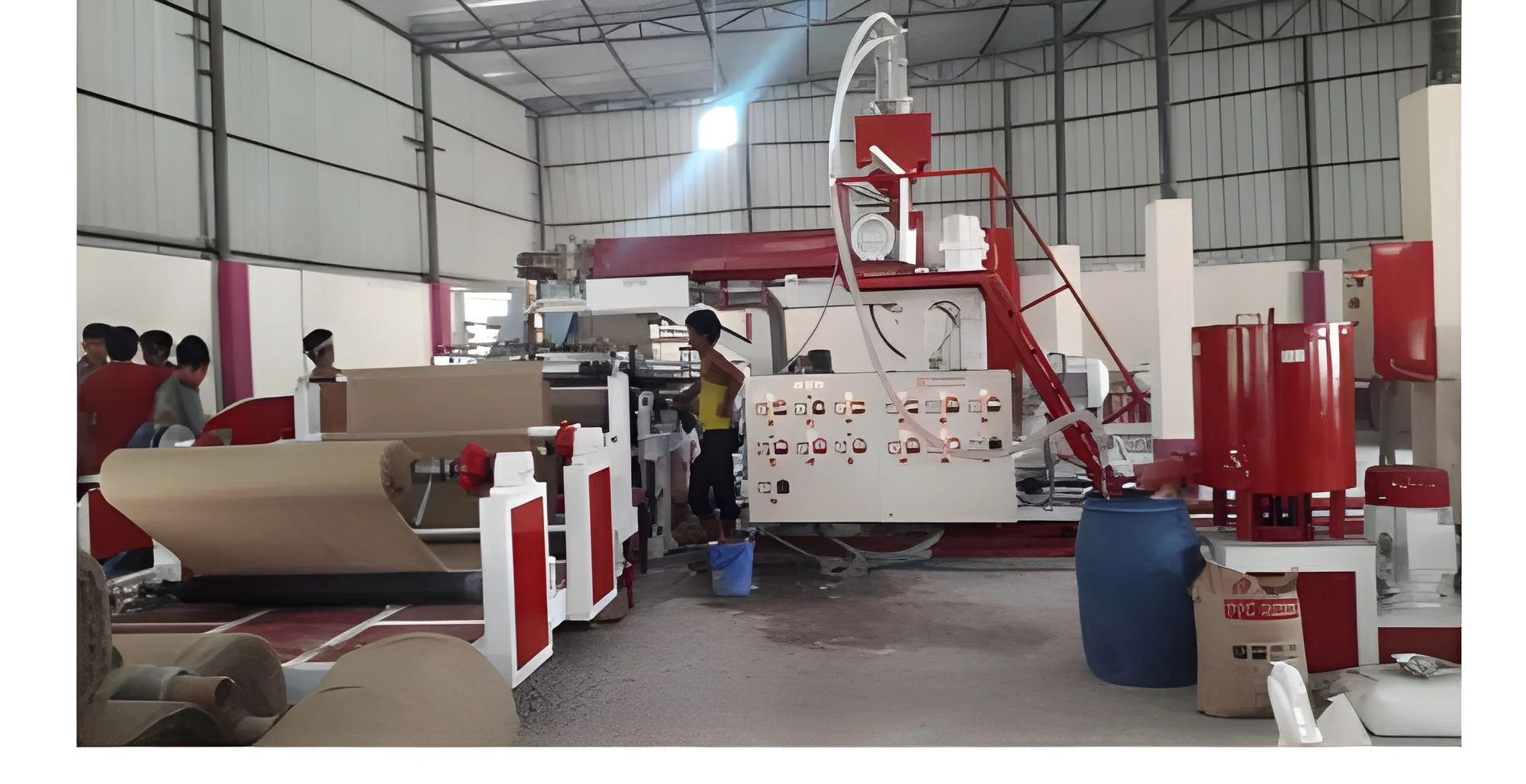
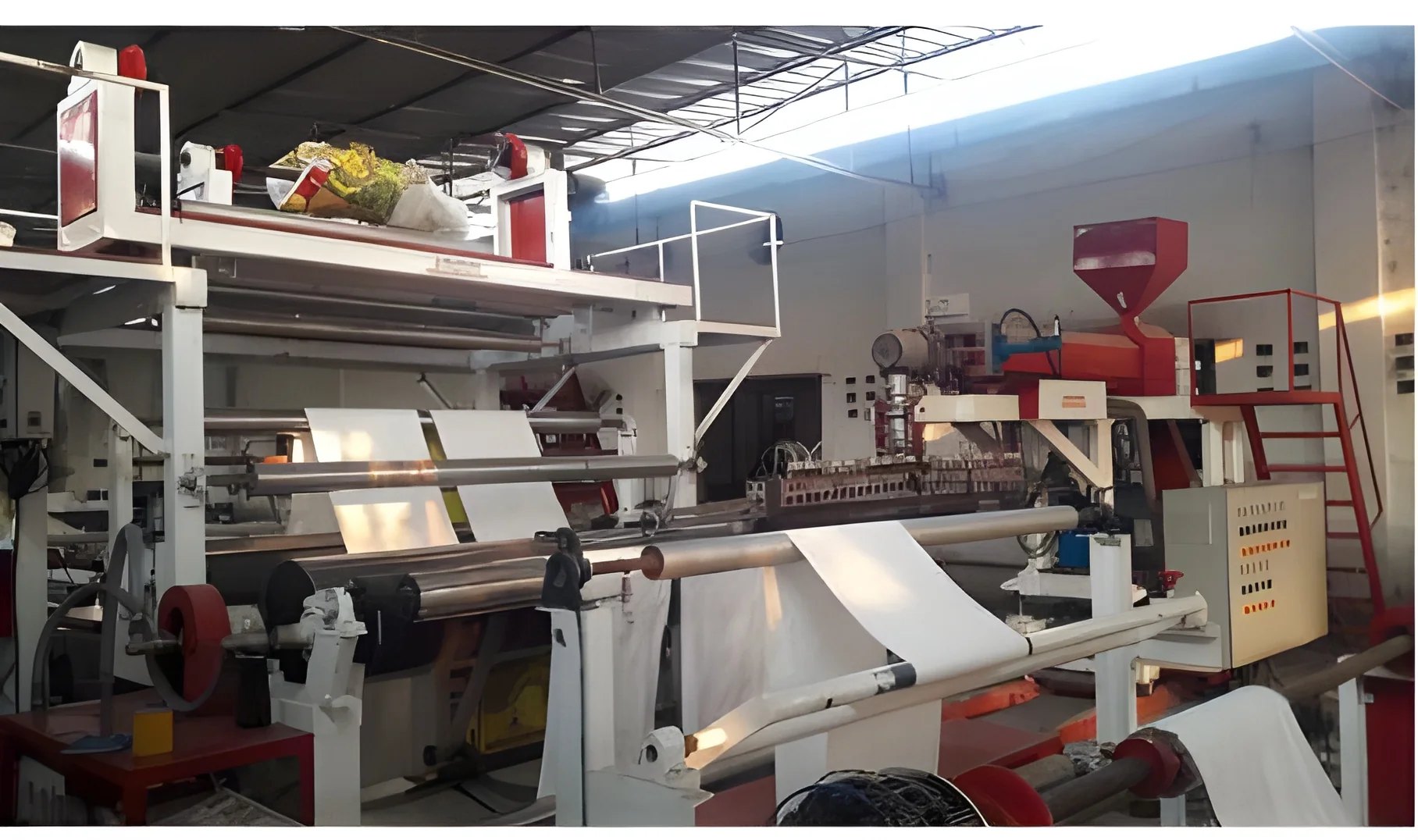
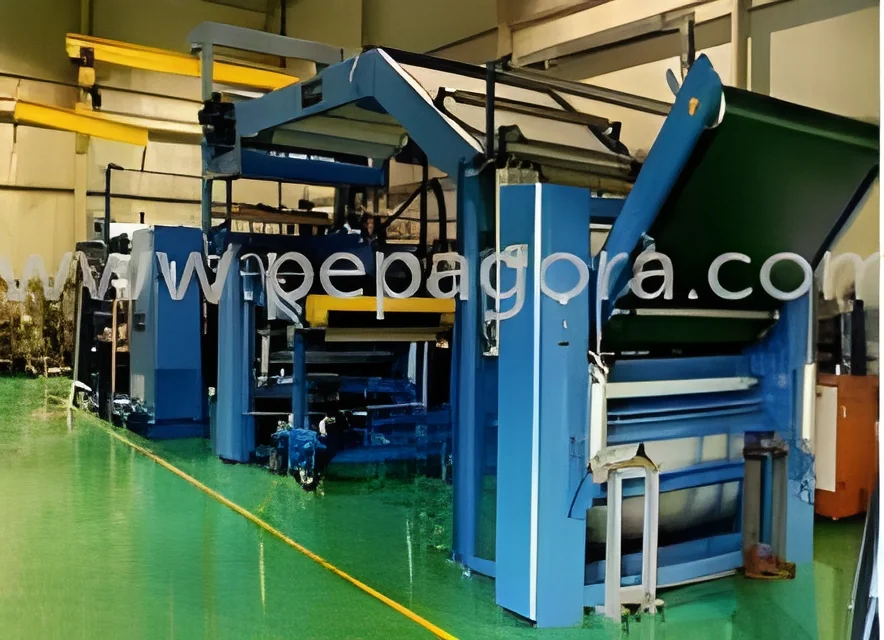
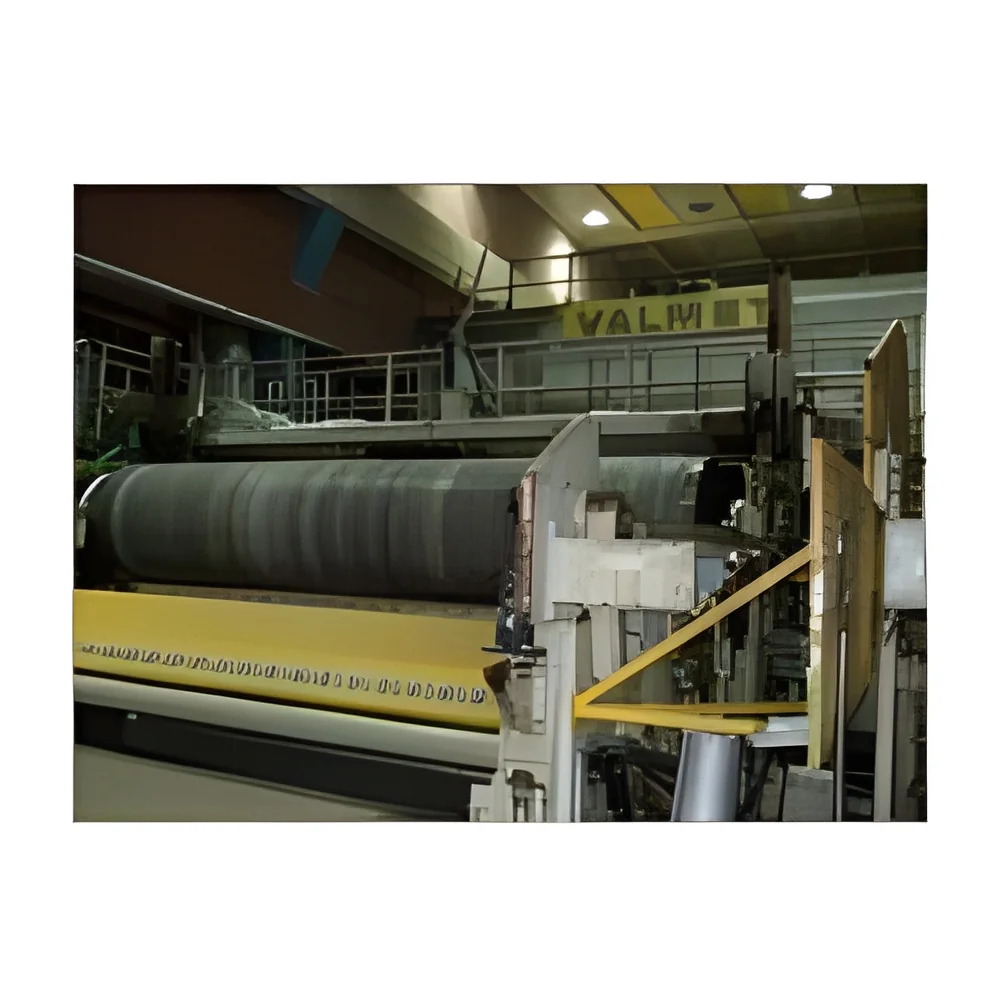
Coating machines are specialized industrial devices designed to apply a uniform layer of material onto various substrates. This process can involve the application of paints, varnishes, or protective coatings, enhancing the surface properties of the materials. Coating machines can vary significantly in size, complexity, and functionality depending on the specific requirements of the application and the materials being used.
These machines find primary uses in industries such as manufacturing, automotive, electronics, and food packaging. They are essential for improving product durability, enhancing appearance, and providing protection against environmental factors. The application of coatings can also help in achieving specific performance characteristics, such as corrosion resistance or improved adhesion. With the rising demand for high-quality finishes and protective coatings in various sectors, coating machines have become a vital part of modern manufacturing processes.
The relevance of coating machines in the industry is underscored by the continuous advancements in technology that allow for greater precision and efficiency. As businesses seek to improve product quality while reducing waste and costs, the role of coating machines is increasingly important in maintaining competitive advantages in the market.
Key Features and Specifications
Coating machines come with a variety of features and specifications tailored to meet different industrial needs. These specifications help buyers assess the suitability of machines for their specific applications.
Key specifications include:
1. Coating Method
- Options include spray, dip, and roll coating.
- Each method offers unique advantages based on application requirements.
2. Production Capacity
- Measured in units per hour or square footage per hour.
- Determines the throughput capability of the machine.
3. Coating Thickness
- Adjustable settings for varying layer thickness.
- Typical ranges from microns to millimeters depending on application.
4. Material Compatibility
- Suitable for various substrates such as metal, plastic, and wood.
- Ensures versatility in different manufacturing processes.
5. Automation Level
- Options for manual, semi-automatic, or fully automated systems.
- Higher automation can lead to increased efficiency and reduced labor costs.
6. Temperature Control
- Essential for processes that require specific curing conditions.
- Data not available on specific temperature ranges.
7. Humidity Control
- Important for maintaining optimal conditions during the coating process.
- Data not available on specific humidity control features.
8. Safety Features
- Includes emergency stops, safety guards, and monitoring systems.
- Ensures operator safety and compliance with industry regulations.
In summary, the diverse features and specifications of coating machines cater to a wide range of applications, making them essential tools in modern manufacturing.
Common Applications and Use Cases
Coating machines are integral to numerous industries, each benefiting from their unique capabilities.
1. Automotive Industry: Coating machines are used to apply protective coatings on vehicle bodies, enhancing durability and aesthetics while providing resistance to rust and wear.
2. Electronics Manufacturing: In this sector, coating machines apply conformal coatings to electronic components, safeguarding them from moisture and environmental damage.
3. Food Packaging: Coating machines are utilized to apply protective coatings on packaging materials, ensuring food safety and extending shelf life.
4. Furniture Production: These machines help in applying finishes that enhance the appearance and durability of wooden furniture.
5. Metal Fabrication: Coating machines provide essential finishing processes for metal parts, improving corrosion resistance and surface finish.
6. Aerospace: Coating machines play a crucial role in applying coatings that meet stringent aerospace standards for performance and safety.
7. Construction: Used for coating building materials, these machines help in providing protective finishes that enhance longevity and resistance to environmental factors.
Product Variants and Subcategories
Coating machines come in various forms to cater to different industrial needs. Each variant is designed with specific features tailored for particular applications.
Automatic Coating Machines: These machines offer high efficiency and consistency, ideal for large-scale production. They are equipped with advanced controls for precise coating application.
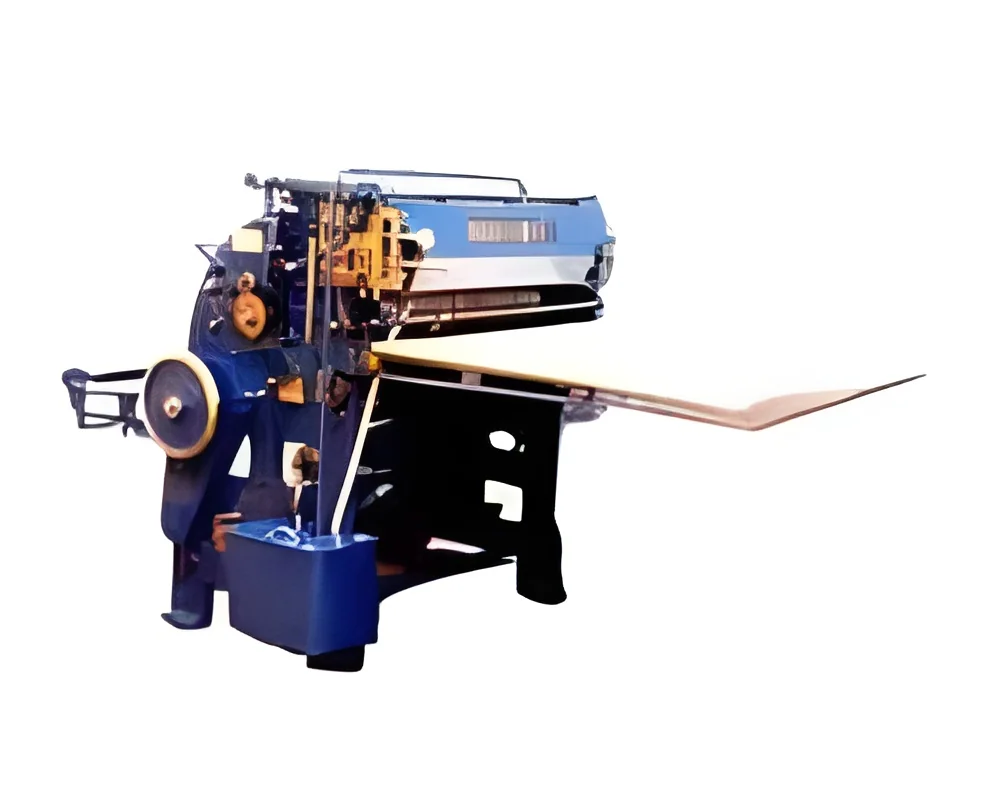
Manual Coating Machines: Suitable for smaller operations, these machines allow operators to control the coating process directly. They are often more affordable and versatile for low-volume applications.
Batch Coating Machines: Designed for processing small batches of products, these machines are perfect for industries that require flexibility in production without sacrificing quality.
Continuous Coating Systems: These systems are designed for high-volume output and can operate continuously, making them suitable for industries with large production demands.
Benefits and Advantages
Investing in coating machines provides numerous benefits to businesses across various sectors. Understanding these advantages can guide purchasing decisions.
1. Enhanced Product Quality: Coating machines ensure a uniform application of coatings, improving the overall quality and aesthetic appeal of products.
2. Increased Durability: Protective coatings applied through these machines enhance the lifespan of products by providing resistance to corrosion, abrasion, and environmental factors.
3. Cost Efficiency: Automating the coating process reduces labor costs and minimizes waste, leading to significant savings over time.
4. Versatility: Coating machines can be adapted for various materials and coatings, making them suitable for diverse manufacturing applications.
5. Improved Safety: Modern coating machines come equipped with safety features that protect operators and ensure compliance with industry regulations.
6. Faster Production Times: Automated coating processes increase throughput, allowing businesses to meet high demand more efficiently.
Buying Guide for B2B Buyers
When sourcing coating machines, several critical factors should be considered to ensure a successful purchase.
1. Quality Assessment: Evaluate the quality of the machines based on brand reputation, customer reviews, and performance metrics. Machines should meet industry standards for reliability and efficiency.
2. Supplier Verification: Vet suppliers by checking their credentials, certifications, and track record in the industry. Reliable suppliers often provide warranties and after-sales support.
3. Pricing and MOQ: Understand the price range for coating machines and inquire about minimum order quantities. Comparing prices across suppliers can help in negotiating better deals.
4. Delivery and Lead Times: Assess the supplier's ability to deliver on time. Clear communication regarding lead times is essential for planning production schedules.
5. Compliance Requirements: Ensure that the machines meet relevant industry regulations and standards. This may include safety certifications and environmental compliance.
Compliance and Certifications
Coating machines must adhere to various compliance and certification standards to ensure quality and safety.
ISO 9001 is a widely recognized standard that ensures quality management systems are in place, promoting consistent quality in manufacturing processes.
HACCP is crucial for food-related applications, ensuring that coatings used in food packaging meet safety guidelines to protect consumer health.
CE certification indicates that the machine meets European safety, health, and environmental protection standards. This certification is important for manufacturers looking to enter European markets.
In addition, regional compliance considerations may vary, so it is essential to check local regulations regarding coating processes and materials used.
Why Source Coating Machines from Pepagora?
Pepagora serves as a trusted platform for sourcing coating machines, offering several advantages that benefit B2B buyers.
Verified Supplier Network: Pepagora connects buyers with a network of verified suppliers, ensuring quality and reliability in sourcing. Each supplier undergoes a rigorous vetting process to confirm their credentials.
Streamlined RFQ Process: The request for quotation process on Pepagora is designed to be straightforward, allowing buyers to easily compare offers from multiple suppliers. This efficiency saves time and ensures competitive pricing.
Trade Assurance and Support: Pepagora provides trade assurance, protecting buyers throughout the purchasing process. Support services are available to address any concerns or queries regarding transactions.
Regional Coverage: With a focus on markets in India, the GCC, and Southeast Asia, Pepagora offers extensive coverage, making it easier for businesses in these regions to find suitable coating machines and suppliers.


 India
 India

 India
 India
 India
 India
 India
 India
 India
 India
 India
 India
 India
Frequently Asked Questions
What are Coating Machines?
Coating Machines are industrial equipment designed to apply a layer of material onto a substrate. This process can enhance the surface properties of the substrate, such as durability, appearance, and resistance to corrosion.
What are the different types of Coating Machines?
There are several types of Coating Machines, including powder coating machines, liquid coating machines, and electrostatic coating machines. Each type serves specific applications and industries, depending on the desired coating method and material.
How do I choose the right Coating Machines?
When choosing Coating Machines, consider factors such as the type of coating required, the material to be coated, production capacity, and compatibility with existing processes. It is also essential to evaluate the machine's features, such as automation level and maintenance requirements.
What are the standard specifications for Coating Machines?
Standard specifications for Coating Machines typically include parameters like coating thickness, machine dimensions, production speed, and power consumption. Additionally, specifications may vary based on the type of coating process employed.
What is the price range for Coating Machines?
The price range for Coating Machines can vary widely based on the type, size, and features of the machine. Typically, prices can range from a few thousand to several lakhs of Indian Rupees.
What quality standards apply to Coating Machines?
Quality standards for Coating Machines often include adherence to ISO certifications, safety regulations, and specific industry standards. Ensuring compliance with these standards is crucial for the machine's performance and longevity.
Where can I find Coating Machines suppliers in India?
You can find Coating Machines suppliers in India through online B2B marketplaces like Pepagora, industry trade shows, and local manufacturing directories. Researching and comparing suppliers will help you find reputable manufacturers.
Can Coating Machines be customized?
Yes, many manufacturers offer customization options for Coating Machines to meet specific production needs. Customizations can include size adjustments, additional features, or tailored coating processes.
What is the typical minimum order quantity for Coating Machines?
The typical minimum order quantity (MOQ) for Coating Machines can vary by supplier and machine type. Generally, it can range from one unit for smaller machines to multiple units for larger, industrial-grade equipment.
What is the typical lead time for Coating Machines?
The typical lead time for Coating Machines depends on the manufacturing process and customization requirements. Generally, lead times can range from a few weeks to several months, so it is advisable to confirm with the supplier.
Why Businesses Trust Pepagora
Thousands of companies trust Pepagora to source smarter and sell faster
Expand Your Sales Globally

Source Smarter,Grow Faster
