
 IN
Centrifugal Casting Machines
8 products available
What are Centrifugal Casting Machines?
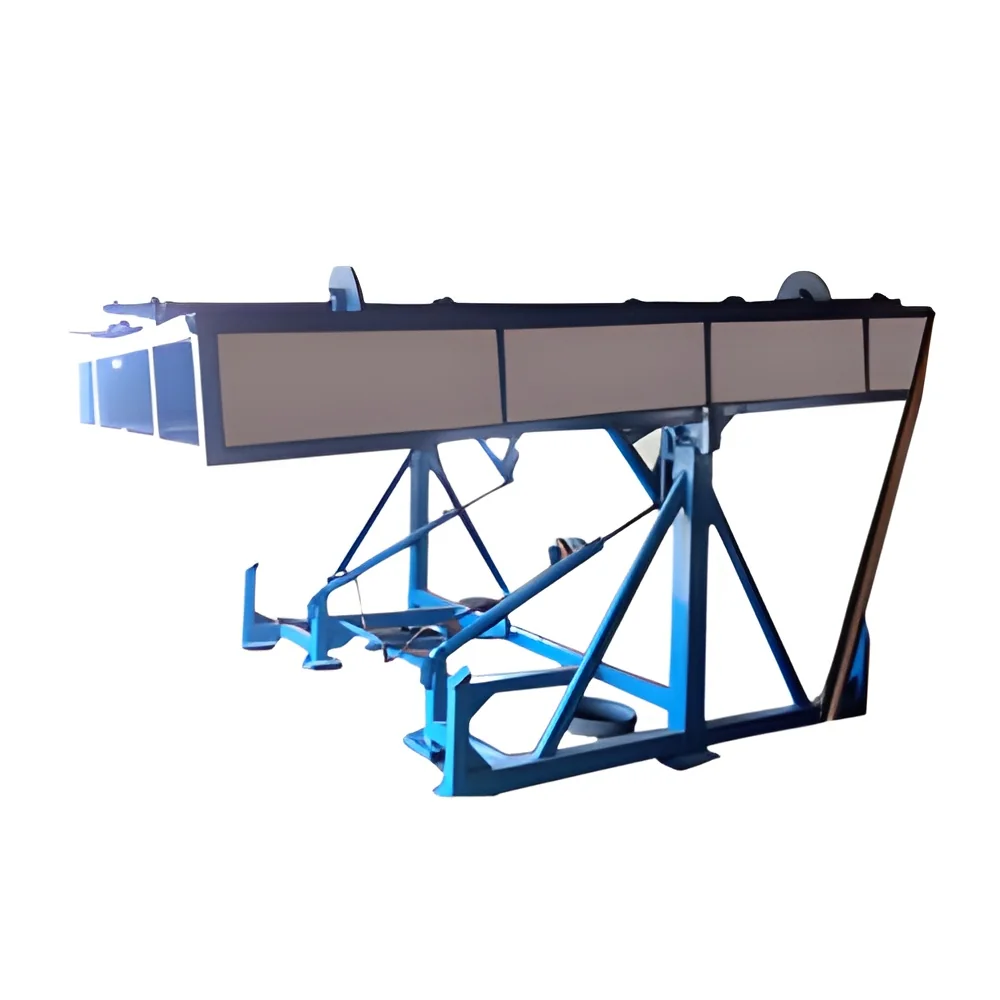
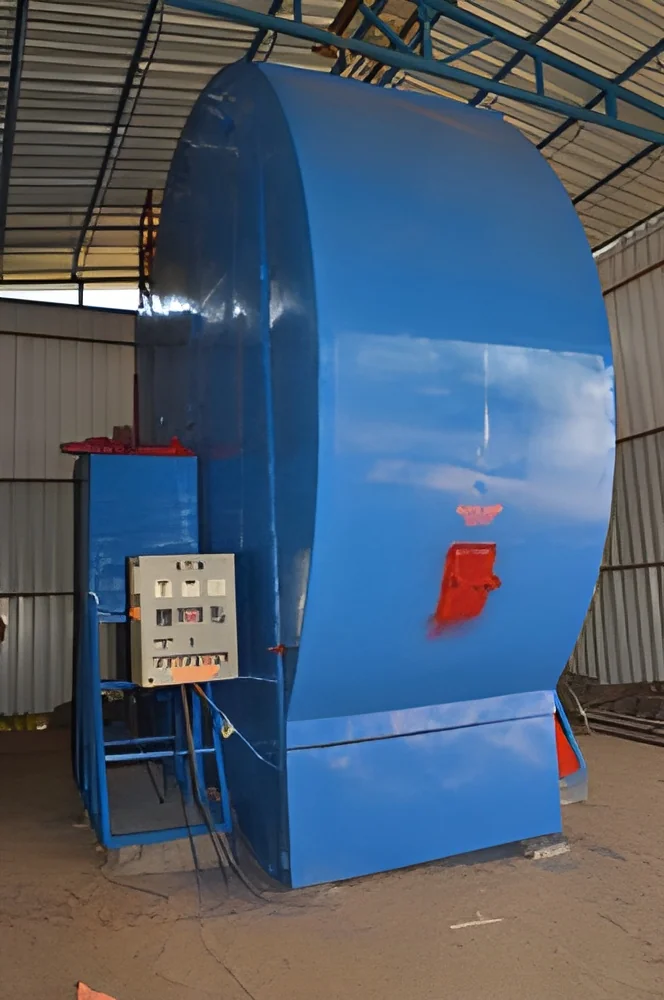
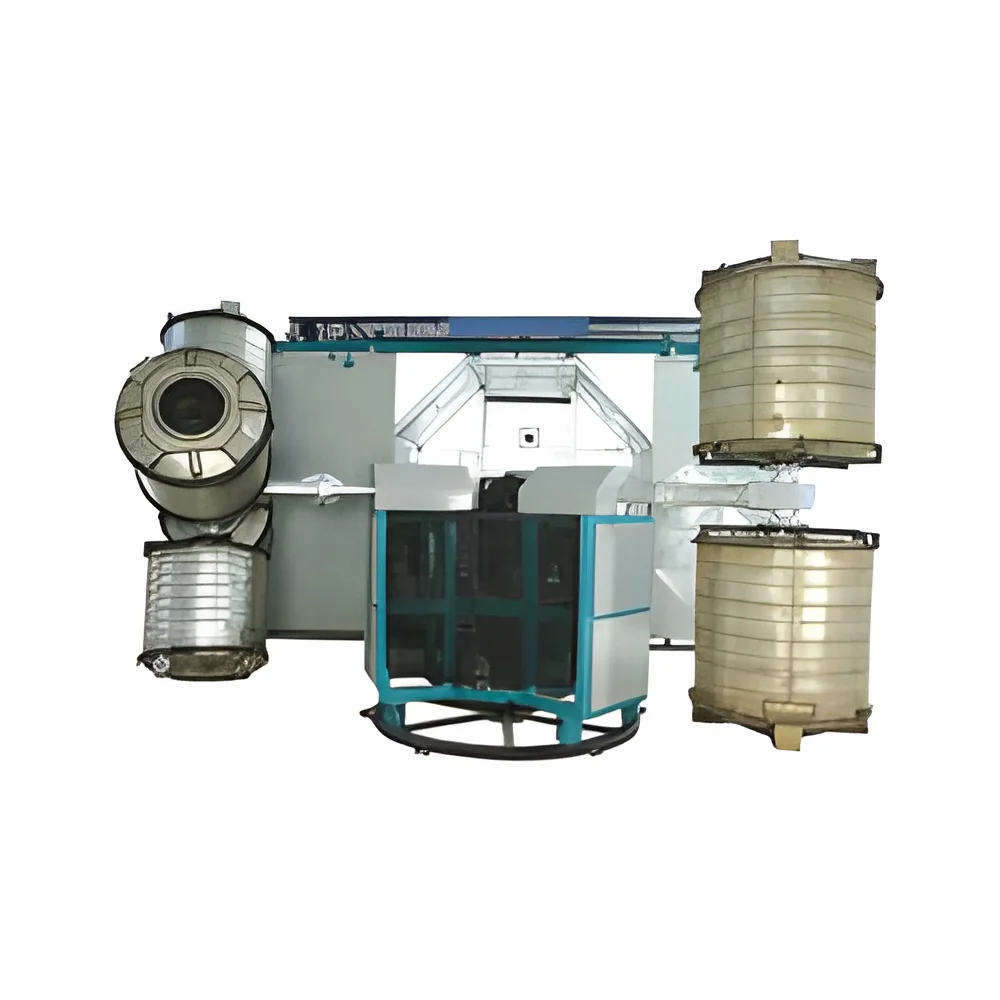
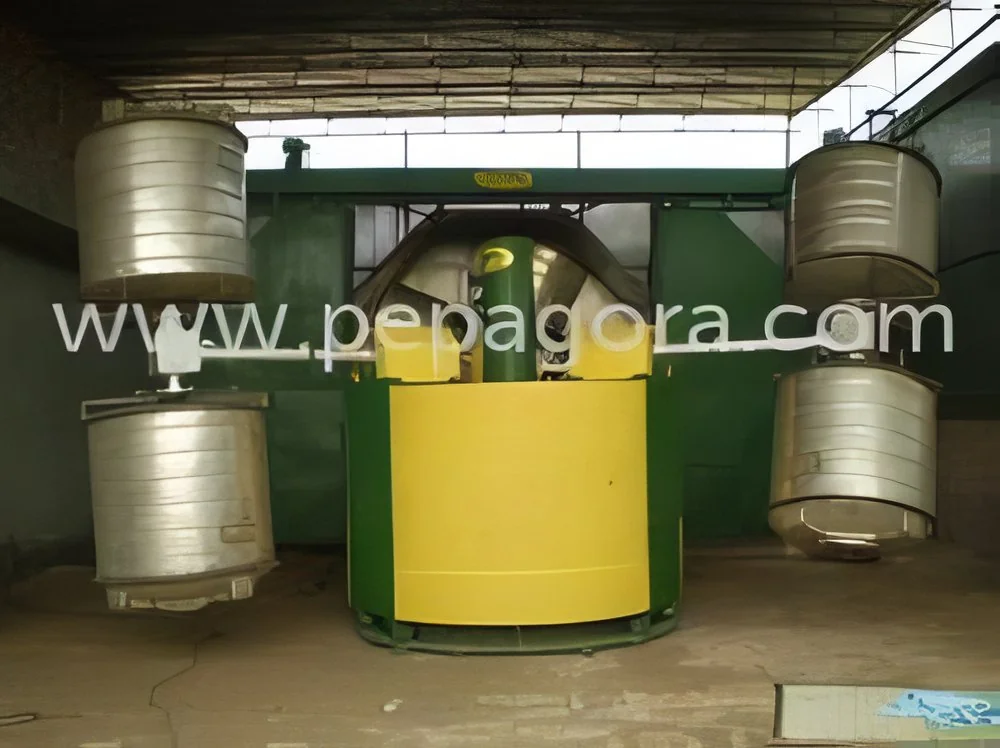
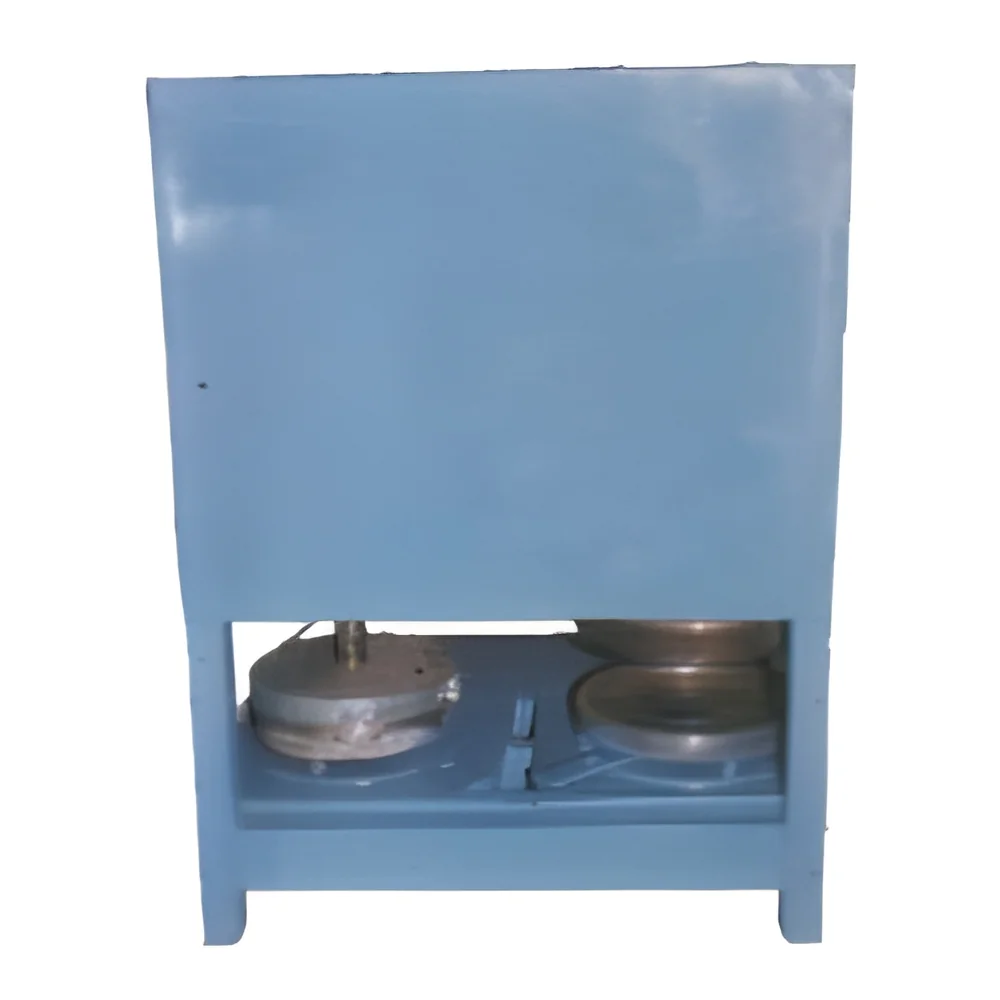
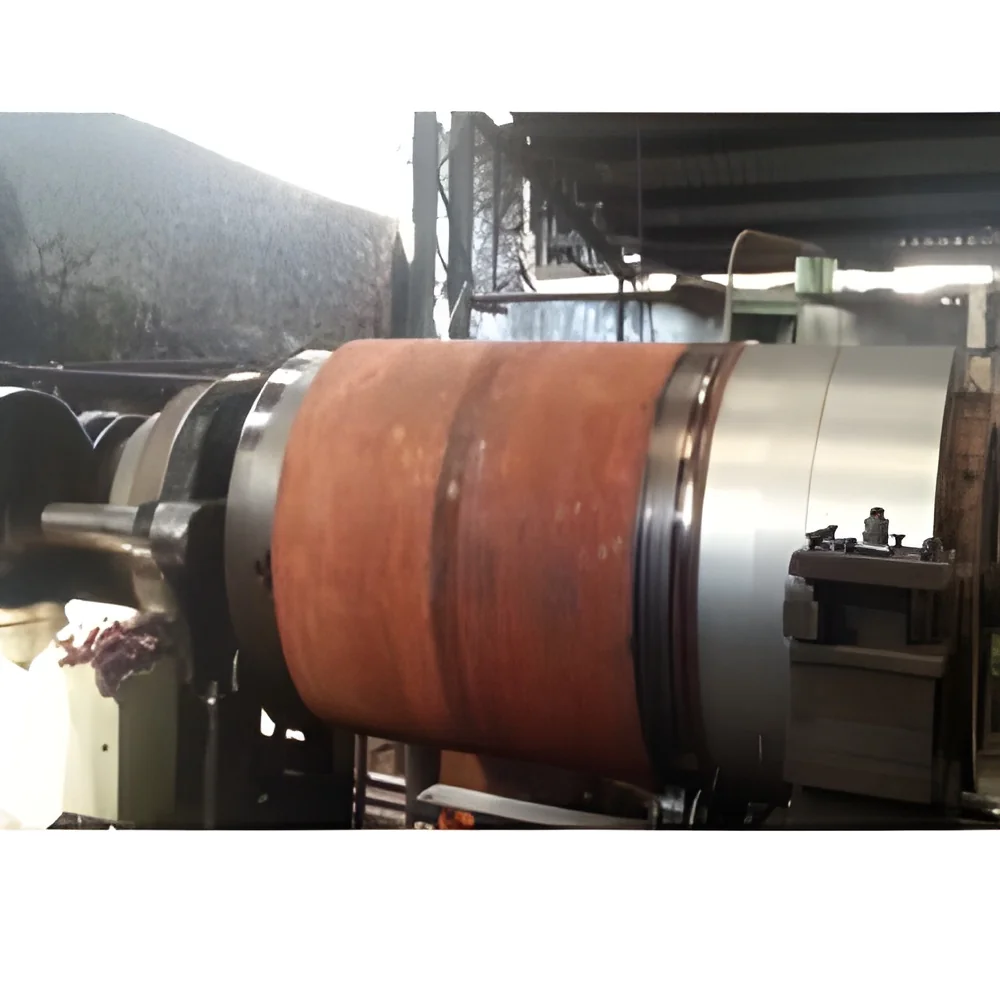
Centrifugal casting machines are specialized equipment used to produce cylindrical metal parts through a process known as centrifugal casting. This method involves pouring molten metal into a rotating mold, allowing the centrifugal force generated by the rotation to distribute the metal evenly along the mold's inner surface. This results in a denser and more uniform product compared to traditional casting methods.
These machines are primarily utilized in industries that require high-quality, precision components, such as aerospace, automotive, and heavy machinery manufacturing. They are particularly effective for producing parts like pipes, tubes, and various cylindrical shapes, which are essential in many industrial applications. The relevance of centrifugal casting machines in the market continues to grow, driven by the demand for durable and high-performance components across various sectors.
Key Features and Specifications
Centrifugal casting machines come equipped with several features that enhance their performance and usability. These specifications help in understanding the machine's capabilities and suitability for different applications.
Key specifications include:
1. Rotational Speed
- The speed at which the mold rotates, impacting the quality of the cast.
- Typical ranges are from 100 to 300 RPM.
2. Mold Material
- The type of material used for the mold, which can affect heat retention and durability.
- Common materials include cast iron and steel.
3. Heating Capability
- The machine's ability to maintain the required temperature for melting and casting.
- Temperature ranges can vary based on the metal being cast.
4. Automation Level
- The degree to which the machine operates automatically, influencing ease of use and efficiency.
- Options range from fully manual to fully automated systems.
5. Cooling System
- The mechanism used to cool the cast product post-casting.
- Can include water-cooled jackets or air cooling systems.
6. Size Range
- The dimensions of parts that can be produced, affecting the machine's versatility.
- Machines can handle diameters from a few inches to several feet.
7. Weight Capacity
- The maximum weight of the metal that can be poured into the mold.
- This can range from a few kilograms to several tons.
8. Control Systems
- The type of control interface available for operators, enhancing user experience.
- Modern machines often include digital interfaces and programmable options.
In summary, understanding these key features and specifications is crucial for selecting the right centrifugal casting machine for specific industrial needs.
Common Applications and Use Cases
Centrifugal casting machines serve various industries with specific applications that leverage their unique capabilities.
1. Aerospace: Centrifugal casting is used to produce high-strength components such as turbine blades and landing gear parts, where precision and durability are critical.
2. Automotive: These machines are employed to manufacture engine blocks and transmission components, ensuring high performance and reliability.
3. Oil and Gas: Used for creating pipes and fittings that must withstand high pressures and harsh environments, ensuring safety and longevity.
4. Construction: Centrifugal casting produces reinforced concrete pipes and manholes, contributing to efficient infrastructure development.
5. Marine: The technology is applied to manufacture propeller shafts and other critical components that require resistance to corrosion and fatigue.
6. Heavy Machinery: Centrifugal casting helps in producing wear-resistant parts for heavy equipment, enhancing operational efficiency and lifespan.
7. Electrical: These machines are used to create high-quality electrical components such as bushings and connectors, ensuring conductivity and durability.
Product Variants and Subcategories
Centrifugal casting machines come in various models, each designed to meet specific industrial needs.
Vertical Centrifugal Casting Machines: These machines are designed for vertical casting processes, allowing for efficient production of cylindrical parts. They are ideal for applications requiring precise geometry and surface finish.
Horizontal Centrifugal Casting Machines: These machines operate on a horizontal axis, making them suitable for larger components. They provide versatility in casting various shapes and sizes.
High-Pressure Centrifugal Casting Machines: Designed to handle high-pressure applications, these machines are essential for industries that require robust and durable components.
Low-Pressure Centrifugal Casting Machines: These machines are used for producing intricate designs and thinner walls, making them ideal for specialized applications.
Benefits and Advantages
Centrifugal casting machines offer numerous benefits that enhance production efficiency and product quality.
1. Improved Material Properties: The centrifugal force promotes denser casting, resulting in superior mechanical properties.
2. Reduced Scrap Rates: The precision of the process minimizes material waste, making it more cost-effective.
3. Enhanced Dimensional Accuracy: The design of the machines allows for tighter tolerances, ensuring consistent quality.
4. Versatility: These machines can cast various metals and alloys, accommodating different industrial requirements.
5. Fast Production Rates: The automation and efficiency of centrifugal casting lead to quicker turnaround times for manufacturing.
6. Lower Maintenance Costs: The robust design and fewer moving parts typically result in reduced maintenance needs over time.
Buying Guide for B2B Buyers
When sourcing centrifugal casting machines, several factors should be considered to ensure a suitable purchase.
1. Quality Assessment: Evaluate the machine's build quality and performance metrics. Look for certifications that attest to its reliability and durability.
2. Supplier Verification: Vet suppliers through reviews, references, and industry reputation to ensure they provide reliable equipment.
3. Pricing and MOQ: Compare pricing structures and minimum order quantities across different suppliers to find a competitive deal without compromising on quality.
4. Delivery and Lead Times: Consider the logistics involved in purchasing the machine, including shipping times and installation support.
5. Compliance Requirements: Ensure that the machines meet relevant industry standards and regulatory requirements to avoid legal issues.
Compliance and Certifications
Centrifugal casting machines must adhere to various quality standards and certifications to ensure safety and performance.
ISO 9001: This standard ensures that the manufacturing processes adhere to quality management principles, promoting consistency and reliability in product delivery.
CE Certification: A critical certification indicating compliance with European safety standards, ensuring the machine is safe for use in various applications.
Safety and Testing Requirements: Machines must undergo rigorous testing to meet safety requirements, including pressure testing and performance evaluations.
Regional Compliance Considerations: Different regions may have specific regulatory requirements that need to be met, so it is essential for buyers to be aware of local standards.
Why Source Centrifugal Casting Machines from Pepagora?
Pepagora provides a trusted platform for sourcing centrifugal casting machines, offering several key advantages to buyers.
Verified Supplier Network: Pepagora works with a network of verified suppliers, ensuring that buyers receive high-quality machinery from reputable manufacturers. This reduces the risk associated with procurement.
Streamlined RFQ Process: The platform features a simplified request for quotation process, making it easier for buyers to gather and compare offers from multiple suppliers efficiently.
Trade Assurance and Support: Buyers benefit from trade assurance programs that protect their investments and ensure they receive the products as promised. Dedicated support teams are available to assist throughout the purchasing process.
Regional Coverage: Pepagora has a strong presence in India, the GCC, and Southeast Asia, facilitating access to centrifugal casting machines for businesses in these regions and beyond, ensuring timely delivery and service.

 India
 India

 India
 India
 India
Frequently Asked Questions
What are Centrifugal Casting Machines?
Centrifugal casting machines are specialized equipment used to produce cylindrical components by pouring molten metal into a rotating mold. The centrifugal force generated during the rotation helps distribute the molten metal evenly, resulting in a denser and more uniform final product.
What are the different types of Centrifugal Casting Machines?
There are primarily two types of centrifugal casting machines: vertical and horizontal. Vertical machines are used for casting long cylindrical parts, while horizontal machines are typically used for shorter, larger-diameter components.
How do I choose the right Centrifugal Casting Machines?
Choosing the right centrifugal casting machine depends on factors such as the type of material being cast, the desired dimensions of the final product, and production volume. It's important to assess your specific manufacturing needs and consult with suppliers to find the best fit.
What are the standard specifications for Centrifugal Casting Machines?
Standard specifications for centrifugal casting machines include the maximum rotational speed, mold diameter, and the maximum pouring temperature. Additionally, machine size, power consumption, and control systems are critical specifications to consider.
What is the price range for Centrifugal Casting Machines?
The price range for centrifugal casting machines can vary significantly based on the machine's size, type, and features. Typically, prices can start from a few lakhs to several crores, depending on the manufacturer and the specific requirements.
What quality standards apply to Centrifugal Casting Machines?
Centrifugal casting machines are subject to various quality standards, including ISO 9001 and other industry-specific certifications. These standards ensure that the machines meet safety, reliability, and performance criteria essential for manufacturing processes.
Where can I find Centrifugal Casting Machines suppliers in India?
You can find centrifugal casting machines suppliers in India through online B2B marketplaces like Pepagora, industry trade shows, and manufacturing directories. It is advisable to research and compare suppliers to find reputable manufacturers.
Can Centrifugal Casting Machines be customized?
Yes, many manufacturers offer customization options for centrifugal casting machines to meet specific production requirements. Customizations may include modifications to mold design, automation features, and control systems.
What is the typical minimum order quantity for Centrifugal Casting Machines?
The typical minimum order quantity (MOQ) for centrifugal casting machines varies by supplier and the complexity of the machine. Generally, MOQs can range from one machine to multiple units, depending on the manufacturer's policies.
What is the typical lead time for Centrifugal Casting Machines?
The typical lead time for centrifugal casting machines can range from a few weeks to several months, depending on the complexity of the machine and the manufacturer's production schedule. It's advisable to discuss lead times with suppliers during the ordering process.
Why Businesses Trust Pepagora
Thousands of companies trust Pepagora to source smarter and sell faster
Expand Your Sales Globally

Source Smarter,Grow Faster
