
 IN
Cartesian/Gantry Robots
1 products available
What are Cartesian/Gantry Robots?
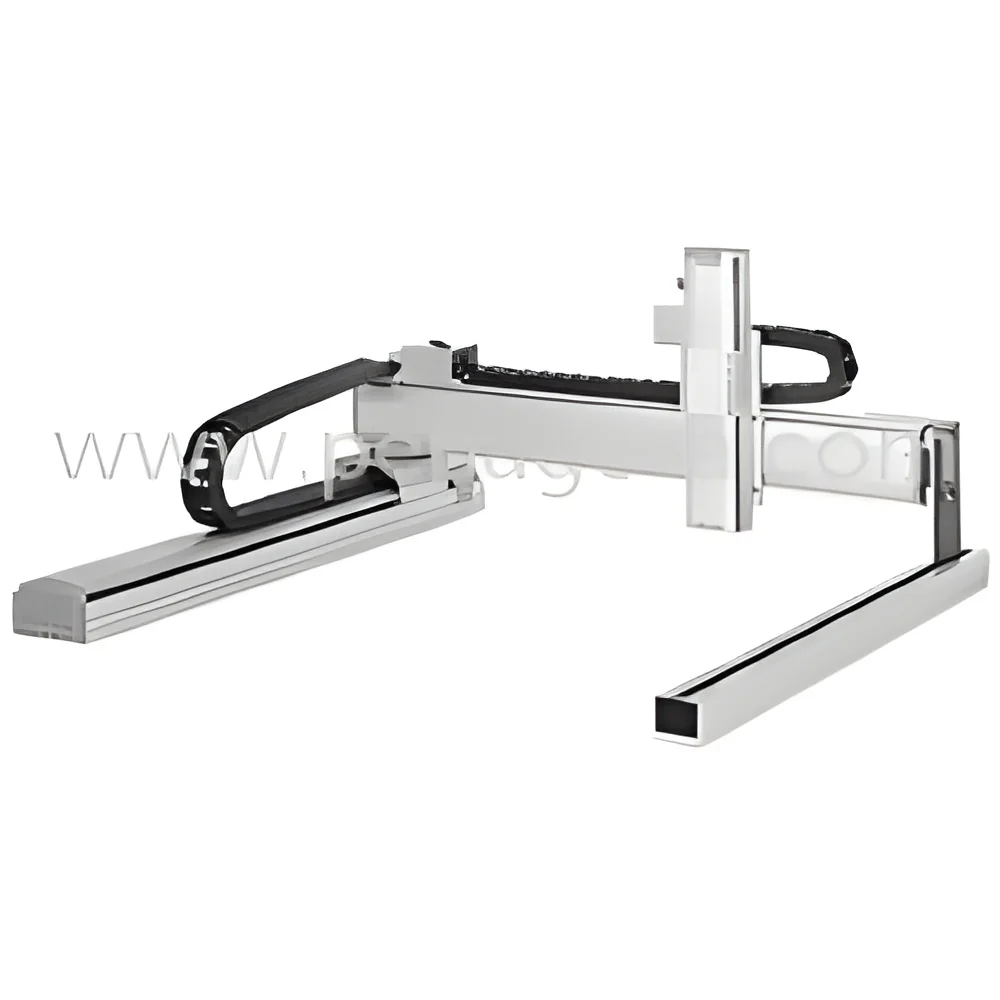
Cartesian or gantry robots are automated machines designed to perform precise movements along three linear axes: X, Y, and Z. They utilize a simple structure with a rectangular frame and are often mounted on a track to facilitate their movement. This design allows for high accuracy and repeatability in tasks such as pick-and-place operations, assembly, and material handling. Cartesian robots are known for their straightforward programming and integration into various production lines, making them a popular choice in industrial automation.
These robots find applications across multiple sectors, including manufacturing, warehousing, and logistics. Businesses use them for tasks that require high precision and speed, such as assembling electronic components, packaging products, and loading and unloading materials. Their ability to handle repetitive tasks with minimal downtime makes them valuable assets in increasing productivity and efficiency. As industries shift towards automation, the market for Cartesian and gantry robots continues to expand, reflecting their relevance in modern manufacturing environments.
Key Features and Specifications
Cartesian and gantry robots come equipped with various features that enhance their performance and adaptability. Understanding these specifications is crucial for businesses looking to implement robotic solutions.
Key specifications include:
1. Payload Capacity
- The maximum weight the robot can handle.
- Typically ranges from a few kilograms to several hundred kilograms depending on the model.
2. Speed
- The speed at which the robot can operate.
- Can vary from 100 mm/s to over 1,000 mm/s depending on design and application.
3. Repeatability
- The ability to return to a specified position consistently.
- Often expressed in millimeters, with typical values being ±0.02 mm to ±0.1 mm.
4. Workspace Dimensions
- The operational area the robot can cover.
- Varies by model, generally ranging from small workspaces of 500 mm x 500 mm to large areas exceeding 2,000 mm x 2,000 mm.
5. Control System
- The type of interface used for programming and controlling the robot.
- Can include PLC-based controls, PC interfaces, and user-friendly graphical programming systems.
6. Power Supply
- The required power source for operation.
- Usually operates on standard electrical power, with options for battery-powered models.
7. Safety Features
- Includes emergency stop buttons, safety sensors, and protective enclosures.
- Essential for ensuring safe operation in industrial environments.
8. Connectivity
- The ability to integrate with other systems and devices.
- Often equipped with Ethernet, USB, and wireless communication options.
In summary, the diverse specifications of Cartesian and gantry robots allow them to be tailored to specific industrial needs, ensuring optimal performance and reliability.
Common Applications and Use Cases
Cartesian and gantry robots are versatile tools employed in various industries due to their precision and efficiency.
1. Manufacturing: These robots are widely used for assembly tasks, such as placing components onto circuit boards or assembling small machinery parts.
2. Warehousing: In logistics, Cartesian robots assist in picking and packing items, enhancing order fulfillment speed and accuracy.
3. Food and Beverage: These robots are ideal for handling packaging tasks, such as filling bottles or packing food products, ensuring hygiene and efficiency.
4. Automotive: They are employed in the automotive industry for tasks like welding, painting, and component assembly, contributing to streamlined operations.
5. Pharmaceutical: Cartesian robots play a crucial role in laboratory automation, handling delicate tasks such as pipetting and sample handling.
6. Electronics: They are used for precise assembly and testing of electronic devices, significantly improving production rates.
7. Aerospace: In aerospace manufacturing, these robots assist in assembling intricate components, ensuring high precision and safety.
Product Variants and Subcategories
While Cartesian and gantry robots share core functionalities, they also come in various types to suit different applications.
Precision Gantry Robots
These robots are designed for high-accuracy applications, often used in semiconductor manufacturing and precision assembly tasks. Their refined movements ensure minimal errors in critical processes.
Heavy-Duty Cartesian Robots
Built to handle substantial payloads, heavy-duty Cartesian robots are utilized in industries such as automotive and logistics. They can manage large components and materials with ease, making them ideal for demanding environments.
Compact Cartesian Robots
These robots are designed for smaller workspaces while still delivering high performance. They are often used in laboratory settings or areas with limited space but require precise automation.
Benefits and Advantages
Investing in Cartesian and gantry robots offers numerous benefits for businesses looking to enhance their operational efficiency.
1. Increased Productivity: These robots can operate continuously, significantly boosting throughput and reducing labor costs.
2. Precision and Accuracy: With high repeatability rates, they ensure consistent quality in production, reducing waste and rework.
3. Flexibility: Their modular design allows for easy reconfiguration to accommodate different tasks, making them suitable for various applications.
4. Safety Enhancements: Automated systems reduce the risk of workplace injuries by minimizing human involvement in hazardous tasks.
5. Cost Efficiency: Over time, the return on investment can be substantial as these robots reduce operational costs through improved efficiency.
6. Simplified Integration: Many models are compatible with existing systems, facilitating straightforward integration into current workflows.
Buying Guide for B2B Buyers
When considering the purchase of Cartesian or gantry robots, several factors should be evaluated to ensure the best selection for your needs.
1. Quality Assessment: Look for robots that meet industry quality standards, ensuring durability and performance under operational stress.
2. Supplier Verification: It is essential to vet suppliers thoroughly, checking for reliability, customer feedback, and certifications to ensure a trustworthy partnership.
3. Pricing and MOQ: Understand the pricing structures and minimum order quantities from suppliers to align with your budget and operational needs.
4. Delivery and Lead Times: Assess the supplier's ability to meet delivery schedules, as timely acquisition of robots is crucial for maintaining production timelines.
5. Compliance Requirements: Ensure that the robots comply with relevant regulations and safety standards, which may vary by industry and region.
Compliance and Certifications
Compliance and certification are critical aspects of Cartesian and gantry robots. Adhering to quality standards such as ISO 9001 ensures that manufacturers maintain consistent quality management systems. Other relevant certifications, like CE marking, indicate that the robots meet European safety and health requirements.
Safety and testing requirements are paramount, especially in industries handling sensitive materials or operating in hazardous environments. Many regions have specific compliance regulations that must be followed, which can influence the design and functionality of the robots. Awareness of these factors is essential for B2B buyers to ensure that their robotic systems are not only efficient but also safe and compliant with industry standards.
Why Source Cartesian/Gantry Robots from Pepagora?
Pepagora provides a trusted platform for sourcing Cartesian and gantry robots, offering several key advantages to buyers.
Verified Supplier Network: Pepagora ensures that all suppliers are thoroughly vetted for reliability and quality, providing buyers with peace of mind when making purchasing decisions.
Streamlined RFQ Process: The platform features an efficient request for quotation system that simplifies the process of obtaining quotes from multiple suppliers, saving time and effort.
Trade Assurance and Support: With built-in buyer protection policies, Pepagora offers support throughout the purchasing process, ensuring that buyers receive the products as promised.
Regional Coverage: Pepagora caters to a wide geographic area, including India, GCC, and Southeast Asia, making it easy for businesses in these regions to connect with suitable suppliers and access high-quality robotic solutions.
In conclusion, Pepagora stands out as an optimal choice for businesses seeking reliable Cartesian and gantry robots, backed by a strong support system and a commitment to quality.


Frequently Asked Questions
What are Cartesian/Gantry Robots?
Cartesian/Gantry Robots are automated machines designed to move in three-dimensional space using linear movements along the X, Y, and Z axes. They are commonly used in various applications, including material handling, assembly, and packaging, due to their precision and versatility.
What are the different types of Cartesian/Gantry Robots?
There are mainly two types of Cartesian/Gantry Robots: Cartesian Robots and Gantry Robots. Cartesian Robots use linear actuators for movement along three axes, while Gantry Robots are typically mounted on a frame and can move horizontally and vertically, often used for larger workspaces.
How do I choose the right Cartesian/Gantry Robots?
Choosing the right Cartesian/Gantry Robot involves assessing your specific application needs, including payload capacity, reach, speed, and precision. Additionally, consider factors such as the working environment, integration with existing systems, and the level of support offered by manufacturers.
What are the standard specifications for Cartesian/Gantry Robots?
Standard specifications for Cartesian/Gantry Robots include maximum payload capacity, range of motion, speed, positioning accuracy, and power requirements. These specifications vary by model and manufacturer, so it's essential to consult product datasheets for detailed information.
What is the price range for Cartesian/Gantry Robots?
The price range for Cartesian/Gantry Robots can vary significantly based on specifications and features, typically ranging from a few thousand to several tens of thousands of dollars. Custom configurations and advanced features may also affect pricing.
What quality standards apply to Cartesian/Gantry Robots?
Quality standards for Cartesian/Gantry Robots often include ISO certifications, safety standards such as CE marking, and industry-specific guidelines. Compliance with these standards ensures that the robots operate safely and efficiently in various applications.
Where can I find Cartesian/Gantry Robots suppliers in India?
You can find Cartesian/Gantry Robots suppliers in India through online B2B marketplaces like Pepagora.com, trade shows, and industry directories. Additionally, networking with industry professionals can provide valuable recommendations for reputable suppliers.
Can Cartesian/Gantry Robots be customized?
Yes, many manufacturers offer customization options for Cartesian/Gantry Robots to meet specific application requirements. Customizations may include alterations in size, payload capacity, and additional features such as end-effectors or control systems.
What is the typical minimum order quantity for Cartesian/Gantry Robots?
The typical minimum order quantity (MOQ) for Cartesian/Gantry Robots can vary by manufacturer, but it often ranges from one unit for standard models to multiple units for customized solutions. It's important to check with specific suppliers for their MOQ policies.
What is the typical lead time for Cartesian/Gantry Robots?
The typical lead time for Cartesian/Gantry Robots can range from a few weeks to several months, depending on the complexity of the order and the manufacturer's production schedule. Custom orders may require longer lead times, so it is advisable to confirm with the supplier.
Why Businesses Trust Pepagora
Thousands of companies trust Pepagora to source smarter and sell faster
Expand Your Sales Globally

Source Smarter,Grow Faster
