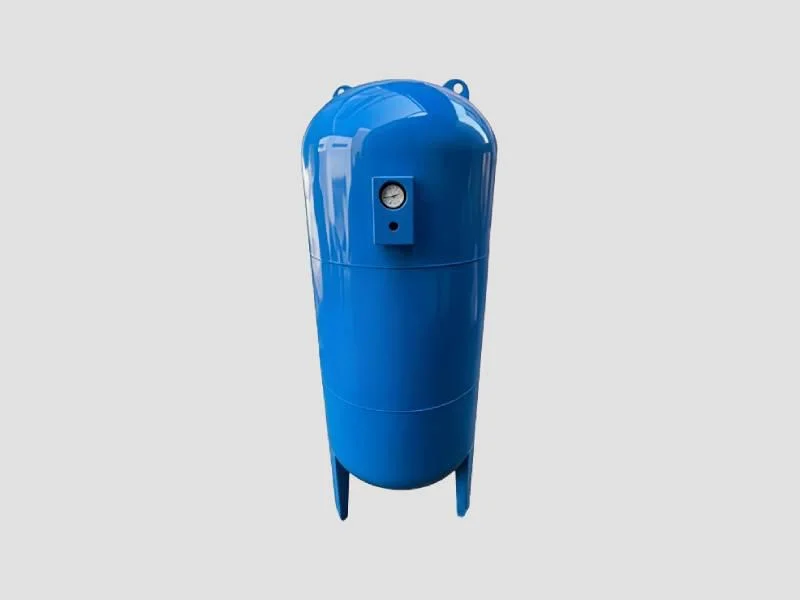
What are Blowdown Tanks?
Blowdown tanks are specialized vessels designed to manage and contain water that is discharged during the blowdown process in various industrial applications. This process is essential for removing impurities and maintaining the efficiency of systems such as boilers, cooling towers, and other closed-loop systems. The blowdown tank collects the discharged water, allowing for safe handling and disposal, as well as potential water treatment for reuse.
These tanks are primarily used in industries where water quality is critical, such as power generation, chemical processing, and food and beverage manufacturing. By effectively managing blowdown water, businesses can ensure compliance with environmental regulations, optimize water use, and reduce operational costs. The market for blowdown tanks is expanding due to increasing regulatory requirements and the push for sustainable practices across various sectors.
Key Features and Specifications
Blowdown tanks are equipped with several key features that enhance their functionality and safety. Understanding these specifications is crucial for businesses looking to implement effective blowdown solutions.
Key specifications include:
1. Capacity
- Varies widely based on application needs
- Common sizes range from 500 to 5,000 gallons
2. Material Construction
- Typically made from stainless steel or carbon steel
- Resistant to corrosion and high temperatures
3. Design Pressure
- Tanks are designed to withstand high pressure
- Commonly rated for 15 to 150 psi
4. Safety Features
- Equipped with pressure relief valves and level indicators
- Ensures safe operation and monitoring
5. Connection Types
- Options for flanged or threaded connections
- Compatibility with various piping systems
6. Dimensions
- Vary based on capacity and design
- Height and diameter specifications tailored to installation needs
7. Installation Type
- Available in both vertical and horizontal configurations
- Selection depends on space constraints and application
8. Compliance Standards
- Built to meet industry standards such as CE certification
- Ensures adherence to safety and quality regulations
In summary, blowdown tanks are designed with specific features that cater to a variety of industrial applications, making them a vital component in maintaining water quality and system efficiency.
Common Applications and Use Cases
Blowdown tanks are utilized across several industries, each with unique applications.
1. Power Generation: In power plants, blowdown tanks are essential for managing water from boiler blowdown, preventing system damage and ensuring compliance with environmental regulations.
2. Chemical Processing: These tanks help in safely containing and disposing of blowdown water that may contain hazardous materials, thus protecting both equipment and personnel.
3. Food and Beverage: In this sector, blowdown tanks manage wastewater from boilers and cooling systems, ensuring that discharge meets health and safety standards.
4. Pharmaceuticals: Blowdown tanks in pharmaceutical manufacturing help maintain stringent water quality standards, crucial for product safety and compliance.
5. HVAC Systems: In heating, ventilation, and air conditioning systems, blowdown tanks collect water from cooling towers, promoting efficient water management and reducing waste.
6. Textile Industry: Blowdown tanks are used to handle wastewater from dyeing and finishing processes, supporting environmental sustainability efforts.
7. Oil and Gas: These tanks manage blowdown water from various equipment, ensuring safe handling and disposal of potentially contaminated fluids.
Product Variants and Subcategories
Blowdown tanks come in various configurations to meet different operational needs.
Standard Blowdown Tank: This is the most common variant, designed for general industrial use. It typically features a robust construction and is equipped with essential safety measures for effective water management.
High-Pressure Blowdown Tank: Specifically designed for high-pressure applications, this variant is constructed to withstand greater pressure levels, making it suitable for power plants and chemical processing facilities.
Custom Blowdown Tank: Some manufacturers offer customizable options to meet specific client requirements. These tanks can be tailored in size, material, and additional features to fit unique operational contexts.
Benefits and Advantages
Investing in blowdown tanks brings several significant advantages to businesses.
1. Enhanced Water Quality: By effectively managing blowdown water, businesses can improve overall water quality and reduce contaminants in their systems.
2. Regulatory Compliance: Blowdown tanks help companies adhere to environmental regulations, minimizing the risk of fines and legal issues.
3. Improved System Efficiency: By removing impurities, these tanks contribute to the longevity and efficiency of boilers and other critical equipment.
4. Cost Savings: Efficient management of blowdown water can lead to reduced water usage costs and lower operational expenses.
5. Safety Assurance: Built-in safety features, such as pressure relief valves, enhance operational safety and protect personnel.
6. Environmental Sustainability: By allowing for proper water treatment and disposal, blowdown tanks support sustainable practices within various industries.
Buying Guide for B2B Buyers
When sourcing blowdown tanks, several factors should be considered to ensure an optimal purchase.
1. Quality Assessment: Evaluate the materials used in the tank's construction and ensure they meet industry-specific standards for durability and safety.
2. Supplier Verification: Conduct thorough vetting of suppliers to ensure they have a reputable track record and reliable customer service.
3. Pricing and MOQ: Understand the pricing structure and minimum order quantities to align with budget and operational needs.
4. Delivery and Lead Times: Inquire about expected delivery times and logistics to ensure timely availability of equipment.
5. Compliance Requirements: Verify that the tanks meet all relevant regulatory standards to avoid future compliance issues.
Compliance and Certifications
Blowdown tanks must adhere to various quality and safety standards to ensure they are reliable and effective in their applications. Key certifications include CE, which indicates that the product meets European safety, health, and environmental protection standards.
Additionally, compliance with ISO 9001 ensures that the product is manufactured under a quality management system that meets international standards. Other relevant standards may include HACCP and GDP, particularly in industries like food and pharmaceuticals where product safety is paramount.
Manufacturers should also consider regional compliance requirements, as regulations can vary significantly by location. Ensuring that blowdown tanks meet these standards is critical for operational success and legal compliance.
Why Source Blowdown Tanks from Pepagora?
Pepagora provides a trusted platform for sourcing blowdown tanks, offering several key advantages to buyers.
Verified Supplier Network: Pepagora features a network of verified suppliers, ensuring that businesses can find reliable options with a proven track record in quality and service.
Streamlined RFQ Process: The platform allows for an easy request for quotation process, enabling buyers to quickly receive competitive pricing and detailed product information.
Trade Assurance and Support: Pepagora offers buyer protection through trade assurance, providing peace of mind in transactions and support throughout the purchasing process.
Regional Coverage: With a presence in India, the GCC, and Southeast Asia, Pepagora provides broad geographic coverage, facilitating connections with local suppliers and enhancing accessibility for buyers across different regions.

 IN
IN