
 IN
Blister Packing Machines
11 products available
What are Blister Packing Machines?
Blister packing machines are specialized equipment designed for packaging products, primarily in a protective plastic or aluminum blister. These machines form a cavity or pocket from a film material, which can then be filled with products such as tablets, capsules, or other small items. The process typically involves sealing the product within the blister pack using heat or pressure, ensuring that the items are securely contained and protected from external factors.
These machines are widely used across various industries, including pharmaceuticals, cosmetics, and food packaging. In the pharmaceutical sector, for example, blister packing machines provide an effective way to package medications, ensuring dosage integrity and extending shelf life. They help maintain hygiene standards while allowing for easy visibility of the product. Given the growing demand for efficient and secure packaging solutions, blister packing machines are increasingly relevant in today's competitive market.
Key Features and Specifications
Blister packing machines come equipped with several key features that enhance their functionality and efficiency. These specifications are crucial for manufacturers and businesses looking for optimal performance in their packaging processes.
Key specifications include:
1. Production Speed
- Determines the number of blisters produced per minute.
- Typically ranges from 20 to 100 blisters depending on machine type.
2. Sealing Method
- Options include heat sealing, cold sealing, and pressure sealing.
- Each method offers different benefits depending on the packaging material used.
3. Film Width Capacity
- Refers to the maximum width of the film that can be processed.
- Common ranges are from 250 mm to 600 mm.
4. Control System
- Includes PLC (Programmable Logic Controller) for automation.
- Allows for easy monitoring and adjustment of the packaging process.
5. Material Compatibility
- Capable of handling various materials such as PVC, PET, and aluminum.
- Ensures versatility in packaging different products.
6. Size of Blister Cavities
- Varies to accommodate different product dimensions.
- Typically customizable based on product specifications.
7. Energy Consumption
- Efficiency ratings can vary based on machine design.
- Important for reducing operational costs.
8. Compliance Features
- Machines often include features that meet industry standards for safety and quality.
- Ensure adherence to regulations such as CE certification.
In summary, understanding these specifications is essential for businesses to select the right blister packing machine that meets their production needs and regulatory requirements.
Common Applications and Use Cases
Blister packing machines are utilized in various sectors due to their efficiency and adaptability.
1. Pharmaceutical Industry: These machines are commonly used for packaging tablets and capsules, providing tamper-proof and moisture-resistant solutions that ensure medication safety and compliance.
2. Cosmetics Industry: Blister packs are ideal for packaging beauty products like creams and samples, allowing for attractive presentation while ensuring product integrity.
3. Food Industry: They are used for packaging single-serve food items, such as candies or snacks, helping maintain freshness and extending shelf life.
4. Electronics Industry: Blister packing machines are also employed for packaging small electronic components, protecting them from dust and damage during shipping.
5. Consumer Goods: Many everyday products, like batteries and small tools, are packaged in blisters for retail display and protection.
Product Variants and Subcategories
Blister packing machines come in several variants, each tailored to specific packaging needs.
Automatic Blister Packing Machines: These machines offer high-speed production and automation, suitable for large volume operations. They are equipped with advanced control systems for precision and efficiency.
Semi-Automatic Blister Packing Machines: A more flexible option, these machines require some manual operation. They are ideal for small to medium businesses that need versatility without the investment in fully automatic systems.
Compact Blister Packing Machines: Designed for limited spaces, these machines provide efficient blister packaging without requiring extensive floor space. They are perfect for startups or smaller production lines.
Benefits and Advantages
Investing in blister packing machines presents numerous advantages for businesses.
1. Enhanced Product Protection: Blister packs provide a barrier against moisture, light, and contamination, ensuring product integrity.
2. Improved Shelf Life: The sealing technology used in blister packing extends the shelf life of packaged items, reducing waste and improving profitability.
3. Increased Efficiency: Blister packing machines streamline the packaging process, allowing for higher output in less time compared to manual packing methods.
4. Customizable Packaging Solutions: Businesses can tailor the size and design of blister packs to meet specific product requirements, enhancing brand visibility.
5. Compliance with Industry Standards: These machines are often built to meet regulatory requirements, ensuring that products are packaged safely and effectively.
6. Cost-Effective Operations: With reduced labor costs and minimized material waste, blister packing machines can lead to significant cost savings over time.
Buying Guide for B2B Buyers
When sourcing blister packing machines, it is important for B2B buyers to consider several key factors.
1. Quality Assessment: Evaluate the quality of the machines by reviewing manufacturer certifications and customer testimonials. Look for robust construction and reliable performance indicators.
2. Supplier Verification: Conduct thorough research on potential suppliers to ensure they have a good reputation and experience in the industry. Request references and review their service history.
3. Pricing and MOQ: Understand the cost structure, including any minimum order quantities. Compare prices among different suppliers to ensure competitive rates.
4. Delivery and Lead Times: Confirm the expected delivery schedules and lead times for production. Timely delivery is crucial for maintaining production schedules.
5. Compliance Requirements: Ensure that the machines meet necessary compliance standards relevant to your industry, such as CE certification for safety and quality.
Compliance and Certifications
Blister packing machines are subject to various industry standards and certifications that ensure their safety and effectiveness.
ISO 9001: This quality management standard is crucial for manufacturers to demonstrate their ability to consistently provide products that meet customer and regulatory requirements.
HACCP: For industries such as food and pharmaceuticals, Hazard Analysis Critical Control Point standards are essential to ensure that packaging processes do not compromise product safety.
GDP: Good Distribution Practices are important in the pharmaceutical sector to maintain the quality of medicines during packaging and distribution.
CE Certification: This certification indicates that the machines meet European safety, health, and environmental protection standards, making them suitable for use in Europe.
Regional compliance considerations may also apply, depending on the specific market where the machines will be used. It is important for buyers to verify that their selected machines comply with local regulations.
Why Source Blister Packing Machines from Pepagora?
Pepagora offers a reliable platform for sourcing blister packing machines with several distinct advantages for businesses.
Verified Supplier Network: Pepagora ensures that all suppliers in its network are thoroughly vetted. This verification process helps buyers connect with reputable manufacturers, ensuring quality products and services.
Streamlined RFQ Process: The Request for Quotation system at Pepagora simplifies the procurement process. Buyers can easily submit their requirements and receive competitive quotes from multiple suppliers.
Trade Assurance and Support: Pepagora provides trade assurance, giving buyers confidence in their purchases. The platform offers support throughout the buying process, addressing any concerns or queries.
Regional Coverage: With a presence in India, the GCC, and Southeast Asia, Pepagora offers broad geographic reach. This allows buyers to access a diverse range of suppliers and machine options tailored to their specific regional needs.
By choosing Pepagora, businesses can streamline their sourcing process while ensuring they obtain high-quality blister packing machines suited to their operational requirements.

 India
 India

 India
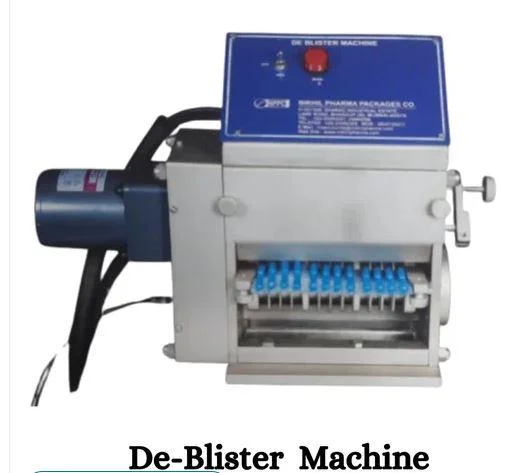 India
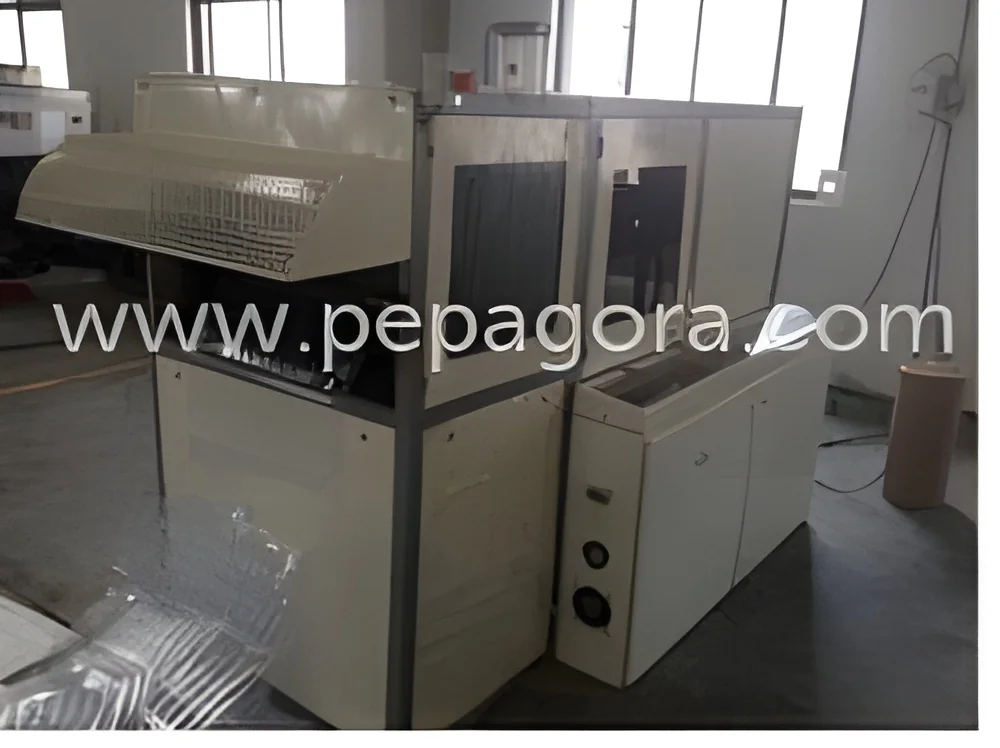
Frequently Asked Questions
What are Blister Packing Machines?
Blister Packing Machines are specialized equipment used for packaging products, typically in the pharmaceutical and food industries. They create a sealed package, which consists of a cavity or pocket made from a formable web and a backing material, ensuring product safety and longevity.
What are the different types of Blister Packing Machines?
There are several types of Blister Packing Machines, including single chamber, multi-chamber, rotary, and continuous feed machines. Each type caters to different production needs and packaging specifications, allowing manufacturers to select the most suitable option based on their requirements.
How do I choose the right Blister Packing Machines?
Choosing the right Blister Packing Machine involves considering factors such as production capacity, the type of product being packaged, and the desired packaging material. It's also important to evaluate the machine's compatibility with existing production lines and to consult with suppliers for specific recommendations.
What are the standard specifications for Blister Packing Machines?
Standard specifications for Blister Packing Machines typically include production speed, machine dimensions, power requirements, and the types of materials that can be processed. Additionally, features such as control systems, safety mechanisms, and ease of maintenance should also be considered.
What is the price range for Blister Packing Machines?
The price range for Blister Packing Machines can vary widely depending on the type, features, and manufacturer. Generally, prices can start from a few lakhs to several crores, based on the complexity and specifications of the machine.
What quality standards apply to Blister Packing Machines?
Blister Packing Machines are subject to various quality standards, including ISO certifications and compliance with Good Manufacturing Practices (GMP). These standards ensure that machines meet safety, quality, and operational efficiency requirements in the packaging process.
Where can I find Blister Packing Machines suppliers in India?
You can find Blister Packing Machines suppliers in India through various B2B marketplaces, trade shows, and industry directories. Websites like Pepagora.com can help you connect with reputable manufacturers and suppliers in the packaging machinery sector.
Can Blister Packing Machines be customized?
Yes, many manufacturers offer customization options for Blister Packing Machines to meet specific production needs. Customization can include modifications in size, capacity, and features to better suit the unique requirements of different products.
What is the typical minimum order quantity for Blister Packing Machines?
The typical minimum order quantity (MOQ) for Blister Packing Machines varies among suppliers but generally ranges from one machine to several units. It's advisable to check with individual suppliers for their specific MOQ policies.
What is the typical lead time for Blister Packing Machines?
The typical lead time for Blister Packing Machines can range from a few weeks to several months, depending on the manufacturer's production schedule and the complexity of the machine. It's important to discuss lead times with suppliers during the ordering process.
Why Businesses Trust Pepagora
Thousands of companies trust Pepagora to source smarter and sell faster
Expand Your Sales Globally

Source Smarter,Grow Faster
