
 IN
Belt Conveyors for Mining
69 products available
What are Belt Conveyors for Mining?
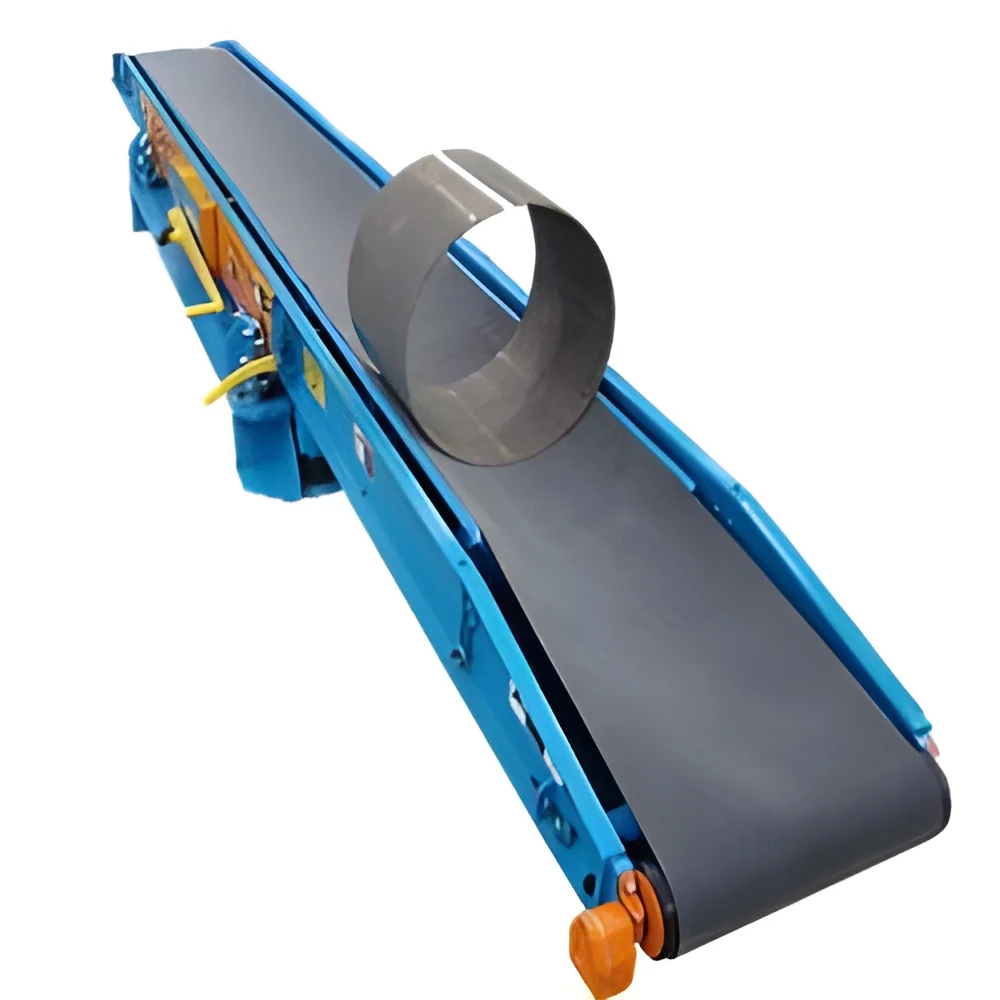
Belt conveyors for mining are essential equipment designed for the transportation of materials within mining operations. These systems consist of a continuous loop of belting material that moves over pulleys and idlers to transport bulk materials efficiently. The conveyors are engineered to handle a wide range of materials, including ores, coal, and aggregates, making them indispensable in the mining industry.
The primary uses of belt conveyors in mining include the transportation of mined materials from extraction sites to processing plants and the movement of waste materials for disposal. They are often employed in applications where large volumes of material need to be moved over considerable distances, contributing to improved productivity and reduced labor costs. The increasing demand for minerals and resources drives the adoption of these conveyors, highlighting their relevance in modern mining operations.
As industries seek to enhance efficiency and reduce operational costs, the market for belt conveyors in mining continues to grow. Innovations in technology and materials have led to the development of more durable and efficient systems, making them a crucial component in the mining supply chain.
Key Features and Specifications
Belt conveyors for mining are equipped with several features that enhance their performance and reliability. These features are crucial for meeting the rigorous demands of the mining environment.
Key specifications include:
1. Load Capacity
- This specification indicates the maximum weight the conveyor can transport.
- Typical ranges vary from a few tons per hour to several thousand tons per hour.
2. Belt Width
- The width of the belt affects the volume of material transported.
- Standard widths range from 18 inches to 72 inches or more, depending on application needs.
3. Conveyor Length
- Length is a critical factor that determines the distance materials can be transported.
- Conveyors can be designed to stretch from a few feet to over a mile in length.
4. Drive Type
- Various drive types are available, such as electric motor drives, hydraulic drives, and more.
- Each has its advantages in terms of efficiency and suitability for specific applications.
5. Material of Construction
- Common materials include rubber, PVC, and metal.
- The choice of material impacts durability and resistance to wear.
6. Speed
- Conveyor speed affects the rate of material movement.
- Typical speeds range from 0.5 to 10 meters per second.
7. Incline Angle
- The angle of incline affects the conveyor's ability to transport materials vertically.
- Conveyors can be designed for flat, inclined, or declined configurations.
8. Safety Features
- Includes emergency stop systems, guards, and monitoring sensors.
- These enhance operational safety in challenging mining environments.
In summary, the specifications of belt conveyors for mining are crucial for ensuring efficient operation and handling of materials. Selecting the right specifications is essential for optimizing performance based on the specific requirements of each mining operation.
Common Applications and Use Cases
Belt conveyors for mining serve a diverse range of industries, each with specific applications that leverage their capabilities.
1. Coal Mining: In coal mining, belt conveyors transport coal from the extraction site to processing facilities. They help streamline operations and reduce costs associated with manual handling.
2. Metal Ore Mining: These conveyors are essential for moving metal ores, such as copper and iron, from the mine to processing plants, ensuring efficient and continuous material flow.
3. Quarrying: In the quarrying industry, belt conveyors are used to transport aggregates and crushed stone from the quarry site to processing areas, facilitating timely production.
4. Sand and Gravel: Belt conveyors are commonly used in sand and gravel operations for moving raw materials to screening and washing stations, enhancing productivity.
5. Cement Production: In cement manufacturing, these conveyors transport raw materials like limestone and clay to the processing plant, ensuring a steady supply for production.
6. Waste Management: Belt conveyors are also utilized in mining waste management for transporting tailings and other waste materials, ensuring safe and efficient disposal.
7. Mineral Processing: In mineral processing, belt conveyors move materials between different stages, such as crushing, screening, and separation, optimizing the entire process.
Product Variants and Subcategories
Belt conveyors for mining come in various configurations to meet specific operational needs. The diversity of these products allows for tailored solutions based on unique production requirements.
Standard Belt Conveyors: These are the most common type, designed for general material handling in mining applications. They feature robust construction and are suitable for a wide range of materials.
Modular Belt Conveyors: These conveyors utilize interlocking plastic modules, allowing for flexibility in design and easier maintenance. They are often used in environments where changes in direction are required.
Heavy-Duty Belt Conveyors: Engineered for challenging conditions, these conveyors are built to handle heavy loads and abrasive materials. They are ideal for use in harsh mining environments.
Inclined Belt Conveyors: Designed for transporting materials at an angle, these conveyors are essential for moving materials between different elevation levels in mining operations.
Benefits and Advantages
Belt conveyors for mining offer a range of benefits that enhance operational efficiency and safety.
1. Increased Efficiency: Belt conveyors enable the continuous movement of materials, significantly improving the speed of operations and reducing downtime.
2. Cost-Effective: By minimizing labor costs associated with manual handling, belt conveyors help businesses save on operational expenses.
3. Versatility: These conveyors can handle various materials, making them adaptable to different mining processes and requirements.
4. Safety Enhancements: With proper safety features, belt conveyors reduce the risk of accidents and injuries in mining operations.
5. Reduced Environmental Impact: Efficient material handling minimizes waste and energy consumption, contributing to more sustainable mining practices.
6. Customization Options: Many manufacturers offer customization, allowing businesses to tailor solutions to their specific operational needs.
Buying Guide for B2B Buyers
When sourcing belt conveyors for mining, it is crucial to consider several key factors to ensure the right selection for your operational needs.
1. Quality Assessment: Evaluate the build quality and durability of the conveyor. Look for materials that can withstand the harsh mining environment and ensure long-term performance.
2. Supplier Verification: Research potential suppliers to verify their reputation and reliability. Assess their experience in the mining industry and customer reviews.
3. Pricing and MOQ: Understand the pricing structure and minimum order quantities. Consider your budget while ensuring that the selected conveyor meets your specifications.
4. Delivery and Lead Times: Discuss delivery schedules and lead times with suppliers to ensure that your operations are not disrupted during the procurement process.
5. Compliance Requirements: Ensure that the conveyors meet relevant industry standards and regulations, including safety and environmental compliance.
Compliance and Certifications
Belt conveyors for mining must adhere to various compliance standards and certifications to ensure safety and reliability in operations. Key quality standards include ISO 9001, which emphasizes quality management systems, and others that may apply depending on the specific application.
Industry certifications, such as CE marking, indicate that the conveyors meet European safety, health, and environmental protection standards. This certification is crucial for operations in regions requiring compliance with stringent regulations.
Safety and testing requirements are also paramount. Manufacturers often conduct rigorous testing to ensure that the conveyors can handle the harsh conditions typical of mining operations. Additionally, regional compliance considerations may vary, so it is essential to understand the specific requirements applicable to your location.
Why Source Belt Conveyors for Mining from Pepagora?
Pepagora provides a trusted platform for sourcing belt conveyors for mining, offering several key advantages to buyers.
One of the primary benefits is the verified supplier network. Pepagora connects buyers with reputable manufacturers and suppliers, ensuring quality and reliability in the products sourced.
The streamlined Request for Quotation (RFQ) process simplifies the procurement journey. Buyers can easily submit their requirements and receive multiple quotations, allowing for informed decision-making based on pricing and specifications.
Trade assurance and support are additional advantages of sourcing through Pepagora. This feature provides buyers with protection throughout the transaction, ensuring peace of mind in their purchasing decisions.
Lastly, Pepagora’s regional coverage spans India, the Gulf Cooperation Council (GCC), and Southeast Asia. This extensive reach helps businesses find suitable suppliers close to their operations, reducing shipping times and costs.
By choosing Pepagora, buyers can leverage a comprehensive sourcing solution tailored to their mining conveyor needs.


Frequently Asked Questions
What are Belt Conveyors for Mining?
Belt Conveyors for Mining are mechanical devices that transport materials from one location to another in mining operations. They consist of a belt that is wrapped around pulleys, allowing for the efficient movement of bulk materials such as ores, coal, and aggregates.
What are the different types of Belt Conveyors for Mining?
There are several types of Belt Conveyors for Mining, including flat belt conveyors, inclined belt conveyors, and modular belt conveyors. Each type is designed for specific applications and material handling requirements, ensuring optimal performance in various mining environments.
How do I choose the right Belt Conveyors for Mining?
Choosing the right Belt Conveyors for Mining involves considering factors such as the type of material to be transported, conveyor length, and the required capacity. It is also essential to evaluate the environmental conditions and ensure compatibility with existing equipment.
What are the standard specifications for Belt Conveyors for Mining?
Standard specifications for Belt Conveyors for Mining typically include belt width, material strength, load capacity, and speed. Additionally, specifications may cover the type of drive system, frame construction materials, and safety features.
What is the price range for Belt Conveyors for Mining?
The price range for Belt Conveyors for Mining can vary significantly based on factors such as size, specifications, and manufacturer. Generally, prices can start from a few thousand rupees for smaller units and can go up to several lakhs for larger, more complex systems.
What quality standards apply to Belt Conveyors for Mining?
Belt Conveyors for Mining must adhere to quality standards such as IS (Indian Standards) and ISO certifications that ensure safety, durability, and performance. Compliance with these standards helps ensure that the conveyors are reliable and suitable for harsh mining conditions.
Where can I find Belt Conveyors for Mining suppliers in India?
You can find Belt Conveyors for Mining suppliers in India through B2B marketplaces like Pepagora.com, industry trade shows, and local manufacturing directories. These platforms can connect you with reputable manufacturers and distributors.
Can Belt Conveyors for Mining be customized?
Yes, Belt Conveyors for Mining can be customized to meet specific requirements such as length, width, and material type. Manufacturers often offer customization options to tailor solutions for unique operational needs.
What is the typical minimum order quantity for Belt Conveyors for Mining?
The typical minimum order quantity (MOQ) for Belt Conveyors for Mining can vary by manufacturer. Generally, MOQs can range from one unit for smaller suppliers to several units for larger manufacturers.
What is the typical lead time for Belt Conveyors for Mining?
The typical lead time for Belt Conveyors for Mining can range from a few weeks to several months, depending on the complexity of the order and the manufacturer's production schedule. It is advisable to confirm lead times with suppliers during the ordering process.
Why Businesses Trust Pepagora
Thousands of companies trust Pepagora to source smarter and sell faster
Expand Your Sales Globally

Source Smarter,Grow Faster
