IN
IN₹
Apparel & Fashion
Description
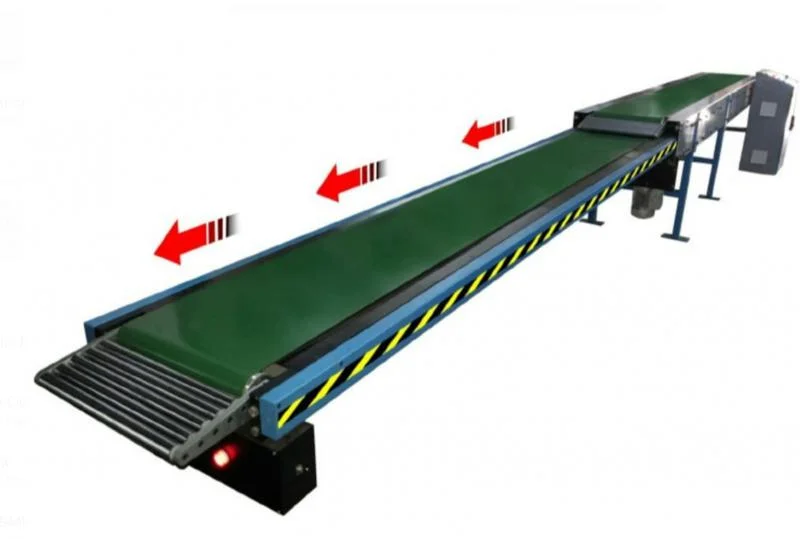
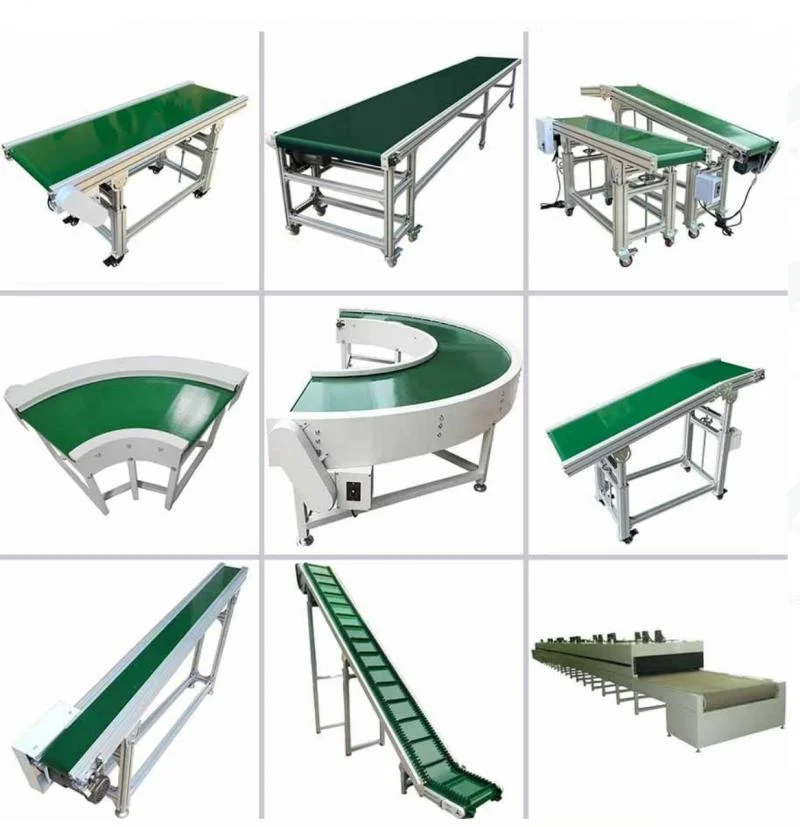
The Industrial Belt Conveyor System is a cornerstone of efficient material handling, designed for the reliable, continuous transport of goods. It features a durable, continuous belt—constructed from materials like rubber, PVC, or fabric—supported by a robust framework of rollers or slider beds. This design ensures smooth, consistent movement of items with minimal friction and energy loss. Available in various configurations including flat, inclined, and cleated designs, these systems offer the flexibility to navigate different layouts and handle diverse material types. Their primary function is to automate transport, drastically reducing manual labor, minimizing product damage, and enhancing overall workflow productivity for businesses seeking operational excellence.

These conveyor systems are indispensable across a wide spectrum of industries due to their unmatched reliability and versatility. In manufacturing and automotive sectors, they form the arteries of assembly lines, moving c...
The Industrial Belt Conveyor System is a cornerstone of efficient material handling, designed for the reliable, continuous transport of goods. It features a durable, continuous belt—constructed from materials like rubber, PVC, or fabric—supported by a robust framework of rollers or slider beds. This design ensures smooth, consistent movement of items with minimal friction and energy loss. Available in various configurations including flat, inclined, and cleated designs, these systems offer the flexibility to navigate different layouts and handle diverse material types. Their primary function is to automate transport, drastically reducing manual labor, minimizing product damage, and enhancing overall workflow productivity for businesses seeking operational excellence.

These conveyor systems are indispensable across a wide spectrum of industries due to their unmatched reliability and versatility. In manufacturing and automotive sectors, they form the arteries of assembly lines, moving components and finished products with precision. The logistics and e-commerce fulfillment industry relies on them for rapid sorting and transportation of packages in warehouses. Food and beverage processors utilize specially designed hygienic conveyors for washing, cooking, and packaging lines. Furthermore, heavy-duty applications in mining, agriculture, and construction depend on these systems to move bulk materials like ores, grains, and aggregates efficiently and safely, proving their critical role in global supply chains.

Investing in a quality belt conveyor system delivers substantial business value through enhanced productivity, reduced operational costs, and improved workplace safety. Their reliability ensures consistent uptime, which is vital for meeting production targets and maintaining seamless logistics. Built with high-quality components for durability, these systems require minimal maintenance, offering a strong return on investment. The inherent efficiency reduces energy consumption and manual handling risks, leading to lower long-term costs. By providing a tailored, automated solution for material flow, businesses gain a significant competitive advantage, enabling scalability, faster order fulfillment, and the ability to handle increased volumes without proportional increases in labor.

Key Features:
- Constructed with heavy-duty materials like rubber, PVC, or fabric belts for long-lasting durability.
- Available in multiple configurations: flat, inclined, cleated, and curved to suit specific layout needs.
- Robust support structure with precision rollers or slider beds for smooth, low-friction operation.
- Engineered for reliable performance in demanding environments with minimal maintenance requirements.
- Designed to handle a wide range of materials, from small packages to heavy bulk goods.

Benefits:
- Significantly boosts operational efficiency by automating material transport and reducing manual labor.
- Enhances workplace safety by minimizing physical handling and associated risks of injury.
- Improves product integrity by providing gentle, consistent movement that reduces damage and spillage.
- Offers reliable, continuous operation with high uptime, supporting uninterrupted production and logistics.
- Delivers a strong return on investment through reduced labor costs, lower energy consumption, and minimal maintenance.
Specifications
| Additional Information | |
|---|---|
| Country of Origin | India |
Application
Industrial belt conveyors are fundamental to modern production and distribution, enabling the seamless movement of raw materials, components, and finished goods. They streamline workflows in assembly lines and warehouse operations, significantly reducing physical handling and ensuring consistent, reliable transport. This automation is crucial for maintaining high throughput and operational safety across diverse industrial environments.
These versatile systems are engineered to perform in demanding sectors like food processing, mining, pharmaceuticals, and agriculture. Their robust and often hygienic designs handle everything from delicate packaged items to heavy bulk materials. This adaptability ensures safe, efficient transport with minimal downtime, making them a backbone of continuous production and logistics processes worldwide.
- Automating assembly lines by transporting parts and finished products in manufacturing plants.
- Accelerating package sorting and movement within large-scale logistics and distribution centers.
- Ensuring hygienic handling of food products during processing, washing, and packaging stages.
- Transferring bulk materials such as aggregates, ores, and sand in mining and construction sites.
- Facilitating the efficient movement and sorting of grains, seeds, and produce in agricultural processing facilities.
Trade Details
| Available Stock | In Stock |
| Sample Availability | No |
Payment Terms
| Payment Terms |
|
Company Profile
Shine Success System, Tamil Nadu
 Tamil Nadu, India
Tamil Nadu, IndiaFood & Agriculture•Manufacturer
Factory Details
Factory SizeBelow 1000 sqm
Annual Production Capacity0
Industrial Belt Conveyor System For Material Handling Efficiency
Industrial Belt Conveyor System for efficient, continuous material handling in manufacturing, logistics, and food processing. This reliable system reduces manual labor and boosts operational efficiency with smooth transport of goods.
Min. Order Quantity: 1 pair
Shipping
Shipping fee and delivery date to be negotiated. Contact supplier now for more details.
Shine Success System
 Tamil Nadu, India
Tamil Nadu, IndiaFood & AgricultureManufacturer