
 IN
Recycling Machinery
437 products available
𝗪𝗵𝗮𝘁 𝗮𝗿𝗲 𝗥𝗲𝗰𝘆𝗰𝗹𝗶𝗻𝗴 𝗠𝗮𝗰𝗵𝗶𝗻𝗲𝗿𝘆?
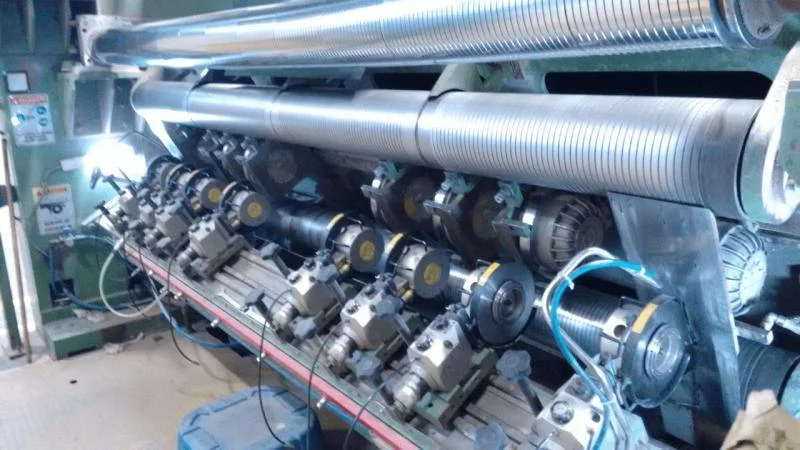
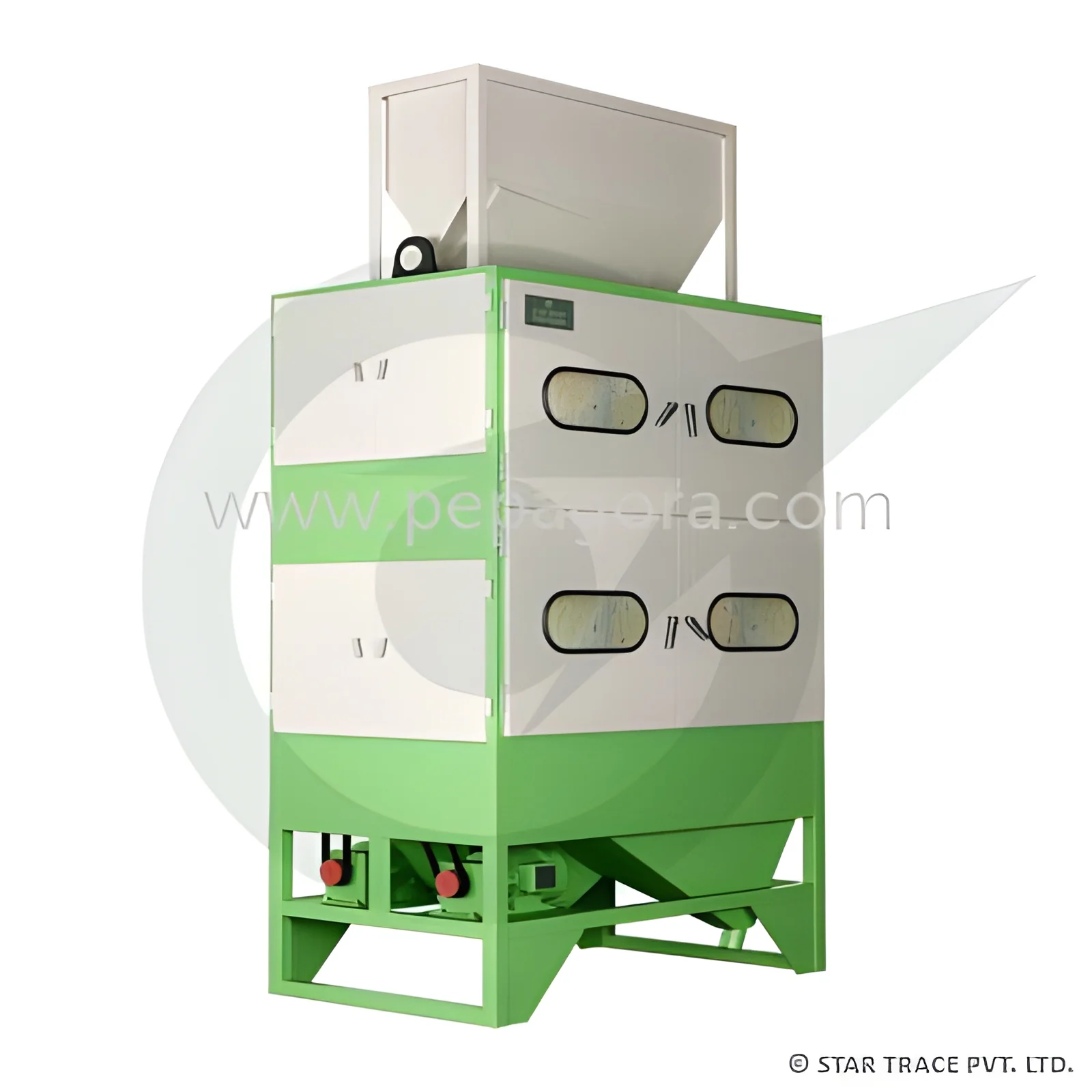
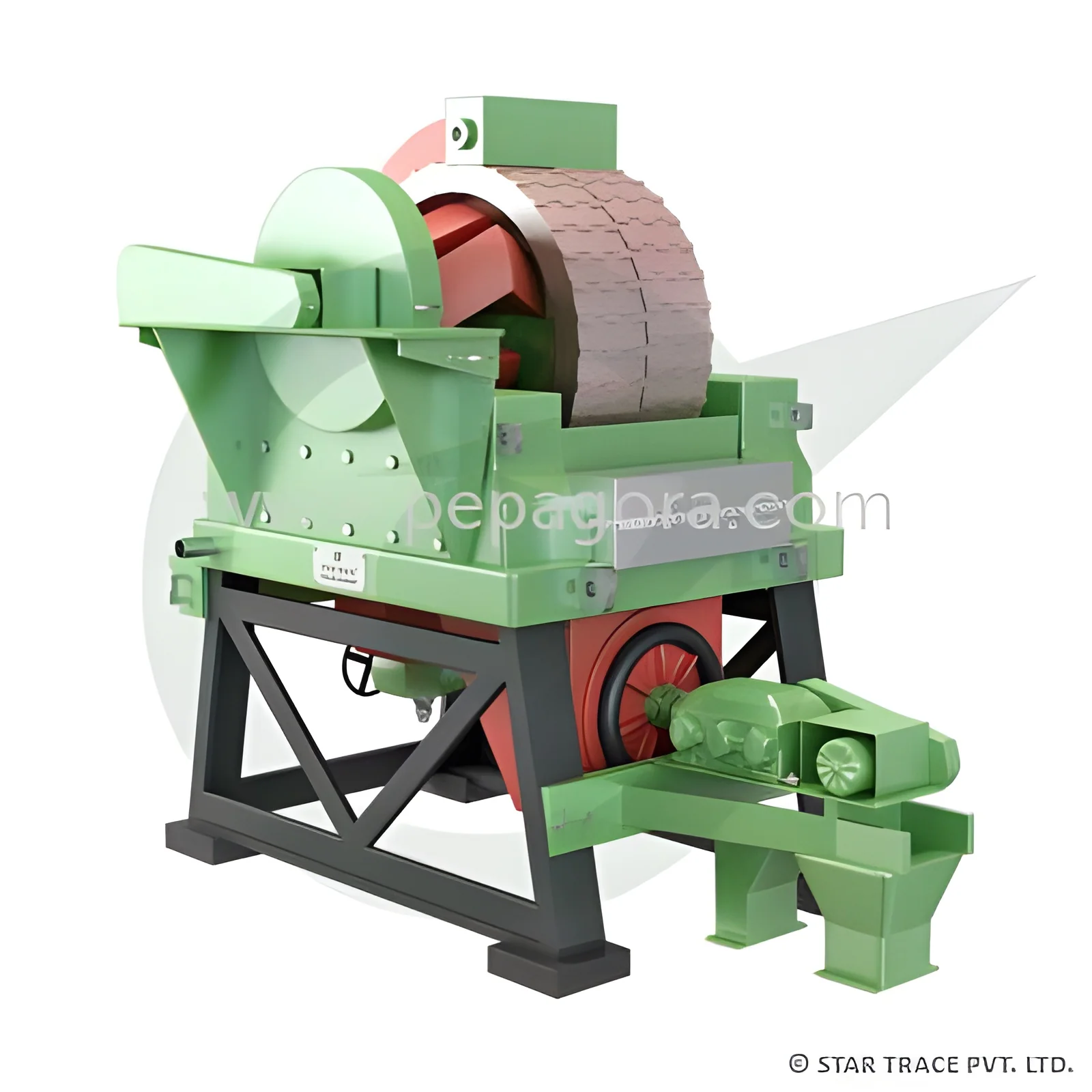
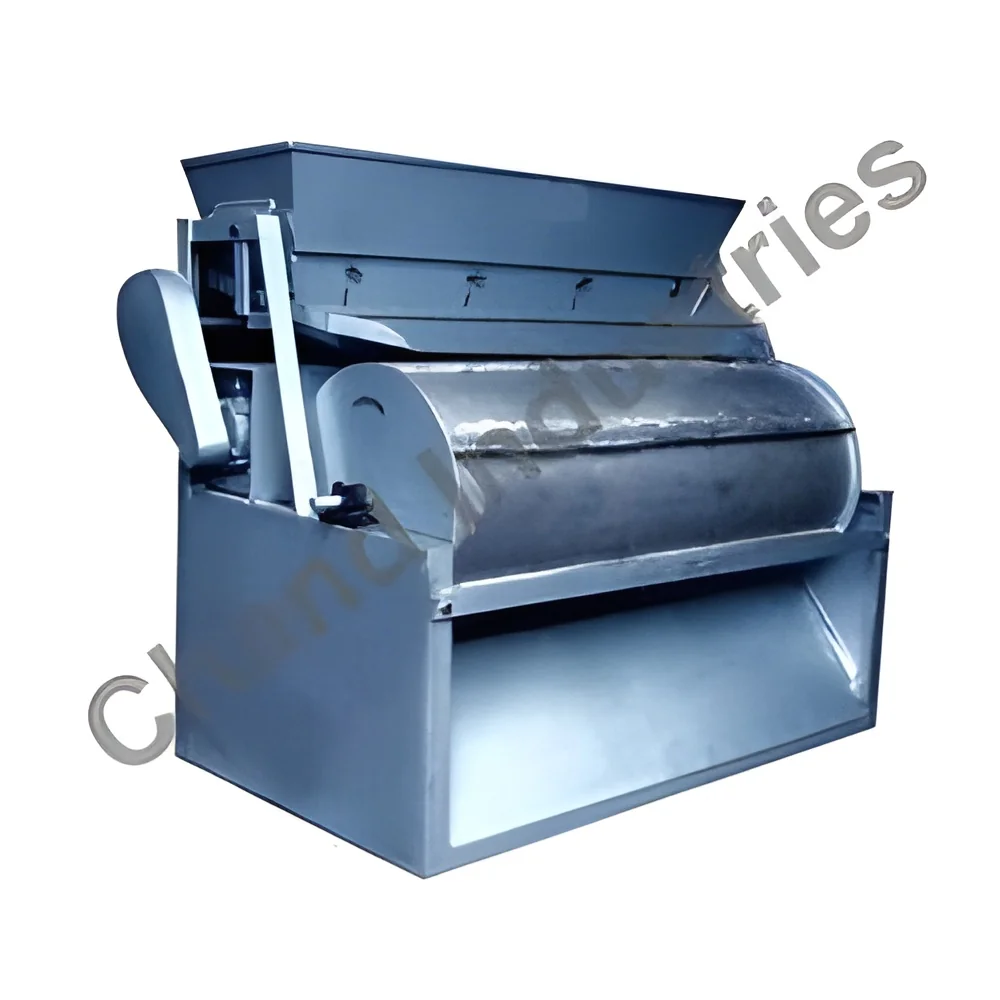
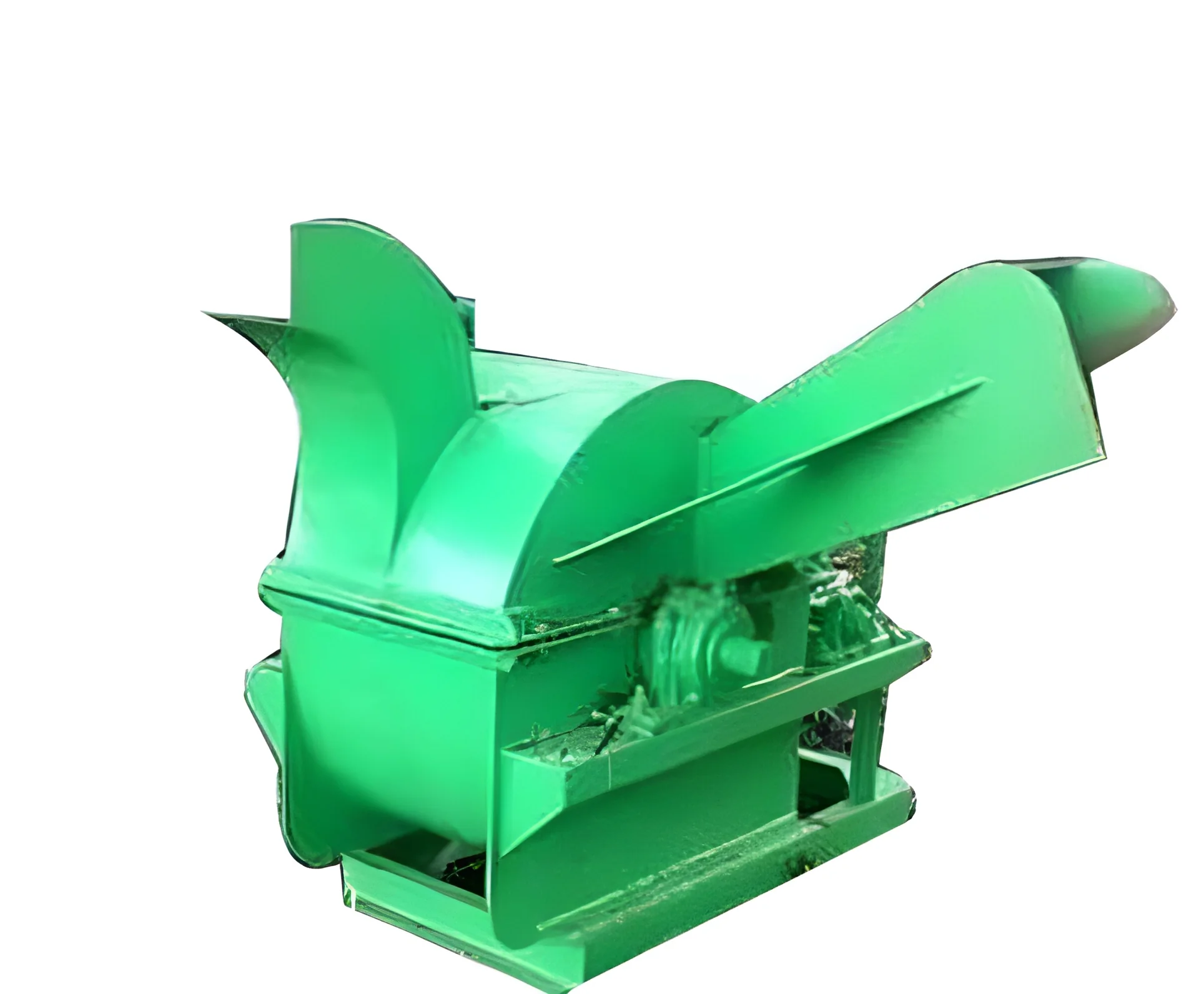
Recycling machinery refers to a variety of industrial equipment designed specifically for processing and reusing waste materials. This machinery plays a critical role in the recycling industry by breaking down materials such as plastics, metals, paper, and glass into manageable forms that can be repurposed. The machines employ various techniques, including shredding, crushing, and granulating to prepare these materials for re-manufacturing.
The primary uses of recycling machinery span multiple sectors, including manufacturing, construction, and waste management. Businesses utilize these machines to reduce waste disposal costs, comply with environmental regulations, and promote sustainability. By transforming waste into raw materials, companies can significantly lower their carbon footprint and contribute to a circular economy. The relevance of recycling machinery continues to grow as more industries recognize the economic and environmental benefits of recycling. This trend drives demand for innovative machinery that enhances efficiency and productivity in recycling processes.
𝗞𝗲𝘆 𝗙𝗲𝗮𝘁𝘂𝗿𝗲𝘀 𝗮𝗻𝗱 𝗦𝗽𝗲𝗰𝗶𝗳𝗶𝗰𝗮𝘁𝗶𝗼𝗻𝘀
Recycling machinery is equipped with advanced features and specifications that enhance operational efficiency and reliability. These machines are designed to handle a wide range of materials, ensuring versatility in processing capabilities. The following key specifications are common among various types of recycling machinery:
1. Processing Capacity
- Refers to the amount of material the machine can process within a specific timeframe.
- Typical ranges vary from 500 kg/hour to over 10,000 kg/hour depending on the model.
2. Power Requirements
- Indicates the electrical power needed for operation.
- Machines generally require power ranging from 5 kW to 200 kW.
3. Dimensions
- Overall size of the machine, affecting installation and space requirements.
- Dimensions can range from compact units of 1 meter to larger systems exceeding 5 meters in length.
4. Material Compatibility
- The types of materials that can be processed, such as plastics, metals, and paper.
- Most machines are designed for specific materials, ensuring optimal performance.
5. Safety Features
- Includes emergency stop buttons, protective guards, and sensors to ensure safe operation.
- Compliance with safety standards is critical for industrial usage.
6. Control Systems
- Advanced control systems enhance user interface and operational monitoring.
- Options may include manual controls and automated systems with digital displays.
7. Maintenance Requirements
- Indicates the frequency and type of maintenance needed to keep the machinery in optimal condition.
- Regular maintenance can extend the lifespan of the equipment.
8. Certification Standards
- Indicates compliance with industry standards such as CE certification for safety and reliability.
These specifications highlight the importance of selecting machinery that meets specific operational needs while ensuring safety and efficiency.
𝗖𝗼𝗺𝗺𝗼𝗻 𝗔𝗽𝗽𝗹𝗶𝗰𝗮𝘁𝗶𝗼𝗻𝘀 𝗮𝗻𝗱 𝗨𝘀𝗲 𝗖𝗮𝘀𝗲𝘀
Recycling machinery serves various industries by providing efficient solutions for waste management and material recovery.
1. Manufacturing: In the manufacturing sector, recycling machinery is used to process scrap materials and reclaim valuable resources. This helps companies reduce costs and minimize waste.
2. Construction: The construction industry utilizes recycling machinery to crush concrete and other materials from demolition sites, allowing for the reuse of aggregates in new projects.
3. Waste Management: Waste management companies rely on recycling machinery to sort and process municipal solid waste, enabling the recovery of recyclables and reducing landfill usage.
4. Automotive: In the automotive industry, recycling machinery is essential for shredding and processing end-of-life vehicles, which allows for the recovery of metals and other materials.
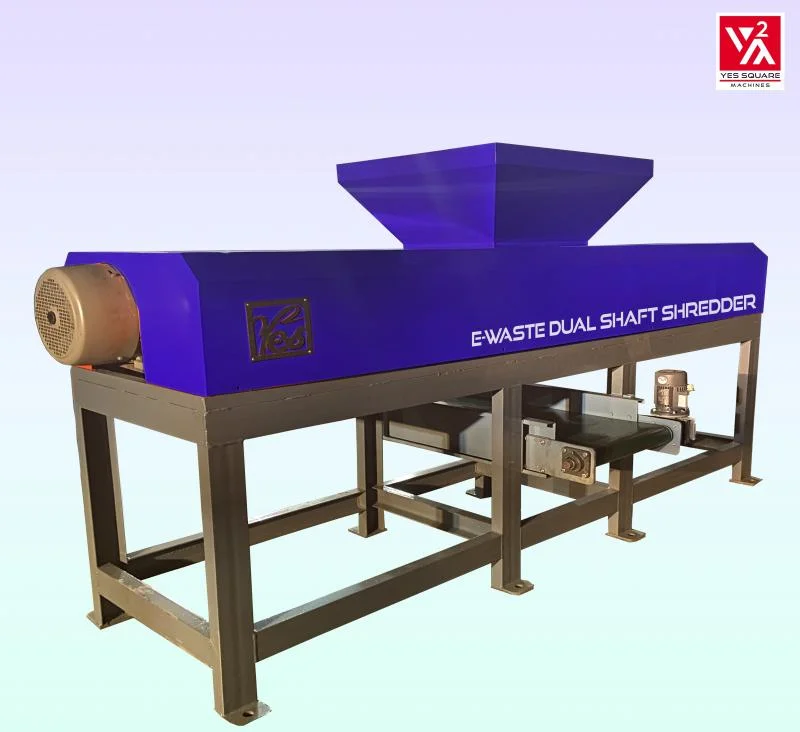
5. Electronics: E-waste recycling involves specialized machinery to dismantle electronic devices, extracting precious metals and components for reuse or recycling.
𝗣𝗿𝗼𝗱𝘂𝗰𝘁 𝗩𝗮𝗿𝗶𝗮𝗻𝘁𝘀 𝗮𝗻𝗱 𝗦𝘂𝗯𝗰𝗮𝘁𝗲𝗴𝗼𝗿𝗶𝗲𝘀
Recycling machinery encompasses a range of variants tailored to specific recycling needs.
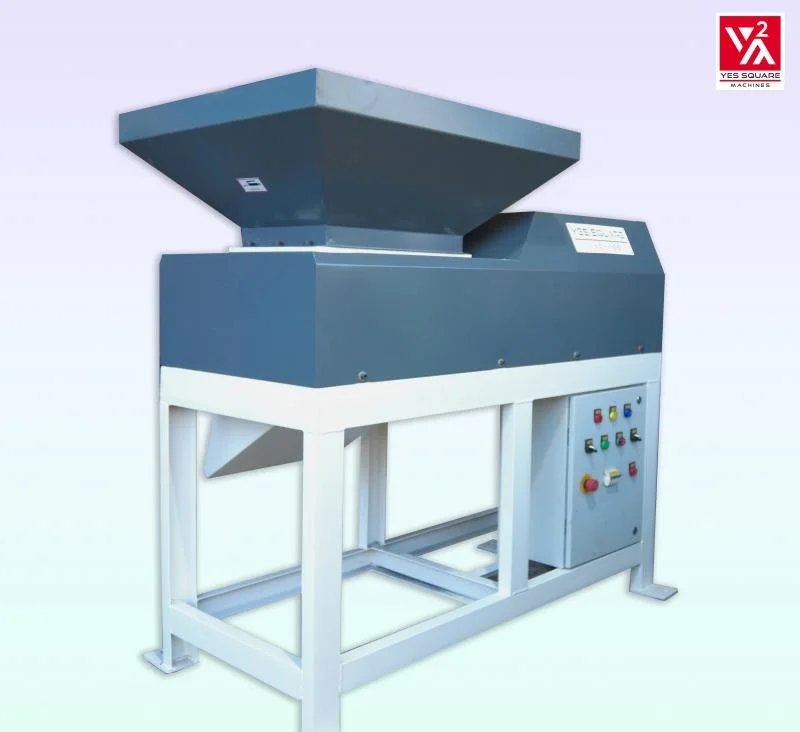
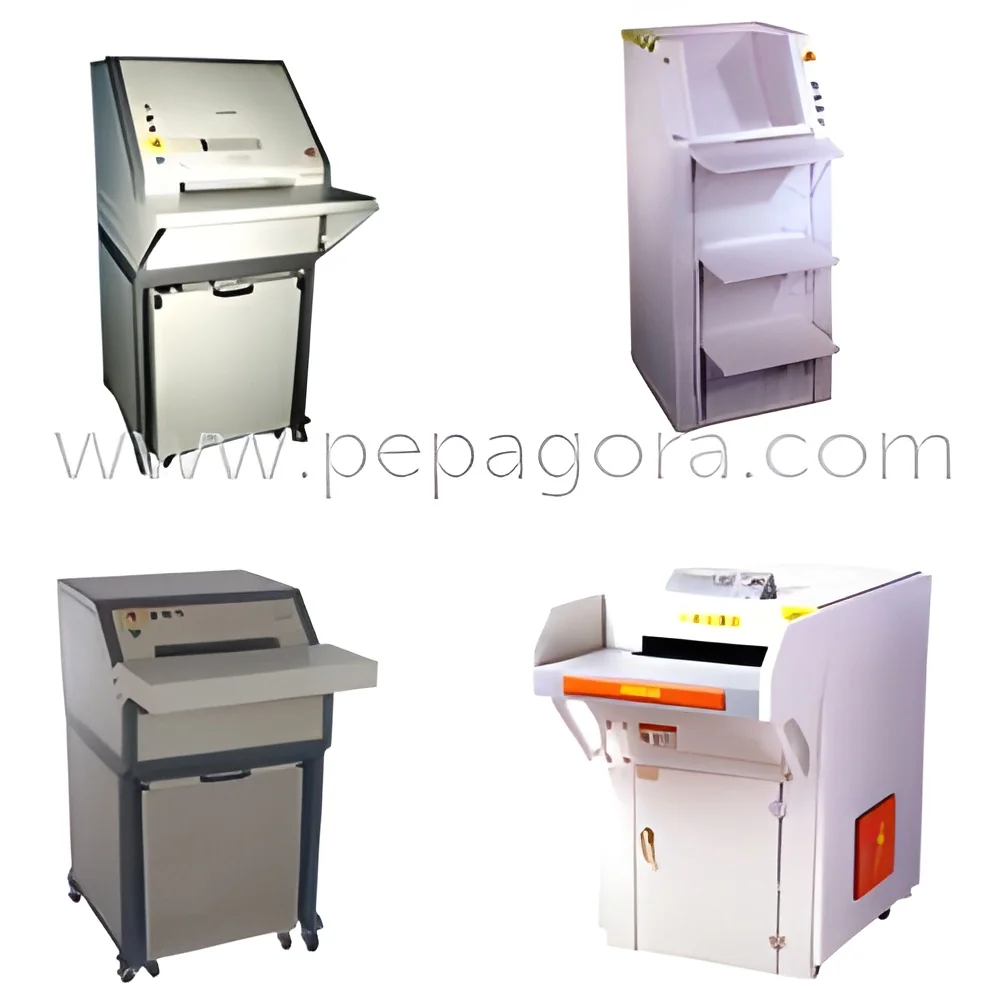
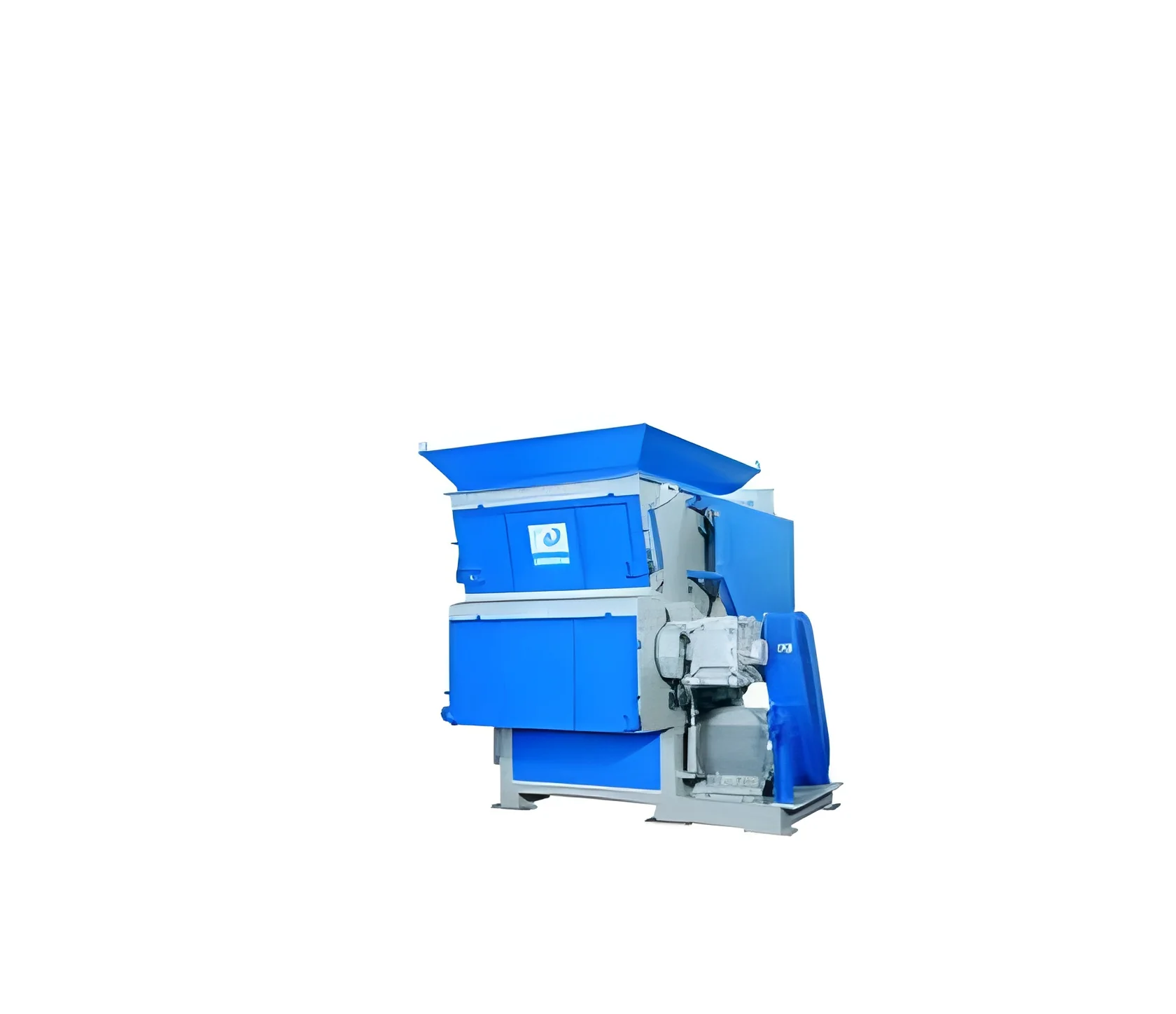
Shredders: These machines are designed to shred various materials, including plastics and metals, into smaller pieces for further processing. They are essential in preparing materials for recycling.
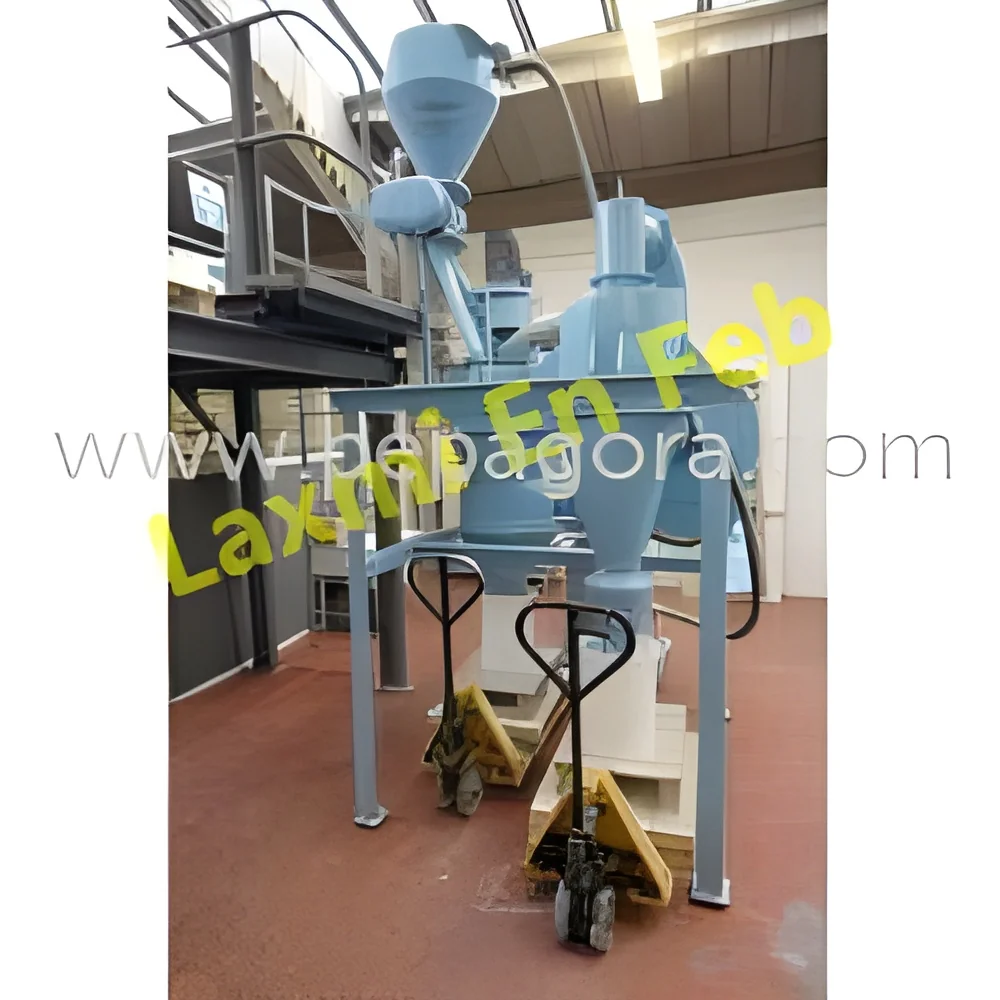
Granulators: Granulators are used to reduce the size of plastics and other materials into granules. This process facilitates easier handling and processing in subsequent stages.
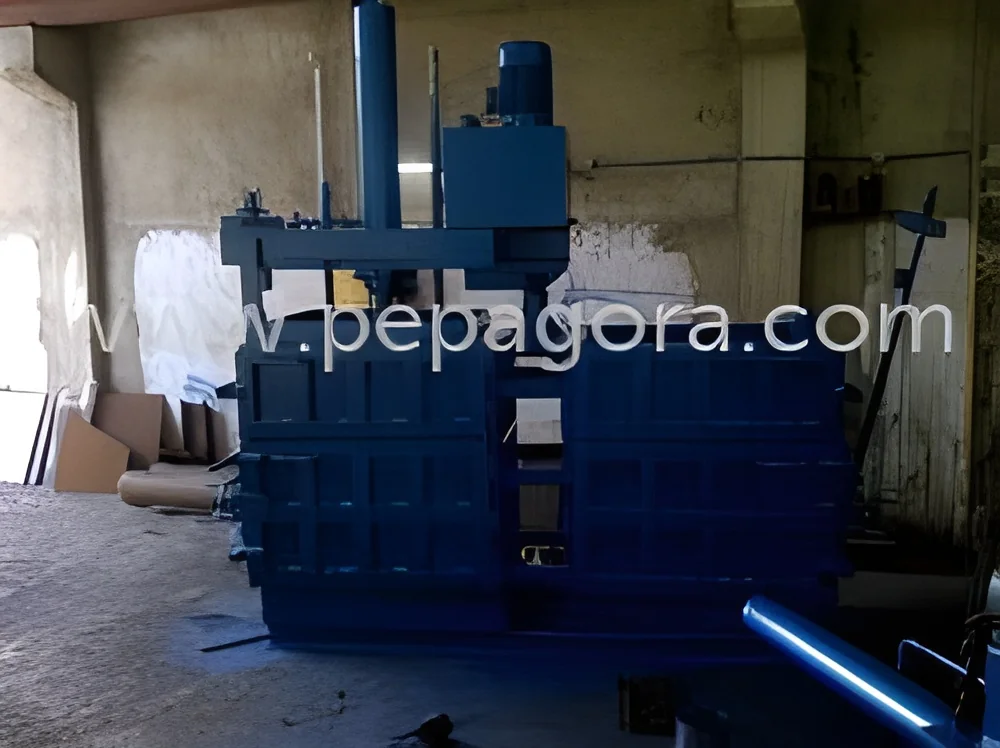
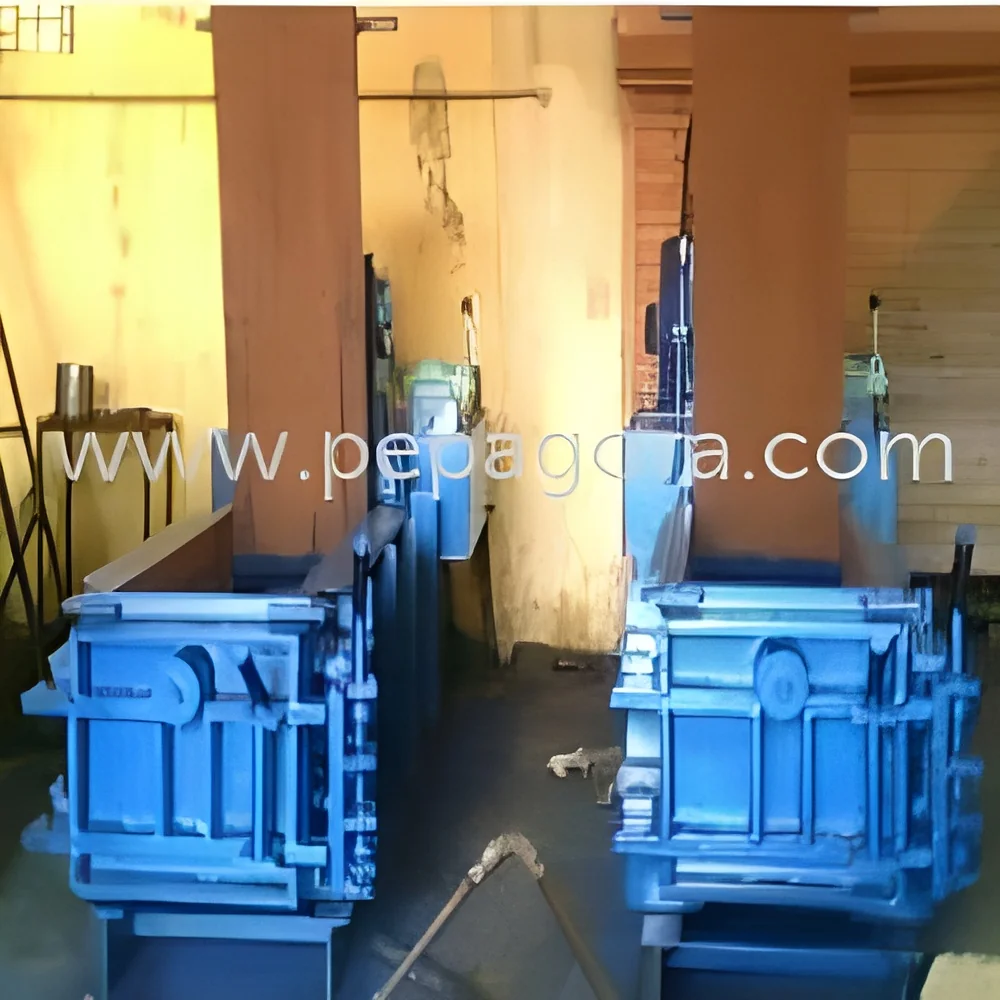
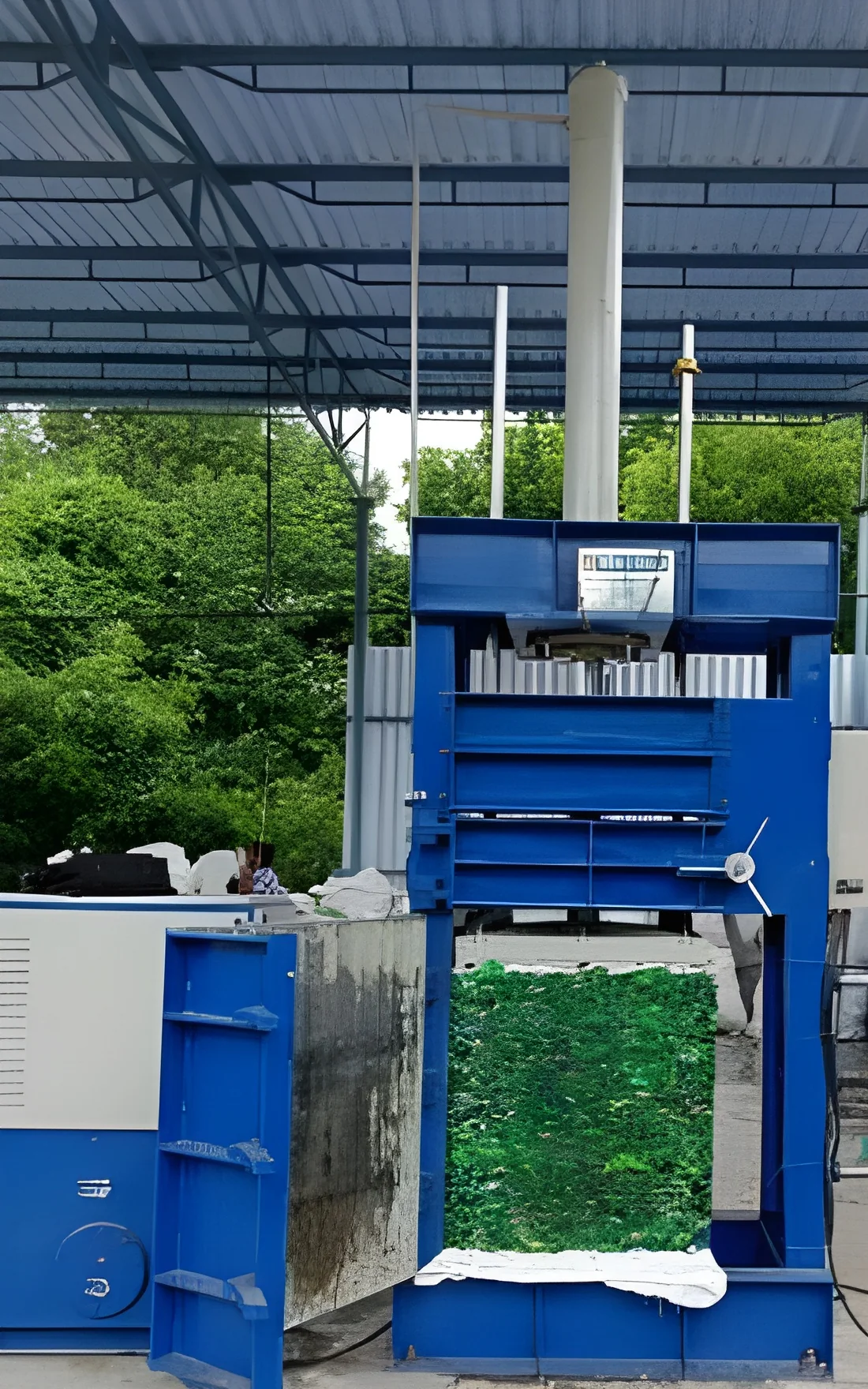
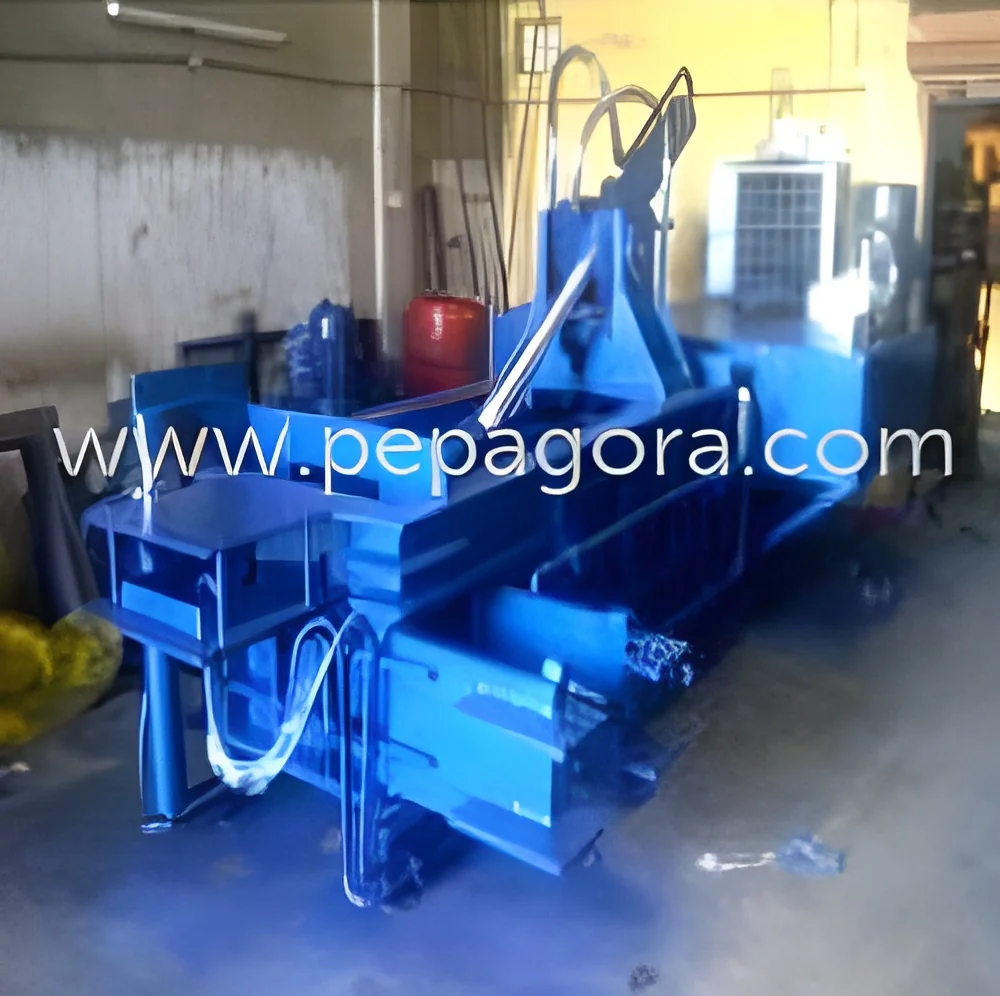
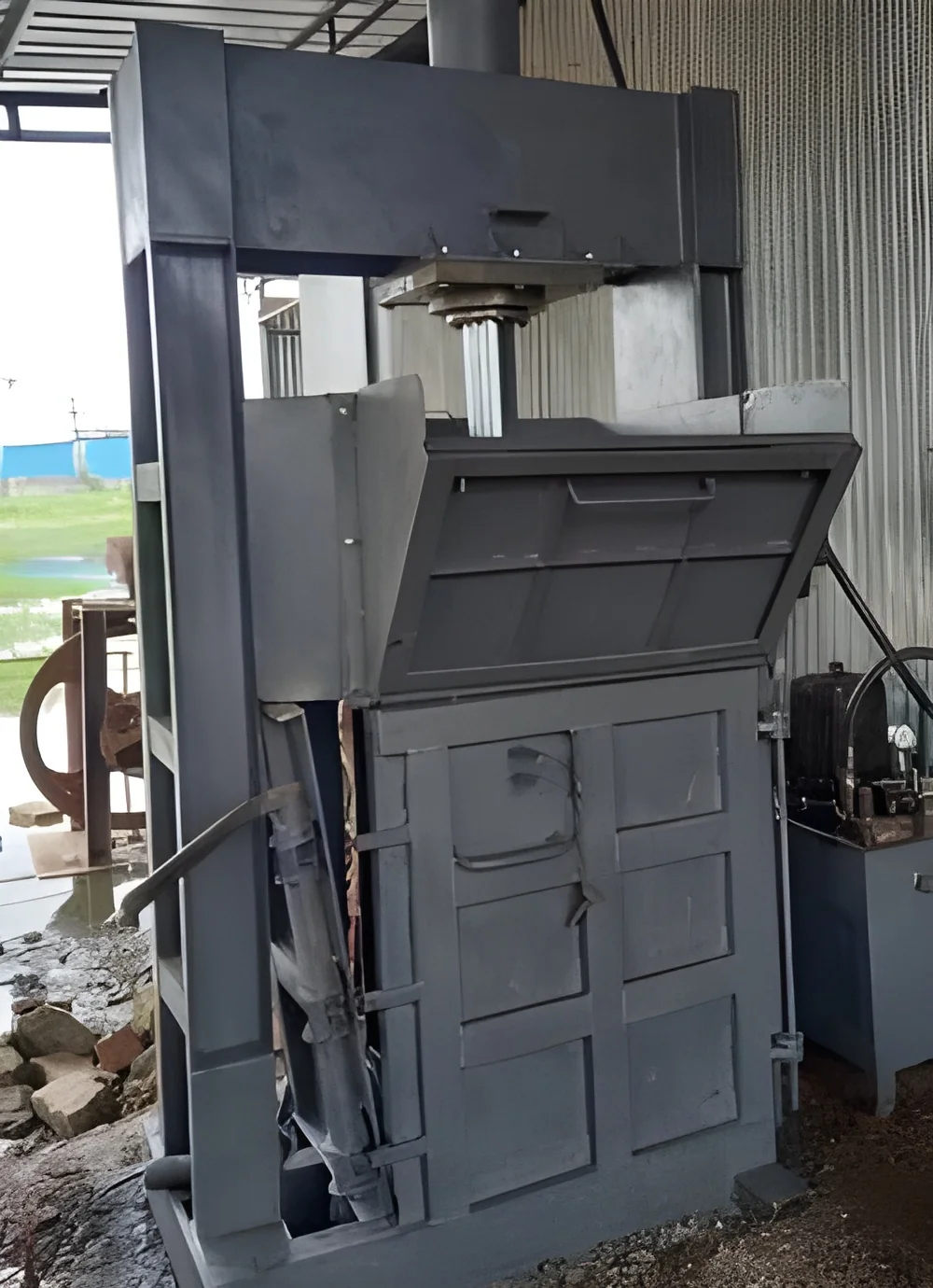
Balers: Balers compact recyclable materials into bales for efficient storage and transportation. These machines are particularly useful in the paper and plastics recycling industries.
𝗕𝗲𝗻𝗲𝗳𝗶𝘁𝘀 𝗮𝗻𝗱 𝗔𝗱𝘃𝗮𝗻𝘁𝗮𝗴𝗲𝘀
Recycling machinery offers numerous benefits to businesses looking to enhance their sustainability efforts.
1. Cost Savings: By recycling materials, companies can significantly reduce waste disposal costs and purchase raw materials at lower rates.
2. Environmental Impact: Utilizing recycling machinery helps businesses lower their carbon footprint and reduce landfill usage, contributing to environmental conservation.
3. Compliance: Recycling machinery assists businesses in meeting regulatory requirements related to waste management and sustainability.
4. Efficiency: Advanced machinery improves the speed and efficiency of recycling processes, allowing businesses to handle larger volumes of materials.
5. Resource Recovery: These machines enable the recovery of valuable materials from waste, promoting a circular economy and reducing the need for virgin resources.
6. Innovation: Investing in modern recycling machinery can lead to innovative processing techniques, enhancing overall operational capabilities.
𝗕𝘂𝘆𝗶𝗻𝗴 𝗚𝘂𝗶𝗱𝗲 𝗳𝗼𝗿 𝗕𝟮𝗕 𝗕𝘂𝘆𝗲𝗿𝘀
When sourcing recycling machinery, B2B buyers should consider several key factors to ensure they select the right equipment for their needs.
1. Quality Assessment: Evaluate the quality of machinery by examining materials, construction, and durability. Look for machines with proven reliability and performance in similar applications.
2. Supplier Verification: Vet suppliers by checking their reputation, customer reviews, and industry experience. Ensure they have a robust track record of providing quality machinery and support.
3. Pricing and MOQ: Understand the pricing structures and minimum order quantities. This information is vital for budgeting and planning purchases effectively.
4. Delivery and Lead Times: Clarify delivery timelines and logistics to ensure timely installation and operational readiness. Consider the supplier’s ability to meet your scheduling needs.
5. Compliance Requirements: Ensure the machinery complies with relevant industry standards and regulations. Verify certifications that align with safety and operational requirements.
𝗖𝗼𝗺𝗽𝗹𝗶𝗮𝗻𝗰𝗲 𝗮𝗻𝗱 𝗖𝗲𝗿𝘁𝗶𝗳𝗶𝗰𝗮𝘁𝗶𝗼𝗻𝘀
Recycling machinery must adhere to various compliance and certification standards to ensure safety and quality.
ISO 9001 is a critical quality management standard that applies to manufacturing processes, ensuring consistent quality and continual improvement practices.
CE certification indicates compliance with safety and environmental protection standards in the European market. This certification is essential for accessing certain markets and demonstrates adherence to regulatory requirements.
Safety and testing requirements are vital, as they ensure machinery operates within safe parameters, minimizing risks for operators and the environment. Regular inspections and testing are necessary to maintain compliance.
Regional compliance considerations vary by location, with specific regulations governing waste management and recycling practices. Understanding local laws is crucial for businesses operating in multiple regions.
𝗪𝗵𝘆 𝗦𝗼𝘂𝗿𝗰𝗲 𝗥𝗲𝗰𝘆𝗰𝗹𝗶𝗻𝗴 𝗠𝗮𝗰𝗵𝗶𝗻𝗲𝗿𝘆 𝗳𝗿𝗼𝗺 𝗣𝗲𝗽𝗮𝗴𝗼𝗿𝗮?
Pepagora provides a trusted platform for sourcing recycling machinery, offering significant advantages to B2B buyers.
Verified Supplier Network: Pepagora has established a comprehensive network of verified suppliers, ensuring that businesses can access high-quality machinery from reliable sources. This verification process helps mitigate risks associated with supplier reliability.
Streamlined RFQ Process: The platform features a streamlined request for quotation (RFQ) process, enabling buyers to easily compare prices and specifications from multiple suppliers. This system enhances transparency and simplifies procurement.
Trade Assurance and Support: Pepagora offers trade assurance, protecting buyer investments and providing support throughout the purchasing process. This assurance builds confidence in sourcing decisions.
Regional Coverage: With a strong presence in India, the GCC, and Southeast Asia, Pepagora facilitates access to a wide range of recycling machinery options suited to diverse market needs. This regional coverage ensures buyers can find solutions tailored to their specific requirements.







Frequently Asked Questions
What are Recycling Machinery?
Recycling machinery refers to equipment designed for processing and recycling various materials, such as plastic, metal, paper, and electronic waste. These machines help in converting waste materials into reusable resources, thereby promoting environmental sustainability and resource conservation.
What are the different types of Recycling Machinery?
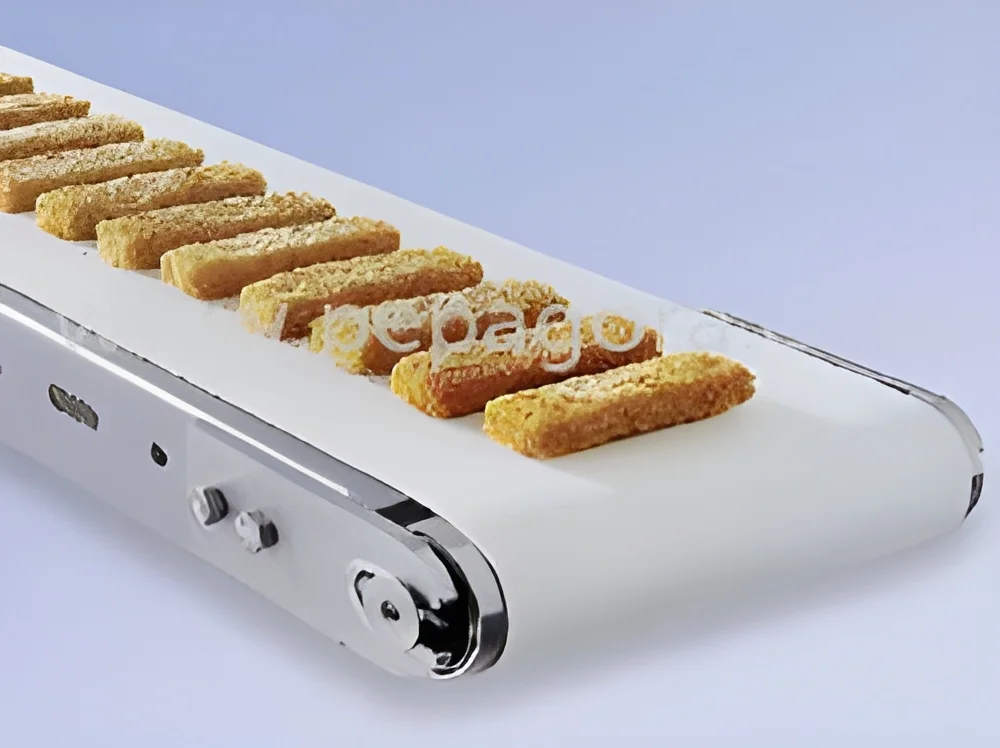
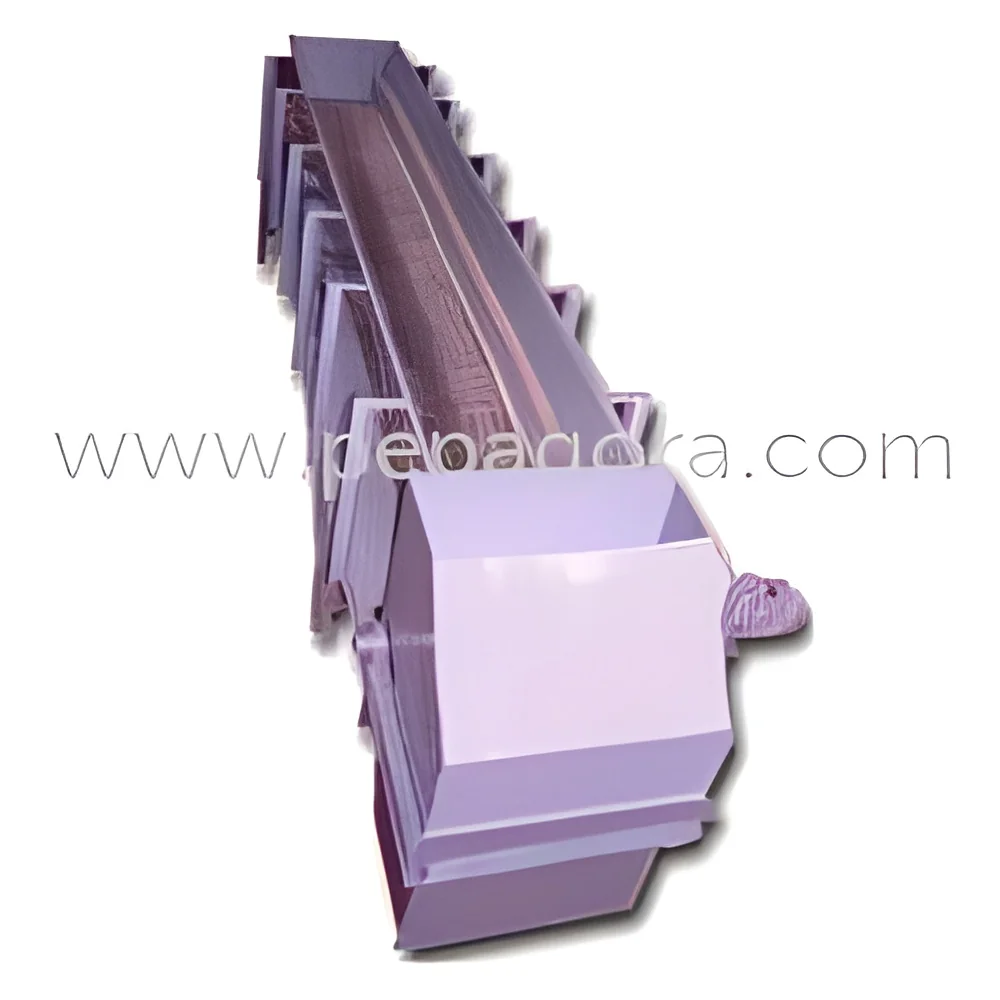
There are several types of recycling machinery, including shredders, balers, granulators, and conveyor systems. Each type serves a specific purpose, such as reducing the size of materials, compressing them for storage, or separating different types of recyclables.
How do I choose the right Recycling Machinery?
Choosing the right recycling machinery involves assessing your specific recycling needs, such as the type of materials you will process and the desired output. It's crucial to consider factors like capacity, efficiency, and compatibility with your existing systems.
What are the standard specifications for Recycling Machinery?
Standard specifications for recycling machinery may include power requirements, processing capacity, dimensions, and material compatibility. Additionally, safety features and compliance with environmental regulations are important specifications to consider.
What is the price range for Recycling Machinery?
The price range for recycling machinery can vary significantly based on the type, capacity, and features. Generally, you can expect prices to start from a few thousand rupees for basic models to several lakhs for advanced and high-capacity machines.
What quality standards apply to Recycling Machinery?
Recycling machinery must adhere to various quality standards, including ISO certifications and safety regulations specific to industrial equipment. Manufacturers often comply with these standards to ensure reliability, durability, and safety during operation.
Where can I find Recycling Machinery suppliers in India?
You can find recycling machinery suppliers in India through various B2B marketplaces, trade shows, and industry directories. Websites like Pepagora.com provide a platform to connect with verified suppliers and manufacturers in the recycling machinery sector.
Can Recycling Machinery be customized?
Yes, many manufacturers offer customization options for recycling machinery to meet specific operational requirements. Customization may include modifications in design, capacity, and additional features tailored to the buyer's needs.
What is the typical minimum order quantity for Recycling Machinery?
The typical minimum order quantity (MOQ) for recycling machinery varies by manufacturer and the type of machinery being ordered. Generally, MOQs can range from one unit for standard models to multiple units for customized or specialized equipment.
What is the typical lead time for Recycling Machinery?
The typical lead time for recycling machinery can range from a few weeks to several months, depending on the complexity, customization, and availability of components. It's advisable to discuss lead times with suppliers before placing an order to ensure timely delivery.
Why Businesses Trust Pepagora
Thousands of companies trust Pepagora to source smarter and sell faster
Expand Your Sales Globally

Source Smarter,Grow Faster
