
 IN
Zeolite
1 products available
What are Zeolite?
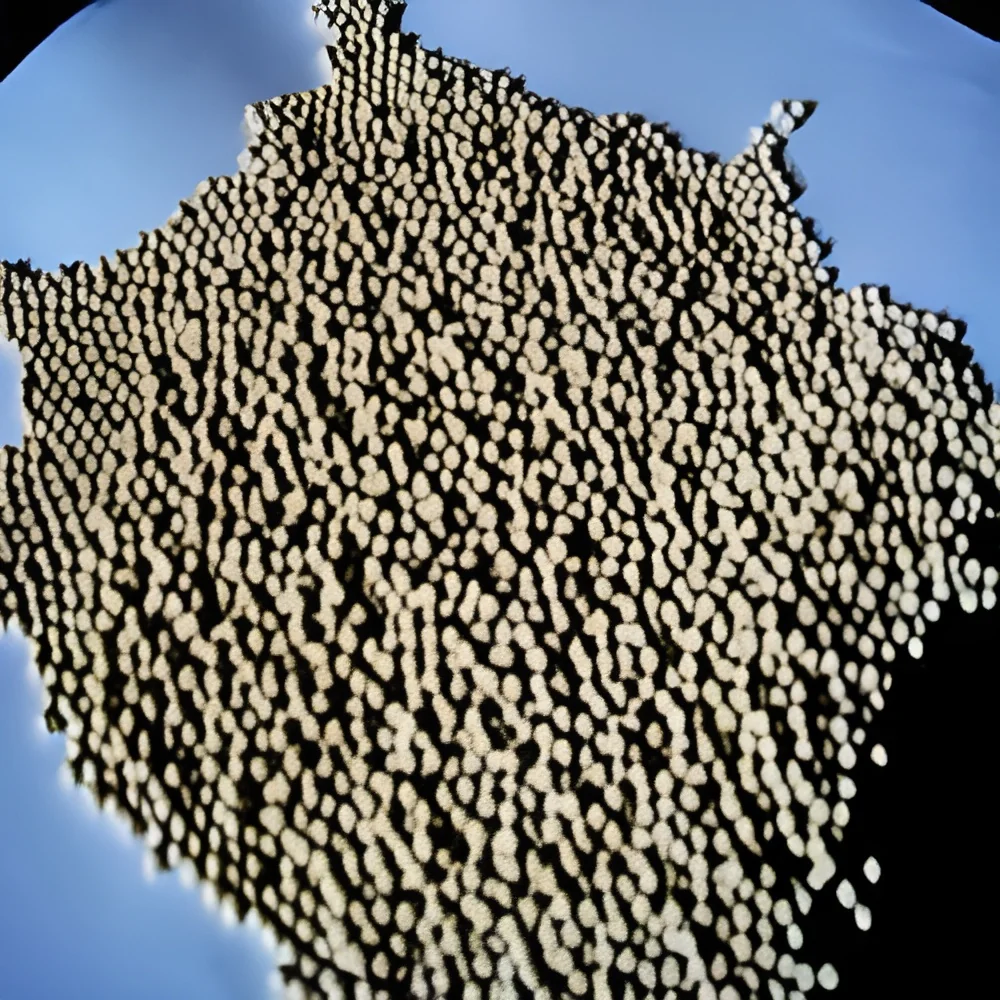
Zeolite is a naturally occurring mineral with a unique crystalline structure that allows it to adsorb and exchange ions. These aluminosilicate minerals are primarily formed from volcanic ash that has undergone chemical weathering. Zeolites can also be synthetically produced and are renowned for their high surface area and porosity. The structure of zeolite consists of interconnected tetrahedra of silicon and aluminum, creating channels and cavities that can trap various molecules.
Zeolite is widely used across multiple industries due to its versatile properties. In industrial applications, it plays a crucial role in processes such as water purification, gas separation, and catalysis. Businesses utilize zeolite for its ability to selectively absorb certain molecules, making it essential in the production of detergents, fertilizers, and in environmental remediation. The growing demand for zeolite reflects its importance in sustainable technologies, with applications extending to agriculture, wastewater treatment, and air purification systems.
The relevance of zeolite in the market is underscored by its adaptability to various processes and environments. With increasing emphasis on sustainability and eco-friendly solutions, zeolite is positioned as a key player in the development of green technologies. Its market presence continues to expand, driven by innovations in chemical processes and environmental applications.
Key Features and Specifications
Zeolite is characterized by several notable features that make it suitable for a range of applications. Its unique properties stem from its structure and chemical composition. Understanding the specifications of zeolite is crucial for businesses looking to leverage its capabilities.
Key specifications include:
1. Chemical Composition
- Primarily composed of silicon dioxide and aluminum oxide
- Contains various cations such as sodium, calcium, and potassium
2. Surface Area
- High surface area typically ranging from 300 to 800 m²/g
- Provides enhanced adsorption capabilities
3. Porosity
- Microporous structure with pore sizes ranging from 2 to 10 angstroms
- Allows selective absorption of molecules based on size
4. Cation Exchange Capacity (CEC)
- High cation exchange capacity, often exceeding 100 meq/100g
- Facilitates ion exchange processes in various applications
5. Thermal Stability
- Can withstand high temperatures, generally up to 600 degrees Celsius
- Retains structural integrity under extreme conditions
6. Moisture Absorption
- Can absorb significant amounts of moisture, up to 20% of its weight
- Useful in applications requiring humidity control
7. pH Range
- Effective over a wide pH range, from 4 to 10
- Suitable for diverse chemical reactions and applications
8. Safety and Non-toxicity
- Generally recognized as safe for use in food and agriculture
- Non-toxic, making it suitable for environmental applications
In summary, zeolite's unique chemical and physical properties make it a valuable resource in various industrial applications, enhancing its marketability and utility.
Common Applications and Use Cases
Zeolite serves various industries due to its versatile properties and effectiveness in multiple applications.
1. Water Treatment: Zeolite is commonly used in water purification systems, where it removes heavy metals and other contaminants through ion exchange.
2. Agriculture: In agriculture, zeolite enhances soil quality by improving nutrient retention and water retention, leading to better crop yields.
3. Air Purification: Zeolite is utilized in air filtration systems to capture volatile organic compounds and odors, improving indoor air quality.
4. Oil and Gas: In the oil and gas industry, zeolite plays a role in catalysis, aiding in the refinement of petroleum products.
5. Animal Feed: Zeolite is used as a feed additive in livestock, promoting better digestion and nutrient absorption.
6. Construction: In construction, zeolite is incorporated into cement and concrete mixtures to enhance strength and durability.
7. Pharmaceutical: In the pharmaceutical sector, zeolite is utilized for drug delivery systems, improving the efficacy of medications.
Product Variants and Subcategories
Zeolite comes in various forms to cater to specific applications and industry needs. Each variant is designed with unique properties suited for different uses.
Natural Zeolite
Natural zeolite is mined from volcanic deposits and is often used in agriculture and water treatment. Its natural composition ensures it is safe for environmental applications.
Synthetic Zeolite
Synthetic zeolite is engineered to have precise characteristics for industrial applications. This variant is often used in catalytic processes and separation technologies.
Clinoptilolite
Clinoptilolite is a specific type of natural zeolite known for its high ion-exchange capacity. It is widely used in agriculture and animal husbandry.
Zeolite A
Zeolite A is a synthetic variant often used in detergents and water softeners. Its unique structure enhances its ability to trap hardness ions.
Benefits and Advantages
The use of zeolite offers numerous benefits that make it an attractive choice for various industries.
1. High Efficiency: Zeolite's unique structure allows for efficient absorption and ion exchange, improving processing outcomes.
2. Environmental Friendliness: Being a natural mineral, zeolite is biodegradable and non-toxic, making it an eco-friendly solution.
3. Cost-Effectiveness: Zeolite's versatility reduces the need for multiple materials, leading to cost savings in production.
4. Improved Product Quality: Its use in agriculture and animal feed enhances product quality and yields.
5. Temperature Resistance: Zeolite's ability to withstand high temperatures makes it suitable for demanding industrial processes.
6. Versatility: The broad range of applications allows businesses to utilize zeolite in numerous settings, optimizing its potential.
Buying Guide for B2B Buyers
When sourcing zeolite, it is essential for B2B buyers to consider several key factors to ensure they select the right product for their needs.
1. Quality Assessment: Buyers should evaluate the quality of zeolite based on its chemical composition and purity levels. High-quality zeolite will have a consistent structure and performance.
2. Supplier Verification: It is crucial to vet suppliers to ensure they are reliable and capable of providing the desired quality and quantity of zeolite. Look for certifications and customer reviews.
3. Pricing and MOQ: Understand the pricing structure and minimum order quantities. Competitive pricing can significantly impact overall project costs.
4. Delivery and Lead Times: Assess the logistics of delivery and lead times to ensure timely availability of zeolite for your projects.
5. Compliance Requirements: Be aware of any regulatory compliance needed for zeolite, including environmental and safety standards that may impact its use in specific applications.
Compliance and Certifications
Compliance and certification are critical aspects of sourcing zeolite. Relevant quality standards such as ISO 9001 ensure that suppliers adhere to strict quality management systems. This is essential for maintaining consistency in product quality.
Industry certifications like CE signify that the product meets European safety standards, making it suitable for various applications, including those in the food and pharmaceutical sectors.
Additionally, safety and testing requirements are paramount to ensure that zeolite is safe for use in all intended applications. Regional compliance considerations may vary, so it is important for buyers to understand local regulations that may affect the use of zeolite in specific markets.
Why Source Zeolite from Pepagora?
Pepagora provides a trusted platform for sourcing zeolite, offering several key advantages for B2B buyers looking to procure this valuable material.
Verified Supplier Network: Pepagora connects buyers with a network of verified suppliers, ensuring that businesses can find reliable sources of high-quality zeolite. This verification process helps mitigate risks associated with sourcing.
Streamlined RFQ Process: The platform features a streamlined Request for Quotation (RFQ) process, allowing buyers to easily request quotes from multiple suppliers and compare offers efficiently.
Trade Assurance and Support: Buyers can benefit from trade assurance and dedicated support, providing protection throughout the purchasing process. This support helps ensure that orders are fulfilled as expected.
Regional Coverage: Pepagora's geographic reach includes India, the GCC, and Southeast Asia, making it a convenient option for businesses looking to source zeolite across different regions. This broad coverage ensures that buyers can access the material they need, regardless of location.

 India
Frequently Asked Questions
What are Zeolite?
Zeolites are naturally occurring or synthetic aluminosilicate minerals known for their unique porous structure. They are widely used in various applications such as water purification, catalysis, and as soil amendments in agriculture.
What are the different types of Zeolite?
There are several types of zeolites, including natural zeolites like Clinoptilolite and synthetic zeolites such as ZSM-5 and Mordenite. Each type has specific properties and applications, making them suitable for different industrial uses.
How do I choose the right Zeolite?
To choose the right zeolite, consider factors such as the specific application, required pore size, and ion-exchange capacity. It may also be helpful to consult with suppliers or industry experts to determine the best option for your needs.
What are the standard specifications for Zeolite?
Standard specifications for zeolite typically include parameters like purity, particle size, moisture content, and ion-exchange capacity. These specifications may vary depending on the intended application and the specific type of zeolite.
What is the price range for Zeolite?
The price range for zeolite can vary significantly based on factors such as type, quality, and quantity purchased. Generally, prices can range from INR 50 to INR 200 per kilogram, but it is advisable to check with suppliers for specific quotes.
What quality standards apply to Zeolite?
Quality standards for zeolite often align with industry regulations, including those set by organizations such as ASTM and ISO. These standards typically address purity levels, particle size distribution, and performance in specific applications.
Where can I find Zeolite suppliers in India?
Zeolite suppliers in India can be found through various online B2B marketplaces, trade directories, and industry-specific exhibitions. Websites like Pepagora.com can help you connect with reliable zeolite manufacturers and suppliers.
Can Zeolite be customized?
Yes, zeolite can often be customized to meet specific requirements, such as particle size or chemical composition. Many suppliers offer tailored solutions based on the unique needs of their clients.
What is the typical minimum order quantity for Zeolite?
The typical minimum order quantity (MOQ) for zeolite can vary by supplier but is usually around 100 kilograms. It is advisable to check with individual suppliers for their specific MOQs.
What is the typical lead time for Zeolite?
The typical lead time for zeolite can range from 1 to 4 weeks, depending on the supplier and the order size. It's best to confirm the lead time with your chosen supplier during the ordering process.
Why Businesses Trust Pepagora
Thousands of companies trust Pepagora to source smarter and sell faster
Expand Your Sales Globally

Source Smarter,Grow Faster
