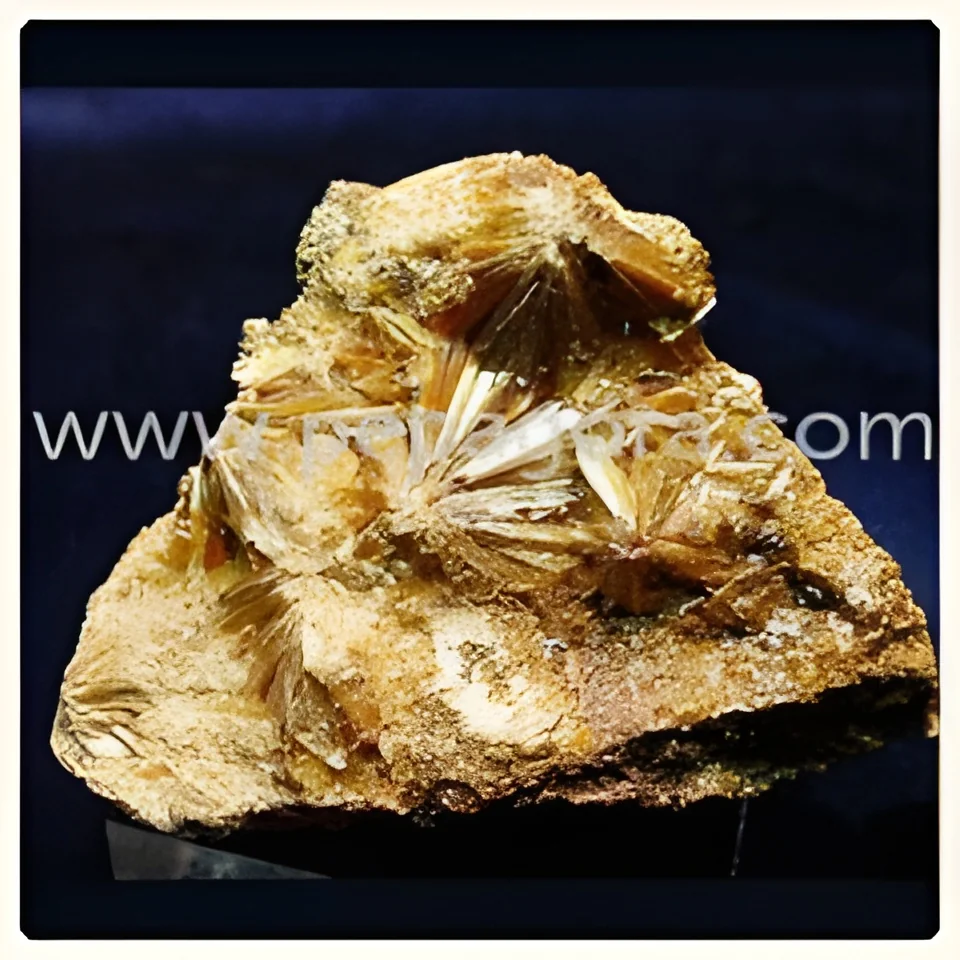
What are Pyrophyllite?
Pyrophyllite is a naturally occurring mineral composed primarily of aluminum silicate. It is a soft, clay-like material that is often used for its unique properties, including its ability to withstand high temperatures and its excellent plasticity. Pyrophyllite is characterized by its fine-grained texture and is typically found in metamorphic rocks. This mineral is often confused with talc, but they have distinct chemical compositions and properties.
In the business context, pyrophyllite has several practical applications across various industries. It is commonly used as a filler in ceramics, paints, and plastics, where it enhances product performance and durability. Additionally, its heat-resistant properties make it suitable for use in refractory materials, which are vital for high-temperature applications such as furnaces and kilns. The increasing demand for high-quality industrial materials has positioned pyrophyllite as a significant player in the market.
The relevance of pyrophyllite in various industries cannot be overstated. With a growing emphasis on sustainable materials and the development of advanced applications, pyrophyllite is gaining traction. As industries look for reliable and efficient materials to enhance their products, pyrophyllite's unique attributes provide a competitive edge in the marketplace.
Key Features and Specifications
Pyrophyllite boasts several key features that make it a valuable choice for various industrial applications. Its unique physical and chemical properties contribute to its versatility in different sectors.
Key specifications include:
1. Chemical Composition
- Primarily composed of aluminum silicate
- Minimal impurities for enhanced performance
2. Thermal Stability
- Excellent resistance to high temperatures
- Suitable for refractory applications
3. Particle Size
- Fine-grained texture for improved dispersion
- Typically available in various mesh sizes
4. Plasticity
- High plasticity allows for easy molding and shaping
- Ideal for ceramic and plastic applications
5. Moisture Absorption
- Low moisture absorption rate
- Helps maintain product integrity in various environments
6. Density
- Specific density range for tailored applications
- Contributes to the overall weight and stability of final products
7. pH Neutrality
- Generally pH neutral
- Safe for use in food-related applications
In summary, the specifications of pyrophyllite highlight its suitability for diverse industrial applications, making it a preferred material in several sectors.
Common Applications and Use Cases
Pyrophyllite is utilized across various industries due to its unique properties and versatility.
1. Ceramics: In the ceramics industry, pyrophyllite is used as a key ingredient in the production of tiles, pottery, and sanitary ware. Its excellent plasticity and thermal stability enhance the final product's quality.
2. Paints and Coatings: Pyrophyllite serves as a filler in paints and coatings, improving texture, durability, and resistance to weathering. It contributes to the smooth application and finish of these products.
3. Plastics: In the plastics sector, pyrophyllite is used as a filler to enhance strength and reduce production costs. Its lightweight nature helps in achieving desired performance characteristics.
4. Refractory Materials: Due to its high thermal resistance, pyrophyllite is widely used in the manufacturing of refractory bricks and materials for furnaces and kilns, ensuring safety and efficiency in high-temperature environments.
5. Paper Industry: In the paper industry, pyrophyllite is used as a filler to improve the opacity and brightness of paper products, contributing to a better finish and print quality.
6. Agriculture: Pyrophyllite is also used in agricultural applications, particularly as a soil amendment. It helps improve soil structure and nutrient retention.
7. Cosmetics: In cosmetics, pyrophyllite is utilized for its absorbent properties, helping to control oil and moisture in formulations.
Product Variants and Subcategories
Pyrophyllite is available in various forms and grades to cater to specific industrial needs.
Natural Pyrophyllite
This variant is mined directly from natural deposits. It retains its original properties and is used in applications where purity and natural characteristics are essential.
Processed Pyrophyllite
Processed pyrophyllite undergoes refinement to achieve specific particle sizes and purity levels. This variant is ideal for applications requiring precise specifications and consistency.
Micronized Pyrophyllite
Micronized pyrophyllite is finely ground to achieve a very small particle size. It is used in high-performance applications such as advanced coatings and specialty plastics.
Benefits and Advantages
Choosing pyrophyllite offers several advantages for businesses seeking reliable materials.
1. High Thermal Resistance: Pyrophyllite can withstand high temperatures, making it ideal for applications in industries such as ceramics and refractories.
2. Excellent Plasticity: Its plasticity allows for easy shaping and molding, which is beneficial in manufacturing processes.
3. Low Moisture Absorption: This feature ensures that products maintain integrity even in varying humidity levels, which is crucial for quality control.
4. Versatility: Pyrophyllite can be used across multiple industries, making it a versatile choice for manufacturers looking for a single material solution.
5. Cost-Effective: As a filler, pyrophyllite can reduce production costs while enhancing product performance, providing excellent value for businesses.
6. Environmental Considerations: Pyrophyllite is a natural mineral, making it a more environmentally friendly option compared to synthetic fillers.
Buying Guide for B2B Buyers
When sourcing pyrophyllite, it is essential for B2B buyers to consider several critical factors to ensure they make informed decisions.
1. Quality Assessment: Buyers should evaluate the quality of pyrophyllite based on purity, particle size, and thermal properties. Conducting tests or requesting certifications can help verify quality standards.
2. Supplier Verification: It is important to vet suppliers for reliability and reputation. Look for suppliers with a proven track record in delivering quality pyrophyllite and excellent customer service.
3. Pricing and MOQ: Understanding the pricing structure and minimum order quantities (MOQ) is vital for budgeting. Buyers should compare prices across different suppliers to ensure competitive rates.
4. Delivery and Lead Times: Consider the logistics involved in sourcing pyrophyllite, including delivery times and shipping costs. Ensure that suppliers can meet your project timelines.
5. Compliance Requirements: Be aware of any regulatory requirements related to the use of pyrophyllite in specific applications. This may include certifications or adherence to safety standards.
Compliance and Certifications
Pyrophyllite must meet certain quality standards and compliance requirements to assure safety and performance in various applications.
Relevant quality standards include ISO 9001, which ensures consistent quality management systems in manufacturing processes. Compliance with HACCP (Hazard Analysis Critical Control Point) is crucial for industries where pyrophyllite may come into contact with food products. Additionally, Good Distribution Practice (GDP) standards may apply to the logistics and distribution of pyrophyllite.
Industry certifications, such as CE marking, indicate that the product meets European safety and environmental protection requirements. Companies should also consider safety and testing requirements specific to their industry, ensuring that pyrophyllite adheres to necessary regulations.
Regional compliance considerations may vary based on local laws and market demands, making it essential for businesses to stay informed about applicable standards in their region.
Why Source Pyrophyllite from Pepagora?
Pepagora offers a trusted platform for sourcing pyrophyllite, providing several key advantages for B2B buyers.
Verified Supplier Network: Pepagora maintains a network of verified suppliers, ensuring that buyers have access to quality products and trustworthy service. This verification process helps mitigate risks associated with sourcing materials.
Streamlined RFQ Process: The Request for Quotation (RFQ) system on Pepagora allows buyers to easily connect with multiple suppliers. This streamlined process enables comparisons and facilitates better decision-making.
Trade Assurance and Support: Buyers on Pepagora benefit from trade assurance, which provides protection against potential risks in transactions. The platform also offers support to address any issues or concerns during the sourcing process.
Regional Coverage: Pepagora has a strong geographic reach, covering markets in India, the Gulf Cooperation Council (GCC), and Southeast Asia. This wide coverage ensures that buyers can find reliable sources of pyrophyllite tailored to their regional needs.

 IN
IN