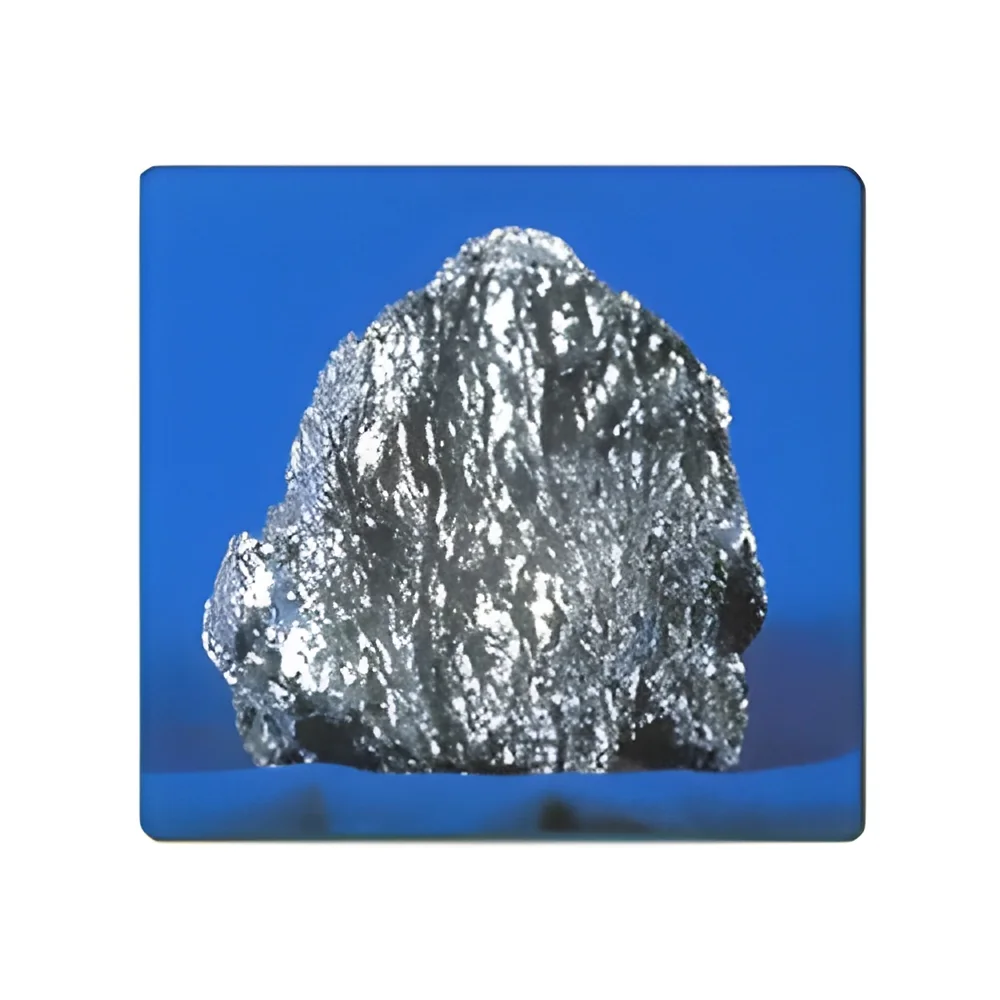
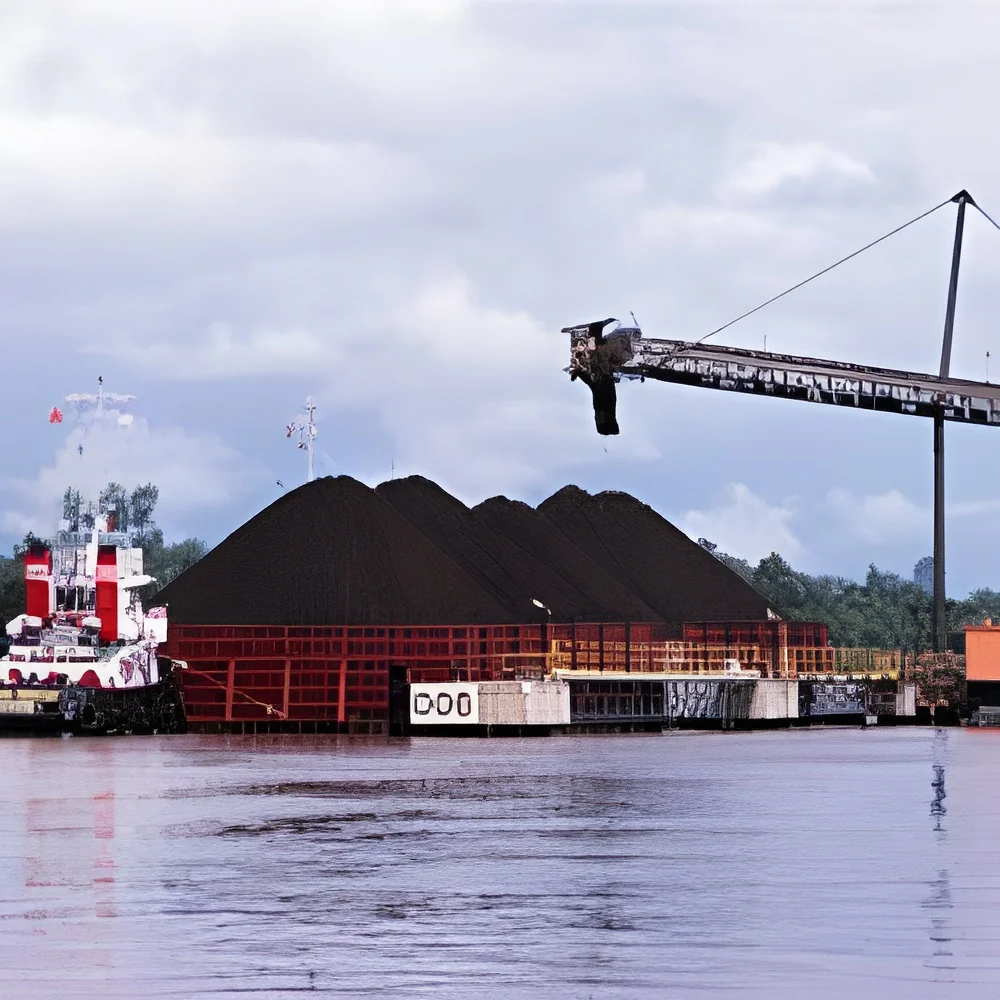
What are Processed Industrial Minerals?
Processed Industrial Minerals are natural minerals that have been treated and refined for specific industrial applications. These minerals undergo various processes to enhance their properties, making them suitable for diverse uses in multiple sectors. The processing typically involves grinding, milling, and sometimes chemical treatments to achieve desired physical and chemical characteristics.
The primary applications of processed industrial minerals include their use as fillers, pigments, and functional additives in industries such as construction, ceramics, plastics, and paints. They play a critical role in enhancing product performance, improving durability, and optimizing manufacturing processes. The demand for these minerals is driven by the growing industrialization and the need for high-quality raw materials across various sectors.
In the current market context, processed industrial minerals are essential components in many products and processes. The increasing focus on sustainable practices and the advancement of technologies in mineral processing are expected to shape the industry in the coming years. As companies strive for efficiency and innovation, the relevance of high-quality processed industrial minerals continues to rise.
Key Features and Specifications
Processed Industrial Minerals come with a range of specifications tailored to meet the demands of various industries. Understanding these specifications is crucial for selecting the right minerals for specific applications.
Key specifications include:
1. Particle Size Distribution
- Determines the fineness of the mineral.
- Typically ranges from micro to millimeter sizes.
2. Purity Levels
- Indicates the percentage of the main mineral content.
- Common purity levels are above 90% for most applications.
3. Moisture Content
- Reflects the amount of water present in the minerals.
- Usually maintained below 5% for optimal performance.
4. Chemical Composition
- Details the specific elements and compounds present.
- Varies based on the type of mineral and its intended use.
5. Bulk Density
- Measures the mass of the mineral per unit volume.
- Important for transport and storage considerations.
6. pH Levels
- Indicates the acidity or alkalinity of the mineral.
- Typically maintained between 6 and 8 for compatibility in various applications.
7. Abrasiveness
- Describes the mineral's ability to wear down other materials.
- Important for applications in grinding and milling.
8. Thermal Stability
- Reflects the mineral's performance under heat.
- Varies with different minerals and their processing methods.
In summary, understanding these key features and specifications is vital for businesses looking to procure processed industrial minerals that meet their specific needs and standards.
Common Applications and Use Cases
Processed Industrial Minerals find applications across a wide range of industries, each leveraging their unique properties for various purposes.
1. Construction: These minerals are used as fillers in concrete and asphalt, improving strength and durability.
2. Ceramics: They serve as critical components in the production of porcelain, tiles, and sanitary ware, enhancing aesthetic qualities and performance.
3. Plastics: Processed minerals are added to plastic formulations to improve impact resistance and reduce production costs.
4. Paints and Coatings: They function as pigments and fillers, providing color, texture, and enhancing the durability of coatings.
5. Agriculture: Used in fertilizers and soil conditioners, these minerals improve nutrient availability and soil structure.
6. Glass Manufacturing: They play a vital role in producing glass products by enhancing clarity and reducing melting temperatures.
7. Rubber: Processed minerals enhance the properties of rubber products, improving strength and flexibility.
In each of these industries, the specific characteristics of processed industrial minerals enable manufacturers to improve product quality and performance.
Product Variants and Subcategories
Processed Industrial Minerals encompass a diverse range of variants, each tailored for specific applications and industry requirements.
Calcium Carbonate
This variant is widely used in construction and plastic applications. It serves as a filler, enhancing product strength and reducing costs.
Kaolin Clay
Ideal for ceramics and paper industries, kaolin clay offers excellent whiteness and fine particle size, making it suitable for high-quality products.
Bentonite
Used primarily in drilling and foundry applications, bentonite's unique swelling properties make it essential for creating molds and sealing.
Talc
Known for its softness and lubricating properties, talc is commonly used in cosmetics, plastics, and rubber manufacturing.
Silica Sand
Primarily utilized in glass and foundry industries, silica sand provides the necessary grain size and purity for optimal performance.
Benefits and Advantages
Sourcing processed industrial minerals offers several benefits to businesses looking to enhance their product offerings.
1. Improved Product Performance: High-quality minerals enhance the durability and effectiveness of end products.
2. Cost Efficiency: Using processed minerals as fillers can reduce overall production costs without compromising quality.
3. Customization Options: Many suppliers offer tailored solutions to meet specific industry needs and applications.
4. Sustainable Sourcing: Processed industrial minerals can be sourced from environmentally responsible suppliers, supporting sustainable practices.
5. Enhanced Aesthetics: Minerals can improve the appearance of products, making them more appealing to consumers.
6. Regulatory Compliance: Sourcing from reputable suppliers ensures that materials meet necessary safety and quality standards.
Buying Guide for B2B Buyers
When sourcing processed industrial minerals, several factors should be considered to ensure the best choice for your business needs.
1. Quality Assessment: Evaluate the quality of minerals based on purity, particle size, and chemical composition to ensure they meet industry standards.
2. Supplier Verification: Vet suppliers through background checks, customer reviews, and industry certifications to ensure reliability and trustworthiness.
3. Pricing and MOQ: Understand pricing structures and minimum order quantities to align with your budget and demand.
4. Delivery and Lead Times: Consider logistics and the suppliers' ability to meet delivery deadlines, which can affect production schedules.
5. Compliance Requirements: Ensure that the minerals sourced comply with relevant regulations and standards specific to your industry.
Compliance and Certifications
Processed industrial minerals must adhere to various quality standards and certifications to ensure safety and performance in their applications.
Key relevant standards include ISO 9001, which focuses on quality management systems, ensuring consistent product quality and customer satisfaction. Additionally, HACCP (Hazard Analysis and Critical Control Points) may apply, particularly in food-related industries, to ensure safety in processing.
CE certifications are also critical, indicating that the products comply with European safety, health, and environmental protection standards.
Furthermore, safety and testing requirements must be met to ensure that minerals do not pose health risks during handling or use. Regional compliance may vary, and it is essential for businesses to stay informed about local regulations regarding processed industrial minerals.
Why Source Processed Industrial Minerals from Pepagora?
Pepagora offers a comprehensive platform for sourcing processed industrial minerals, providing several advantages for B2B buyers.
Verified Supplier Network: Pepagora connects buyers with a network of verified suppliers, ensuring that only reputable companies are featured on the platform. This reduces the risk associated with sourcing materials and enhances trust.
Streamlined RFQ Process: The platform simplifies the request for quotation process, allowing buyers to receive competitive pricing quickly and efficiently. This saves time and provides access to a wider range of options.
Trade Assurance and Support: Pepagora offers trade assurance, providing protection for buyers against potential risks in transactions. This support fosters a secure purchasing environment.
Regional Coverage: With a focus on geographic areas such as India, the GCC, and Southeast Asia, Pepagora ensures that businesses can find local suppliers who understand the regional market dynamics and can provide timely services.
By choosing Pepagora, businesses can confidently source high-quality processed industrial minerals while benefiting from a streamlined and secure purchasing process.

 IN
IN