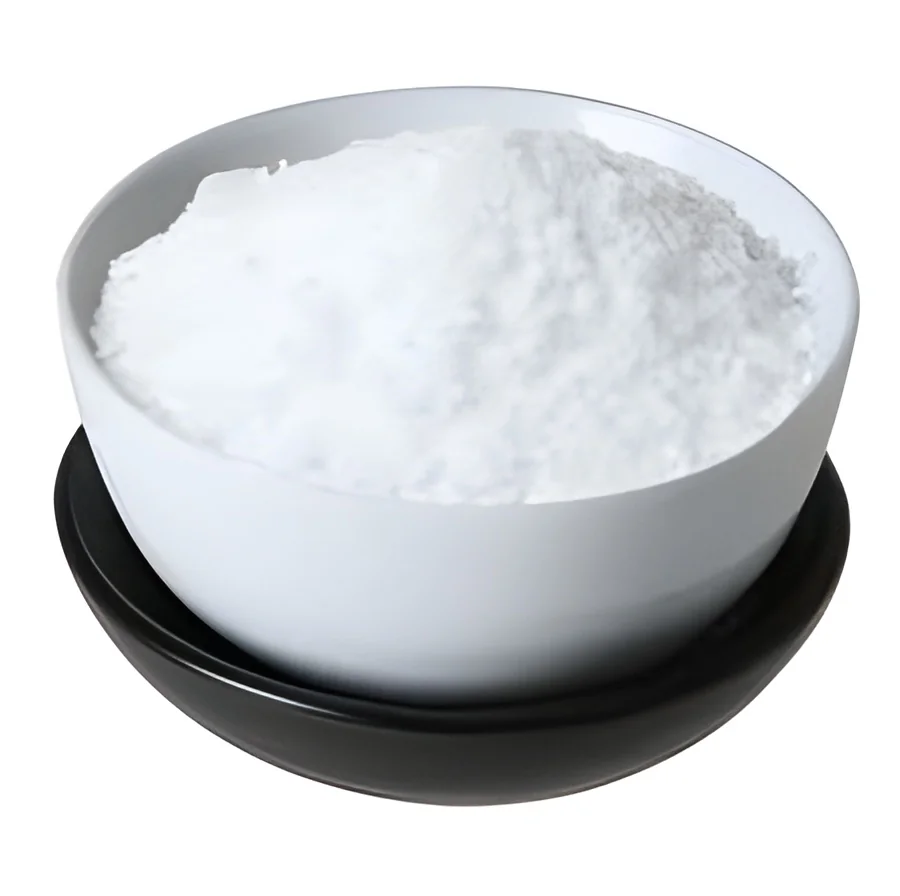
What are Talc / Soapstone?
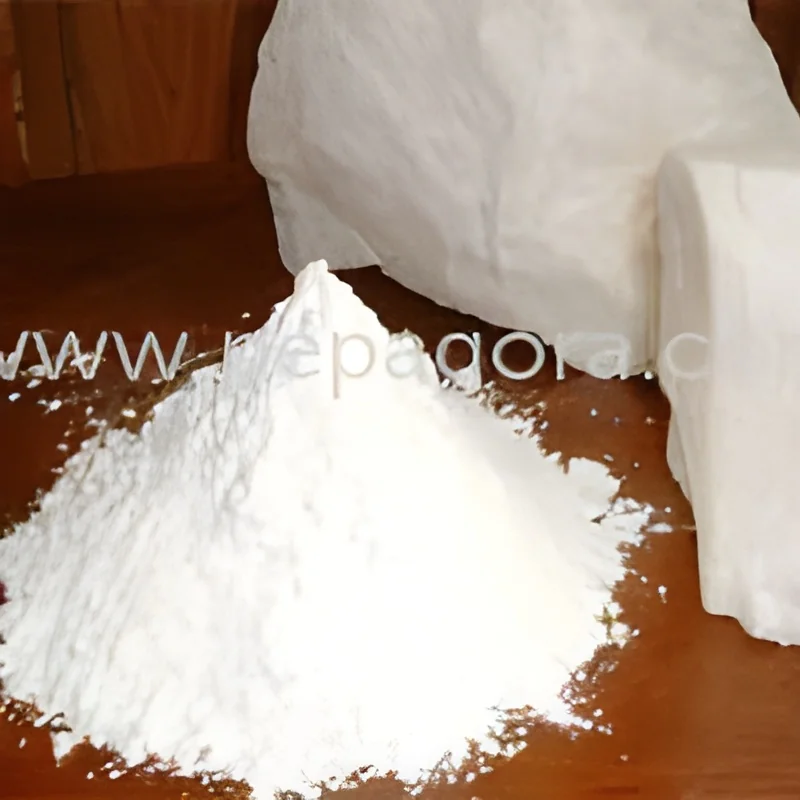
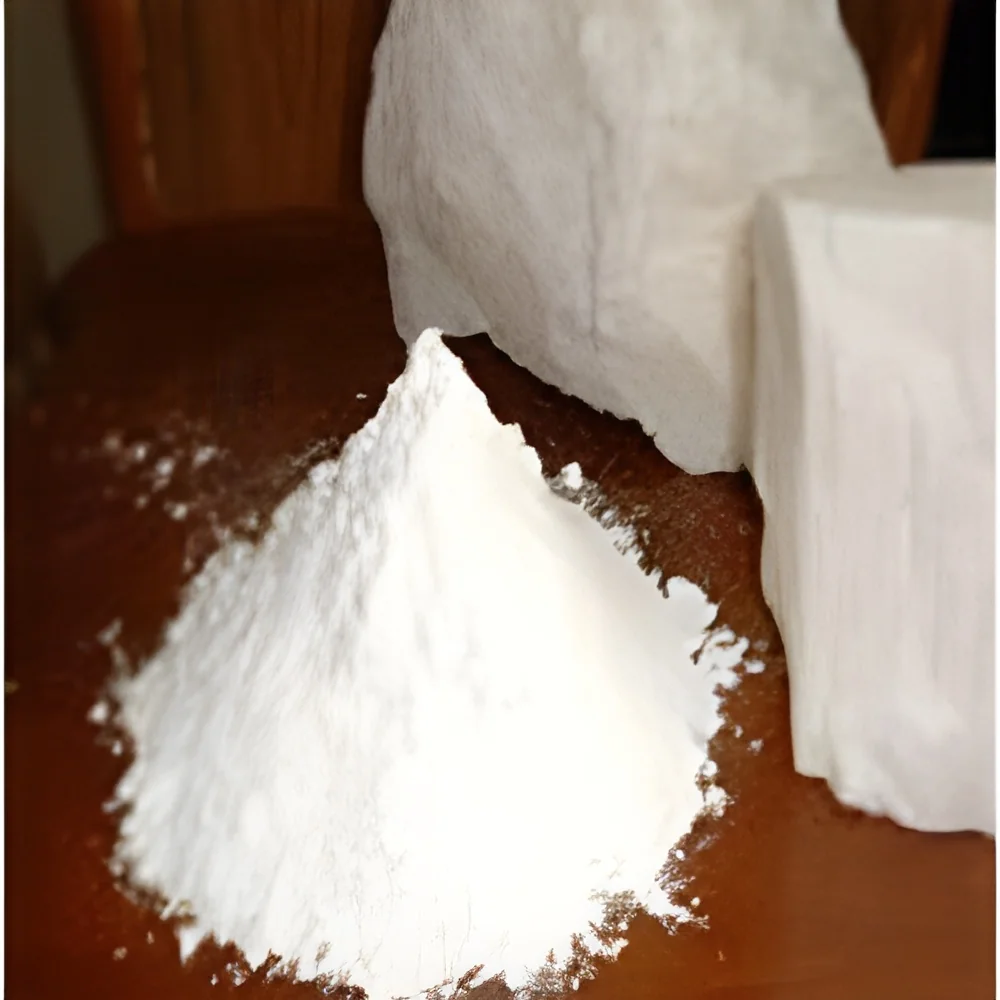
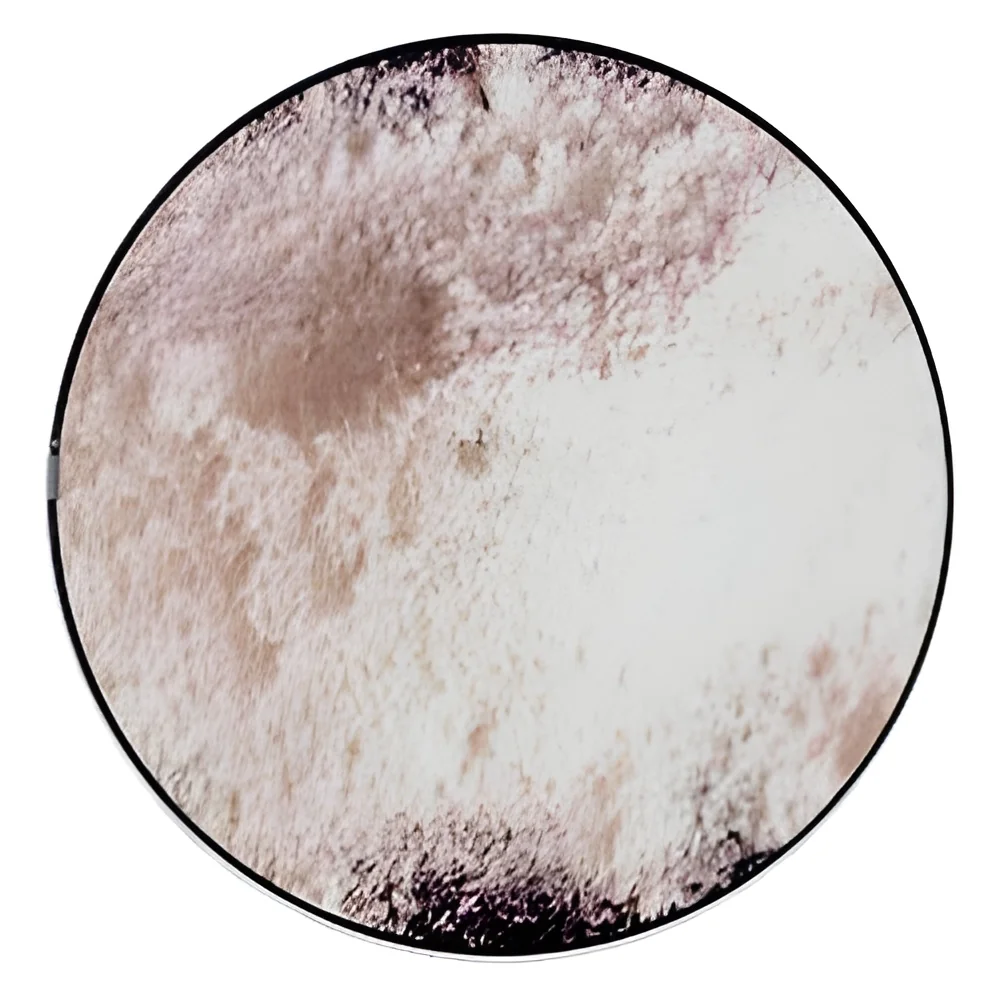
Talc, commonly known as soapstone, is a metamorphic rock primarily composed of talc, a mineral that is rich in magnesium and has a layered structure. This soft, soapstone material is formed from the metamorphism of magnesium-rich rocks and is characterized by its smooth feel and ability to absorb heat. Talc is known for its unique properties, including its high lubricity, inertness, and resistance to fire, making it a versatile material across various industries.
Talc and soapstone are widely utilized in a range of applications, including the manufacturing of cosmetics, ceramics, and paints. In industrial environments, talc serves as a filler and lubricant in products such as plastics and rubber. Its ability to enhance the performance and durability of materials makes it essential in construction, automotive, and personal care industries. The market for talc is driven by its diverse applications, with demand consistently growing as industries seek high-quality raw materials.
Key Features and Specifications
Talc and soapstone offer a unique combination of features that make them suitable for various industrial applications. Their distinct properties include softness, chemical inertness, and thermal stability.
Key specifications include:
1. Composition
- Primarily composed of talc (magnesium silicate)
- May contain chlorite, pyrophyllite, and carbonates
2. Hardness
- Mohs hardness of 1 to 1.5
- Soft texture allows for easy machining and shaping
3. Color Range
- Typically available in shades of green, gray, and white
- Variations in color may affect aesthetic applications
4. Thermal Conductivity
- Low thermal conductivity suitable for heat-resistant applications
- Ideal for stove linings and countertops
5. Chemical Resistance
- Excellent resistance to acids and bases
- Inert properties make it suitable for sensitive applications
6. Moisture Absorption
- Ability to absorb moisture enhances its use in various formulations
- Ideal for applications requiring humidity control
7. Density
- Density typically ranges from 2.7 to 3.0 g/cm³
- Provides weight and stability in composite materials
8. Specific Gravity
- Specific gravity ranges from 2.5 to 2.8
- Affects the material's performance in industrial applications
These specifications highlight the qualities that make talc and soapstone valuable for various manufacturing processes and end products.
Common Applications and Use Cases
Talc and soapstone are utilized across multiple industries due to their unique properties.
1. Cosmetics: Talc is widely used in cosmetics as a filler and to absorb moisture, providing a smooth texture in products like powders and foundations.
2. Ceramics: Talc enhances the workability of ceramic materials, improving strength and reducing shrinkage during firing.
3. Plastics: Used as a filler, talc improves the mechanical properties and processing characteristics of plastic materials.
4. Paints and Coatings: Talc acts as a pigment extender, improving the opacity and durability of paint formulations.
5. Food Industry: Talc is sometimes used in food processing as an anti-caking agent and is compliant with various safety standards.
6. Automotive: Talc is incorporated into automotive components for its lubricating properties, improving wear resistance.
7. Construction: Soapstone is used in countertops and stoves due to its heat-resistant properties and aesthetic appeal.
Product Variants and Subcategories
Talc and soapstone come in various forms to cater to specific industry needs.
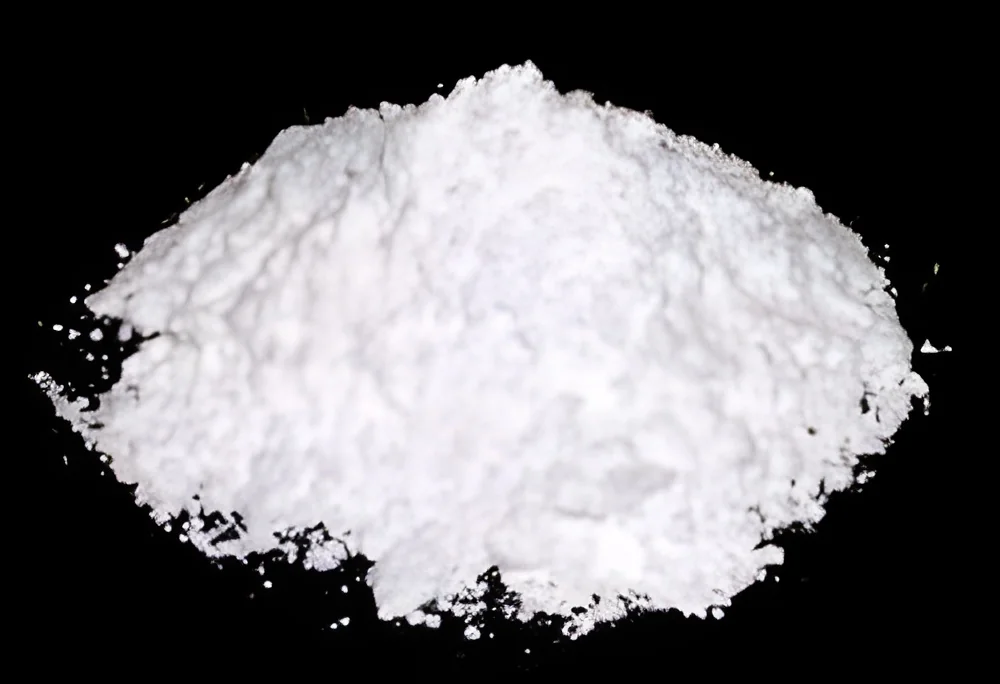
Talc Powder
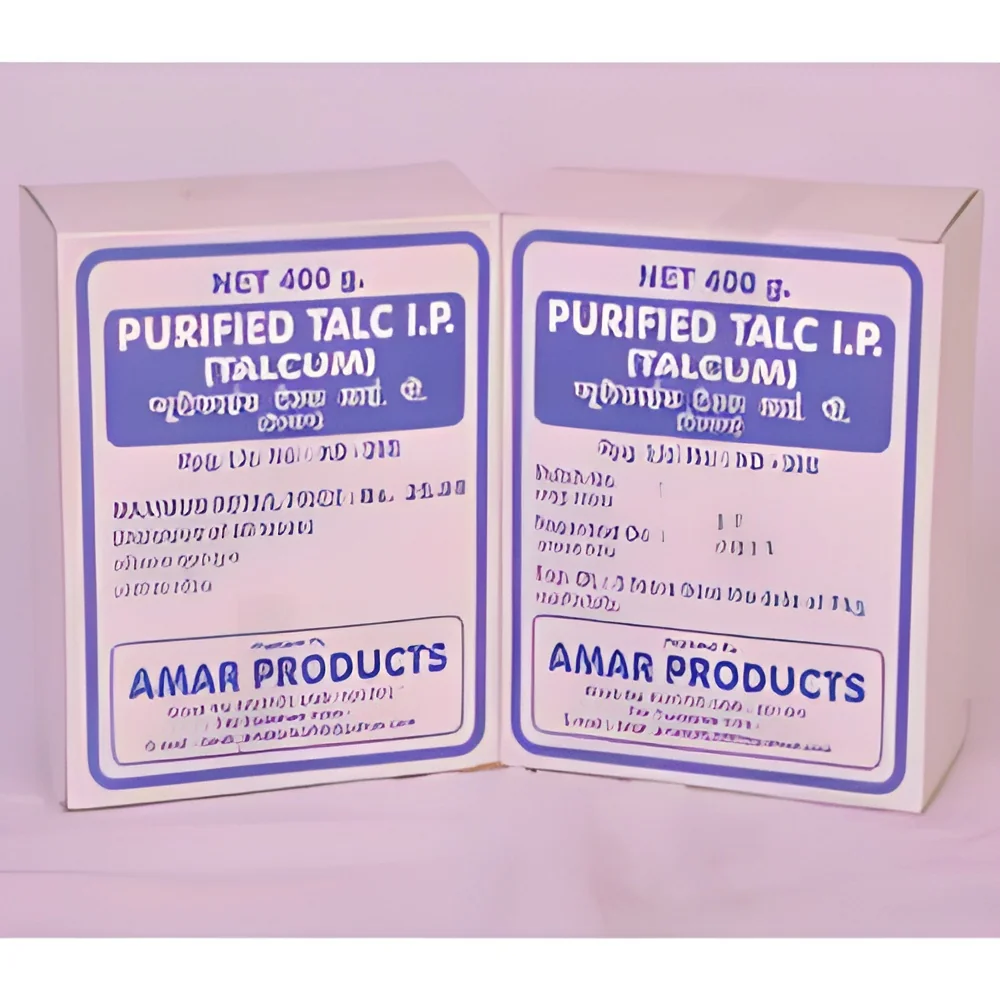
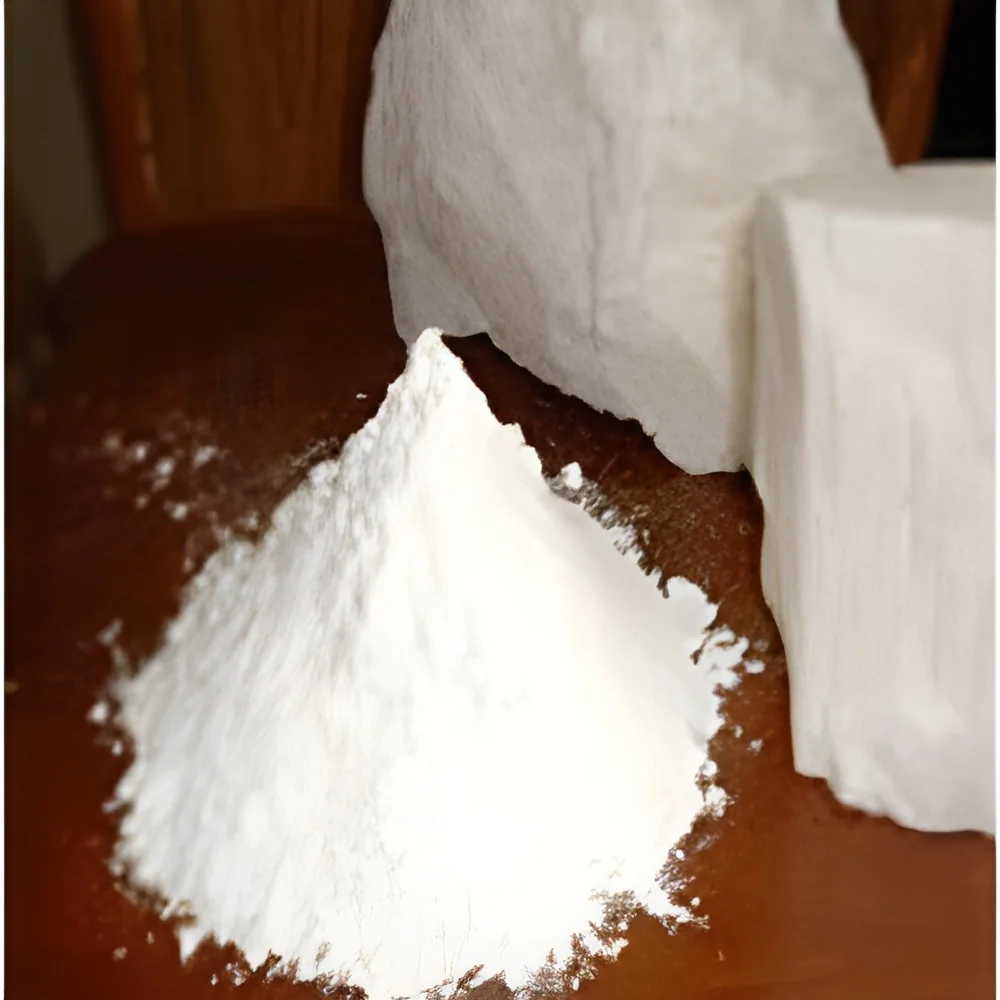
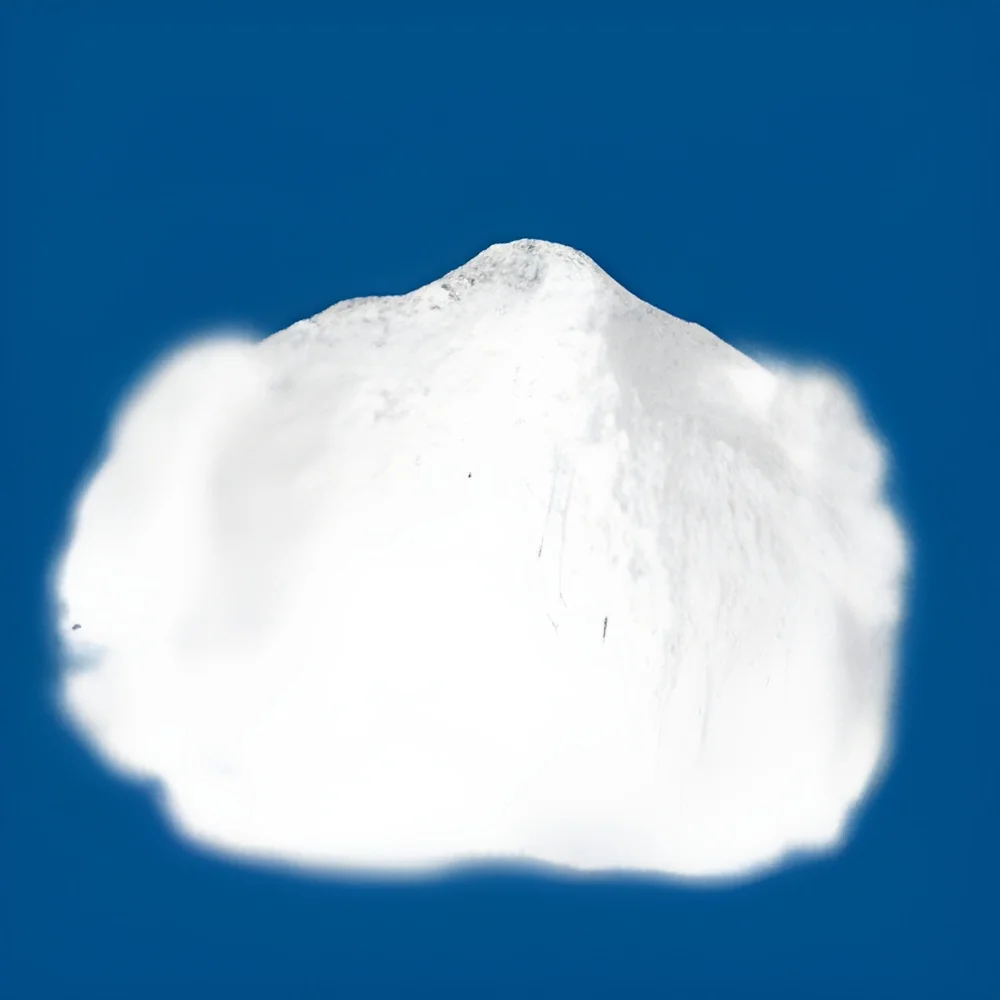
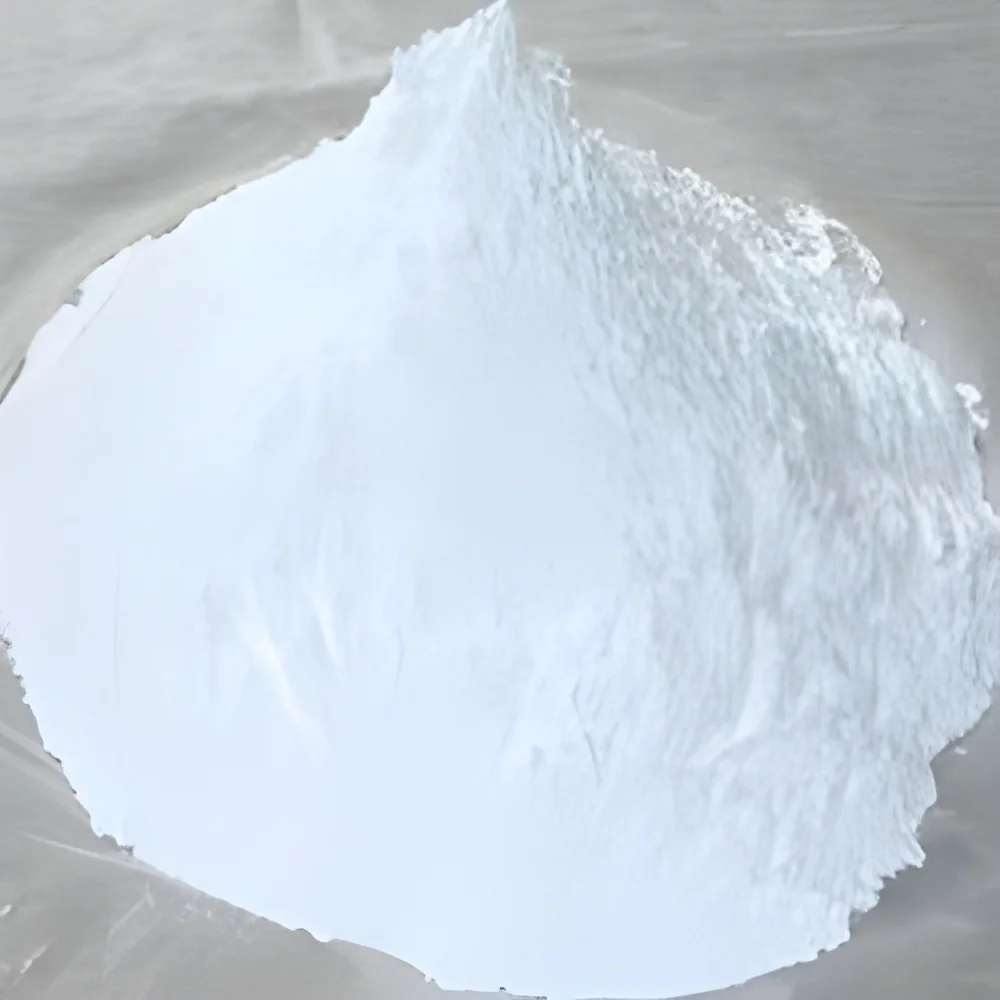
This variant is finely ground and used extensively in cosmetic, pharmaceutical, and industrial applications. Its smooth texture and absorbent qualities make it ideal for formulations requiring a fine powder.
Soapstone Blocks
These blocks are used in sculptures, countertops, and stoves. Their natural beauty and durability make them popular in architectural applications, offering both functionality and aesthetic value.
Talc Granules
Granulated talc is suitable for applications requiring bulk materials, such as in plastics and rubber manufacturing. Its larger particle size contributes to specific performance characteristics in industrial uses.
Benefits and Advantages
Sourcing talc and soapstone provides several advantages for businesses.
1. Versatility: Talc's wide range of applications allows companies to use it across different products, reducing the need for multiple suppliers.
2. Performance Improvement: Talc enhances the physical properties of materials, leading to improved durability and efficiency in end products.
3. Cost-Effectiveness: Its availability in bulk can lead to lower production costs, making it an economical choice for manufacturers.
4. Safety: Talc is generally regarded as safe for various applications, including cosmetics and food, adhering to industry standards.
5. Ease of Processing: Talc's soft nature makes it easy to machine and shape, streamlining production processes.
6. Environmental Stability: Talc is a naturally occurring mineral, contributing to sustainable practices in manufacturing.
Buying Guide for B2B Buyers
When sourcing talc and soapstone, it is essential to evaluate several factors to make informed purchasing decisions.
1. Quality Assessment: Buyers should check for purity levels and the absence of contaminants. High-quality talc can significantly impact the final product's performance.
2. Supplier Verification: It is crucial to vet suppliers for reliability and reputation. Established suppliers often provide certifications and traceability for their products.
3. Pricing and MOQ: Understanding pricing structures and minimum order quantities is vital. Buyers should compare quotes to ensure they receive the best value.
4. Delivery and Lead Times: Assess the supplier's logistics capabilities, including shipping options and expected lead times to avoid production delays.
5. Compliance Requirements: Ensure that the talc or soapstone meets all relevant regulatory standards, including safety and environmental guidelines.
Compliance and Certifications
Compliance and certifications are critical when sourcing talc and soapstone.
Talc and soapstone products should adhere to relevant quality standards such as ISO 9001, which outlines the criteria for effective quality management systems. This ensures that products meet customer and regulatory requirements consistently.
Additionally, CE certification is essential for products intended for the European market, ensuring compliance with health, safety, and environmental protection standards.
Safety and testing requirements must also be considered. Suppliers should provide documentation demonstrating that their talc products have been tested for purity and safety, particularly for applications in cosmetics and food.
Regional compliance considerations may vary based on local regulations, making it necessary to understand the specific guidelines in the markets where the products will be used.
Why Source Talc / Soapstone from Pepagora?
Pepagora provides a trusted platform for sourcing talc and soapstone with several key advantages.
Verified Supplier Network: Pepagora connects buyers with a network of verified suppliers, ensuring that all partners meet high-quality standards and compliance requirements. This reduces the risk associated with sourcing materials.
Streamlined RFQ Process: The request for quotation (RFQ) process is efficient and user-friendly, allowing buyers to quickly receive and compare quotes from multiple suppliers, facilitating informed decision-making.
Trade Assurance and Support: Pepagora offers trade assurance, providing buyers with protection throughout the transaction process. This support builds trust and ensures a smooth purchasing experience.
Regional Coverage: With a strong presence in markets such as India, the Gulf Cooperation Council (GCC), and Southeast Asia, Pepagora enables businesses to access a wide range of suppliers and products, enhancing their sourcing capabilities.
By choosing Pepagora, buyers can confidently source talc and soapstone, knowing they have a reliable partner in their procurement journey.

 IN
IN