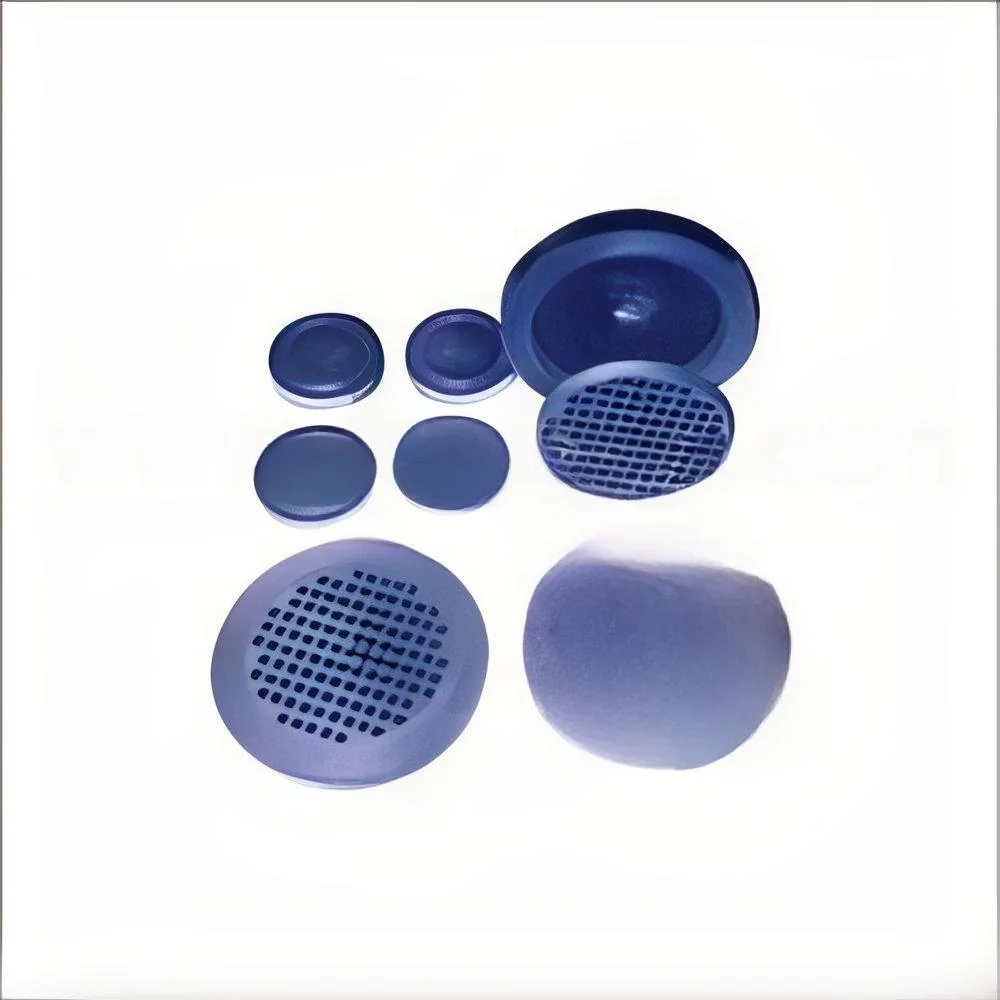
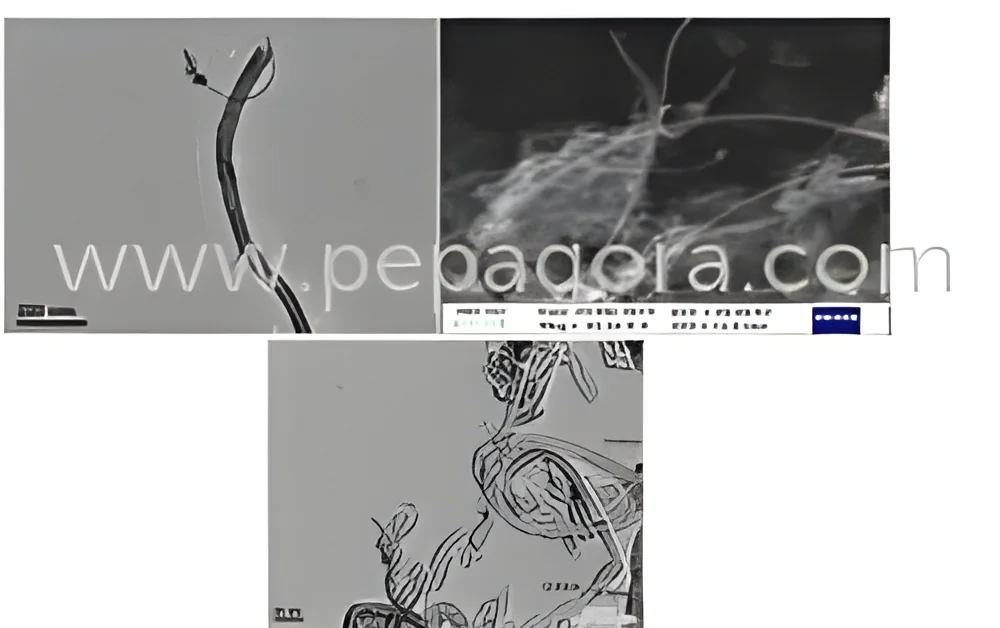
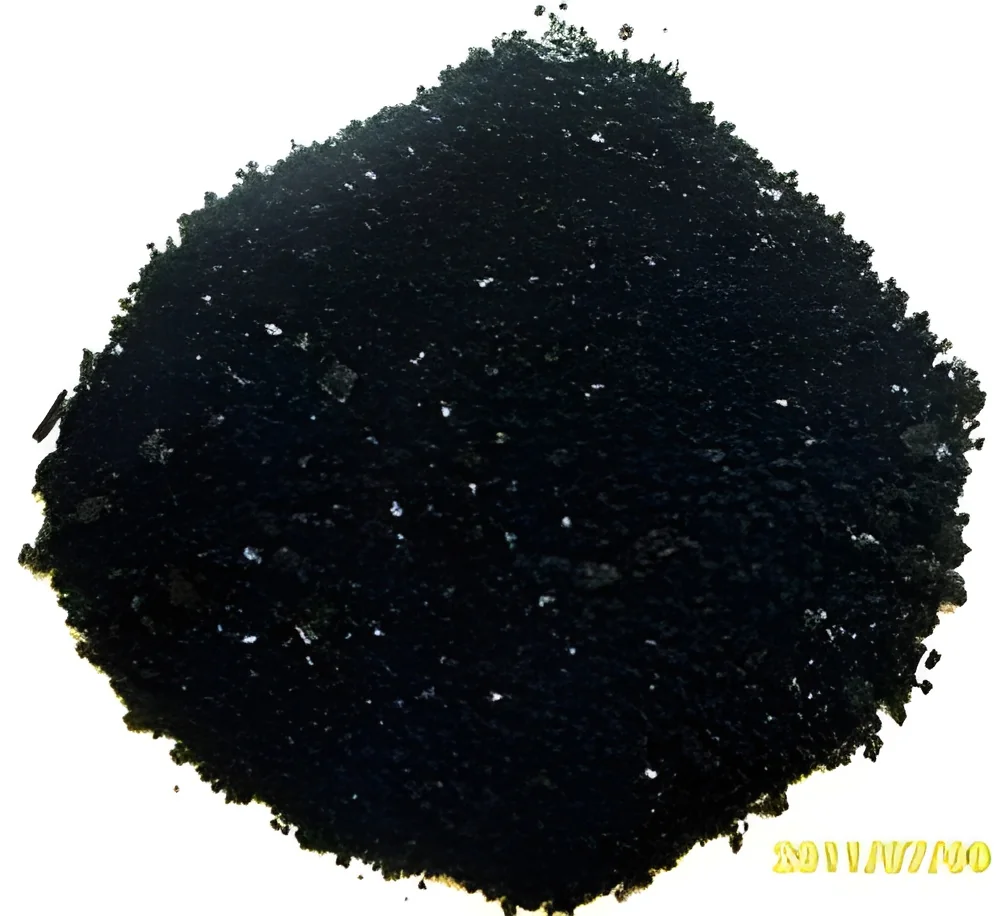
What are Graphite?
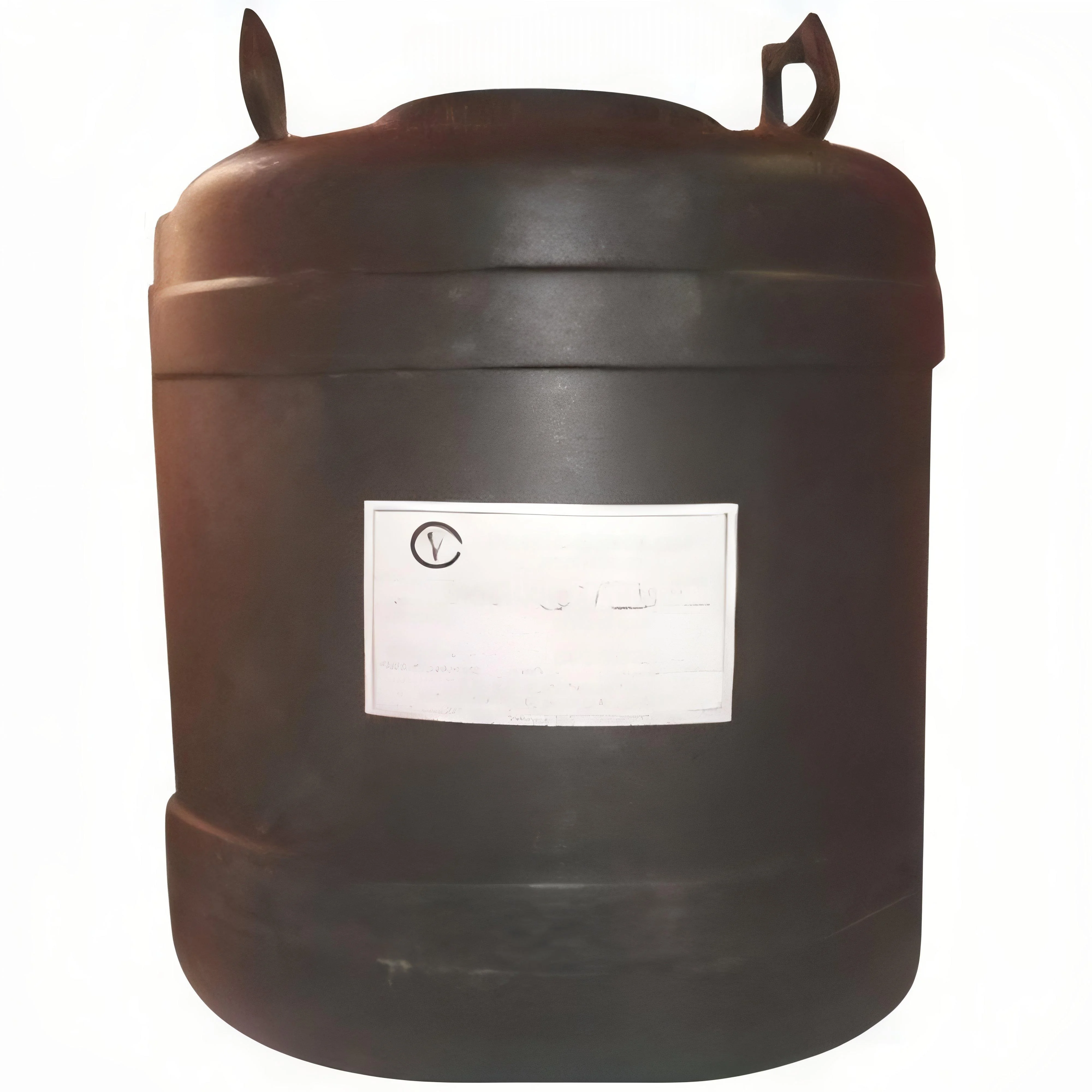
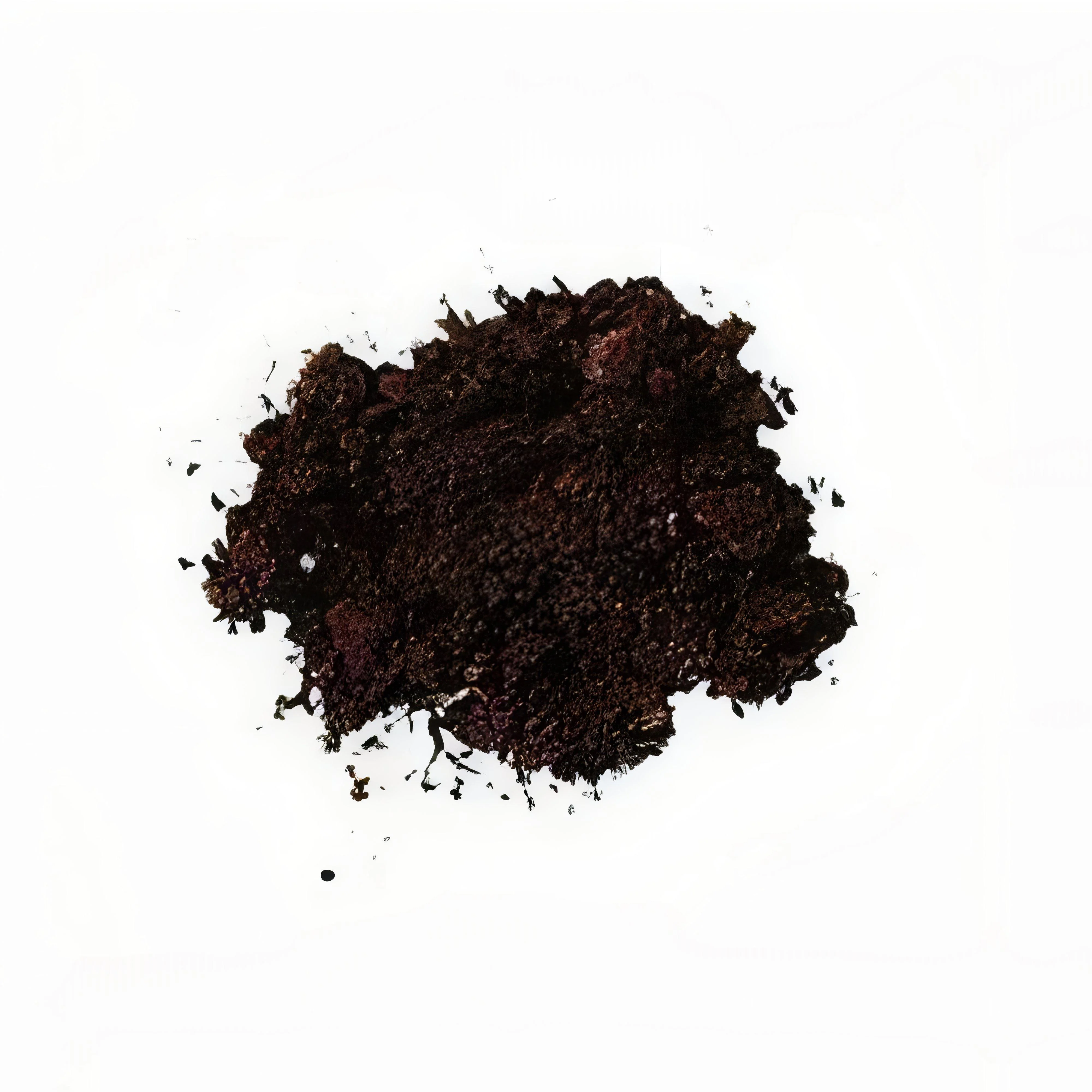
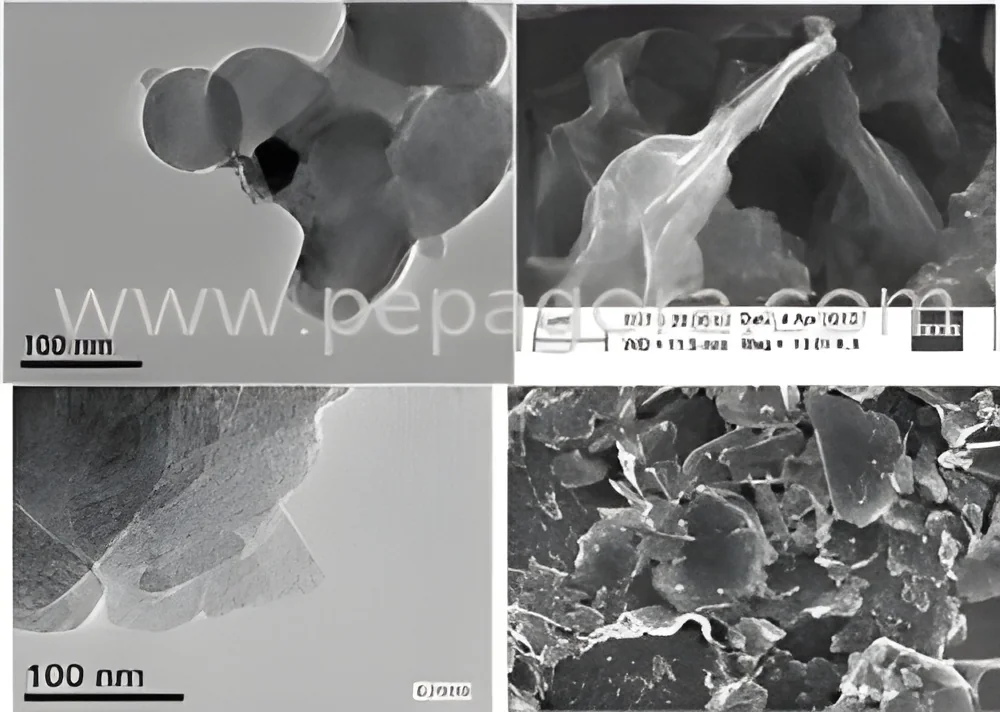
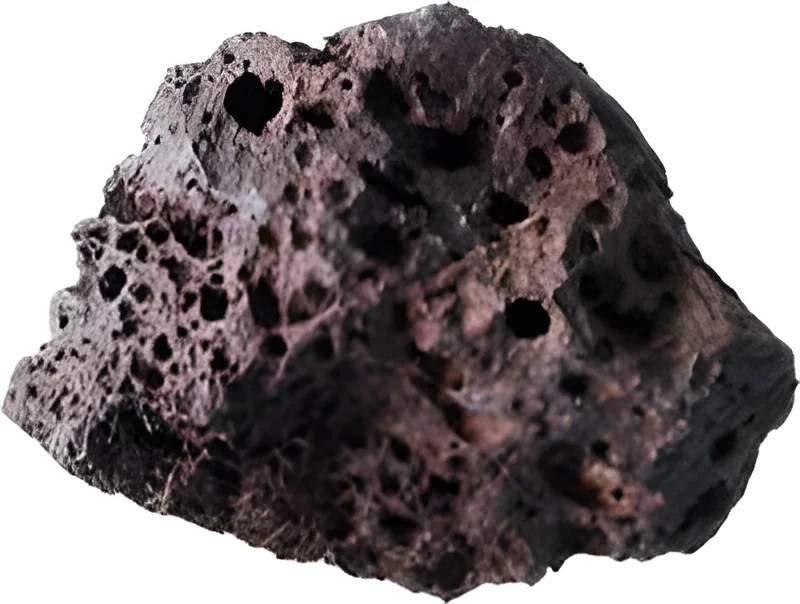
Graphite is a naturally occurring form of carbon that is characterized by its layered structure, which allows for unique properties such as high electrical conductivity, thermal resistance, and lubricity. It is formed under high-pressure and high-temperature conditions deep within the Earth and is typically mined from deposits. Graphite can also be produced synthetically through various processes, catering to specific industrial requirements.
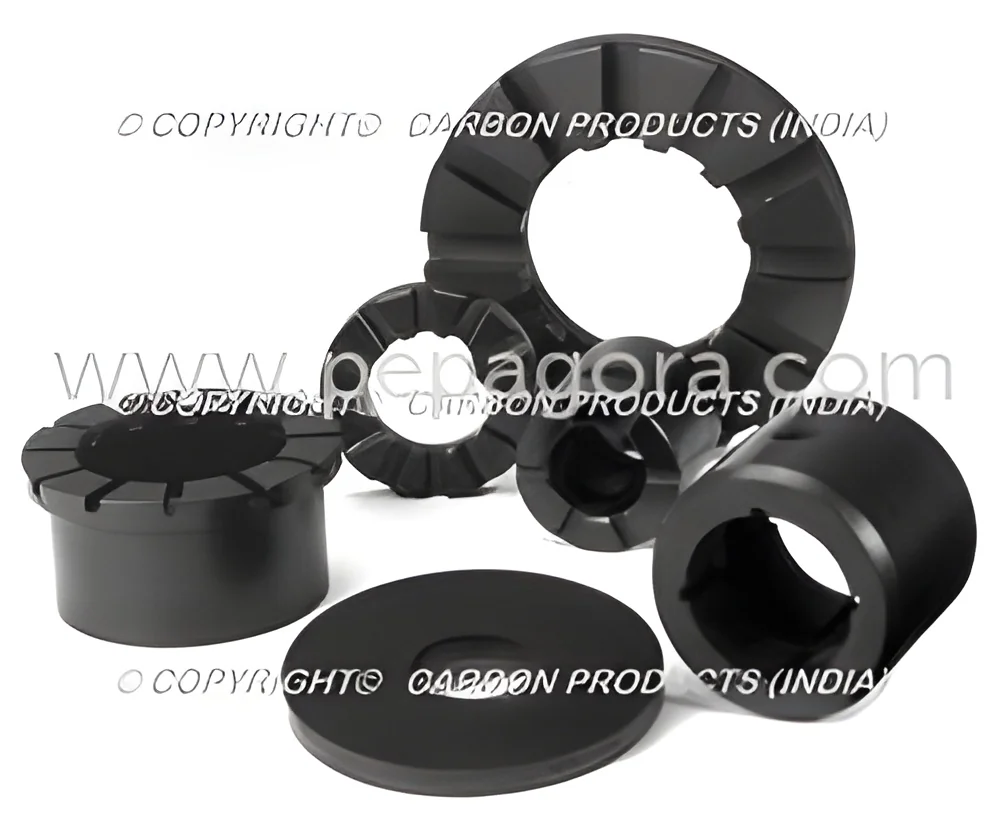
Graphite is widely utilized across multiple sectors due to its versatility. Its primary applications include the production of batteries, lubricants, and refractory materials. In the automotive industry, graphite is used in brake linings and gaskets, while in the electronics sector, it is essential for manufacturing conductive coatings and components. The growing demand for electric vehicles and renewable energy sources is further driving the need for high-quality graphite products. As industries continue to innovate and evolve, graphite remains a critical material in numerous applications, highlighting its relevance in today’s market.
Key Features and Specifications
Graphite is known for its exceptional properties, which make it suitable for a variety of applications. Understanding its features and specifications can help businesses make informed purchasing decisions.
Key specifications include:
1. Electrical Conductivity
- Graphite exhibits high electrical conductivity, making it ideal for electronic applications.
- Conductivity levels can vary based on purity and form, typically ranging from 10 to 100 S/m.
2. Thermal Conductivity
- It has excellent thermal conductivity, which is crucial for heat management in various applications.
- Thermal conductivity values often range from 100 to 500 W/mK.
3. Lubricity
- Graphite serves as a dry lubricant, reducing friction in mechanical systems.
- Its lubricating properties are effective at high temperatures and under extreme pressure.
4. Chemical Resistance
- Graphite is resistant to many chemicals, making it suitable for use in corrosive environments.
- It retains its properties even when exposed to acids and bases.
5. Purity Levels
- Graphite purity is crucial for specific applications, with options available from 80% to 99.9% pure.
- Higher purity levels often lead to enhanced performance in specialized uses.
6. Form Variability
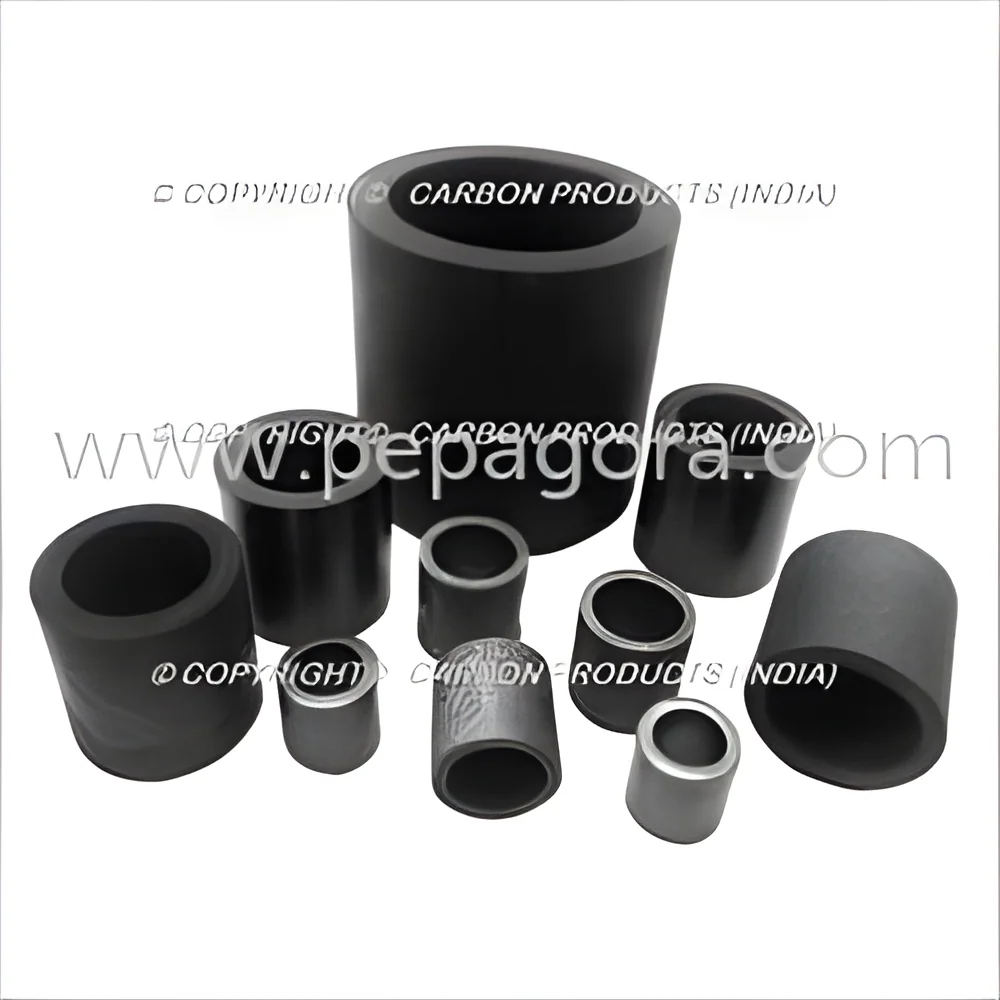
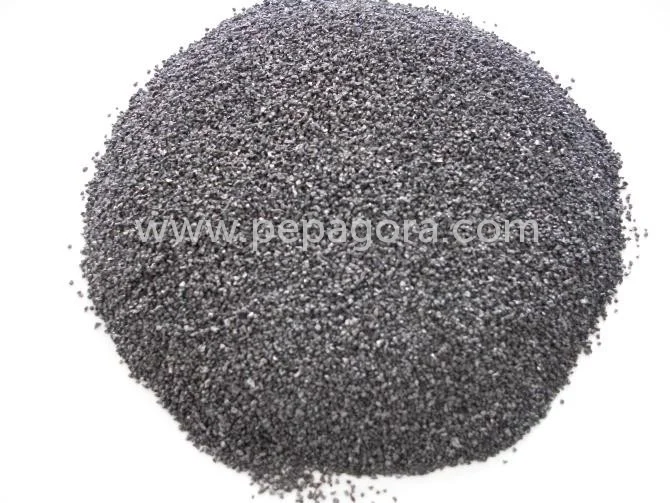
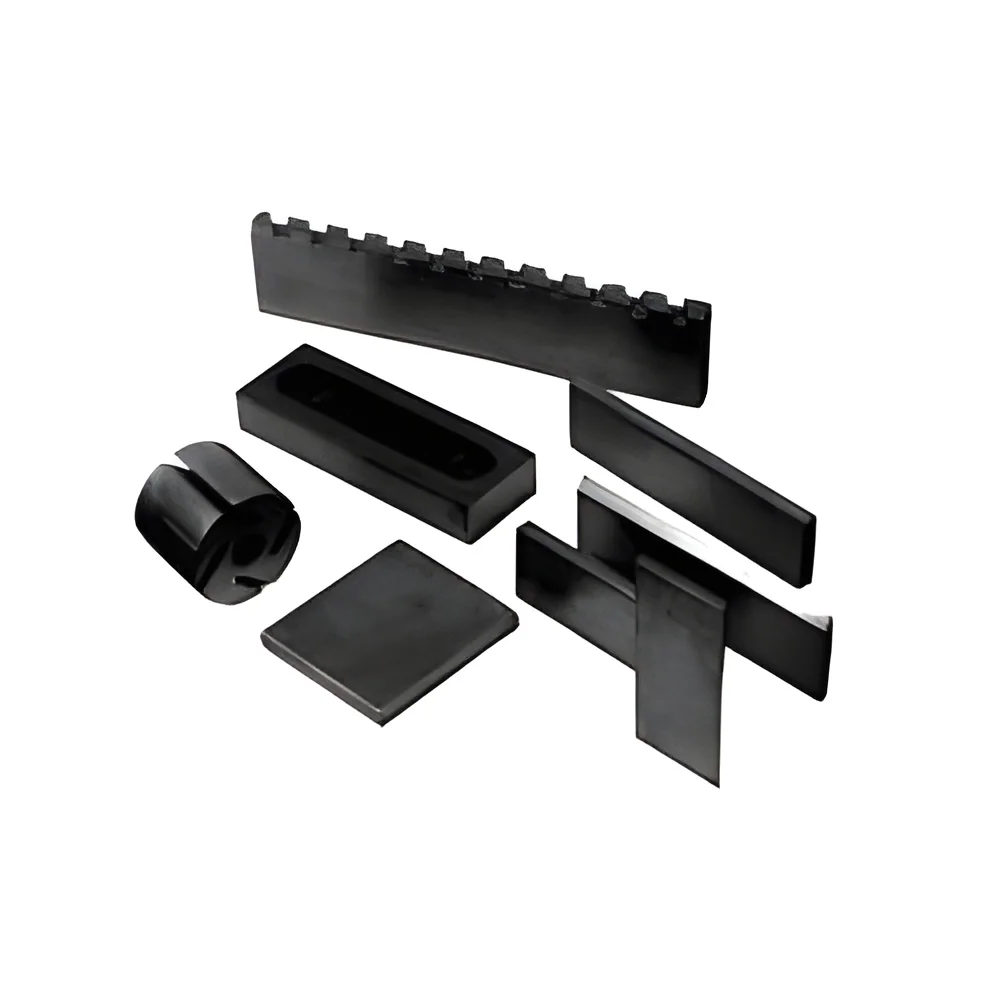
- Available in various forms, including flakes, powders, and blocks, to suit different needs.
- Each form has unique characteristics that cater to specific industry requirements.
7. Density
- Graphite density can vary significantly, typically ranging from 1.5 to 2.3 g/cm³.
- Density affects its mechanical and thermal properties.
8. Processing Methods
- Graphite can be processed through various methods, including milling, shaping, and compaction.
- These methods enhance its performance in targeted applications.
In summary, the diverse features and specifications of graphite make it an essential material across various industries, enabling companies to leverage its benefits effectively.
Common Applications and Use Cases
Graphite is utilized in numerous industries due to its unique properties and versatility.
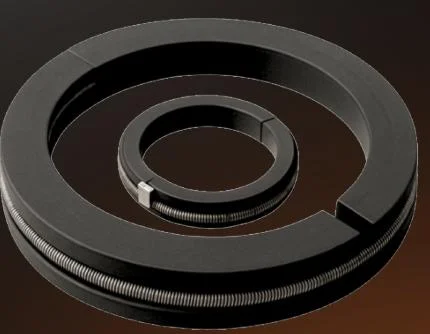
1. Automotive Industry: Graphite is used in brake linings, lubricants, and gaskets. Its heat resistance and lubricating properties enhance performance and longevity.
2. Electronics Sector: It serves as a conductive material in batteries, electrodes, and coatings. The increasing demand for electric vehicles drives higher graphite consumption in this field.
3. Steel Manufacturing: Graphite is employed in the production of iron and steel, particularly in foundries and as a refractory material, owing to its thermal stability.
4. Battery Production: In lithium-ion batteries, graphite plays a critical role as an anode material. Its efficiency and conductivity are vital for energy storage applications.
5. Aerospace Industry: Graphite is used in composite materials and thermal protection systems due to its lightweight nature and high thermal resistance.
6. Lubrication: As a dry lubricant, graphite reduces friction in various mechanical systems, enhancing efficiency and performance.
7. Construction: Graphite is utilized in construction materials, such as sealants and insulation, where its thermal properties are beneficial.
Product Variants and Subcategories
Graphite is available in a range of variants, each tailored for specific applications and industries.
Natural Graphite: This variant is directly mined and processed, maintaining its natural properties. It is commonly used in lubricants and batteries.
Synthetic Graphite: Produced through high-temperature processes, synthetic graphite offers high purity and is often utilized in specialized applications like electrodes in electric arc furnaces.
Expandable Graphite: This type expands when heated, making it suitable for applications requiring thermal insulation and fire retardancy.
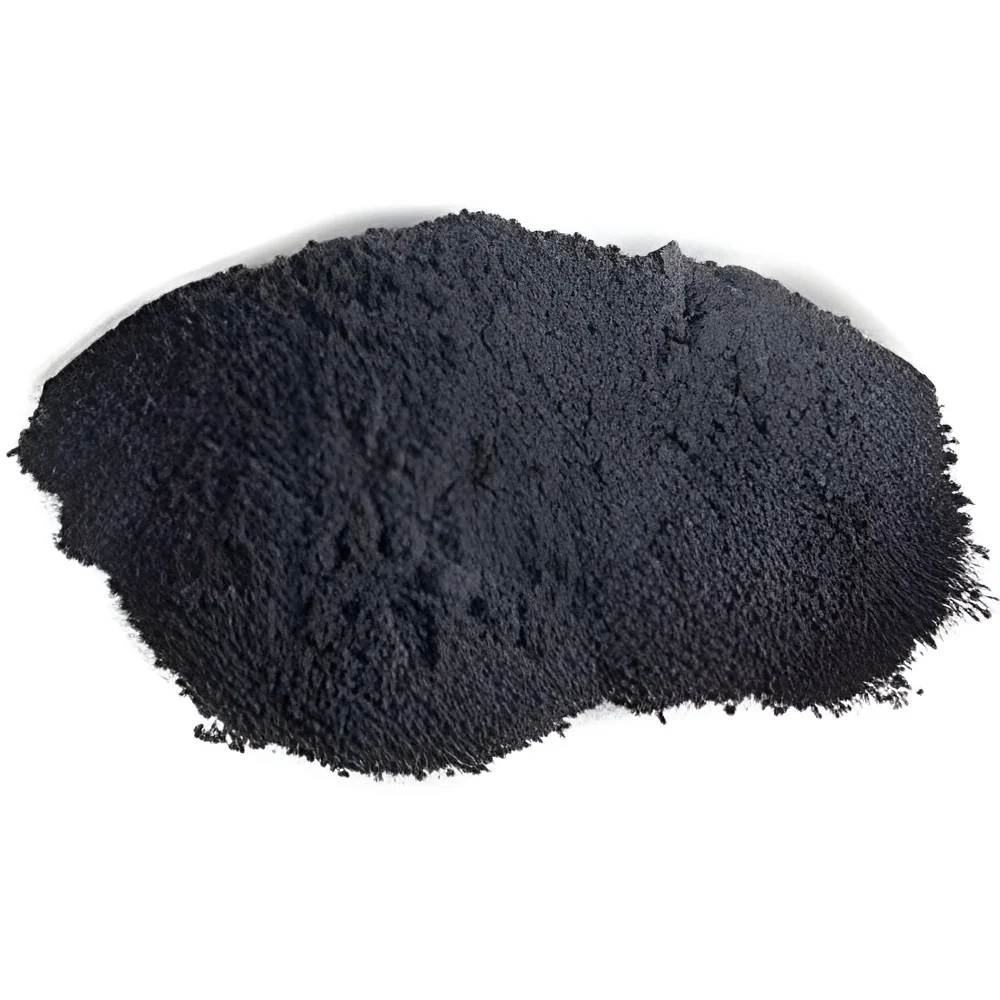
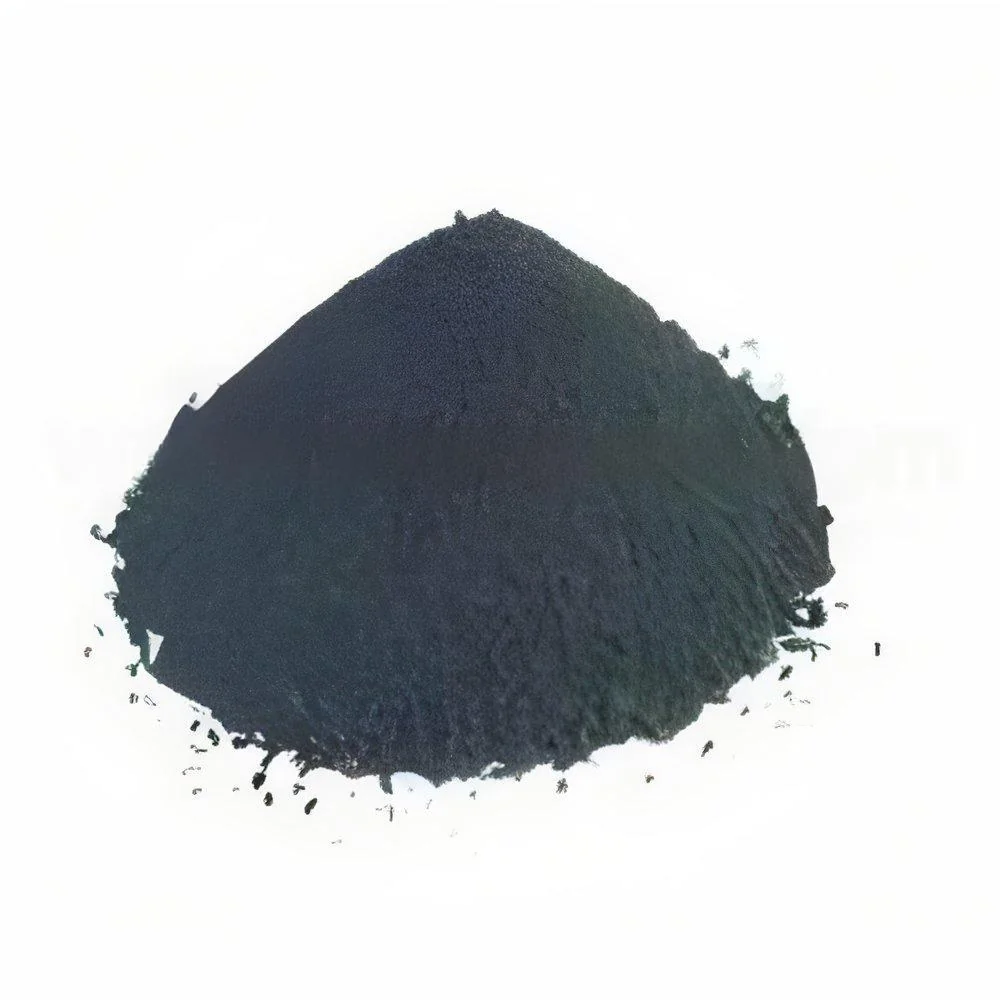
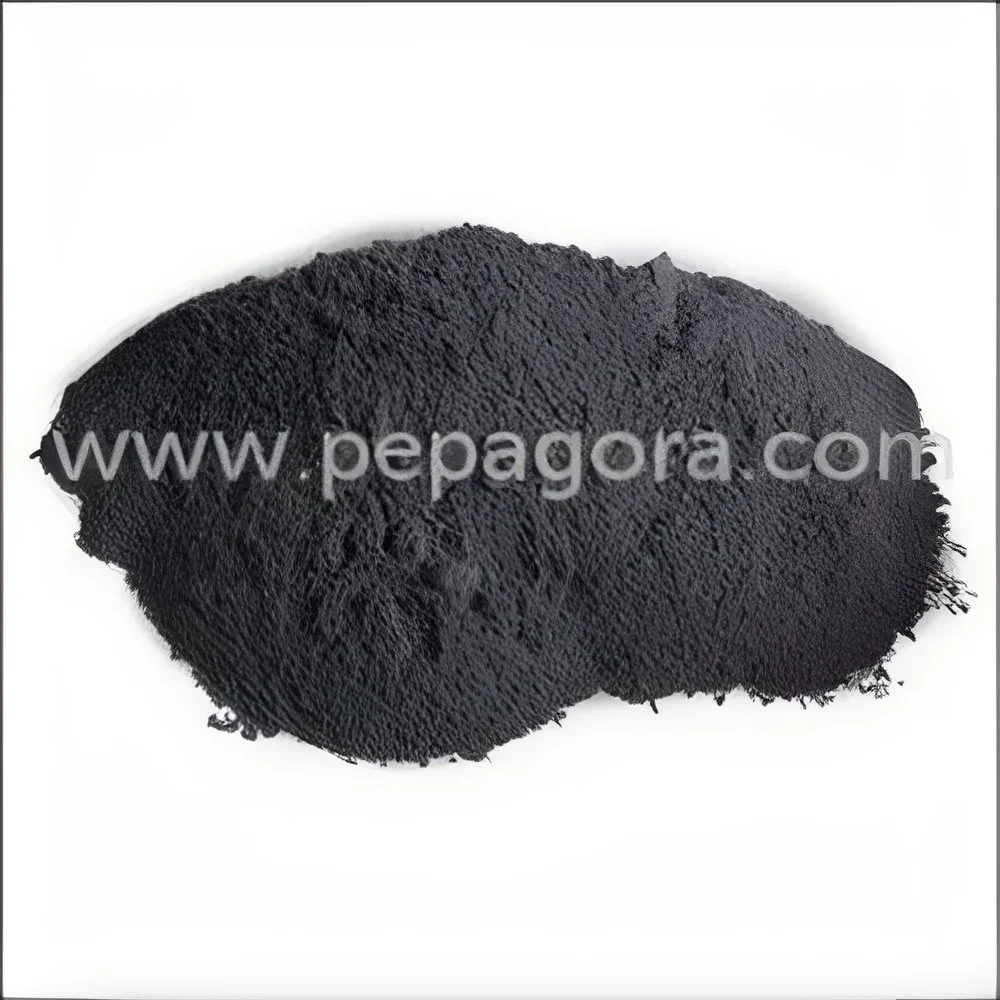
Graphite Powder: Fine particles of graphite used in lubricants, paints, and coatings. Its versatility makes it a valuable component across various sectors.
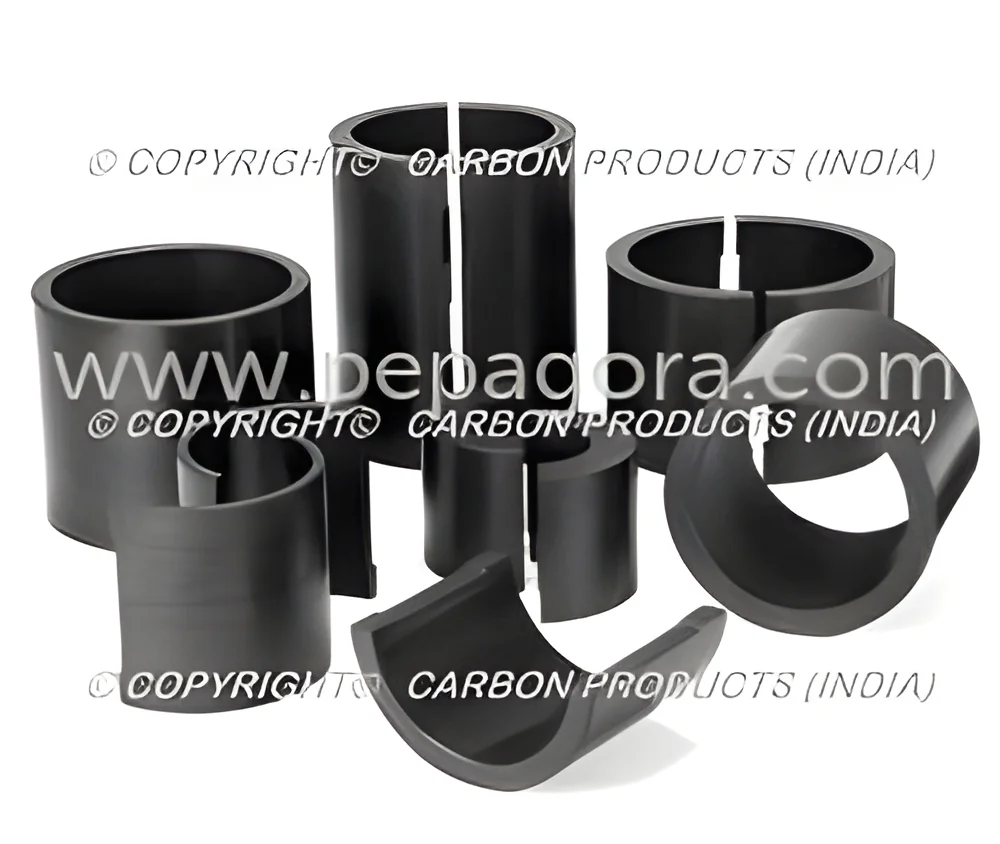
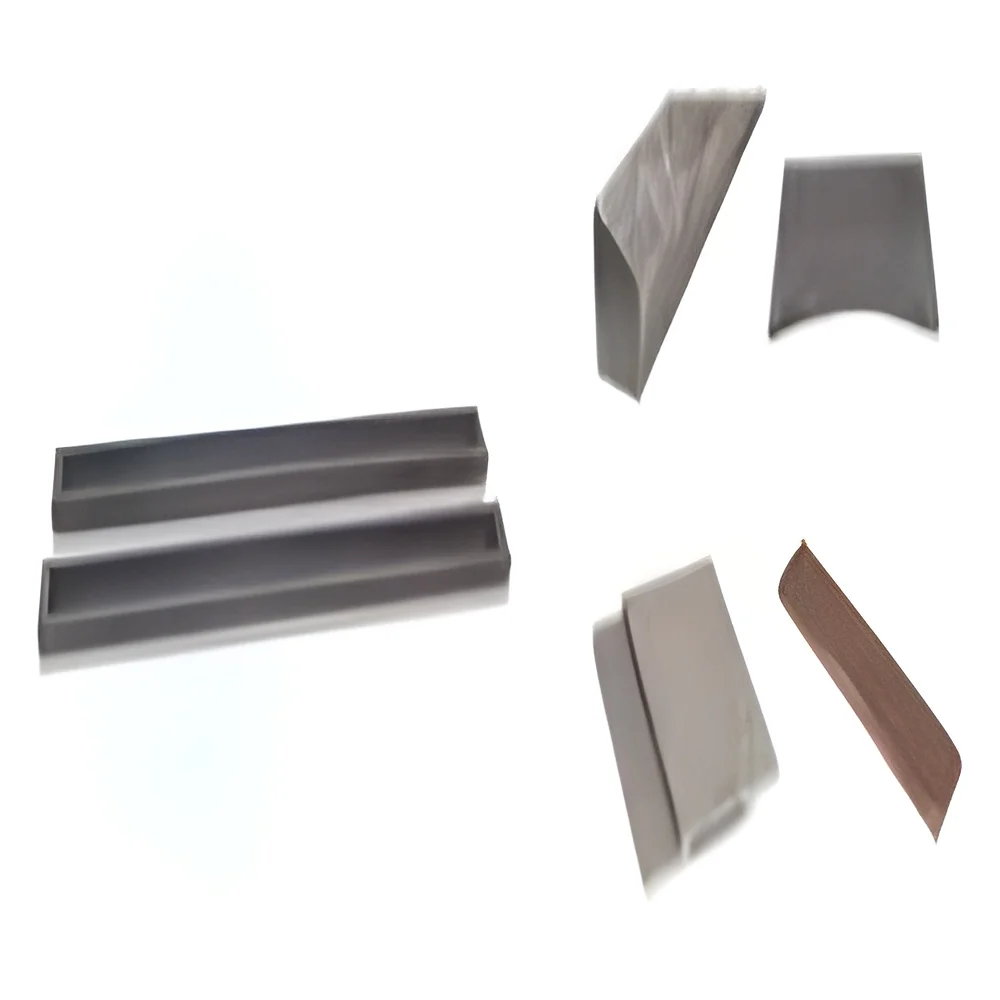
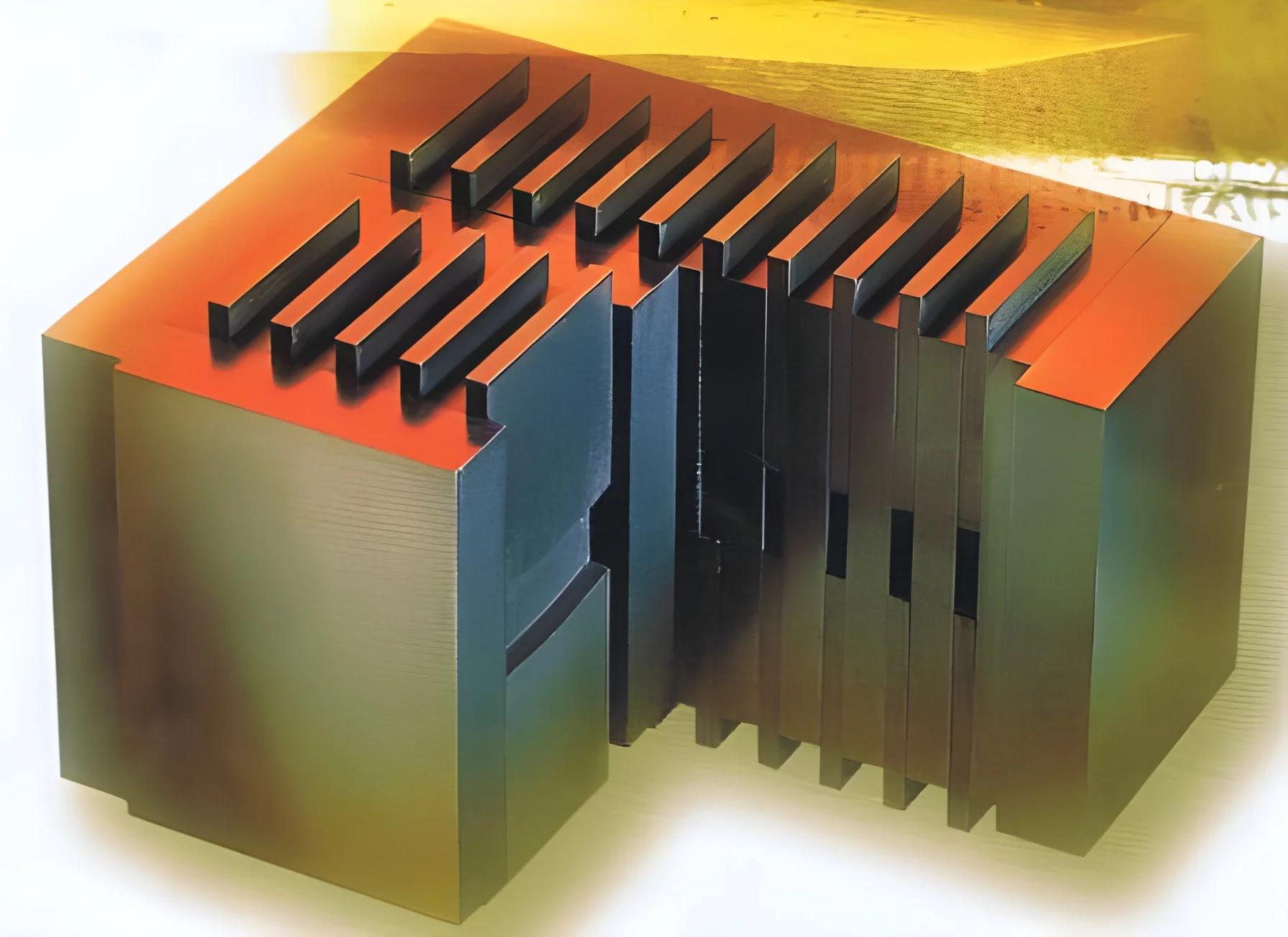
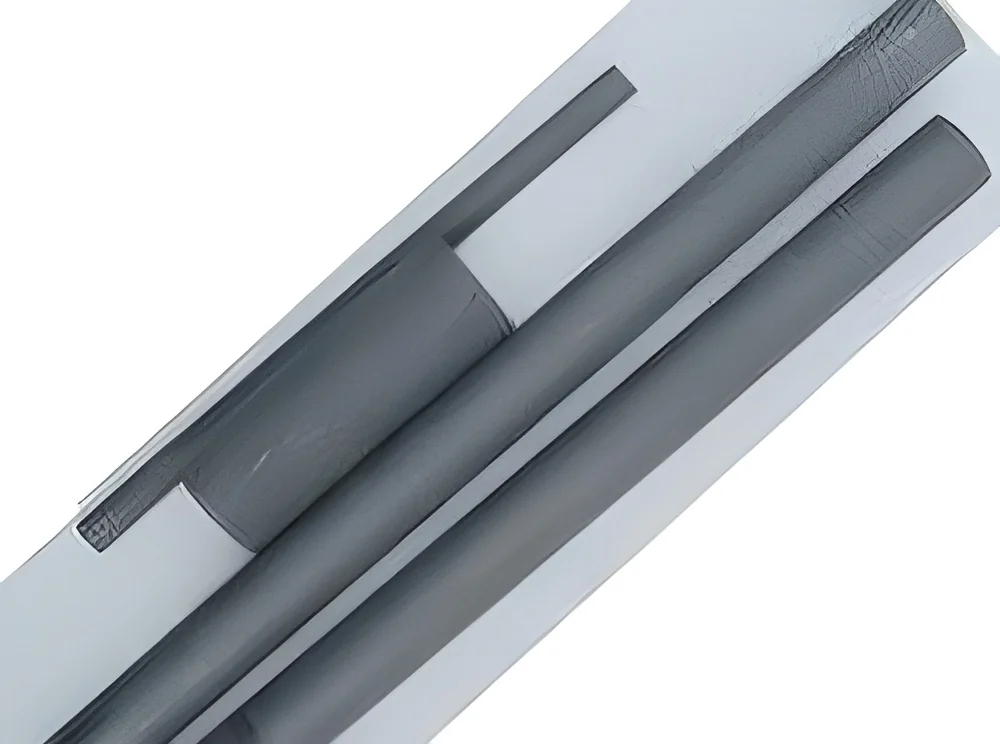
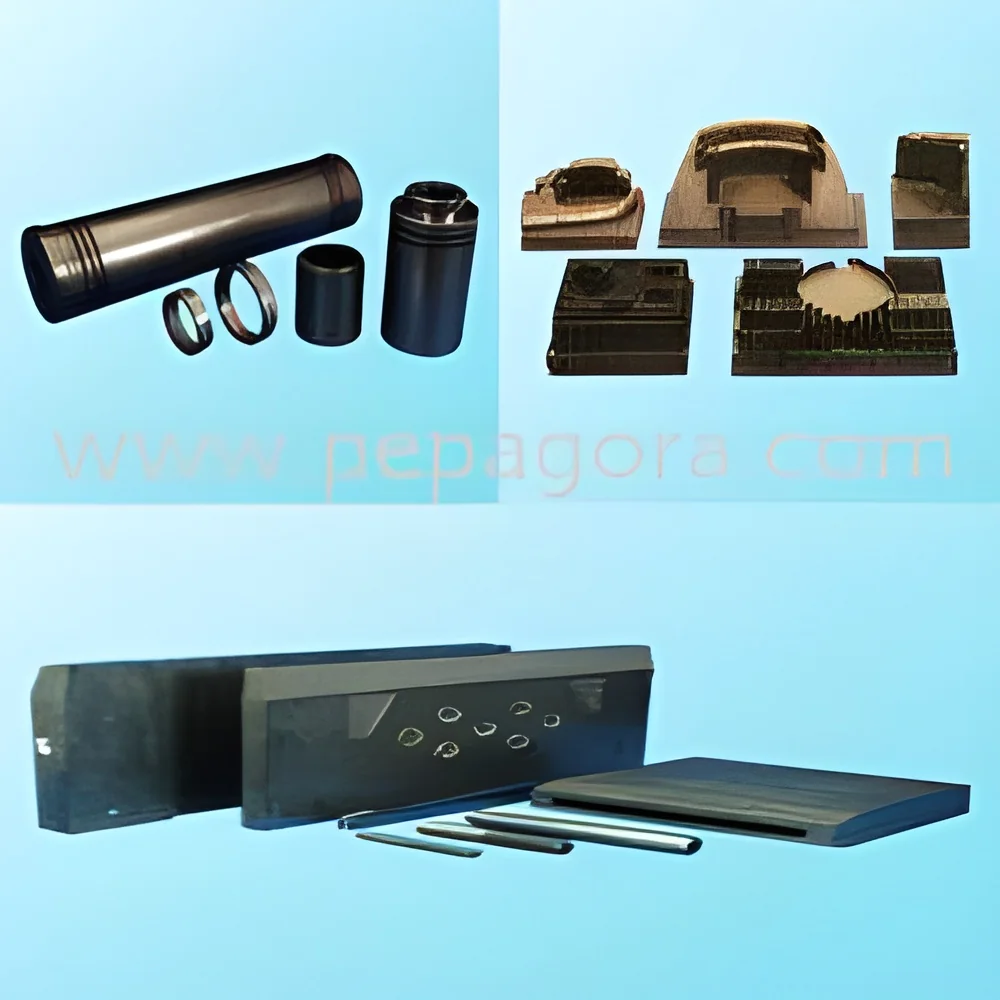
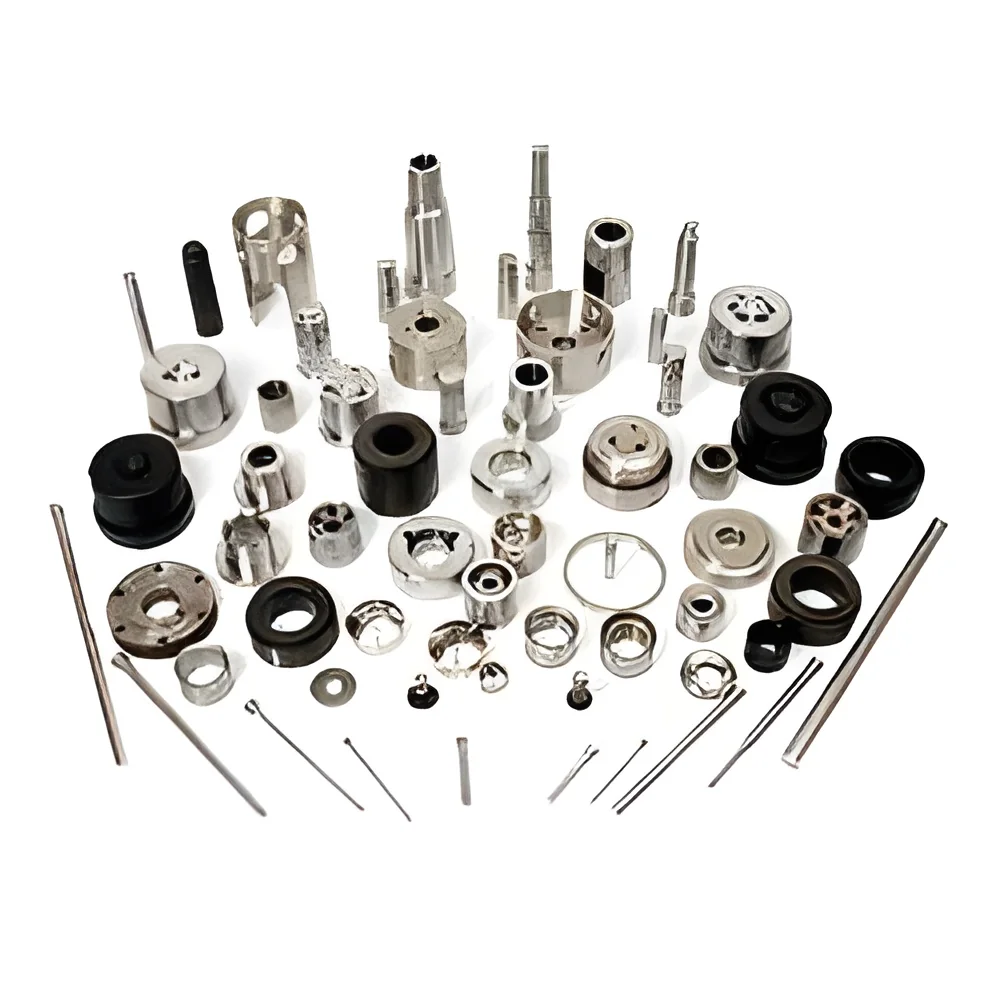
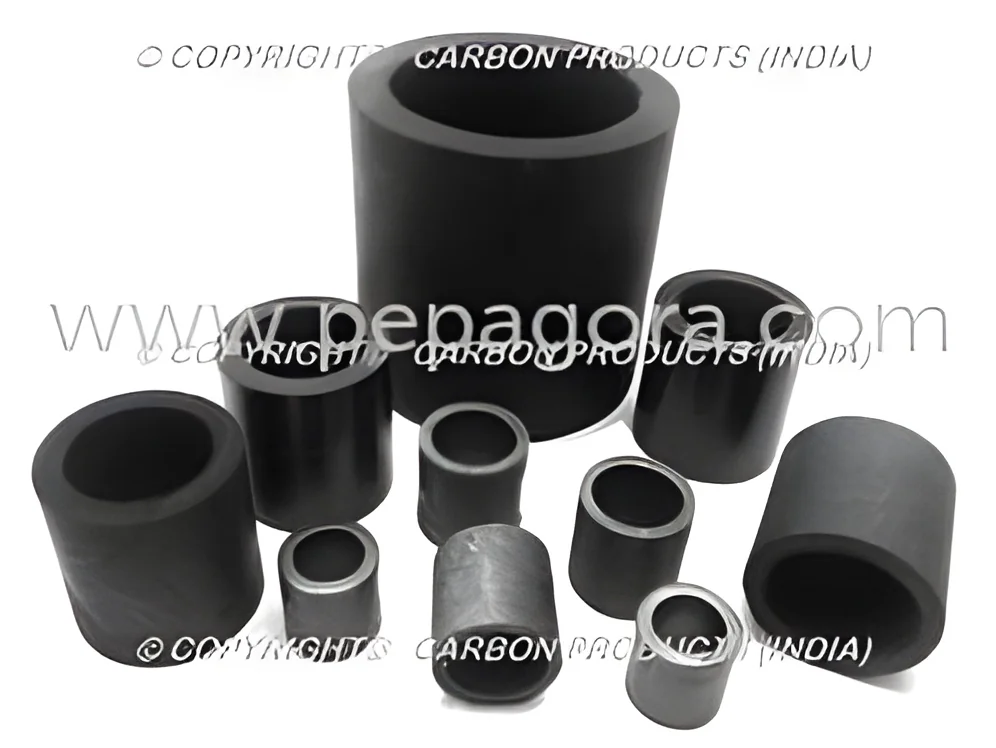
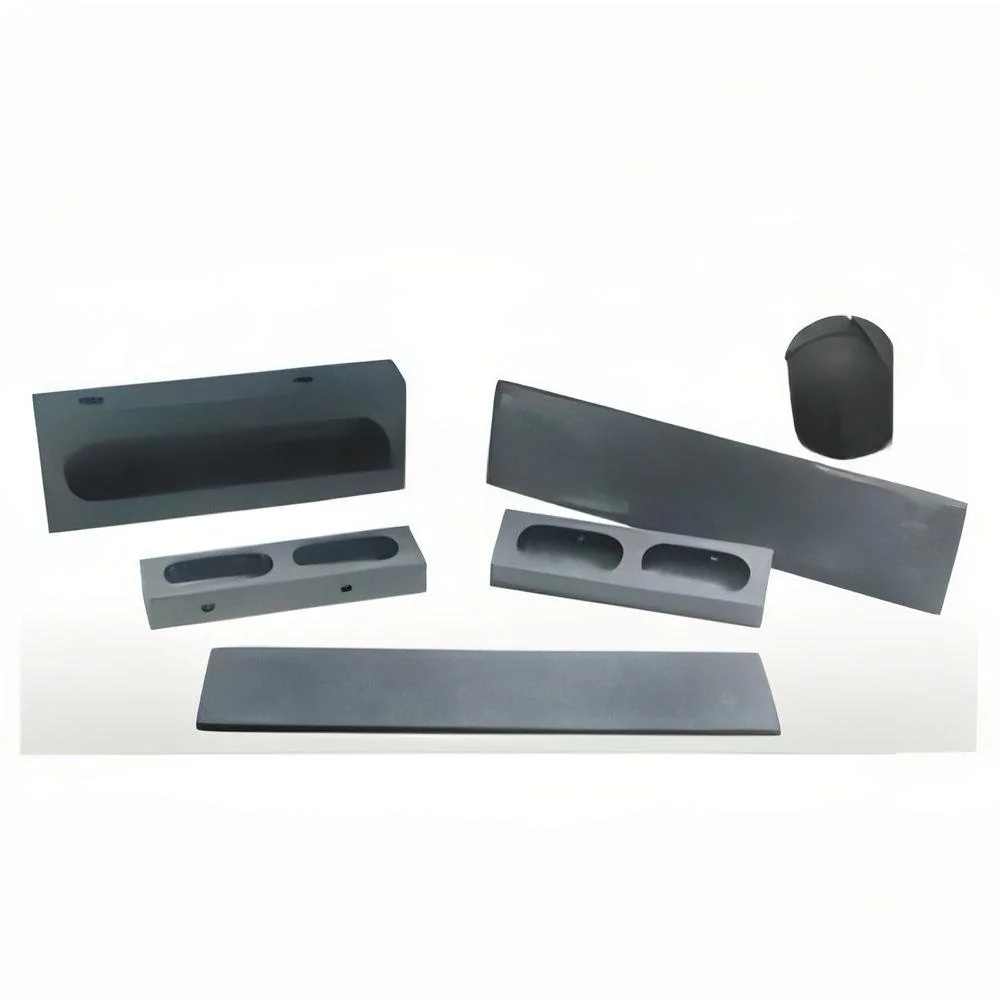
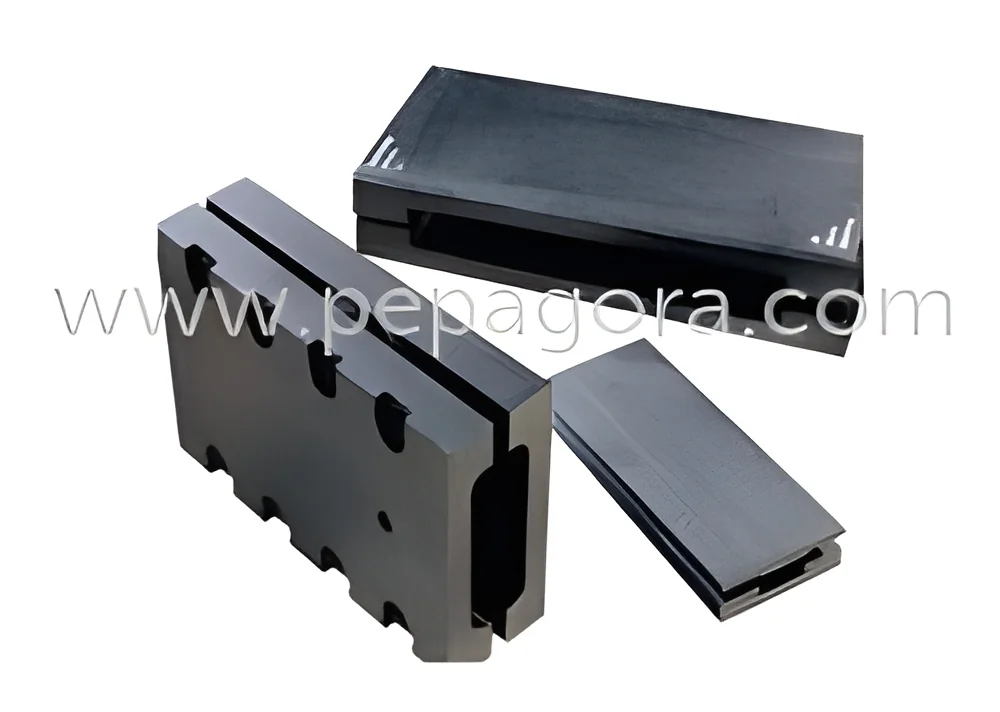
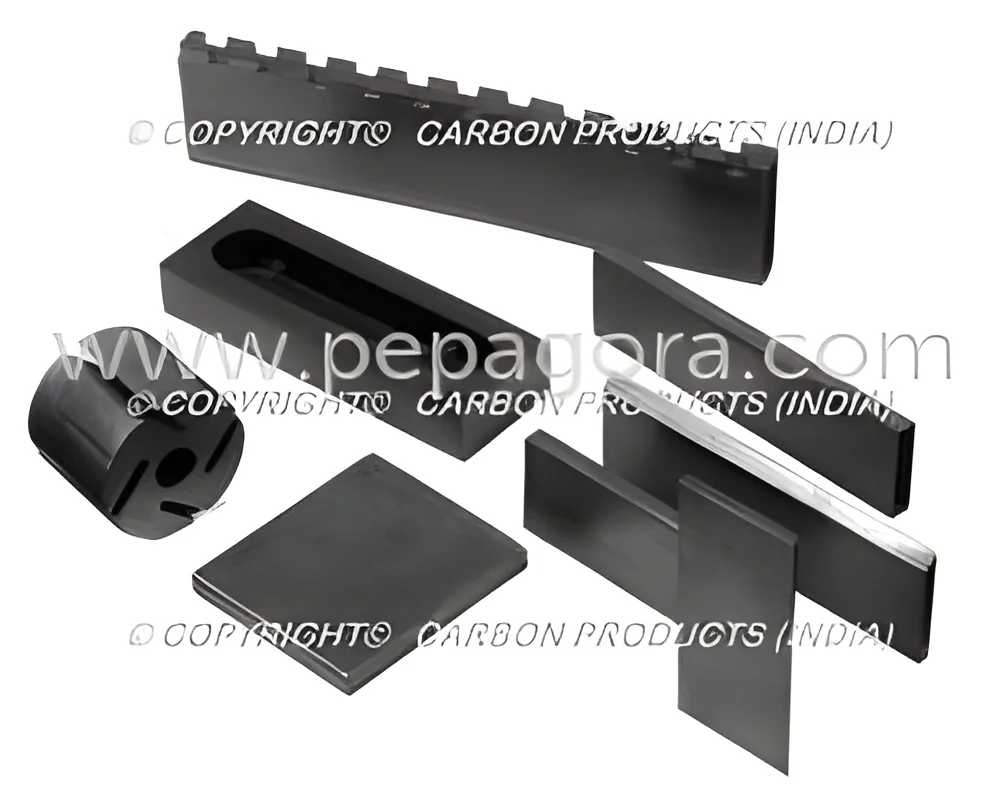
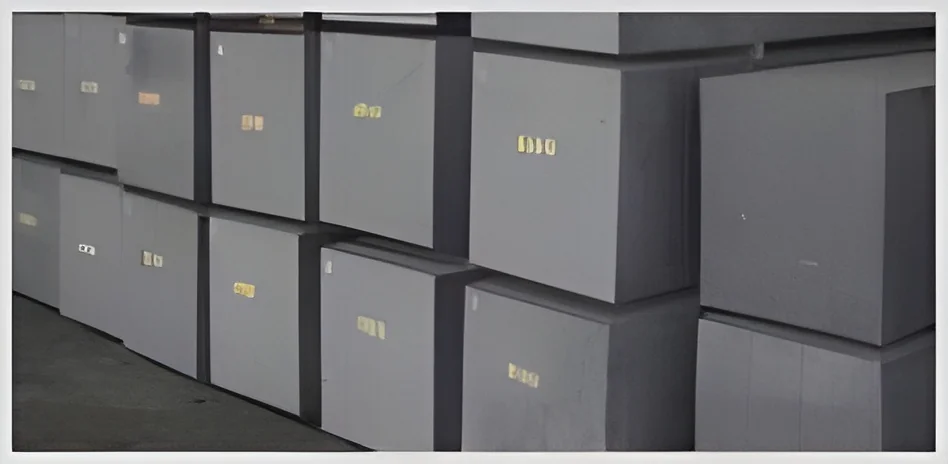
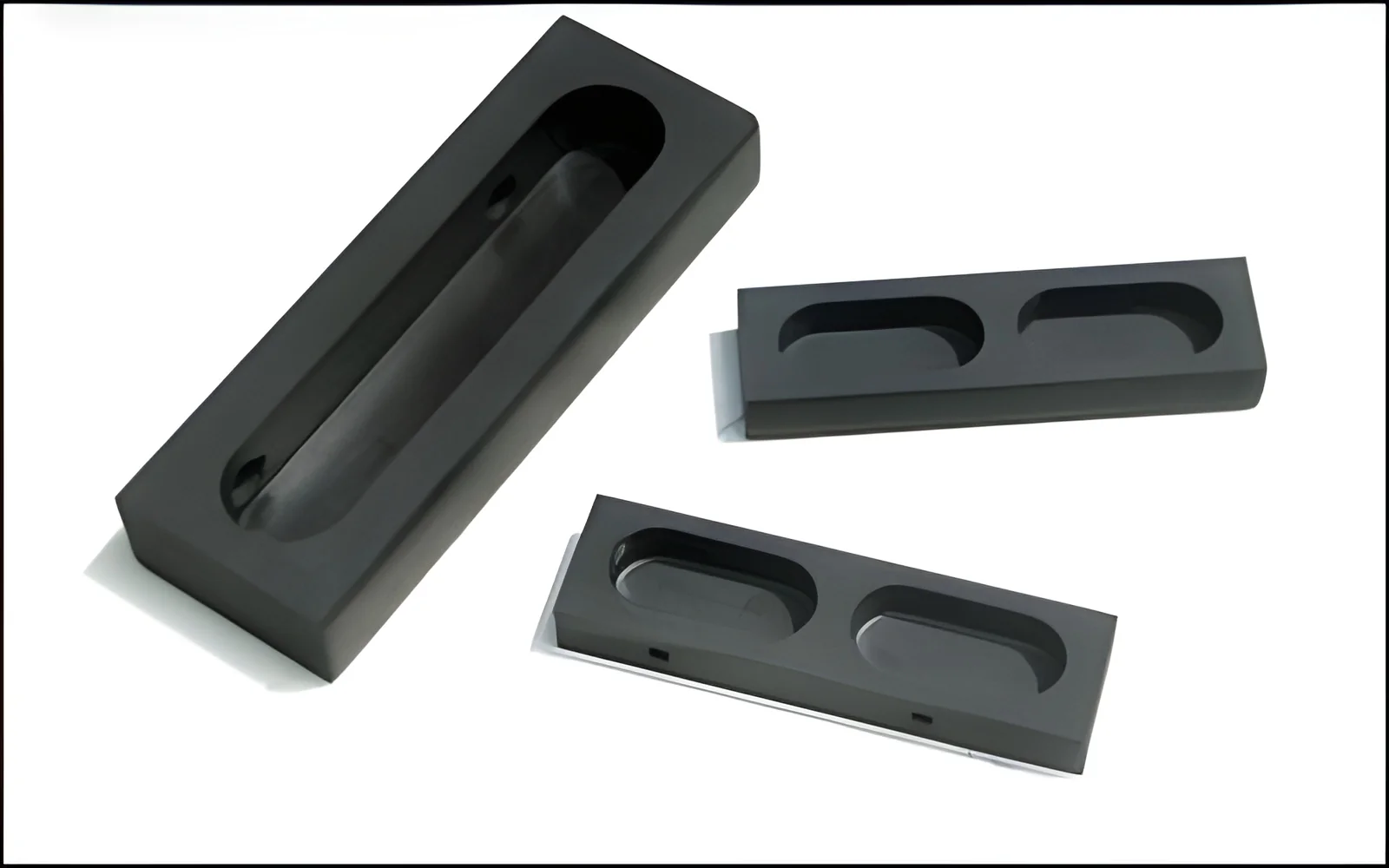
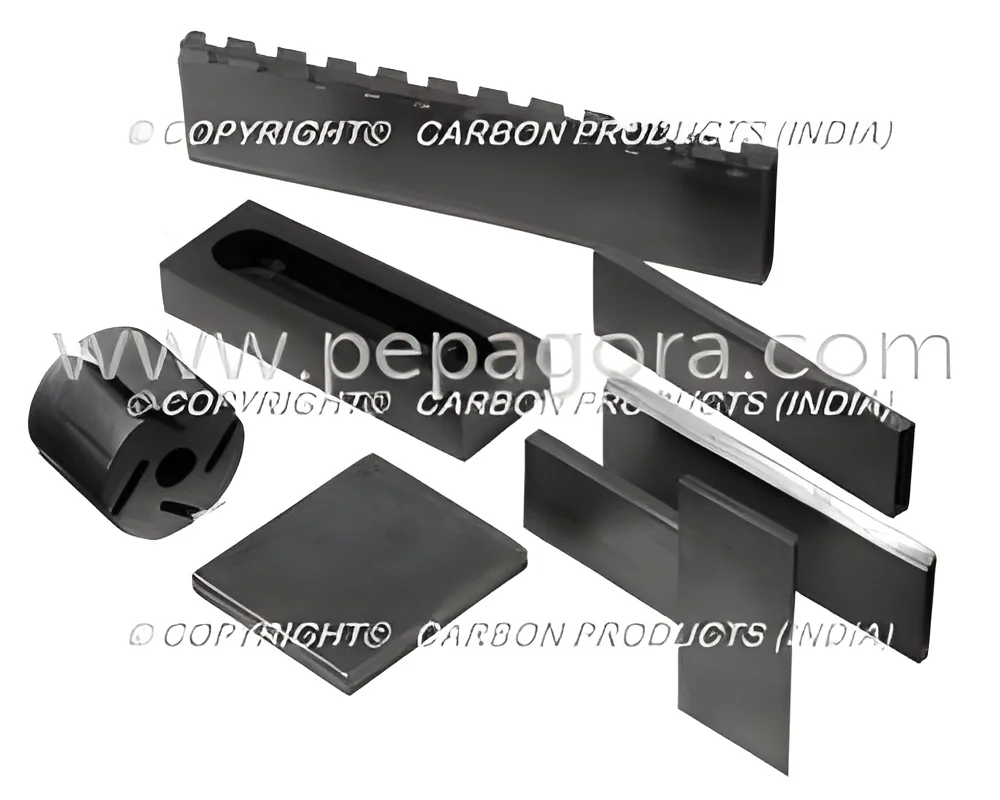
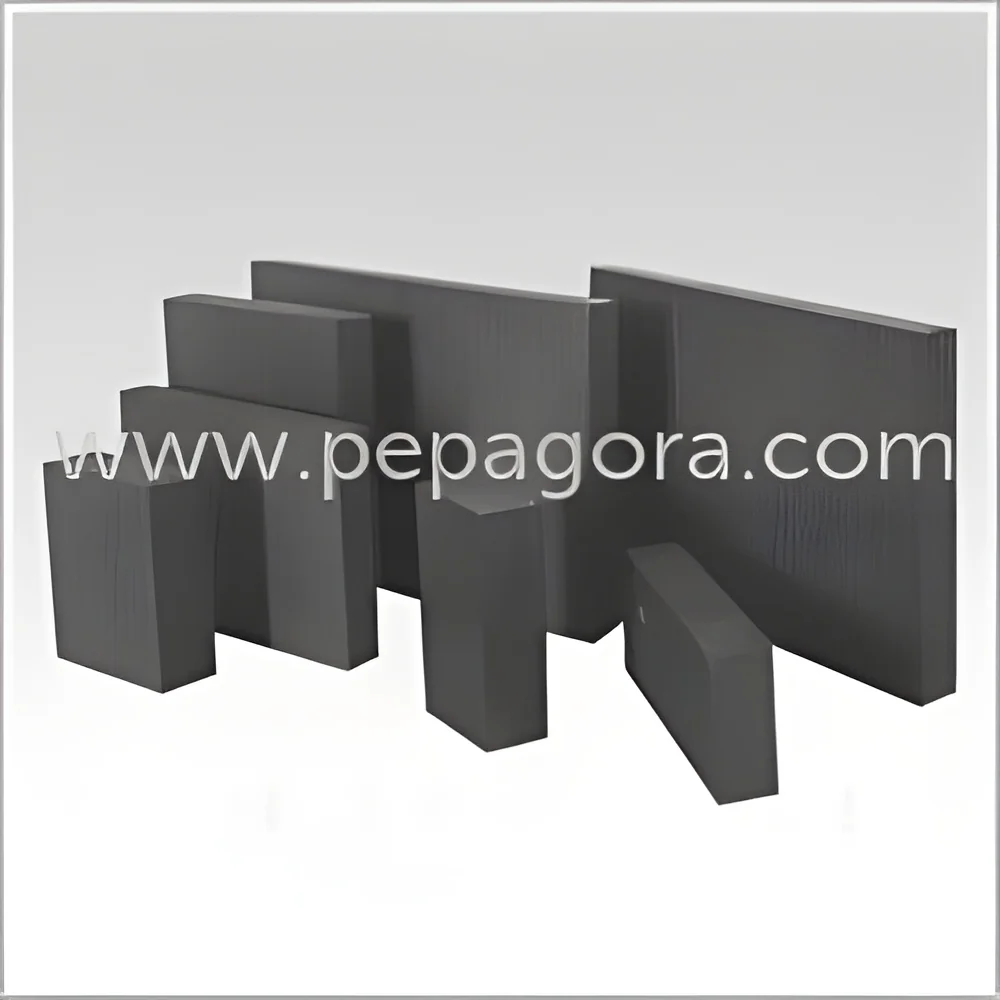
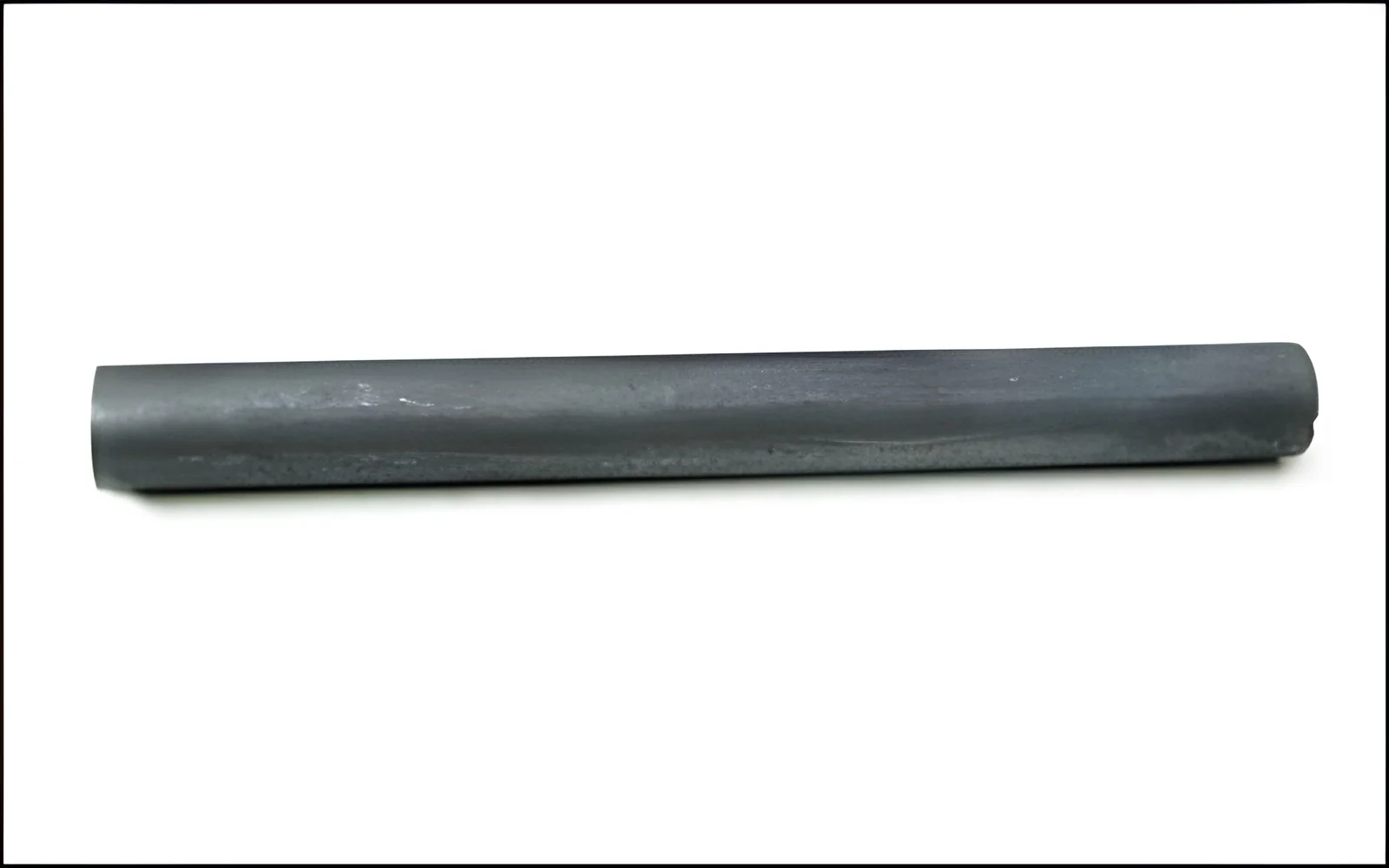
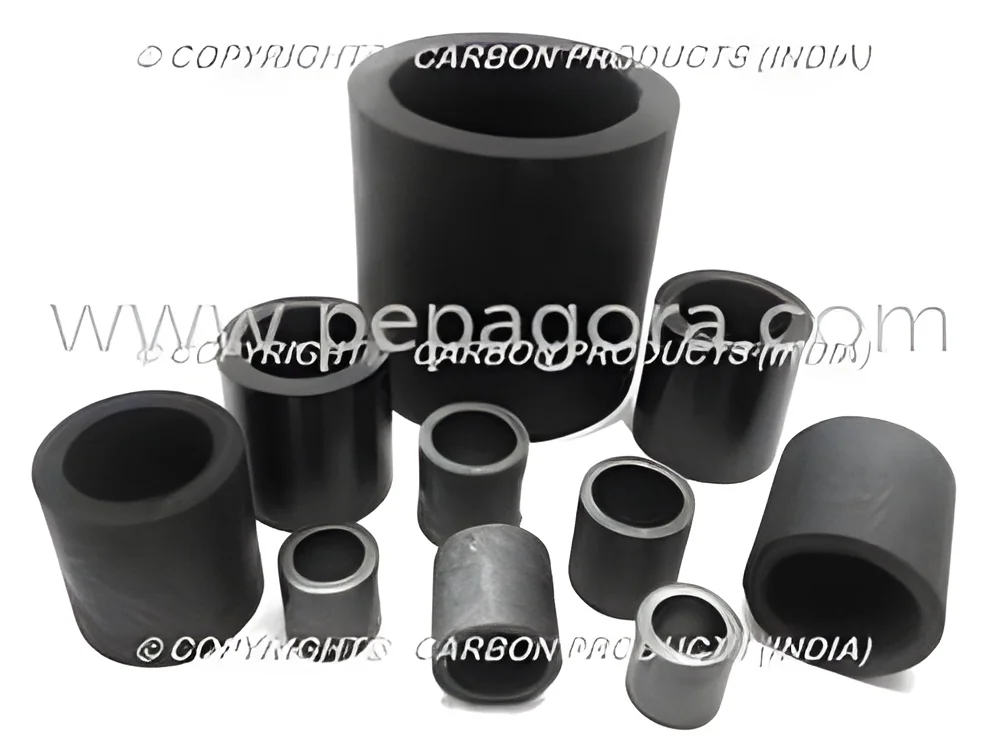
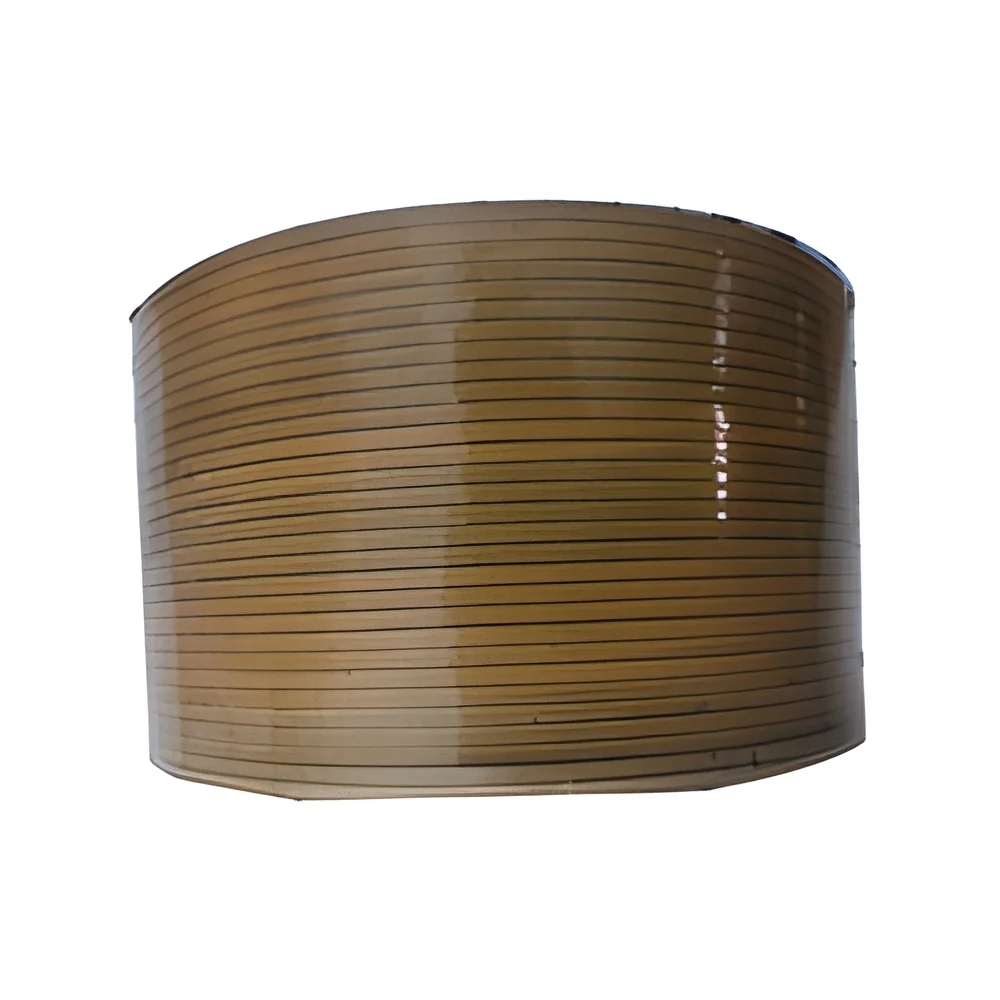
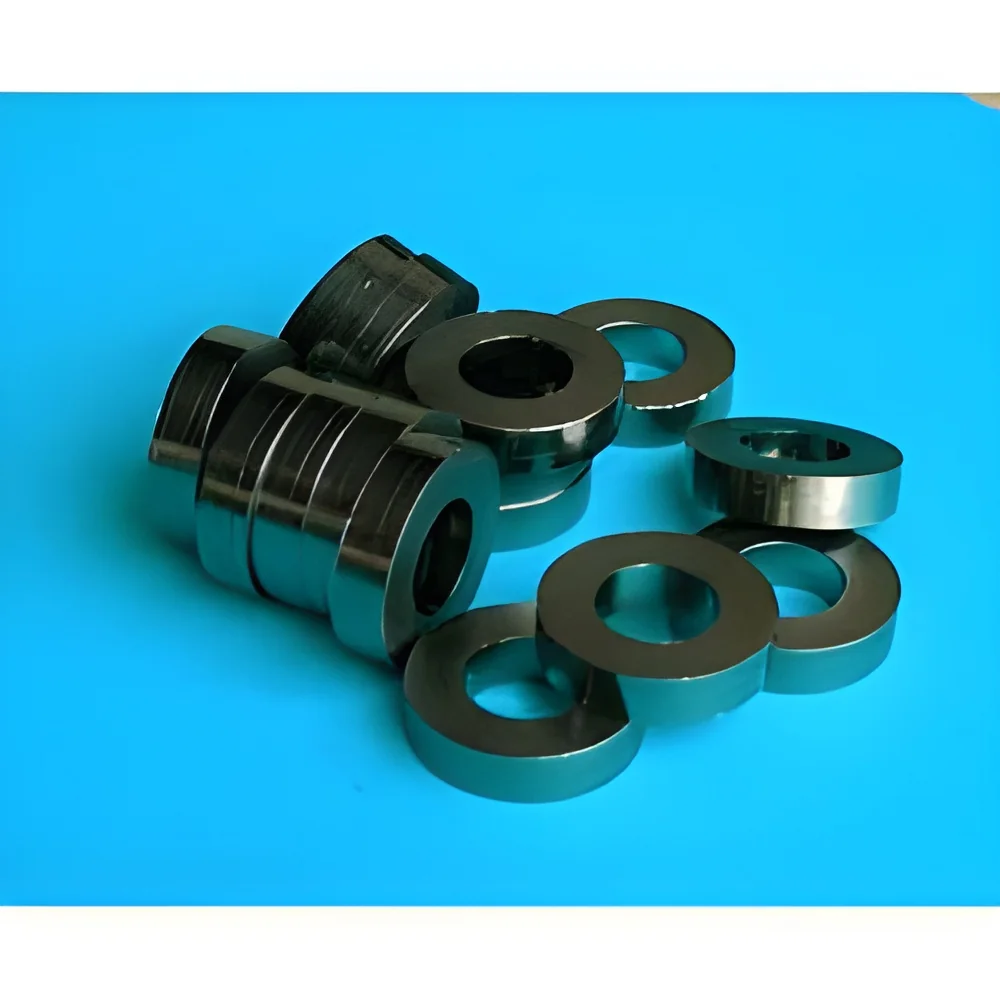
Graphite Blocks: These are solid forms of graphite used in applications such as electrodes and thermal management solutions. Their structural integrity allows for high-performance use.
Benefits and Advantages
Graphite offers numerous benefits that make it an attractive choice for various applications.
1. High Conductivity: Graphite’s exceptional electrical and thermal conductivity is crucial for efficient energy transfer in batteries and electronics.
2. Lubrication Efficiency: It provides effective lubrication, reducing wear and tear in mechanical systems, thus extending their lifespan.
3. Chemical Stability: Graphite’s resistance to chemicals ensures durability in harsh environments, making it suitable for industrial applications.
4. Thermal Resistance: High thermal conductivity allows for effective heat management in applications where temperature control is critical.
5. Versatile Forms: The availability of different forms of graphite enables customization for specific requirements across various industries.
6. Eco-Friendly Option: Natural graphite is a sustainable material, reducing environmental impact compared to synthetic alternatives.
Buying Guide for B2B Buyers
When sourcing graphite, it is essential to consider several key factors to ensure the best fit for your needs.
1. Quality Assessment: Evaluate the purity and form of graphite to match specific application requirements. Higher purity levels often lead to better performance in sensitive applications.
2. Supplier Verification: Vet suppliers based on their reliability and track record. Look for certifications and customer reviews to assess their credibility in the market.
3. Pricing and MOQ: Understand the pricing structure and minimum order quantities (MOQ) to align with your budget and operational needs. Bulk purchasing may provide cost advantages.
4. Delivery and Lead Times: Inquire about logistics and delivery schedules to ensure timely availability of graphite for your projects.
5. Compliance Requirements: Ensure that the graphite meets industry-specific regulations and standards. Compliance with safety and environmental regulations is critical for industrial applications.
Compliance and Certifications
Graphite products must adhere to various quality standards and certifications to ensure safety and performance. ISO 9001 is a widely recognized standard that emphasizes quality management systems, ensuring that suppliers maintain high production standards.
Additionally, certifications such as CE indicate compliance with European safety, health, and environmental protection standards, which is crucial for products intended for the European market.
Safety testing requirements often include assessments for chemical resistance and thermal stability to ensure products can withstand rigorous applications.
Regional compliance considerations may vary based on local regulations, making it essential for buyers to understand the specific requirements in their area.
Why Source Graphite from Pepagora?
Pepagora provides a trusted platform for sourcing graphite, offering several key advantages that benefit B2B buyers.
Verified Supplier Network: Pepagora ensures a network of verified suppliers, giving buyers confidence in the quality and reliability of products. Each supplier undergoes a rigorous vetting process to maintain high standards.
Streamlined RFQ Process: The platform features a straightforward Request for Quotation (RFQ) system that simplifies the procurement process. This allows buyers to quickly compare prices and options from multiple suppliers.
Trade Assurance and Support: Pepagora provides trade assurance measures to protect buyers, ensuring that transactions are secure. Dedicated support is available to address any concerns or queries throughout the sourcing process.
Regional Coverage: With a strong geographic reach across India, the GCC, and Southeast Asia, Pepagora connects buyers with local suppliers, facilitating efficient logistics and reduced lead times. This regional focus enhances accessibility and responsiveness in sourcing graphite.

 IN
IN