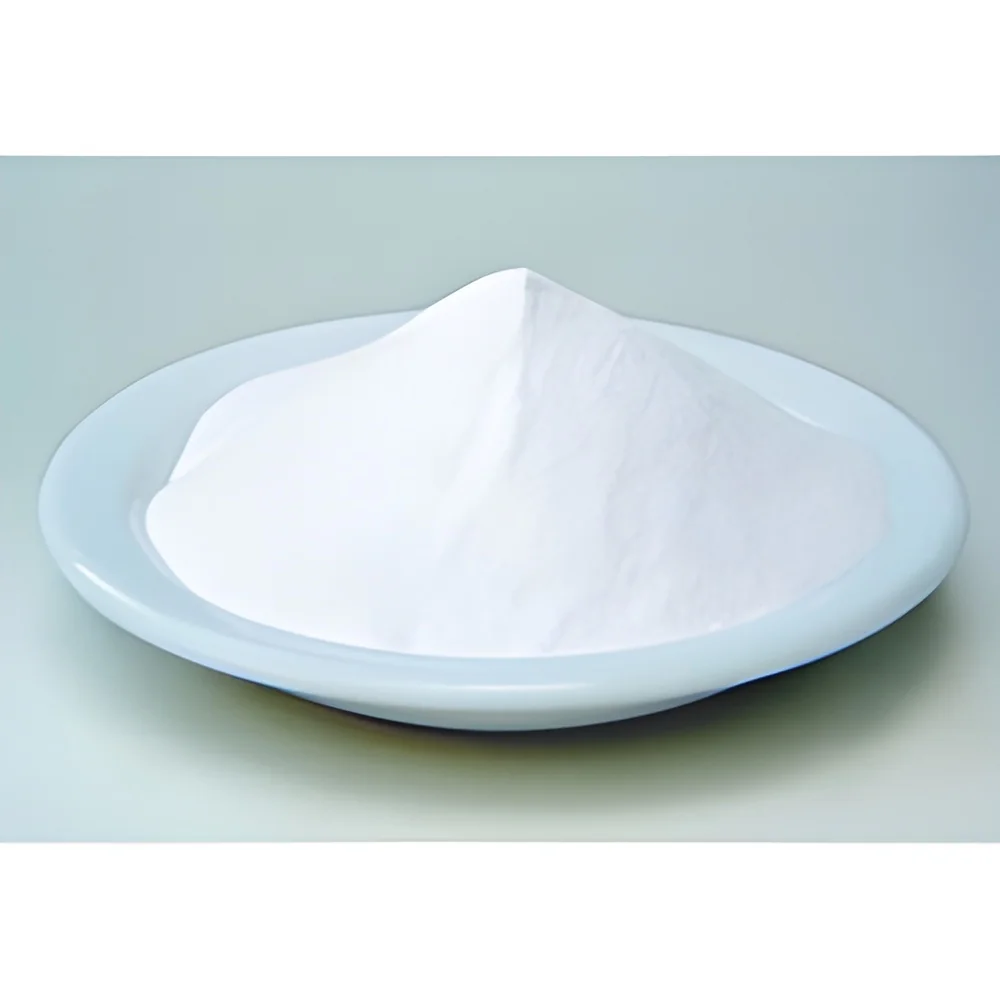
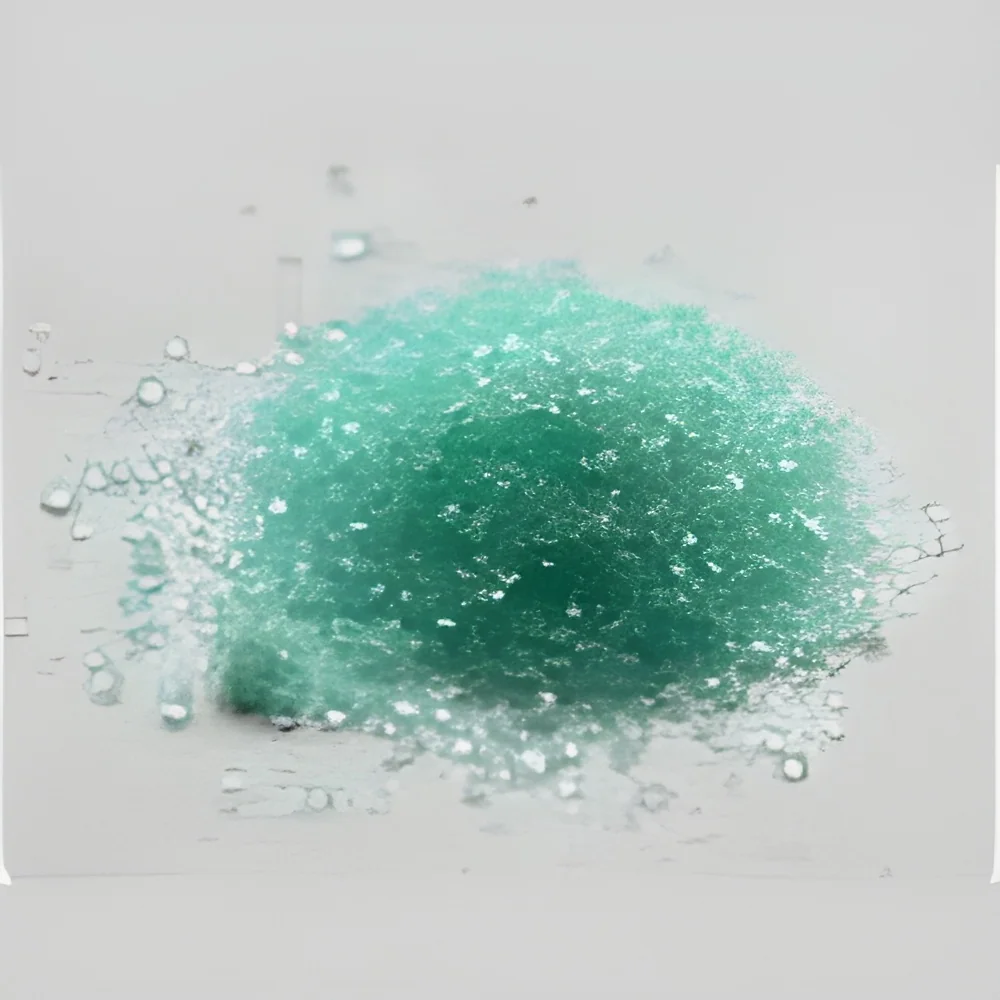
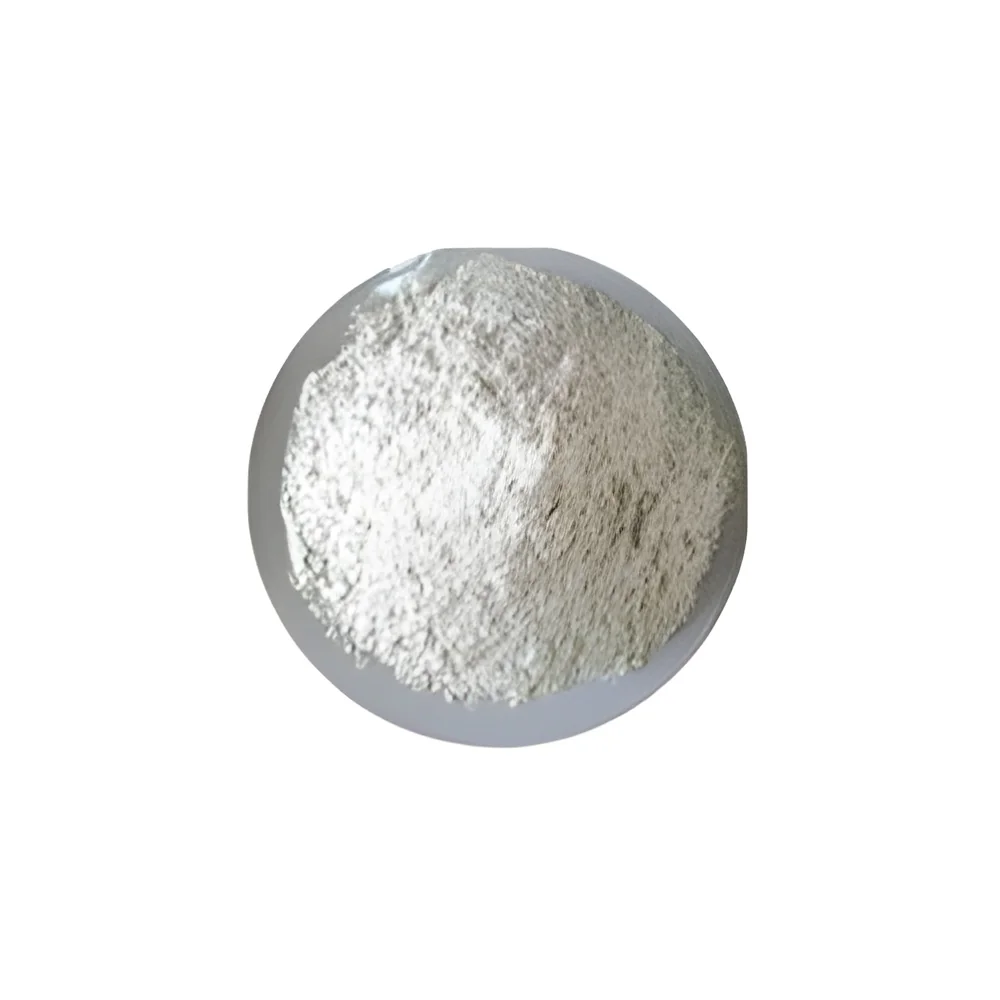
What are Minerals for Agriculture?
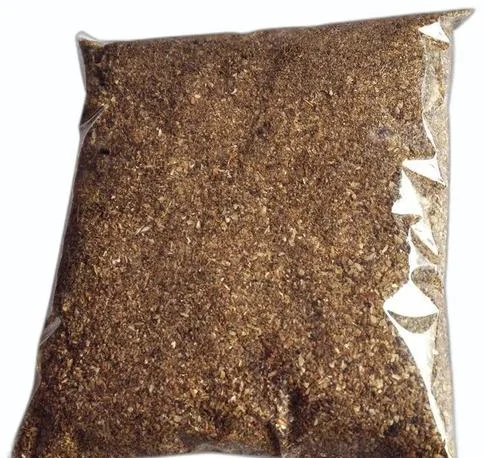
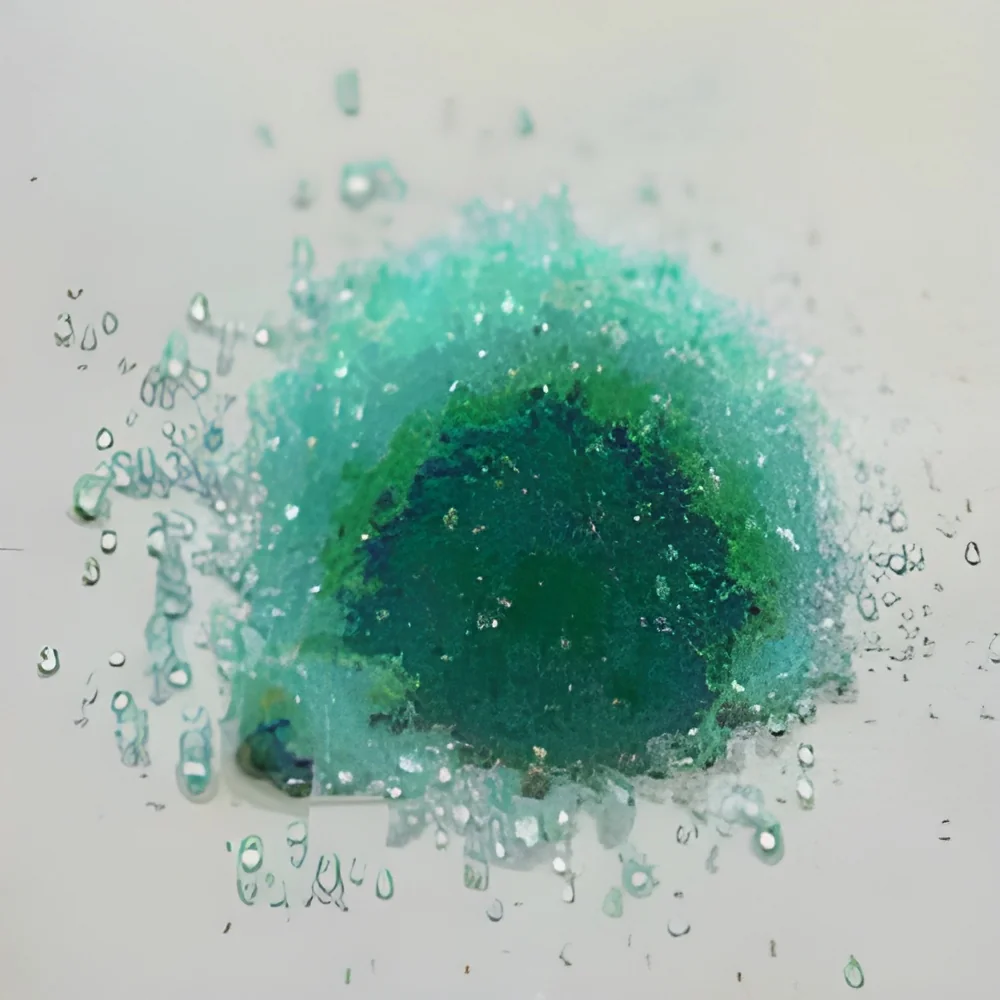
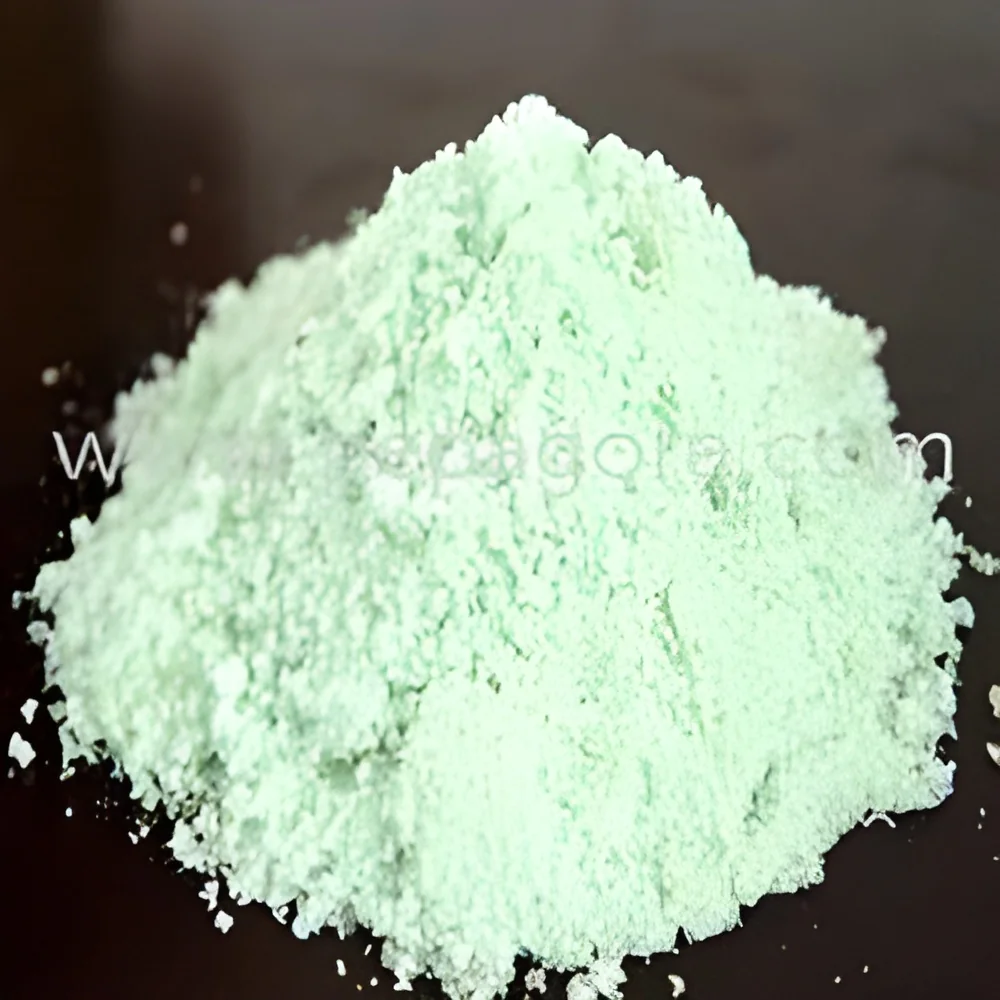
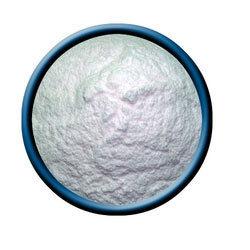
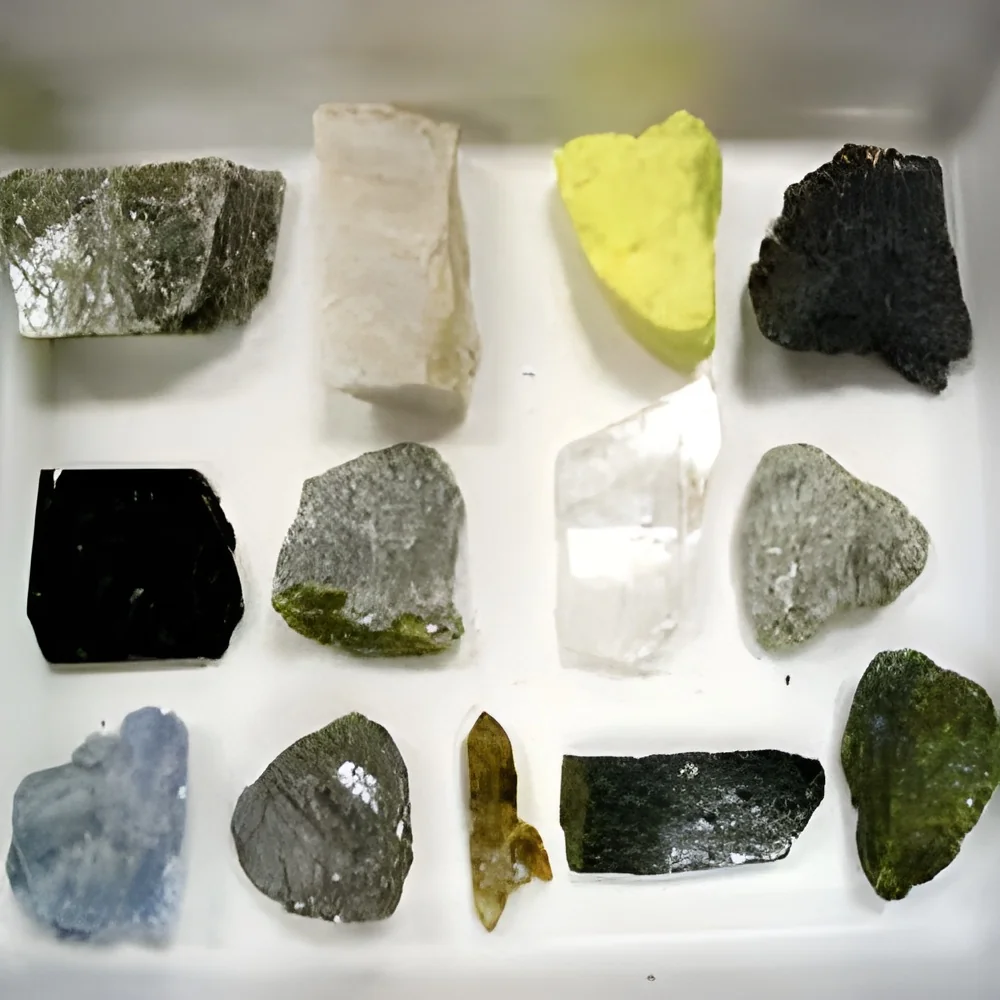
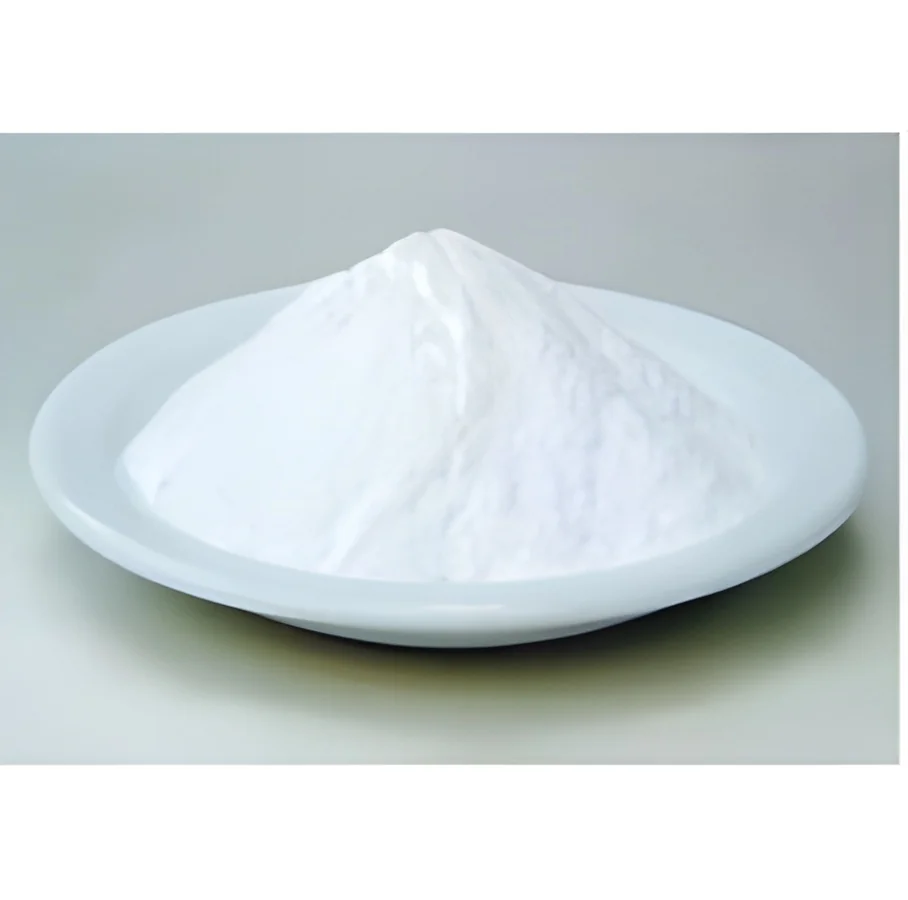
Minerals for agriculture refer to essential inorganic substances that support plant growth and development. They play a crucial role in soil fertility, crop yield, and overall plant health. These minerals supply vital nutrients, such as nitrogen, phosphorus, potassium, calcium, magnesium, and sulfur, which are critical for various biochemical processes within plants. The availability and balance of these minerals in the soil can significantly impact agricultural productivity and sustainability.
In agricultural practices, minerals are primarily used to enhance soil quality and provide necessary nutrients for crops. Farmers and agronomists apply these minerals through fertilizers and soil amendments to correct deficiencies and improve crop performance. The application of minerals can lead to healthier plants, increased resistance to pests and diseases, and ultimately higher crop yields. As the global demand for food continues to rise, the importance of minerals in agriculture becomes increasingly relevant, making it a vital sector within the agricultural industry.
Key Features and Specifications
Minerals for agriculture come with specific features and specifications that make them suitable for various applications. Understanding these characteristics helps agricultural businesses select the right products for their needs.
Key specifications include:
1. Nutrient Composition
- Essential macro and micronutrients
- Typical ranges may include nitrogen (N), phosphorus (P), potassium (K), calcium (Ca), magnesium (Mg), and sulfur (S)
2. Solubility Rate
- Determines how quickly minerals dissolve in soil or water
- Relevant for ensuring rapid nutrient uptake by plants
3. Particle Size
- Influences the distribution and effectiveness of minerals in soil
- Common ranges might be from fine powder to granular forms
4. pH Range
- Affects nutrient availability in soil
- Ideal pH levels can vary depending on specific crop requirements
5. Moisture Retention Capacity
- Indicates the ability of the soil to retain moisture when minerals are applied
- Important for reducing irrigation needs
6. Application Methods
- Can include broadcasting, side-dressing, or foliar application
- Suitable methods depend on crop type and soil conditions
7. Shelf Life
- Indicates how long minerals maintain their efficacy
- Relevant for planning storage and usage cycles
8. Environmental Impact
- Includes considerations for sustainability and ecological effects
- Important for compliance with agricultural best practices
These specifications help ensure that the right minerals are chosen to meet agricultural needs effectively.
Common Applications and Use Cases
Minerals for agriculture are utilized across a range of industries, each with specific applications that enhance productivity.
1. Crop Production: Minerals are essential for growing various crops, including grains, vegetables, and fruits. They help improve soil fertility and promote healthier plant growth.
2. Horticulture: In ornamental and landscape gardening, minerals enhance the quality of flowers and plants, increasing their resistance to diseases and pests.
3. Livestock Feed: Certain minerals are included in animal feed to improve health and productivity. They support bone development and overall well-being in livestock.
4. Organic Farming: Organic growers utilize natural mineral sources to maintain soil health and provide nutrients without synthetic chemicals.
5. Hydroponics: In soilless agriculture, precise mineral formulations are critical for nutrient delivery, allowing for high yields in controlled environments.
6. Turf Management: Sports fields and golf courses benefit from mineral applications to maintain lush, vibrant grass and improve resilience against wear.
7. Soil Remediation: Minerals can be used to remediate contaminated soils, improving their quality for future agricultural use.
Product Variants and Subcategories
Minerals for agriculture come in various forms, catering to different agricultural needs and practices. This diversity allows for tailored applications in specific scenarios.
Granular Fertilizers: These are solid mineral fertilizers that release nutrients slowly, making them suitable for long-term crop nutrition. They provide a steady nutrient supply and are easy to apply.
Liquid Fertilizers: These solutions allow for quick nutrient uptake and are ideal for foliar applications. They are often used in precision farming to deliver targeted nutrients to plants.
Soil Amendments: These minerals improve soil structure, drainage, and nutrient content. They help correct soil deficiencies and enhance overall soil health.
Micro-mineral Mixes: Specialized blends designed to provide trace elements essential for certain crops. They are often applied in smaller quantities to address specific nutrient deficiencies.
Custom Blends: Some suppliers offer tailored mineral mixes based on specific soil tests and crop needs, ensuring optimal nutrient delivery for unique agricultural conditions.
Benefits and Advantages
Sourcing minerals for agriculture provides numerous benefits that can enhance farming operations and productivity.
1. Improved Crop Yields: Adequate mineral supply leads to healthier crops, resulting in higher yields and better quality produce.
2. Enhanced Soil Fertility: Regular application of minerals improves soil health, ensuring a sustainable farming practice over time.
3. Increased Resistance: Proper mineral balance helps plants resist diseases and pests, reducing the need for chemical treatments.
4. Tailored Nutrient Delivery: Customized mineral solutions can be designed to meet specific crop requirements based on soil tests.
5. Environmental Sustainability: Using minerals responsibly contributes to sustainable agricultural practices, promoting ecosystem health.
6. Better Resource Management: Proper mineral management leads to more efficient use of water and fertilizers, reducing overall costs.
Buying Guide for B2B Buyers
When sourcing minerals for agriculture, buyers should consider multiple factors to ensure they select the best products for their needs.
1. Quality Assessment: Analyze the nutrient composition and purity of the minerals. Look for products that meet agricultural standards and are free from contaminants.
2. Supplier Verification: Vet suppliers for reliability and reputation. Check references and certifications to ensure they adhere to quality standards.
3. Pricing and MOQ: Understand the pricing structure and minimum order quantities. This information helps in budgeting and financial planning for purchases.
4. Delivery and Lead Times: Assess logistics capabilities and expected delivery times to ensure timely availability of minerals for agricultural needs.
5. Compliance Requirements: Ensure that products meet any regional or national regulations regarding agricultural inputs, including safety and environmental standards.
Compliance and Certifications
Compliance and certifications are critical in the minerals for agriculture sector, ensuring products meet industry standards and safety requirements.
Relevant quality standards, such as ISO 9001, are essential for maintaining consistent quality in mineral production. These standards help ensure that suppliers adhere to best practices, resulting in high-quality products.
Industry certifications like UL and CE indicate that the minerals meet specific safety and performance criteria. These certifications are crucial for building trust among buyers and ensuring product reliability.
Safety and testing requirements often involve thorough analysis to confirm that minerals are free from harmful contaminants. Regular testing ensures that products are safe for agricultural use and do not pose risks to human health or the environment.
Regional compliance considerations may vary, requiring manufacturers and suppliers to stay updated on local regulations regarding mineral usage in agriculture. This compliance helps prevent legal issues and promotes sustainable practices.
Why Source Minerals for Agriculture from Pepagora?
Pepagora offers a trusted platform for sourcing minerals for agriculture, providing numerous advantages for B2B buyers.
Verified Supplier Network: Pepagora connects buyers with a network of verified suppliers who meet strict quality standards. This ensures that buyers can trust the products they purchase.
Streamlined RFQ Process: The request for quotation system simplifies the sourcing process, allowing buyers to easily compare prices and specifications from multiple suppliers. This efficiency saves time and resources.
Trade Assurance and Support: Pepagora provides buyer protection, ensuring that transactions are secure and that buyers receive the products as promised. Support services are available to assist with any issues that may arise during the purchasing process.
Regional Coverage: With a strong presence in India, the GCC, and Southeast Asia, Pepagora facilitates access to a diverse array of minerals for agriculture. This geographic reach allows buyers to find the best products suited for their specific regional needs.

 IN
IN