
 IN
Mica
22 products available
What are Mica?
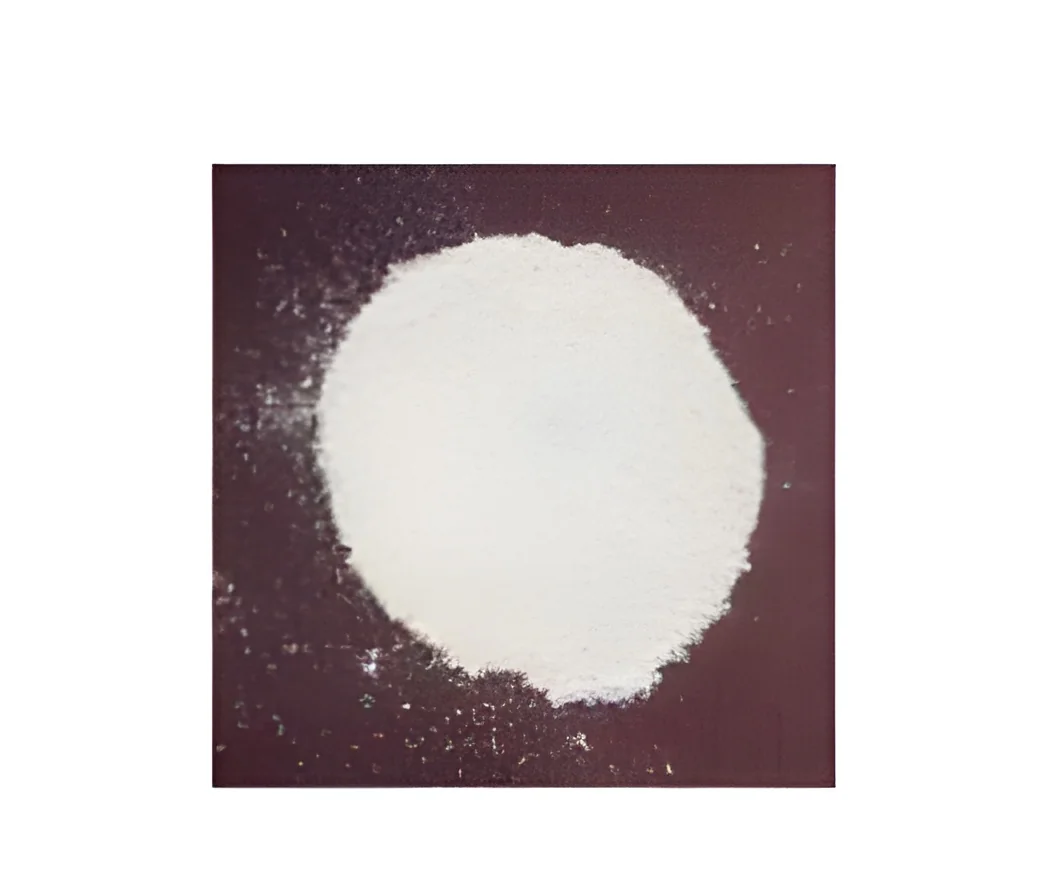
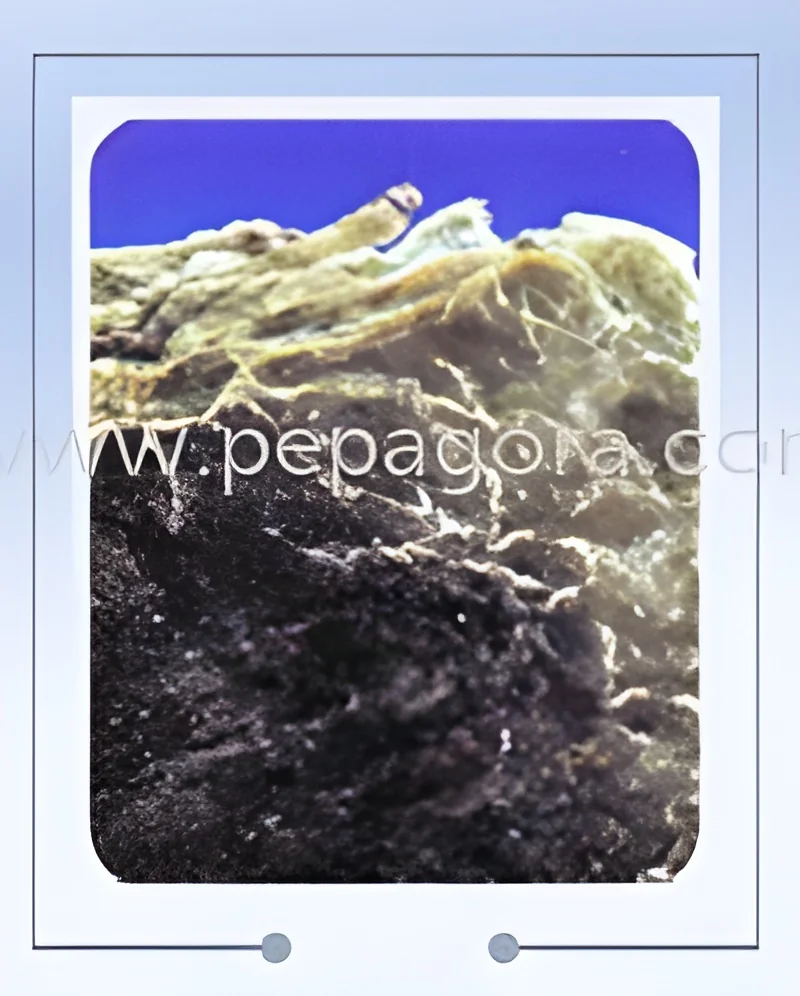
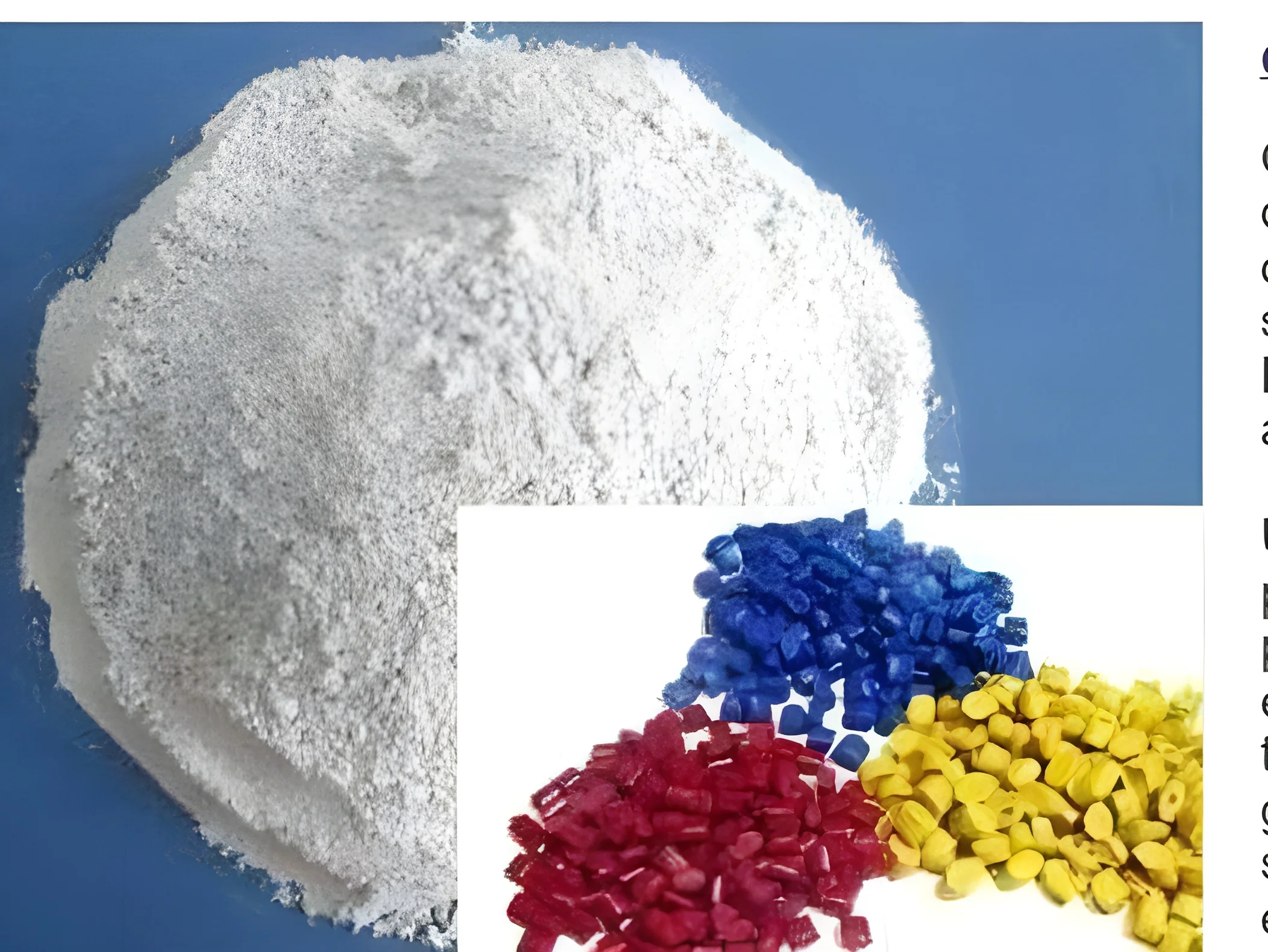
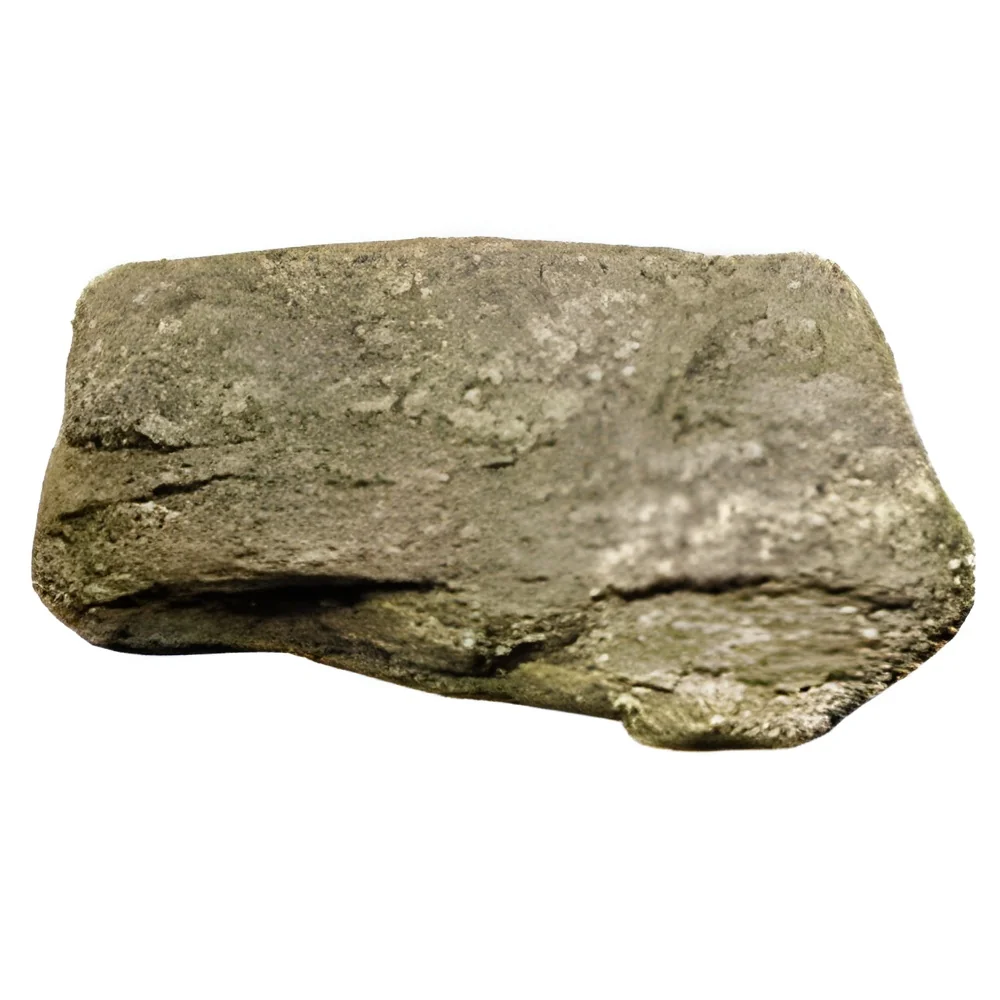
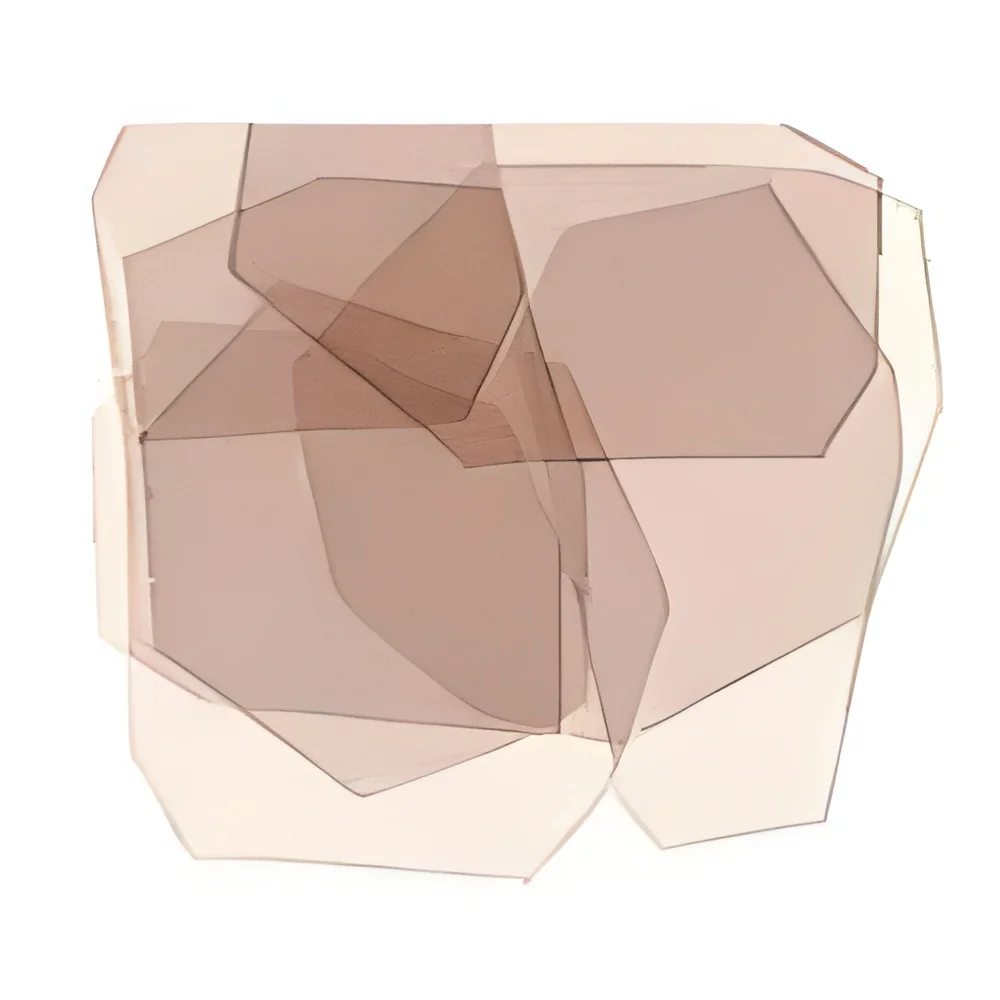
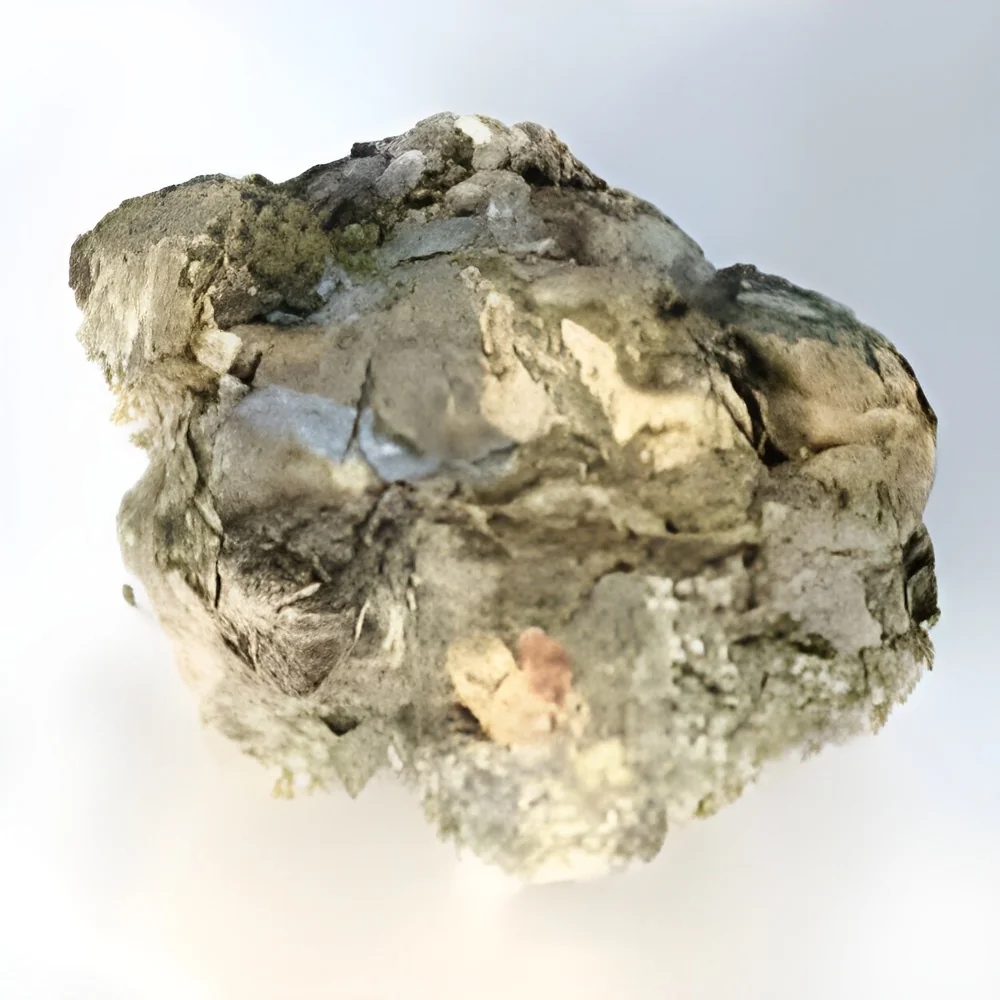
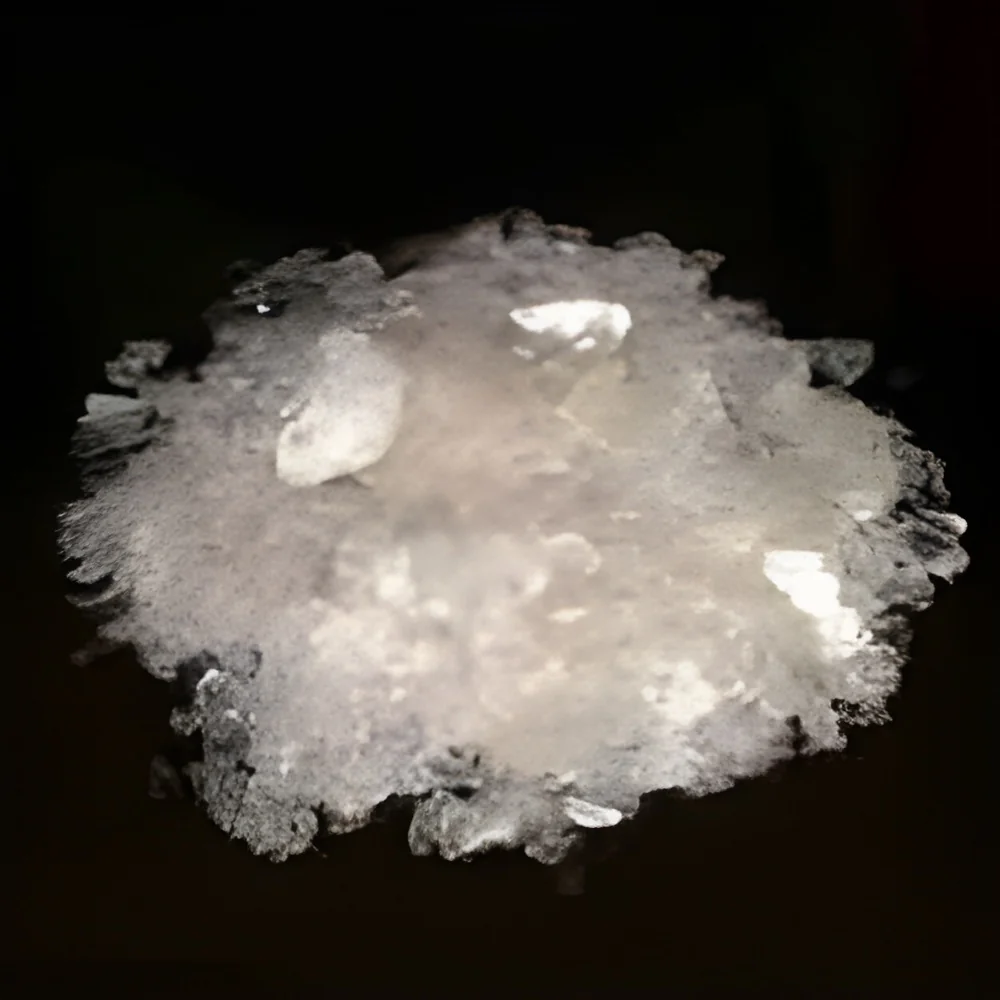
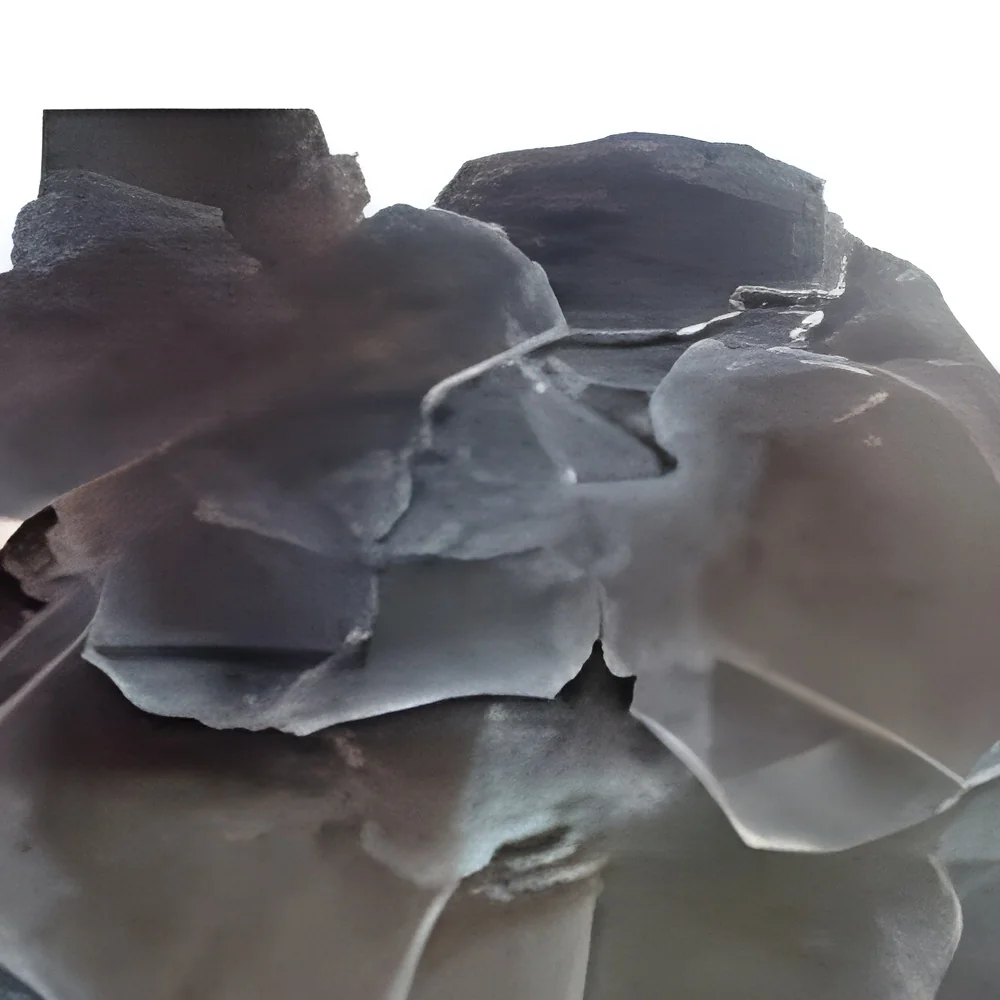
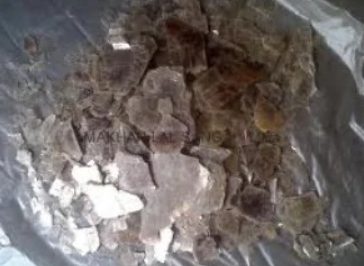
Mica is a group of silicate minerals known for their unique physical properties, including excellent thermal and electrical insulation. These minerals are characterized by their sheet-like structure, allowing them to be split into thin, flexible sheets. Mica is commonly available in several forms, including muscovite and phlogopite, each with distinct characteristics suited for various applications.
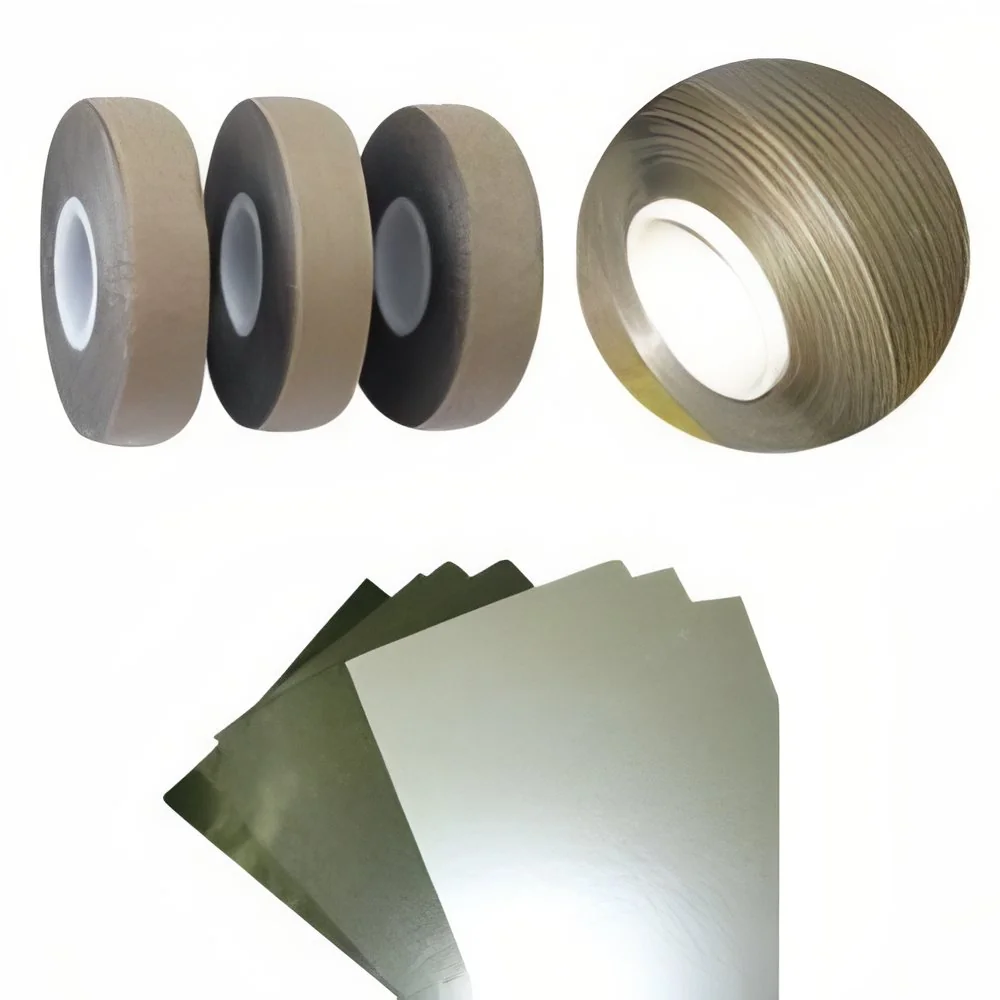
Mica is widely used in numerous industrial applications, such as electronics, construction, and cosmetics. In electronics, it serves as an insulator in capacitors and other electronic components. In construction, it is utilized as a filler and a reinforcing agent in paints, sealants, and roofing materials. Its properties also make it valuable in the cosmetics industry, where it is often used in makeup products for its shimmering effect. The growing demand for these applications highlights the relevance of mica in today's market.
As industries evolve, the demand for high-quality mica continues to rise. With advancements in technology and increased production capacities, mica plays a critical role in various sectors. The market for mica is expected to expand, driven by its versatility and essential applications across multiple industries.
Key Features and Specifications
Mica offers a range of features that make it suitable for diverse industrial applications. Its unique properties contribute to its effectiveness in insulation, reinforcement, and aesthetic enhancement.
Key specifications include:
1. Electrical Insulation
- Mica has high dielectric strength, making it an excellent electrical insulator.
- It can withstand high voltages without breakdown.
2. Thermal Stability
- Mica can resist high temperatures without significant degradation.
- It maintains its properties under extreme thermal conditions.
3. Chemical Resistance
- Mica is resistant to a variety of chemicals, including acids and alkalis.
- This property enhances its durability in harsh environments.
4. Flexibility and Malleability
- Mica can be easily split into thin sheets, allowing for versatility in applications.
- Its flexibility makes it adaptable for various industrial uses.
5. Low Moisture Absorption
- Mica has minimal moisture absorption, making it suitable for applications in humid environments.
- This feature helps maintain its performance over time.
6. Lightweight
- Mica is relatively light, which aids in reducing the overall weight of products.
- This property is beneficial in applications where weight is a critical factor.
In summary, mica's unique blend of properties makes it a valuable material across various industries, ensuring consistent performance in challenging conditions.
Common Applications and Use Cases
Mica serves numerous industries, each leveraging its unique properties for specific applications.
1. Electronics: Mica is used in capacitors, insulators, and other electronic components due to its excellent dielectric strength and thermal stability.
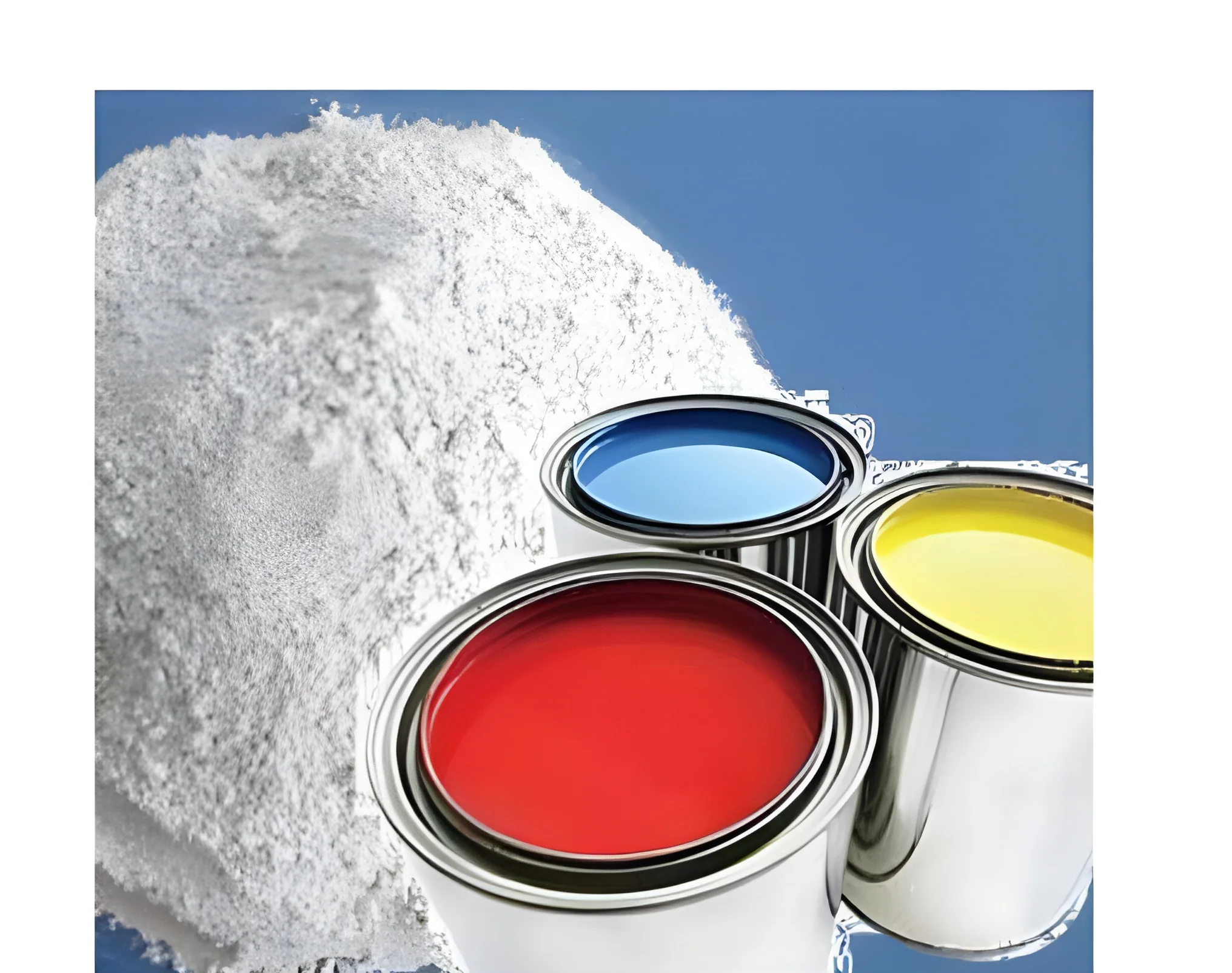
2. Construction: In the construction sector, mica is utilized as a filler in paints and sealants, enhancing product durability and aesthetic appeal.
3. Cosmetics: Mica's shimmering effect makes it a popular ingredient in makeup products, providing color and luster.
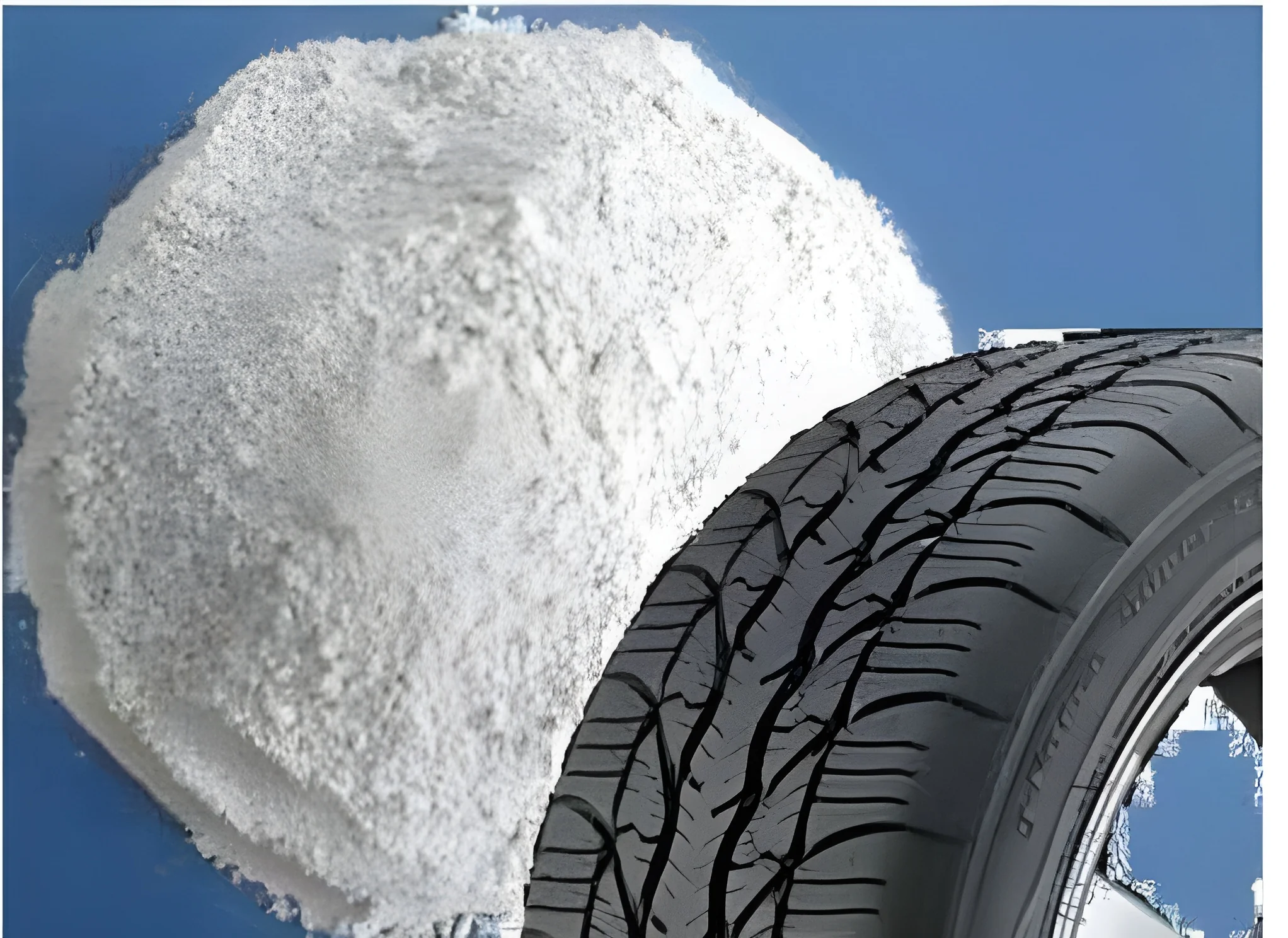
4. Automotive: Mica is employed in automotive components, including gaskets and insulation, to enhance heat resistance and electrical performance.
5. Plastics: Mica is used as a reinforcing agent in plastics, improving strength and thermal resistance in various applications.
6. Aerospace: Mica components are used in aerospace applications for their lightweight and insulating properties, contributing to performance and safety.
7. Fireproofing: Mica is utilized in fireproof coatings and materials due to its high thermal resistance, enhancing safety in commercial and residential buildings.
Product Variants and Subcategories
Mica is available in various forms to meet specific industrial needs.
Muscovite Mica
Muscovite mica is known for its excellent transparency and flexibility. It is commonly used in cosmetics and electrical applications due to its high dielectric strength and thermal stability.
Phlogopite Mica
Phlogopite mica offers superior thermal properties, making it ideal for high-temperature applications. It is often used in insulation materials and fireproof coatings.
Benefits and Advantages
Mica provides numerous benefits that make it an attractive choice for businesses.
1. Versatility: Mica's diverse applications across multiple industries allow for broad usage in various products.
2. High Performance: Mica's thermal and electrical insulation properties ensure consistent performance in demanding environments.
3. Aesthetic Appeal: In cosmetics, mica enhances product appearance, providing a shimmering effect that attracts consumers.
4. Durability: Mica's resistance to chemicals and moisture contributes to the longevity of products in which it is used.
5. Lightweight: The lightweight nature of mica helps reduce overall product weight, benefiting applications where weight is a concern.
6. Cost-Effectiveness: Mica’s availability and performance characteristics provide a cost-effective solution for many industrial applications.
Buying Guide for B2B Buyers
When sourcing mica, several key factors should be considered to ensure optimal procurement.
1. Quality Assessment: Evaluate the quality of mica based on purity levels and physical characteristics. Ensure that the supplier provides detailed specifications and test reports.
2. Supplier Verification: Vet potential suppliers to confirm their reliability and reputation. Look for suppliers with a proven track record in delivering high-quality mica.
3. Pricing and MOQ: Consider the pricing structure and minimum order quantities when sourcing mica. Compare offers from different suppliers to ensure competitive pricing.
4. Delivery and Lead Times: Assess the supplier's ability to meet delivery schedules. Confirm lead times to avoid production delays.
5. Compliance Requirements: Ensure that the mica meets relevant industry standards and regulatory requirements. This includes checking for certifications that validate the quality and safety of the product.
Compliance and Certifications
Mica is subject to various quality standards and certifications that ensure its safety and effectiveness in industrial applications. Compliance with ISO 9001 indicates adherence to quality management principles, ensuring consistent product quality.
The CE marking certifies that mica meets European health, safety, and environmental protection standards. Additionally, compliance with safety and testing requirements is crucial for applications in electronics and cosmetics.
Regional compliance considerations may vary, so it is essential to understand local regulations governing the use of mica in specific industries. Ensuring compliance with these standards not only enhances product safety but also builds trust with customers and stakeholders.
Why Source Mica from Pepagora?
Pepagora provides a trusted platform for sourcing mica, offering several key advantages to B2B buyers.
Verified Supplier Network: Pepagora connects buyers with a network of verified suppliers, ensuring quality and reliability. Each supplier undergoes a rigorous vetting process, providing peace of mind when sourcing mica.
Streamlined RFQ Process: The request for quotation (RFQ) process on Pepagora is simple and efficient. Buyers can easily submit their requirements and receive competitive quotes from multiple suppliers.
Trade Assurance and Support: Pepagora offers buyer protection through trade assurance, ensuring that transactions are secure. The platform provides support throughout the purchasing process, from inquiry to delivery.
Regional Coverage: With a strong presence in India, the GCC, and Southeast Asia, Pepagora ensures that buyers have access to mica from reputable suppliers across these regions. This geographic reach facilitates easier sourcing and logistics management for businesses.


Frequently Asked Questions
What are Mica?
Mica is a naturally occurring mineral that is known for its excellent insulating properties and resistance to heat and electricity. It is commonly used in a variety of industries, including electronics, cosmetics, and construction.
What are the different types of Mica?
The main types of Mica include Muscovite and Phlogopite. Muscovite is a light-colored variety, while Phlogopite is typically darker and has better thermal stability, making each type suitable for different applications.
How do I choose the right Mica?
Choosing the right Mica involves considering factors such as the intended application, required thermal and electrical properties, and particle size. It is essential to consult with suppliers to ensure that the selected Mica meets specific project requirements.
What are the standard specifications for Mica?
Standard specifications for Mica include purity levels, moisture content, particle size distribution, and thermal conductivity. These specifications can vary based on the intended use, so it is advisable to verify the requirements with manufacturers.
What is the price range for Mica?
The price of Mica can vary significantly based on factors such as quality, type, and sourcing location. Generally, prices can range from a few dollars per kilogram to higher amounts for specialized grades.
What quality standards apply to Mica?
Quality standards for Mica typically include compliance with ASTM, ISO, and other industry-specific guidelines. Ensuring that the Mica meets these standards is crucial for applications in sensitive industries like electronics and cosmetics.
Where can I find Mica suppliers in India?
Mica suppliers in India can be found through online B2B marketplaces, trade shows, and industry directories. Websites like Pepagora provide a platform to connect with reputable Mica manufacturers and suppliers.
Can Mica be customized?
Yes, Mica can be customized in terms of size, purity, and packaging depending on the requirements of the buyer. Many manufacturers offer tailored solutions to meet specific industry needs.
What is the typical minimum order quantity for Mica?
The typical minimum order quantity (MOQ) for Mica can vary by supplier but is often set at around 100 kilograms. It's advisable to check with individual suppliers for their specific MOQ policies.
What is the typical lead time for Mica?
The typical lead time for Mica can range from a few days to several weeks, depending on the supplier's stock availability and the order size. It is advisable to discuss lead times during the ordering process.
Why Businesses Trust Pepagora
Thousands of companies trust Pepagora to source smarter and sell faster
Expand Your Sales Globally

Source Smarter,Grow Faster
