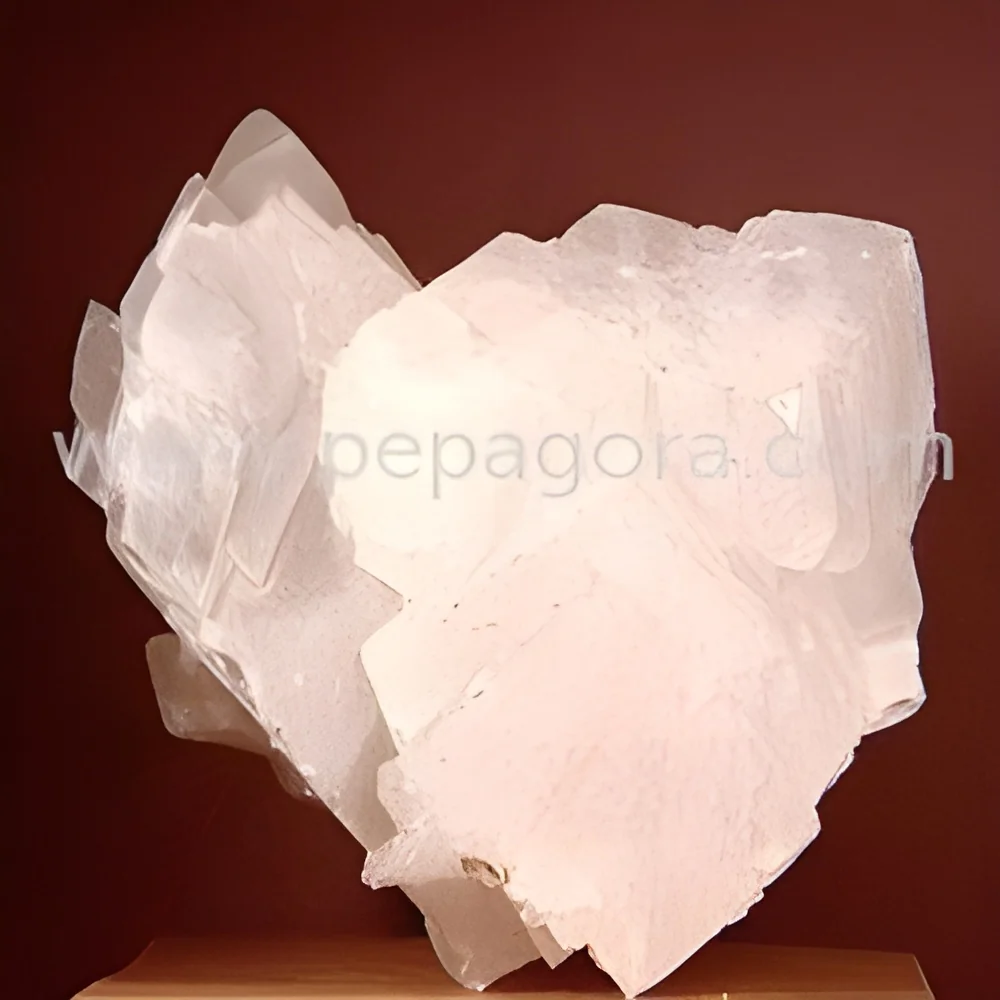
What are Magnesite?
Magnesite is a mineral composed primarily of magnesium carbonate (MgCO3). It is found in sedimentary and metamorphic rocks and is often associated with ultramafic rocks. This naturally occurring mineral is valued for its unique properties, including its high melting point and chemical stability. Magnesite is typically white or colorless but can display shades of gray, yellow, or brown due to impurities.
In the industrial sector, magnesite is used extensively in the production of refractory materials, which are essential for high-temperature applications such as steelmaking and cement production. Additionally, it serves as a raw material for the manufacture of magnesium oxide, which is utilized in various applications, including fertilizers and animal feed. Its versatile nature makes it a critical component in multiple industries, highlighting its significance in the global market.
Key Features and Specifications
Magnesite possesses several features and specifications that make it suitable for various applications. Understanding these characteristics is crucial for businesses looking to integrate magnesite into their processes.
Key specifications include:
1. Chemical Composition
- Primarily magnesium carbonate
- Additional components may include iron, calcium, and silica
2. Physical Properties
- High melting point, generally around 2800 degrees Celsius
- Density typically ranges from 2.9 to 3.2 g/cm³
3. Purity Levels
- Commercial grades often range from 90% to 98% purity
- Higher purity levels are available for specialized applications
4. Particle Size Distribution
- Available in various grades, typically from fine powders to coarse aggregates
- Customizable particle sizes depending on client requirements
5. Thermal Conductivity
- Generally exhibits low thermal conductivity, making it ideal for insulation purposes
6. Moisture Content
- Typically less than 1%, ensuring minimal impact on performance in high-temperature applications
In summary, magnesite's critical specifications enable its use in a wide range of industrial applications, reinforcing its importance in the market.
Common Applications and Use Cases
Magnesite serves various industries, each utilizing its unique properties for specific applications.
1. Steel Industry: Magnesite is primarily used in the production of refractory bricks and linings in steel furnaces, enabling them to withstand high temperatures and corrosive environments.
2. Construction: In the construction sector, magnesite is used as a binding agent in cement and concrete, enhancing durability and performance.
3. Agriculture: Magnesium oxide derived from magnesite is utilized in fertilizers, promoting healthy plant growth and improving soil quality.
4. Chemical Manufacturing: It serves as a source for magnesium compounds used in various chemical processes and products, including pharmaceuticals.
5. Environmental Applications: Magnesite is used in wastewater treatment to neutralize acidic conditions and enhance pollutant removal.
6. Animal Feed: The mineral is incorporated into animal feed as a magnesium supplement, supporting livestock health and productivity.
7. Glass and Ceramics: In the glass industry, magnesite helps improve the thermal and chemical resistance of glass products.
Product Variants and Subcategories
Magnesite is available in several forms, catering to different industrial needs.
Dead Burned Magnesite: This variant is produced by heating magnesite to high temperatures, resulting in a dense product with excellent refractory properties. It is commonly used in steelmaking and other high-temperature applications.
Caustic Calcined Magnesite: Produced through the calcination of magnesite, this form is highly reactive and is often employed in the chemical industry and as a pH regulator in environmental applications.
Natural Magnesite: This variant is mined and processed with minimal alteration, suitable for applications requiring lower purity levels.
Benefits and Advantages
Sourcing magnesite offers several key benefits that enhance operational efficiency and product quality.
1. High Thermal Stability: Magnesite can withstand extreme temperatures, making it ideal for high-performance applications in the steel and cement industries.
2. Versatility: Its range of applications across various sectors provides flexibility for businesses looking to incorporate magnesite into their operations.
3. Cost-Effectiveness: Magnesite is generally available at competitive prices, allowing businesses to manage costs effectively while obtaining high-quality materials.
4. Environmental Benefits: Utilizing magnesite in environmental applications promotes sustainability and effective waste management.
5. Enhanced Product Quality: The use of high-purity magnesite can significantly improve the quality and performance of final products in manufacturing processes.
Buying Guide for B2B Buyers
When sourcing magnesite, it is essential to consider several factors to ensure a successful procurement process.
1. Quality Assessment: Evaluate the purity and chemical composition of magnesite to meet specific application requirements. Conduct laboratory tests if necessary to verify quality standards.
2. Supplier Verification: Vet potential suppliers by reviewing their certifications, reputation, and track record in the industry. Ensure they follow stringent quality controls.
3. Pricing and MOQ: Understand the pricing structure and minimum order quantities (MOQ) set by suppliers. Request quotations to compare costs effectively.
4. Delivery and Lead Times: Discuss logistics with suppliers, including delivery schedules and lead times, to ensure timely availability of materials for your operations.
5. Compliance Requirements: Familiarize yourself with any regulatory compliance standards applicable to magnesite in your region, ensuring that suppliers provide necessary certifications.
Compliance and Certifications
Magnesite is subject to various quality standards and certifications that ensure safety and performance in industrial applications.
ISO 9001 is a widely recognized standard that outlines the requirements for a quality management system. Suppliers that comply with this standard demonstrate their commitment to quality and continuous improvement.
CE certification indicates that magnesite meets European health, safety, and environmental protection standards. This certification is vital for businesses looking to operate in European markets.
Safety and testing requirements are crucial for materials used in high-temperature applications. Suppliers should provide documentation confirming that their products have undergone rigorous testing to ensure safety and reliability.
Regional compliance considerations may vary, so it is important for buyers to understand local regulations governing the use of magnesite in their respective industries.
Why Source Magnesite from Pepagora?
Pepagora provides a trusted platform for sourcing magnesite, offering several key advantages that benefit B2B buyers.
Verified Supplier Network: Pepagora features a network of verified suppliers who have undergone thorough background checks. This ensures that buyers can trust the quality and reliability of the products they purchase.
Streamlined RFQ Process: The platform simplifies the request for quotation (RFQ) process, allowing buyers to easily compare prices and specifications from multiple suppliers. This efficiency saves time and facilitates informed decision-making.
Trade Assurance and Support: Pepagora offers trade assurance, providing protection for buyers against potential issues such as fraud or product quality concerns. This builds confidence in the purchasing process.
Regional Coverage: With a strong presence in India, GCC, and Southeast Asia, Pepagora ensures that buyers have access to a wide range of magnesite products and suppliers in their respective regions, enhancing sourcing opportunities.

 IN
IN