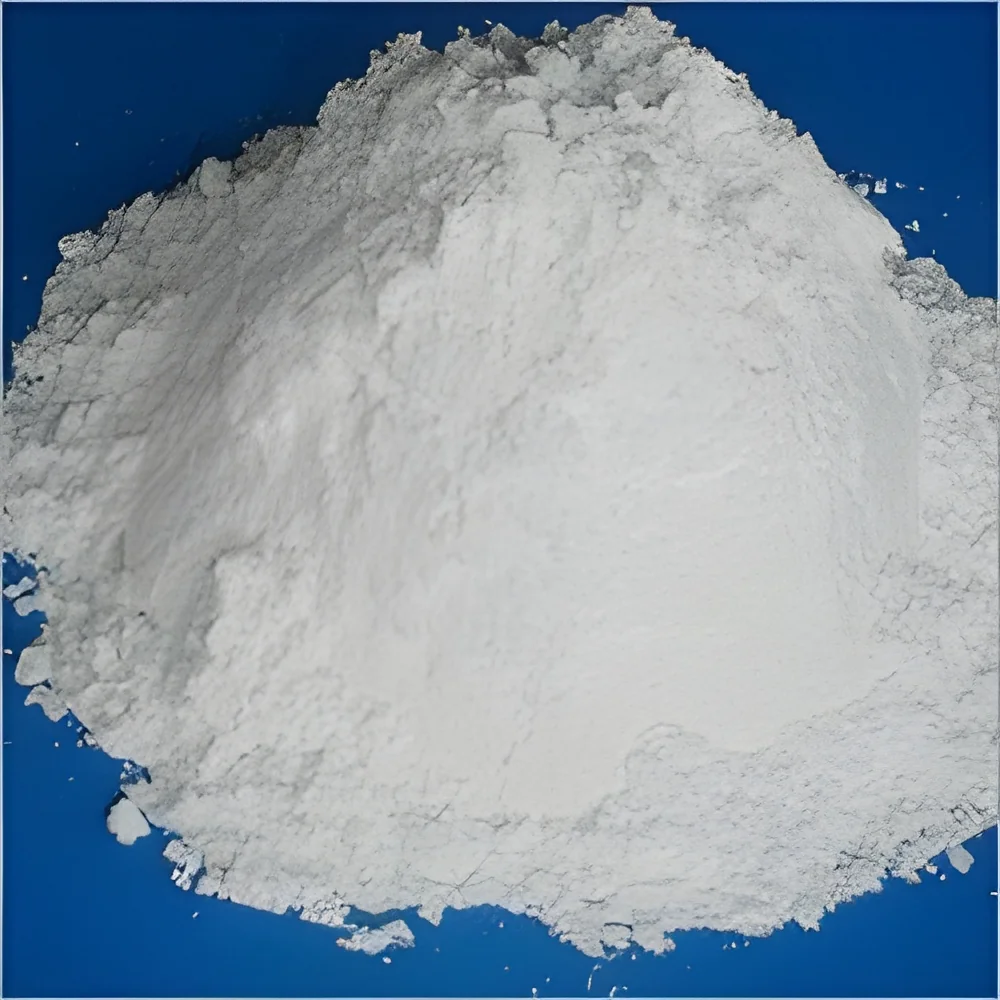
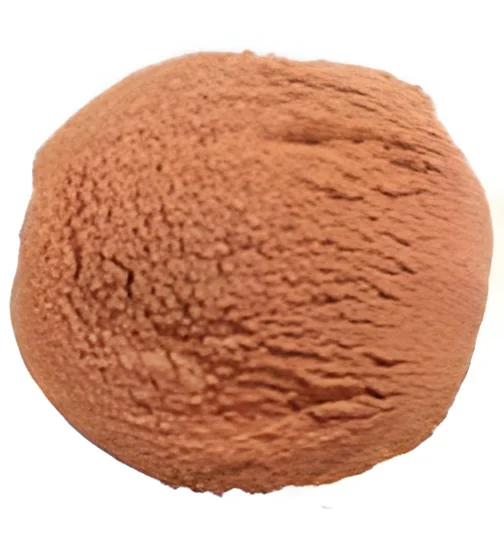
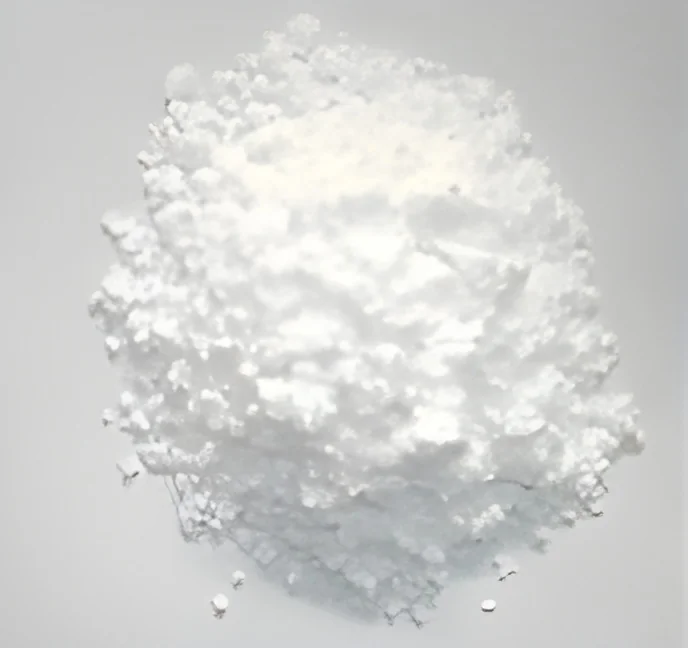
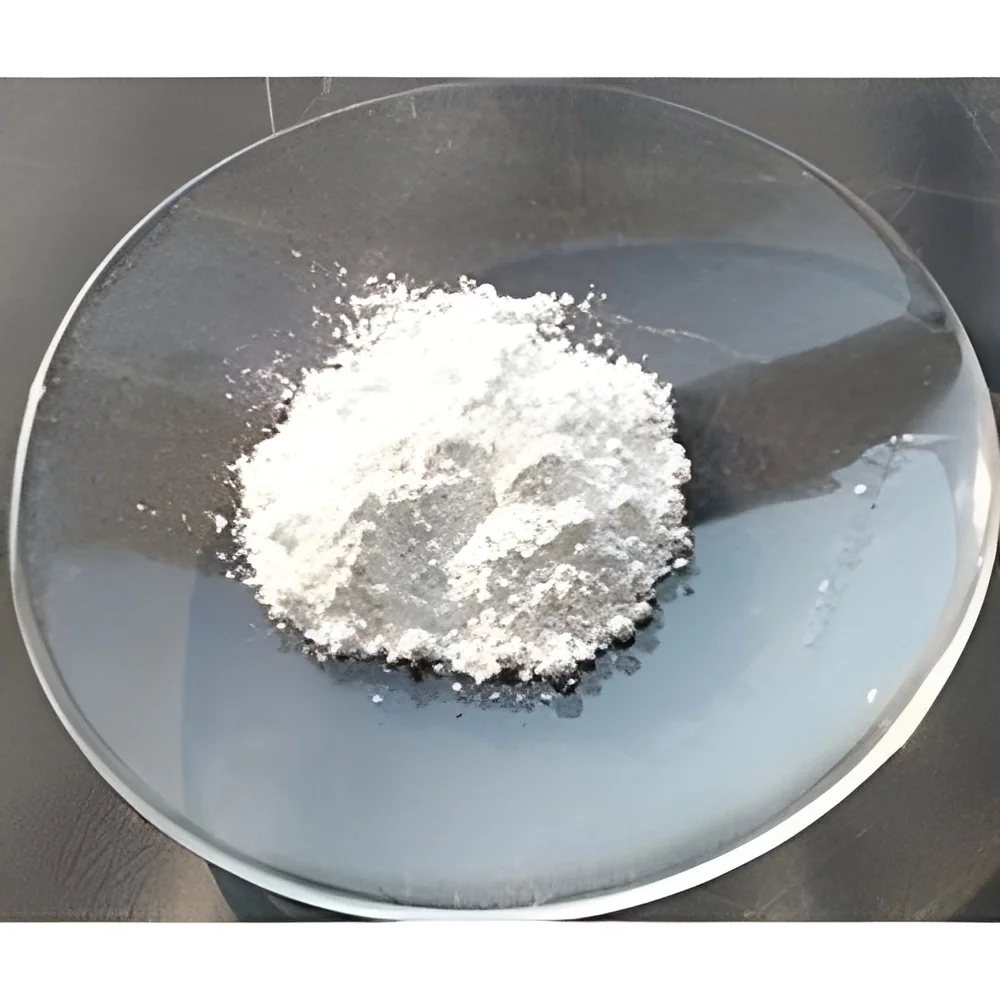
What are Minerals for Plastics & Rubber?
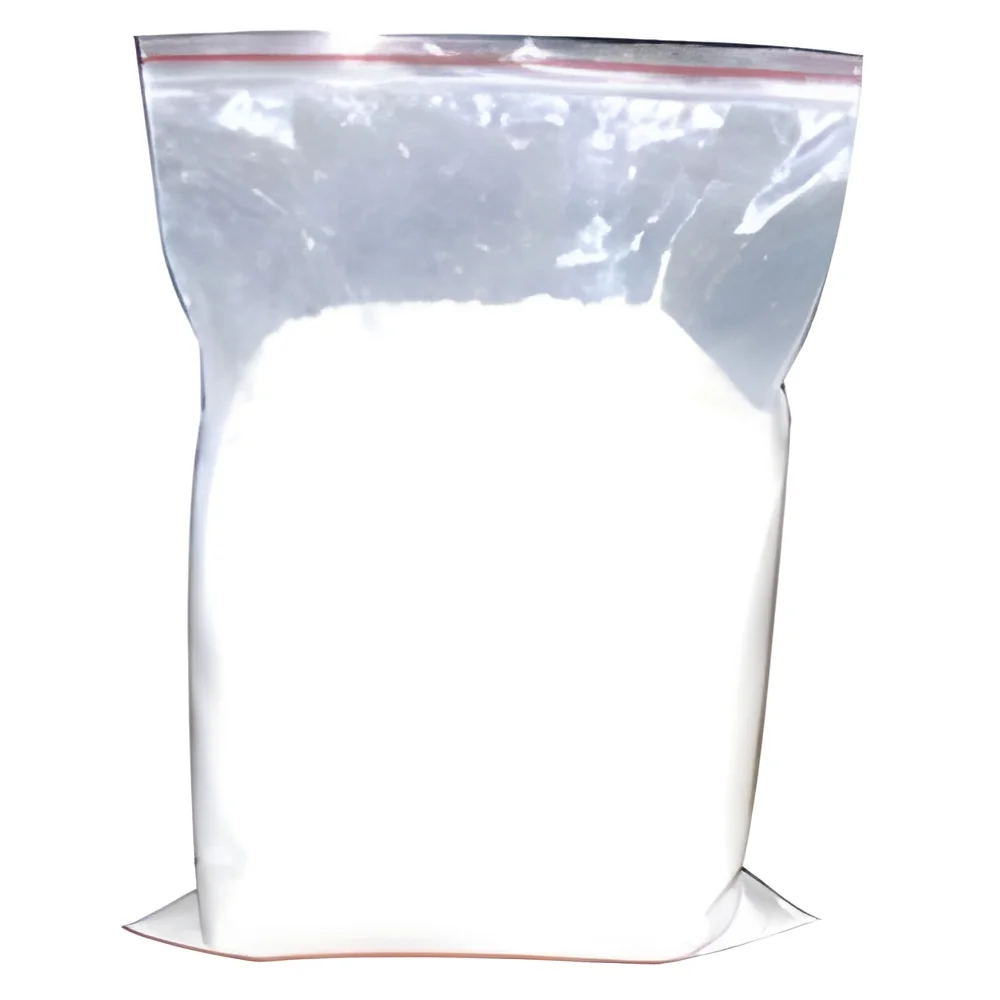
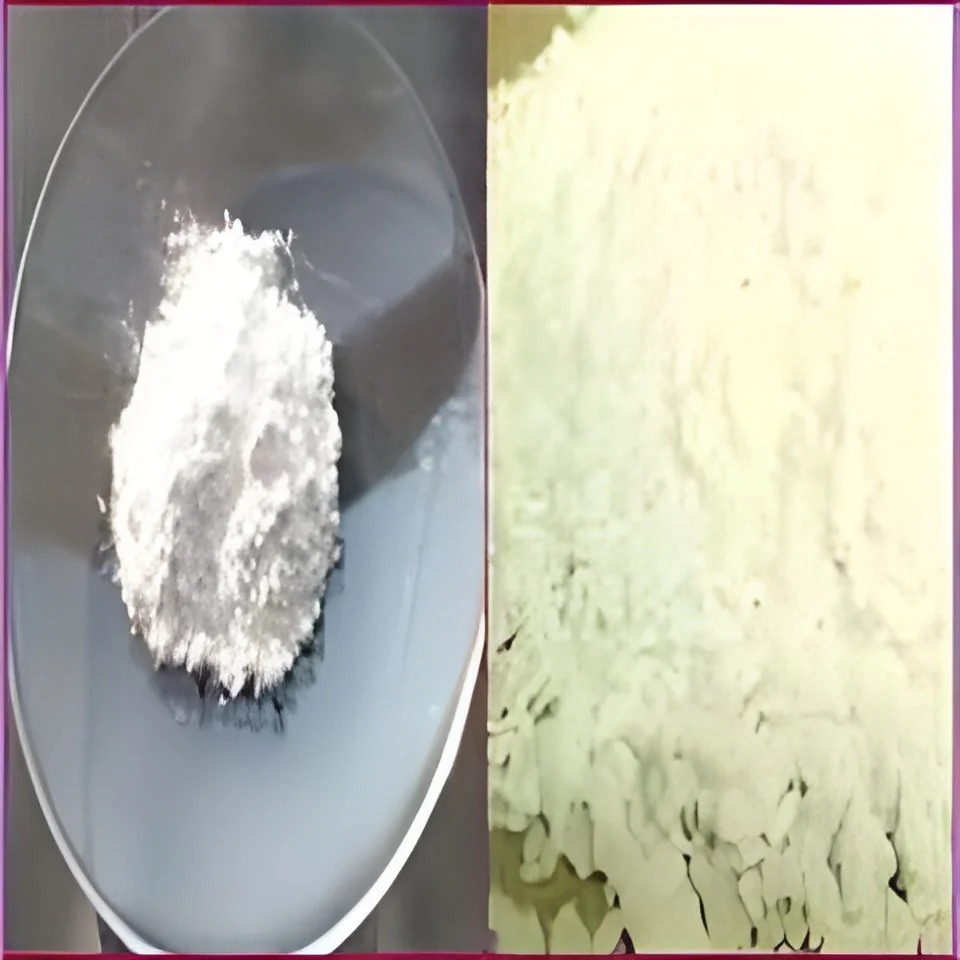
Minerals for plastics and rubber are natural substances that enhance the properties of synthetic materials used in various applications. These minerals can improve strength, durability, and chemical resistance, making them essential additives in the production of plastic and rubber products. Common minerals include talc, calcium carbonate, kaolin, and mica, each contributing unique characteristics to the final material.
These minerals are widely used in industries such as automotive, construction, and consumer goods. They serve a variety of purposes, including acting as fillers, reinforcing agents, and processing aids. The incorporation of minerals can lead to cost savings, improved processing efficiency, and enhanced performance of final products. As industries continue to seek sustainable and high-performance materials, the demand for minerals in plastics and rubber remains strong, driving innovation and competition in the market.
Key Features and Specifications
Minerals for plastics and rubber come with distinct features and specifications that cater to various industrial needs. Understanding these characteristics is crucial for selecting the right minerals for specific applications.
Key specifications include:
1. Filler Type
- Determines the properties of the final product.
- Common types include talc, calcium carbonate, and wollastonite.
2. Particle Size Distribution
- Influences the physical properties of the end product.
- Typically ranges from fine to coarse particles.
3. Purity Level
- Affects the performance and safety of the material.
- Generally requires a minimum purity of 90% for industrial applications.
4. Color
- Impacts aesthetics and can be important for consumer-facing products.
- Available in various shades depending on the mineral source.
5. Moisture Content
- Affects processing and storage stability.
- Ideal moisture content usually below 1%.
6. Rheological Properties
- Influence the flow behavior during processing.
- Must be compatible with the specific polymer matrix.
7. Thermal Stability
- Determines how the mineral performs under heat.
- Essential for applications involving high temperatures.
8. Chemical Resistance
- Ensures durability against various chemicals.
- Must be specified based on intended application.
In summary, selecting minerals based on their features and specifications is essential for optimizing product performance and meeting industry standards.
Common Applications and Use Cases
Minerals for plastics and rubber are utilized across multiple industries, each with specific applications that benefit from their unique properties.
1. Automotive: Minerals are used in interior and exterior components to enhance strength and reduce weight, contributing to fuel efficiency and durability.
2. Construction: These minerals serve as fillers in concrete and sealants, improving workability and longevity while reducing costs.
3. Consumer Goods: Used in packaging materials and household items, minerals help improve appearance and performance, appealing to consumer preferences.
4. Electrical and Electronics: Minerals are employed in insulating materials and housings, providing necessary strength and thermal stability.
5. Medical Devices: Certain minerals enhance the safety and effectiveness of medical plastics, ensuring compliance with stringent health regulations.
6. Textiles: Minerals improve the properties of synthetic fibers, enhancing durability and comfort in various clothing applications.
7. Coatings and Adhesives: Used as fillers or extenders, minerals can enhance the texture and performance of coatings, ensuring better adhesion and finish.
Product Variants and Subcategories
Minerals for plastics and rubber are diverse, catering to various needs and applications across industries.
Calcium Carbonate
Calcium carbonate is widely used as a filler due to its cost-effectiveness and ability to improve mechanical properties. It is suitable for multiple applications including packaging, coatings, and construction materials.
Talc
Talc is known for its lubricating properties and is often used in plastics to enhance processing characteristics. It provides excellent surface finish and is commonly found in automotive and consumer goods applications.
Kaolin
Kaolin is valued for its whiteness and fine particle size, making it ideal for use in the paper and ceramics industries, as well as in cosmetics and pharmaceuticals.
Mica
Mica is used for its unique ability to provide thermal stability and electrical insulation in electronic applications. It is also employed in cosmetics for its shimmering effect.
Benefits and Advantages
Minerals for plastics and rubber offer numerous benefits that enhance product performance and manufacturing efficiency.
1. Cost Efficiency: Using minerals as fillers can significantly reduce production costs without compromising quality.
2. Improved Mechanical Properties: Minerals can enhance the strength and durability of plastic and rubber products, making them more reliable.
3. Enhanced Processing: Many minerals facilitate easier processing, reducing energy consumption and production time.
4. Aesthetic Appeal: Minerals can improve the visual aspects of products, making them more attractive to consumers.
5. Environmental Sustainability: Many minerals are sourced sustainably, contributing to eco-friendly manufacturing practices.
6. Versatility: A wide range of minerals allows for customization of product properties to meet specific application needs.
Buying Guide for B2B Buyers
Sourcing minerals for plastics and rubber requires careful consideration of various factors to ensure quality and suitability for your applications.
1. Quality Assessment: Always evaluate the quality of minerals based on purity, consistency, and performance characteristics. Request samples for testing before making a purchase.
2. Supplier Verification: It is essential to vet suppliers for their reliability and industry reputation. Look for established companies with positive reviews and certifications.
3. Pricing and MOQ: Understand pricing structures and minimum order quantities (MOQ) to align with your budget and production needs. Compare quotes from multiple suppliers.
4. Delivery and Lead Times: Factor in logistics for timely delivery. Confirm lead times and shipping options to avoid production delays.
5. Compliance Requirements: Ensure that the minerals meet relevant regulatory standards and certifications specific to your industry. This may include health and safety regulations.
Compliance and Certifications
When sourcing minerals for plastics and rubber, compliance with industry standards and certifications is critical.
Relevant quality standards such as ISO 9001 ensure that manufacturers adhere to quality management principles, leading to consistent product quality. Compliance with HACCP and GDP can also be crucial in industries where safety and quality are paramount, such as food packaging and medical applications.
Additionally, obtaining CE certification indicates that products meet European health, safety, and environmental protection standards. This is particularly important for companies exporting to European markets.
Safety and testing requirements should also be considered. Minerals must undergo rigorous testing to ensure they do not pose health risks during use.
Finally, regional compliance considerations may vary based on local regulations. It is important for buyers to stay informed about the compliance requirements specific to the regions where they operate.
Why Source Minerals for Plastics & Rubber from Pepagora?
Pepagora offers a reliable platform for sourcing minerals for plastics and rubber, providing significant advantages to B2B buyers.
Verified Supplier Network: Pepagora connects buyers with a network of verified suppliers, ensuring quality and reliability. Suppliers undergo thorough assessments to guarantee they meet industry standards.
Streamlined RFQ Process: The request for quotation (RFQ) process on Pepagora is designed for efficiency. Buyers can quickly compare offers from multiple suppliers, saving time and effort in sourcing.
Trade Assurance and Support: Pepagora provides trade assurance to protect buyers throughout the purchasing process. This includes support services to resolve any disputes or issues that may arise.
Regional Coverage: Pepagora has a broad geographic reach that includes India, the GCC, and Southeast Asia. This allows buyers to access a wide range of suppliers and products tailored to their regional needs.
By choosing Pepagora, businesses can enhance their sourcing experience and ensure they receive high-quality minerals suited for their specific applications.

 IN
IN