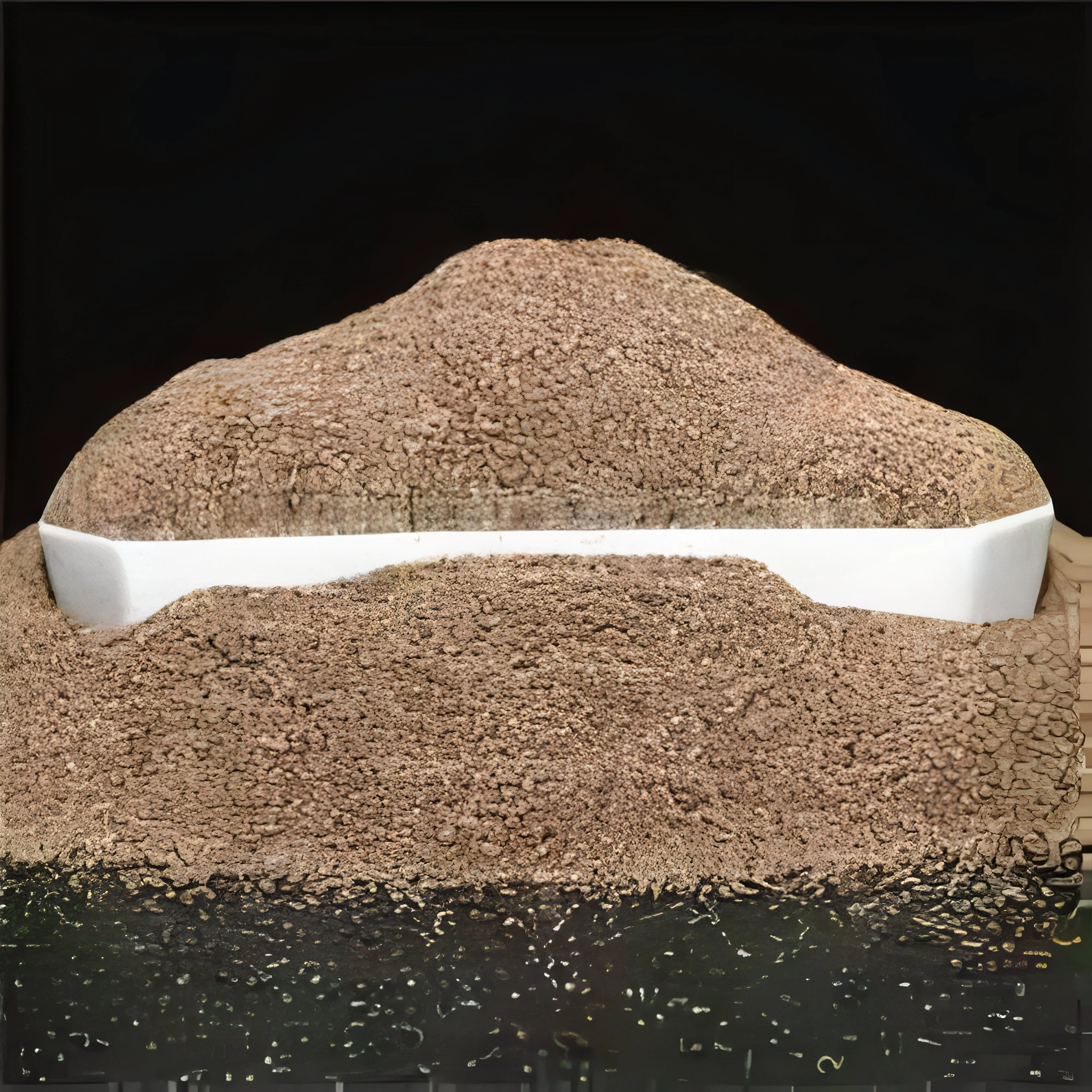
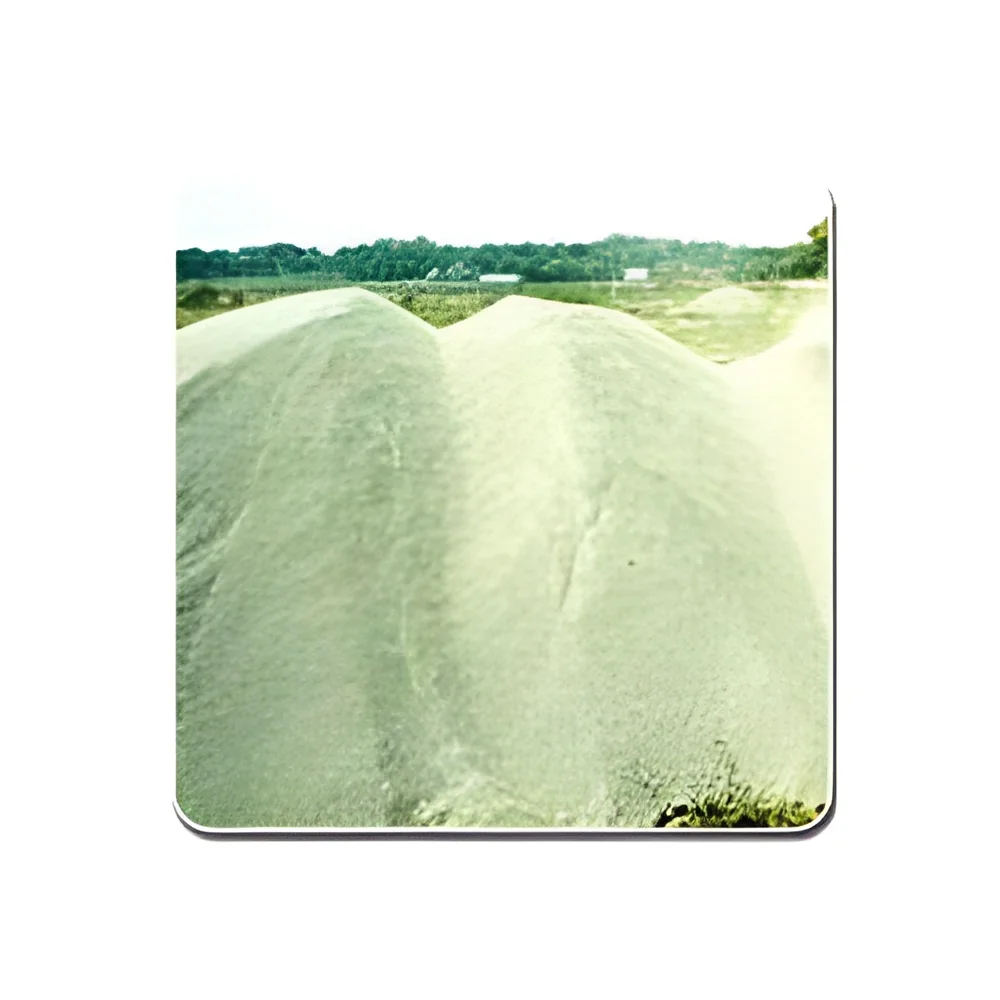
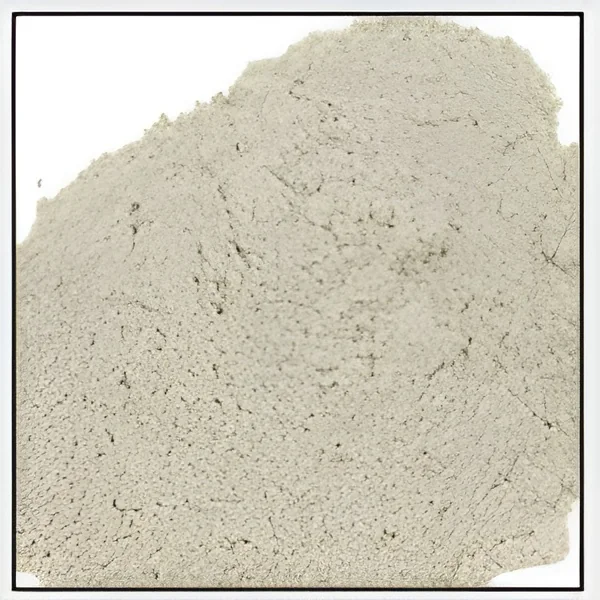
What are Bentonite?
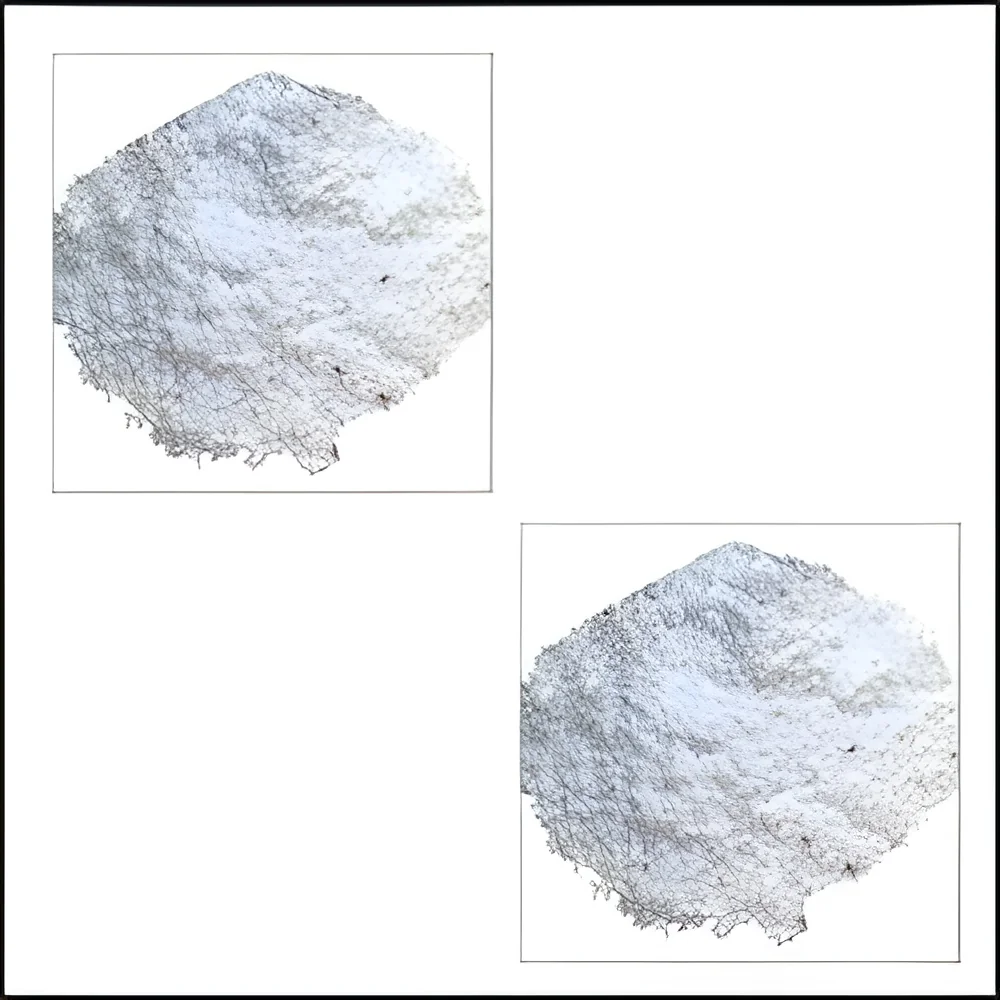
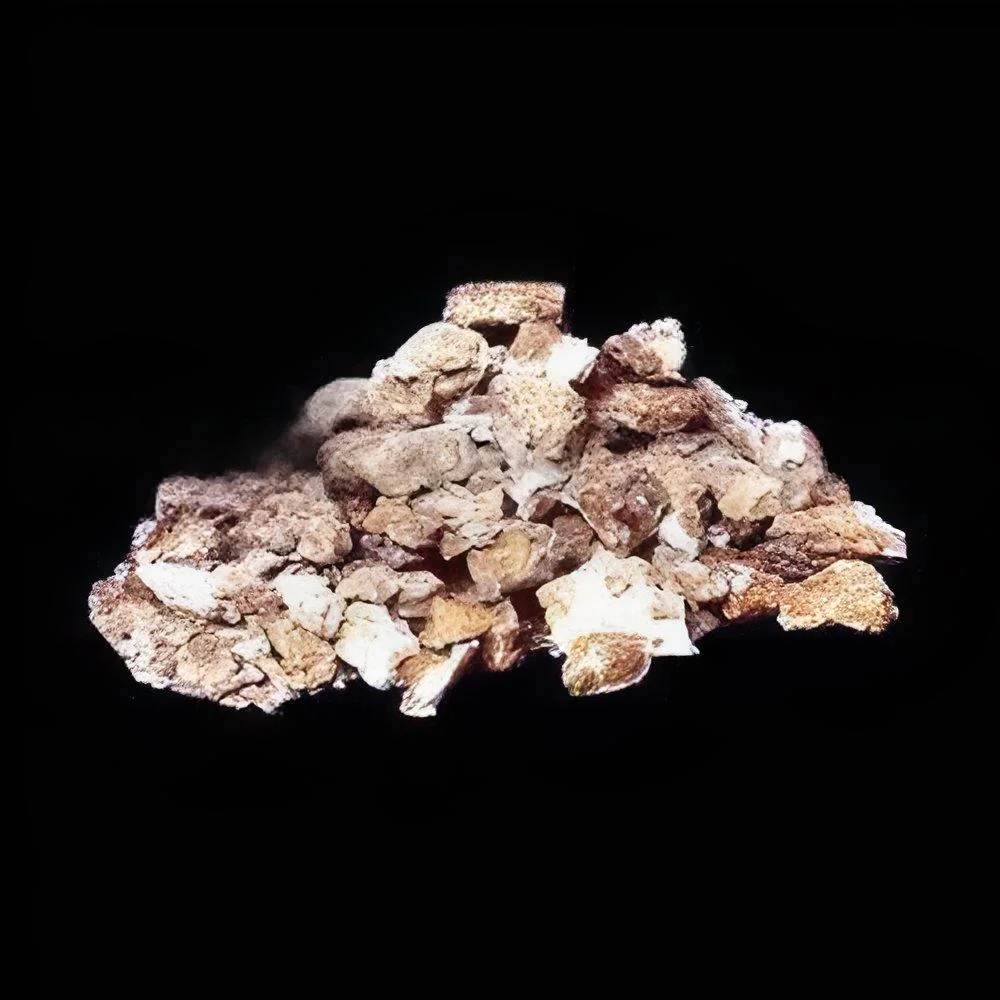
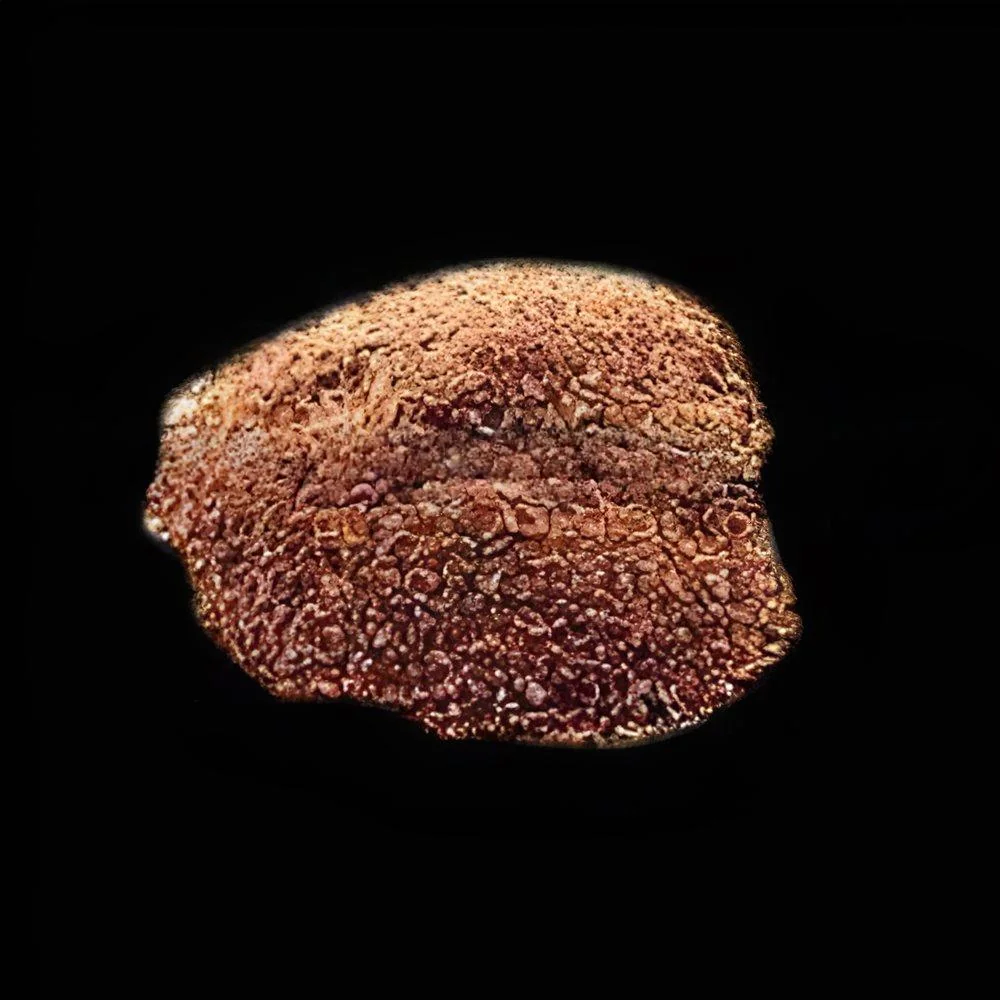
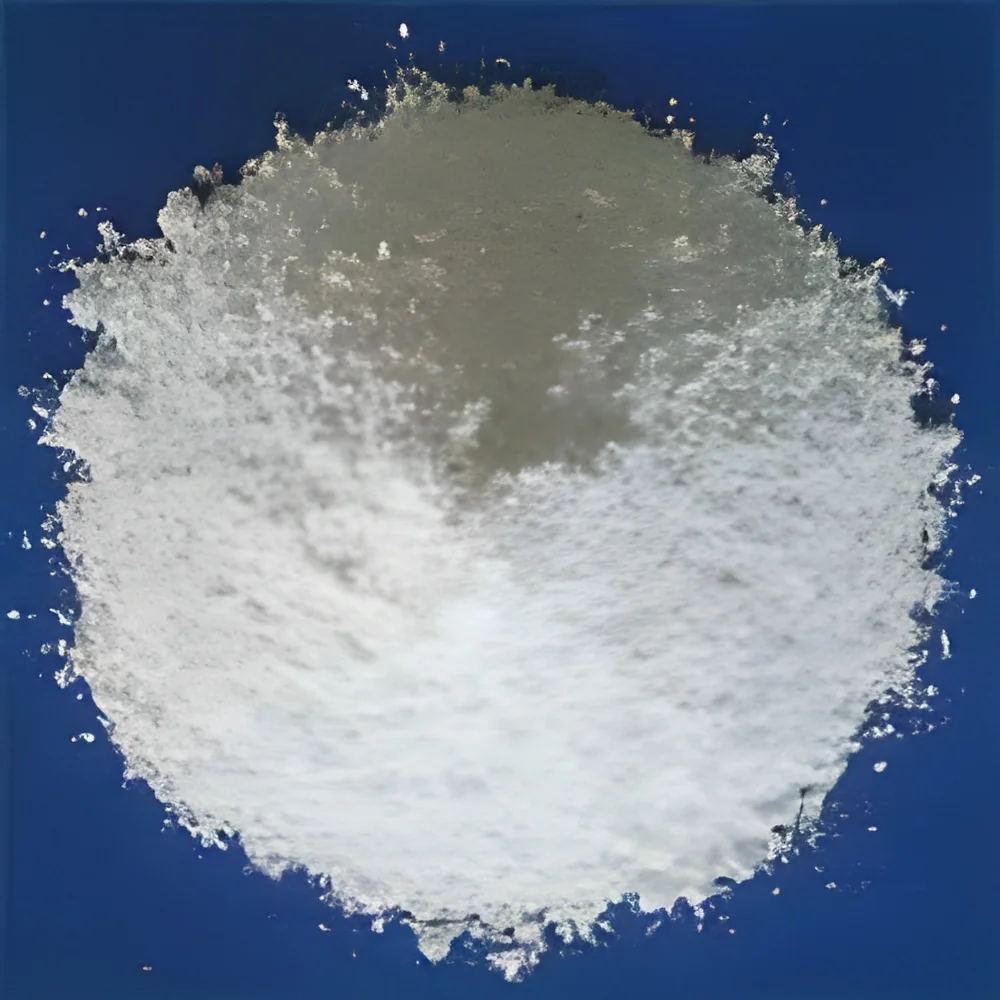
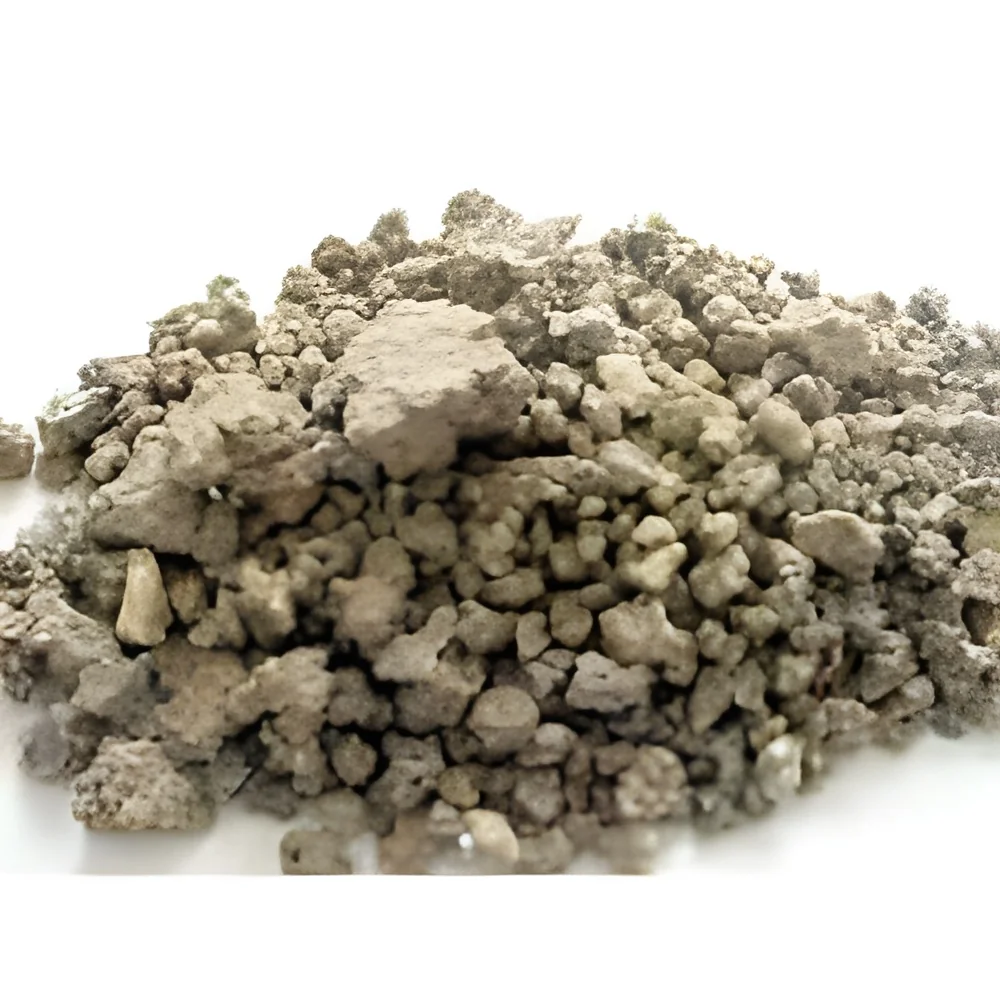
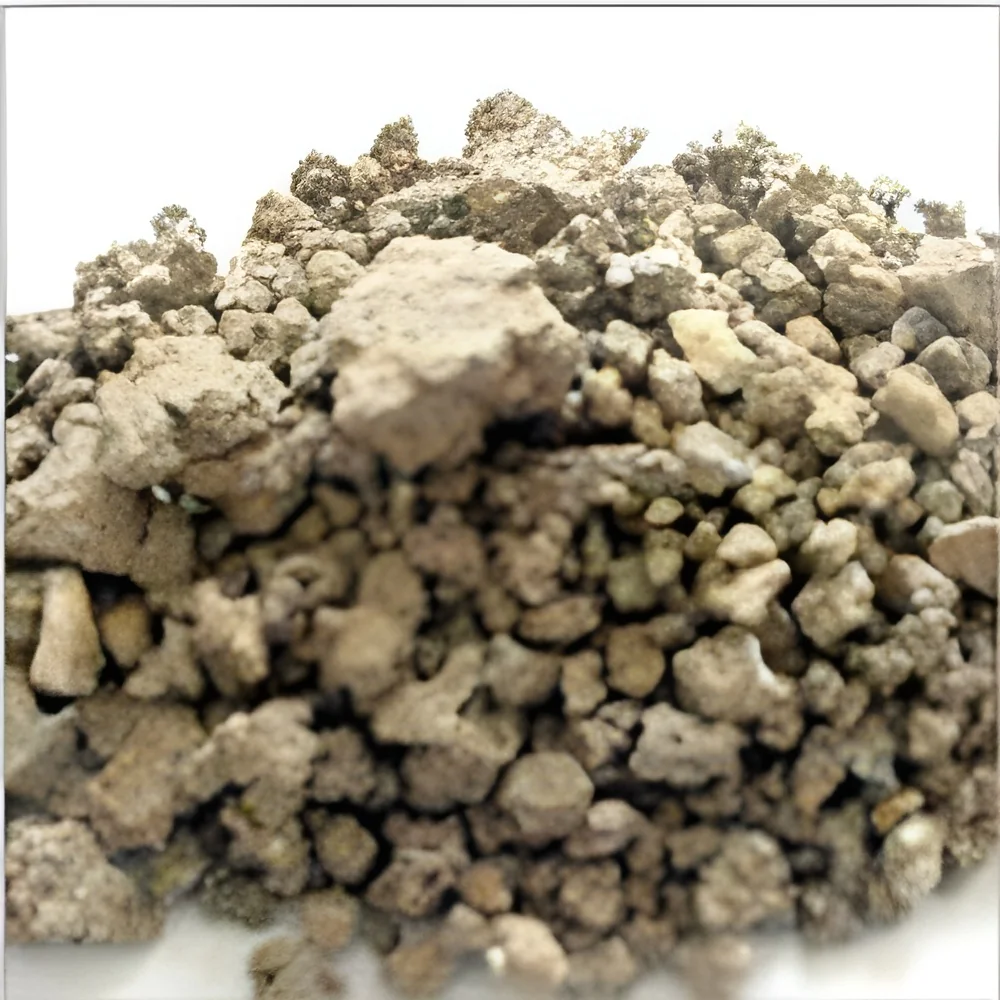
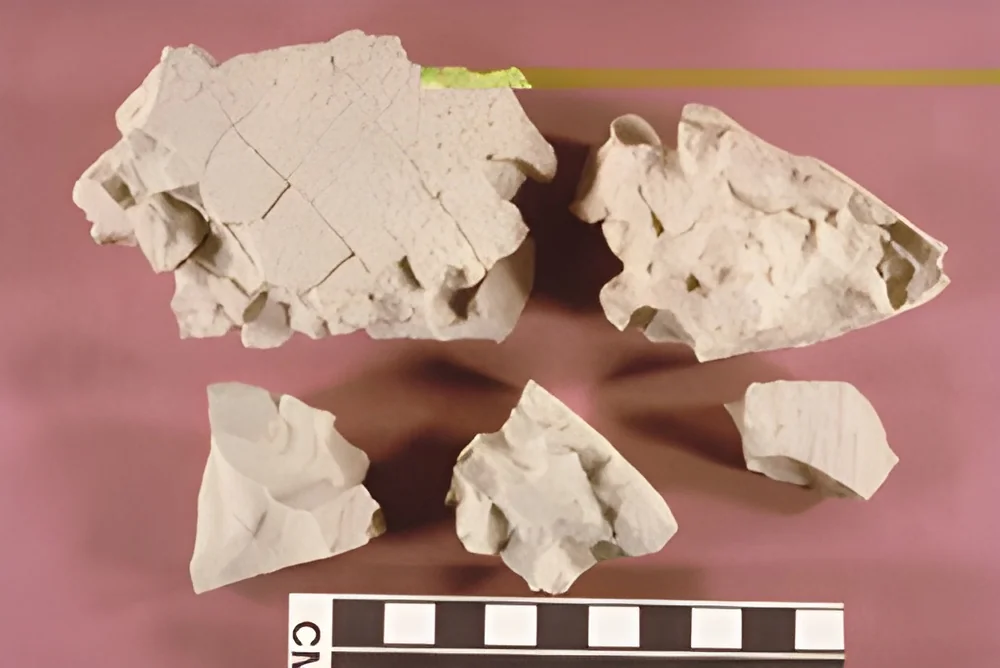
Bentonite is a type of clay that is composed primarily of montmorillonite, a mineral that possesses unique properties, including high plasticity and the ability to absorb water. This natural material is formed from volcanic ash and is characterized by its fine particle size and swelling capacity when mixed with water. Bentonite is known for its versatility and is widely used in various industries due to its unique chemical and physical properties.
In the business context, Bentonite serves numerous applications across sectors such as construction, drilling, agriculture, and environmental management. It is commonly utilized in drilling fluids for oil and gas extraction, as well as in the production of cement and ceramics. Additionally, Bentonite is used for soil stabilization, waste containment, and as a filler in various products. Its relevance in the market is significant, as the demand for Bentonite continues to grow due to expanding industrial applications and increased environmental awareness.
Key Features and Specifications
Bentonite is characterized by several key features that make it suitable for a wide range of applications. Understanding these specifications is essential for businesses looking to incorporate Bentonite into their processes.
Key specifications include:
1. Swelling Capacity
- High swelling ability when mixed with water
- Typically ranges from 5 to 15 times its dry volume
2. Plasticity
- Exhibits significant plasticity when wet
- Allows for easy molding and shaping in various applications
3. Viscosity
- Provides thickening and suspension properties in fluids
- Viscosity levels can vary depending on the formulation
4. pH Level
- Generally exhibits a neutral to slightly alkaline pH
- Important for compatibility with various formulations
5. Particle Size
- Fine particle size enhances dispersion
- Typically ranges from 2 to 40 microns
6. Adsorption Capacity
- High capacity for adsorbing liquids and gases
- Effective in applications requiring binding and sealing
7. Thermal Stability
- Maintains properties under elevated temperatures
- Suitable for applications involving heat exposure
In summary, Bentonite's unique features and specifications make it a valuable material for numerous industrial applications.
Common Applications and Use Cases
Bentonite serves various industries due to its versatile properties and capabilities.
1. Construction: Bentonite is commonly used in construction for soil stabilization, waterproofing, and as a component in drilling mud for foundation work.
2. Oil and Gas: In the oil and gas industry, Bentonite is utilized as a drilling fluid additive, providing lubrication and stability during drilling operations.
3. Agriculture: Bentonite acts as a soil conditioner, helping improve water retention and nutrient availability in agricultural applications.
4. Environmental Management: It is employed in landfill liners and capping systems to prevent soil and groundwater contamination.
5. Ceramics: Bentonite is used in the production of ceramic products due to its plasticity and binding properties.
6. Pharmaceuticals: It serves as an excipient in drug formulations, providing binding and thickening functions.
7. Food Processing: Bentonite is utilized in the food industry for clarification and as a fining agent in beverages.
Product Variants and Subcategories
Bentonite is a diverse product with variations tailored to specific needs and applications.
Sodium Bentonite
Sodium Bentonite is known for its high swelling capacity and viscosity. It is widely used in drilling fluids and as a sealant for landfills and ponds.
Calcium Bentonite
Calcium Bentonite has lower swelling properties compared to sodium Bentonite. It is often used in agriculture as a soil amendment and in the production of ceramics.
Bentonite Clay
Bentonite Clay is a refined form used in cosmetics and personal care products. It is valued for its absorbent and detoxifying properties.
Benefits and Advantages
Bentonite offers several key benefits that make it a preferred choice in various industries.
1. Versatility: Bentonite can be used in multiple applications, offering businesses flexibility in sourcing and use.
2. Environmental Benefits: Its natural properties make Bentonite an eco-friendly option for waste management and soil remediation.
3. Cost-Effectiveness: Bentonite is generally available at competitive prices, making it an economical choice for businesses.
4. Enhanced Performance: Its unique properties improve the performance of products in which it is incorporated, such as drilling fluids and construction materials.
5. Easy Availability: Bentonite is widely sourced from various suppliers, ensuring that businesses can obtain it as needed.
6. Customizable: Different grades and formulations of Bentonite can be tailored to meet specific business requirements and applications.
Buying Guide for B2B Buyers
When sourcing Bentonite, businesses should consider several critical factors to ensure they select the right product for their needs.
1. Quality Assessment: Assess the quality of Bentonite by checking for purity and specific properties relevant to your application. Testing samples may be beneficial.
2. Supplier Verification: Vet potential suppliers by reviewing their credentials, certifications, and customer feedback. A reliable supplier will have a proven track record.
3. Pricing and MOQ: Understand the pricing structure and minimum order quantities. Compare quotes from different suppliers to find the best deal.
4. Delivery and Lead Times: Confirm the supplier's delivery capabilities and lead times to ensure timely availability of the product.
5. Compliance Requirements: Verify that the Bentonite meets applicable regulatory and quality standards, such as CE certification and other industry-specific requirements.
Compliance and Certifications
Bentonite suppliers often adhere to relevant quality standards to ensure product safety and performance. Certifications such as ISO 9001 and CE are commonly recognized in the industry. Compliance with safety and testing requirements is crucial, as it guarantees that the material is suitable for its intended applications.
Additionally, businesses must consider regional compliance requirements that may vary depending on the location of use. Understanding these factors is essential for ensuring that Bentonite meets all necessary regulatory standards for your specific industry.
Why Source Bentonite from Pepagora?
Pepagora provides a trusted platform for sourcing Bentonite with several key advantages that benefit B2B buyers.
Verified Supplier Network: Pepagora connects businesses with verified suppliers who have been thoroughly vetted for quality and reliability. This ensures that buyers receive high-quality products.
Streamlined RFQ Process: The request for quotation system allows businesses to easily compare prices and specifications from multiple suppliers, simplifying the sourcing process.
Trade Assurance and Support: Pepagora offers buyer protection and support, ensuring that transactions are secure and that customers receive the products they need.
Regional Coverage: With a broad geographic reach that includes India, the GCC, and Southeast Asia, Pepagora can meet the sourcing needs of businesses across various regions efficiently.

 IN
IN