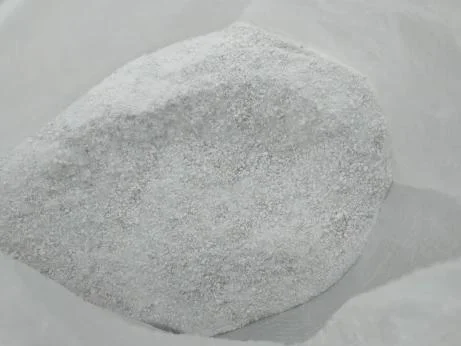
What are Perlite?
Perlite is a naturally occurring volcanic glass that is expanded through a heating process. When heated, perlite expands to many times its original volume, creating a lightweight and porous material. This unique structure allows it to retain moisture while providing aeration, making it a valuable resource in a variety of applications.
Perlite is predominantly used in horticulture, construction, and industrial applications. In horticulture, it serves as a soil amendment that improves drainage and aeration, thus promoting healthy plant growth. In construction, perlite is utilized as an insulation material due to its fire-resistant properties. Additionally, it is used in various industrial processes, including filtration and as a lightweight aggregate in concrete.
The perlite market has grown significantly in recent years, driven by increasing demand across various industries. Its versatility and eco-friendly nature make it an attractive choice for businesses looking to enhance product performance and reduce environmental impact. As industries continue to evolve, perlite's relevance in applications such as agriculture and construction remains strong.
Key Features and Specifications
Perlite is recognized for its lightweight, insulating, and non-toxic properties, making it suitable for numerous applications. It is chemically inert, which means it will not react with other substances, ensuring safety in various uses. Additionally, perlite is fire-resistant and does not emit harmful fumes, making it an environmentally friendly choice.
Key specifications include:
1. Lightweight Composition
- Low density, typically ranging from 100 to 200 kg/m3
- Ideal for reducing overall weight in construction materials
2. Moisture Retention
- Capable of holding water up to 4 times its weight
- Supports plant growth in horticultural applications
3. Insulation Properties
- Thermal conductivity of approximately 0.035 to 0.045 W/mK
- Effective in reducing energy costs in building projects
4. pH Neutrality
- pH level between 6.5 and 7.5
- Safe for use in various agricultural settings without altering soil chemistry
5. Non-Toxic Nature
- Free from harmful chemicals or additives
- Suitable for food-grade applications, such as filtration
6. Fire Resistance
- Melting point exceeding 1,000 degrees Celsius
- Ideal for use in fireproof construction materials
7. Versatility
- Applicable in multiple industries such as horticulture, construction, and filtration
- Can be easily blended with other materials for customized applications
8. Cost-Effectiveness
- Competitive pricing compared to alternative materials
- Reduces overall project costs due to its lightweight nature
In summary, perlite’s unique features and specifications make it a highly sought-after material across various industries, providing numerous benefits for both manufacturers and end-users.
Common Applications and Use Cases
Perlite serves various industries with its unique properties and versatility.
1. Horticulture: Perlite is widely used as a soil amendment to improve aeration and drainage. It helps retain moisture while preventing soil compaction, making it an excellent choice for potting mixes and greenhouse operations.
2. Construction: In the construction industry, perlite is utilized as lightweight aggregate in concrete, enhancing insulation and fire resistance. It is also used in plaster and as a fill material.
3. Filtration: Perlite is employed in water and air filtration systems due to its porous nature. It effectively removes impurities without altering the properties of the filtered substances.
4. Agriculture: Farmers use perlite in hydroponic systems and as a growing medium to boost crop yields. Its moisture-retaining capabilities help ensure optimal growth conditions.
5. Industrial Applications: Perlite is used in the production of lightweight insulating materials and as a filler in various industrial products, enhancing performance and reducing weight.
6. Packaging: Due to its lightweight and cushioning properties, perlite is used in packing materials to protect fragile items during transport.
7. Fireproofing: Perlite is incorporated into fireproof materials for buildings and equipment, providing enhanced safety and compliance with fire regulations.
Product Variants and Subcategories
Perlite is available in various forms to cater to different needs and applications.
Expanded Perlite: This is the most common form of perlite, created by heating raw perlite ore. It is lightweight, porous, and primarily used in horticulture and construction.
Perlite Aggregate: This variant is used in concrete and masonry applications to reduce weight while maintaining structural integrity. It provides excellent insulation and fire-resistant properties.
Perlite Filter Aid: Designed specifically for filtration processes, this variant offers high porosity and surface area, making it effective in removing impurities from liquids.
Perlite Insulation Board: This product is used in construction as a thermal insulation material. It is lightweight, non-combustible, and suitable for various building applications.
Benefits and Advantages
Perlite offers numerous advantages that make it a preferred choice in various industries.
1. Lightweight: Its low density reduces transportation costs and makes it easier to handle, saving time and labor.
2. Enhanced Aeration: In horticulture, perlite improves soil aeration, which promotes healthy root development and overall plant growth.
3. Moisture Management: Perlite retains moisture efficiently, ensuring plants receive adequate hydration without waterlogging.
4. Non-Toxic and Safe: Its chemically inert nature means it poses no risk to health or the environment, making it suitable for food and agricultural applications.
5. Fire Resistance: Perlite's high melting point provides safety in construction and insulation applications, reducing fire hazards.
6. Versatile Applications: With its broad range of uses, perlite can be adapted for various industries, making it a highly valuable material.
Buying Guide for B2B Buyers
When sourcing perlite, it is crucial to consider several factors to ensure quality and reliability.
1. Quality Assessment: Look for perlite that meets industry standards for purity and performance. Review technical data sheets and certifications to confirm quality.
2. Supplier Verification: Vet suppliers by checking their reputation, customer reviews, and compliance with industry regulations. A reliable supplier is essential for consistent quality.
3. Pricing and MOQ: Understand the pricing structure and minimum order quantities (MOQ) to gauge cost-effectiveness. Compare offers from multiple suppliers to find the best deal.
4. Delivery and Lead Times: Assess logistics capabilities, including delivery schedules and lead times. Ensure the supplier can meet your project timelines.
5. Compliance Requirements: Familiarize yourself with any regulatory requirements that apply to perlite in your region. This may include safety standards and environmental regulations.
Compliance and Certifications
Perlite must adhere to several quality standards and certifications to ensure its suitability for various applications.
ISO 9001 is a key quality management standard that ensures consistent quality in production processes. Companies producing perlite should comply with this standard to demonstrate their commitment to quality.
HACCP (Hazard Analysis Critical Control Point) is essential for perlite used in food-related applications. Compliance with HACCP guidelines ensures that the product is safe for use in food processing and handling.
CE certification is relevant for perlite products marketed in the European Union. This certification indicates that the product meets EU safety, health, and environmental protection standards.
Safety and testing requirements are crucial, especially for perlite used in construction and insulation. Regular testing ensures that the product meets fire resistance and insulation performance standards.
Regional compliance considerations may vary, so it's important to understand local regulations regarding the use of perlite in specific applications. Ensure that the supplier provides documentation of compliance with applicable laws.
Why Source Perlite from Pepagora?
Pepagora provides a trusted platform for sourcing perlite with several key advantages.
Verified Supplier Network: Pepagora connects buyers with a network of verified suppliers. Each supplier undergoes rigorous vetting to ensure reliability and quality.
Streamlined RFQ Process: The platform offers a straightforward request for quotation (RFQ) process. Buyers can easily submit their requirements and receive competitive quotes from multiple suppliers.
Trade Assurance and Support: Pepagora prioritizes buyer protection, offering trade assurance to safeguard transactions. Customers can rely on support for any issues that may arise during the sourcing process.
Regional Coverage: With a strong presence in India, the Gulf Cooperation Council (GCC), and Southeast Asia, Pepagora ensures that buyers can access perlite suppliers across these regions, facilitating smooth transactions and logistics.
In summary, Pepagora enhances the sourcing experience for businesses seeking perlite, providing a reliable and efficient platform to meet diverse needs.

 IN
IN