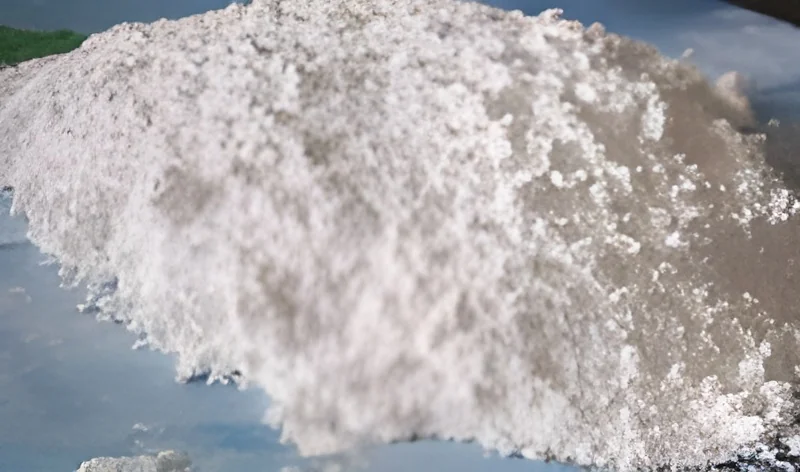
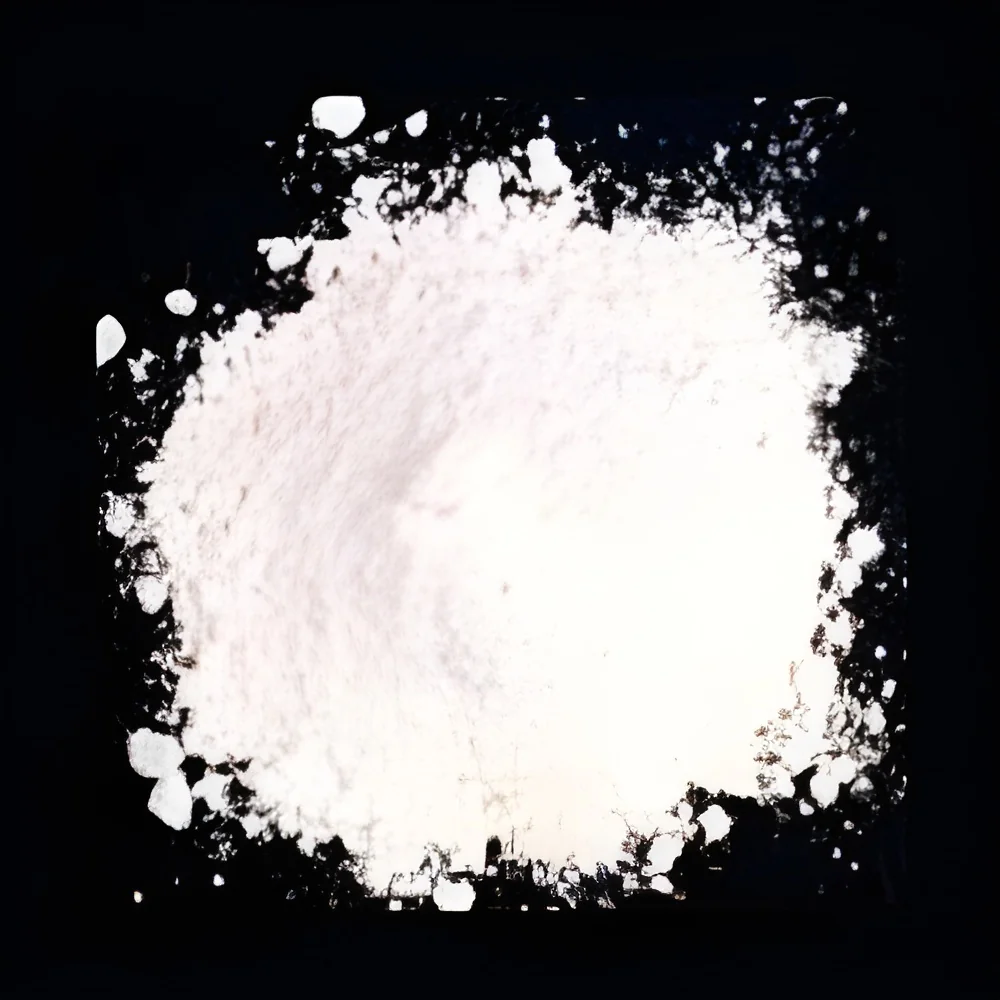
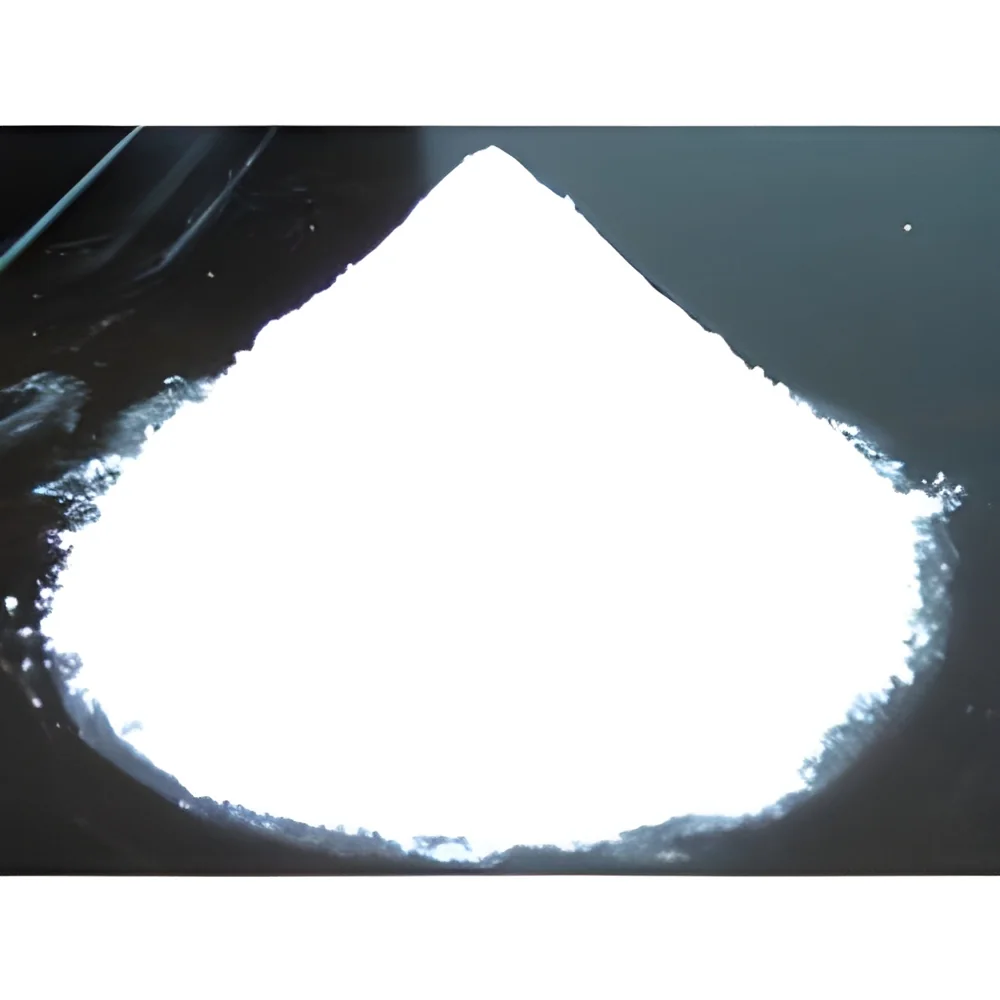
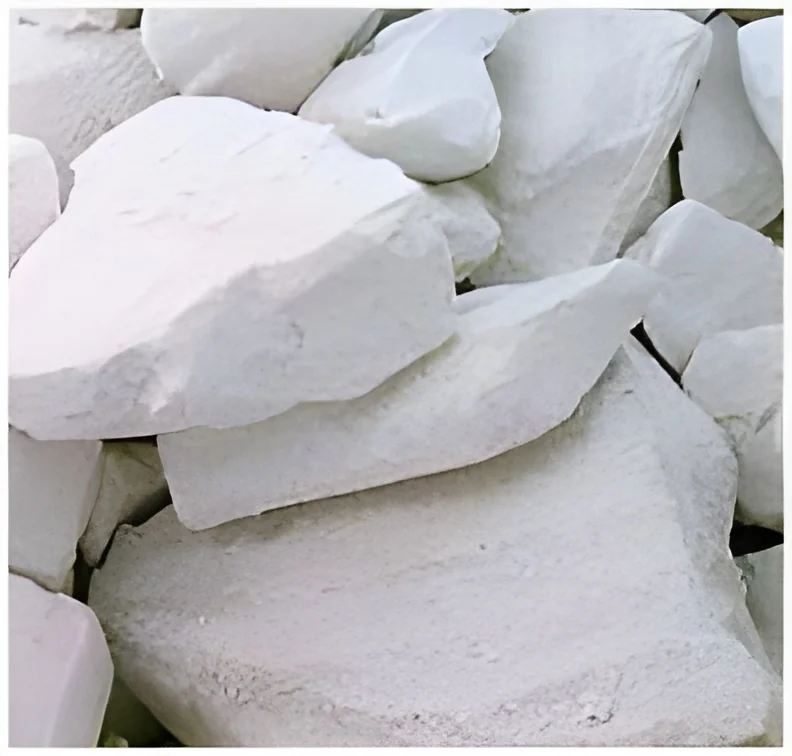
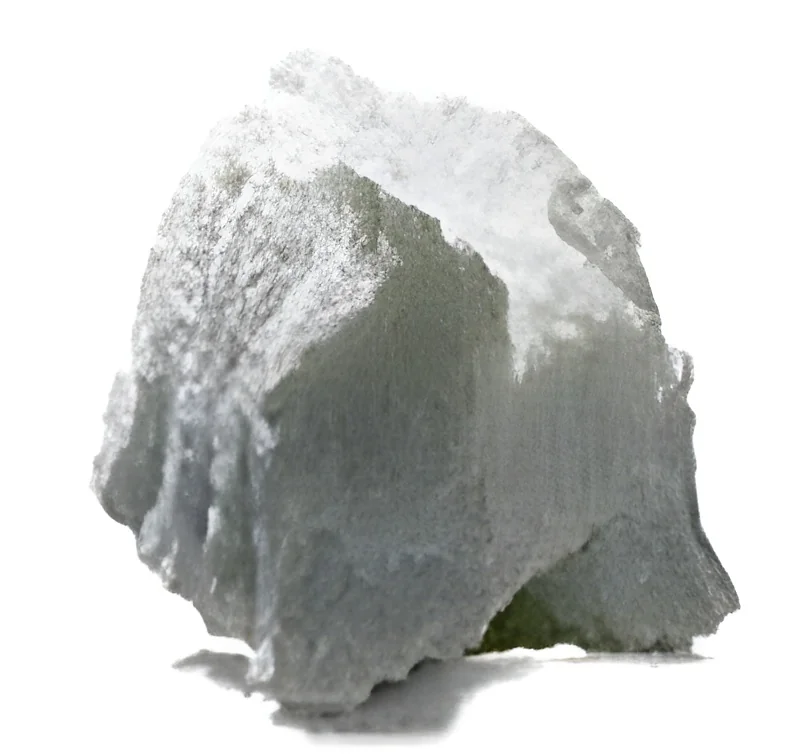
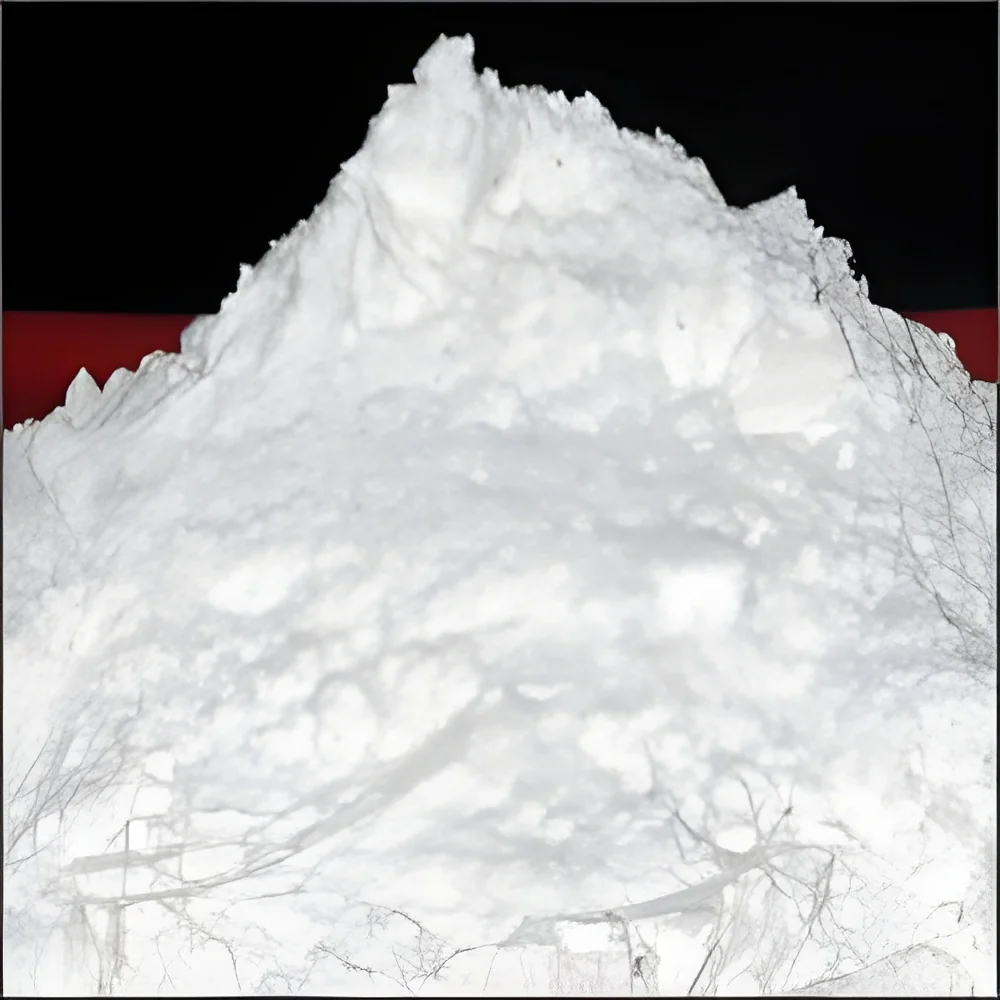
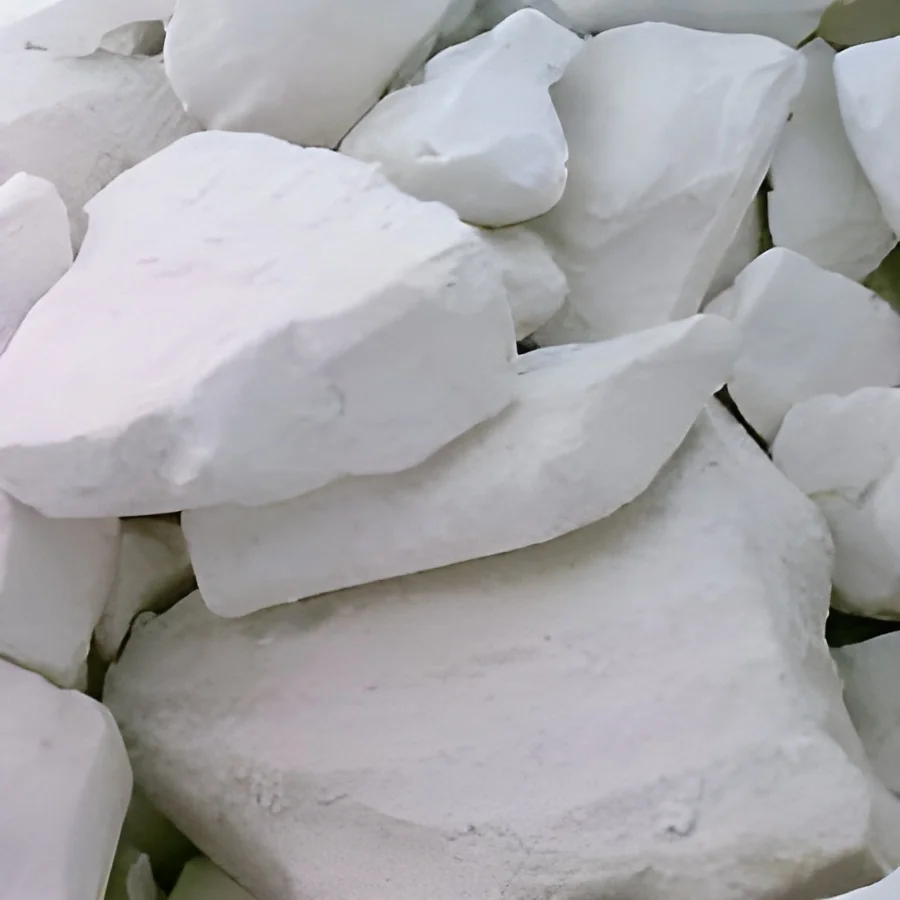
What are Kaolin / China Clay?
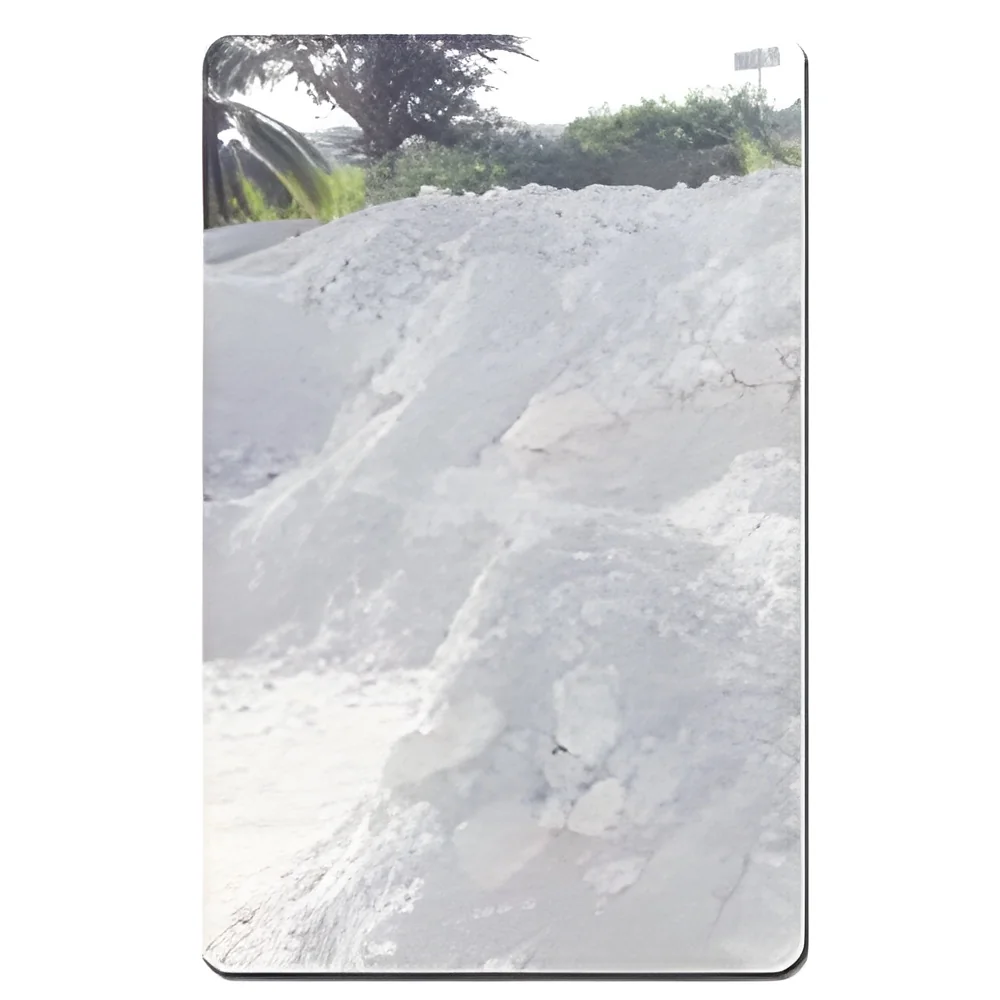
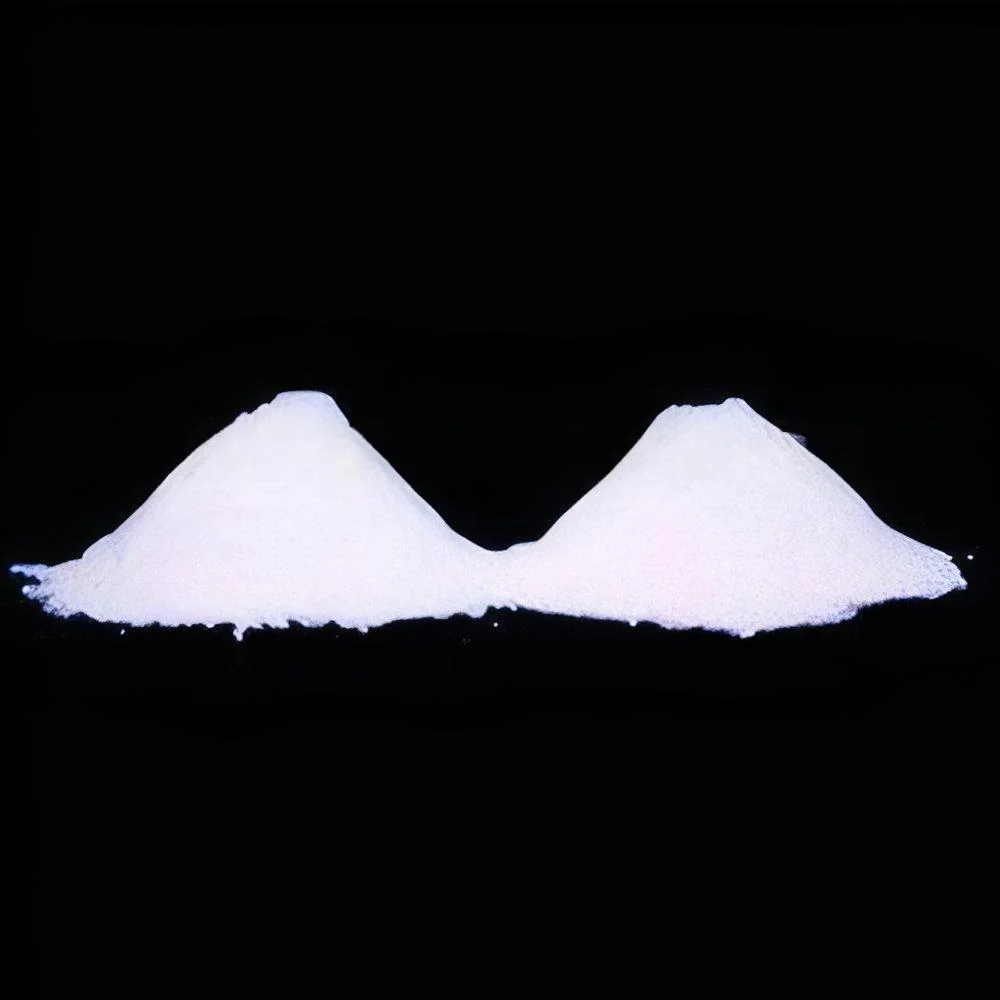
Kaolin, commonly known as China Clay, is a naturally occurring clay mineral composed primarily of kaolinite. This fine, white clay is formed through the weathering of aluminum silicate minerals and is renowned for its high purity and fine particle size. Kaolin is characterized by its low shrink-swell capacity and high plasticity, making it an essential component in various industrial applications.
The primary uses of kaolin include ceramics, paper production, rubber manufacturing, and as a filler in plastics and paints. In the ceramics industry, it serves as a key ingredient for porcelain and stoneware. In paper manufacturing, kaolin enhances brightness and opacity. Its versatility extends to cosmetics, pharmaceuticals, and even food products, where it acts as a stabilizer or thickening agent. As industries evolve, the demand for kaolin remains significant due to its unique properties and wide range of applications.
The market for kaolin is influenced by various factors, including technological advancements and shifts in manufacturing processes. The growing emphasis on sustainability and eco-friendly materials has prompted industries to seek kaolin for its natural origins and non-toxic characteristics. As a result, kaolin continues to hold a vital position in the global industrial landscape.
Key Features and Specifications
Kaolin is appreciated across industries for its unique characteristics and performance specifications. Understanding these features helps businesses select the right grade for their specific applications.
Key specifications include:
1. Particle Size
- Kaolin typically has a fine particle size ranging from 1 to 2 microns.
- This fine size contributes to its smooth texture and high opacity.
2. Brightness
- Brightness levels generally exceed 90% in high-quality kaolin.
- High brightness is crucial for applications in paper and ceramics.
3. Plasticity
- Kaolin exhibits good plasticity, which allows it to be easily molded.
- This feature is essential in the ceramics industry for shaping products.
4. Chemical Composition
- The primary component is kaolinite, along with silica and alumina.
- This composition ensures stability and strength in various applications.
5. pH Level
- Kaolin typically has a neutral pH of around 6 to 7.
- Neutral pH is important for compatibility with other materials.
6. Absorption Capacity
- Kaolin has high absorption properties for oils and liquids.
- This makes it useful in applications such as cosmetics and pharmaceuticals.
7. Thermal Stability
- Kaolin maintains stability at high temperatures, making it suitable for ceramics.
- Its thermal properties enhance the performance of refractory materials.
In summary, kaolin's unique features and specifications cater to a diverse range of industrial needs, making it a valuable resource in many sectors.
Common Applications and Use Cases
Kaolin serves a multitude of industries due to its versatile properties and effectiveness in various applications.
1. Ceramics: Kaolin is a primary ingredient in porcelain and stoneware production. Its plasticity and smooth texture contribute to the quality of ceramics.
2. Paper: In the paper industry, kaolin is used as a filler and coating agent. It enhances the brightness and opacity of paper products.
3. Rubber: Kaolin acts as a reinforcing filler in rubber manufacturing, improving the durability and performance of rubber products.
4. Paints and Coatings: The fine particle size of kaolin makes it an ideal pigment and filler in paints, contributing to improved consistency and finish.
5. Plastics: In the plastics industry, kaolin is used as a filler, enhancing the strength and thermal stability of plastic products.
6. Cosmetics: Kaolin is widely used in cosmetics for its absorbent properties, serving as a key ingredient in facial masks and powders.
7. Pharmaceuticals: In the pharmaceutical sector, kaolin is utilized as an excipient, aiding in the formulation of various medications.
Product Variants and Subcategories
Kaolin is available in various forms, catering to specific industrial needs and applications.
Standard Grade Kaolin
This variant is characterized by high brightness and fine particle size, making it suitable for applications in paper and ceramics. It offers excellent plasticity and is widely used in the production of high-quality porcelain.
Calcined Kaolin
Calcined kaolin is produced by heating kaolin to high temperatures, resulting in improved brightness and lower moisture content. It is commonly used in paints, coatings, and plastics due to its enhanced properties.
Hydrous Kaolin
This form of kaolin is produced through wet processing and maintains higher moisture levels. Hydrous kaolin is primarily utilized in ceramics and paper, offering excellent workability.
Benefits and Advantages
Kaolin offers numerous benefits that make it an attractive choice for various industries.
Key benefits include:
1. Versatility: Kaolin can be used across multiple industries, including ceramics, paper, and cosmetics, making it a versatile material.
2. Non-Toxic: Being a natural mineral, kaolin is non-toxic and safe for use in food, cosmetics, and pharmaceuticals.
3. Cost-Effective: Kaolin is often more affordable compared to synthetic alternatives, providing a cost-effective solution for manufacturers.
4. Enhances Product Quality: The unique properties of kaolin improve the performance and quality of final products in various applications.
5. Sustainable Resource: Kaolin is sourced from natural deposits, making it an eco-friendly choice in an era of increasing sustainability concerns.
6. Excellent Processing Properties: Kaolin's plasticity and workability facilitate easy processing, allowing for efficient production in manufacturing.
Buying Guide for B2B Buyers
When sourcing Kaolin / China Clay, several key factors should be considered to ensure the best choice for your business needs.
1. Quality Assessment: Evaluate the quality of kaolin based on brightness, particle size, and plasticity. Request samples to verify performance in your applications.
2. Supplier Verification: Conduct thorough research on potential suppliers. Check for reviews, certifications, and their reliability in fulfilling orders.
3. Pricing and MOQ: Understand the pricing structure and minimum order quantities. Compare quotes from multiple suppliers to find the best value.
4. Delivery and Lead Times: Discuss delivery timelines and logistics with suppliers to ensure they align with your production schedules.
5. Compliance Requirements: Ensure that the kaolin meets industry-specific compliance standards and regulatory requirements for your particular application.
Compliance and Certifications
Kaolin is subject to various quality standards and certifications that ensure its safety and effectiveness across industries.
Relevant quality standards include ISO 9001, which focuses on maintaining quality management systems. This certification assures buyers of consistent quality and reliability in production processes.
Additionally, CE certification is crucial for ensuring that kaolin products meet European safety, health, and environmental protection standards. This certification is particularly important for suppliers aiming to enter the European market.
Safety and testing requirements are also critical. Kaolin must undergo rigorous testing to confirm its purity and absence of harmful contaminants, especially for applications in cosmetics and pharmaceuticals.
Regional compliance considerations may vary, so it is essential for buyers to be aware of local regulations governing the use of kaolin in their specific markets.
Why Source Kaolin / China Clay from Pepagora?
Pepagora provides a trusted platform for sourcing Kaolin / China Clay with several key advantages.
Verified Supplier Network: Pepagora ensures that all suppliers in its network are rigorously vetted for quality and reliability. This verification process helps buyers find reputable sources of kaolin.
Streamlined RFQ Process: The Request for Quotation (RFQ) system on Pepagora simplifies the procurement process, allowing buyers to easily compare prices and specifications from multiple suppliers.
Trade Assurance and Support: Buyers can benefit from trade assurance policies that protect their investments. Pepagora offers support throughout the purchasing process, ensuring a smooth transaction.
Regional Coverage: With a strong presence in India, the GCC, and Southeast Asia, Pepagora facilitates access to kaolin suppliers across multiple regions, enhancing sourcing opportunities for businesses in diverse markets.

 IN
IN