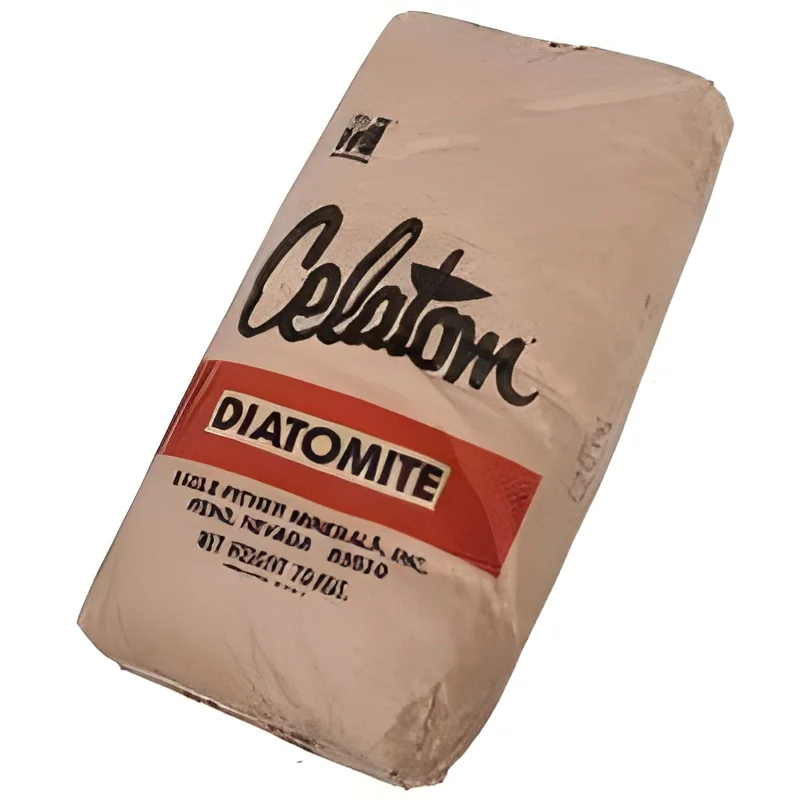
What are Minerals for Filtration?
Minerals for filtration refer to naturally occurring substances that are utilized in various filtration processes to purify liquids and gases. These minerals play a critical role in removing impurities, contaminants, and unwanted materials from different mediums. The composition of these minerals can vary, but they are typically chosen for their physical and chemical properties that enhance filtration efficiency.
The primary uses of minerals for filtration span a wide range of industries, including water treatment, food and beverage processing, and air filtration systems. In water treatment, minerals like sand, gravel, and activated carbon are employed to filter out sediments and harmful chemicals. In the food industry, minerals ensure that products meet safety and quality standards by removing impurities before bottling or packaging. The relevance of these minerals is underscored by the growing demand for clean water and safe food products, making them essential in today's market.
Key Features and Specifications
Minerals for filtration come with a variety of features that enhance their functionality. Key specifications include:
1. Particle Size Distribution
- Determines the filter's effectiveness in capturing different sizes of particles
- Typically ranges from fine to coarse granules
2. Chemical Composition
- Influences the reaction with contaminants
- Varies widely among different minerals, affecting performance
3. Moisture Content
- Affects the mineral's stability and effectiveness
- Usually kept below a certain percentage for optimal performance
4. Bulk Density
- Impacts the flow rate and filter longevity
- Measured in grams per cubic centimeter
5. pH Level
- Important for certain applications, especially in water treatment
- Should be suitable for the specific filtration process
6. Hardness
- Relates to durability and wear resistance
- Measured on the Mohs scale
7. Specific Gravity
- Affects separation efficiency in filtration systems
- Varies between different mineral types
8. Filtration Rate
- Indicates how quickly a mineral can process a given volume of liquid
- Important for operational efficiency in filtration systems
In summary, understanding these specifications helps businesses select the right minerals tailored to their filtration needs.
Common Applications and Use Cases
Minerals for filtration are utilized across various industries, each benefiting from their unique properties.
1. Water Treatment: In municipal and industrial water treatment facilities, minerals like activated carbon and sand are used to remove pollutants and improve water quality.
2. Food and Beverage: In this sector, minerals filter out impurities in liquids, ensuring products meet safety and quality standards before reaching consumers.
3. Chemical Processing: Minerals are employed to purify chemicals, ensuring that the final products are free from contaminants.
4. Pharmaceutical: In the production of medicines, filtration minerals ensure that the substances are pure and safe for consumption.
5. Oil and Gas: Minerals are used in the extraction process to filter out unwanted materials from crude oil.
6. Air Filtration: In HVAC systems, minerals trap dust and other particles, improving air quality in commercial and residential spaces.
7. Mining: Minerals help in the separation and purification of valuable ores during the extraction process.
Product Variants and Subcategories
Minerals for filtration come in various forms, catering to specific applications and industry needs.
Granular Activated Carbon
This variant is known for its high adsorption capacity, making it ideal for water treatment and air purification. It effectively removes organic compounds and chlorine.
Silica Sand
Commonly used in water filtration, silica sand is effective in removing suspended solids and improving water clarity. It is durable and cost-effective for large-scale applications.
Zeolite
Zeolite minerals are used for their ion-exchange properties, making them suitable for water softening and nutrient removal in wastewater treatment.
Clay
Clay minerals are often used in the filtration of liquids in the food industry, providing a natural option for clarifying beverages.
Benefits and Advantages
Sourcing minerals for filtration brings several advantages to businesses.
1. Enhanced Purity: Utilizing minerals ensures that liquids and gases are filtered to meet high purity standards, essential for safety and compliance.
2. Cost-Effectiveness: Many filtration minerals are abundant and cost-efficient, making them an economical choice for large-scale applications.
3. Versatility: Minerals can be used across multiple industries, providing flexibility in sourcing and application.
4. Improved Efficiency: High-quality filtration minerals enhance the overall efficiency of filtration systems, leading to better operational performance.
5. Compliance with Standards: Using certified minerals helps businesses meet regulatory requirements, reducing the risk of penalties.
6. Easy Availability: Filtration minerals are widely available from various suppliers, facilitating smooth procurement processes.
Buying Guide for B2B Buyers
When sourcing minerals for filtration, it is important to consider various factors to ensure optimal selection and procurement.
1. Quality Assessment: Prioritize suppliers who provide detailed quality specifications, including test reports and certifications to verify the mineral's effectiveness.
2. Supplier Verification: Conduct thorough background checks on suppliers to ensure they have a reputable track record in the industry, including their compliance with safety and quality standards.
3. Pricing and MOQ: Understand the pricing structures and minimum order quantities (MOQ) of suppliers to align purchasing decisions with budget constraints.
4. Delivery and Lead Times: Assess the logistics capabilities of suppliers, including their ability to meet delivery schedules and lead times for orders.
5. Compliance Requirements: Ensure that the minerals sourced meet all relevant regulatory requirements, including safety and environmental standards.
Compliance and Certifications
Compliance and certifications are critical aspects of sourcing minerals for filtration. Adhering to relevant quality standards such as ISO 9001 ensures that suppliers maintain a consistent level of quality in their products. Additionally, certifications like CE indicate compliance with European safety and performance standards, which is crucial for businesses operating in or exporting to regulated markets.
Safety and testing requirements should also be a priority during the sourcing process. Minerals must meet specific safety guidelines to ensure they do not introduce harmful substances into the filtered products. Regional compliance considerations vary by location, so it is essential to understand the specific regulations that apply to the regions where the minerals will be used.
Why Source Minerals for Filtration from Pepagora?
Pepagora provides a trusted platform for sourcing minerals for filtration, offering several key advantages for B2B buyers.
Verified Supplier Network: Pepagora has established a robust network of verified suppliers, ensuring that businesses can source high-quality minerals from reputable sources. This verification process helps mitigate risks associated with procurement.
Streamlined RFQ Process: The platform features a streamlined Request for Quotation (RFQ) process, enabling buyers to easily compare offers from multiple suppliers. This efficiency helps businesses make informed purchasing decisions.
Trade Assurance and Support: Pepagora offers trade assurance and buyer support to protect transactions, providing peace of mind during the purchasing process. This added layer of security fosters trust between buyers and suppliers.
Regional Coverage: With a strong presence in India, the GCC, and Southeast Asia, Pepagora facilitates access to a wide range of minerals for filtration across diverse geographical markets. This regional reach ensures that buyers can find suitable products tailored to their specific needs.
In conclusion, sourcing minerals for filtration through Pepagora not only simplifies the procurement process but also enhances the reliability and quality of the materials obtained.

 IN
IN