What are Foundry Grade Minerals?
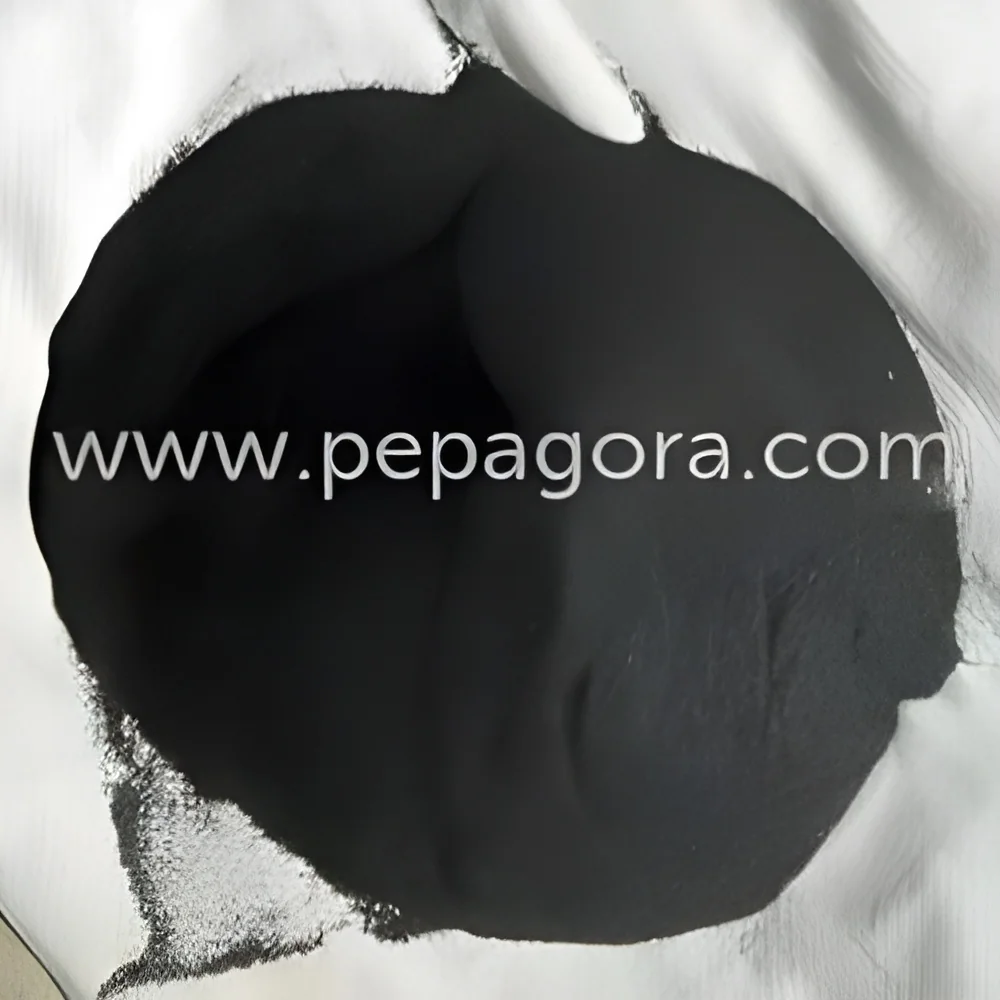
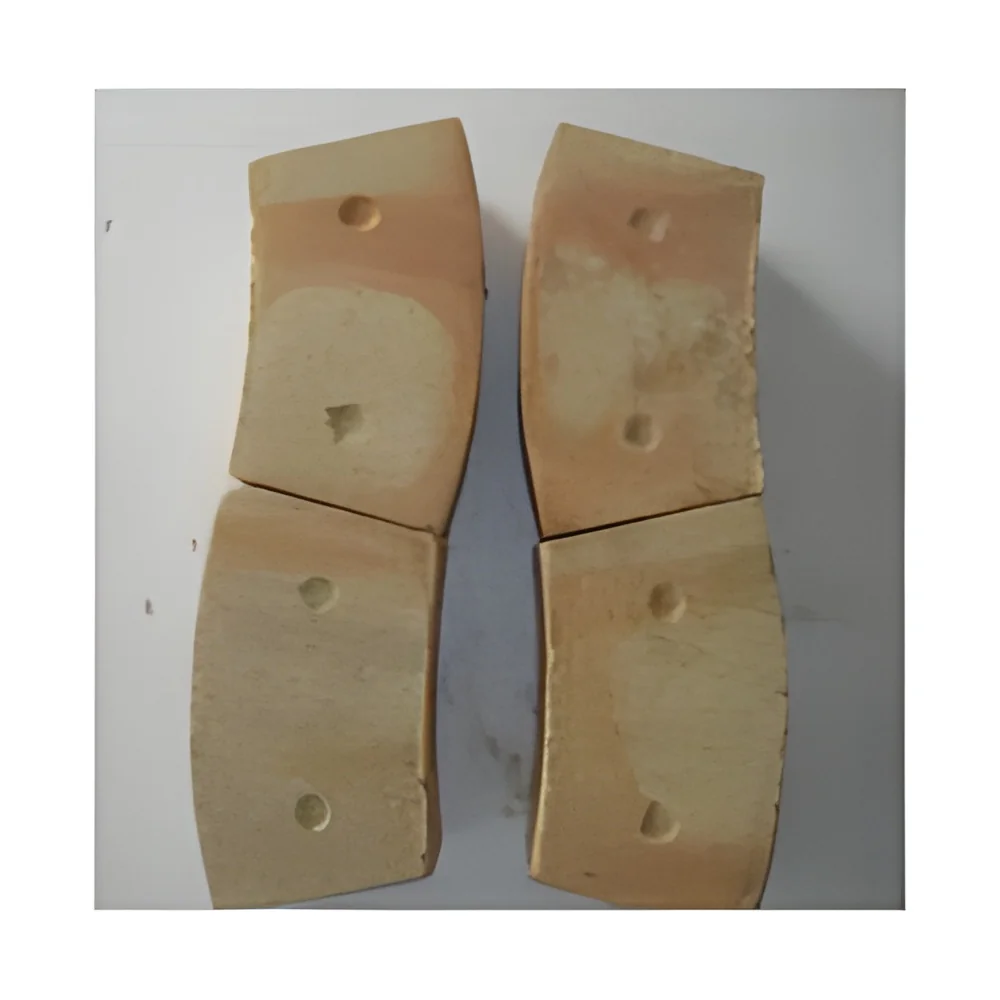
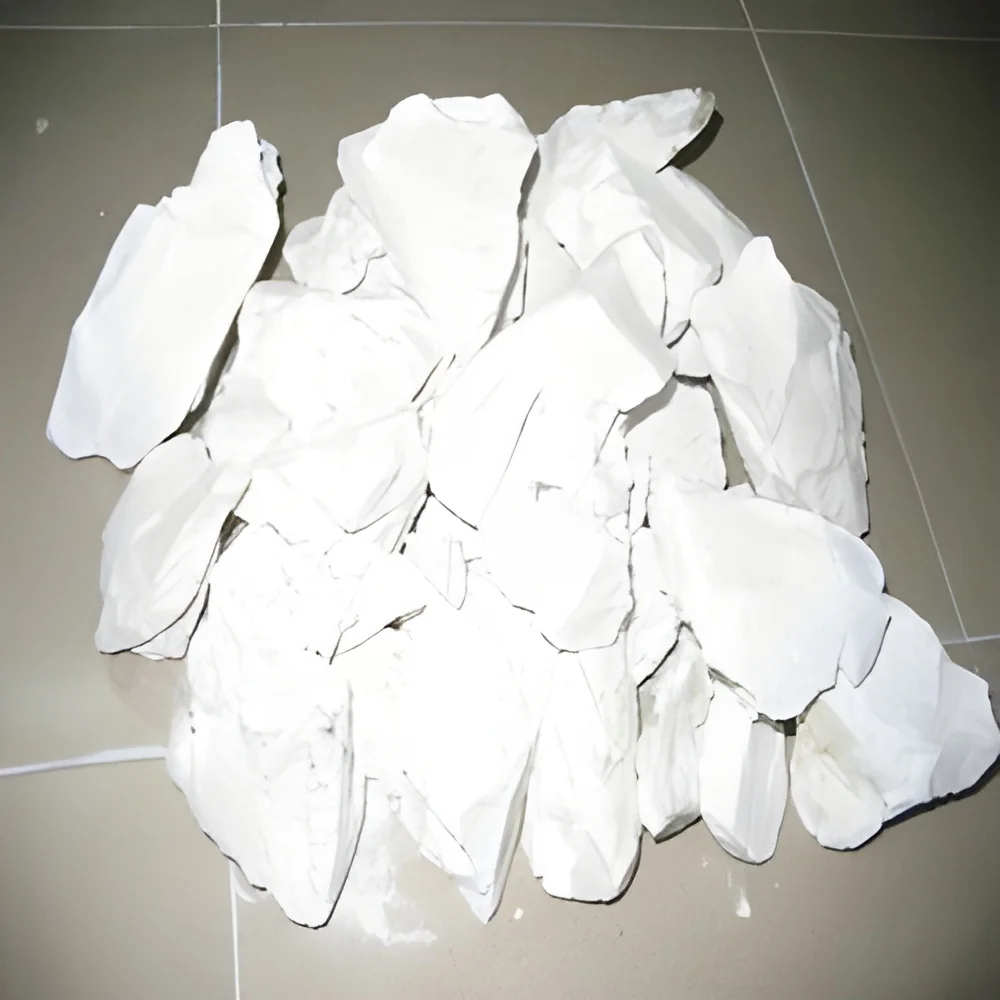
Foundry grade minerals are essential raw materials used in the casting process in foundries. These minerals are specifically selected for their unique physical and chemical properties, which enhance the quality and performance of casting products. Foundry grade minerals include materials like silica sand, clay, and other additives that help in molding and core-making. Their characteristics ensure that the final cast products possess the required strength, durability, and surface finish.
These minerals play a critical role in various industries, including automotive, aerospace, and construction. By improving moldability, thermal stability, and binding properties, foundry grade minerals help manufacturers achieve high-quality metal castings. Their applications extend to producing components like engine blocks, turbine blades, and intricate machine parts, making them indispensable in the manufacturing process. The demand for foundry grade minerals continues to grow as industries expand and seek improved materials for better production efficiency.
Key Features and Specifications
Foundry grade minerals are characterized by several key features that make them suitable for their applications. These specifications are crucial for ensuring that the materials meet industry standards and performance expectations.
Key specifications include:
1. Grain Size Distribution
- Affects mold strength and surface finish.
- Typically ranges from fine to coarse, depending on application.
2. Chemical Composition
- Determines the reactivity and performance in casting.
- Essential components include silica, alumina, and iron content.
3. Moisture Content
- Influences the binding capacity of the minerals.
- Usually maintained at a low percentage to ensure optimal performance.
4. Thermal Stability
- Critical for applications exposed to high temperatures.
- Ability to withstand temperatures up to 1,500 degrees Celsius.
5. pH Level
- Impacts the compatibility with various bonding agents.
- Generally maintained within a neutral range.
6. Density
- Affects the weight and stability of the molds.
- Commonly measured in grams per cubic centimeter.
7. AFS Grain Fineness Number
- Indicates the fineness of sand for foundry applications.
- Typical values range from 50 to 120.
8. Binder Compatibility
- Determines how well the minerals mix with bonding agents.
- Must be compatible with organic and inorganic binders.
In summary, the key features and specifications of foundry grade minerals ensure that they meet the rigorous demands of the casting industry, thereby contributing to the production of high-quality cast components.
Common Applications and Use Cases
Foundry grade minerals are utilized across various industries, each benefiting from their unique properties.
1. Automotive: Foundry grade minerals are used to produce engine components, transmission cases, and other critical parts that require high precision and durability.
2. Aerospace: In this sector, they are essential for manufacturing lightweight and strong components such as turbine blades and structural parts that must endure extreme conditions.
3. Construction: Foundries use these minerals to create molds for concrete products, pipes, and other construction materials, ensuring structural integrity and quality.
4. Heavy Machinery: Foundry minerals are used to cast heavy-duty parts for machinery, such as excavators and bulldozers, where strength and reliability are paramount.
5. Marine: They are utilized in creating components for ships and maritime equipment, which must withstand harsh environments.
6. Oil and Gas: Foundry grade minerals are critical for producing valves, pumps, and other equipment that require high resistance to wear and corrosion.
7. Electrical: These minerals are also employed in the production of electrical components, ensuring they meet stringent performance standards.
Product Variants and Subcategories
Foundry grade minerals come in various forms, each tailored for specific applications and industry needs.
Silica Sand
This variant is widely used in the foundry industry for its excellent mold-making properties. Silica sand offers high thermal resistance and is known for its ability to produce intricate mold designs.
Clay
Clay is essential for binding sand grains together in core-making processes. Its plasticity and workability make it a preferred choice for creating strong and durable molds.
Feldspar
Feldspar is used to enhance the fusion characteristics of molds. It helps reduce defects in casting by improving fluidity during the pouring process.
Quartz
This mineral is known for its hardness and chemical stability. Quartz is used in applications requiring high resistance to thermal shock and wear.
Benefits and Advantages
Sourcing foundry grade minerals offers several advantages to manufacturers looking to enhance their production processes.
Key benefits include:
1. Improved Mold Quality: Foundry grade minerals contribute to the creation of high-quality molds, resulting in superior finished products.
2. Enhanced Durability: The use of these minerals increases the durability of cast components, ensuring longer service life and reduced maintenance costs.
3. Cost Efficiency: By optimizing the casting process, these minerals help reduce waste and enhance production efficiency, leading to lower overall costs.
4. Versatility: Foundry grade minerals can be utilized in a wide range of applications across different industries, making them highly versatile.
5. Consistency: High-quality minerals provide consistent performance, ensuring that each batch of castings meets the required specifications.
6. Environmental Compliance: Many foundry grade minerals are sourced from sustainable practices, helping companies meet environmental regulations.
Buying Guide for B2B Buyers
When sourcing foundry grade minerals, it is essential for buyers to consider several key factors to ensure they make informed decisions.
1. Quality Assessment: Evaluate the quality of the minerals based on their specifications and consistency. Look for suppliers that provide certifications and testing results to confirm quality standards.
2. Supplier Verification: It is crucial to vet suppliers thoroughly. Assess their reputation, experience, and reliability in delivering high-quality materials on time.
3. Pricing and MOQ: Understand the pricing structures and minimum order quantities (MOQ) offered by suppliers. This helps in budgeting and ensures that you meet production needs without overcommitting.
4. Delivery and Lead Times: Consider logistics and supply chain efficiency. Ensure that suppliers can meet your delivery requirements and provide reasonable lead times for replenishment.
5. Compliance Requirements: Confirm that the minerals meet relevant industry regulations and standards. This includes checking for certifications such as CE and adherence to safety requirements.
Compliance and Certifications
Compliance and certifications are critical aspects of sourcing foundry grade minerals. Various industry standards apply to ensure quality and safety.
ISO 9001 is a widely recognized quality management standard that applies to suppliers of foundry grade minerals. Adhering to this standard ensures that manufacturers maintain consistent quality and continuously improve their processes.
Another important certification is CE marking, which indicates that the products meet European safety and health requirements. This certification is crucial for companies looking to enter European markets, ensuring that the foundry grade minerals they use comply with regulatory standards.
Safety and testing requirements also play a significant role in the sourcing process. It is essential to ensure that the minerals have undergone rigorous testing for impurities and performance characteristics.
Regional compliance considerations may vary, so it is vital for buyers to be aware of local regulations governing the use of foundry grade minerals in their respective regions.
Why Source Foundry Grade Minerals from Pepagora?
Pepagora provides a trusted platform for sourcing foundry grade minerals with several key advantages.
Verified Supplier Network: Pepagora has established a robust network of verified suppliers that meet high-quality standards. This ensures that buyers can source reliable materials with confidence.
Streamlined RFQ Process: The platform offers a user-friendly Request for Quotation (RFQ) process, allowing buyers to easily connect with multiple suppliers and receive competitive quotes, streamlining procurement.
Trade Assurance and Support: Pepagora's trade assurance programs provide buyers with protection during transactions. This added layer of security ensures that investments are safeguarded, fostering trust in the sourcing process.
Regional Coverage: With a strong presence in India, the Gulf Cooperation Council (GCC), and Southeast Asia, Pepagora offers extensive regional coverage. This geographic reach enables buyers to access foundry grade minerals from diverse markets, ensuring a steady supply chain.

 IN
IN