Key Features and Specifications
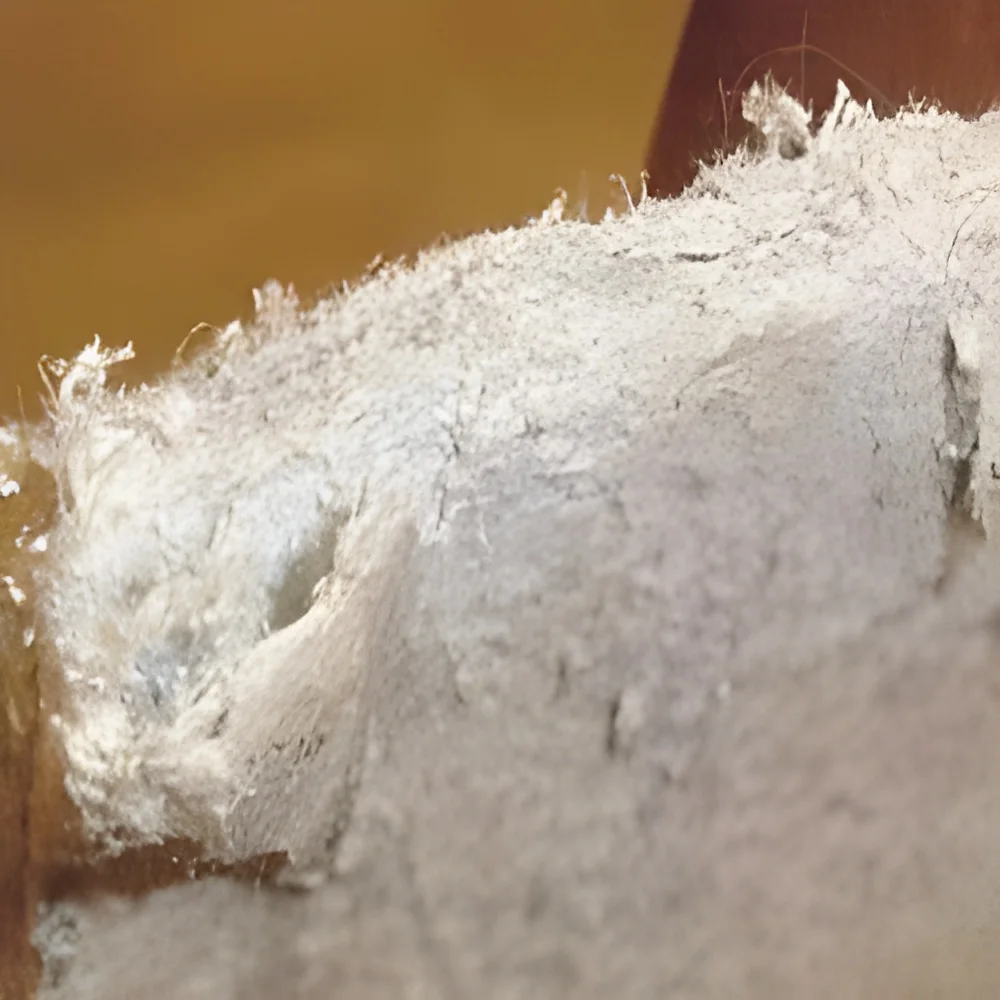
Asbestos (Non-Hazardous Use) offers several distinct features that make it suitable for various applications. Understanding these specifications is crucial for industries that intend to utilize this material in compliance with safety regulations.
Key specifications include:
1. Durability
- Asbestos materials are known for their strength and long-lasting properties.
- They can withstand extreme temperatures and resist corrosion.
2. Thermal Resistance
- Offers high resistance to heat, making it suitable for insulation purposes.
- Can be used in environments exposed to high temperatures.
3. Non-Flammability
- Does not burn easily, which adds to its safety profile in specific applications.
- Ideal for use in fireproofing materials.
4. Chemical Resistance
- Resistant to a wide range of chemicals, enhancing its usability in industrial applications.
- Suitable for environments with exposure to corrosive substances.
5. Low Absorption
- Exhibits low water absorption, maintaining structural integrity in damp conditions.
- Reduces the risk of degradation over time.
6. Versatile Applications
- Suitable for various uses, from construction materials to automotive components.
- Can be tailored for specific industry needs.
In summary, the key features and specifications of asbestos (non-hazardous use) highlight its practical applications across different sectors while ensuring compliance with safety standards.
Common Applications and Use Cases
Asbestos (Non-Hazardous Use) serves various industries, highlighting its versatility and effectiveness in different applications.
1. Construction: Widely used in insulation and fireproofing materials, ensuring buildings meet safety standards while enhancing energy efficiency.
2. Automotive: Employed in brake linings and gaskets, where its heat resistance contributes to vehicle safety and performance.
3. Manufacturing: Utilized in products requiring thermal insulation, such as pipes and boilers, ensuring efficient operation in high-temperature environments.
4. Aerospace: Applied in components that require heat resistance and durability, essential for maintaining safety in aviation.
5. Electrical: Used in insulation materials for wiring and electrical components, providing safety against heat and fire hazards.
6. Marine: Found in shipbuilding and repair, where its properties contribute to fire safety and durability in harsh environments.
Product Variants and Subcategories
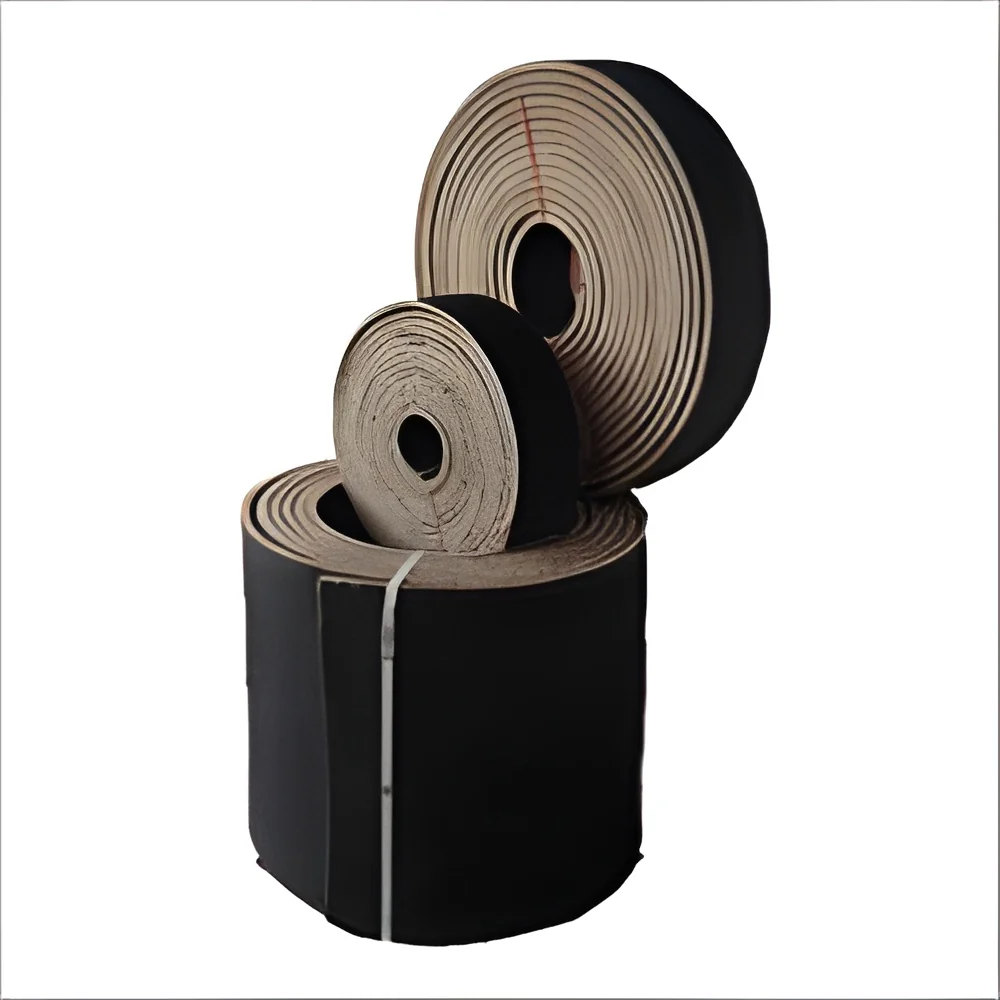
Asbestos (Non-Hazardous Use) encompasses a range of variants that cater to different industry needs. While specific subcategories may not be available, understanding the general types can help businesses make informed choices.
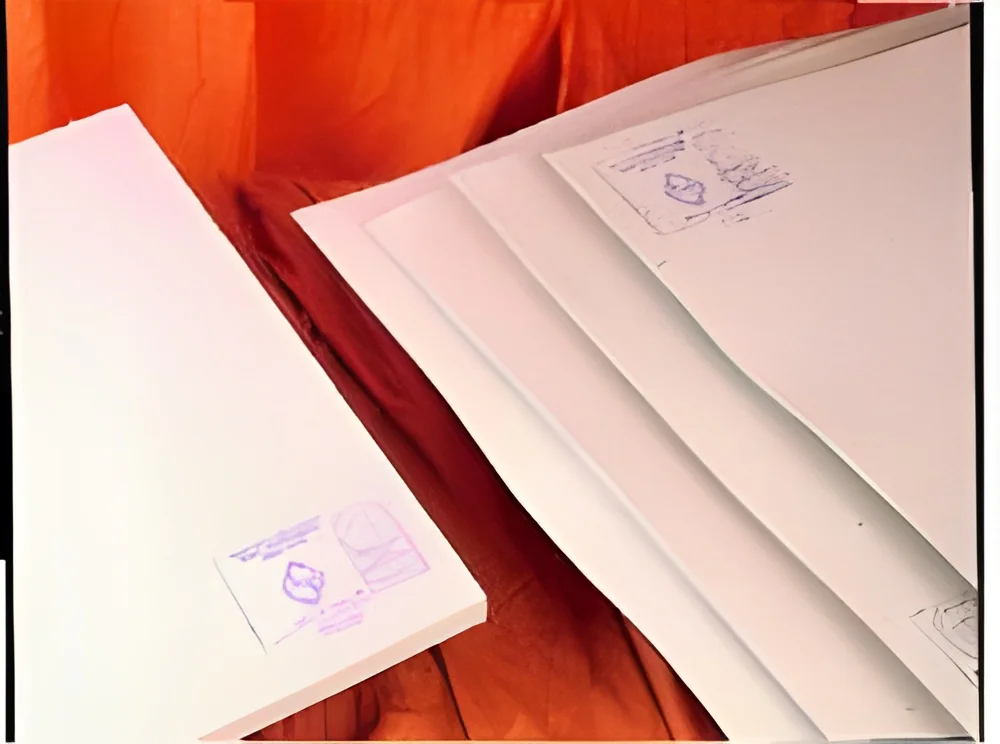
Variant 1: Insulation Board
This variant is designed for thermal insulation in construction and industrial applications. It provides excellent heat resistance and is ideal for use in high-temperature environments.
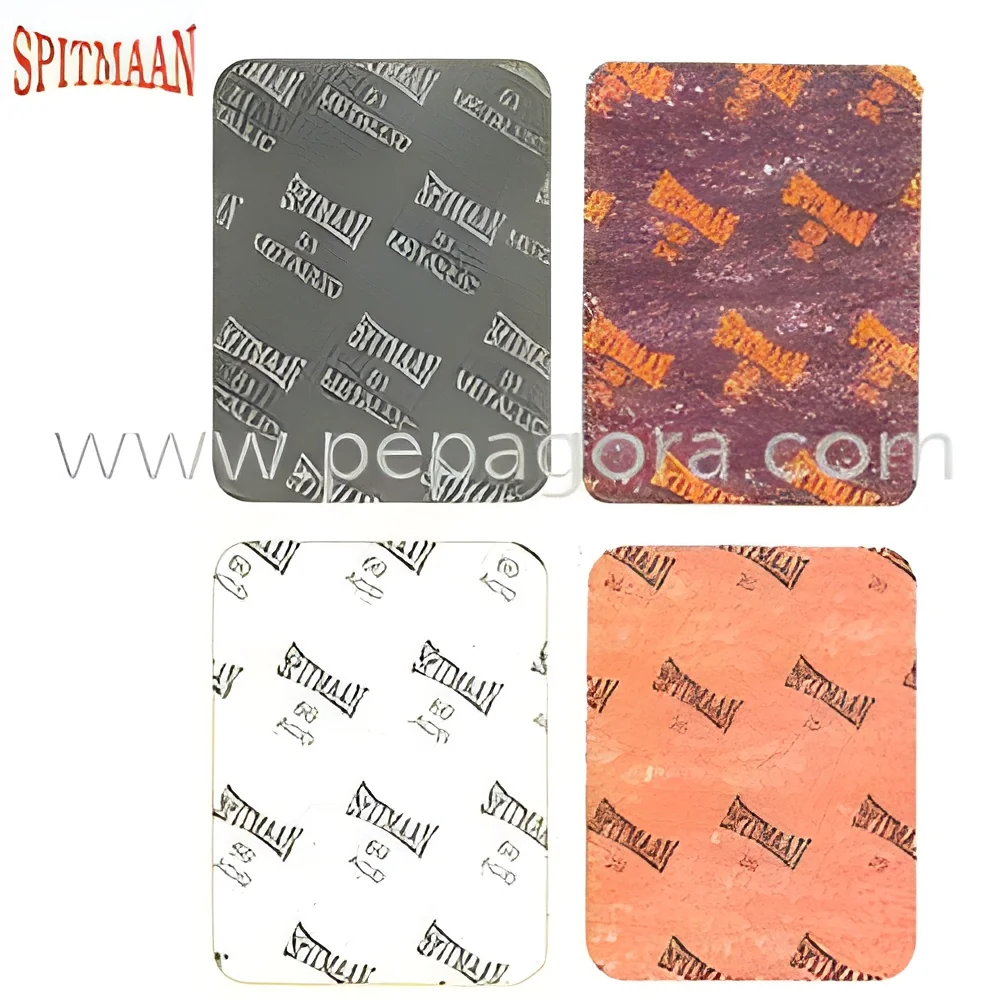
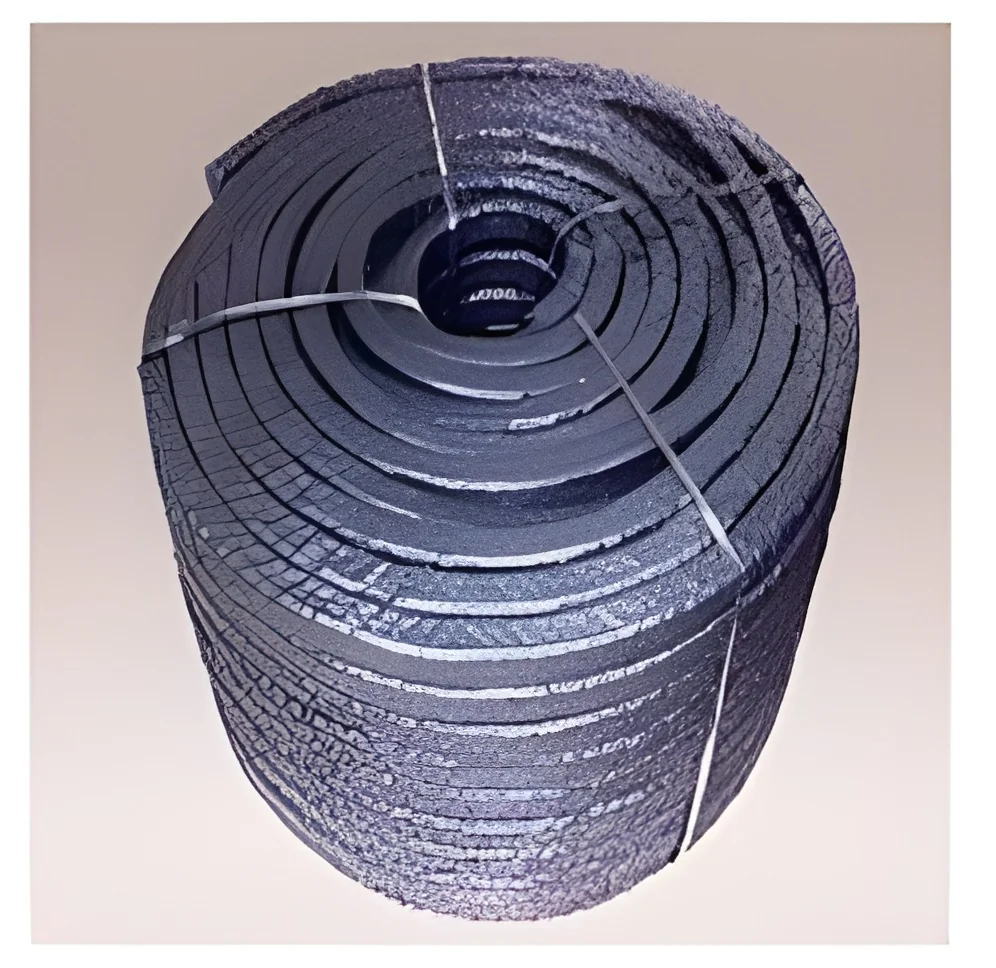
Variant 2: Brake Linings
This type is specifically formulated for the automotive industry. It offers superior friction properties and thermal stability, making it essential for vehicle safety and performance.
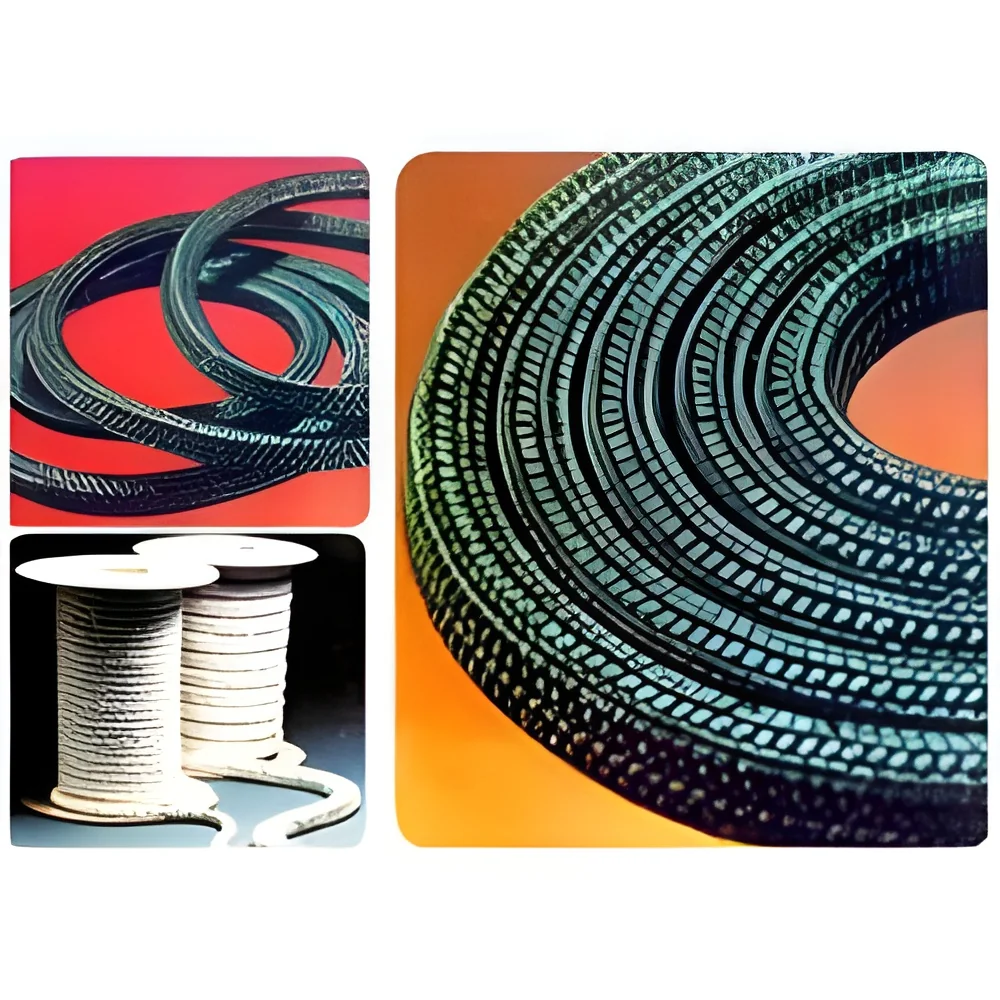
Variant 3: Gaskets
Used in various machinery and automotive applications, gaskets made from non-hazardous asbestos ensure effective sealing and heat resistance, preventing leaks and maintaining efficiency.
Benefits and Advantages
Asbestos (Non-Hazardous Use) offers several significant benefits for industries that choose to utilize it in their operations.
Key benefits include:
1. Enhanced Safety: When used in compliance with regulations, non-hazardous asbestos provides a safe alternative for many applications, reducing health risks associated with hazardous types.
2. Cost-Effectiveness: The durability and performance of non-hazardous asbestos can lead to lower maintenance and replacement costs over time, providing a better return on investment.
3. Versatility: Its wide range of applications across different industries makes it a practical choice for businesses looking for reliable materials.
4. Thermal Efficiency: The high thermal resistance of non-hazardous asbestos contributes to energy savings in buildings and machinery, enhancing overall efficiency.
5. Proven Performance: With a long history of use in various applications, non-hazardous asbestos has established itself as a trusted material in many sectors.
6. Compliance with Standards: Sourcing non-hazardous asbestos that meets regulatory requirements ensures that businesses operate within legal frameworks, minimizing risks.
Buying Guide for B2B Buyers
When sourcing Asbestos (Non-Hazardous Use), it is essential for B2B buyers to consider several critical factors to ensure a successful procurement process.
1. Quality Assessment: Buyers should evaluate the quality of asbestos materials based on established industry standards. This includes checking for durability, resistance properties, and overall performance metrics to ensure they meet application requirements.
2. Supplier Verification: It is vital to vet suppliers for credibility and compliance with safety regulations. Buyers should seek suppliers that provide certifications and a proven track record in delivering quality products.
3. Pricing and MOQ: Understanding the pricing structure and minimum order quantities (MOQ) is essential for budgeting and procurement planning. Buyers should compare quotes from multiple suppliers to secure the best deal.
4. Delivery and Lead Times: Timely delivery is crucial for maintaining production schedules. Buyers should inquire about lead times and logistics to plan their operations accordingly.
5. Compliance Requirements: Buyers must ensure that the asbestos materials sourced comply with local and international regulations. Awareness of safety and environmental standards is critical to avoid legal issues.
Compliance and Certifications
Asbestos (Non-Hazardous Use) must adhere to specific compliance and certification standards to ensure safety and quality in its applications.
Relevant quality standards include ISO 9001, which outlines requirements for quality management systems, ensuring that products meet customer and regulatory requirements. Compliance with HACCP and GDP standards may also be applicable in certain industries, focusing on hazard analysis and ensuring safe distribution practices.
Industry certifications, such as CE marking, indicate that the products meet European safety standards. This is especially important for international trade and assures buyers of product reliability.
Safety and testing requirements for asbestos materials include thorough assessments to confirm that they meet safety regulations. Regional compliance considerations also play a significant role. Different countries have varying regulations regarding the use of asbestos materials, necessitating awareness of local laws to ensure legal compliance.
Why Source Asbestos (Non-Hazardous Use) from Pepagora?
Pepagora provides a trusted platform for sourcing Asbestos (Non-Hazardous Use) with several key advantages that benefit B2B buyers.
Verified Supplier Network: Pepagora connects buyers with a network of verified suppliers who adhere to strict quality and compliance standards. This helps ensure that businesses receive safe and reliable materials.
Streamlined RFQ Process: The platform offers a user-friendly system for requesting quotations, simplifying the procurement process. Buyers can quickly compare offers and select the best options for their needs.
Trade Assurance and Support: Pepagora provides trade assurance services, protecting buyers throughout the procurement process. This includes support for resolving disputes and ensuring satisfaction with the sourced materials.
Regional Coverage: With a presence in India, the GCC, and Southeast Asia, Pepagora offers extensive geographic reach, enabling businesses to source non-hazardous asbestos materials from reliable suppliers across multiple regions.

 IN
IN