What are Quartz?
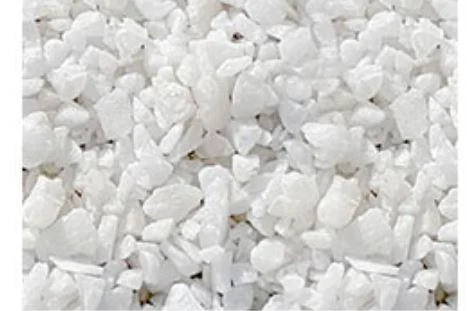
Quartz is a naturally occurring mineral composed of silicon dioxide. It is one of the most abundant minerals in the Earth's crust and is known for its hardness and durability. Quartz crystals can form in a variety of shapes and sizes, often exhibiting a transparent to translucent appearance. Due to its unique properties, quartz is a popular choice in various industrial applications.
Quartz is widely used across multiple sectors including electronics, construction, and manufacturing. In the electronics industry, it serves as a crucial component in the production of semiconductors and integrated circuits. In construction, quartz is utilized in countertops, flooring, and decorative surfaces due to its aesthetic appeal and resilience. The mineral's versatility also extends to the production of glass, ceramics, and abrasives, making it an essential material in numerous business applications.
As a significant player in the global market, quartz is relevant not just for its physical properties but also for the economic and operational efficiencies it offers. The demand for high-quality quartz continues to grow as industries seek materials that provide both functionality and visual appeal. This trend highlights the importance of sourcing quality quartz for various applications to ensure compliance with industry standards.
Key Features and Specifications
Quartz is characterized by several key features that make it suitable for various applications. These specifications help companies select the right type of quartz for their needs.
Key specifications include:
1. Purity Level
- The purity of quartz is crucial for its performance in specific applications.
- Typical purity levels range from 90% to 99.9%.
2. Hardness
- Quartz ranks 7 on the Mohs scale, making it highly resistant to scratching.
- This feature is essential for applications requiring durability.
3. Thermal Stability
- Quartz exhibits excellent thermal resistance.
- It can withstand temperatures up to 1,700 degrees Celsius.
4. Color Variations
- Quartz can be found in various colors, influenced by impurities.
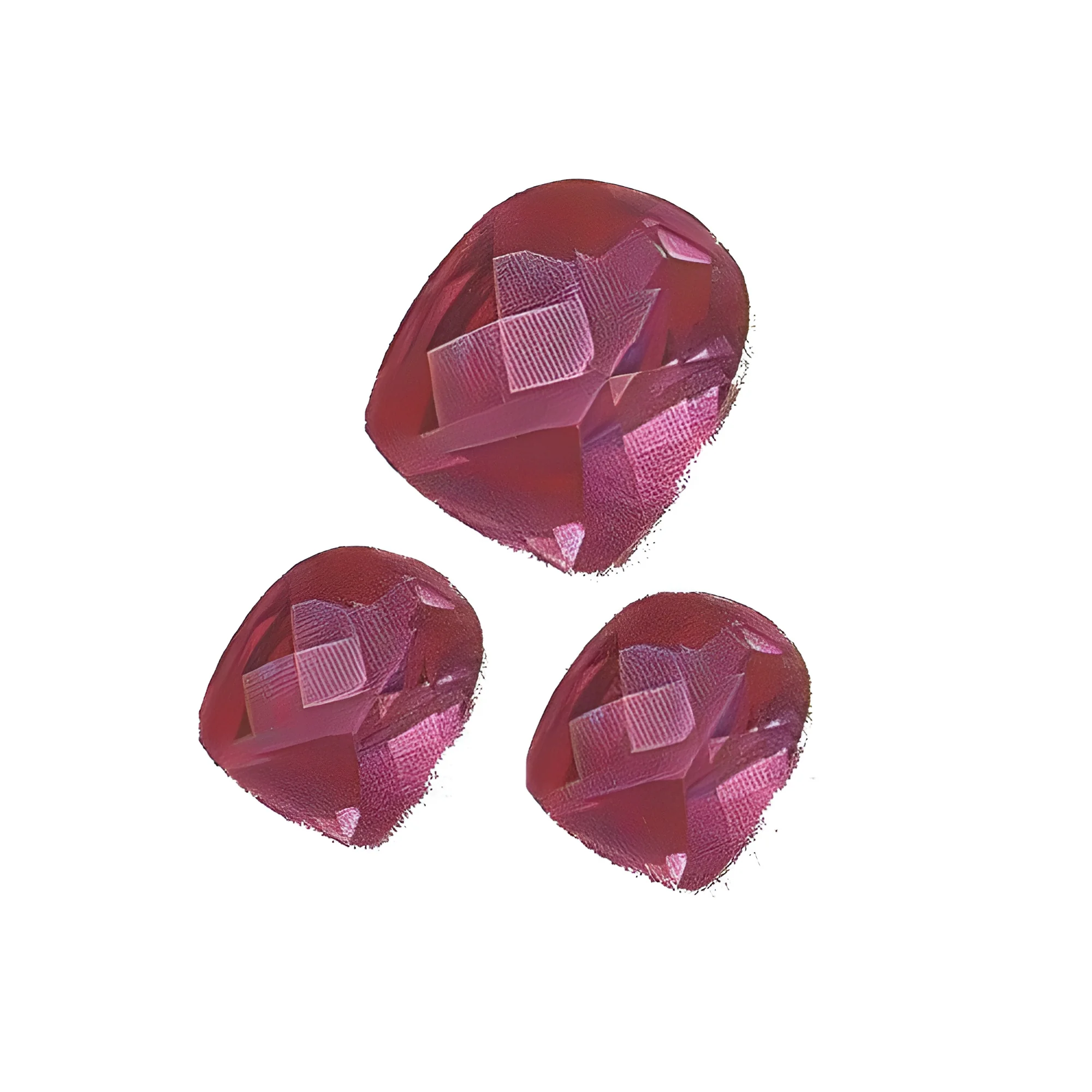
- Common colors include clear, rose, smoky, and amethyst.
5. Crystal Structure
- Quartz has a hexagonal crystal structure.
- This structure contributes to its unique optical properties.
6. Density
- The density of quartz typically ranges from 2.65 to 2.71 g/cm³.
- This property affects its use in different industrial applications.
7. Chemical Resistance
- Quartz is resistant to many chemicals, making it suitable for harsh environments.
- It does not react with acids or bases.
8. Electrical Properties
- Quartz is an excellent insulator, which is vital for electronic applications.
- Its piezoelectric properties enable its use in various electronic devices.
In summary, understanding the features and specifications of quartz is essential for businesses looking to incorporate this mineral into their operations. The right choice of quartz can lead to improved product performance and compliance with industry standards.
Common Applications and Use Cases
Quartz serves various industries due to its unique properties and versatility.
1. Electronics: Quartz is essential in the manufacturing of semiconductors and integrated circuits. Its electrical properties make it vital for devices such as watches, clocks, and communication equipment.
2. Construction: In the construction industry, quartz is used in countertops, flooring, and decorative surfaces. It provides durability and aesthetic appeal, making it a preferred choice for residential and commercial projects.
3. Glass Manufacturing: Quartz is a primary ingredient in the production of glass. Its purity and thermal stability are crucial for creating high-quality glass products.
4. Ceramics: In ceramics, quartz is used as a filler and flux. It helps improve the strength and thermal properties of ceramic products.
5. Abrasives: Quartz is utilized in the manufacturing of abrasives due to its hardness. It is commonly used in sandpaper and grinding tools.
6. Jewelry: In the jewelry industry, quartz is prized for its beauty. Varieties like amethyst and citrine are often used in decorative pieces.
7. Water Filtration: Quartz is employed in water filtration systems due to its chemical resistance and ability to withstand harsh conditions.
In each of these applications, the unique properties of quartz play a crucial role in ensuring product performance and reliability.
Product Variants and Subcategories
Quartz is a diverse mineral with several variants that cater to different industrial needs.
Natural Quartz
Natural quartz is sourced directly from the earth and is known for its unique crystal formations. It is often used in jewelry and decorative items due to its natural beauty and variations.
Engineered Quartz
Engineered quartz combines natural quartz with resins and pigments. This variant is popular in countertops and surfaces because it offers greater design flexibility and consistent quality.
Fused Quartz
Fused quartz is made from pure silica and is known for its high thermal stability. It is often used in laboratory equipment and high-temperature applications.
Crystalline Quartz
Crystalline quartz is characterized by its well-defined crystal structure. It is used in electronics and optical applications due to its unique properties.
Benefits and Advantages
Sourcing quartz offers several advantages for businesses across various industries.
1. Durability: Quartz is highly resistant to wear and tear, making it ideal for applications that require long-lasting materials.
2. Versatility: The various forms and colors of quartz allow for a wide range of applications, from construction to electronics.
3. Aesthetic Appeal: Quartz can enhance the visual appeal of products, especially in construction and jewelry.
4. Chemical Resistance: Its resistance to many chemicals makes quartz suitable for harsh industrial environments.
5. Thermal Stability: Quartz can withstand high temperatures, which is critical for many manufacturing processes.
6. Cost-Effectiveness: The abundance of quartz often translates to competitive pricing, providing cost savings for businesses.
Buying Guide for B2B Buyers
When sourcing quartz, businesses should consider several key factors to ensure they select the right product for their needs.
1. Quality Assessment: Evaluate the purity and hardness of quartz to ensure it meets the required specifications for your application.
2. Supplier Verification: Vet potential suppliers by checking their reputation, experience, and customer reviews to ensure reliability.
3. Pricing and MOQ: Understand the pricing structure and minimum order quantities, which can vary significantly between suppliers.
4. Delivery and Lead Times: Confirm logistics details, including delivery times and shipping options, to align with your production schedules.
5. Compliance Requirements: Ensure that the quartz meets relevant industry standards and regulatory requirements, which may vary by region.
Compliance and Certifications
Compliance and certifications are vital for businesses sourcing quartz to ensure product quality and safety.
Quartz should meet quality standards such as ISO 9001, which focuses on quality management systems. Adhering to these standards helps ensure that products are consistently produced to meet customer requirements.
Industry certifications like CE indicate compliance with safety and health standards applicable in the European market. This certification is crucial for businesses looking to expand their market reach.
Safety and testing requirements are also essential. Quartz products may undergo testing to ensure they meet specific performance criteria, particularly in electronics and construction applications.
Regional compliance considerations must also be taken into account. Different countries may have varying regulations concerning the sourcing and use of quartz, making it essential for businesses to be aware of these requirements.
Why Source Quartz from Pepagora?
Pepagora provides a trusted platform for sourcing quartz, offering several key advantages to businesses.
Verified Supplier Network: Pepagora ensures that all suppliers in its network are thoroughly vetted. This process helps buyers find reliable sources for high-quality quartz, reducing the risk of substandard products.
Streamlined RFQ Process: The request for quotation (RFQ) process on Pepagora is designed to be efficient. Buyers can quickly receive quotes from multiple suppliers, making it easier to compare prices and offerings.
Trade Assurance and Support: Pepagora offers trade assurance, providing buyers with protection throughout the purchasing process. This support includes assistance in resolving disputes and ensuring timely delivery.
Regional Coverage: Pepagora has a wide geographic reach, covering markets in India, the GCC, and Southeast Asia. This regional expertise allows buyers to source quartz locally while benefiting from competitive pricing and quality assurance.
In conclusion, Pepagora stands out as a reliable partner for sourcing quartz, combining a verified supplier network with exceptional support. This platform is ideal for businesses looking to make informed decisions and secure quality quartz for their needs.

 IN
IN