
 IN
Hematite
3 products available
What are Hematite?
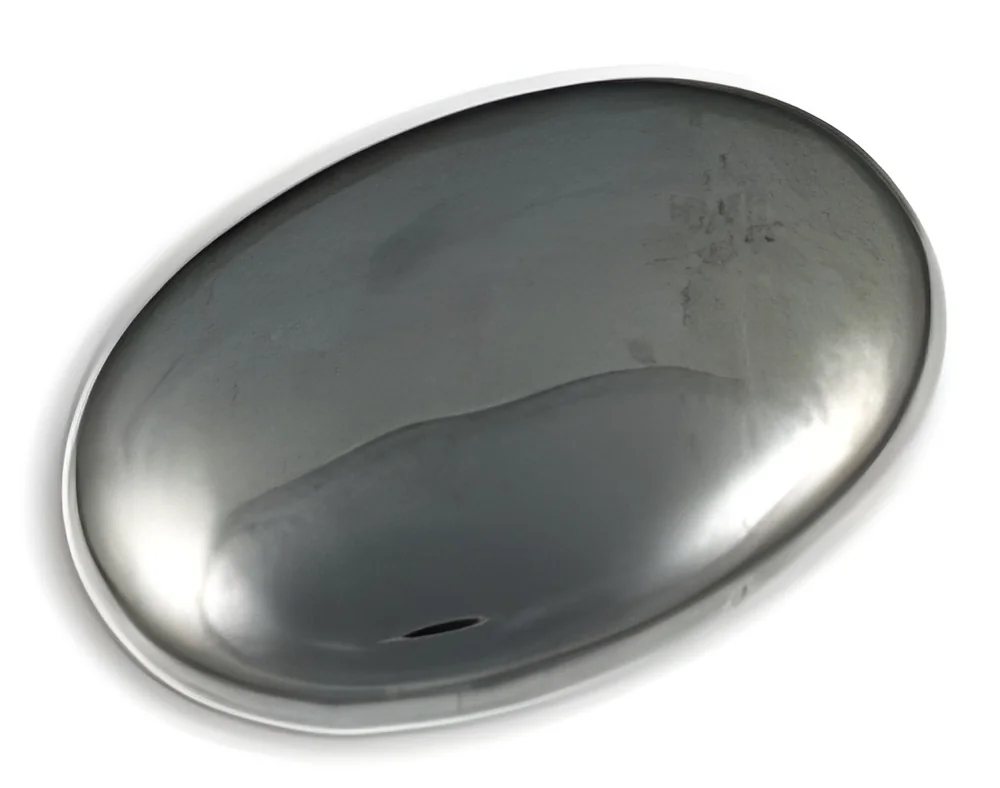
Hematite is a naturally occurring mineral form of iron oxide, primarily composed of iron and oxygen. Known for its distinctive metallic luster and reddish-brown color, hematite is an important source of iron and is widely utilized in various industrial applications. It is often found in sedimentary rocks and can also form in igneous and metamorphic environments. Hematite is characterized by its hardness and density, making it a valuable mineral in many sectors.
Hematite has numerous applications in different industries. Primarily, it is used in the production of iron and steel, serving as a crucial raw material in these sectors. In addition to its role in metallurgy, hematite is employed in the manufacturing of pigments, where its color properties are utilized in paints and coatings. Furthermore, the mineral is used in the production of magnetic materials and in various jewelry and decorative items. Given its versatility and importance, hematite plays a significant role in the global mining and minerals market.
Key Features and Specifications
Hematite possesses several key features and specifications that make it suitable for various industrial applications. Understanding these specifications is vital for businesses looking to procure this mineral.
Key specifications include:
1. Chemical Composition
- Primarily composed of iron oxide (Fe2O3)
- Iron content typically ranges from 70% to 75%
2. Physical Properties
- Hardness on the Mohs scale: 5.5 to 6.5
- Density: Approximately 5.26 g/cm3
3. Color and Appearance
- Reddish-brown to black coloration
- Metallic luster with a shiny appearance
4. Magnetic Properties
- Weakly magnetic, which may be enhanced through processing
5. Purity Levels
- Commercial hematite typically contains varying percentages of impurities
- High-purity grades may be available for specialized applications
6. Particle Size Distribution
- Available in various particle sizes, tailored to specific industrial needs
7. Moisture Content
- Typically low moisture content to ensure quality in processing
8. Packaging and Transportation
- Available in bulk or packaged forms for ease of transport and handling
Hematite's unique features and specifications enhance its usability across numerous sectors, making it a sought-after mineral.
Common Applications and Use Cases
Hematite serves various industries due to its unique properties and versatility.
1. Steel Manufacturing: Hematite is a key raw material in the production of iron and steel, providing essential iron content for the manufacturing process.
2. Pigment Production: The mineral's color is utilized in the creation of pigments for paints, coatings, and inks, offering a natural and durable color option.
3. Jewelry and Decoration: Hematite is popular in the jewelry industry for its aesthetic appeal, often crafted into beads and decorative items.
4. Magnetic Materials: Its weakly magnetic properties make hematite suitable for the production of certain magnetic materials used in electronics and other applications.
5. Construction: Hematite can be used as a concrete additive to enhance certain properties of construction materials.
6. Oil and Gas: In the oil and gas sector, hematite may be employed in drilling fluids to control density and stability.
7. Environmental Applications: Hematite is also explored for its potential in environmental remediation processes, such as removing contaminants from water.
Product Variants and Subcategories
Hematite is available in various forms, catering to diverse industrial needs.
Hematite Powder
This variant is finely milled and used primarily in pigment production and as a filler in various applications. Its fine particle size allows for better dispersion in coatings and paints.
Hematite Pellets
These are spherical aggregates of hematite, often used in the iron ore pelletizing process. They provide a uniform feedstock for steel production, enhancing efficiency in smelting operations.
Hematite Ore
Raw hematite ore is utilized directly in the steel manufacturing process. It is often processed to achieve the desired iron content and purity levels required for industrial applications.
Benefits and Advantages
Sourcing hematite offers several key benefits for industries.
1. High Iron Content: Hematite's high iron content makes it an efficient source for steel production, reducing the amount of raw material needed.
2. Versatility: Its diverse applications across multiple industries highlight its adaptability and utility.
3. Natural Availability: Hematite is abundantly available in nature, making it a sustainable choice for businesses.
4. Aesthetic Appeal: In jewelry and decorative uses, hematite’s unique color and finish enhance product value.
5. Cost-Effectiveness: The competitive pricing of hematite, compared to other iron sources, makes it an attractive option for manufacturers.
6. Environmental Benefits: Hematite can contribute to more eco-friendly production processes, particularly in pigment and construction applications.
Buying Guide for B2B Buyers
When sourcing hematite, several critical factors should be considered to ensure quality and suitability for your specific needs.
1. Quality Assessment: Evaluate the chemical composition and purity of hematite to ensure it meets your production requirements. High-quality hematite will have minimal impurities.
2. Supplier Verification: Conduct thorough research to vet suppliers, ensuring they are reputable and capable of providing consistent quality. Look for industry certifications and customer reviews.
3. Pricing and MOQ: Understand the pricing structure and minimum order quantities (MOQ) that suppliers offer. Compare quotes to find the best value.
4. Delivery and Lead Times: Assess the logistics and delivery times offered by suppliers to ensure that they align with your production schedules.
5. Compliance Requirements: Verify that the hematite supplied meets relevant regulatory and industry standards, including safety and environmental compliance.
Compliance and Certifications
Hematite is subject to various compliance and certification standards that ensure its quality and safety for industrial use.
ISO 9001 is a quality management standard that applies to manufacturers of hematite, ensuring consistent quality and customer satisfaction. Companies adhering to this standard demonstrate their commitment to quality control processes.
CE certification is essential for products used in the European market. This certification confirms that hematite meets safety and environmental requirements, ensuring compliance with EU regulations.
Safety and testing requirements are critical in verifying the physical and chemical properties of hematite. Regular testing ensures that the mineral is free from harmful contaminants.
Regional compliance considerations may vary based on local regulations. Buyers should ensure that suppliers are aware of and comply with these regional requirements to avoid any legal issues.
Why Source Hematite from Pepagora?
Pepagora provides a trusted platform for sourcing hematite, offering several key advantages that benefit B2B buyers.
Verified Supplier Network: Pepagora connects buyers with a network of verified suppliers, ensuring that all suppliers meet rigorous quality standards. This network fosters trust and reliability in sourcing hematite.
Streamlined RFQ Process: The platform features an efficient request-for-quotation (RFQ) process, allowing buyers to easily compare quotes from multiple suppliers. This simplifies decision-making and ensures competitive pricing.
Trade Assurance and Support: Pepagora offers trade assurance, providing buyers with protection throughout the procurement process. This support ensures that transactions are secure and that disputes can be resolved effectively.
Regional Coverage: With a focus on India, the GCC region, and Southeast Asia, Pepagora offers extensive regional coverage, making it convenient for businesses in these areas to source hematite and other industrial materials.
By choosing Pepagora, businesses can streamline their procurement process while ensuring high-quality products and reliable suppliers.

Frequently Asked Questions
What are Hematite?
Hematite is a mineral form of iron oxide, primarily composed of Fe2O3. It is known for its metallic luster and reddish-black color, often used in various industrial applications as well as in jewelry.
What are the different types of Hematite?
There are several types of Hematite, including specular Hematite, which has a shiny appearance, and bloodstone Hematite, which has a deep red hue. Other variations include oolitic Hematite, which consists of small spherical grains, and laminated Hematite, which features distinct layered structures.
How do I choose the right Hematite?
Choosing the right Hematite depends on the intended application. Consider factors such as purity, particle size, and physical properties. It's advisable to consult with suppliers to ensure that the Hematite meets specific requirements for your project.
What are the standard specifications for Hematite?
Standard specifications for Hematite typically include its chemical composition, particle size distribution, and density. Common specifications also outline the presence of impurities and the intended use, whether for industrial, decorative, or other applications.
What is the price range for Hematite?
The price range for Hematite can vary widely based on factors such as quality, quantity, and market demand. Generally, prices can range from a few dollars per kilogram to higher amounts for specialized grades.
What quality standards apply to Hematite?
Quality standards for Hematite often adhere to industry benchmarks such as ASTM or ISO guidelines. These include parameters for chemical composition, physical properties, and overall performance in applications.
Where can I find Hematite suppliers in India?
Hematite suppliers in India can be found through various online marketplaces, industry directories, and trade shows. Platforms like Pepagora offer a comprehensive list of verified suppliers and manufacturers specializing in Hematite.
Can Hematite be customized?
Yes, Hematite can often be customized based on specific requirements, such as particle size and purity levels. Many suppliers offer tailored solutions to meet unique project needs.
What is the typical minimum order quantity for Hematite?
The typical minimum order quantity (MOQ) for Hematite varies by supplier but generally ranges from 100 kg to several tons, depending on the type and specifications of the material.
What is the typical lead time for Hematite?
The typical lead time for Hematite orders can range from a few days to several weeks, depending on factors like supplier capacity, customization needs, and shipping logistics. It's advisable to confirm lead times with the supplier before placing an order.
Why Businesses Trust Pepagora
Thousands of companies trust Pepagora to source smarter and sell faster
Expand Your Sales Globally

Source Smarter,Grow Faster
