Key Features and Specifications
Barite is known for its unique properties that make it suitable for a variety of applications. Its high specific gravity and chemical stability are key features. The mineral is non-toxic and environmentally friendly, which adds to its desirability in industrial processes.
Key specifications include:
1. Chemical Composition
- Primarily composed of barium sulfate (BaSO4)
- Purity levels often exceed 90%
2. Specific Gravity
- High density typically ranging from 4.2 to 4.5 g/cm³
- Essential for its role as a weighting agent
3. Particle Size
- Available in various grades, commonly from 325 mesh to 2000 mesh
- Finer grades provide better suspension in drilling fluids
4. Color and Appearance
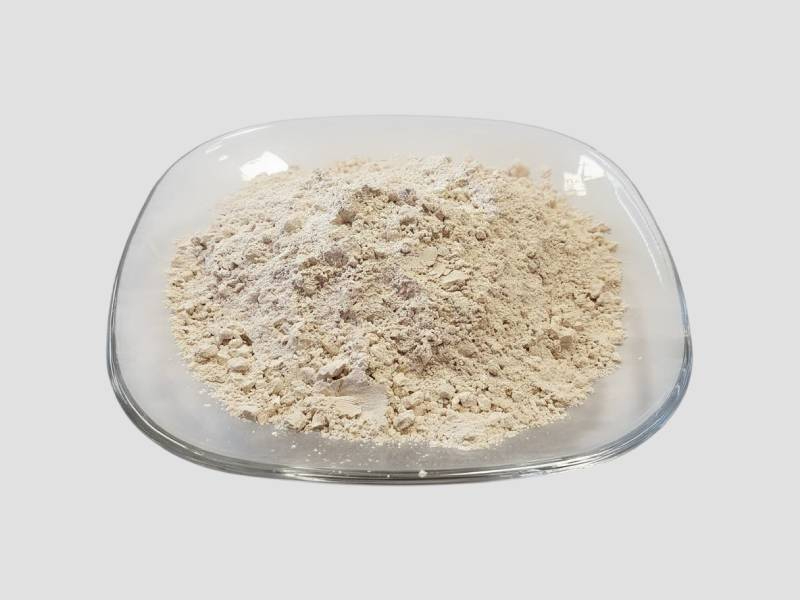
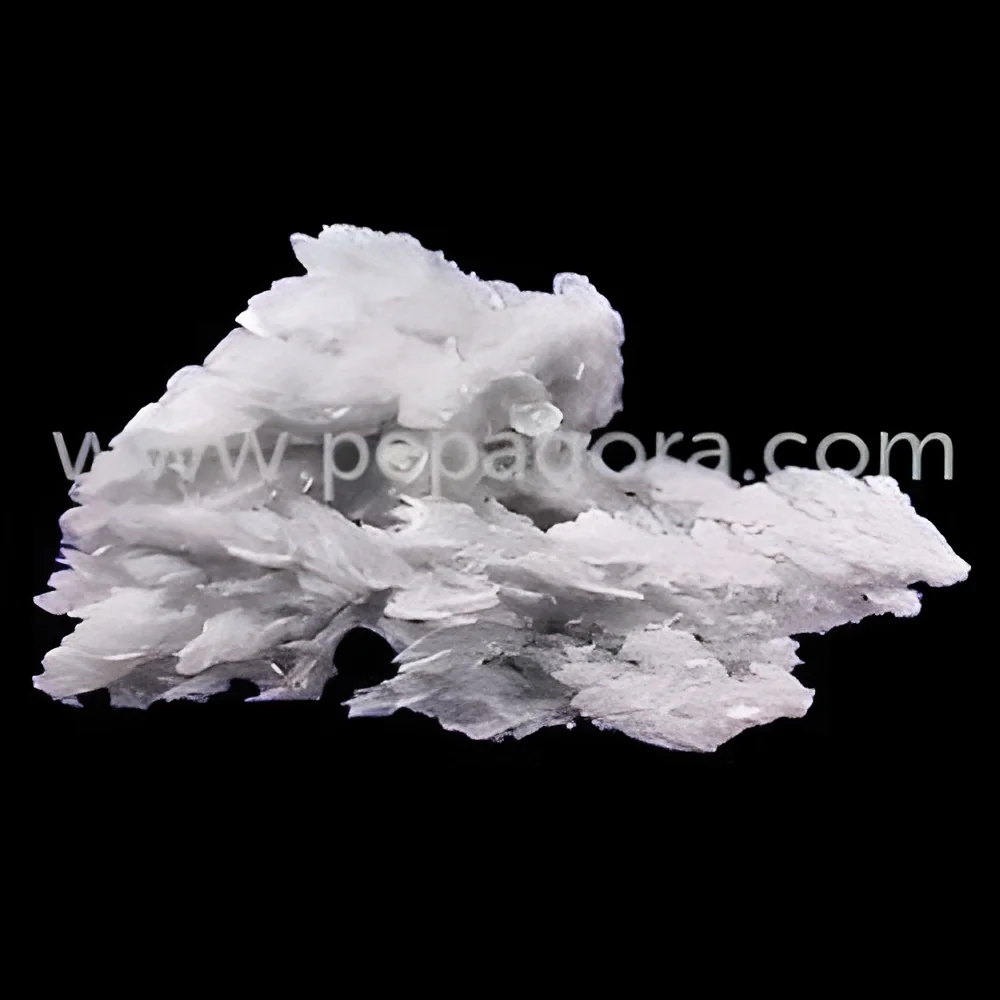
- Commonly white to gray, but can also be found in shades of yellow, brown, and blue
- Color influences its use in different applications
5. Moisture Content
- Typically less than 0.5% moisture
- Important for maintaining consistency in applications
6. pH Level
- Neutral pH, generally around 7
- Suitable for a wide range of applications without chemical reactions
7. Shelf Life
- Indefinite when stored in a dry environment
- Longevity is crucial for bulk storage
8. Regulatory Compliance
- Must adhere to industry standards and regulations, including CE certification
In summary, barite's unique characteristics and high purity levels make it a vital component in various industrial applications.
Common Applications and Use Cases
Barite serves multiple industries, showcasing its versatility and importance.
1. Oil and Gas Industry: Barite is primarily used as a weighting agent in drilling fluids, ensuring stability and preventing blowouts during drilling operations.
2. Construction Industry: It is utilized as a filler in cement and concrete products, enhancing durability and providing density to structures.
3. Paint and Coating Industry: Barite acts as a pigment and filler in paints, improving opacity and durability in finished products.
4. Rubber Manufacturing: The mineral is used as a reinforcing filler, enhancing the mechanical properties of rubber products.
5. Pharmaceutical Industry: Barite is used in medical imaging as a contrast agent in X-ray and CT scans, aiding in better visualization of the digestive system.
6. Plastics Industry: It serves as a filler to improve the mechanical and thermal properties of plastic products.
7. Agriculture: Barite can be used in fertilizers and soil amendments to improve soil quality.
Product Variants and Subcategories
Barite comes in various forms and grades to meet specific industrial needs.
Drilling Grade Barite
This variant is specifically processed for use in drilling fluids. It typically has a high purity level and is finely milled to ensure optimal performance in oil and gas exploration.
Industrial Grade Barite
Used in paints, plastics, and rubber, industrial grade barite is produced to meet the requirements of various manufacturing processes. Its physical and chemical properties make it suitable for a wide range of applications.
Benefits and Advantages
Sourcing barite offers several advantages for businesses.
1. High Density: Its significant weight makes barite an excellent choice for applications requiring stability and support, particularly in drilling.
2. Chemical Stability: Barite's non-reactive nature ensures that it remains stable in a variety of environments, making it suitable for use in diverse applications.
3. Environmental Safety: Being non-toxic, barite poses minimal risk to the environment, which is increasingly important in today’s eco-conscious market.
4. Versatile Applications: Its use across multiple industries allows businesses to benefit from economies of scale when sourcing barite.
5. Cost-Effectiveness: Barite is generally available at competitive prices, making it an economical choice for many industrial applications.
6. Long Shelf Life: Its indefinite shelf life when stored properly can lead to lower inventory costs for businesses.
Buying Guide for B2B Buyers
When sourcing barite, it is important to consider several key factors to ensure quality and reliability.
1. Quality Assessment: Buyers should evaluate the purity and specific gravity of barite. High purity levels (above 90%) are essential for most industrial applications.
2. Supplier Verification: It is crucial to vet suppliers for reliability and quality. Look for suppliers with industry certifications, such as CE, to ensure compliance with standards.
3. Pricing and MOQ: Understand the cost structure and minimum order quantity (MOQ) requirements. This helps in budgeting and planning for bulk purchases.
4. Delivery and Lead Times: Confirm logistics capabilities and expected lead times. Timely delivery is essential for maintaining production schedules.
5. Compliance Requirements: Ensure that the barite meets regulatory requirements specific to the intended application. This includes safety standards and environmental regulations.
Compliance and Certifications
Barite products often need to meet various quality and safety standards to be used in industrial applications. ISO 9001 is a common standard that ensures consistent quality management across suppliers. HACCP (Hazard Analysis Critical Control Point) may also be relevant, especially in industries like pharmaceuticals and food processing where safety is paramount.
CE certification is an important mark of compliance for products sold in the European market, indicating that they meet the necessary health, safety, and environmental protection standards.
Additionally, testing for safety and quality assurance is critical. Regular analysis should be conducted to ensure that the barite meets industry specifications. Regional compliance may vary, so buyers should be aware of local regulations governing mineral sourcing and use.
Why Source Barite (Barytes) from Pepagora?
Pepagora offers a trusted platform for sourcing barite with several key advantages that enhance the buying experience for B2B customers.
Verified Supplier Network: Pepagora connects buyers with a network of verified suppliers, ensuring that all products meet high-quality standards. This reduces the risk associated with sourcing materials from unknown vendors.
Streamlined RFQ Process: The Request for Quotation (RFQ) system simplifies the procurement process. Buyers can quickly receive quotes from multiple suppliers, allowing for informed comparisons and choices.
Trade Assurance and Support: Pepagora provides buyer protection through trade assurance programs, ensuring that transactions are secure and disputes can be managed effectively.
Regional Coverage: With a geographic reach that includes India, GCC, and Southeast Asia, Pepagora is well-positioned to meet diverse sourcing needs, making it easier for businesses to find the right barite products for their specific applications.

 IN
IN