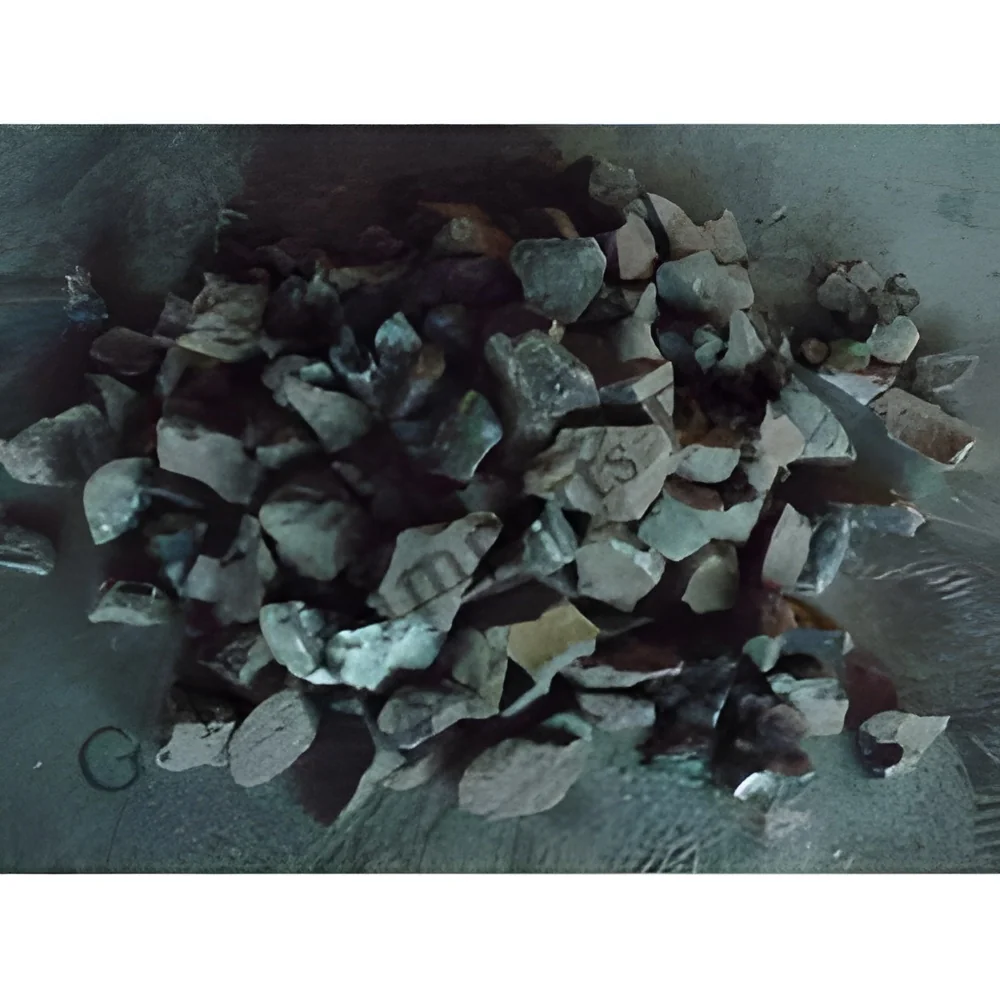
What are Feldspar?
Feldspar is a group of rock-forming minerals that make up about 60% of the Earth's crust. They are primarily composed of aluminum silicates combined with potassium, sodium, or calcium. Feldspar is classified into three main types: orthoclase (potassium feldspar), plagioclase (sodium and calcium feldspar), and microcline. These minerals are characterized by their crystalline structure and are typically found in igneous, metamorphic, and sedimentary rocks.
Feldspar has numerous applications in various industries, particularly in the production of ceramics, glass, and fiberglass. In ceramics, feldspar acts as a flux, lowering the melting point of the mixture and helping to form a glassy phase that binds other materials together. In the glass industry, it serves as a crucial component, contributing to the strength and durability of glass products. Furthermore, feldspar is also utilized in the production of fillers and coatings, as well as in the manufacturing of cement. Given its widespread use, feldspar is a key player in the industrial minerals market.
Key Features and Specifications
Feldspar is recognized for its diverse range of properties that make it suitable for various applications. The following specifications highlight the key features of feldspar that are important for industrial use.
Key specifications include:
1. Chemical Composition
- Varies between potassium, sodium, and calcium
- Typically contains silica, alumina, and other oxides
2. Particle Size Distribution
- Available in various grades from fine to coarse
- Influences performance in different applications
3. Purity Level
- High purity feldspar contains minimal impurities
- Essential for specific applications like glassmaking
4. Hardness
- Generally ranges between 6 and 6.5 on the Mohs scale
- Determines its suitability for different processing methods
5. Melting Point
- Melting point varies based on type, typically around 1000°C to 1300°C
- Important for applications requiring thermal stability
6. Bulk Density
- Commonly ranges from 2.56 to 2.63 g/cm³
- Impacts transportation and handling considerations
7. Absorption Capacity
- Low water absorption rates, typically around 0.1% to 0.5%
- Influences use in ceramics and other applications
8. Color Variability
- Available in shades of white, pink, and gray
- Affects aesthetic qualities in finished products
Feldspar's key specifications make it a versatile mineral that meets the demands of various industrial applications.
Common Applications and Use Cases
Feldspar serves various industries due to its unique properties and versatility.
1. Ceramics: In the ceramics industry, feldspar is used as a flux to promote melting and improve the strength and durability of ceramic products.
2. Glass Manufacturing: Feldspar is a vital ingredient in glass production, providing essential properties for glass strength and clarity.
3. Paints and Coatings: Feldspar acts as a filler in paints and coatings, improving texture and stability while reducing costs.
4. Plastics: In the plastics industry, feldspar is used as an additive to enhance the strength and durability of plastic materials.
5. Construction: Feldspar is utilized in cement production, contributing to the overall strength and performance of concrete.
6. Fillers: It is employed as a functional filler in various products, enhancing performance while minimizing costs.
7. Fiberglass: Feldspar is an important component in fiberglass production, improving the mechanical properties of the final product.
Product Variants and Subcategories
Feldspar is available in different forms to cater to specific industrial needs. While there are no official subcategories, the product can be differentiated based on its chemical composition and intended use.
Potassium Feldspar
This variant is rich in potassium and is primarily used in the ceramic and glass industries. Its properties enhance the melting and bonding processes in these applications.
Sodium Feldspar
Sodium feldspar is valued for its low melting point and is commonly used in glass production. It helps improve the physical properties of glass and ceramics.
Calcium Feldspar
Calcium feldspar is known for its excellent fluxing properties and is widely used in ceramics and construction materials.
Benefits and Advantages
Feldspar offers numerous benefits that make it a preferred choice in various industries.
1. Versatility: Feldspar can be used across multiple sectors, including ceramics, glass, and construction, making it a versatile material.
2. Cost-Effectiveness: Its abundance and availability contribute to lower production costs in the industries where it is used.
3. Enhances Performance: Feldspar improves the physical properties of products, such as strength, durability, and thermal stability.
4. Low Melting Point: It aids in reducing energy consumption during the manufacturing process by lowering the melting temperature.
5. Aesthetic Qualities: Available in various colors, feldspar can enhance the visual appeal of finished products.
6. Environmentally Friendly: Feldspar is a naturally occurring mineral, making it a sustainable choice for various applications.
Buying Guide for B2B Buyers
When sourcing feldspar, it is essential to consider several factors to ensure quality and reliability.
1. Quality Assessment: Evaluate the purity and chemical composition of feldspar to ensure it meets industry standards for specific applications.
2. Supplier Verification: Conduct thorough research on potential suppliers to confirm their credibility and reliability in providing quality feldspar.
3. Pricing and MOQ: Understand the pricing structure and minimum order quantities to assess the overall cost implications for your business.
4. Delivery and Lead Times: Discuss delivery schedules and lead times with suppliers to ensure timely availability of materials for production.
5. Compliance Requirements: Ensure that the feldspar meets relevant regulatory and quality standards applicable to your industry.
Compliance and Certifications
Feldspar must adhere to various quality standards and certifications to ensure its safety and effectiveness in industrial applications.
Relevant quality standards such as ISO 9001 ensure that manufacturers maintain consistent quality in their production processes. Additionally, industry certifications like CE indicate compliance with European safety and performance standards.
Safety and testing requirements are critical, particularly in applications such as ceramics and glass, where the final product's integrity is paramount. Regular testing for contaminants and adherence to safety protocols is essential.
Regional compliance considerations may vary, with specific regulations applicable in different markets. Manufacturers must be aware of these requirements to ensure their products meet local and international standards.
Why Source Feldspar from Pepagora?
Pepagora provides a trusted platform for sourcing feldspar with several key advantages.
Verified Supplier Network: Pepagora maintains a rigorous supplier verification process, ensuring that all suppliers meet high quality and reliability standards.
Streamlined RFQ Process: The request for quotation (RFQ) system simplifies the sourcing process, allowing buyers to receive competitive quotes efficiently.
Trade Assurance and Support: Buyers benefit from trade assurance measures that protect their investments and ensure smooth transactions.
Regional Coverage: With a strong presence in India, the GCC, and Southeast Asia, Pepagora offers extensive geographic reach, making it easier for buyers to access quality feldspar in their regions.

 IN
IN