What are Bauxite?
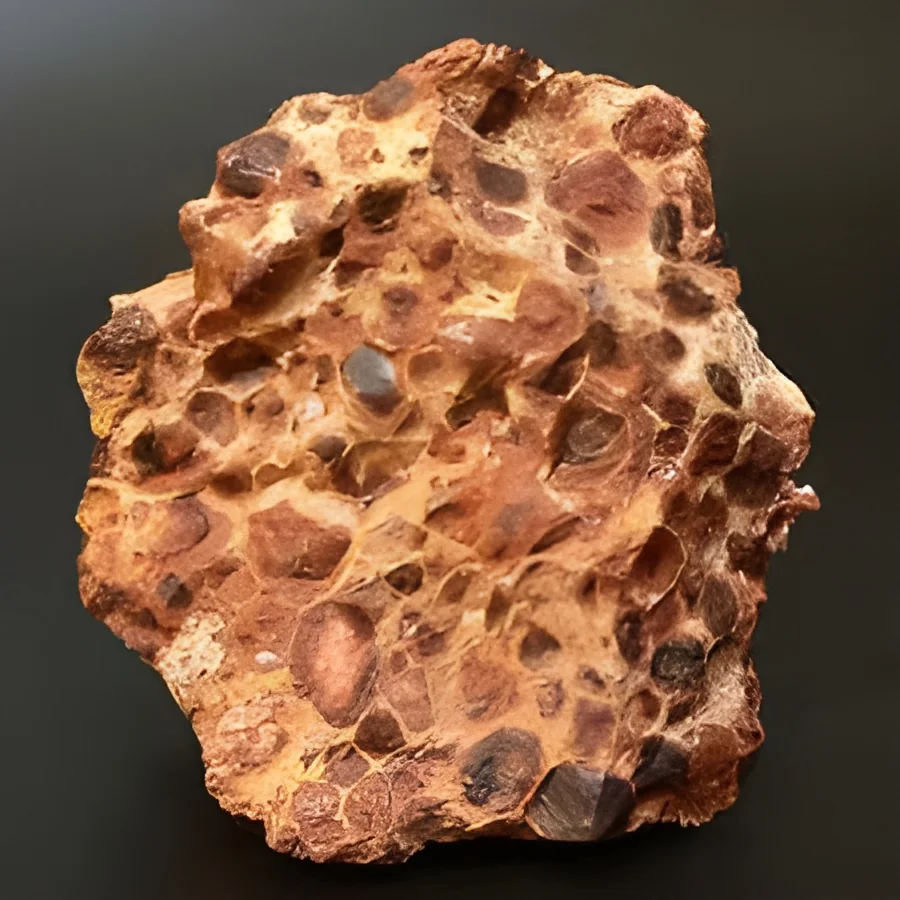
Bauxite is a naturally occurring ore from which aluminum is extracted. Composed primarily of aluminum oxide minerals like gibbsite, boehmite, and diaspore, bauxite is typically found in tropical and subtropical regions. The ore is characterized by its reddish-brown color, which is a result of iron oxide and other impurities present. Bauxite mining involves extracting the ore from open-pit mines, followed by refining it to produce alumina, which is further processed to create aluminum.
The primary uses of bauxite extend beyond aluminum production. It serves as a key ingredient in the manufacturing of refractory materials, abrasives, and chemical products. In addition, it is utilized in the production of cement and as a filler in various industrial applications. The demand for bauxite has grown significantly in recent years, driven by the increasing consumption of aluminum in industries such as automotive, aerospace, and construction. This growing demand highlights bauxite's relevance in the global market, making it a critical resource for various industrial sectors.
Key Features and Specifications
Bauxite is characterized by several key features and specifications that are important for industrial applications. Understanding these specifications helps businesses select the right type of bauxite for their needs.
Key specifications include:
1. Aluminum Oxide Content
- Typically ranges from 30% to 60%
- Higher content indicates higher quality for aluminum production
2. Impurity Levels
- Includes iron, silica, and titanium concentrations
- Lower impurity levels are preferred for refining processes
3. Moisture Content
- Usually between 10% to 20%
- Affects transport and processing efficiency
4. Particle Size Distribution
- Varies based on mining and processing methods
- Finer particles are often more desirable for certain applications
5. Color
- Generally reddish-brown to yellowish
- Color can indicate impurity levels and quality
6. Specific Gravity
- Typically ranges from 2.4 to 2.8
- Influences transport and handling characteristics
7. Chemical Composition
- Varies widely, impacting its usability in different applications
- Essential for determining suitability for specific industrial processes
In summary, these specifications are crucial for industries that rely on bauxite for production processes, as they directly influence the efficiency and quality of the final products.
Common Applications and Use Cases
Bauxite has diverse applications across several industries, making it a vital resource.
1. Aluminum Production: Bauxite is primarily used to produce aluminum through the Bayer process. The aluminum extracted is used in manufacturing a wide range of products from cans to aircraft components.
2. Refractory Materials: Bauxite is used in the production of refractory bricks, which withstand high temperatures in furnaces and kilns, making it essential for the steel and cement industries.
3. Abrasives: The material is also processed to create abrasives used in grinding and polishing applications.
4. Cement Manufacturing: Bauxite serves as an additive in cement production, enhancing the properties of cement products.
5. Chemical Products: It is used in the chemical industry to produce aluminum sulfate and other compounds.
6. Insulation: Bauxite's thermal properties make it useful in insulation materials for industrial applications.
7. Water Treatment: It is used in water treatment plants for flocculation processes.
Product Variants and Subcategories
While specific subcategories of bauxite are not available, the diversity of bauxite types can be noted.
High-Grade Bauxite
This variant has a higher aluminum oxide content, making it ideal for industries requiring high-quality aluminum. It is often used in applications where purity is critical.
Low-Grade Bauxite
Characterized by lower aluminum oxide content, this variant is often utilized in applications where cost is a significant factor, such as cement production.
Calcined Bauxite
This processed form of bauxite is heated to high temperatures to remove moisture and impurities. It is commonly used in the production of refractory materials and abrasives.
Benefits and Advantages
Bauxite offers numerous benefits that add value to various industrial processes.
1. High Aluminum Yield: Bauxite is the primary source of aluminum, providing a high yield of this lightweight metal crucial for numerous applications.
2. Versatility: The ore can be processed for various uses, including aluminum production, refractories, and abrasives, making it adaptable for different industries.
3. Cost-Effectiveness: Bauxite is generally more cost-effective than other sources of aluminum, helping businesses reduce production costs.
4. Abundant Availability: With significant deposits worldwide, bauxite is readily available, ensuring a stable supply for industries.
5. Environmental Benefits: Utilizing bauxite for aluminum production can be more environmentally friendly compared to other methods, especially when considering recycling initiatives.
6. Enhanced Properties: Bauxite-derived materials often possess superior qualities, such as improved thermal resistance and hardness, essential for industrial applications.
Buying Guide for B2B Buyers
When sourcing bauxite, several factors should be considered to ensure quality and suitability for your business needs.
1. Quality Assessment: Evaluate the aluminum oxide content and impurity levels. High-quality bauxite should have a minimum aluminum oxide content of 50% and low impurity levels for efficient processing.
2. Supplier Verification: It's crucial to vet suppliers for reliability and reputation. Look for established suppliers with a proven track record in the industry.
3. Pricing and MOQ: Understand the market pricing and minimum order quantities. Prices can vary significantly based on quality and supplier, so it's essential to compare options.
4. Delivery and Lead Times: Assess logistics capabilities and lead times to ensure timely delivery of bauxite for your production schedule.
5. Compliance Requirements: Ensure that the bauxite meets relevant industry standards and regulations, particularly if your applications require specific certifications.
Compliance and Certifications
Bauxite is subject to various quality standards and certifications that ensure its suitability for industrial use.
Relevant quality standards include ISO 9001, which focuses on quality management systems, ensuring that suppliers maintain consistent quality in their products. Compliance with HACCP and GDP may also be necessary for specific applications, particularly in the food and chemical industries.
Industry certifications such as CE indicate that the product meets European safety and health requirements, which can be critical for businesses operating in regulated markets.
Safety and testing requirements must also be adhered to, especially for products used in high-temperature applications. Regular testing ensures that bauxite meets the necessary safety standards.
Regional compliance considerations may vary, so it is essential for buyers to be aware of local regulations and guidelines governing the use of bauxite.
Why Source Bauxite from Pepagora?
Pepagora provides an efficient and reliable platform for sourcing bauxite, offering several key advantages to B2B buyers.
Verified Supplier Network: Pepagora has established a network of verified suppliers, ensuring that businesses can source high-quality bauxite from reputable sources. This verification process minimizes the risks associated with supplier reliability.
Streamlined RFQ Process: Pepagora's Request for Quotation (RFQ) process simplifies the procurement experience. Buyers can easily request quotes from multiple suppliers, allowing for informed decision-making based on competitive pricing and quality.
Trade Assurance and Support: With trade assurance policies, Pepagora offers buyer protection, providing peace of mind throughout the procurement process. This support helps mitigate risks associated with purchasing industrial materials.
Regional Coverage: Pepagora's geographic reach across India, the Gulf Cooperation Council (GCC), and Southeast Asia ensures that businesses can access bauxite suppliers in key markets, facilitating efficient sourcing and logistics.
By choosing Pepagora, B2B buyers can benefit from a trustworthy sourcing platform that caters to their specific needs in the bauxite market.

 IN
IN