𝗪𝗵𝗮𝘁 𝗮𝗿𝗲 𝗜𝗻𝗱𝘂𝘀𝘁𝗿𝗶𝗮𝗹 𝗠𝗶𝗻𝗲𝗿𝗮𝗹𝘀?
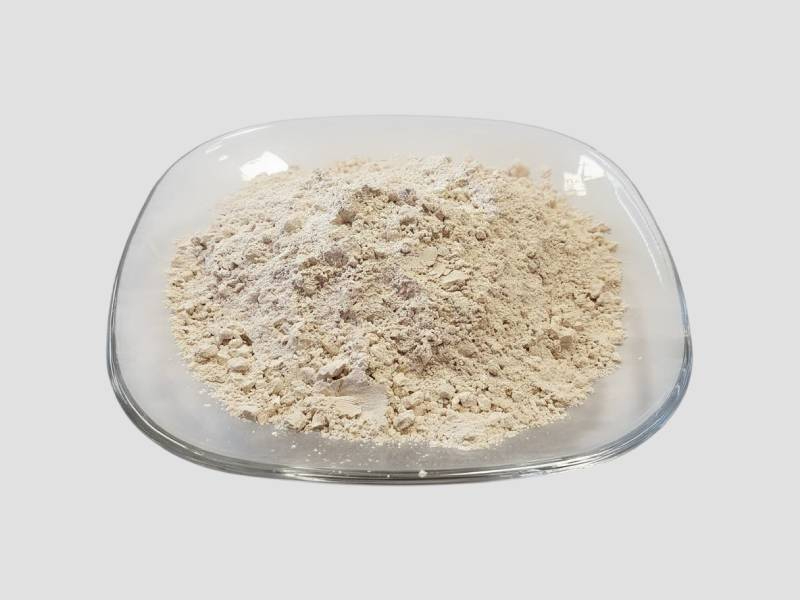
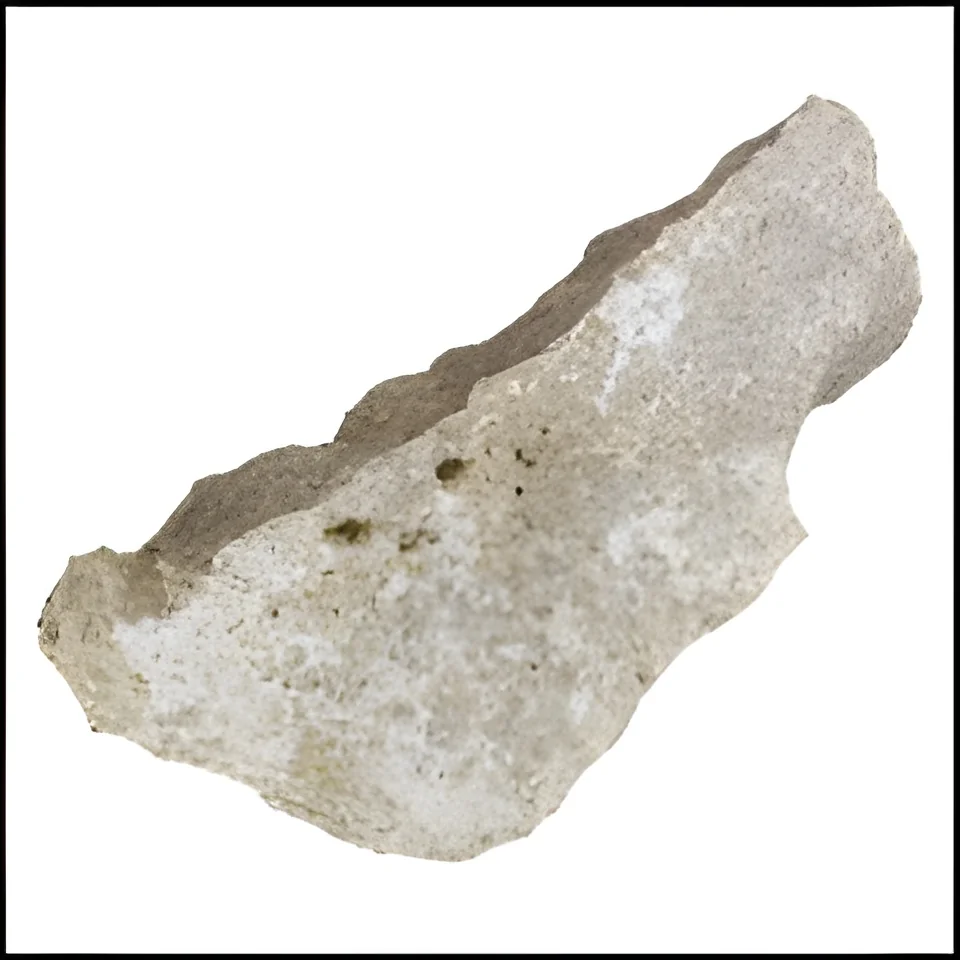
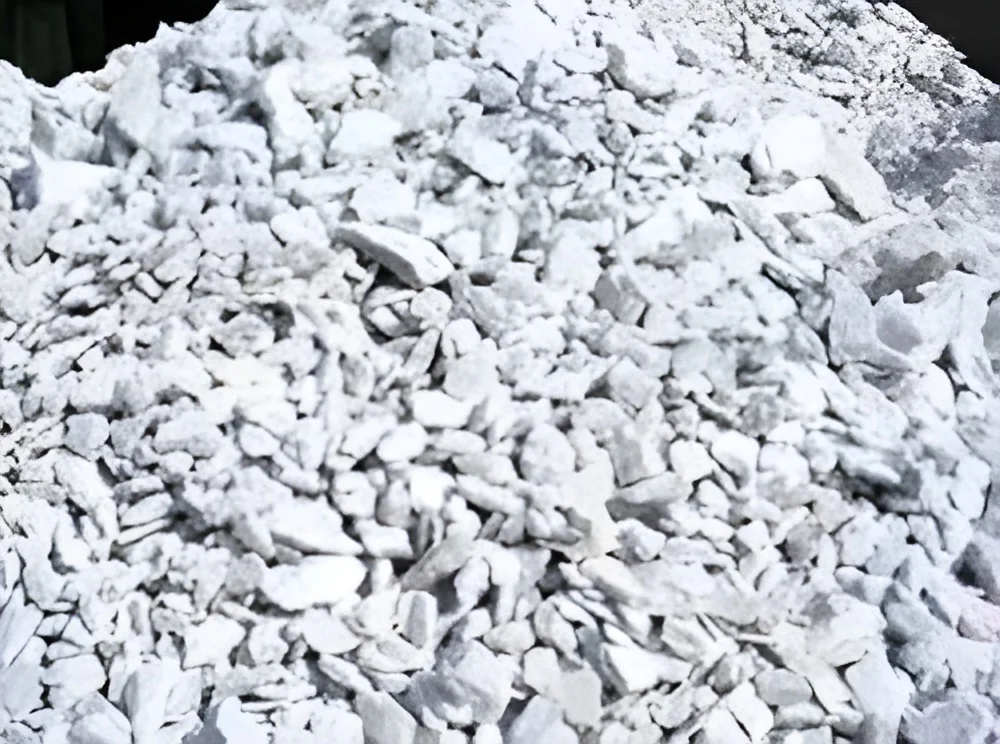
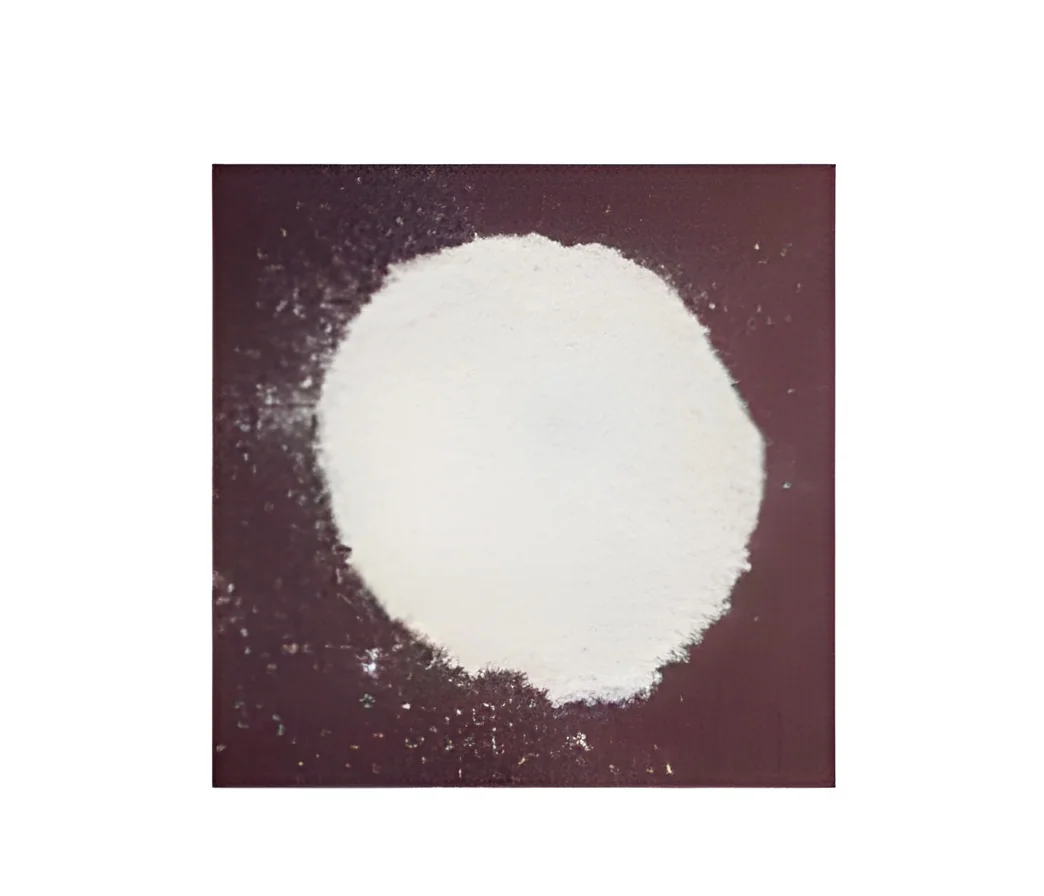
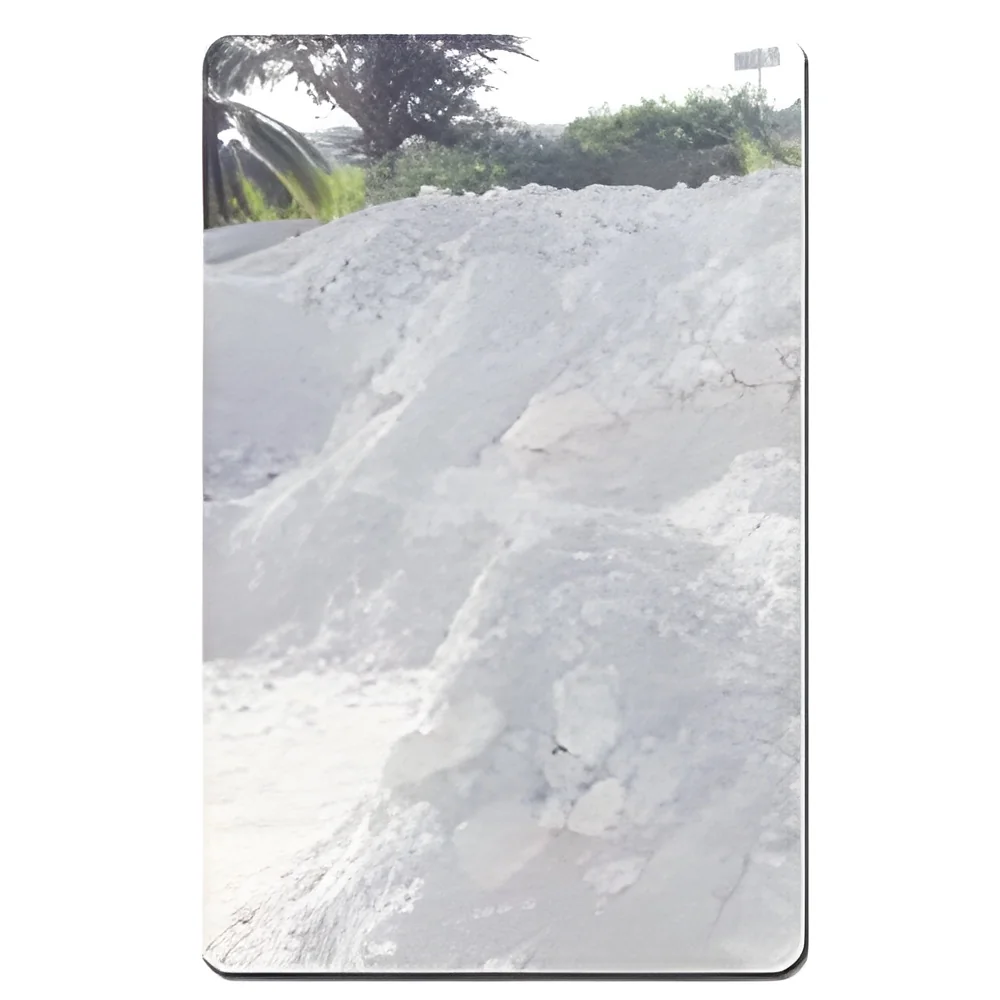
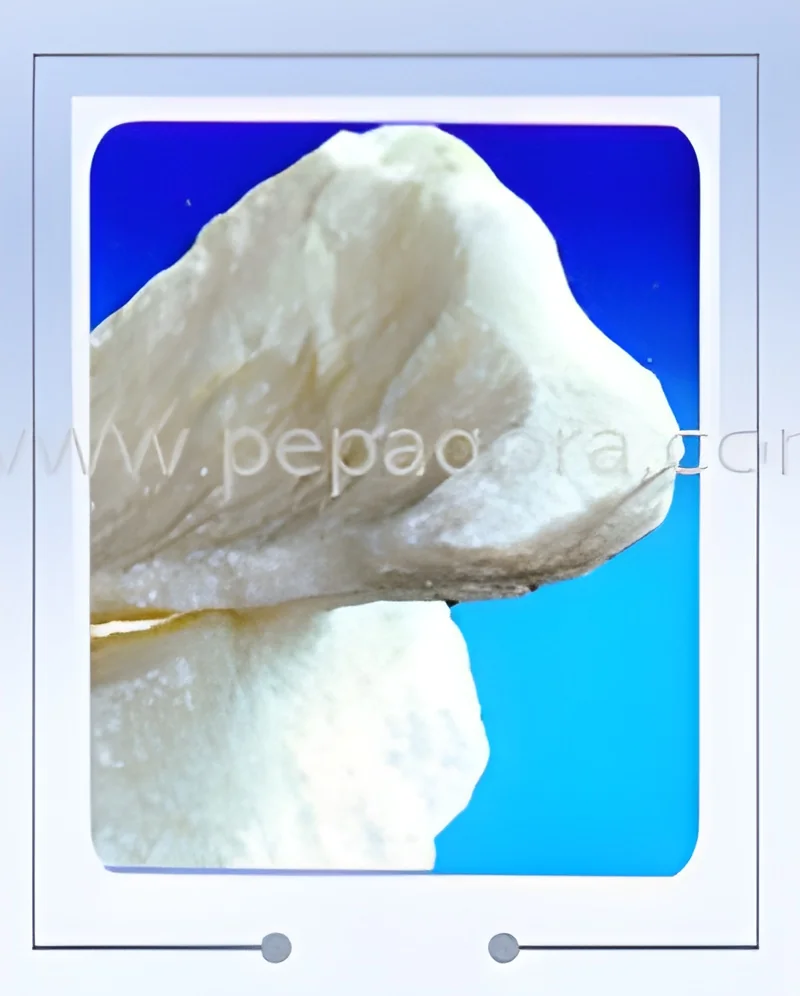
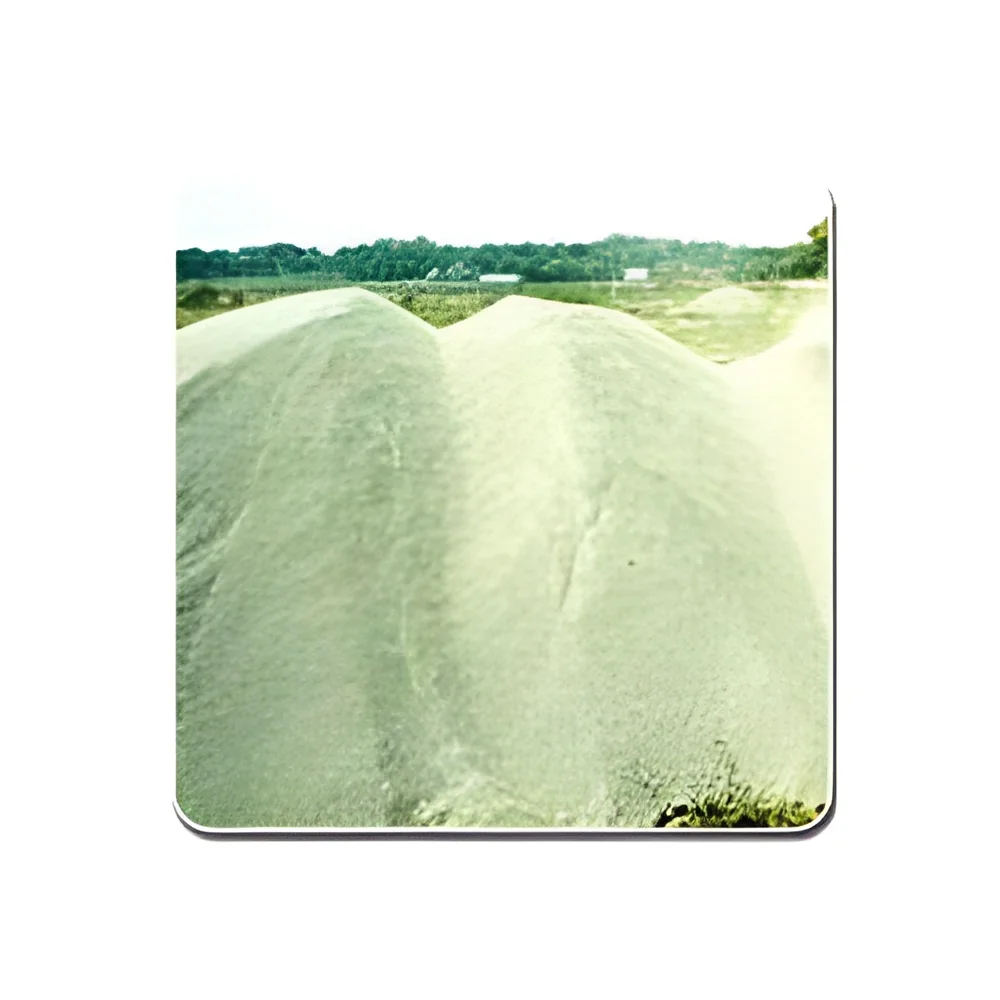
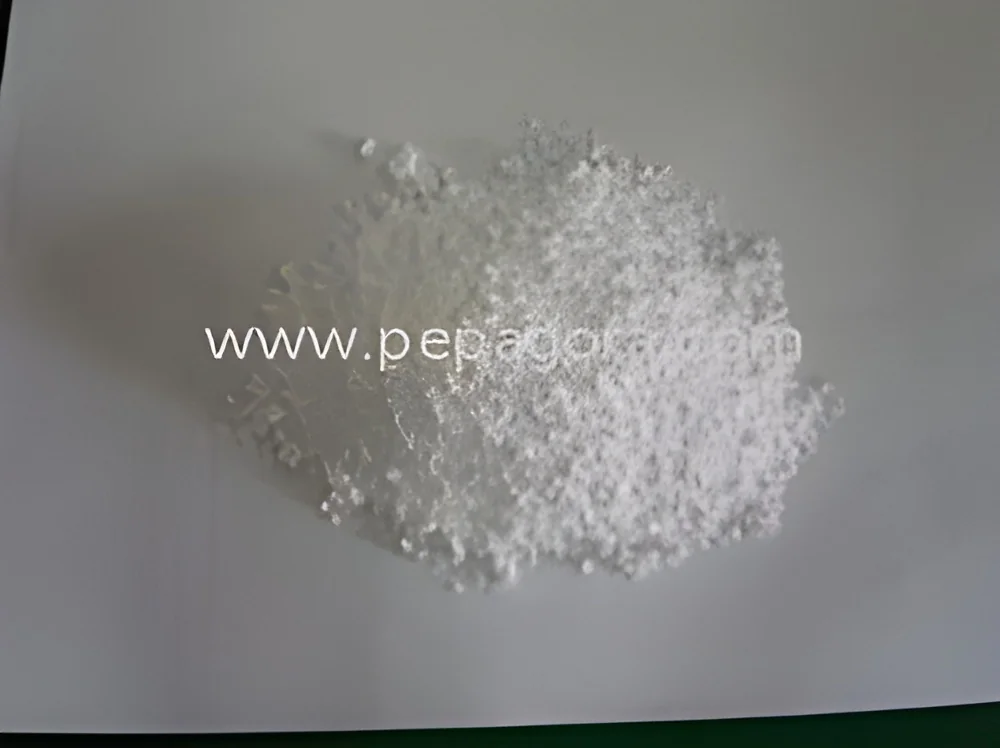
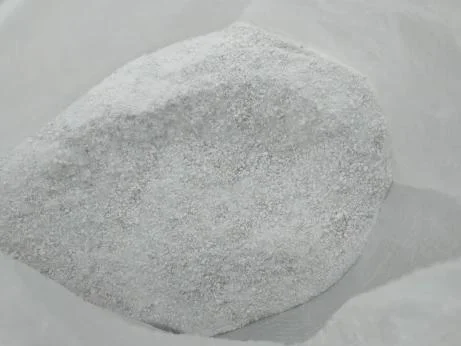
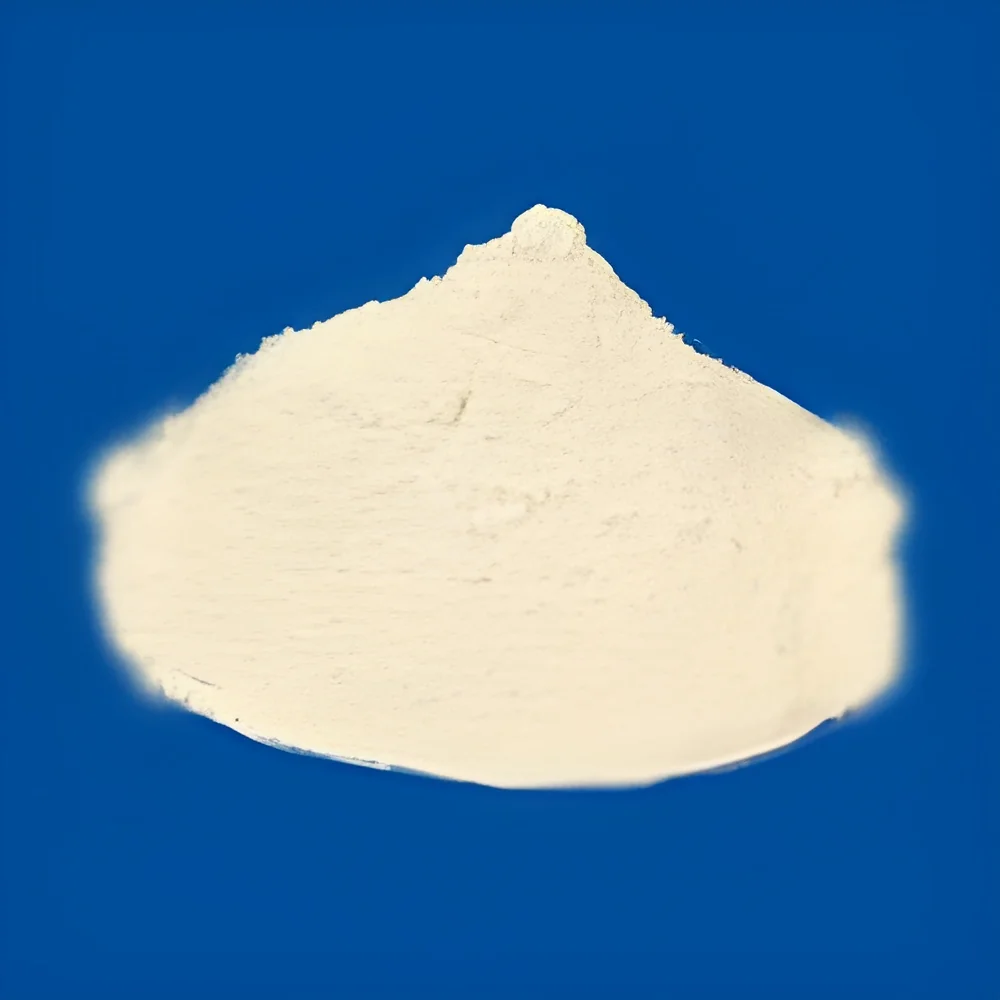
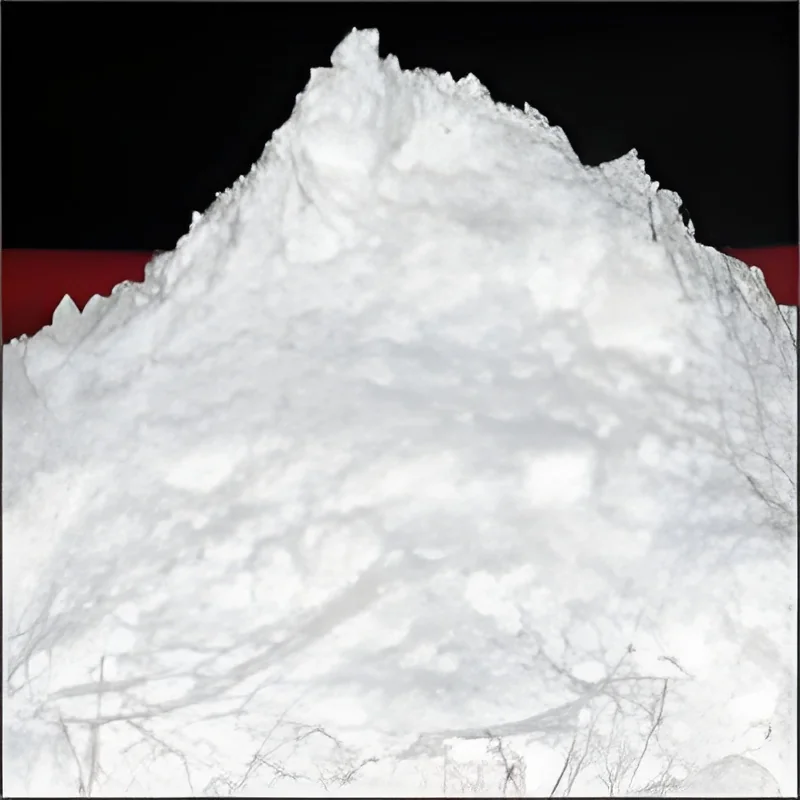
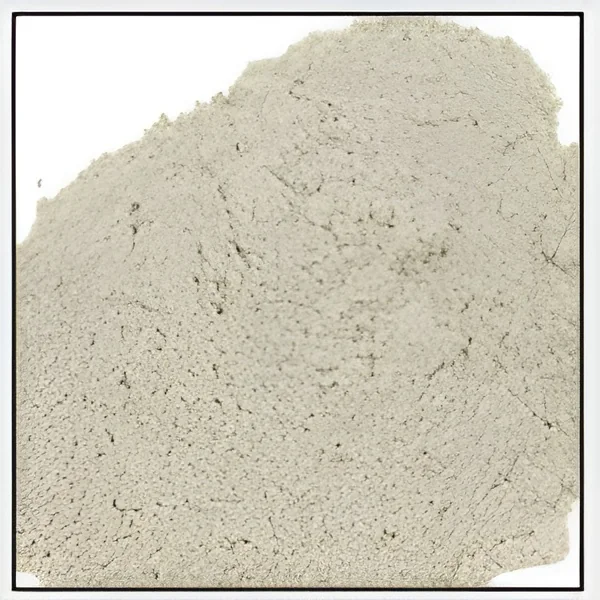
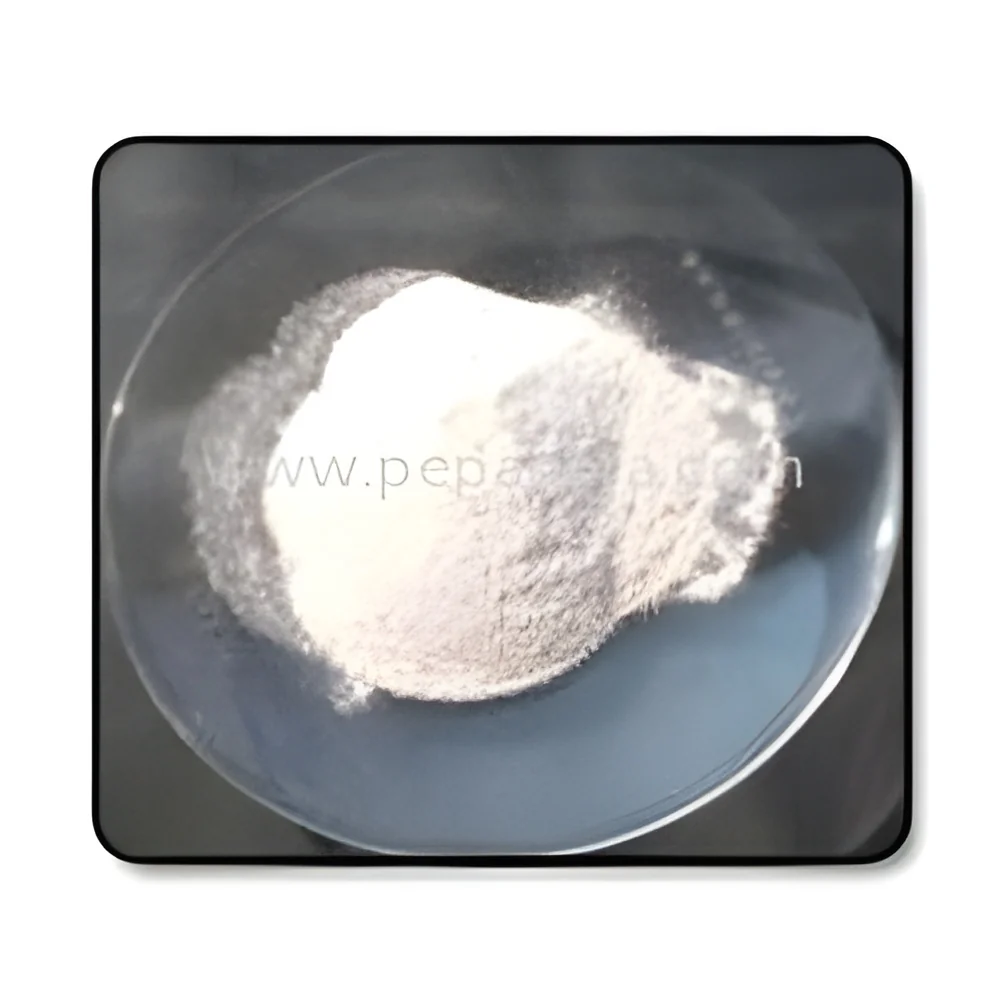
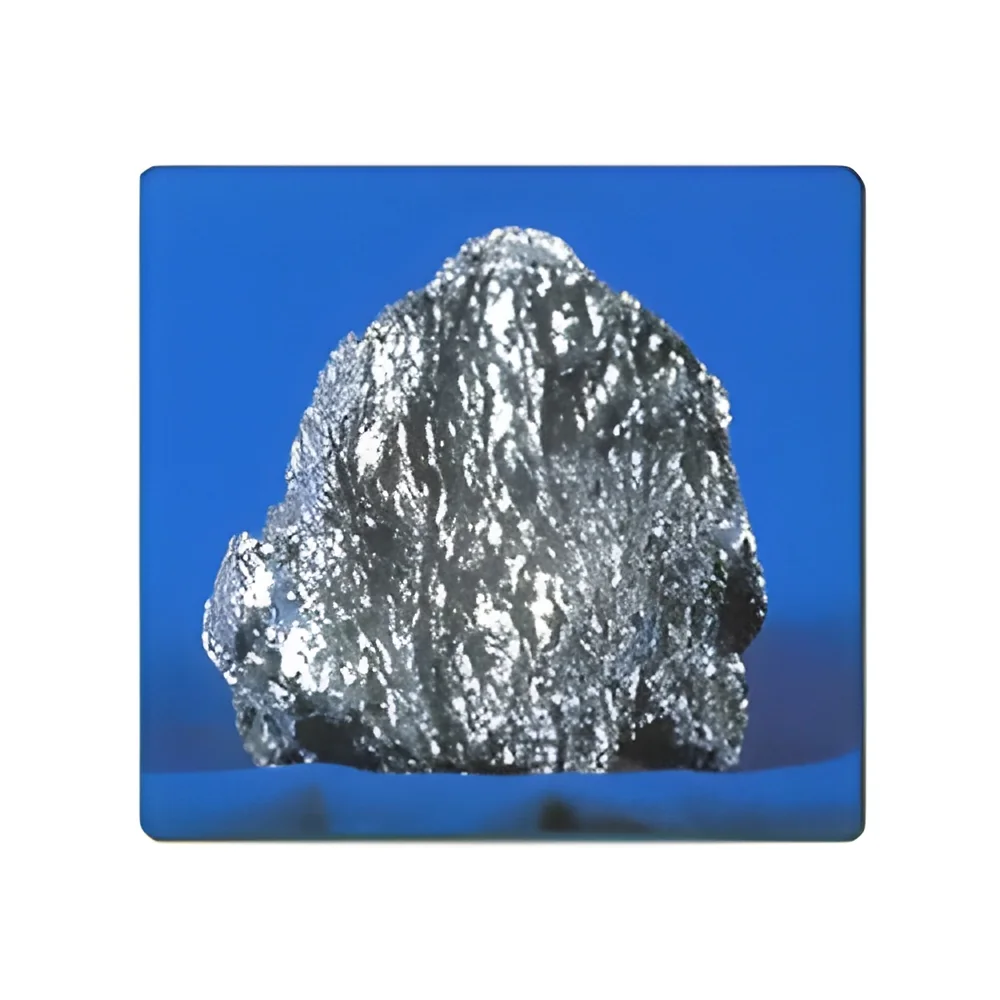
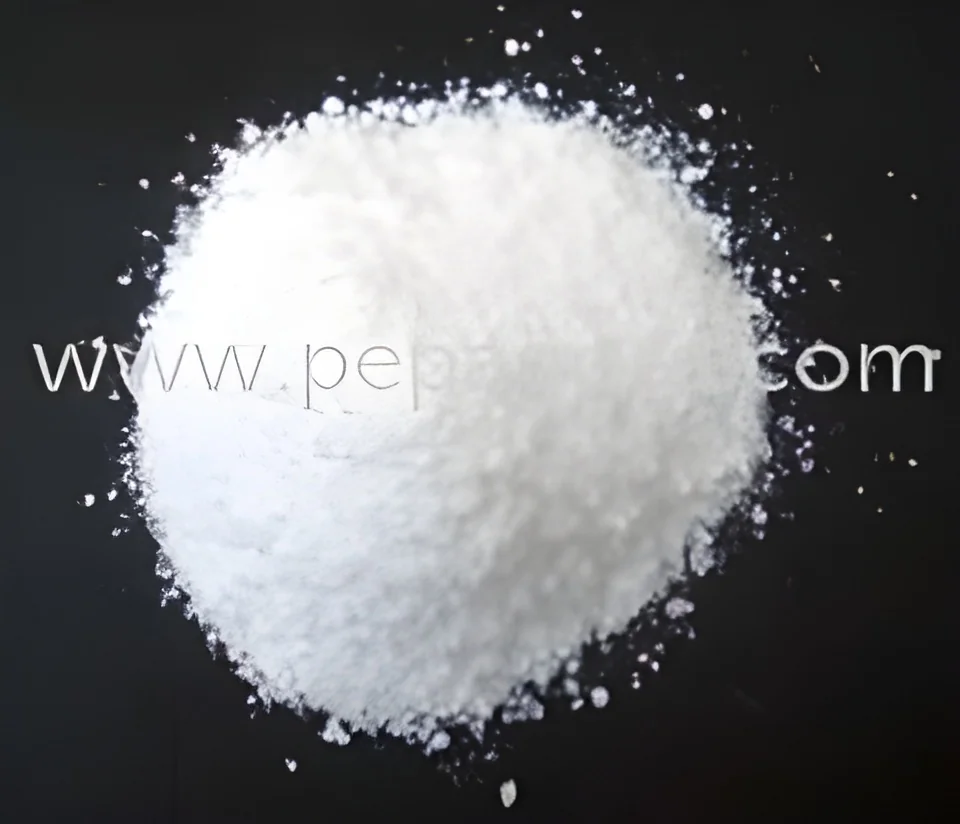
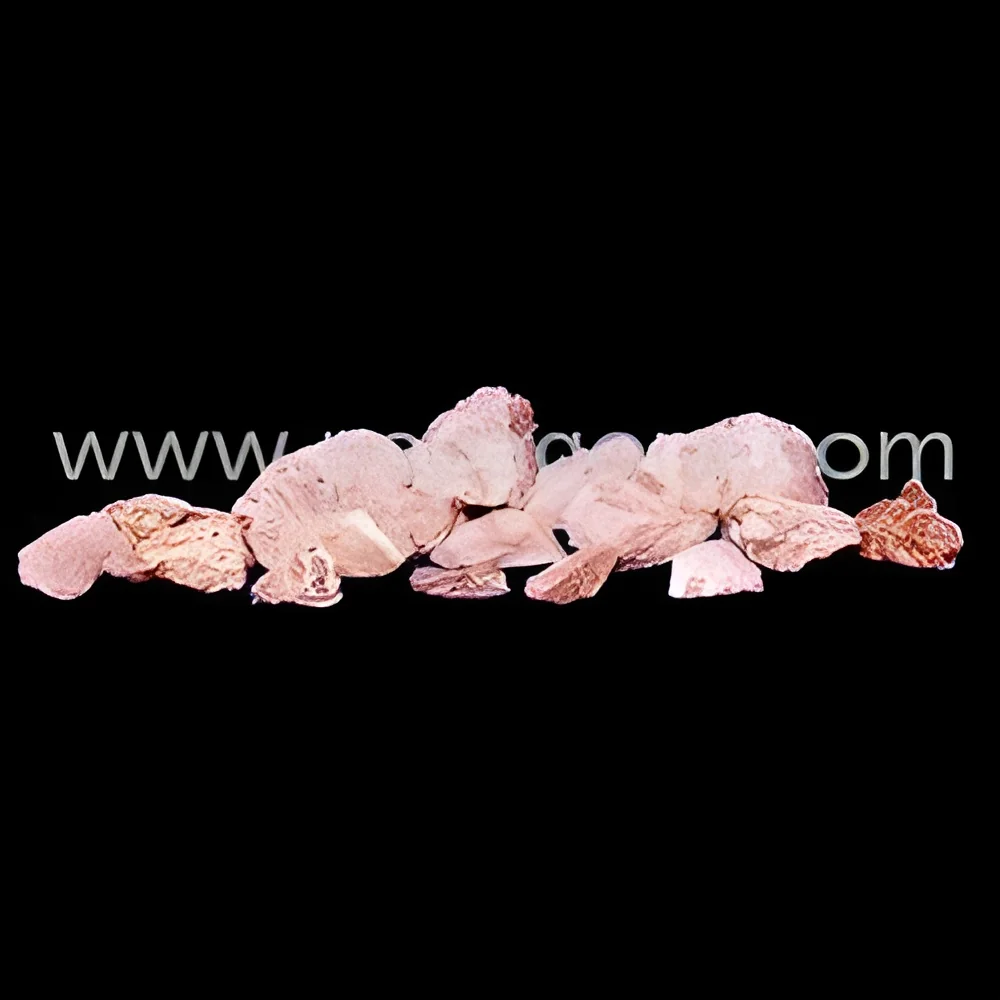
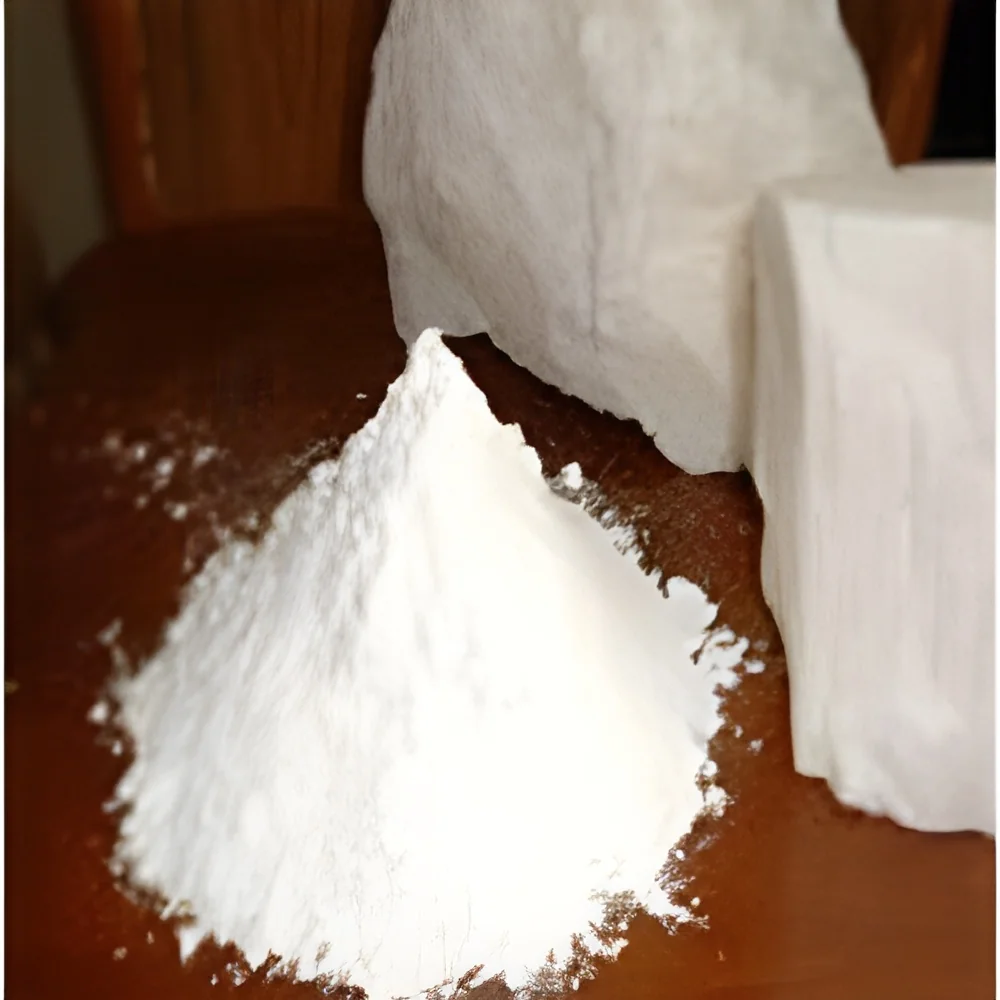
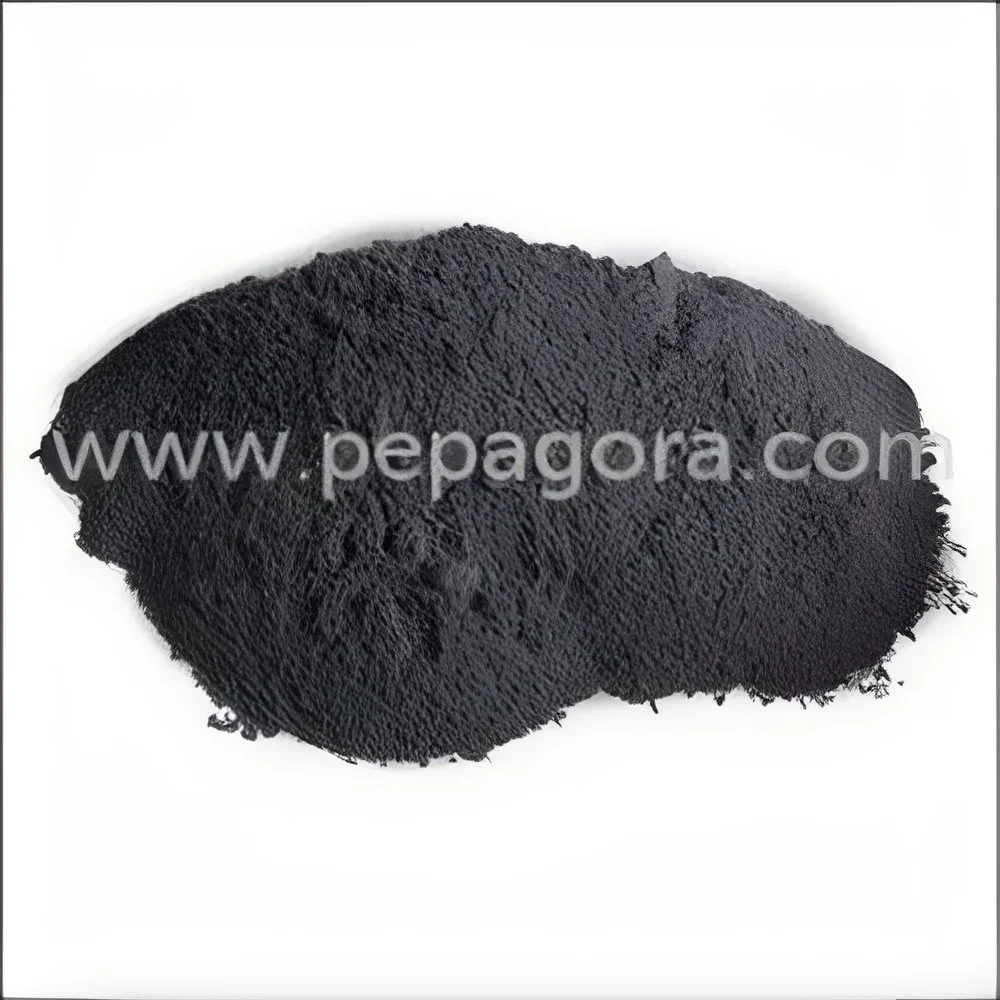
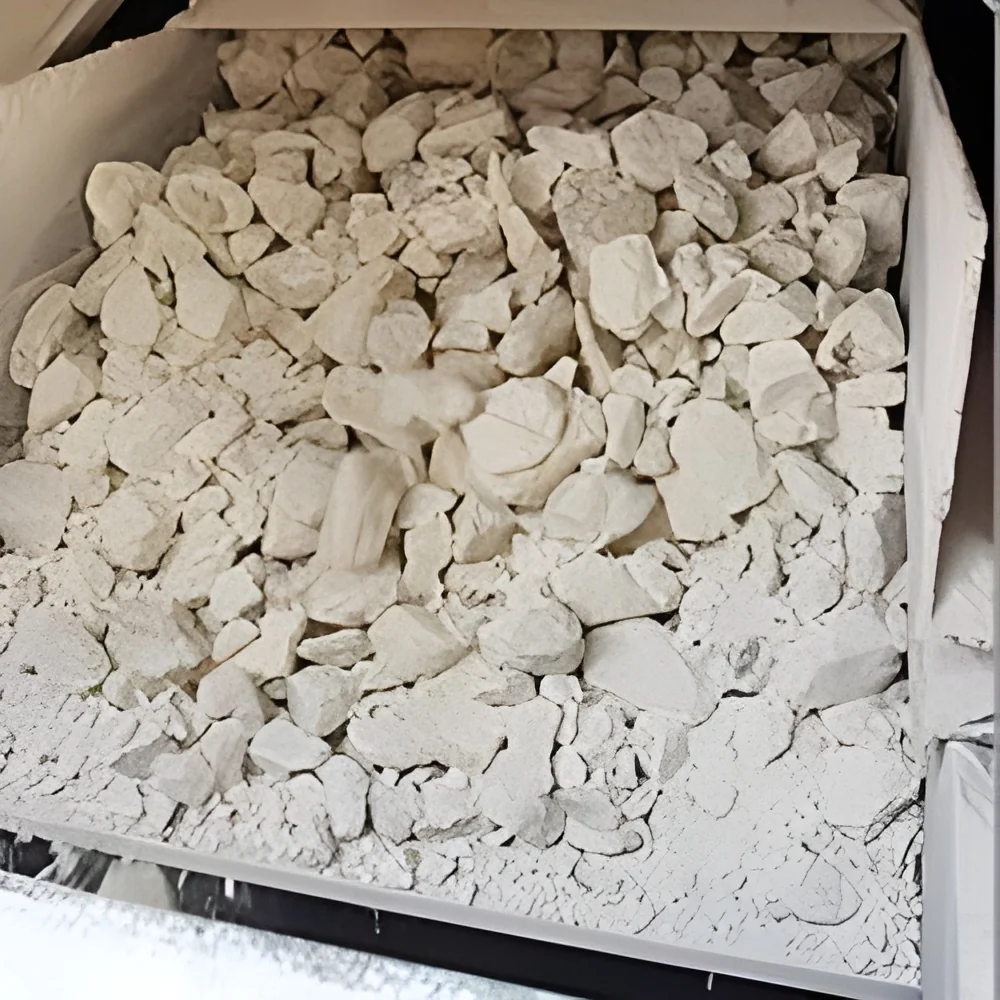
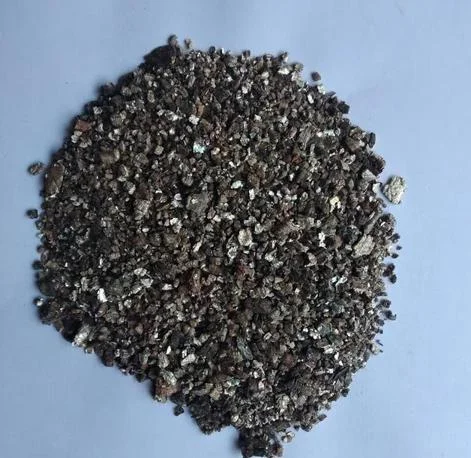
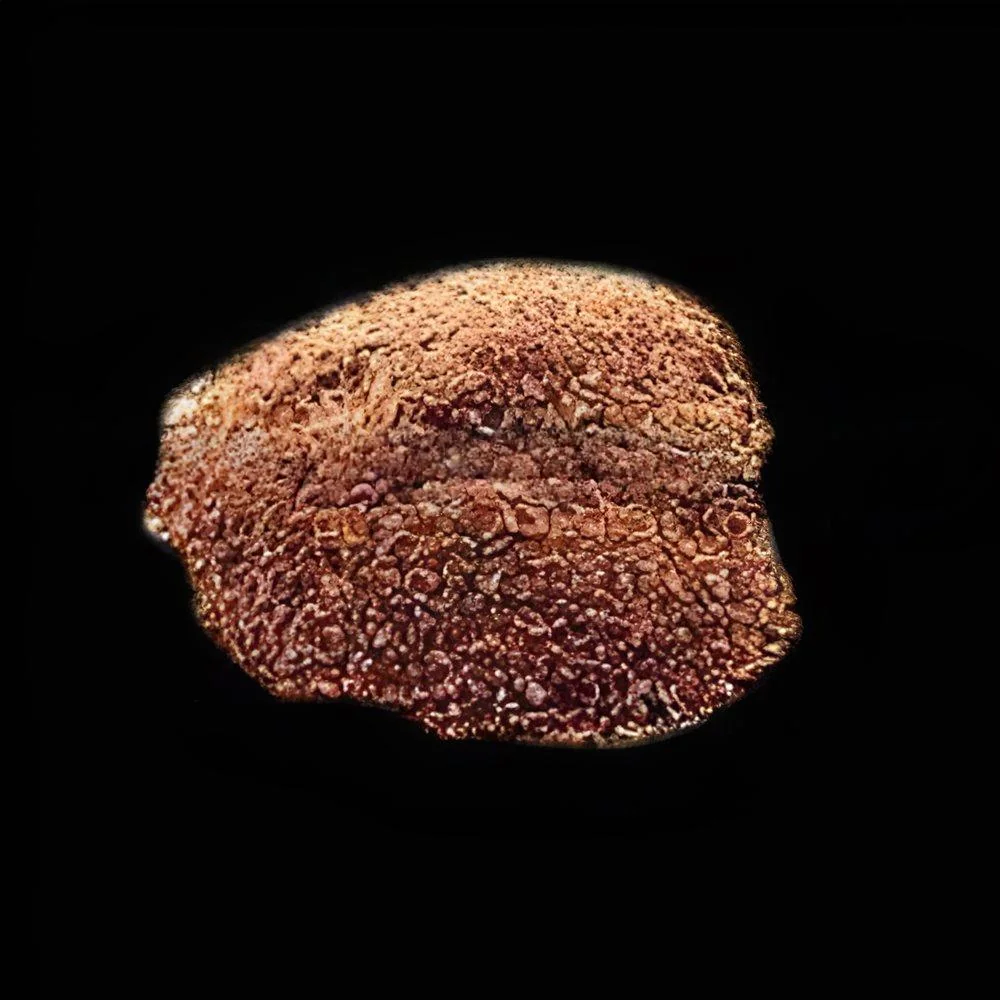
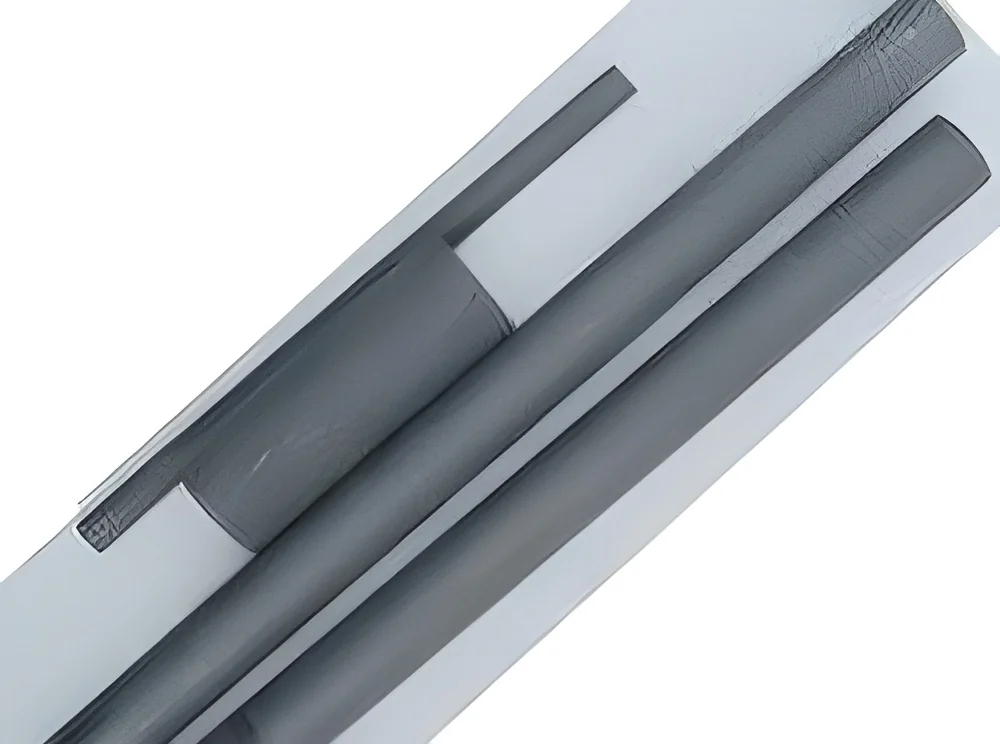
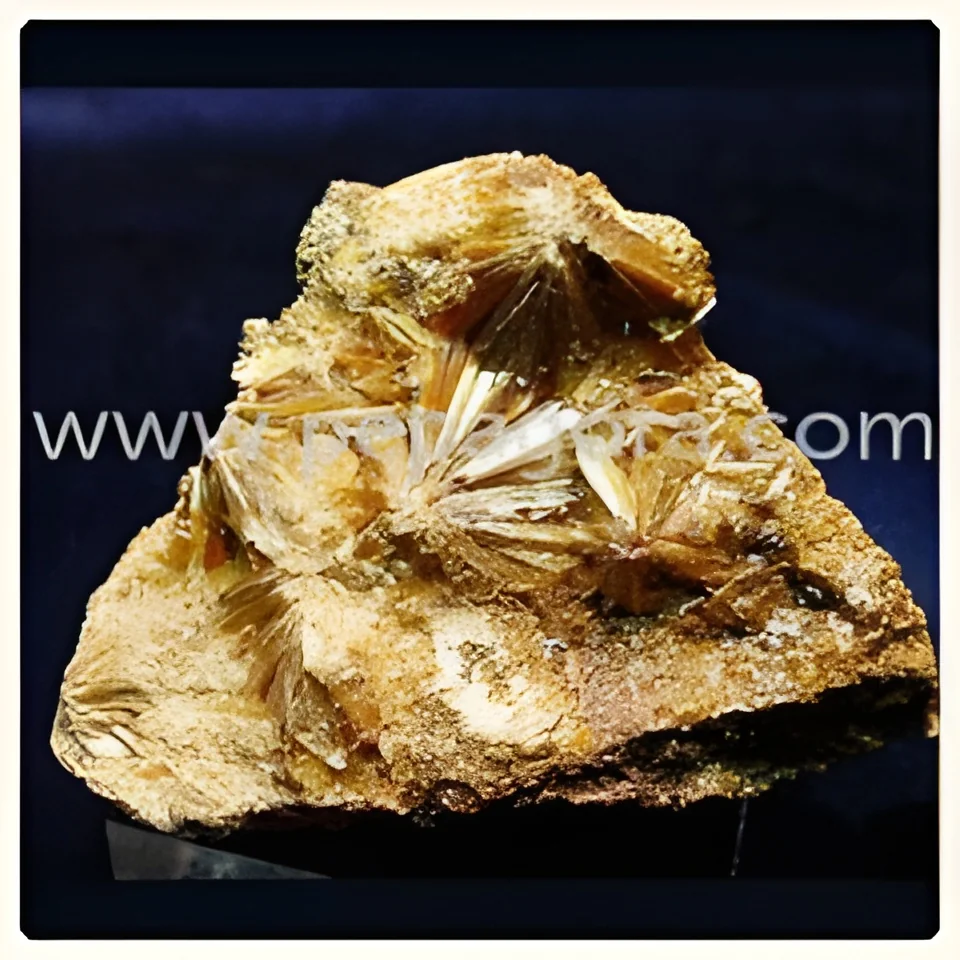
Industrial minerals are naturally occurring inorganic materials that are mined and processed for their essential properties and uses in various industries. Unlike metallic minerals, industrial minerals do not contain significant amounts of metals. Instead, they are valued for their physical and chemical properties, which make them suitable for a wide range of applications. Common examples include silica, clay, gypsum, and talc.
The primary uses of industrial minerals span across multiple sectors, including construction, manufacturing, agriculture, and even technology. For instance, they can serve as raw materials in the production of cement, ceramics, and glass. Additionally, industrial minerals play critical roles in agriculture as soil amendments and fertilizers. Their relevance in the market remains strong due to the growing demand for construction materials and sustainable practices across industries.
𝗞𝗲𝘆 𝗙𝗲𝗮𝘁𝘂𝗿𝗲𝘀 𝗮𝗻𝗱 𝗦𝗽𝗲𝗰𝗶𝗳𝗶𝗰𝗮𝘁𝗶𝗼𝗻𝘀
Industrial minerals come with a variety of specifications that determine their suitability for different applications. Understanding these features is crucial for buyers looking to meet specific industry standards and requirements.
Key specifications include:
1. Chemical Composition
- The purity and specific chemical makeup of minerals.
- Varies depending on the mineral type, often expressed in percentage.
2. Particle Size Distribution
- The size range of particles, which affects application performance.
- Typically measured in micrometers, with specific ranges for different uses.
3. Moisture Content
- The amount of water present in the mineral.
- Usually expressed as a percentage, impacting storage and handling.
4. Color
- The visual appearance of the mineral, which can affect aesthetic applications.
- Varies widely among different minerals.
5. Hardness
- A measurement of the mineral's resistance to scratching.
- Typically assessed using the Mohs hardness scale.
6. Bulk Density
- The weight of the mineral per unit volume, affecting transport and usage.
- Measured in grams per cubic centimeter.
7. Specific Gravity
- The ratio of the density of the mineral to that of water.
- Important for applications requiring precise measurements.
8. Thermal Stability
- The mineral's ability to withstand high temperatures without degradation.
- Critical for applications in refractories and industrial processes.
In summary, understanding these specifications helps buyers choose the right industrial minerals for their specific needs and applications.
𝗖𝗼𝗺𝗺𝗼𝗻 𝗔𝗽𝗽𝗹𝗶𝗰𝗮𝘁𝗶𝗼𝗻𝘀 𝗮𝗻𝗱 𝗨𝘀𝗲 𝗖𝗮𝘀𝗲𝘀
Industrial minerals find their way into a myriad of applications across various industries. They are essential components in many manufacturing processes, contributing to product quality and functionality.
1. Construction: Industrial minerals like limestone and clay are fundamental in the production of cement and concrete, enhancing structural integrity.
2. Agriculture: Minerals such as gypsum and calcite are used to improve soil quality and provide essential nutrients to crops.
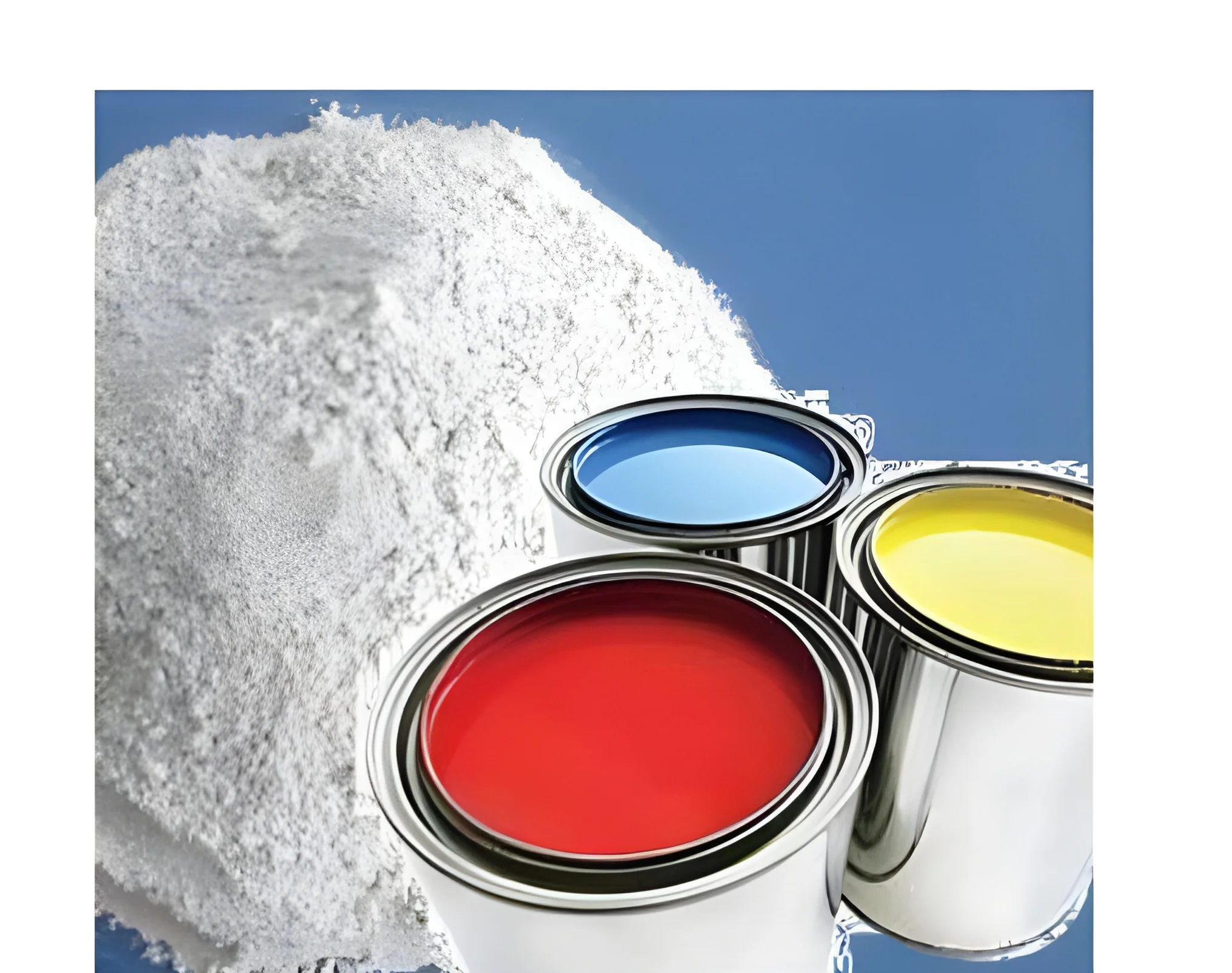
3. Paints and Coatings: Talc and silica are commonly used in the formulation of paints, providing texture and durability.
4. Glassmaking: Silica sand is a primary ingredient in glass production, ensuring clarity and strength in the final product.
5. Plastics: Industrial minerals like calcium carbonate are added to plastic products to enhance properties and reduce costs.
6. Ceramics: Clay minerals are essential in pottery and ceramics, impacting the strength and appearance of the final items.
7. Electronics: Certain industrial minerals are utilized in the manufacture of electronic components, contributing to performance and reliability.
𝗣𝗿𝗼𝗱𝘂𝗰𝘁 𝗩𝗮𝗿𝗶𝗮𝗻𝘁𝘀 𝗮𝗻𝗱 𝗦𝘂𝗯𝗰𝗮𝘁𝗲𝗴𝗼𝗿𝗶𝗲𝘀
Industrial minerals encompass a wide range of products, each serving distinct purposes based on their unique properties. This diversity allows for tailored solutions in various applications.
Silica Sand
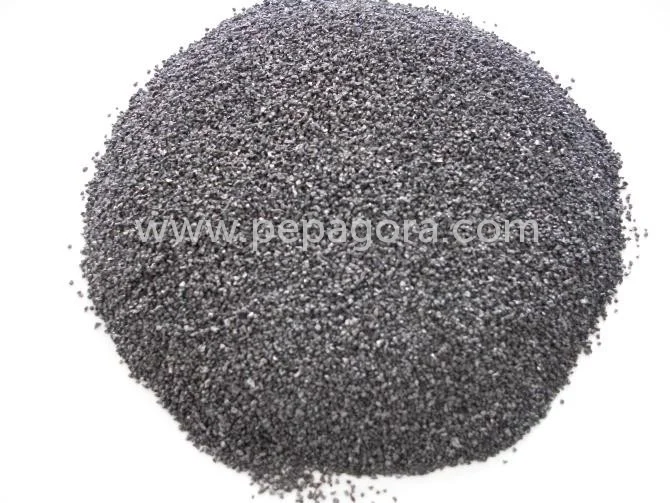
Silica sand is a key ingredient in glassmaking and foundry applications. Its high purity and grain size make it ideal for producing clear glass and casting molds.
Kaolin Clay
Kaolin clay is known for its whiteness and fine particle size. It is widely used in ceramics, paper, and as a filler in various products.
Bentonite Clay
Bentonite is valued for its absorbent qualities and is commonly used in drilling fluids, sealants, and as a binding agent in various applications.
Gypsum
Gypsum serves as a crucial ingredient in plaster and drywall products, providing fire resistance and sound insulation in construction.
Talc
Talc is widely used in cosmetics and personal care products due to its softness and ability to absorb moisture, making it a preferred ingredient in powders and lotions.
𝗕𝗲𝗻𝗲𝗳𝗶𝘁𝘀 𝗮𝗻𝗱 𝗔𝗱𝘃𝗮𝗻𝘁𝗮𝗴𝗲𝘀
The use of industrial minerals offers several key benefits that enhance operational efficiency and product quality.
1. Versatility: Industrial minerals can be adapted for various applications, providing flexibility in production processes.
2. Cost-Effectiveness: Many industrial minerals are abundant and relatively low-cost, making them an economical choice for manufacturers.
3. Performance Enhancement: The unique properties of industrial minerals can improve the performance and durability of end products.
4. Environmental Benefits: Many industrial minerals are sourced sustainably and can contribute to eco-friendly practices in manufacturing.
5. Quality Consistency: Sourced from reputable suppliers, industrial minerals often come with guaranteed quality standards, ensuring reliable performance.
6. Technical Support: Suppliers typically offer technical guidance, helping customers choose the right minerals for their specific needs.
𝗕𝘂𝘆𝗶𝗻𝗴 𝗚𝘂𝗶𝗱𝗲 𝗳𝗼𝗿 𝗕𝟮𝗕 𝗕𝘂𝘆𝗲𝗿𝘀
When sourcing industrial minerals, several important factors should be considered to ensure optimal procurement.
1. Quality Assessment: It is critical to evaluate the quality of industrial minerals based on composition, purity, and performance metrics to align with industry standards.
2. Supplier Verification: Buyers should conduct thorough research on suppliers to ensure reliability and consistency in product delivery and quality.
3. Pricing and MOQ: Understanding the pricing structure and minimum order quantities is essential for budgeting and planning purposes.
4. Delivery and Lead Times: Logistics play a significant role in supply chain management. Buyers should inquire about lead times to avoid disruptions in production.
5. Compliance Requirements: Ensuring that the minerals meet regional and industry-specific regulations is vital for legal compliance and operational efficiency.
𝗖𝗼𝗺𝗽𝗹𝗶𝗮𝗻𝗰𝗲 𝗮𝗻𝗱 𝗖𝗲𝗿𝘁𝗶𝗳𝗶𝗰𝗮𝘁𝗶𝗼𝗻𝘀
Industrial minerals must adhere to various quality standards and certifications to ensure safety and reliability. Key relevant standards include ISO 9001, which outlines quality management systems, and CE marking that indicates compliance with European safety standards.
It is important for suppliers to demonstrate adherence to safety and testing requirements, ensuring that products are safe for intended uses. Moreover, regional compliance considerations must be taken into account, as different countries may have specific regulations governing the extraction, processing, and sale of industrial minerals.
𝗪𝗵𝘆 𝗦𝗼𝘂𝗿𝗰𝗲 𝗜𝗻𝗱𝘂𝘀𝘁𝗿𝗶𝗮𝗹 𝗠𝗶𝗻𝗲𝗿𝗮𝗹𝘀 𝗳𝗿𝗼𝗺 𝗣𝗲𝗽𝗮𝗴𝗼𝗿𝗮?
Pepagora provides a trusted platform for sourcing industrial minerals, ensuring buyers have access to a wide range of quality products. One of the key advantages is the verified supplier network, which ensures that all suppliers meet rigorous standards for product quality and reliability.
Furthermore, the streamlined RFQ process allows buyers to request quotations from multiple suppliers quickly and efficiently, saving time and effort in the procurement process.
Pepagora also offers trade assurance and support, providing buyers with protection and assistance throughout the purchasing journey, ensuring a seamless experience.
Finally, with regional coverage extending across India, the GCC, and Southeast Asia, Pepagora connects buyers with suppliers in diverse markets, enhancing opportunities for sourcing industrial minerals tailored to specific needs.

 IN
IN