What are Limestone?
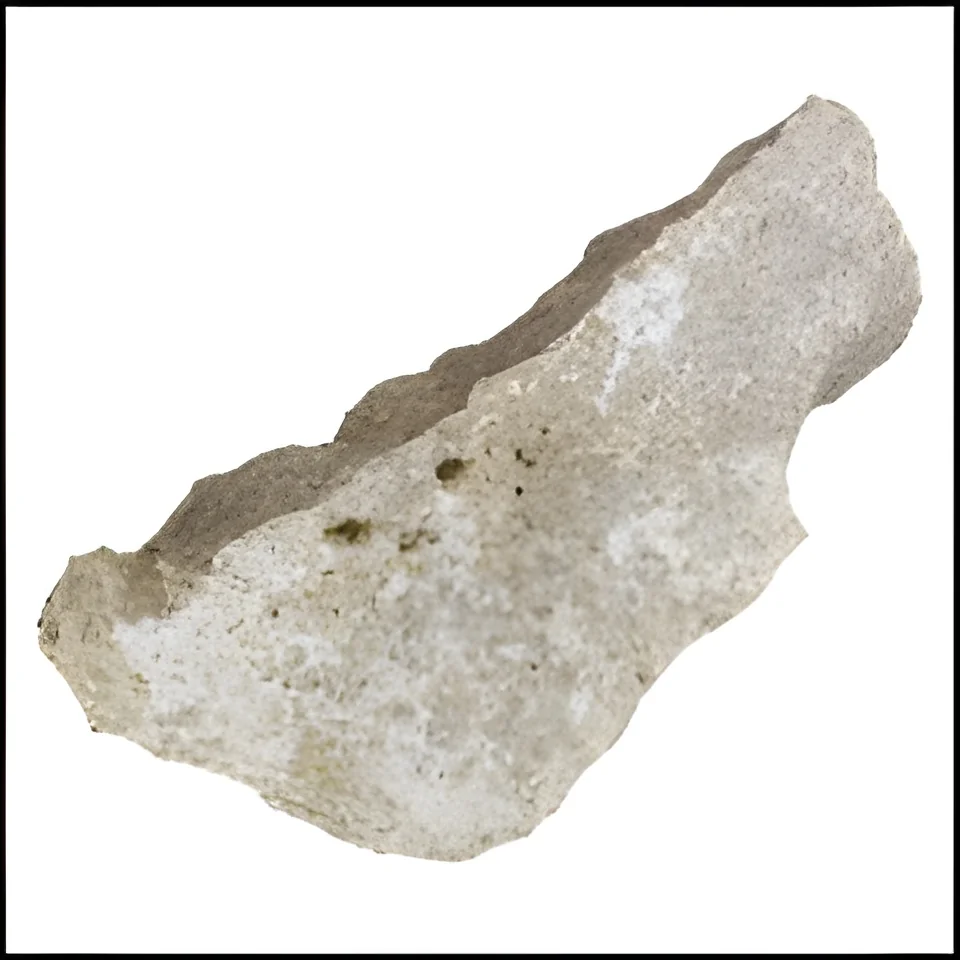
Limestone is a sedimentary rock primarily composed of calcium carbonate. It is formed through the accumulation of marine organisms, including coral and shellfish, which over time, compact and cement into solid rock. Limestone can vary in color, texture, and type, depending on its origin and the environmental conditions during its formation.
This versatile material has a wide range of applications across various industries. It is commonly used in construction for producing cement, as well as in the manufacturing of lime, which is an essential ingredient in various chemical processes. Additionally, limestone plays a vital role in agriculture as a soil conditioner and is also utilized in the production of glass and steel. Given its widespread use, limestone is a critical component in the global construction and manufacturing sectors.
The limestone market is significant, driven by increasing infrastructure development and industrial growth worldwide. As urbanization continues to expand, the demand for limestone in construction and other applications is expected to rise. Consequently, companies involved in the extraction and distribution of limestone are positioned to benefit from this ongoing trend.
Key Features and Specifications
Limestone is characterized by its unique physical and chemical properties, making it suitable for various industrial applications. Understanding its specifications is crucial for businesses looking to utilize limestone effectively.
Key specifications include:
1. Chemical Composition
- Mainly composed of calcium carbonate (CaCO3)
- May contain impurities such as silica, alumina, and iron oxides
2. Hardness
- Typically ranges from 3 to 4 on the Mohs scale
- Indicates moderate resistance to scratching and abrasion
3. Density
- Average density of limestone is approximately 2.5 g/cm³
- Variations can occur based on the specific type of limestone
4. Color Variations
- Common colors include white, gray, and beige
- Color may vary depending on mineral content and impurities
5. Porosity
- Generally moderate porosity, affecting water absorption
- Impacts suitability for specific applications
6. Grain Size
- Can vary from fine to coarse grains
- Influences the texture and appearance of finished products
7. Reactivity with Acids
- Reacts with hydrochloric acid, producing carbon dioxide
- Important for applications involving chemical processes
In summary, limestone's unique features and specifications make it a versatile material for various industries, from construction to manufacturing.
Common Applications and Use Cases
Limestone is utilized across multiple industries due to its diverse properties and applications.
1. Construction: Limestone is a primary component in cement production, essential for building materials such as concrete and mortar.
2. Agriculture: It is commonly used to improve soil quality and correct acidity levels, enhancing crop yields and soil health.
3. Manufacturing: Limestone is a key ingredient in the production of glass and ceramics, providing clarity and strength to finished products.
4. Water Treatment: It is used in water purification processes to neutralize acidity and remove impurities.
5. Steel Production: Limestone acts as a flux in steelmaking, helping to remove impurities and enhance the quality of the final product.
6. Chemical Industry: It is employed in the manufacture of lime, which is used in various chemical processes and environmental applications.
7. Carbon Capture: Limestone is involved in carbon sequestration efforts, helping to reduce greenhouse gas emissions.
Product Variants and Subcategories
Limestone is a diverse product with various types and applications tailored to specific industry needs.
Crushed Limestone
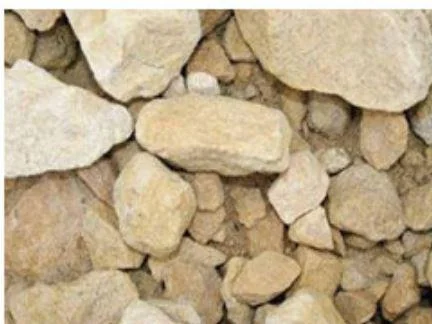
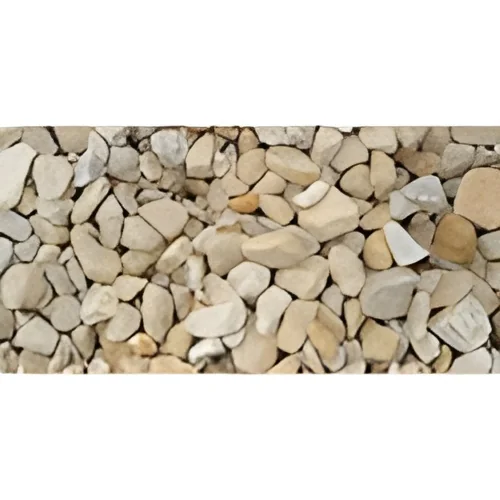
This variant is commonly used in construction and road building. It is produced by crushing larger limestone rocks into smaller aggregates, making it suitable for concrete and asphalt production.
Limestone Powder
Finely ground limestone powder is used in various applications, including as a filler in plastics and rubber, as well as in the food industry as a calcium supplement.
Lime
While technically derived from limestone, lime is produced by heating limestone to create quicklime, which is then hydrated to produce slaked lime. Lime has numerous applications in construction, water treatment, and agriculture.
Benefits and Advantages
Limestone offers numerous advantages that make it a preferred choice in various applications.
1. Cost-Effectiveness: Limestone is abundant and relatively inexpensive, making it an economical choice for construction and industrial uses.
2. Versatility: Its wide range of applications allows businesses to utilize limestone in multiple sectors, from agriculture to manufacturing.
3. Environmental Benefits: Limestone plays a role in carbon capture and is used in water treatment, contributing positively to environmental sustainability.
4. Ease of Processing: Limestone can be easily extracted, crushed, and processed, facilitating its use in various forms and applications.
5. Durability: Limestone-based products are known for their strength and longevity, ensuring that structures remain stable over time.
6. Natural Resource: Being a naturally occurring material, limestone is a sustainable option for industries focusing on eco-friendly practices.
Buying Guide for B2B Buyers
When sourcing limestone, there are several factors to consider to ensure you select the right product for your needs.
1. Quality Assessment: Evaluate the chemical composition and purity of limestone. Higher purity levels are essential for applications requiring specific chemical properties.
2. Supplier Verification: Conduct due diligence on suppliers to ensure they have a reliable track record and can meet your quality and delivery expectations.
3. Pricing and MOQ: Investigate pricing structures and minimum order quantities to find a supplier that aligns with your budget and operational requirements.
4. Delivery and Lead Times: Consider logistics, including delivery schedules and lead times, to ensure timely availability of limestone for your projects.
5. Compliance Requirements: Ensure that the limestone meets relevant industry standards and regulations, such as CE certification and local environmental laws.
Compliance and Certifications
Limestone is subject to several quality standards and certifications that ensure its suitability for various applications.
ISO 9001 is a widely recognized quality management standard that many limestone suppliers adhere to, ensuring consistent quality in production processes.
HACCP and GDP certifications may apply when limestone is used in food-related applications, ensuring safety and compliance with health regulations.
Safety and testing requirements are critical in industries using limestone, particularly in construction and manufacturing, where material integrity is essential.
Regional compliance considerations vary by location, so it is crucial for businesses to be aware of local regulations and standards affecting limestone sourcing.
Why Source Limestone from Pepagora?
Pepagora provides a trusted platform for sourcing limestone with numerous advantages for B2B buyers.
Verified Supplier Network: Our platform connects you with verified suppliers who have undergone rigorous checks, ensuring reliability and quality in your sourcing decisions.
Streamlined RFQ Process: Pepagora offers a streamlined request for quotation (RFQ) process, enabling buyers to receive competitive quotes from multiple suppliers quickly and efficiently.
Trade Assurance and Support: We provide trade assurance and support to protect buyers throughout the sourcing process, ensuring that your transactions are secure and satisfactory.
Regional Coverage: With a strong presence in India, the GCC, and Southeast Asia, Pepagora offers extensive regional coverage, making it easier for businesses to connect with local suppliers and meet their limestone needs.

 IN
IN