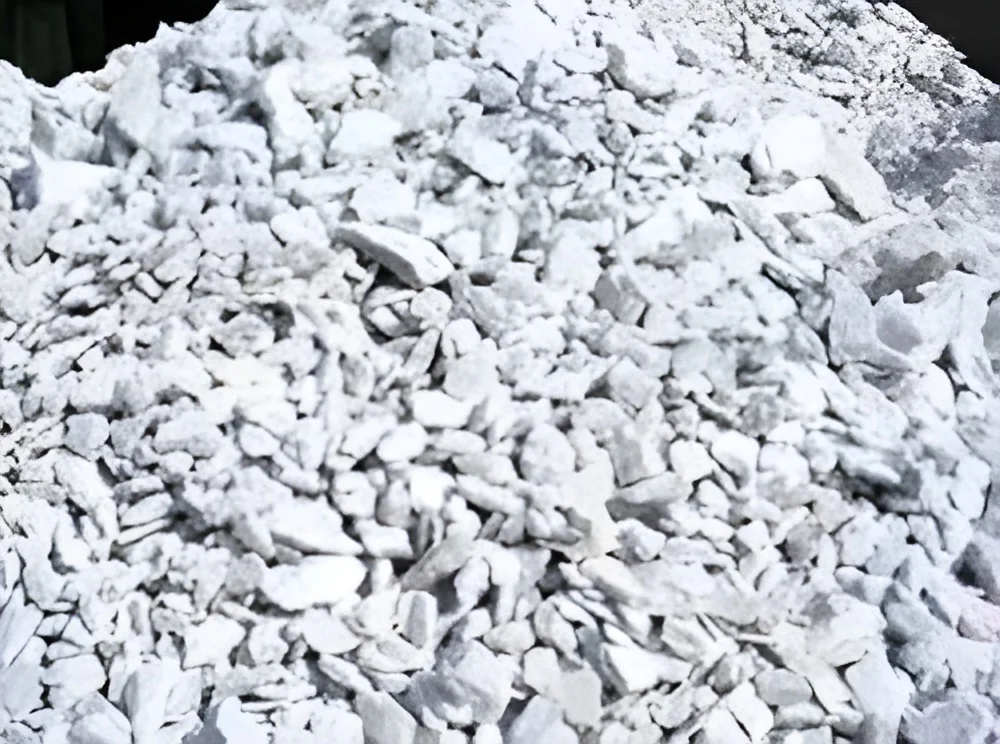
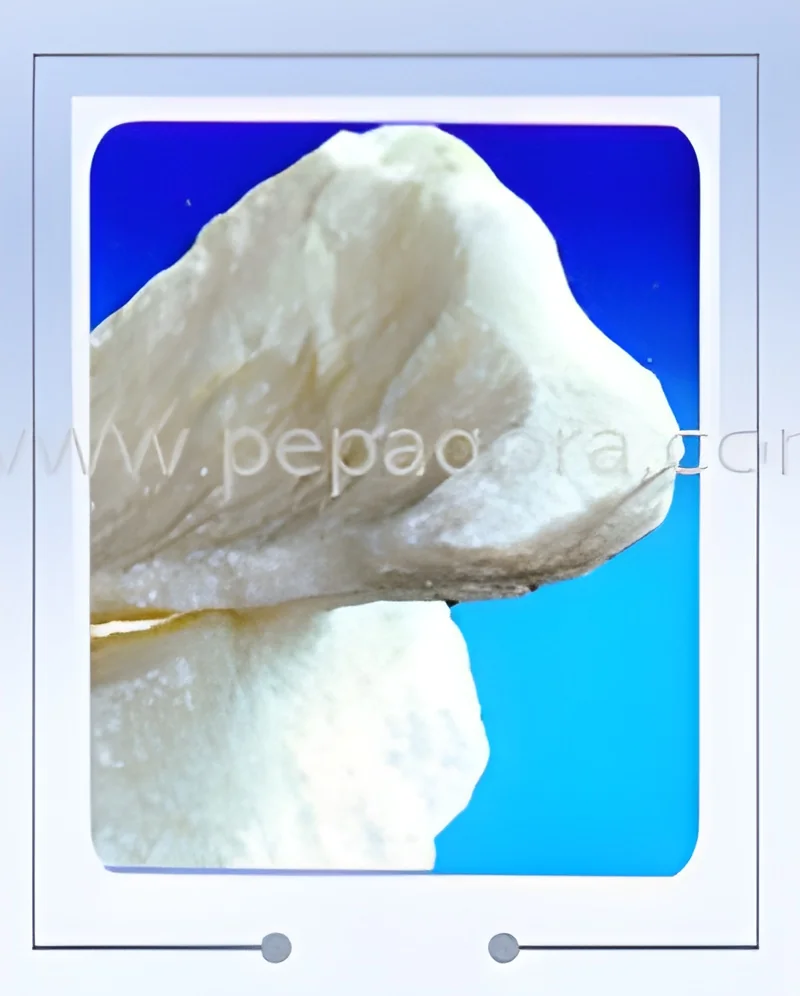
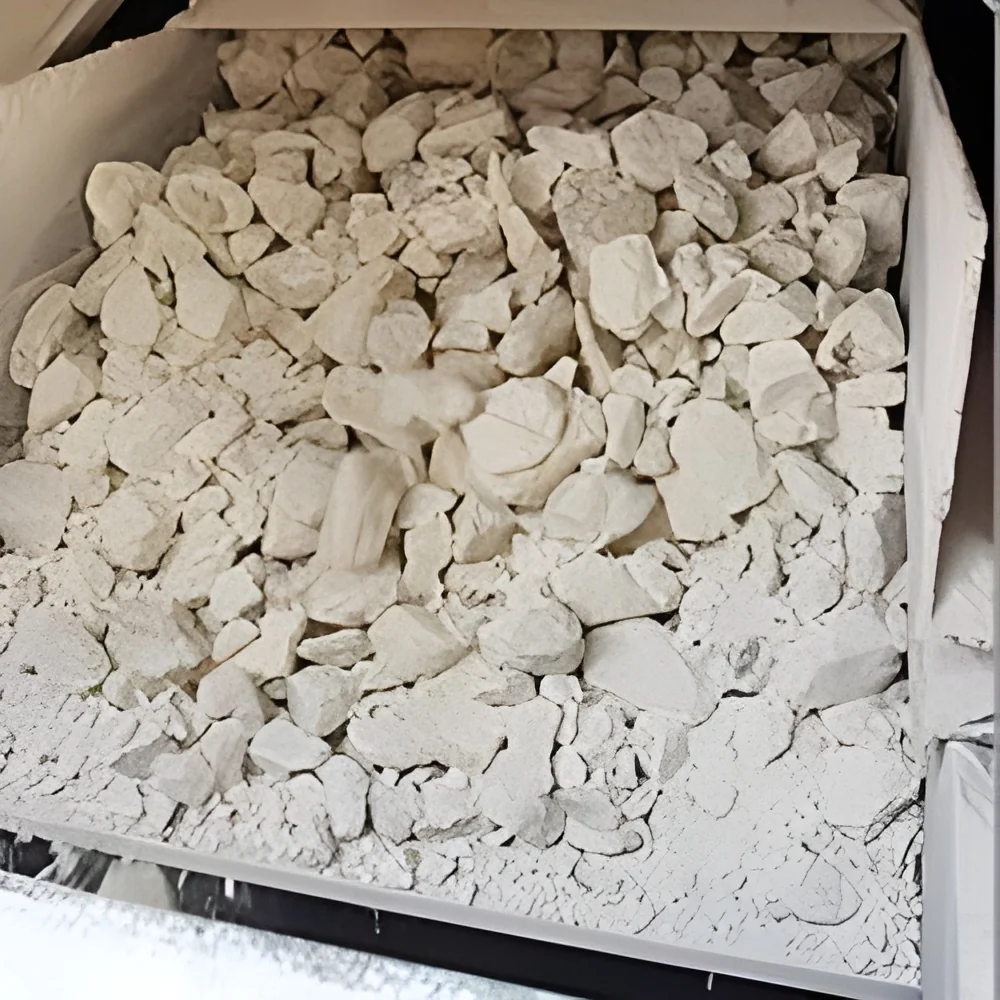
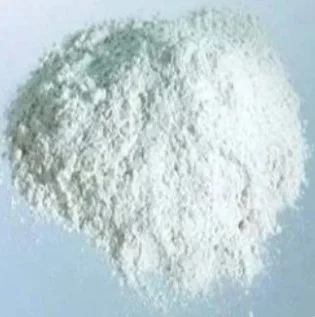
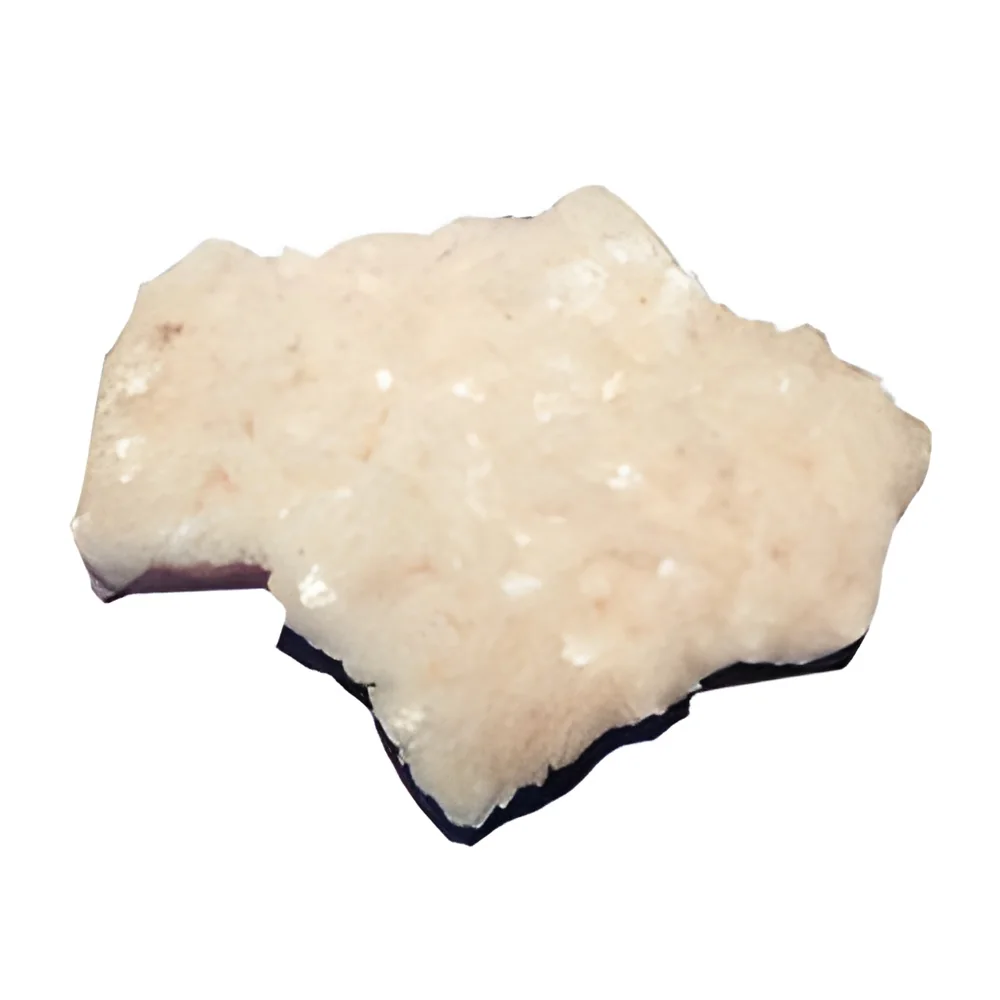
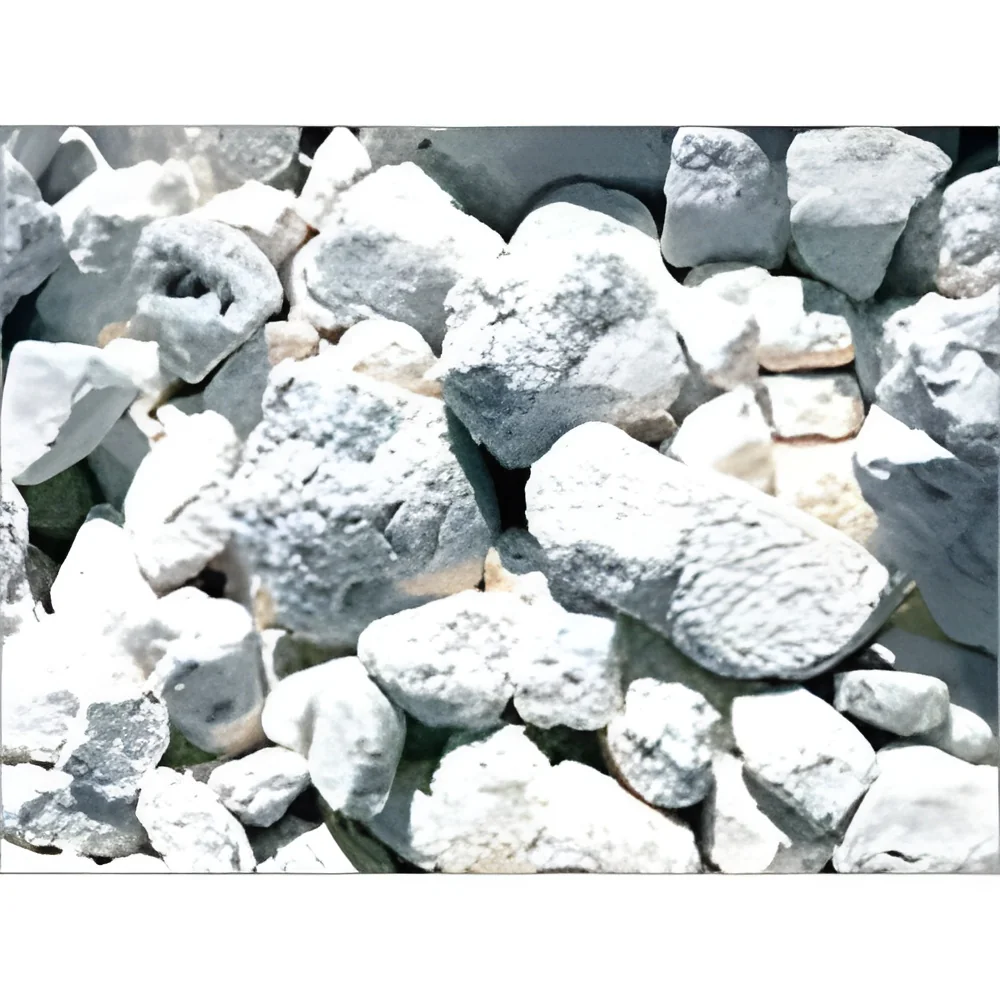
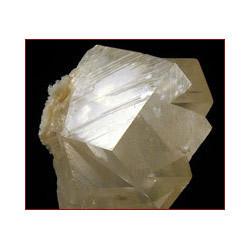
What are Dolomite?
Dolomite is a mineral composed primarily of calcium magnesium carbonate. Its chemical formula is CaMg(CO3)2, which distinguishes it from other carbonates, such as limestone. Dolomite forms through a process called dolomitization, where limestone undergoes a chemical change due to magnesium-rich fluids. This process results in a sedimentary rock that is denser and harder than its limestone counterpart.
Dolomite is widely used across various industries due to its unique properties. It serves as a key ingredient in the production of glass, ceramics, and steel. Additionally, it is utilized in agriculture as a soil conditioner and pH stabilizer. The mineral's ability to provide essential nutrients makes it valuable in the agricultural sector. The growing demand in construction and manufacturing sectors continues to bolster its market relevance.
Key Features and Specifications
Dolomite is recognized for its diverse applications and specific technical characteristics. Understanding its features is crucial for businesses looking to incorporate this mineral into their operations.
Key specifications include:
1. Chemical Composition
- Primarily composed of calcium and magnesium carbonate
- Typically contains 30-46% magnesium oxide and 21-30% calcium oxide
2. Physical Properties
- Hardness on the Mohs scale: 3.5 to 4
- Specific gravity range: 2.85 to 2.95
3. Color Range
- Generally white to gray, but can also appear in shades of pink, brown, or green
4. Grain Size
- Available in various grain sizes from fine powder to coarse aggregates
5. Purity Levels
- Different grades available based on purity, often ranging from 85% to 98%
6. Particle Size Distribution
- Customizable to meet specific industrial requirements
7. Reactivity
- Exhibits controlled reactivity with acids, making it suitable for specific applications
8. Moisture Content
- Typically low moisture content, ensuring stable performance in various environments
In summary, dolomite's unique features and specifications make it a versatile mineral for various industrial applications.
Common Applications and Use Cases
Dolomite serves various industries, each benefiting from its unique properties.
1. Construction: Dolomite is essential in the production of cement and concrete. It enhances the strength and durability of structures.
2. Agriculture: As a soil conditioner, dolomite improves soil pH and provides essential magnesium and calcium nutrients for crops.
3. Glass Manufacturing: Dolomite is used as a flux in glass production, helping to lower melting temperatures and improve glass quality.
4. Steel Production: In the steel industry, dolomite acts as a flux in the smelting process, aiding in the removal of impurities.
5. Chemical Industry: Dolomite serves as a source of magnesium oxide for various chemical processes, including the manufacture of refractory materials.
6. Environmental Applications: It is used in water treatment processes to neutralize acidity and improve water quality.
7. Fertilizer Production: Dolomite is used in the formulation of fertilizers, providing essential nutrients for plant growth.
Product Variants and Subcategories
Dolomite is available in various forms to meet the needs of different industries.
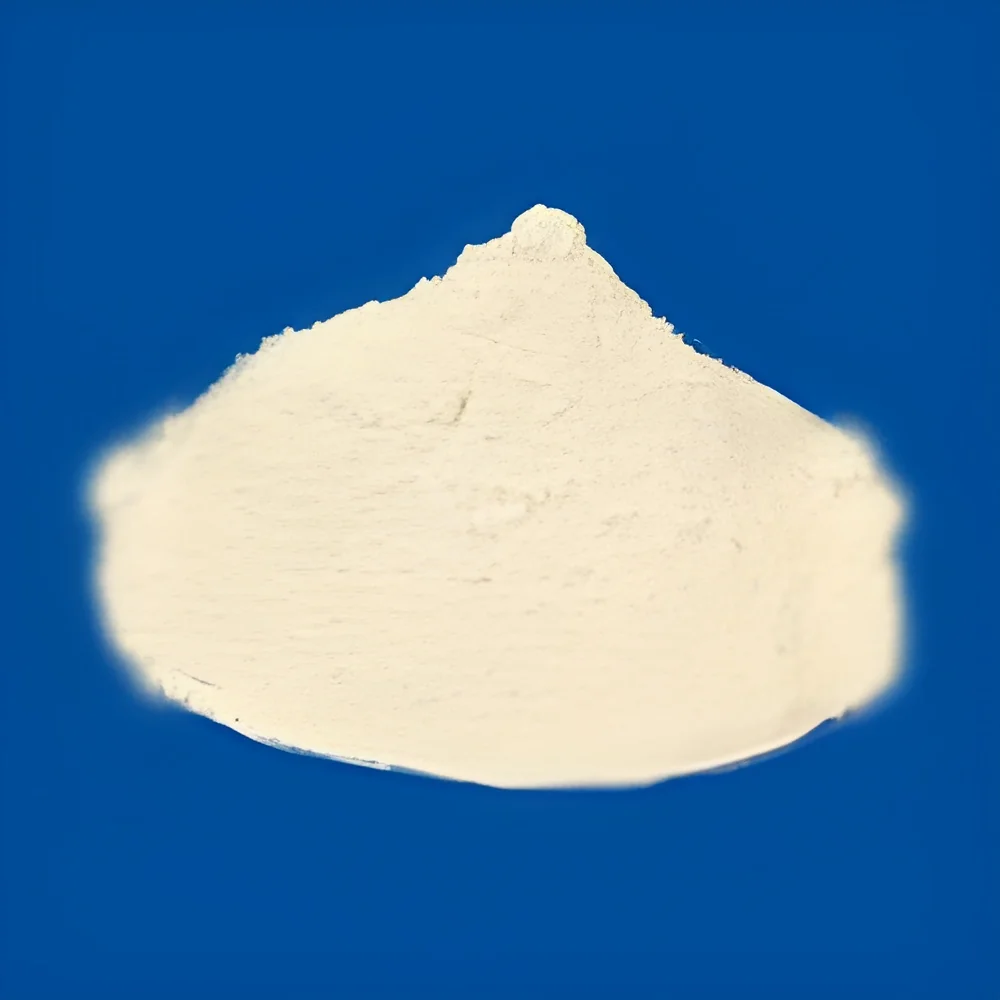
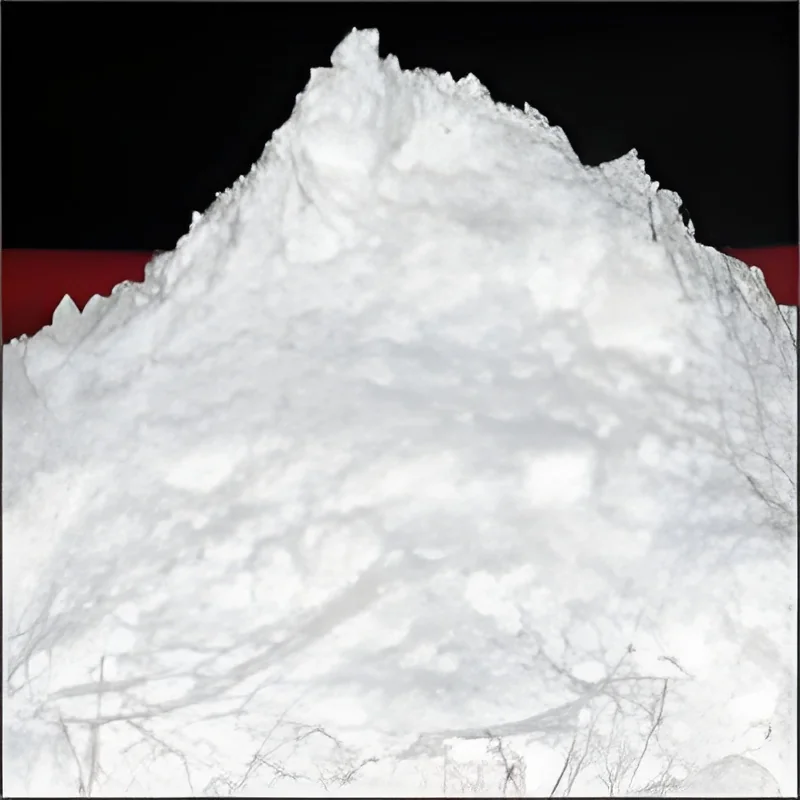
Dolomite Powder
This fine-grade variant is ideal for applications in glass and ceramics manufacturing. It offers high purity levels and consistent particle size distribution.
Dolomite Granules
These coarser granules are commonly used in agricultural applications. They provide essential nutrients while improving soil structure and pH balance.
Dolomite Chips
Used in construction and landscaping, dolomite chips are valued for their aesthetic appeal and durability. They are often utilized in decorative aggregates.
Benefits and Advantages
Sourcing dolomite provides several key advantages for businesses.
1. Versatility: Dolomite's wide range of applications makes it suitable for various industries, enhancing its market value.
2. Nutrient-Rich: In agriculture, dolomite supplies both magnesium and calcium, promoting healthy plant growth and improving soil quality.
3. Cost-Effective: Dolomite is often more affordable than other mineral options, making it an economical choice for many applications.
4. Enhances Performance: In construction and manufacturing, dolomite improves the quality and strength of products, leading to better overall performance.
5. Environmentally Friendly: Dolomite is naturally occurring and can help in pH stabilization, making it a sustainable choice for agricultural and environmental applications.
6. High Purity Options: Businesses can source dolomite with varying purity levels to meet specific industrial requirements.
Buying Guide for B2B Buyers
When sourcing dolomite, consider the following factors to ensure you make informed decisions.
1. Quality Assessment: Evaluate the quality of dolomite based on its chemical composition and purity levels. Look for suppliers that provide detailed specifications.
2. Supplier Verification: Vet suppliers by checking their credentials, reputation, and history in the industry. Ensure they adhere to quality standards.
3. Pricing and MOQ: Understand the price range for dolomite and inquire about minimum order quantities. Compare prices from different suppliers to find the best deal.
4. Delivery and Lead Times: Confirm delivery schedules and lead times, ensuring they align with your project timelines. Discuss logistics and transportation options.
5. Compliance Requirements: Verify that the dolomite meets regional compliance and certification standards, including safety and environmental regulations.
Compliance and Certifications
Dolomite must adhere to various quality standards and certifications to ensure safety and reliability in its applications.
Relevant quality standards include ISO 9001, which outlines effective quality management systems for organizations. Compliance with HACCP standards ensures that products are safe for use in food-related applications. Additionally, Good Distribution Practices (GDP) are crucial for maintaining product integrity during the supply chain process.
Industry certifications, such as CE markings, indicate conformity with European safety standards, enhancing market acceptance. Safety and testing requirements are essential for ensuring that dolomite meets industry-specific regulations.
Regional compliance considerations may vary, so it is vital for businesses to understand local laws and standards governing the use of dolomite in their respective markets.
Why Source Dolomite from Pepagora?
Pepagora provides a trusted platform for sourcing dolomite, offering several key advantages for B2B buyers.
Verified Supplier Network: Pepagora ensures that all suppliers in its network are thoroughly vetted for quality and reliability. This process helps buyers find trustworthy partners for their dolomite needs.
Streamlined RFQ Process: The request for quotation (RFQ) system simplifies the procurement process, allowing buyers to compare prices and specifications efficiently. This transparency fosters informed decision-making.
Trade Assurance and Support: Pepagora offers buyer protection through its trade assurance program, which safeguards transactions and ensures product quality. Buyers can purchase with confidence, knowing they are supported throughout their sourcing journey.
Regional Coverage: With a strong presence in India, the GCC, and Southeast Asia, Pepagora facilitates access to dolomite suppliers in diverse markets. This geographic reach enhances connectivity and enables businesses to expand their sourcing options.

 IN
IN