
 IN
Vermiculite
4 products available
What are Vermiculite?
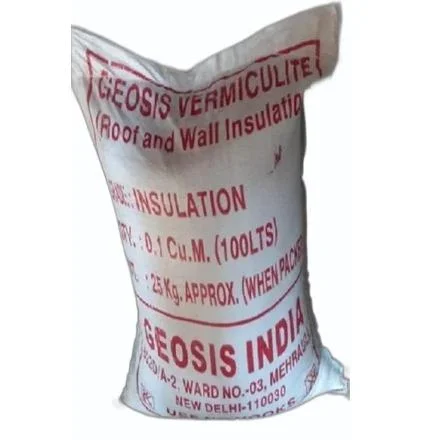
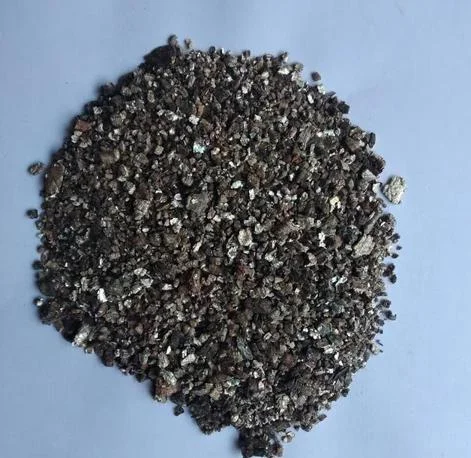
Vermiculite is a naturally occurring mineral that expands when heated, creating a lightweight, absorbent material. This mineral is known for its unique properties, including its ability to retain moisture and provide insulation. Vermiculite is processed through a heating process which causes it to expand into small, worm-like particles. Its versatility makes it a popular choice in various industrial applications.
Vermiculite is primarily used in construction, horticulture, and as an insulation material. In the construction industry, it serves as a lightweight aggregate in plaster and concrete, enhancing thermal insulation and fire resistance. In horticulture, it is used as a soil amendment to improve aeration and moisture retention. Its ability to absorb and release moisture makes it ideal for applications where temperature regulation and humidity control are critical. As industries increasingly prioritize sustainability, vermiculite's natural properties and eco-friendly profile have become increasingly relevant in today's market.
Key Features and Specifications
Vermiculite is characterized by several key features and specifications that make it suitable for various applications. Understanding these specifications is crucial for businesses looking to leverage its benefits.
Key specifications include:
1. Lightweight Nature
- Vermiculite is significantly lighter than many other aggregates, making it easier to handle and transport.
- Typical weight ranges from 2 to 8 pounds per cubic foot.
2. Thermal Insulation
- Vermiculite provides excellent thermal insulation properties.
- Thermal conductivity values typically range between 0.20 to 0.35 W/mK.
3. Moisture Retention
- The material has a high capacity for moisture retention, making it ideal for horticultural applications.
- It can hold up to 3-4 times its weight in water.
4. Fire Resistance
- Vermiculite is non-combustible and can withstand high temperatures.
- It has a melting point of approximately 1,400 degrees Celsius.
5. pH Neutral
- Vermiculite is generally pH neutral, which makes it safe for use in various applications, including gardening.
6. Eco-Friendly
- As a natural mineral, vermiculite is non-toxic and environmentally friendly, contributing to sustainable practices.
In summary, vermiculite's lightweight, insulating, and moisture-retaining properties make it a valuable material for numerous industrial applications.
Common Applications and Use Cases
Vermiculite finds its way into several industries, each leveraging its unique properties for specific applications.
1. Construction: In construction, vermiculite is used as an aggregate in lightweight concrete and plaster, enhancing insulation and reducing weight.
2. Horticulture: Gardeners utilize vermiculite to improve soil aeration and moisture retention in potting mixes and garden beds.
3. Fireproofing: Vermiculite is used in fireproofing materials due to its high melting point and non-combustibility, providing critical fire resistance.
4. Packing and Shipping: Its lightweight nature makes vermiculite an excellent packing material for fragile items, providing cushioning during transit.
5. Agriculture: Farmers use vermiculite in seed starting and in growing media to support plant growth and moisture management.
6. Industrial Insulation: Vermiculite serves as an insulating material in various industrial applications, including pipes and equipment that must withstand high temperatures.
Product Variants and Subcategories
Vermiculite is available in various forms to cater to different industrial needs, providing versatility in application.
Expanded Vermiculite
This variant is the most common form, used widely in horticulture and construction. It offers excellent moisture retention and insulation properties, making it ideal for potting mixes and lightweight construction materials.
Vermiculite Boards
These boards are specifically engineered for insulation purposes. They provide excellent thermal resistance and are used in various applications, such as fireproofing and insulation for high-temperature environments.
Vermiculite Granules
These granules are often used in horticulture and soil mixes to improve aeration. They are available in different sizes to suit various gardening needs.
Benefits and Advantages
Vermiculite offers numerous benefits that make it a preferred choice in various industries.
Key benefits include:
1. Enhanced Insulation: Vermiculite provides superior thermal insulation, helping reduce energy costs in construction and industrial applications.
2. Lightweight: Its low weight simplifies handling, transportation, and application processes, making it a cost-effective choice.
3. Moisture Management: The ability to retain moisture makes vermiculite ideal for horticultural applications, improving plant health and growth.
4. Fire Safety: Its non-combustible nature ensures safety in construction and insulation applications, providing peace of mind.
5. Eco-Friendly: Being a natural mineral, vermiculite contributes to sustainable practices, appealing to environmentally conscious businesses.
6. Versatility: Vermiculite's diverse applications across industries make it a highly adaptable material for various needs.
Buying Guide for B2B Buyers
When sourcing vermiculite, businesses should consider several critical factors to ensure they make informed purchasing decisions.
1. Quality Assessment: It is essential to evaluate the quality of vermiculite based on its purity, expansion capacity, and physical properties. High-quality vermiculite will demonstrate consistent performance across applications.
2. Supplier Verification: Buyers should thoroughly vet suppliers to ensure they are reputable and capable of providing consistent, high-quality materials. Checking references and certifications can help.
3. Pricing and MOQ: Understanding the pricing structure and minimum order quantities (MOQ) is crucial for budgeting purposes. Buyers should compare prices from multiple suppliers to ensure competitive rates.
4. Delivery and Lead Times: Assessing the logistics of delivery, including lead times, is essential to ensure that materials arrive when needed without delaying projects.
5. Compliance Requirements: Buyers must be aware of regulatory and compliance standards related to vermiculite in their region. This includes safety certifications and environmental regulations that could impact sourcing decisions.
Compliance and Certifications
Vermiculite is subject to various quality standards and certifications that govern its use in industrial applications. Compliance with these standards ensures product safety and reliability.
Relevant quality standards such as ISO 9001 are important for ensuring that vermiculite suppliers maintain high-quality management systems. This certification indicates that the supplier adheres to best practices in production and quality assurance.
Industry certifications like UL and CE signify that vermiculite products meet specific safety and performance criteria. These certifications are vital for products used in construction, insulation, and horticulture.
Safety and testing requirements play a significant role in vermiculite's compliance. Manufacturers must ensure that their products are free from harmful contaminants and meet health and safety standards.
Regional compliance considerations are also essential. Different regions may have specific regulations regarding the use of vermiculite, particularly in construction and agricultural applications. Buyers should be aware of these regional requirements to ensure compliance.
Why Source Vermiculite from Pepagora?
Pepagora offers a trusted platform for sourcing vermiculite, providing several key advantages for B2B buyers.
Verified Supplier Network: Pepagora boasts a network of verified suppliers, ensuring that businesses can source high-quality vermiculite with confidence. Each supplier undergoes a thorough vetting process to guarantee reliability and product quality.
Streamlined RFQ Process: The platform simplifies the request for quotation (RFQ) process, allowing buyers to easily compare offers from multiple suppliers. This efficiency helps businesses make informed purchasing decisions without extensive legwork.
Trade Assurance and Support: Buyers benefit from trade assurance measures that protect their transactions, ensuring safe and secure purchases. Pepagora also offers support throughout the buying process, addressing any queries or concerns.
Regional Coverage: With a focus on regions such as India, the GCC, and Southeast Asia, Pepagora provides extensive geographic reach. This allows businesses across these areas to access quality vermiculite conveniently and efficiently.



Frequently Asked Questions
What are Vermiculite?
Vermiculite is a naturally occurring mineral that expands when heated. It is often used in various applications such as insulation, horticulture, and as a lightweight aggregate in construction materials.
What are the different types of Vermiculite?
There are several grades of vermiculite based on particle size, including fine, medium, coarse, and extra coarse. Each type serves different purposes, such as insulation or soil amendment, depending on the specific application requirements.
How do I choose the right Vermiculite?
Choosing the right vermiculite depends on its intended use, such as insulation or horticultural applications. Consider factors like particle size, purity, and whether the product meets specific industry standards.
What are the standard specifications for Vermiculite?
Standard specifications for vermiculite typically include factors such as expansion ratio, moisture content, and particle size distribution. It is essential to check these specifications to ensure the product meets your requirements.
What is the price range for Vermiculite?
The price of vermiculite can vary widely based on factors such as quality, grade, and quantity purchased. Generally, prices can range from INR 30 to INR 200 per kilogram in the Indian market.
What quality standards apply to Vermiculite?
Quality standards for vermiculite often include compliance with ASTM and ISO specifications, focusing on purity, expansion properties, and absence of harmful contaminants. Manufacturers should provide documentation to verify these standards.
Where can I find Vermiculite suppliers in India?
You can find vermiculite suppliers in India through online B2B marketplaces like Pepagora.com, local construction material suppliers, and agricultural product distributors. It is advisable to compare multiple suppliers for quality and pricing.
Can Vermiculite be customized?
Yes, vermiculite can be customized in terms of particle size and packaging based on specific customer needs. It is recommended to discuss customization options directly with manufacturers or suppliers.
What is the typical minimum order quantity for Vermiculite?
The minimum order quantity (MOQ) for vermiculite can vary by supplier but typically ranges from 500 kg to 1 ton. It is advisable to inquire with individual suppliers for their specific MOQ requirements.
What is the typical lead time for Vermiculite?
The typical lead time for vermiculite can range from one week to four weeks, depending on the supplier's stock levels and your order size. It's best to confirm lead times during the ordering process.
Why Businesses Trust Pepagora
Thousands of companies trust Pepagora to source smarter and sell faster
Expand Your Sales Globally

Source Smarter,Grow Faster
