What are Calcite?
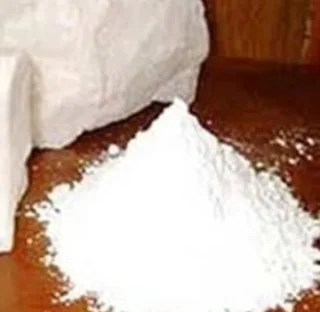
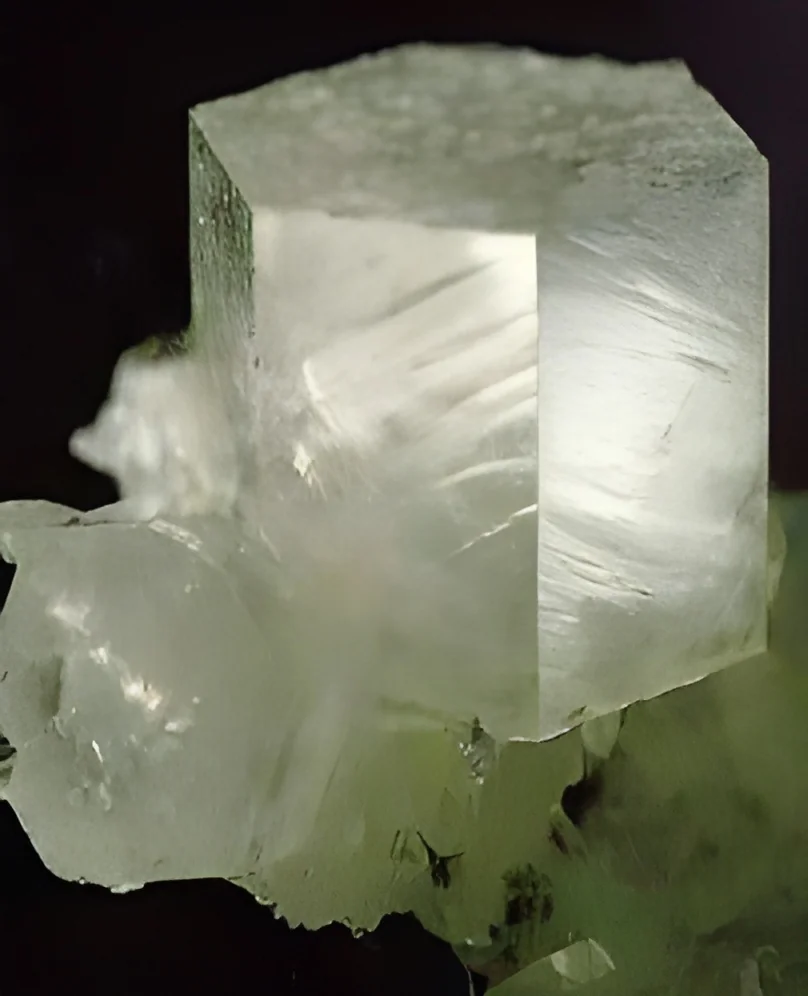
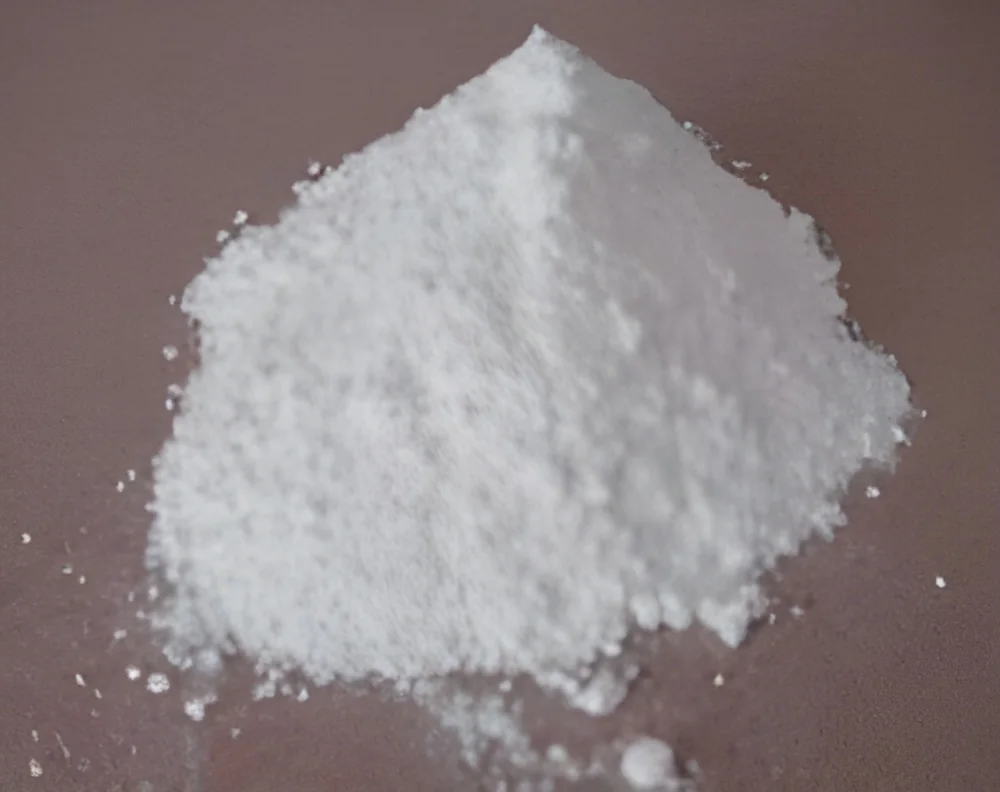
Calcite is a naturally occurring mineral composed primarily of calcium carbonate. It is one of the most abundant minerals on Earth and can be found in various geological environments. Calcite is characterized by its crystalline structure, which can form in several different shapes, including rhombohedra and scalenohedra. Its chemical formula, CaCO3, indicates that it consists of calcium, carbon, and oxygen.
Calcite is widely used across multiple industries due to its versatility and unique properties. Common applications include its use as a filler in plastics, paints, and rubber, as well as a key ingredient in the production of cement and lime. Additionally, calcite plays a significant role in the agricultural sector as a soil conditioner. Its relevance in various markets is underscored by its role in construction, manufacturing, and environmental applications, making it a critical material for numerous business operations.
Key Features and Specifications
Calcite is valued for its diverse features and quality specifications that cater to various industrial needs. Understanding these specifications is essential for businesses looking to procure calcite for specific applications.
Key specifications include:
1. Purity Level
- Calcite typically has a purity level exceeding 95%.
- This high purity ensures its effectiveness in various applications.
2. Particle Size Distribution
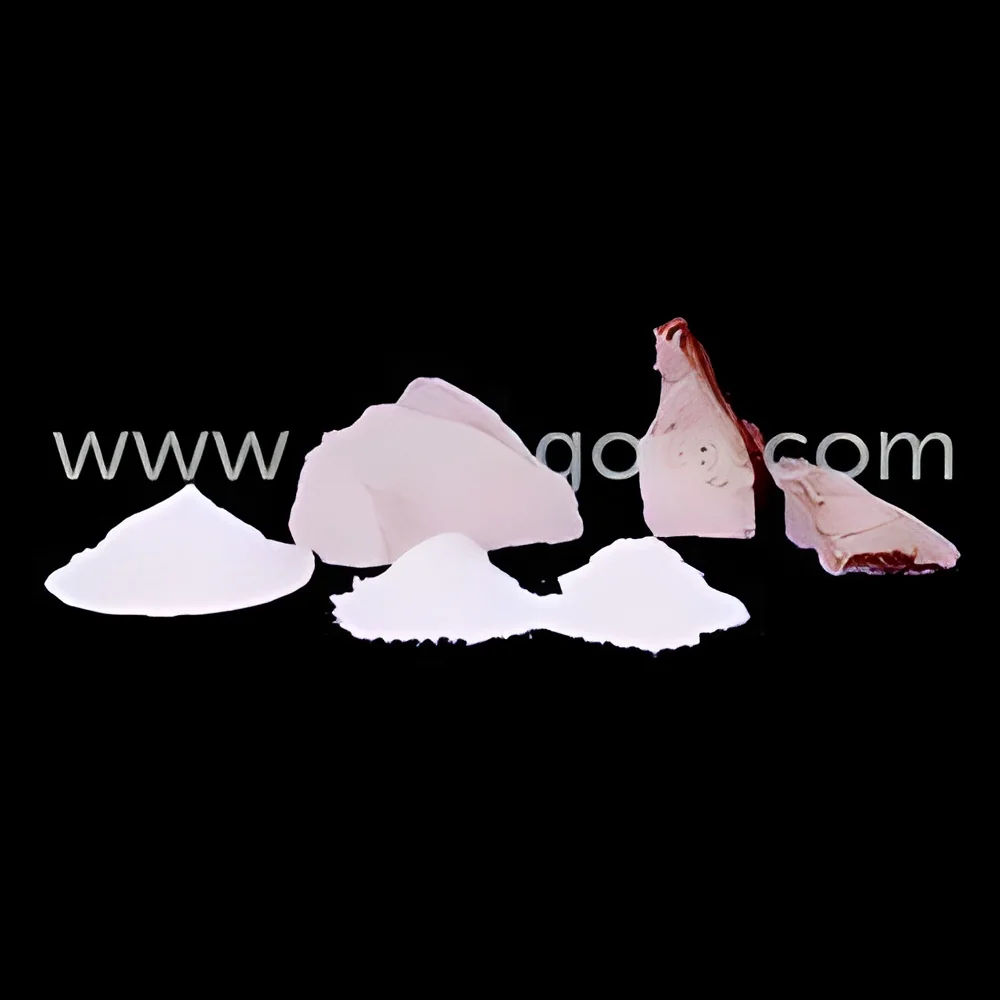
- Available in a range of particle sizes, from coarse to fine.
- Fine calcite is particularly useful for applications requiring high surface area.
3. Color
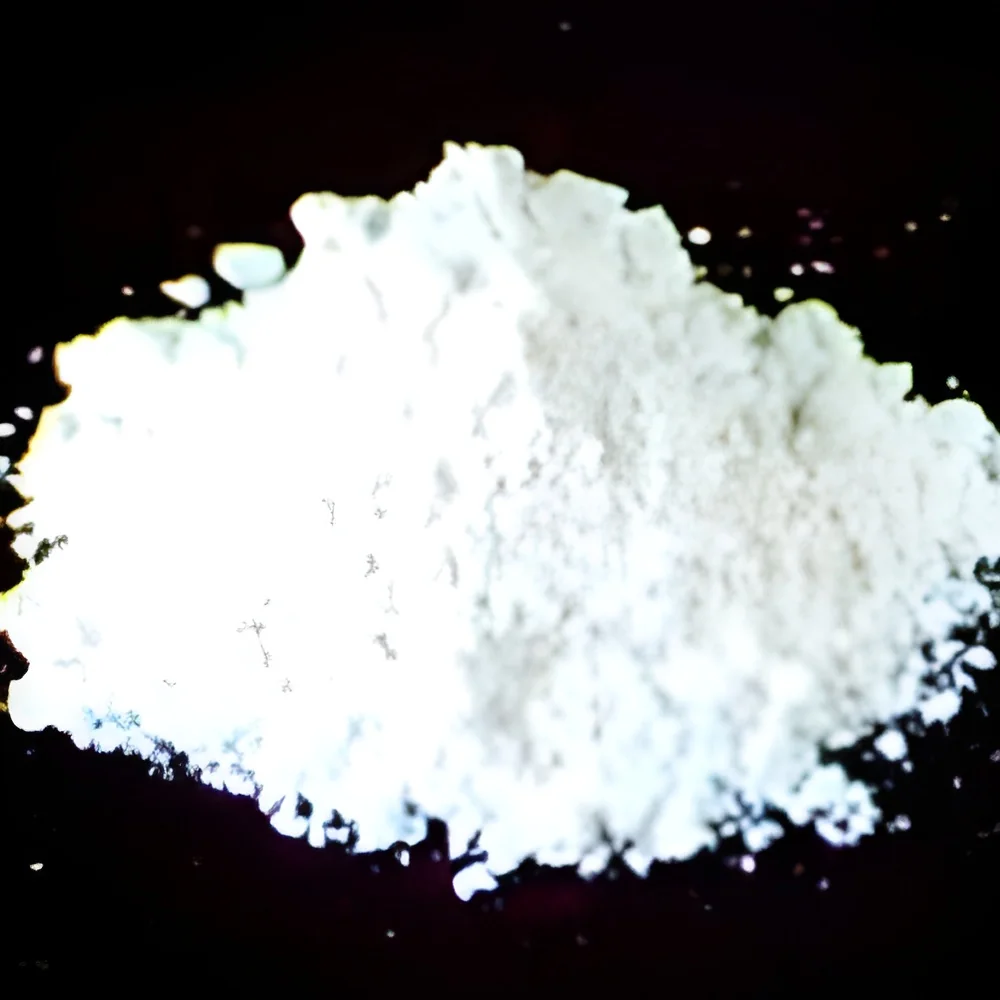
- Generally white to colorless, but can also appear in shades of yellow, green, or blue.
- Color variations can be attributed to impurities or specific geological conditions.
4. Bulk Density
- Ranges from 0.5 to 1.5 g/cm³ depending on the processing method.
- Affects the handling and application of calcite in industrial processes.
5. Refractive Index
- Calcite has a refractive index of approximately 1.65 to 1.66.
- This optical property makes it valuable in optical applications.
6. Solubility
- Soluble in acidic solutions, which is a critical property for certain applications.
- The solubility rate can vary based on environmental conditions.
7. Hardness
- Rated at 3 on the Mohs scale.
- This relative softness allows for easy processing and milling.
8. Chemical Composition
- Primarily composed of calcium carbonate (CaCO3).
- The chemical stability of calcite makes it suitable for a variety of chemical processes.
In summary, the key features and specifications of calcite highlight its importance across various industries, showcasing its adaptability and essential role in manufacturing processes.
Common Applications and Use Cases
Calcite serves a wide range of industries, offering crucial benefits based on its unique properties.
1. Construction: Calcite is extensively used in the production of cement and concrete. Its role as a filler enhances the strength and durability of building materials.
2. Agriculture: In agriculture, calcite is applied as a soil conditioner. It helps to improve soil pH and provides essential calcium nutrients to crops.
3. Plastics and Rubber: Calcite is utilized as a filler in plastics and rubber, enhancing their mechanical properties while reducing production costs.
4. Paints and Coatings: The mineral acts as a pigment and filler in paints, improving opacity and brightness.
5. Glass Manufacturing: Calcite is a critical component in glass production due to its ability to enhance the glass's clarity and strength.
6. Pharmaceuticals: In the pharmaceutical industry, calcite is used as a calcium supplement and in various formulations.
7. Environmental Applications: Calcite is employed in water treatment processes to neutralize acidic waters and remove impurities.
Product Variants and Subcategories
While calcite itself does not have widely recognized subcategories, there are variations based on processing methods that enhance its suitability for different applications.
Natural Calcite: This variant is extracted directly from the earth and retains its natural properties. It is commonly used in applications where high purity is not critical.
Ground Calcite: This variant is finely milled to achieve specific particle sizes. It is ideal for use as a filler in plastics, paints, and other manufacturing processes.
Micronized Calcite: This highly processed variant features extremely fine particle sizes. It is suitable for high-performance applications in coatings and pharmaceuticals.
Coated Calcite: This variant is treated with surface coatings to enhance compatibility with various materials, particularly in plastics and rubber applications.
Benefits and Advantages
Calcite offers numerous benefits that make it a preferred choice across various industries.
1. Cost-Effectiveness: The abundance of calcite makes it a low-cost raw material, providing significant savings in production costs.
2. Versatility: Its diverse applications across multiple sectors highlight its adaptability to various manufacturing needs.
3. Environmental Benefits: Calcite can improve soil quality and is often used in environmentally friendly processes, such as water treatment.
4. Chemical Stability: Calcite’s stable chemical composition ensures consistent performance in industrial applications.
5. Enhances Product Quality: When used as a filler, calcite improves the overall quality of end products, such as plastics and paints.
6. Easy Availability: Calcite is widely available globally, ensuring a reliable supply for manufacturing needs.
Buying Guide for B2B Buyers
When sourcing calcite, it is essential for buyers to consider several key factors to ensure they make informed decisions.
1. Quality Assessment: Buyers should evaluate the purity and particle size of calcite to ensure it meets their specific requirements. Conducting tests or requesting certificates of analysis can help confirm quality.
2. Supplier Verification: It is crucial to vet suppliers to ensure reliability. Checking references, certifications, and past performance can help identify trustworthy sources.
3. Pricing and MOQ: Buyers should inquire about pricing structures and minimum order quantities (MOQ) to find a supplier that aligns with their budget and production needs.
4. Delivery and Lead Times: Understanding the logistics and expected lead times is vital for planning. Buyers should confirm delivery timelines to avoid production delays.
5. Compliance Requirements: Buyers should be aware of any regulatory standards or certifications required for calcite in their industry, such as CE certifications or local compliance mandates.
Compliance and Certifications
Compliance with quality standards and certifications is critical for the use of calcite across various industries. Commonly referenced standards include ISO 9001, which ensures quality management systems are in place for production processes.
Industry certifications, such as CE marking, indicate that calcite meets European safety and environmental protection requirements. This is particularly important for applications in the construction and manufacturing sectors.
Safety and testing requirements must also be adhered to, ensuring that calcite is safe for use in its intended applications. Regular testing for contaminants and impurities is essential to maintain quality.
Furthermore, regional compliance considerations should be taken into account, as different regions may have specific regulations governing the use of calcite in manufacturing and other applications.
Why Source Calcite from Pepagora?
Pepagora provides a trusted platform for sourcing calcite, offering several key advantages for B2B buyers.
Verified Supplier Network: Pepagora has a robust network of verified suppliers that ensures buyers can connect with reputable sources. This verification process minimizes the risk of fraud and enhances buyer confidence.
Streamlined RFQ Process: The platform features a user-friendly Request for Quotation (RFQ) system, allowing buyers to easily compare quotes from multiple suppliers. This streamlining helps buyers find the best deals efficiently.
Trade Assurance and Support: Pepagora offers trade assurance programs that protect buyers throughout the purchasing process. This includes support for resolving disputes and ensuring product quality.
Regional Coverage: With a strong presence in regions such as India, the GCC, and Southeast Asia, Pepagora enables buyers to source calcite from diverse geographical locations, ensuring accessibility to quality materials.

 IN
IN