What are Minerals for Ceramics?
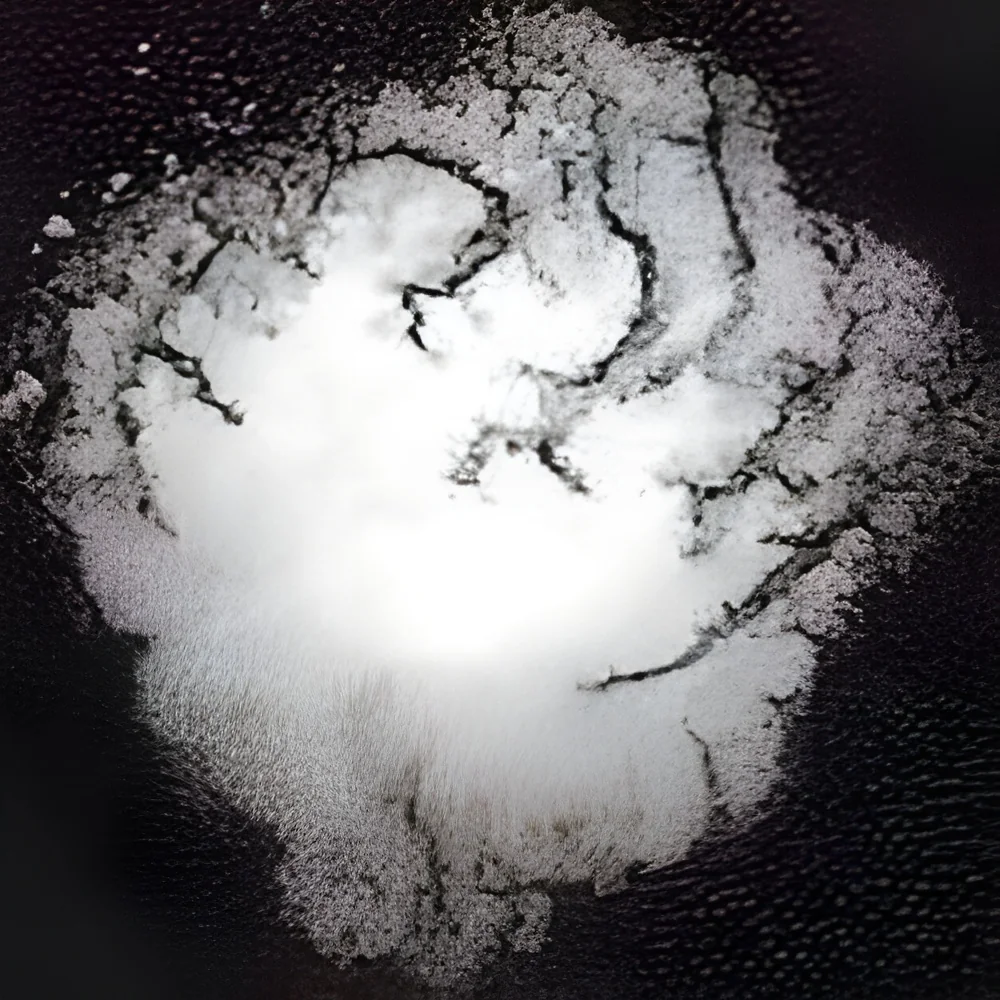
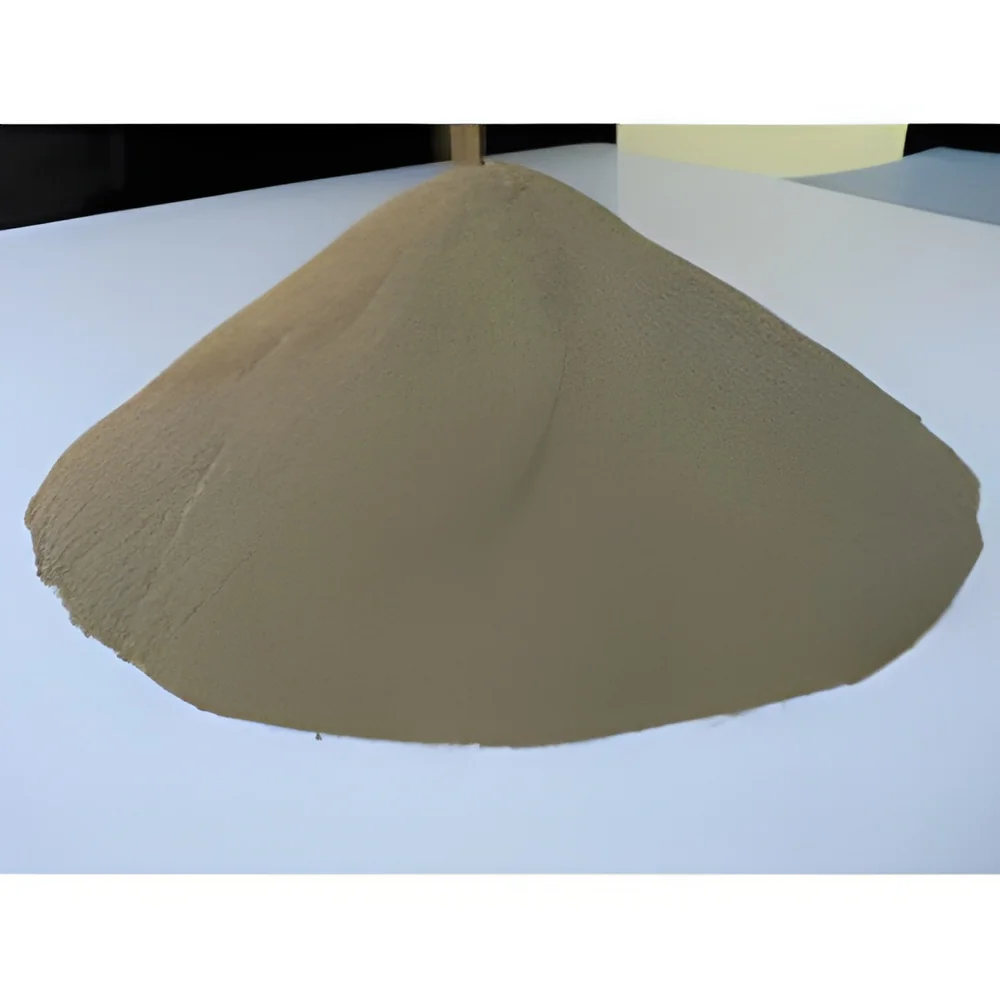
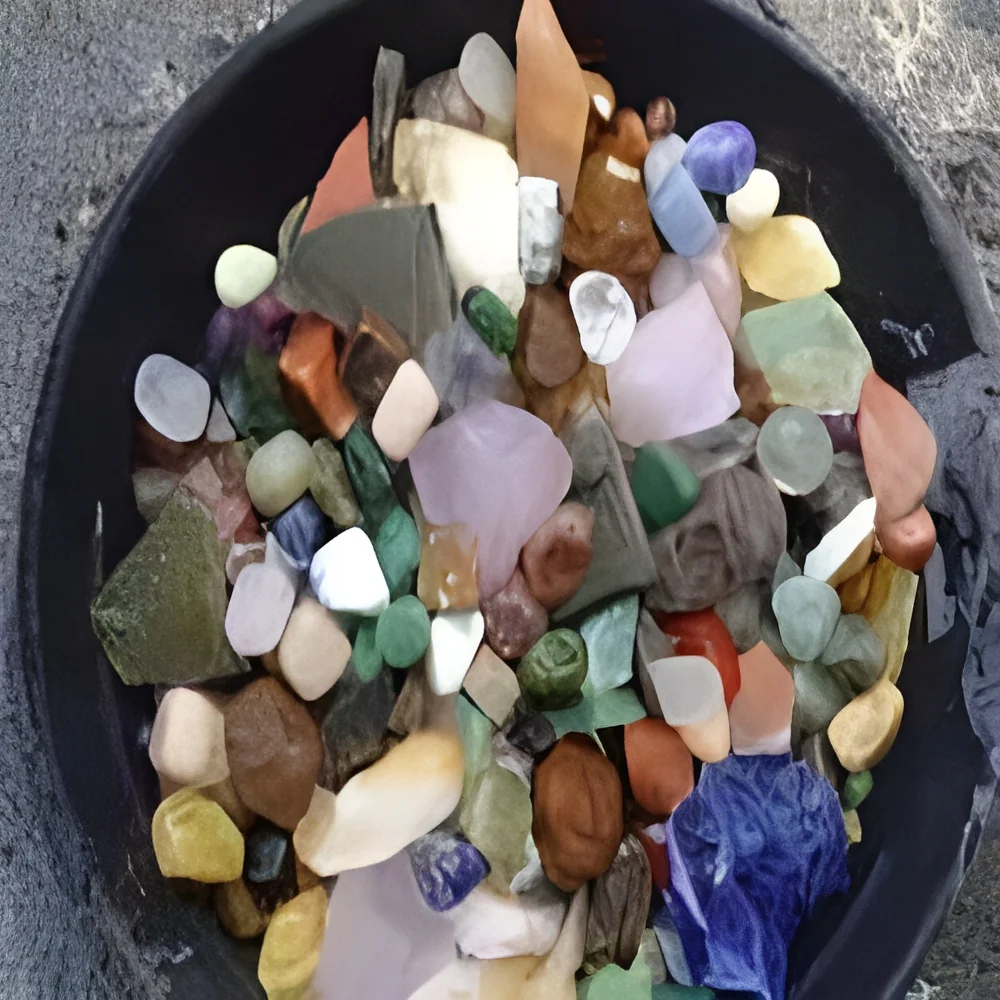
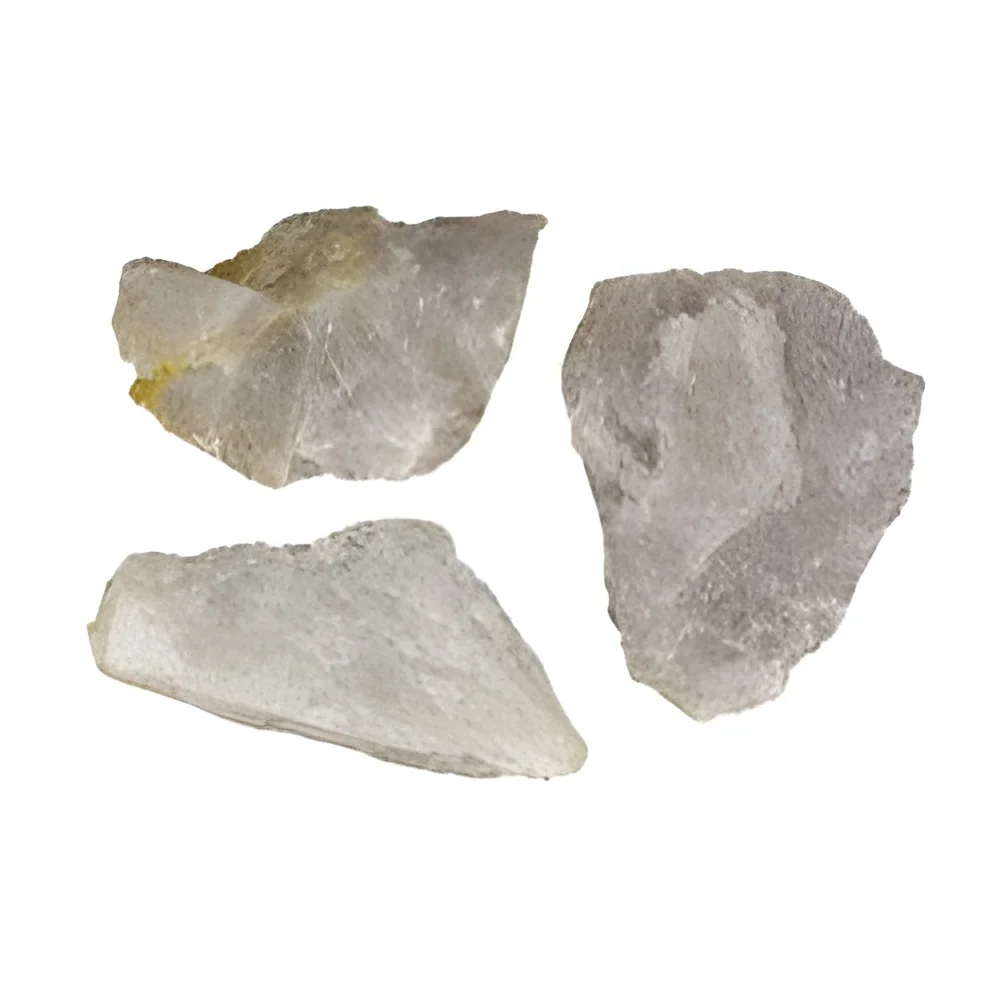
Minerals for ceramics are naturally occurring inorganic substances that play a crucial role in the production of ceramic materials. These minerals provide essential properties such as strength, durability, and thermal stability to ceramic products. Common minerals used in ceramics include clay, feldspar, kaolin, and quartz, each contributing unique characteristics to the final product.
These minerals are utilized across various industries, including construction, pottery, and manufacturing. Their applications range from creating tiles and sanitary ware to fine china and electrical insulators. The ceramics industry is significant for its vast array of products and its importance in construction and consumer goods, making the sourcing of quality minerals vital for manufacturers.
The relevance of minerals for ceramics is underscored by the growing demand for high-quality ceramic products in both emerging and established markets. As industries evolve, the need for innovative ceramic solutions continues to rise, driving the search for reliable mineral suppliers and fostering advancements in ceramic technology.
Key Features and Specifications
Minerals for ceramics are characterized by specific features and specifications that determine their suitability for various applications. Understanding these parameters is essential for manufacturers when selecting the right minerals for their production processes.
Key specifications include:
1. Clay Content
- Essential for plasticity and workability in ceramics
- Typical range: 20-50% clay content depending on the type of ceramic
2. Firing Temperature
- Important for achieving desired hardness and durability
- Common ranges: 1000-1400 degrees Celsius
3. Particle Size Distribution
- Influences the texture and finish of the ceramic
- Typical ranges: 1-100 microns for optimal results
4. Chemical Composition
- Affects the color, strength, and thermal properties
- Key elements: SiO2, Al2O3, and Fe2O3 in varying proportions
5. Moisture Content
- Critical for processing and shaping
- Ideal moisture content: 5-10% for optimal handling
6. Specific Gravity
- Indicates the density of the mineral
- Typical range: 2.5-3.0 g/cm³
7. Thermal Conductivity
- Important for applications requiring heat resistance
- Typical range: 0.5-3.0 W/mK
8. Purity Levels
- Essential for high-quality end products
- Recommended purity: 95% or higher for industrial applications
Understanding these specifications helps manufacturers choose the right minerals for their ceramic products, ensuring quality and performance.
Common Applications and Use Cases
Minerals for ceramics serve various industries, providing essential materials for numerous applications.
1. Construction: Used in producing ceramic tiles and sanitary ware, enhancing durability and aesthetic appeal.
2. Pottery: Essential for crafting fine china and decorative items, offering a range of textures and finishes.
3. Electronics: Utilized in producing insulators and capacitors, where thermal stability and electrical resistance are crucial.
4. Automotive: Used in manufacturing components such as brake pads and spark plugs, requiring high-temperature resistance.
5. Aerospace: Important for creating lightweight and heat-resistant materials used in aircraft designs.
6. Medical: Employed in dental ceramics and implants, contributing to biocompatibility and strength.
7. Art: Used in sculpting and artistic projects, providing diverse possibilities in form and function.
These applications highlight the versatility of minerals for ceramics across different industries, emphasizing their importance in modern manufacturing.
Product Variants and Subcategories
Minerals for ceramics come in various forms, catering to the diverse needs of the ceramics industry. While specific subcategories are not available, several notable variants are commonly used.
Feldspar
Feldspar is a key mineral in ceramics, known for its ability to lower the melting temperature of clay. It enhances strength and durability, making it ideal for tiles and dinnerware.
Kaolin
Kaolin, or china clay, is prized for its whiteness and fine particle size. It is widely used in porcelain production and applications requiring high plasticity and low shrinkage.
Ball Clay
Ball clay is known for its plasticity and workability. It is often mixed with other clays to improve their properties, making it suitable for pottery and modeling applications.
China Clay
China clay is used primarily in fine ceramics and porcelain due to its high whiteness and ability to withstand high firing temperatures.
Benefits and Advantages
Sourcing minerals for ceramics offers several key benefits that enhance production efficiency and product quality.
1. Improved Quality: High-quality minerals lead to superior ceramic products with enhanced strength and durability.
2. Cost Efficiency: Utilizing the right minerals can reduce production costs by optimizing the firing process and minimizing waste.
3. Versatility: A wide range of minerals allows manufacturers to create diverse ceramic products tailored to specific applications.
4. Consistency: Sourcing from reputable suppliers ensures consistent material quality, leading to uniform production outcomes.
5. Innovation Potential: Access to advanced mineral formulations can drive innovation in ceramic design and applications.
6. Environmental Sustainability: Many minerals can be sourced sustainably, supporting eco-friendly manufacturing practices.
Buying Guide for B2B Buyers
When sourcing minerals for ceramics, several factors should be considered to ensure effective procurement.
1. Quality Assessment: Evaluate the mineral quality based on specific criteria, including purity, particle size, and chemical composition. Conduct laboratory testing if necessary.
2. Supplier Verification: Vet potential suppliers by checking their reputation, certifications, and customer reviews. Look for established companies with a proven track record in the industry.
3. Pricing and MOQ: Understand pricing structures and minimum order quantities (MOQ) to align with budget and production needs. Compare quotes from multiple suppliers.
4. Delivery and Lead Times: Consider logistics and lead times to ensure timely delivery of materials. Factor in any potential delays in transportation or customs clearance.
5. Compliance Requirements: Ensure that the minerals meet relevant industry standards and regulations. Be aware of any regional compliance considerations for safe usage.
Compliance and Certifications
Compliance and certifications are critical aspects of sourcing minerals for ceramics. Adhering to quality standards ensures that products meet industry requirements and safety regulations.
Relevant quality standards include ISO 9001, which emphasizes quality management systems, ensuring that suppliers maintain consistent quality in their production processes. Additionally, HACCP and GDP standards may apply in specific contexts, particularly in food-safe ceramics.
Industry certifications such as CE mark signify compliance with European safety and environmental requirements. Manufacturers must ensure that their products adhere to these certifications to facilitate market access, especially in regulated regions.
Safety and testing requirements are essential to guarantee that the minerals are free from harmful substances and suitable for intended applications. Regular testing and compliance checks help maintain product integrity.
Regional compliance considerations also play a significant role, as different regions may have specific regulations regarding the use of minerals in ceramics. Manufacturers should stay informed about local guidelines to ensure compliance.
Why Source Minerals for Ceramics from Pepagora?
Pepagora provides a trusted platform for sourcing minerals for ceramics, offering several key advantages to B2B buyers.
Verified Supplier Network: Pepagora connects buyers with a network of verified suppliers who meet stringent quality and compliance standards. This ensures that buyers can source high-quality minerals with confidence.
Streamlined RFQ Process: The platform simplifies the request for quotation (RFQ) process, allowing buyers to easily compare offers from multiple suppliers. This efficiency helps in making informed purchasing decisions quickly.
Trade Assurance and Support: Pepagora offers trade assurance and support services to protect buyers throughout the sourcing process. This includes dispute resolution and logistics assistance.
Regional Coverage: With a strong presence in India, GCC, and Southeast Asia, Pepagora provides regional coverage that facilitates access to a wide range of minerals. This geographic reach enables efficient sourcing tailored to local market needs.
By choosing Pepagora, buyers can benefit from a comprehensive and reliable sourcing experience for minerals for ceramics, ensuring their production processes are supported by high-quality materials.

 IN
IN