
 IN
IN₹
Apparel & Fashion
VRF/VRV Systems
6 products available
What are VRF/VRV Systems?
Variable Refrigerant Flow (VRF) and Variable Refrigerant Volume (VRV) systems are advanced HVAC solutions that use a single outdoor unit connected to multiple indoor units. These systems are designed to provide efficient heating and cooling by adjusting the refrigerant flow based on the specific requirements of each indoor unit. This flexibility allows for precise temperature control and energy savings compared to traditional HVAC systems.
VRF/VRV systems are primarily used in commercial buildings, including offices, hotels, and retail spaces. They are ideal for applications where varying heating and cooling loads exist. Their ability to operate multiple indoor units at different settings makes them suitable for diverse environments, enhancing comfort and efficiency. As the demand for energy-efficient solutions continues to grow, VRF/VRV systems have gained significant traction in the market.
The global HVAC market is evolving, with increasing emphasis on sustainability and energy efficiency. VRF/VRV systems are positioned as a key player in this trend, offering innovative technology that meets both regulatory standards and customer expectations. As businesses seek to reduce operational costs and environmental impact, these systems provide a strategic solution for modern heating and cooling needs.
Key Features and Specifications
VRF/VRV systems come with a range of features that enhance their efficiency and usability. These systems are designed to provide optimal performance in various environments, making them a popular choice for commercial applications.
Key specifications include:
1. Energy Efficiency Ratio (EER)
- Indicates the efficiency of the system in cooling mode.
- Typically ranges from 3.0 to 5.0.
2. Seasonal Energy Efficiency Ratio (SEER)
- Measures the efficiency of the system over an entire cooling season.
- Commonly ranges from 15 to 30.
3. Heating Seasonal Performance Factor (HSPF)
- Reflects the efficiency in heating mode.
- Usually ranges between 7.0 and 10.0.
4. Cooling Capacity
- Refers to the system's ability to cool spaces effectively.
- Can range from 5 kW to over 20 kW depending on the model.
5. Indoor Unit Variations
- Includes wall-mounted, ceiling cassette, and ducted types.
- Provides flexibility in installation based on space requirements.
6. Refrigerant Type
- Most systems use R410A or R32 refrigerants.
- These are known for lower environmental impact.
7. Control Systems
- Advanced control options, including remote and smart controls.
- Allows users to monitor and adjust settings easily.
8. Noise Levels
- Quiet operation, typically ranging from 38 dB to 55 dB.
- Ensures minimal disturbance in occupied spaces.
In summary, VRF/VRV systems are characterized by their energy efficiency, diverse indoor unit options, and advanced control capabilities, making them a versatile choice for a variety of commercial applications.
Common Applications and Use Cases
VRF/VRV systems are versatile and can be employed across various industries to meet specific heating and cooling needs.
1. Office Buildings: These systems are widely used in office spaces to maintain comfortable working environments. They provide individualized temperature control for different zones, enhancing employee productivity.
2. Hotels: VRF/VRV systems are ideal for hotels, offering guests personalized climate control in their rooms while maintaining energy efficiency in common areas.
3. Retail Spaces: Retail establishments benefit from the ability to create comfortable shopping environments. VRF/VRV systems help regulate temperature in large open areas while minimizing energy consumption.
4. Hospitals: These systems ensure precise temperature control in patient rooms and operating theaters, contributing to a safe and comfortable environment for patients and staff.
5. Educational Institutions: Schools and universities utilize VRF/VRV systems to provide consistent climate control in classrooms and administrative areas, improving the learning experience.
6. Restaurants: In restaurant settings, these systems help maintain a comfortable dining atmosphere while managing varying cooking heat loads, ensuring guest satisfaction.
7. Manufacturing Facilities: VRF/VRV systems support temperature regulation in production areas, enhancing worker comfort and product quality.
Product Variants and Subcategories
VRF/VRV systems offer a range of variants to meet different requirements and preferences in commercial applications.
High-Capacity VRF Systems
These systems are designed for large commercial spaces and can support multiple indoor units simultaneously. They provide robust heating and cooling capabilities, making them suitable for high-demand environments.
Compact VRF Systems
Compact models are tailored for smaller spaces or buildings with limited installation options. They deliver efficient performance while maximizing space usage.
Multi-Zone VRF Systems
These systems enable individual temperature control across multiple zones or rooms. They are perfect for buildings with varying heating and cooling needs, allowing for greater customization.
Benefits and Advantages
VRF/VRV systems offer numerous advantages that make them an attractive choice for businesses.
Key benefits include:
1. Energy Efficiency: These systems optimize energy usage, leading to lower utility bills and reduced carbon footprint.
2. Flexible Installation: The variety of indoor units allows for installation in diverse spaces, accommodating different architectural designs.
3. Individual Control: Each indoor unit can be controlled separately, providing customized comfort for occupants.
4. Quiet Operation: The systems are designed to operate quietly, making them suitable for noise-sensitive environments.
5. Reduced Maintenance: With fewer components and advanced technology, maintenance requirements are minimized, leading to lower operational costs.
6. Long Lifespan: VRF/VRV systems are built for durability, often lasting longer than traditional HVAC systems, providing better long-term value.
Buying Guide for B2B Buyers
When sourcing VRF/VRV systems, several key factors should be considered to ensure a successful purchase.
1. Quality Assessment: Evaluate the quality of the systems based on manufacturer reputation, product specifications, and customer reviews. High-quality systems are essential for reliability and performance.
2. Supplier Verification: Vet suppliers thoroughly to ensure they are reputable and provide high-quality products. Check for certifications and past customer feedback.
3. Pricing and MOQ: Consider the overall cost and minimum order quantity (MOQ) requirements when budgeting for a purchase. It is important to find a balance between cost and quality.
4. Delivery and Lead Times: Understand the delivery timelines and lead times for the systems. Timely delivery is crucial for project planning and implementation.
5. Compliance Requirements: Ensure that the systems meet local regulatory standards and certifications. This includes checking for environmental compliance and safety standards.
Compliance and Certifications
VRF/VRV systems are subject to various compliance requirements and certifications that ensure their quality and safety.
Relevant quality standards include ISO 9001, which focuses on quality management systems, ensuring manufacturers meet customer and regulatory requirements consistently.
Industry certifications, such as CE marking, indicate compliance with European safety standards, ensuring that products meet essential health, safety, and environmental protection requirements.
Safety and testing requirements are critical to ensure reliable operation. Manufacturers often conduct rigorous testing to verify performance under various conditions, ensuring durability and safety.
Regional compliance considerations may vary, so it is essential to understand local regulations when sourcing these systems. Compliance with regional standards helps avoid legal issues and ensures the system is suitable for the intended market.
Why Source VRF/VRV Systems from Pepagora?
Pepagora is an excellent platform for sourcing VRF/VRV systems, offering several key advantages to B2B buyers.
Verified Supplier Network: We provide access to a network of verified suppliers, ensuring that buyers can find reputable manufacturers with a proven track record in quality and service.
Streamlined RFQ Process: Our Request for Quotation (RFQ) process simplifies sourcing, allowing buyers to obtain competitive quotes quickly and efficiently. This ensures that they can make informed purchasing decisions.
Trade Assurance and Support: Pepagora offers trade assurance, providing buyers with protection against potential issues during the purchasing process. Our dedicated support team is available to assist with any concerns or inquiries.
Regional Coverage: With a strong presence in India, the GCC, and Southeast Asia, Pepagora connects buyers with suppliers across key markets. This geographical reach ensures that buyers can find the right solutions tailored to their regional needs.
Recently Added
ACR Services
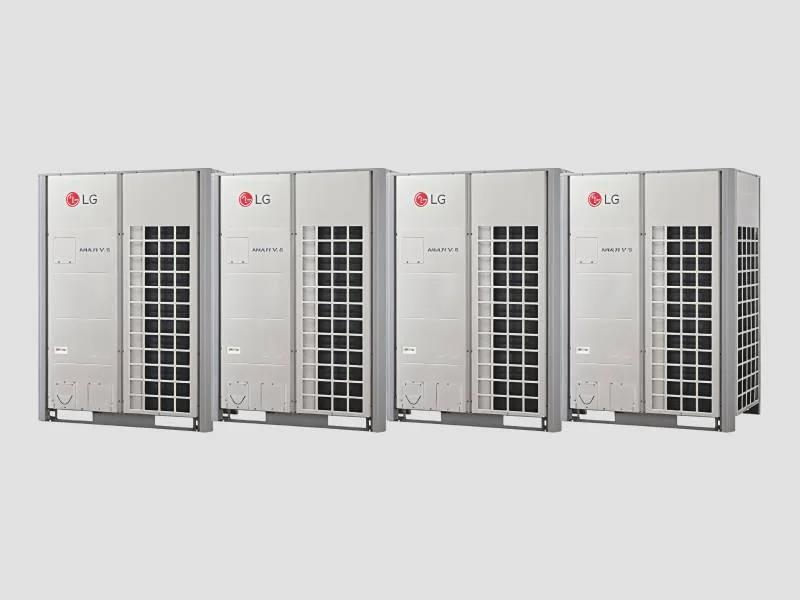
Commercial High Efficiency VRF System with Eco Friendly Refrigerant
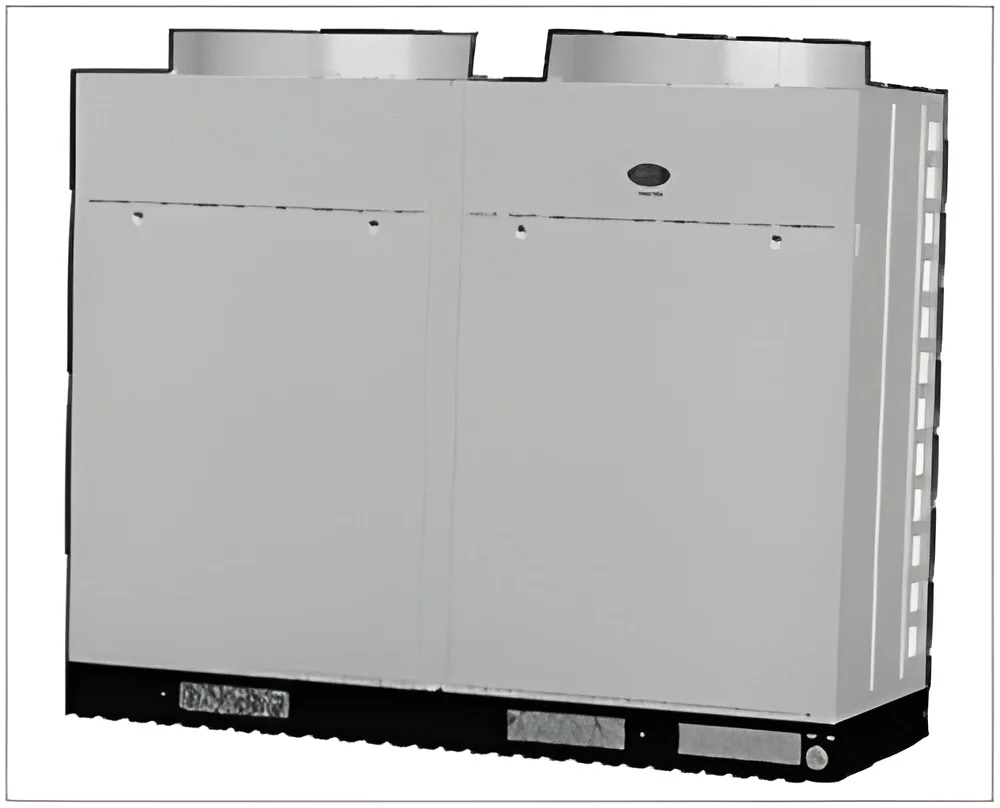
Commercial VRF System With Scroll Compressor And Self Diagnostic Display
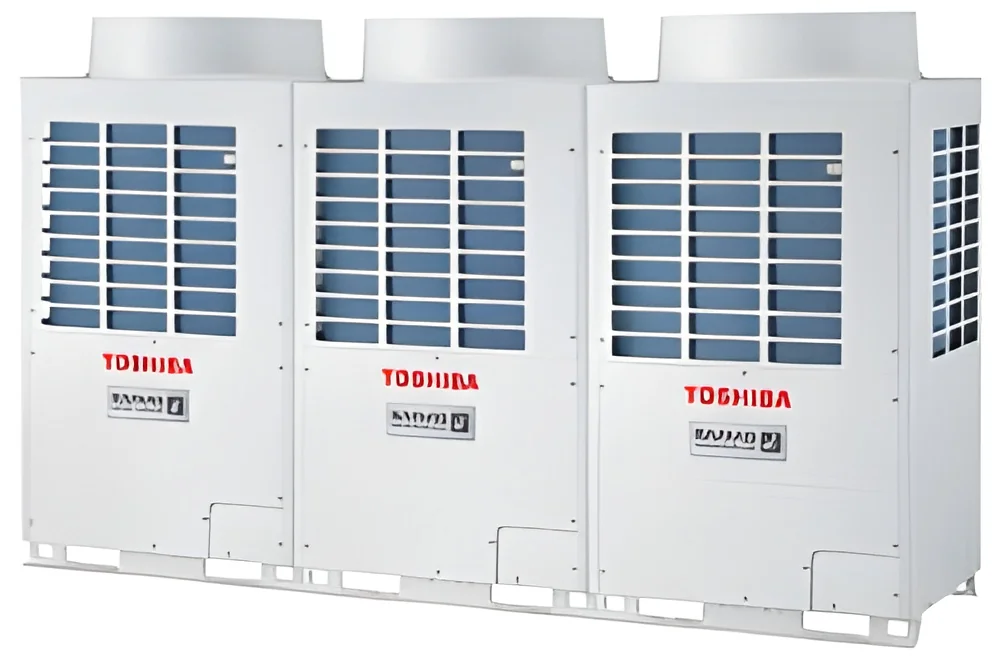
Commercial Building Energy Efficient Toshiba VRV System
Access Envirotech Engineers Private Limited
Commercial Industrial Air Conditioning Systems for Climate Control

Hi Trans Services
 India
India
India12 yrs
ACR Services India
India
India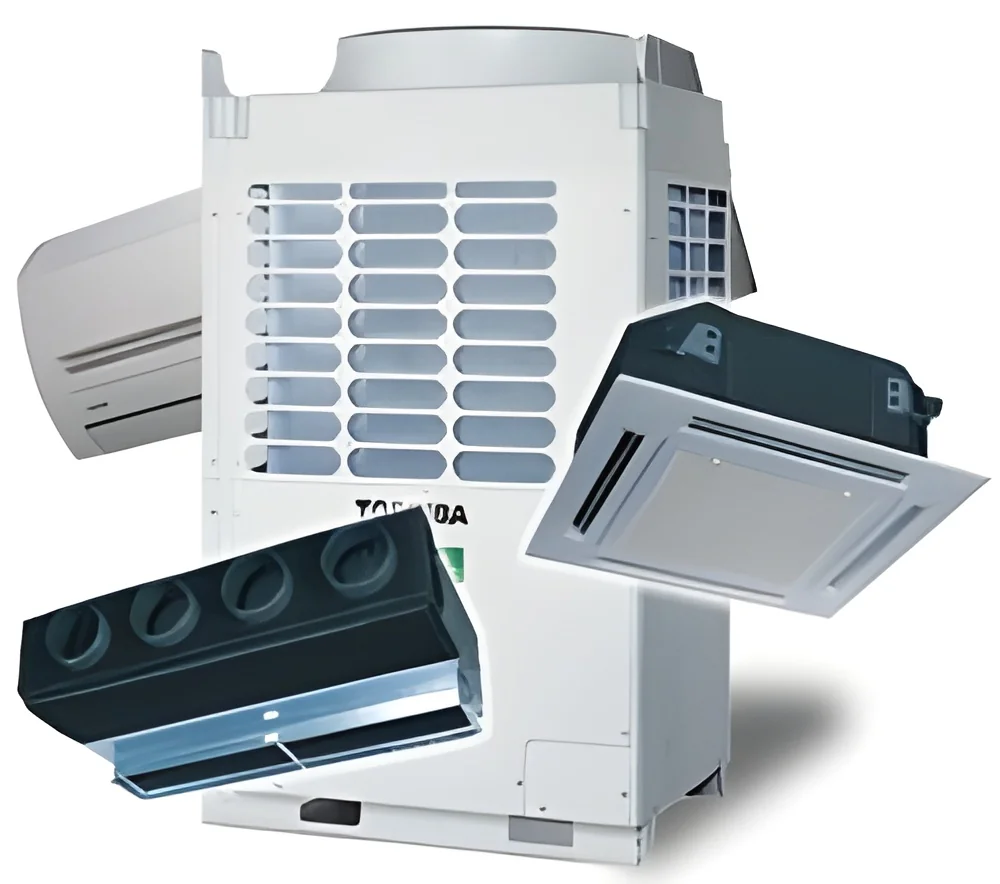
Access Envirotech Engineers Private LimitedIndia
India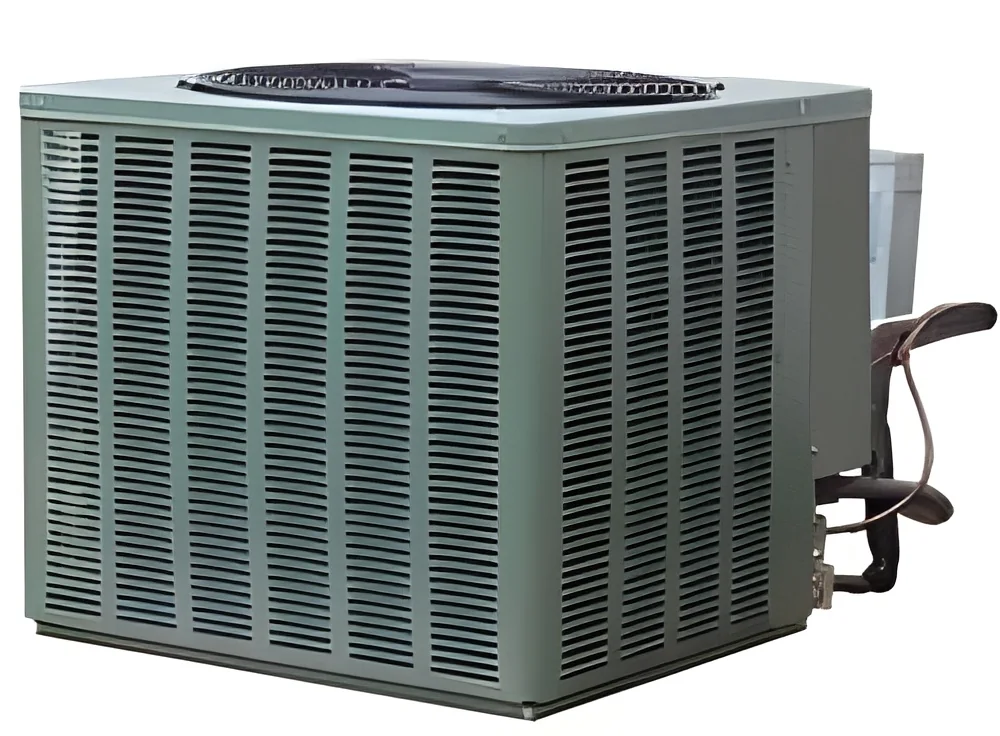
Frequently Asked Questions
1
What is VRF/VRV Systems?
VRF/VRV Systems is a product offered by global suppliers on Pepagora.
2
How do I find suppliers for VRF/VRV Systems?
Use Pepagora's search and filter options to find verified suppliers.
3
Can I request a quote for VRF/VRV Systems?
Yes, use the RFQ feature to request quotes from multiple suppliers.
4
Is VRF/VRV Systems available in multiple languages?
Pepagora supports multilingual catalogs for global buyers.
5
What trust signals are available for VRF/VRV Systems?
Look for TruBadge, RFQ, and multilingual support on supplier profiles.
Why Businesses Trust Pepagora
Thousands of companies trust Pepagora to source smarter and sell faster
Expand Your Sales Globally
25000+Products listed.Get discovered by global buyers
Tools to boost visibility
Build your own catalog

Source Smarter,Grow Faster
4000+Active RFQs
100+ Countries served
Easy Sourcing Tools
