
 IN
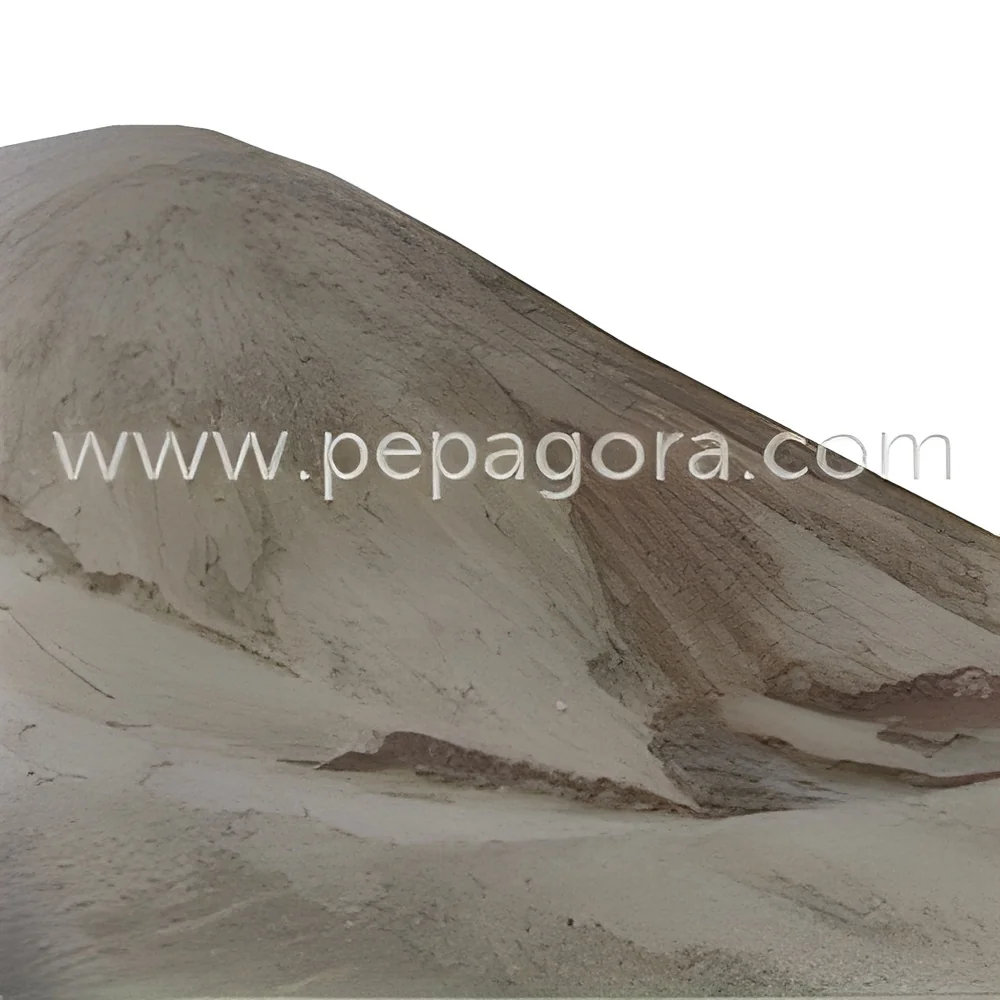
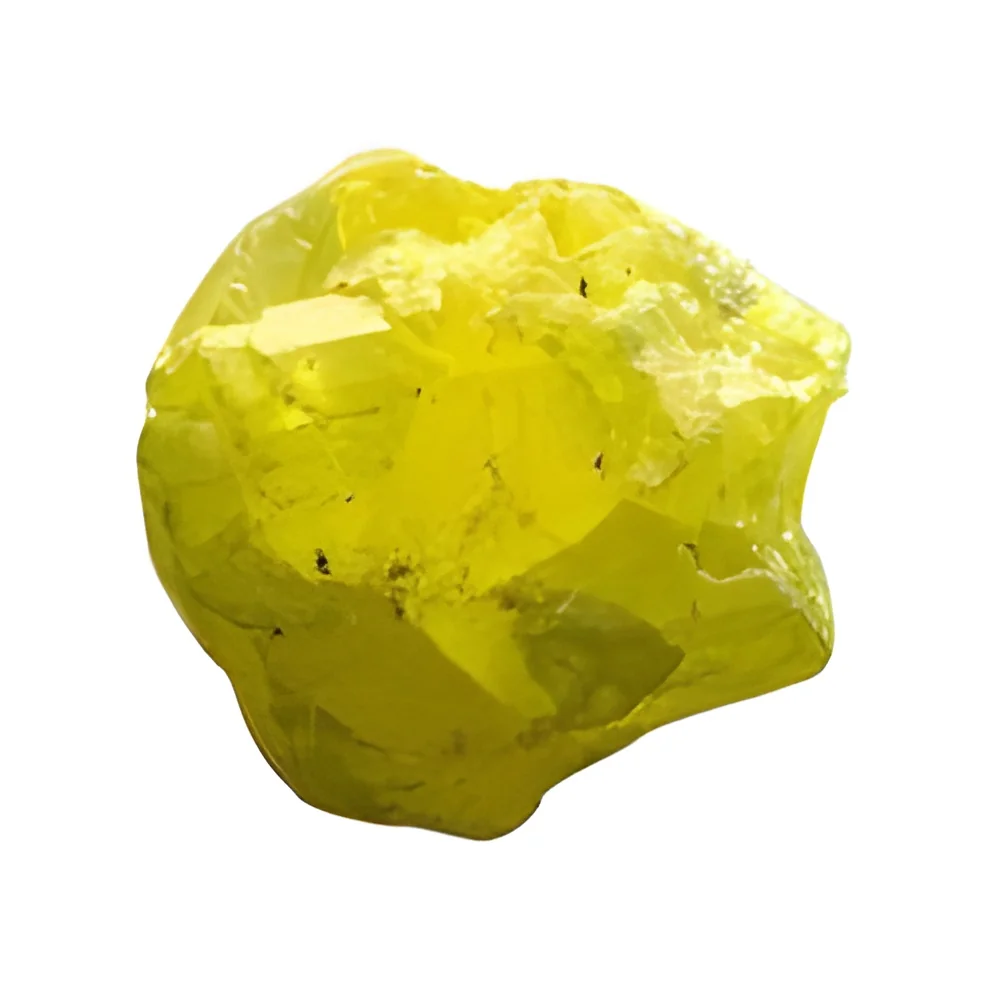
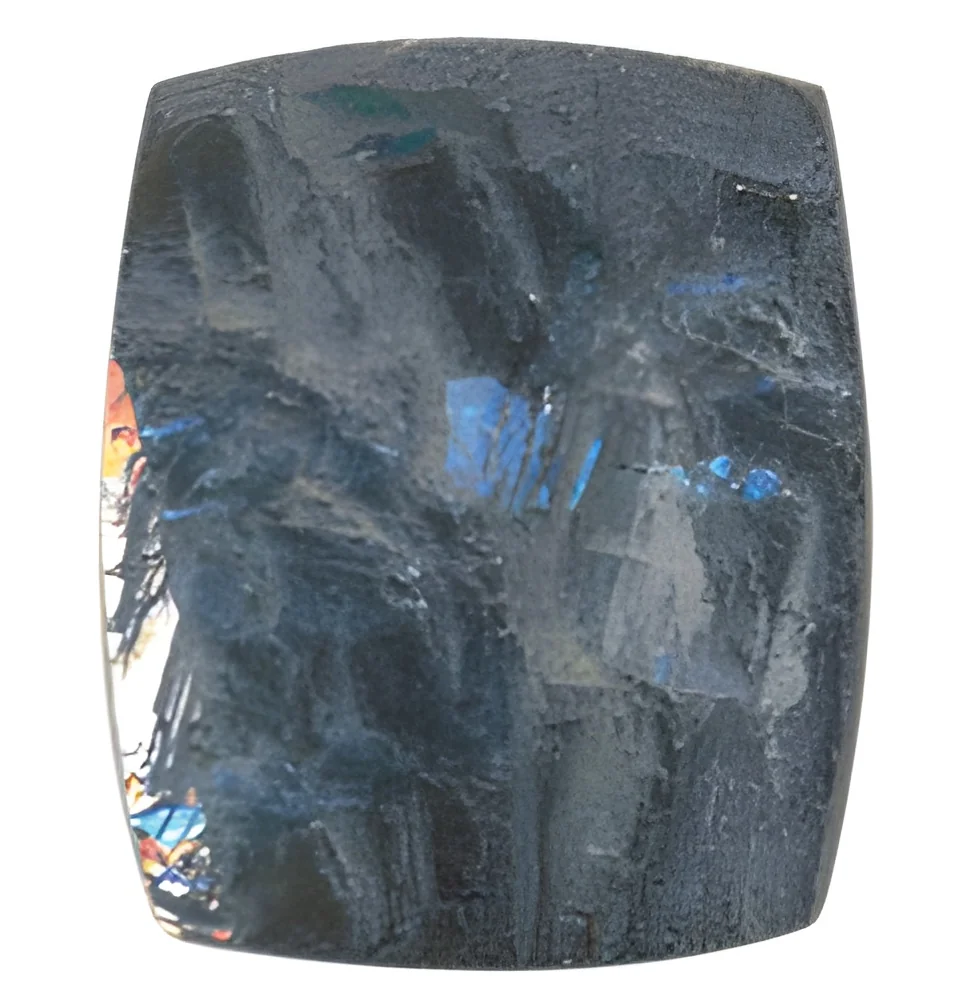
Refractory Grade Minerals
3 products available
What are Refractory Grade Minerals?
Refractory grade minerals are specialized materials designed to withstand high temperatures and harsh environments without losing their physical and chemical properties. These minerals are vital in various industrial processes where thermal stability is crucial. They are typically used in the manufacturing of refractory products, which are essential for lining furnaces, kilns, and reactors in industries such as steel, cement, and glass.
The primary applications of refractory grade minerals include their use in the production of bricks and castables, which form linings for high-temperature equipment. These materials are designed to resist thermal shock, corrosion, and wear, making them indispensable in sectors that require high resistance to heat and chemical exposure. The growing demand for energy-efficient and sustainable production methods further elevates the relevance of these minerals in today’s market.
As industries continue to expand and evolve, the market for refractory grade minerals remains robust. The increasing focus on advanced manufacturing technologies and stricter regulations regarding emissions and waste management are driving innovation in refractory materials. This context underscores the importance of sourcing high-quality refractory grade minerals for businesses looking to enhance their operational efficiency and product quality.
Key Features and Specifications
Refractory grade minerals possess unique properties that make them suitable for high-temperature applications. Understanding these specifications is crucial for businesses looking to source these materials.
Key specifications include:
1. Thermal Stability
- High resistance to thermal shock
- Stable performance at temperatures exceeding 1,500 degrees Celsius
2. Chemical Resistance
- Ability to withstand aggressive chemical environments
- Minimal reaction with slag and other materials
3. Mechanical Strength
- High compressive and tensile strength
- Durable under extreme conditions
4. Density
- Varied density levels for different applications
- Typical ranges from 2.5 g/cm3 to 3.5 g/cm3
5. Purity Levels
- High purity options available to minimize contaminants
- Essential for specific industrial applications
6. Grain Size Distribution
- Customized grain size for optimal performance
- Typical ranges from fine powders to coarse aggregates
7. Moisture Content
- Low moisture levels to ensure stability
- Critical for maintaining performance under operational conditions
8. Packaging Options
- Available in bulk, bags, or custom packaging
- Ensures convenience for transportation and storage
These specifications highlight the importance of selecting the right refractory grade minerals based on specific industrial requirements.
Common Applications and Use Cases
Refractory grade minerals serve a wide range of industries that require high-temperature materials for various applications.
1. Steel Manufacturing: Refractory materials are used in converters and furnaces for steel production, ensuring durability and resistance to extreme temperatures.
2. Cement Industry: Refractories are essential for lining kilns and coolers, where they endure high heat and chemical exposure.
3. Glass Production: Used in furnaces and melting tanks, these minerals help maintain the quality and integrity of glass products.
4. Petrochemical Sector: Refractory materials are utilized in reactors and distillation columns, where they withstand corrosive environments.
5. Foundries: Refractory grade minerals are employed in molds and cores, providing thermal resistance during metal casting processes.
6. Non-Ferrous Metal Production: These materials are crucial in smelting furnaces, maintaining structural integrity under extreme heat.
7. Ceramics Industry: Refractories are used in kilns for firing ceramic products, ensuring optimal performance and quality.
Product Variants and Subcategories
Refractory grade minerals come in various forms, each tailored to specific applications and performance requirements.
High Alumina Refractories
These refractories contain a high percentage of alumina, offering superior thermal stability and chemical resistance. They are commonly used in the steel and cement industries for their ability to withstand extreme temperatures.
Silica Refractories
Silica refractories are characterized by their high melting point and thermal shock resistance. They are ideal for use in glass furnaces and cement kilns, where they provide excellent durability.
Magnesite Refractories
These refractories are composed primarily of magnesium oxide, making them suitable for high-temperature applications such as steelmaking. They exhibit excellent resistance to slag and corrosion.
Benefits and Advantages
Sourcing refractory grade minerals offers numerous advantages for businesses in various industries.
1. Enhanced Durability: These materials can withstand extreme temperatures and harsh environments, extending the lifespan of industrial equipment.
2. Improved Efficiency: High-performance refractories contribute to better energy efficiency in manufacturing processes, reducing operational costs.
3. Customization Options: Businesses can source customized refractory solutions tailored to their specific needs, optimizing performance.
4. Reduced Maintenance: The resilience of refractory materials results in lower maintenance requirements, minimizing downtime.
5. Compliance with Standards: Many refractory grade minerals meet international quality standards, ensuring reliability in critical applications.
6. Versatile Applications: These minerals can be used across multiple industries, providing flexibility for manufacturers and suppliers.
Buying Guide for B2B Buyers
When sourcing refractory grade minerals, businesses should consider several critical factors to ensure they select the right products for their needs.
1. Quality Assessment: Evaluate the quality of refractory materials based on their thermal and mechanical properties. Look for certifications that confirm compliance with industry standards.
2. Supplier Verification: Vet suppliers to ensure they have a proven track record in providing high-quality refractory products. Consider their reputation, experience, and customer feedback.
3. Pricing and MOQ: Understand pricing structures and minimum order quantities. Compare quotes from different suppliers to find the best value while considering quality.
4. Delivery and Lead Times: Assess logistics capabilities, including delivery times and transportation methods. Ensure that suppliers can meet your timeline requirements for production.
5. Compliance Requirements: Familiarize yourself with regulatory standards and compliance needs for refractory materials in your region. Ensure suppliers meet these requirements to avoid potential issues.
Compliance and Certifications
Refractory grade minerals are subject to various quality and safety standards to ensure their suitability for industrial applications.
Relevant quality standards such as ISO 9001 ensure consistent quality management across suppliers. This certification indicates that the manufacturer adheres to strict quality control processes, which is vital for high-performance products.
Industry certifications, including CE marking, are essential for products used within the European market. These certifications indicate compliance with safety and environmental regulations, providing assurance to buyers.
Safety and testing requirements are crucial, particularly when dealing with materials that will be exposed to extreme conditions. Rigorous testing for thermal stability, chemical resistance, and mechanical properties is essential before products reach the market.
Regional compliance considerations may vary based on local regulations. Businesses must ensure that their sourced refractory materials meet all applicable standards to mitigate risks and enhance operational safety.
Why Source Refractory Grade Minerals from Pepagora?
Pepagora provides a trusted platform for sourcing refractory grade minerals, offering numerous advantages that can enhance your procurement process.
Verified Supplier Network: Pepagora connects buyers with a network of verified suppliers, ensuring that you access high-quality refractory materials from reputable sources. This network helps eliminate risks associated with procurement.
Streamlined RFQ Process: The request for quotation (RFQ) process on Pepagora is designed to be efficient and user-friendly. Buyers can easily submit their requirements and receive competitive quotes from multiple suppliers, saving time and effort.
Trade Assurance and Support: Pepagora offers trade assurance and support services to protect buyers during transactions. This includes assistance with any issues that may arise, ensuring a smooth sourcing experience.
Regional Coverage: With a strong presence in India, the GCC, and Southeast Asia, Pepagora provides extensive geographic reach. This enables businesses to source refractory grade minerals locally or regionally, facilitating quicker delivery and reduced transportation costs.

 India
 India
Frequently Asked Questions
What are Refractory Grade Minerals?
Refractory Grade Minerals are materials that can withstand high temperatures without undergoing significant deformation or chemical change. They are primarily used in industries that require high-temperature processes, such as steel manufacturing, ceramics, and glass production.
What are the different types of Refractory Grade Minerals?
The different types of Refractory Grade Minerals include alumina, magnesia, silica, and zirconia. Each type has unique properties that make them suitable for specific applications in high-temperature environments.
How do I choose the right Refractory Grade Minerals?
Choosing the right Refractory Grade Minerals involves considering factors such as the operating temperature, chemical composition, and the specific application requirements. It's essential to consult with suppliers or manufacturers to determine the best fit for your needs.
What are the standard specifications for Refractory Grade Minerals?
Standard specifications for Refractory Grade Minerals typically include parameters such as chemical composition, thermal stability, and mechanical strength. These specifications can vary based on the intended application and industry standards.
What is the price range for Refractory Grade Minerals?
The price range for Refractory Grade Minerals can vary widely depending on the type, quality, and supplier. Generally, prices may range from a few thousand to several lakhs per ton, depending on market conditions and specific requirements.
What quality standards apply to Refractory Grade Minerals?
Quality standards for Refractory Grade Minerals are often determined by industry regulations and specifications set by organizations such as ASTM and ISO. Adherence to these standards ensures the materials meet the necessary performance criteria for high-temperature applications.
Where can I find Refractory Grade Minerals suppliers in India?
Refractory Grade Minerals suppliers in India can be found through various online B2B marketplaces, trade directories, and industry exhibitions. Websites like Pepagora.com provide a platform to connect with reputable manufacturers and suppliers.
Can Refractory Grade Minerals be customized?
Yes, Refractory Grade Minerals can often be customized to meet specific requirements, such as particle size and chemical composition. It is advisable to discuss customization options with the supplier to ensure the final product meets your precise needs.
What is the typical minimum order quantity for Refractory Grade Minerals?
The typical minimum order quantity (MOQ) for Refractory Grade Minerals can vary by supplier but is generally set at a few tons. It's best to check with individual suppliers for their specific MOQ requirements.
What is the typical lead time for Refractory Grade Minerals?
The typical lead time for Refractory Grade Minerals can range from a few days to several weeks, depending on the supplier's inventory, order size, and production capabilities. It's advisable to confirm the lead time with the supplier at the time of order.
Why Businesses Trust Pepagora
Thousands of companies trust Pepagora to source smarter and sell faster
Expand Your Sales Globally

Source Smarter,Grow Faster
