IN
IN₹
Description
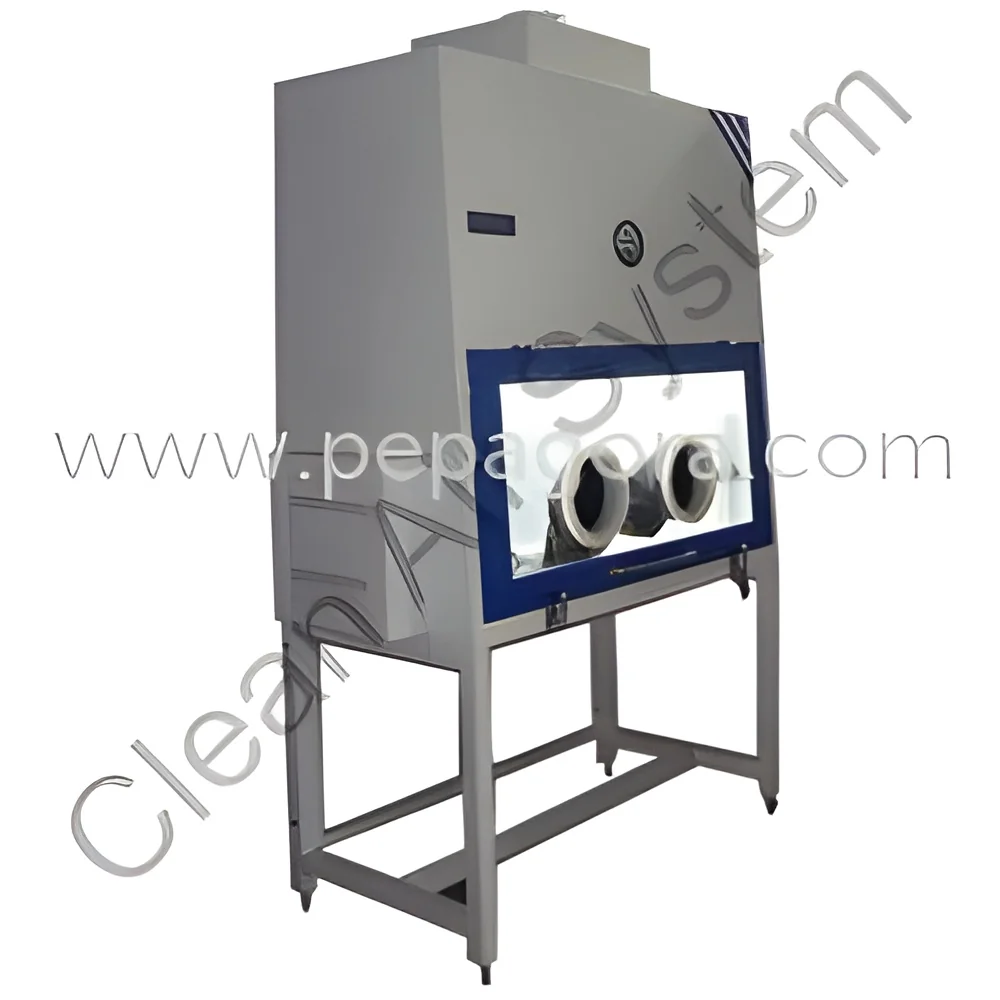
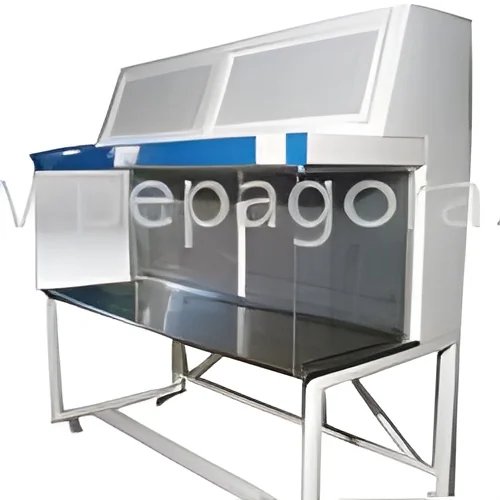
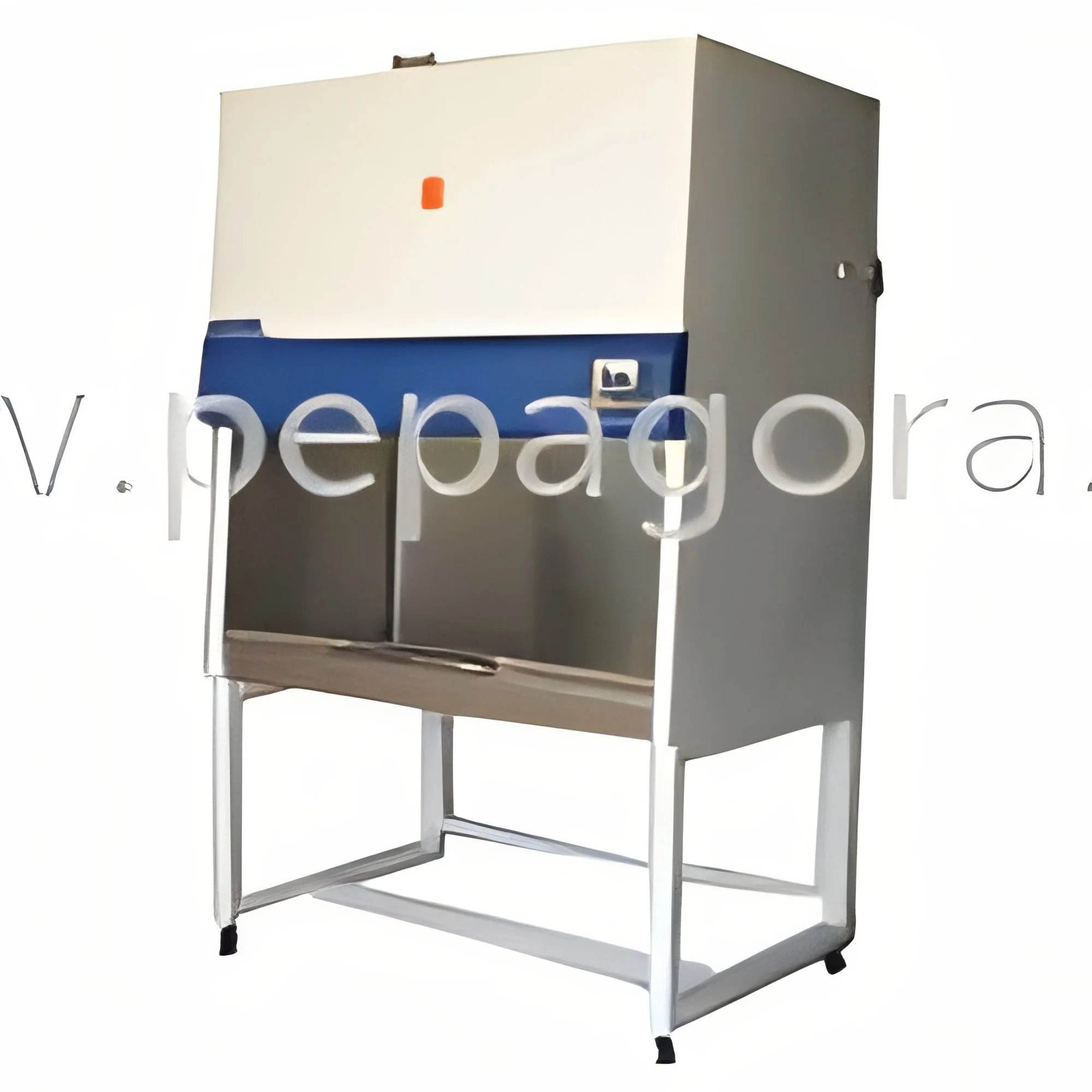
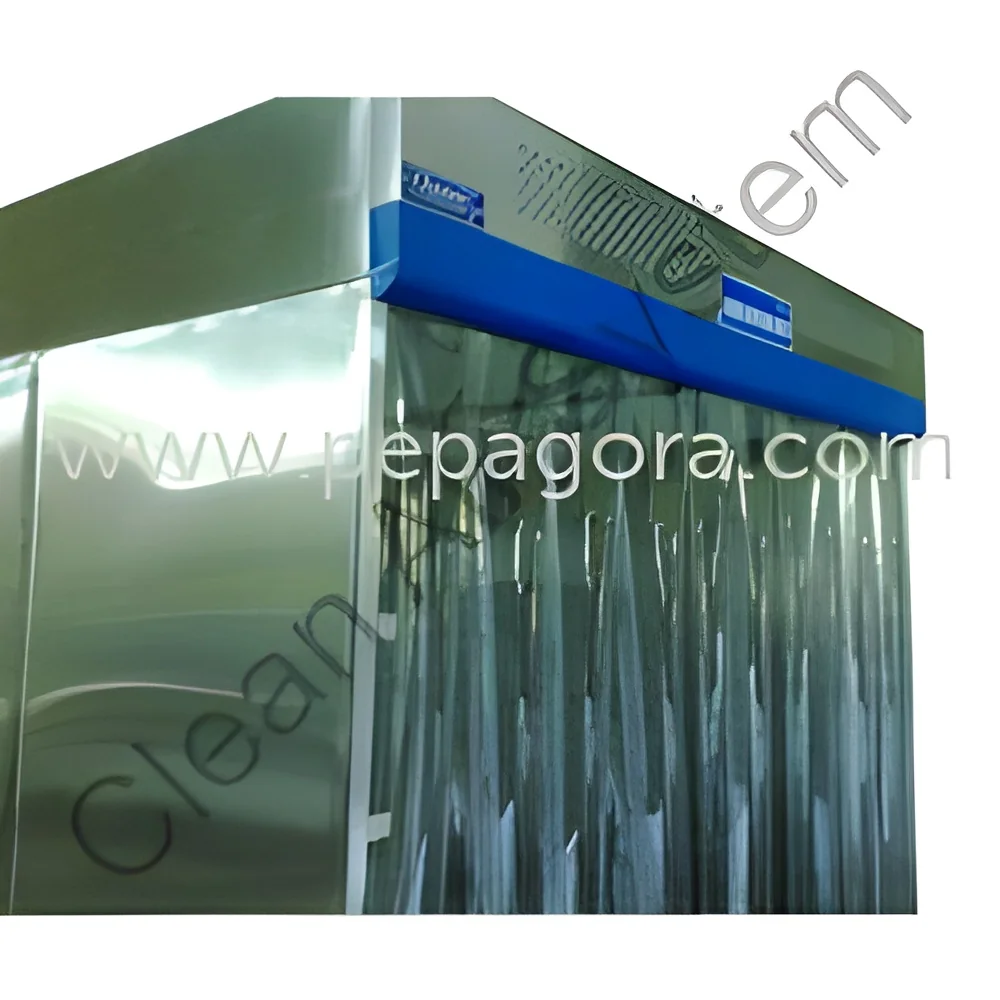
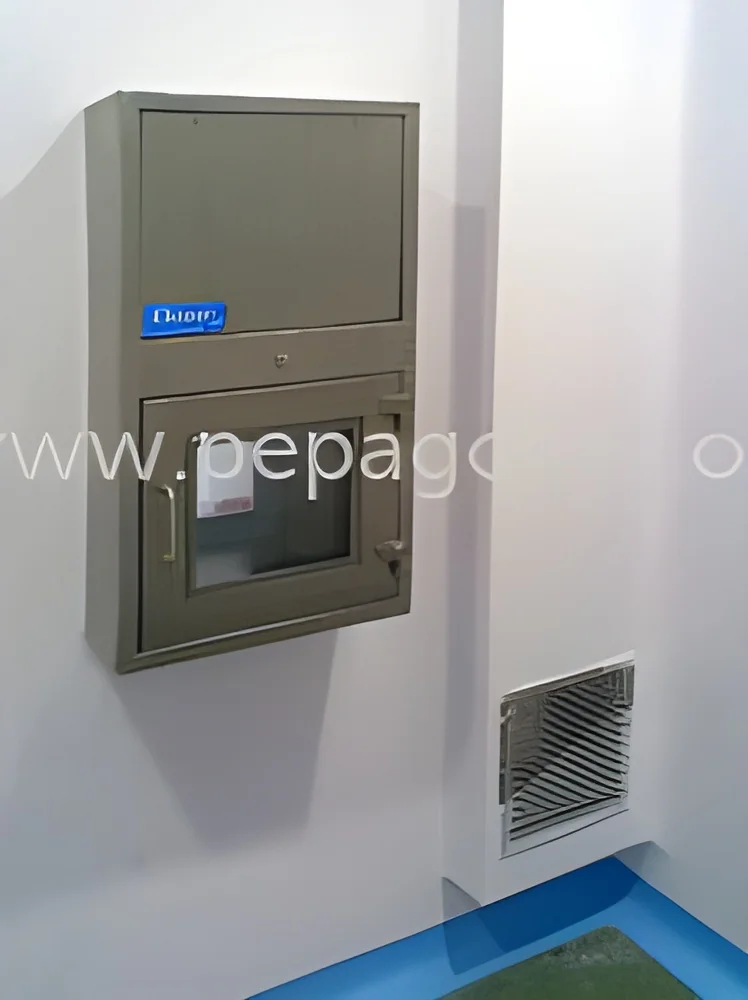
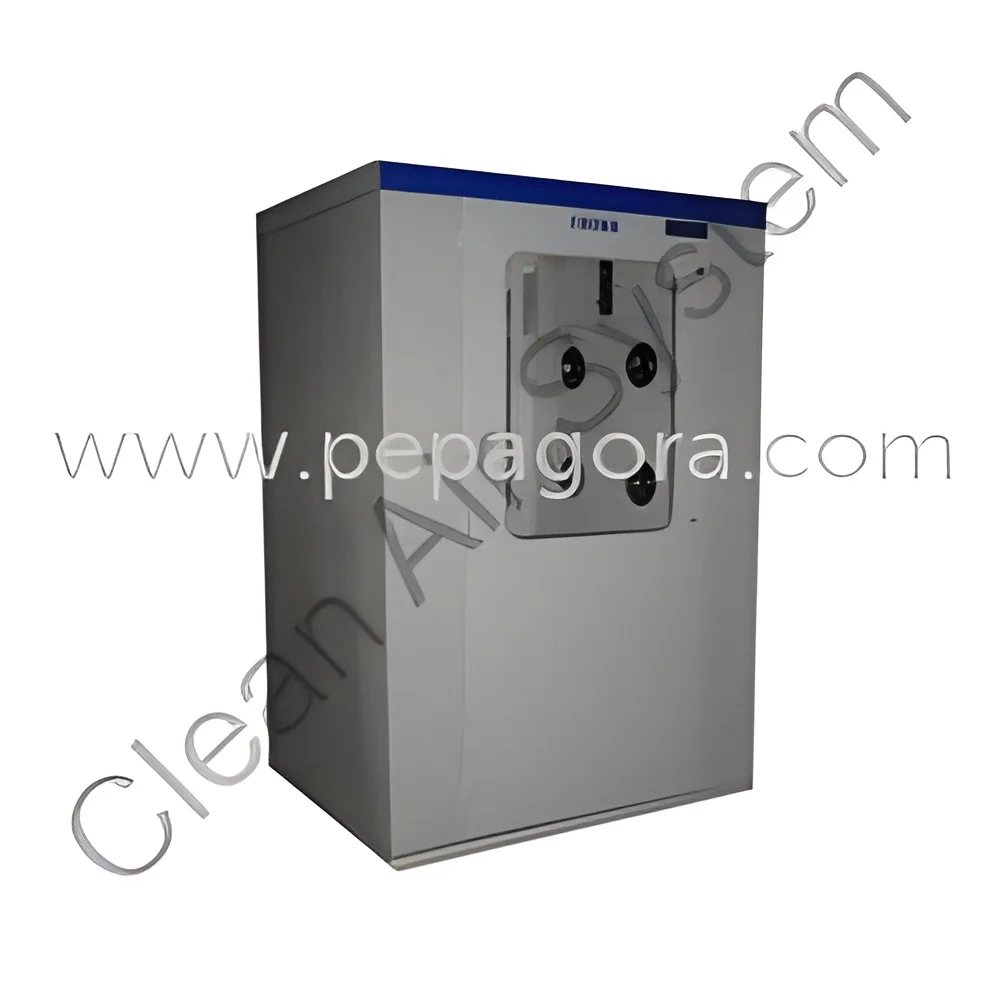
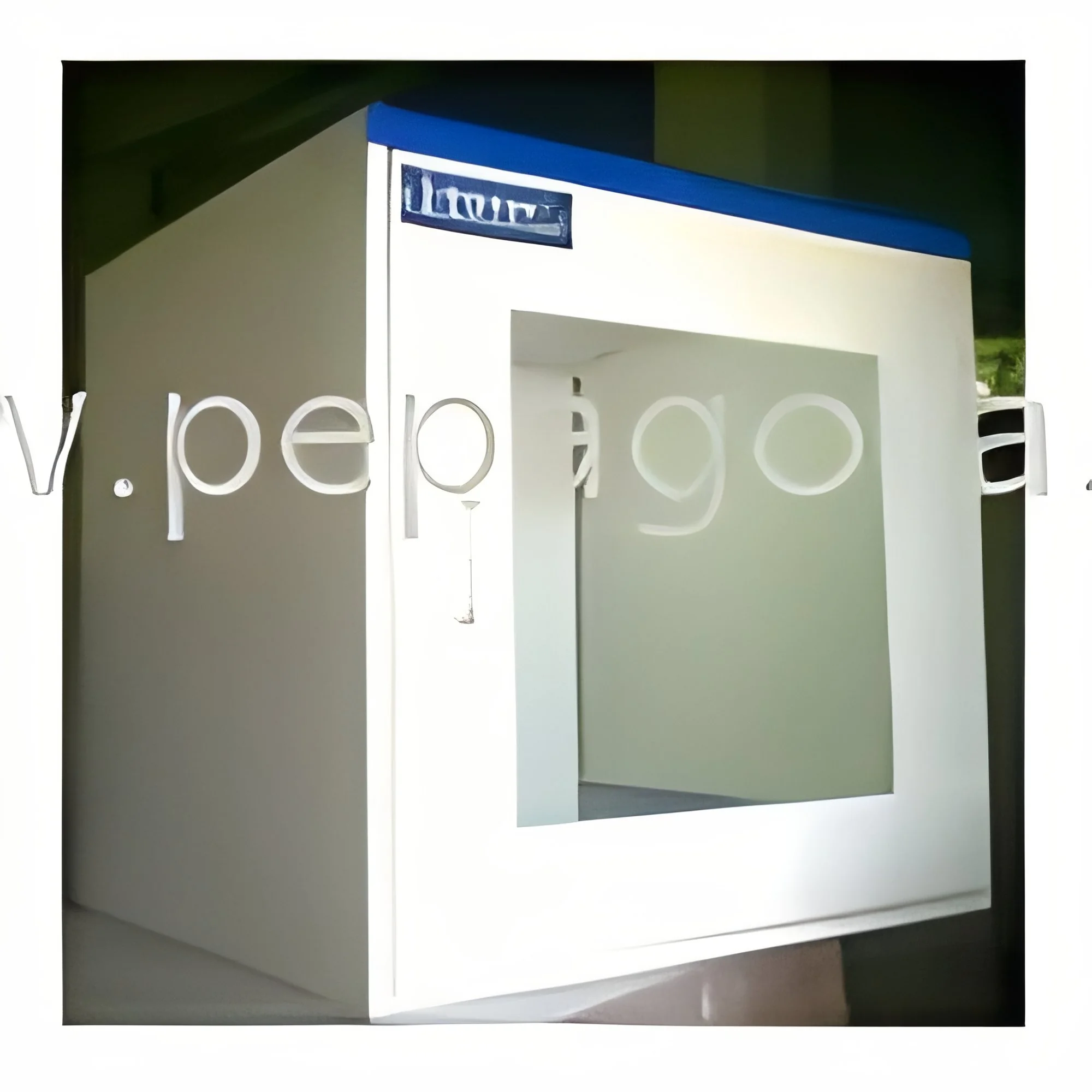
The Clean Room Pass Box is a critical containment device designed for the safe transfer of materials between adjacent clean zones without compromising their sterile integrity. It functions as an airtight chamber with interlocked doors, ensuring only one side can be opened at a time. This prevents the direct exchange of air and contaminants between environments of different cleanliness classifications. Available in both static (non-ventilated) and dynamic (HEPA-filtered) models, it is constructed from durable, easy-to-clean materials like 304 or 316 stainless steel or epoxy-coated galvanized iron. Its primary role is to eliminate a major contamination vector—material movement—thereby upholding the stringent particulate and microbial standards required in controlled environments.

This equipment is fundamental in industries where environmental control is non-negotiable. In pharmaceutical and biotechnology, it safeguards the purity of active ingredients and sterile products during manufac...
The Clean Room Pass Box is a critical containment device designed for the safe transfer of materials between adjacent clean zones without compromising their sterile integrity. It functions as an airtight chamber with interlocked doors, ensuring only one side can be opened at a time. This prevents the direct exchange of air and contaminants between environments of different cleanliness classifications. Available in both static (non-ventilated) and dynamic (HEPA-filtered) models, it is constructed from durable, easy-to-clean materials like 304 or 316 stainless steel or epoxy-coated galvanized iron. Its primary role is to eliminate a major contamination vector—material movement—thereby upholding the stringent particulate and microbial standards required in controlled environments.

This equipment is fundamental in industries where environmental control is non-negotiable. In pharmaceutical and biotechnology, it safeguards the purity of active ingredients and sterile products during manufacturing and packaging. Electronics manufacturers rely on it to prevent microscopic dust from damaging sensitive components like silicon wafers. Hospitals and medical device producers use pass boxes to maintain the sterility of instruments and implants. Furthermore, food and nutraceutical companies employ them to prevent allergen cross-contact and microbial contamination during processing, ensuring consumer safety and meeting Good Manufacturing Practice (GMP) guidelines.

Investing in a robust clean room pass box delivers direct business value by protecting your core assets: product quality and regulatory standing. Its reliable operation minimizes the risk of batch contamination, which can lead to costly recalls, production halts, and compliance failures. The durable construction ensures a long service life with minimal maintenance, offering a strong return on investment. By streamlining material transfer logistics, it enhances operational efficiency, reduces unnecessary personnel movement, and supports a leaner, more controlled workflow. Ultimately, it acts as an insurance policy for your production line, ensuring consistent output and safeguarding your brand's reputation for quality and reliability.

Key Features:
- Dual-door mechanical or electrical interlock system prevents both doors from opening simultaneously, preserving zone isolation.
- Robust construction using 304/316 grade stainless steel or epoxy-painted mild steel, offering corrosion resistance and longevity.
- Choice between static (passive) and dynamic (active with HEPA filtration) models to match specific cleanroom pressure and particulate control needs.
- Seamless, rounded interior corners and electropolished surfaces facilitate easy, effective cleaning and sterilization.
- Standard and custom sizing available, with options for view windows, UV-C germicidal lamps, and pass-through shelving.

Benefits:
- Eliminates a primary source of cross-contamination during material transfer, ensuring product and process integrity.
- Reduces the need for personnel to enter higher-grade clean zones, minimizing human-borne particulate and microbial load.
- Helps facilities maintain consistent compliance with international standards like ISO 14644, EU GMP, and FDA regulations.
- Durable, low-maintenance design provides reliable performance for years, reducing long-term operational costs.
- Customizable configurations allow for seamless integration into existing facility layouts and specific workflow requirements.
Specifications
| Additional Information | |
|---|---|
| Country of Origin | India |
Application
Clean room pass boxes provide a secure, controlled transfer point for materials between different cleanliness zones, preventing cross-contamination while maintaining strict environmental protocols. Their sealed design and interlocking door systems ensure that air quality and particulate levels remain within specified limits during transfers, which is essential for product integrity and regulatory compliance across sensitive industries.
These units are engineered to minimize personnel traffic through critical clean areas, reducing the risk of human-borne contaminants. By creating a dedicated material transfer airlock, they protect both the sending and receiving environments, making them indispensable for facilities where even minor contamination can lead to significant product loss, research compromise, or safety issues.
- Transferring sterile pharmaceutical ingredients and packaging between Grade A/B cleanrooms in drug manufacturing.
- Moving sensitive cell cultures and biological samples between incubators and biosafety cabinets in research labs.
- Handling wafers and semiconductor components in ISO Class 5 electronics fabrication cleanrooms.
- Passing sterilized surgical instruments and implants between preparation and operating rooms in hospitals.
- Ensuring hygienic transfer of food ingredients between production zones in high-care food processing facilities.
Trade Details
| Available Stock | In Stock |
| Sample Availability | No |
Payment Terms
| Payment Terms |
|
Company Profile
Clean Air Systems, Tamil Nadu
 Tamil Nadu, India
Tamil Nadu, IndiaIndustrial Equipment & Machinery•Manufacturer•Importer / Exporter
Factory Details
Factory SizeBelow 1000 sqm
Annual Production Capacity0
Main Markets
South Asia
Clean Room Pass Box For Contamination Free Material Transfer In Sterile Environments
Clean Room Pass Box ensures contamination-free material transfer between sterile zones with static or dynamic models. Built with stainless steel or epoxy-coated construction, it maintains ISO standards for pharmaceutical, biotech, and electronics manufacturing environments.
Min. Order Quantity: 1 unit
Shipping
Shipping fee and delivery date to be negotiated. Contact supplier now for more details.
Clean Air Systems
 Tamil Nadu, India
Tamil Nadu, IndiaIndustrial Equipment & MachineryManufacturer