IN
IN₹
Apparel & Fashion
Description
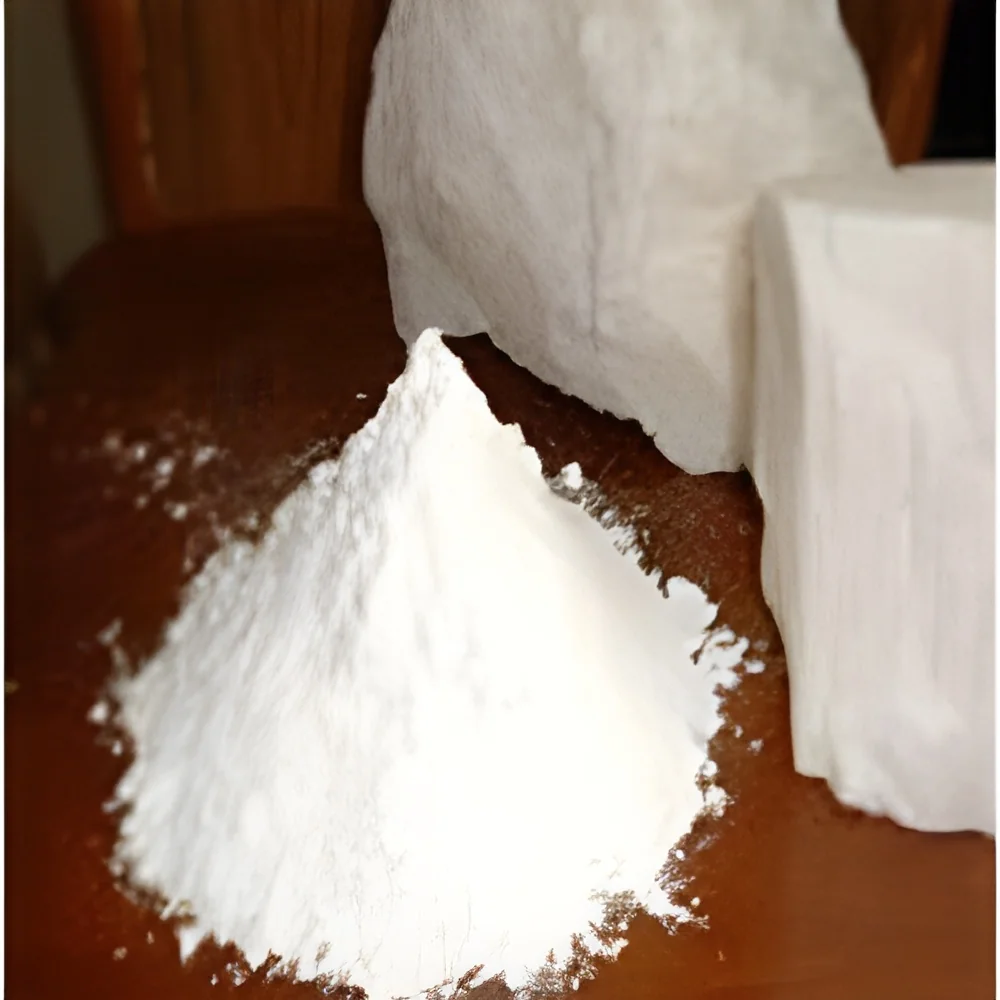
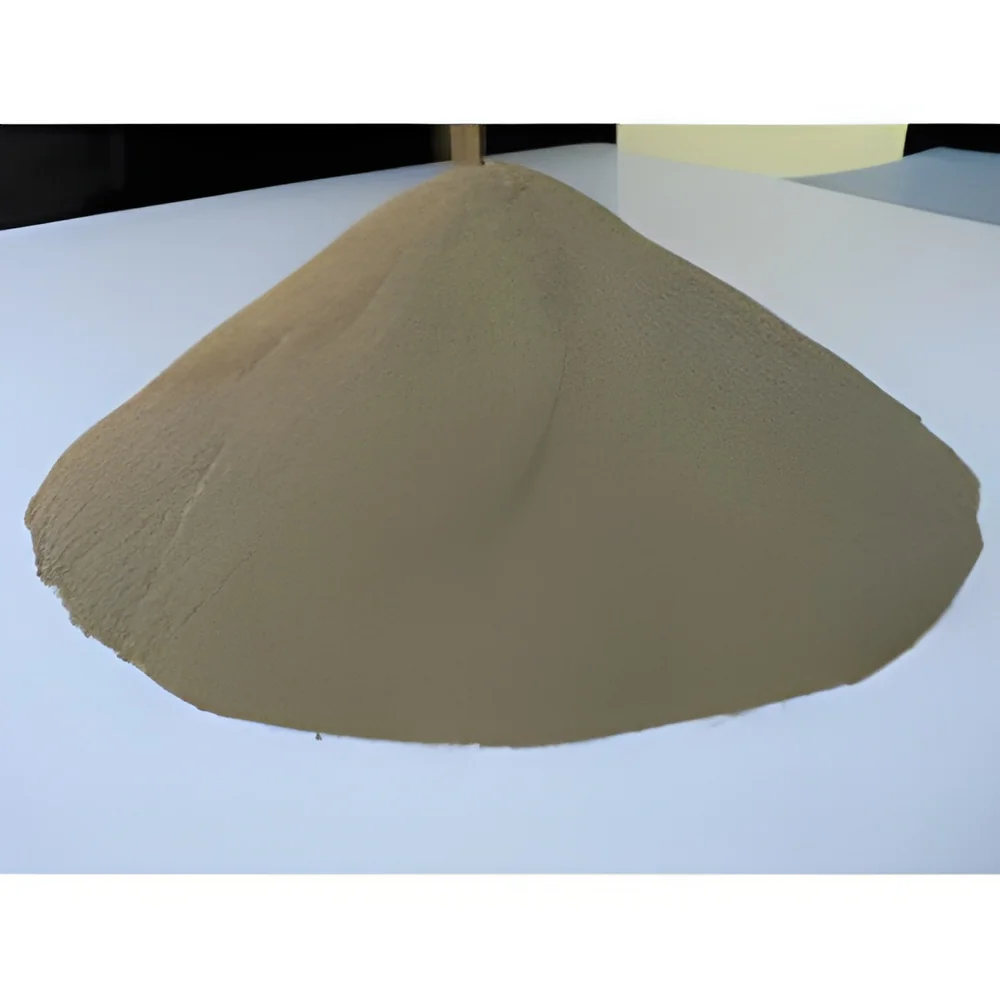
Industrial zircon mineral represents a premium-grade raw material specifically processed for demanding manufacturing applications. Sourced from reliable deposits and refined to meet strict industrial standards, this high-purity silicate mineral delivers consistent performance through its exceptional thermal properties and chemical resistance. With a melting point exceeding 2500 degrees Celsius and minimal thermal expansion, it maintains structural integrity under extreme conditions where other materials fail. The mineral's inherent hardness and durability make it suitable for applications requiring long-term reliability and consistent results, establishing it as a fundamental material across multiple industrial sectors.

Multiple industries depend on zircon mineral for critical manufacturing processes due to its unique combination of properties. Ceramics manufacturers utilize it as an opacifier and strengthening agent in tile production, sanitaryware, and technical ceramics, where it e...
Industrial zircon mineral represents a premium-grade raw material specifically processed for demanding manufacturing applications. Sourced from reliable deposits and refined to meet strict industrial standards, this high-purity silicate mineral delivers consistent performance through its exceptional thermal properties and chemical resistance. With a melting point exceeding 2500 degrees Celsius and minimal thermal expansion, it maintains structural integrity under extreme conditions where other materials fail. The mineral's inherent hardness and durability make it suitable for applications requiring long-term reliability and consistent results, establishing it as a fundamental material across multiple industrial sectors.

Multiple industries depend on zircon mineral for critical manufacturing processes due to its unique combination of properties. Ceramics manufacturers utilize it as an opacifier and strengthening agent in tile production, sanitaryware, and technical ceramics, where it enhances product whiteness, mechanical strength, and thermal shock resistance. Refractory producers incorporate zircon into bricks and monolithic linings for steel-making furnaces, glass melting tanks, and cement kilns, where it withstands extreme temperatures and corrosive environments. Foundries rely on zircon sand for creating precise molds and cores in metal casting, particularly for complex automotive and aerospace components requiring superior surface finish and dimensional accuracy.

Businesses select zircon mineral for its proven reliability and ability to enhance manufacturing efficiency and product quality. The material's consistent composition and high purity minimize production defects, reduce rejection rates, and improve overall process yield. Its exceptional thermal stability extends equipment lifespan in high-temperature applications, lowering maintenance costs and downtime. The mineral's chemical inertness ensures predictable performance in corrosive environments, while its hardness provides long service life in abrasive applications. These combined attributes deliver tangible value through improved operational efficiency, reduced total cost of ownership, and enhanced end-product quality for industrial buyers.

Key Features:
- High thermal stability with melting point exceeding 2500 degrees Celsius
- Exceptional chemical resistance to acids, alkalis, and corrosive environments
- Superior hardness and durability for long-lasting performance
- Consistent quality and composition ensuring reliable industrial results
- Low thermal expansion coefficient maintaining dimensional stability

Benefits:
- Enhanced product quality with reduced defects and rejection rates
- Extended equipment lifespan in high-temperature applications
- Improved manufacturing efficiency and process yield
- Reduced maintenance costs and operational downtime
- Consistent performance across diverse industrial applications
Specifications
| Additional Information | |
|---|---|
| Country of Origin | India |
Application
Zircon mineral serves as an essential industrial material valued for its high thermal stability, chemical inertness, and superior hardness. It plays a critical role in ceramic manufacturing, enhancing whiteness, opacity, and structural integrity in tiles, sanitaryware, and technical ceramics. The mineral's refractory properties make it indispensable for lining high-temperature furnaces, kilns, and reactors across various manufacturing processes requiring extreme heat resistance and durability.
Beyond traditional ceramics and refractories, zircon mineral finds extensive use in advanced industrial applications. It serves as premium foundry sand for precision metal casting in automotive and aerospace components, ensuring smooth surface finishes and dimensional accuracy. Its hardness and consistency make it ideal for abrasive blasting media and water-jet cutting applications, while specialized uses include nuclear industry applications and advanced technical ceramics requiring exceptional performance under demanding conditions.
- Ceramic tile and sanitaryware production for enhanced brightness and structural strength
- Refractory linings for industrial furnaces in steel, glass, and cement manufacturing
- Precision investment casting molds for aerospace and automotive metal components
- Abrasive blasting media for surface preparation and industrial cleaning
- Opacifier in ceramic glazes and enamels for consistent color and finish quality
Trade Details
| Available Stock | In Stock |
| Sample Availability | No |
Payment Terms
| Payment Terms |
|
Company Profile
Beach Minerals Co., Tamil Nadu
 Tamil Nadu, India
Tamil Nadu, IndiaRaw Materials & Chemicals
Factory Details
Factory SizeBelow 1000 sqm
Annual Production Capacity0
Industrial Zircon Mineral For Ceramics Refractories Manufacturing
High-purity zircon mineral for ceramics and refractories manufacturing offers exceptional thermal stability and chemical resistance. Trusted quality for industrial applications requiring durable, high-performance materials.
Min. Order Quantity: 1 unit
Shipping
Shipping fee and delivery date to be negotiated. Contact supplier now for more details.
Beach Minerals Co.
 Tamil Nadu, India
Tamil Nadu, IndiaRaw Materials & Chemicals