
 IN
Metal Baling Machines
52 products available
What are Metal Baling Machines?
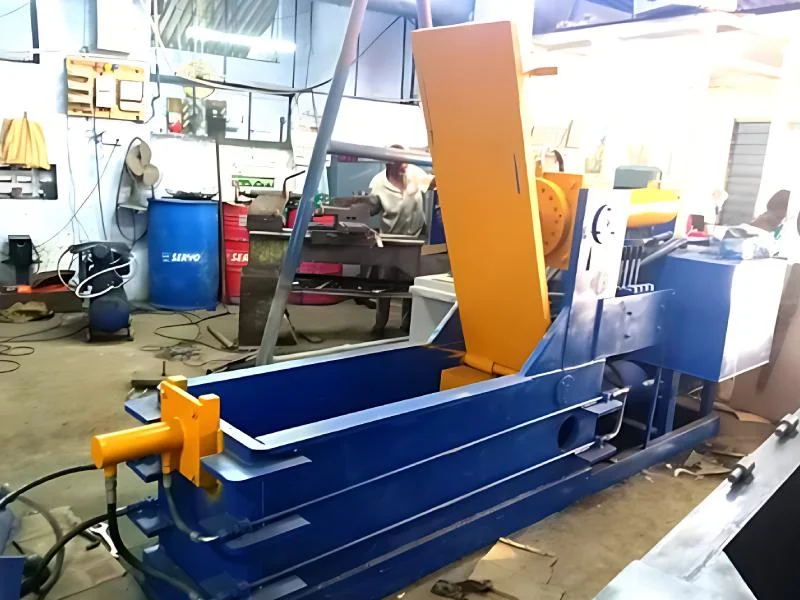
Metal baling machines are industrial machines designed to compress and bundle metal scrap into compact bales. This process makes it easier to transport, store, and recycle metal materials. The machines operate by using hydraulic or mechanical systems to apply pressure, ensuring that the metal is securely compacted into a manageable size. This is essential for businesses involved in metal recycling and waste management, as it improves efficiency and reduces handling costs.
These machines are primarily used in industries that deal with scrap metal, such as automotive, manufacturing, and construction. They play a crucial role in the recycling process by facilitating the collection and processing of metal scrap. By converting loose scrap into bales, companies can optimize their logistics and enhance their recycling operations. The demand for metal baling machines is growing as industries seek to improve sustainability and reduce waste, contributing to a more circular economy.
Key Features and Specifications
Metal baling machines come equipped with various features and specifications tailored to meet the needs of different industries. Understanding these features is essential for selecting the right machine for your operational requirements.
Key specifications include:
1. Baling Capacity
- Refers to the amount of metal scrap processed per hour.
- Can range from 1 ton to over 20 tons, depending on the model.
2. Compression Ratio
- Indicates how much the machine can reduce the volume of scrap metal.
- Typically ranges from 4:1 to 10:1, allowing for efficient storage and transport.
3. Power Source
- Machines can be powered by electricity, diesel, or hydraulic systems.
- Electric models are popular for their efficiency and lower operational costs.
4. Bale Size
- The dimensions of the bales produced can vary.
- Common sizes include 400mm x 400mm x 600mm or custom sizes based on client needs.
5. Control System
- Many machines feature advanced control systems for ease of use.
- Options may include manual, semi-automatic, or fully automatic operation.
6. Safety Features
- Safety elements such as emergency stops, guards, and overload protection are essential.
- Compliance with safety standards is critical for operational integrity.
7. Durability
- Machines are built to withstand heavy use and harsh environments.
- Material construction typically includes high-grade steel for longevity.
8. Maintenance Requirements
- Regular maintenance is needed to ensure optimal performance.
- Some models come with self-lubrication systems to reduce downtime.
In summary, understanding these key features and specifications will aid businesses in selecting the most suitable metal baling machine to enhance their recycling and waste management processes.
Common Applications and Use Cases
Metal baling machines are versatile and serve various industries effectively.
1. Automotive Industry: These machines are used to process scrap from end-of-life vehicles, including steel and aluminum components, making recycling efficient and cost-effective.
2. Manufacturing Sector: Factories utilize baling machines to manage metal waste generated during production, ensuring that scrap is compacted for easy disposal or recycling.
3. Construction Industry: Baling machines are employed to handle metal debris from construction sites, streamlining the recycling of materials like rebar and metal sheeting.
4. Scrap Metal Recycling: Scrap yards use these machines to transform loose metal into bales, facilitating easier handling and transport to processing plants.
5. Electronics Recycling: Metal balers are also used to process scrap from electronic waste, particularly metals recovered from devices like computers and televisions.
6. Industrial Equipment Recycling: Companies involved in decommissioning old machinery utilize baling machines to compact metals for resale or recycling.
7. Demolition Projects: Baling machines aid in processing metal scrap from demolition sites, enhancing efficiency in waste management.
Product Variants and Subcategories
Metal baling machines come in various configurations to suit different operational needs.
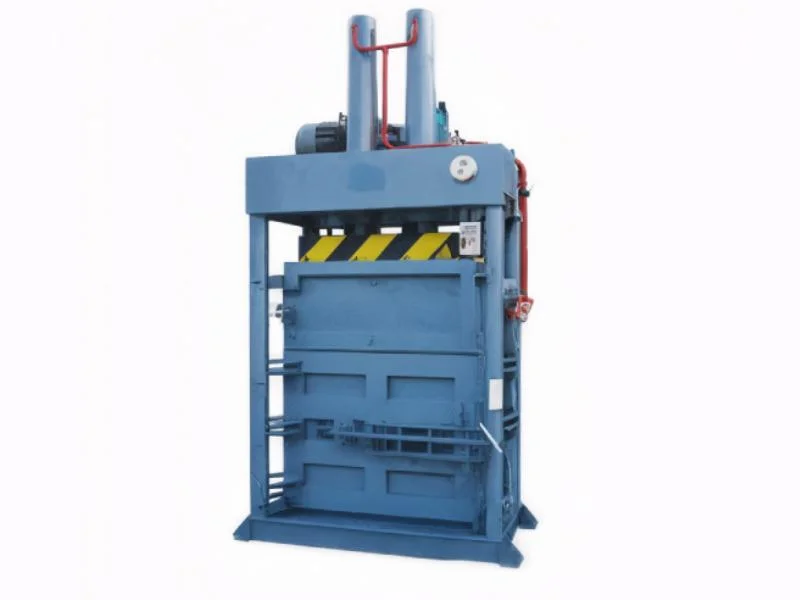
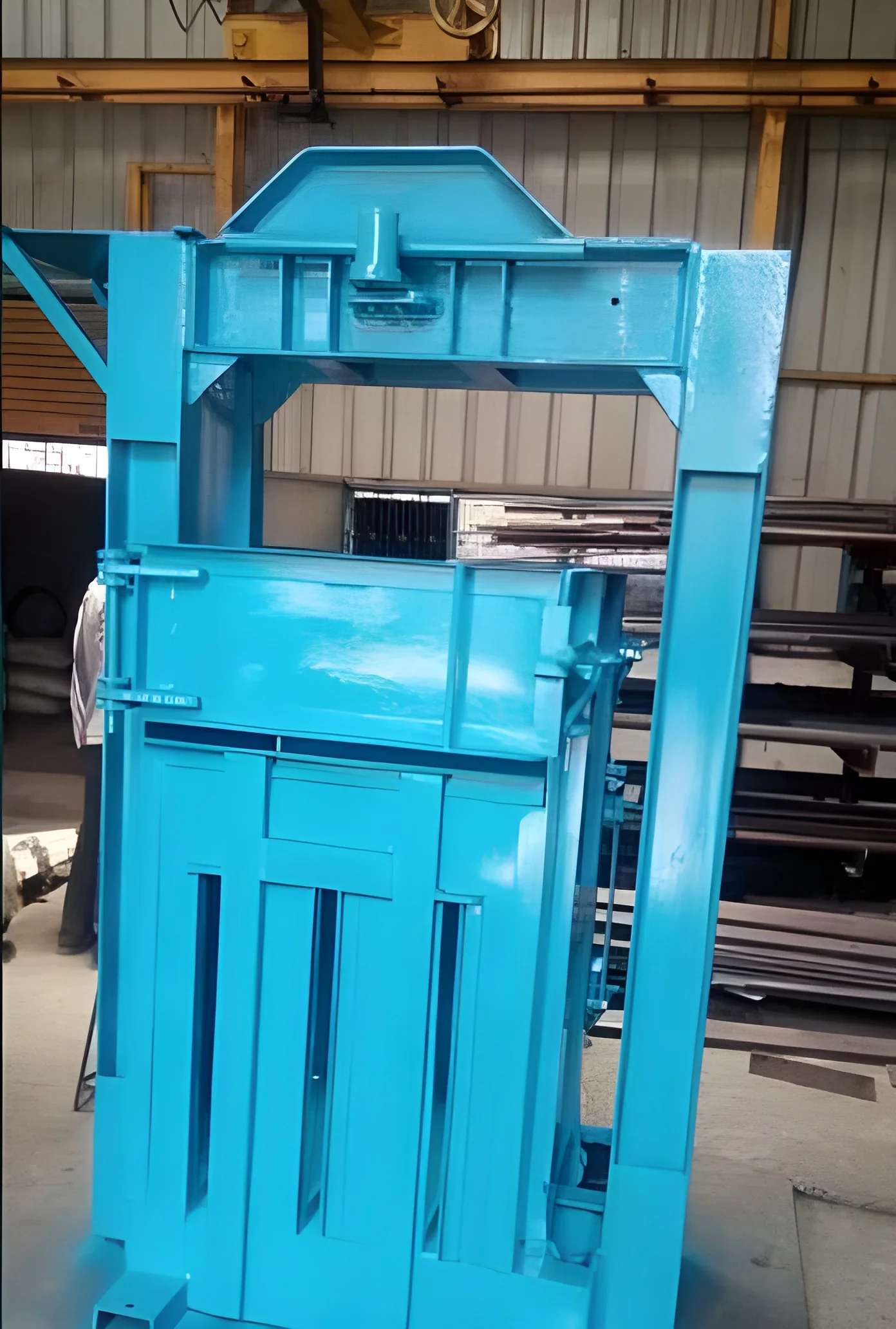
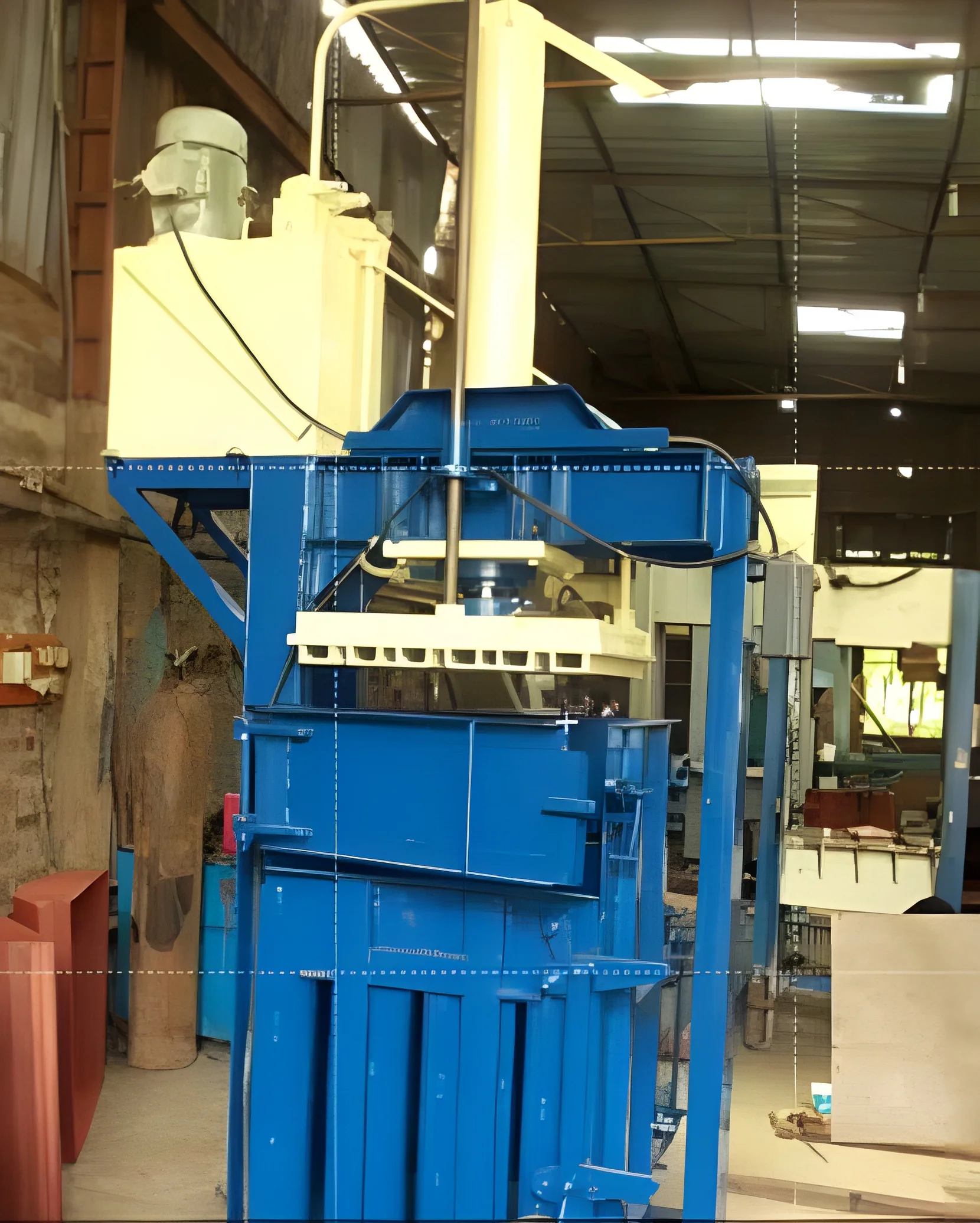
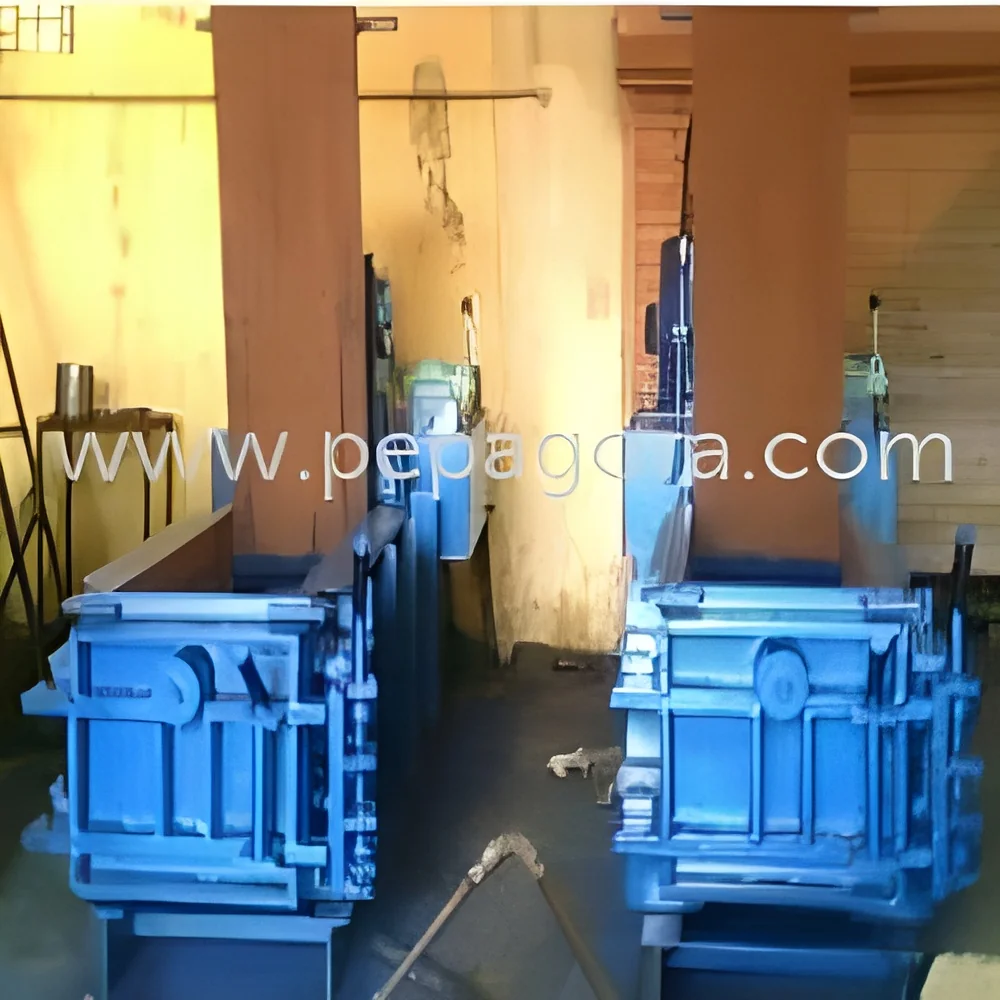
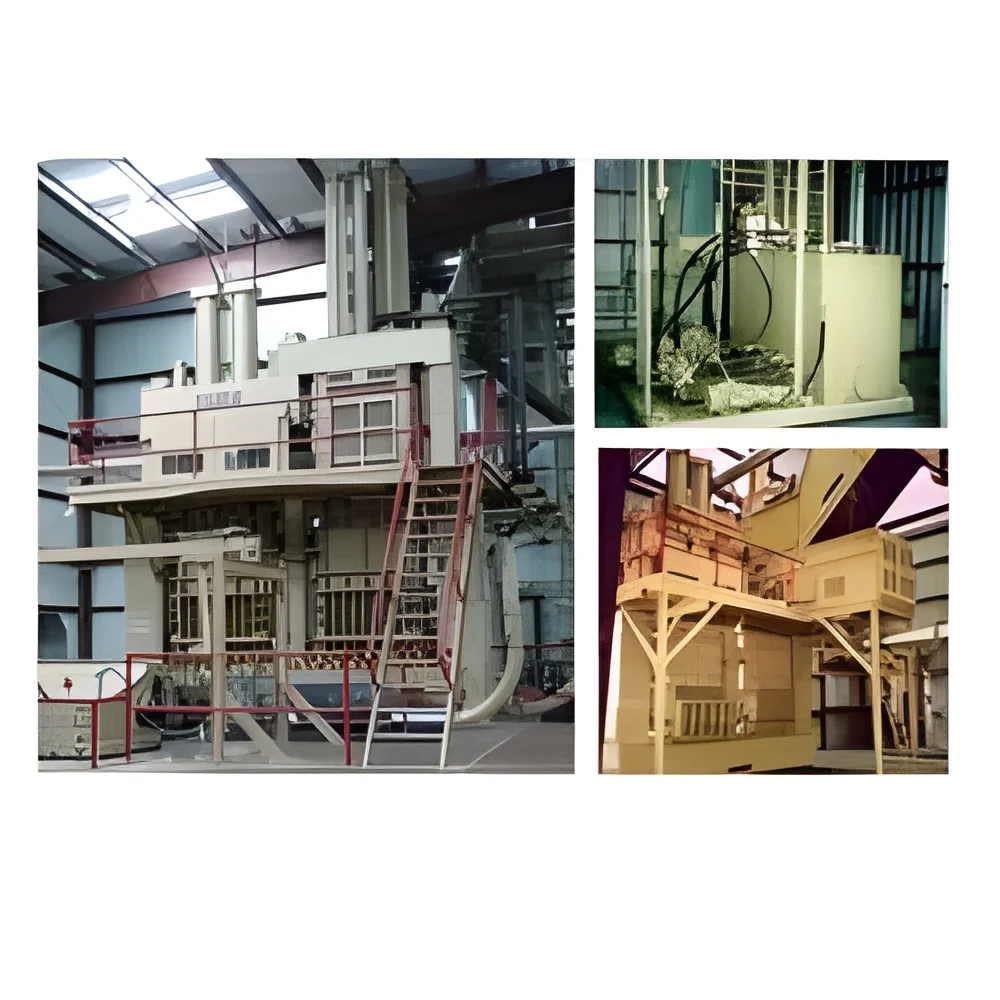
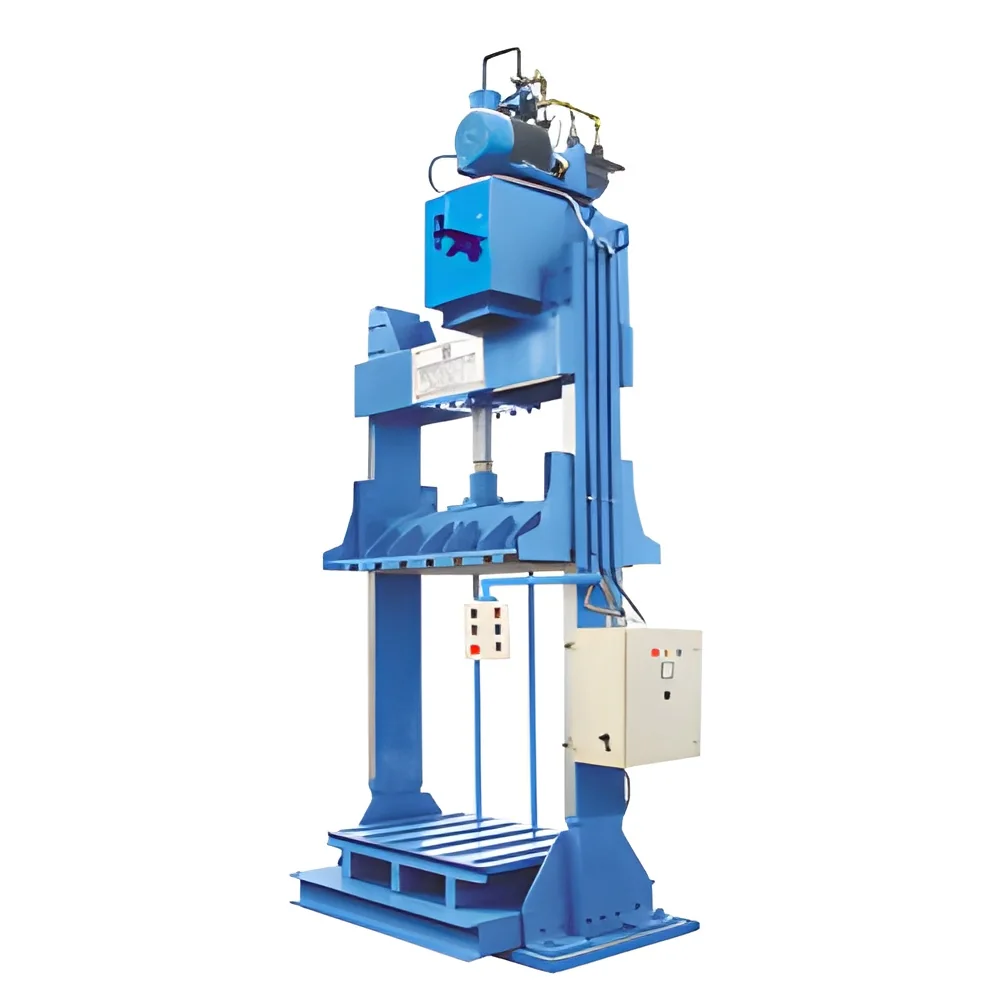
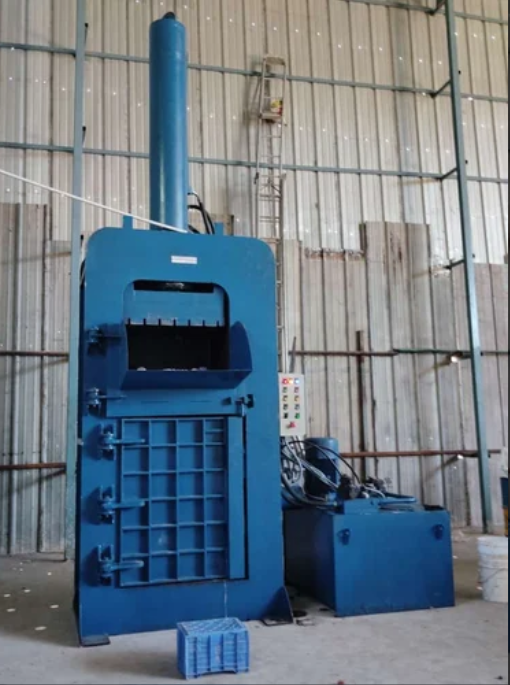
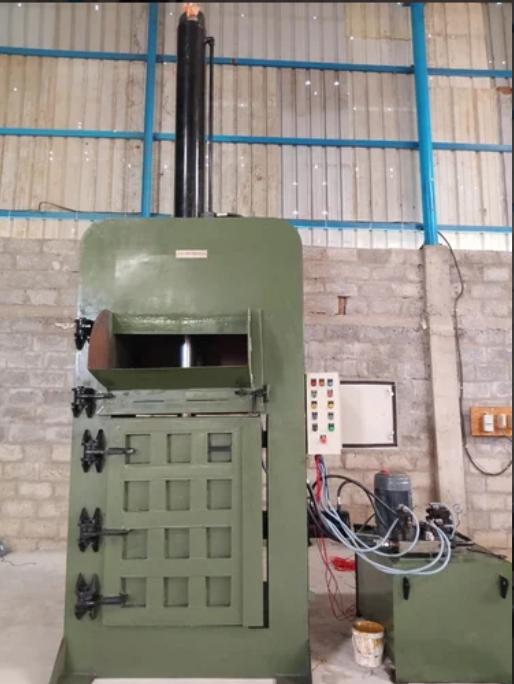
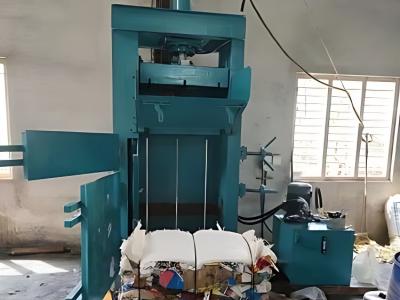
Vertical Baling Machines
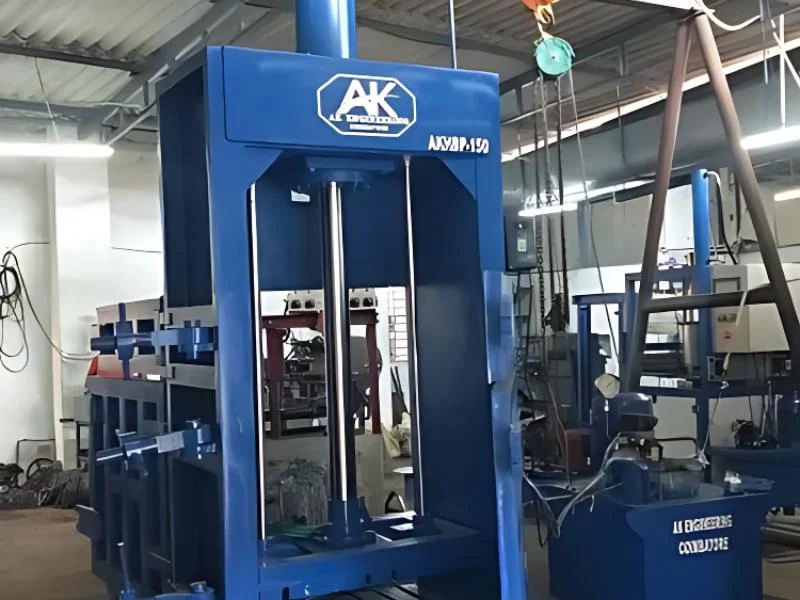
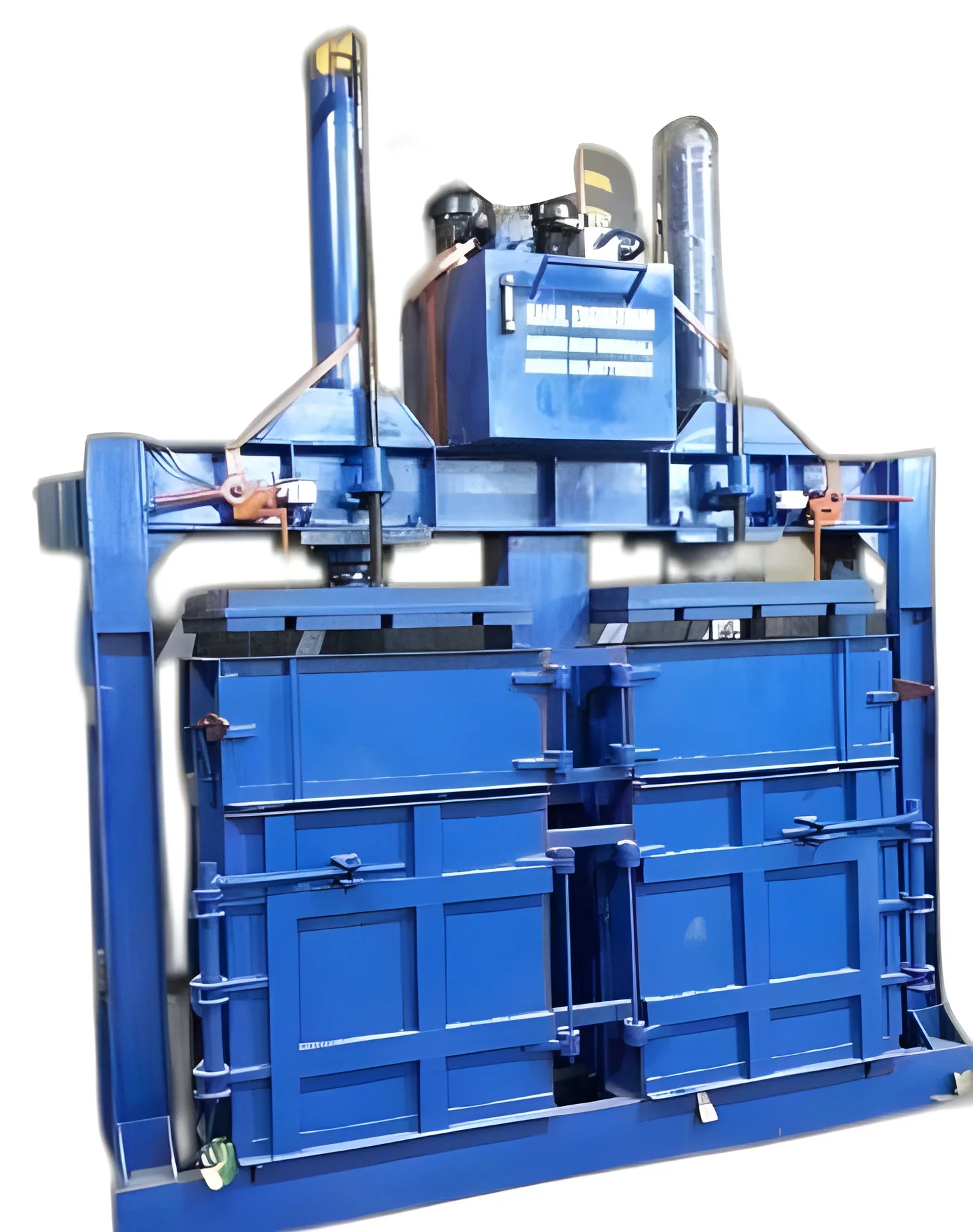
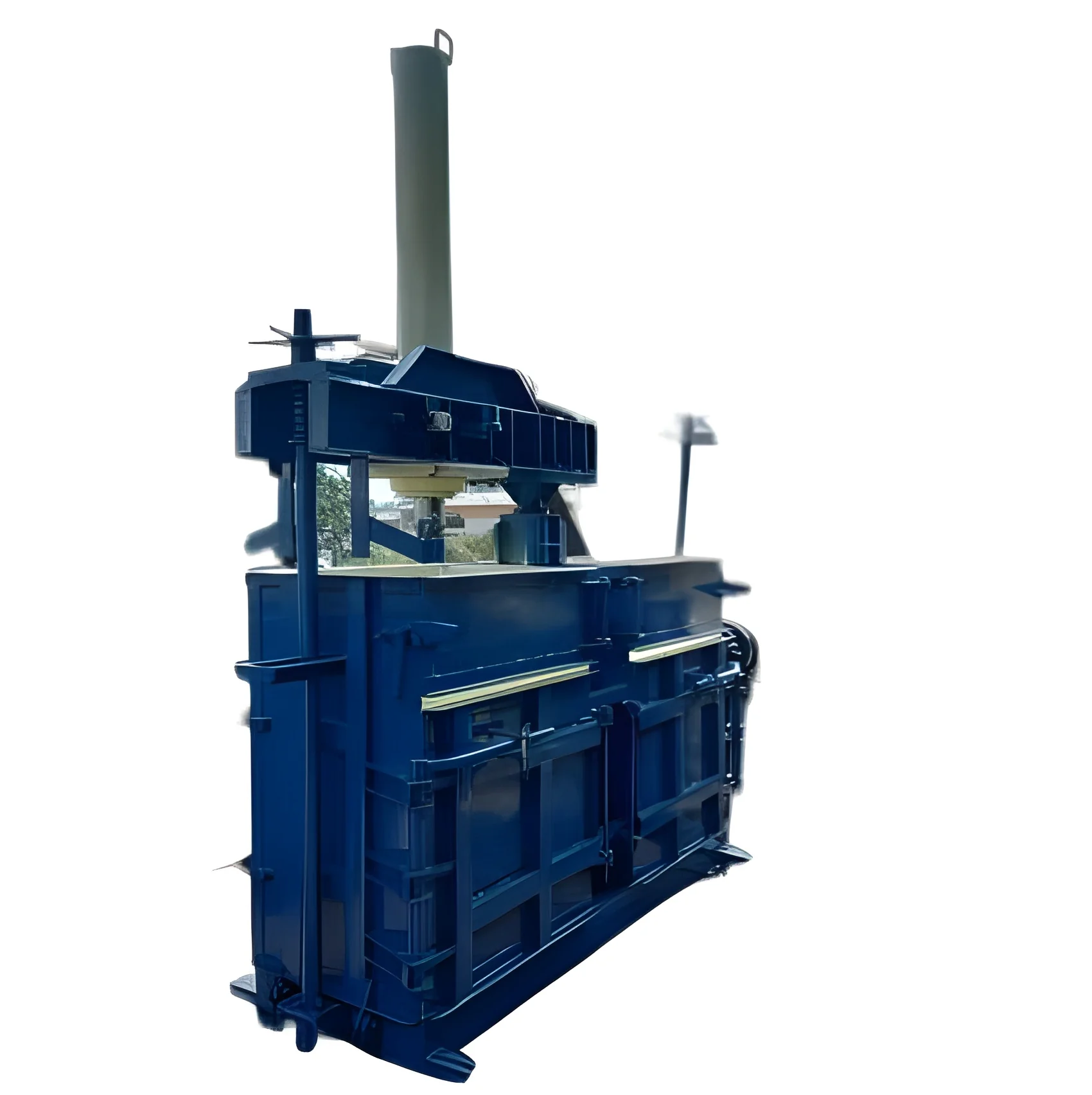
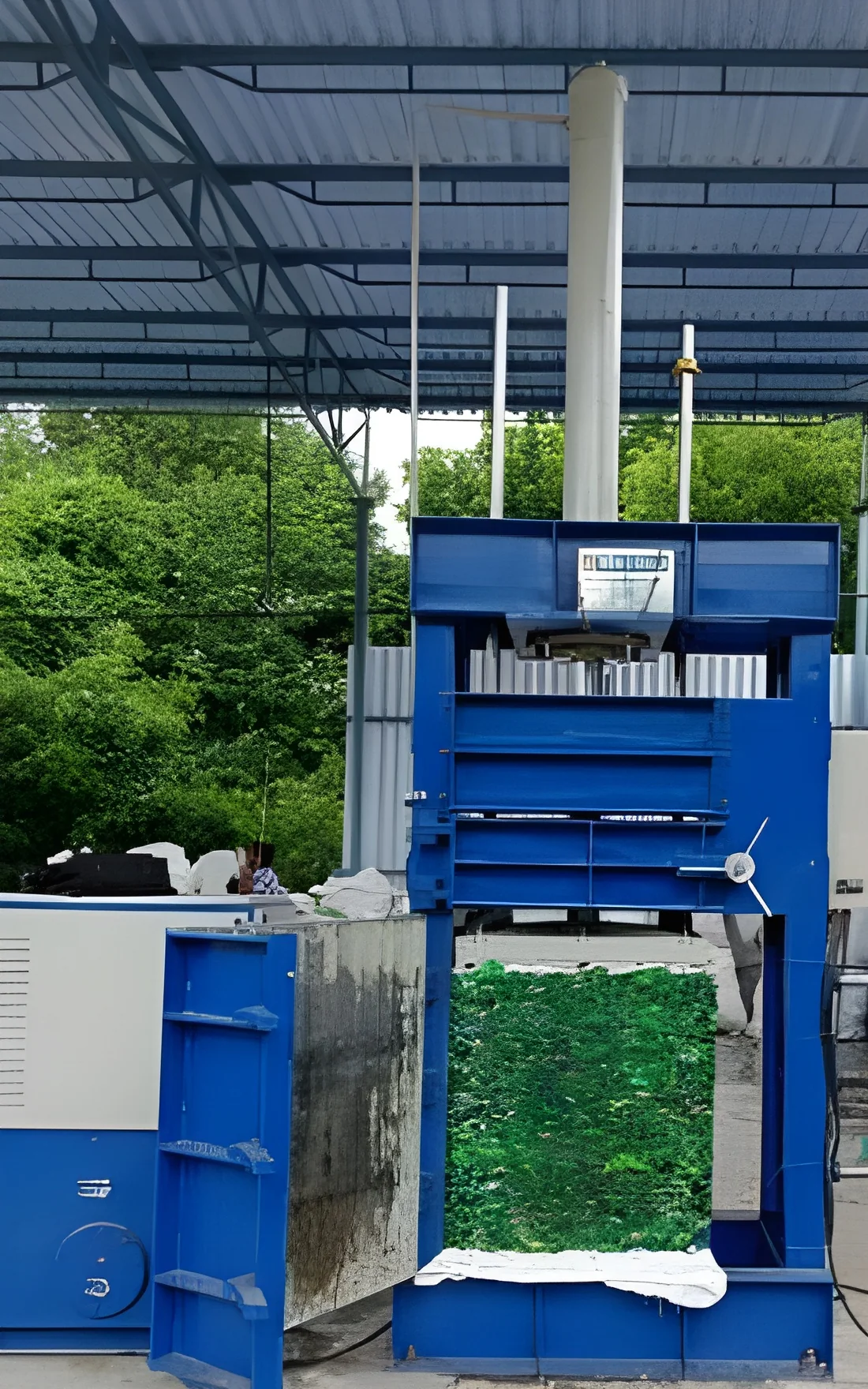
These machines are designed for small to medium-sized operations. They occupy less floor space and are ideal for processing smaller volumes of scrap metal. Their vertical design allows for easy loading and efficient baling.
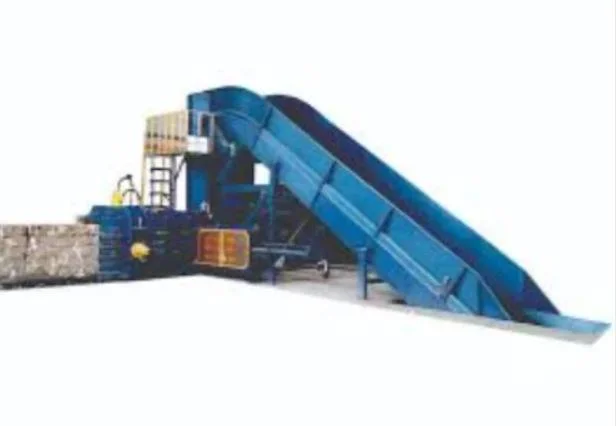
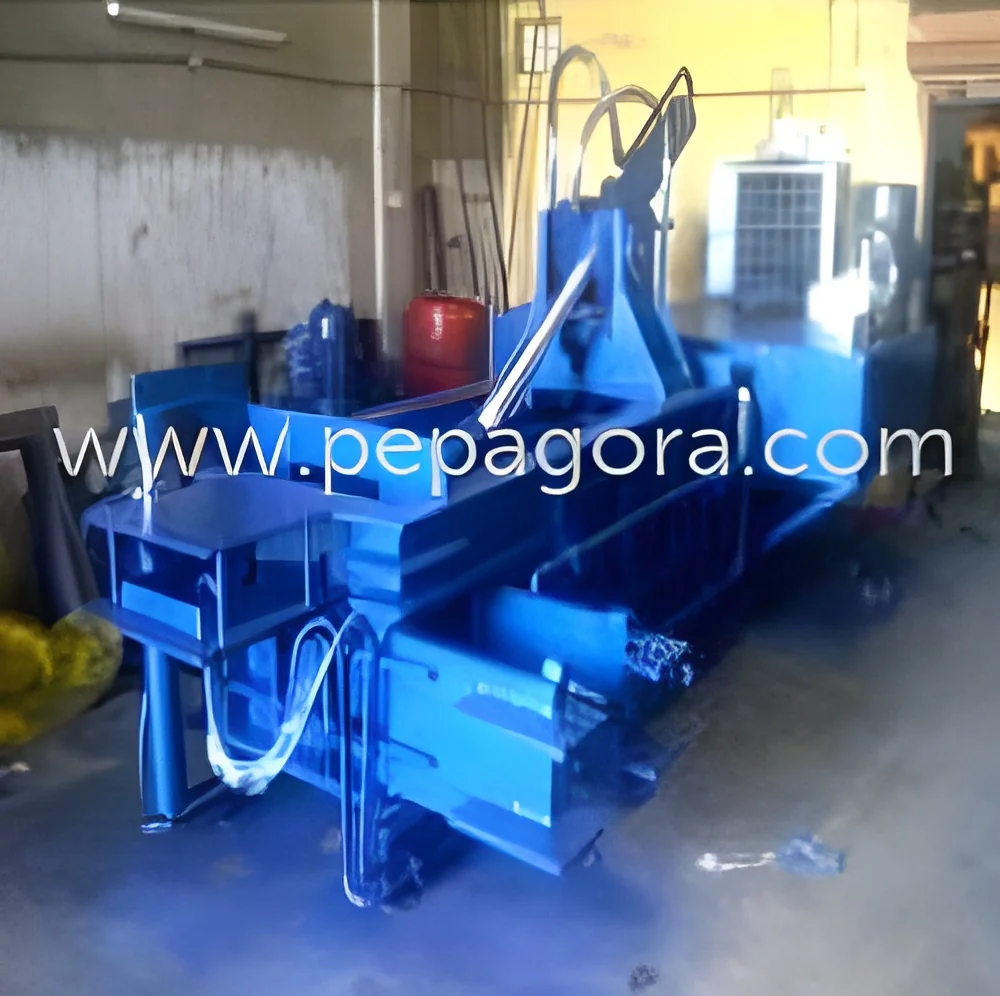
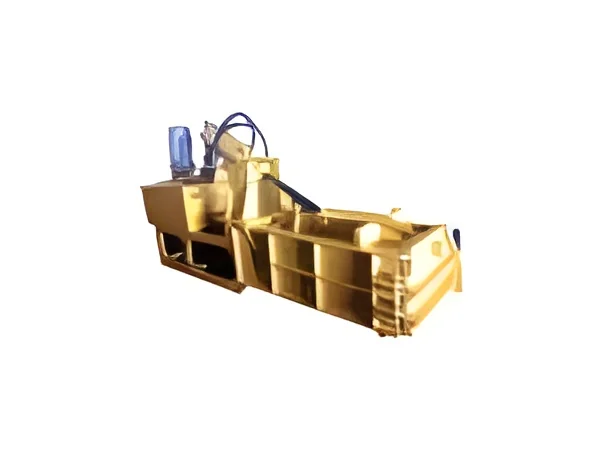
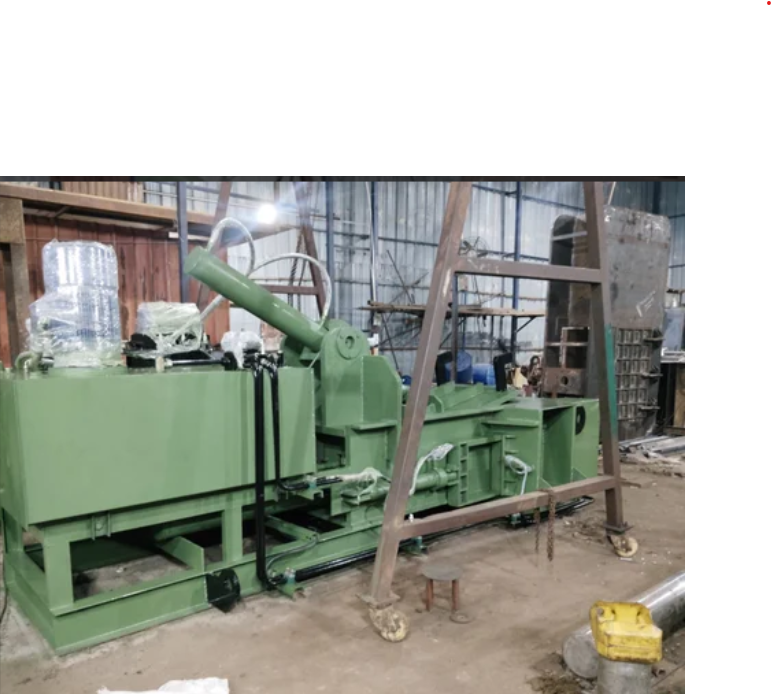
Horizontal Baling Machines
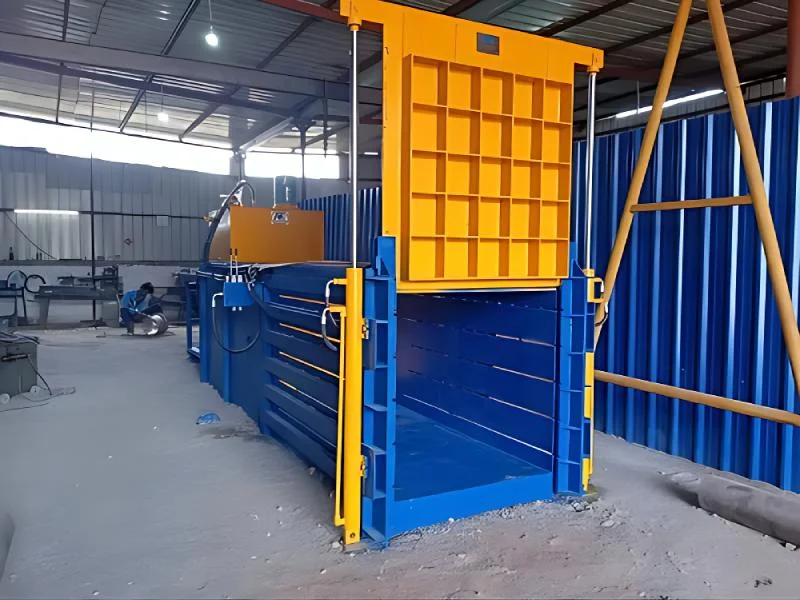
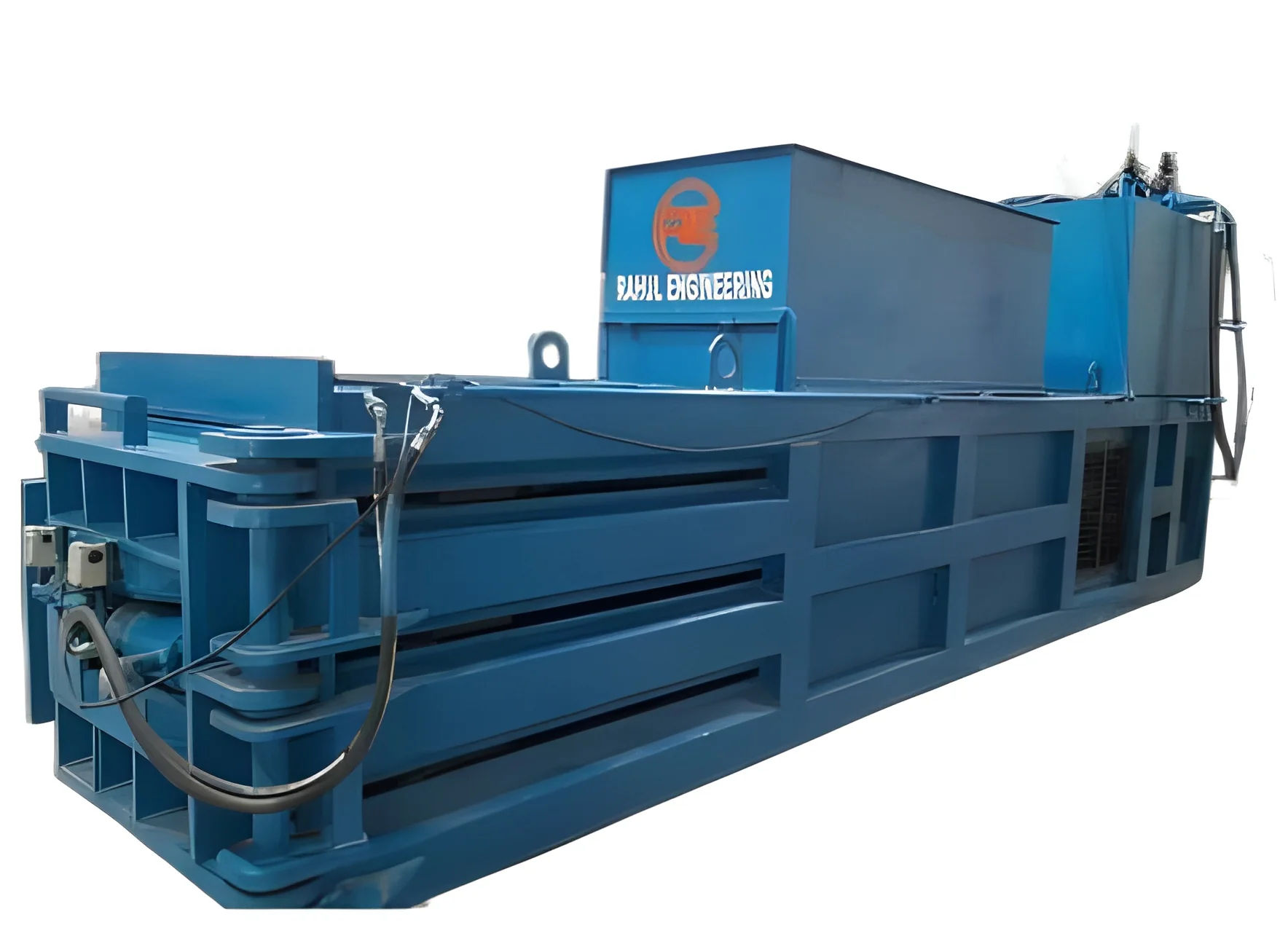
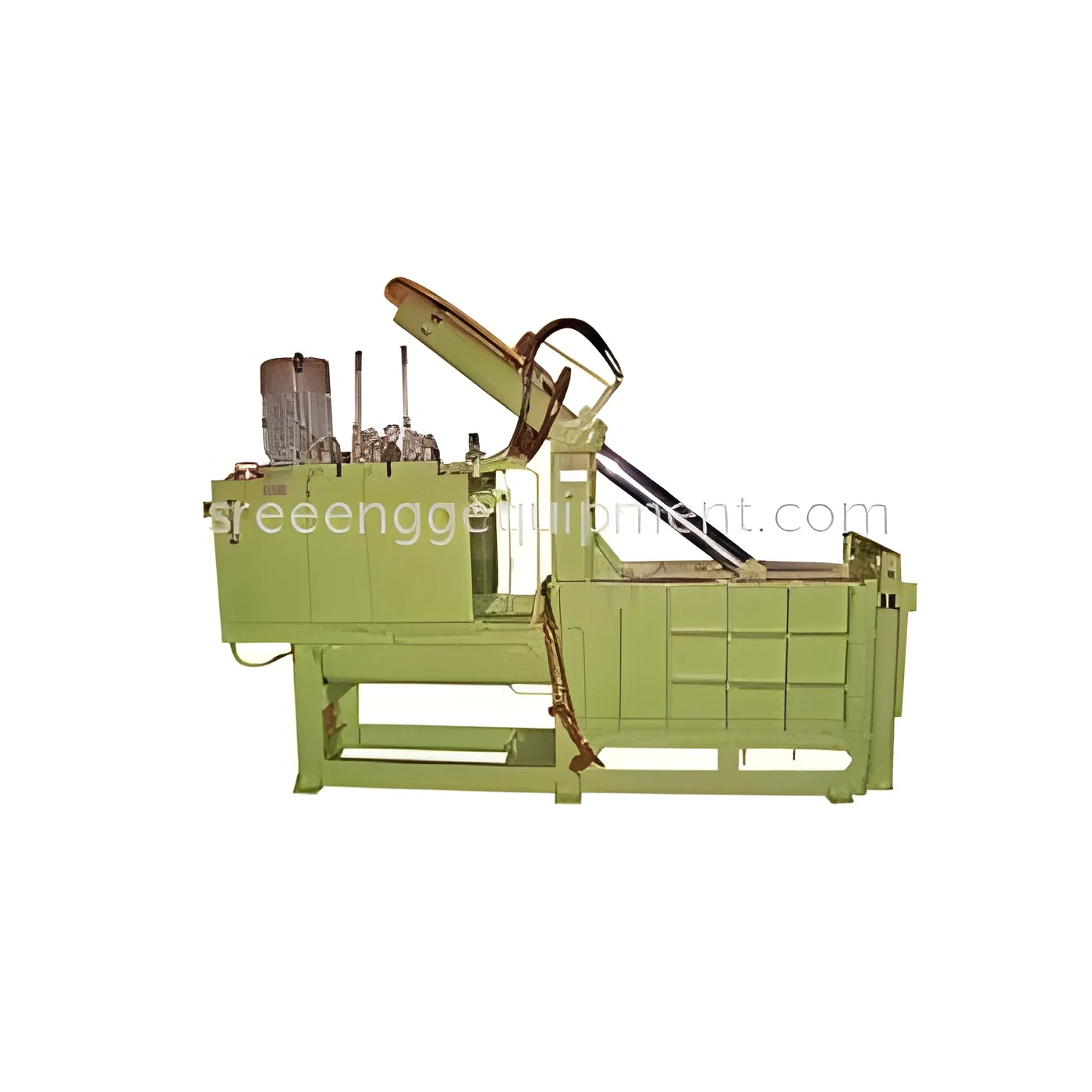
Horizontally oriented, these machines are suited for high-volume operations. They can process larger quantities of scrap metal and produce bigger bales, making them ideal for large recycling facilities.
Semi-Automatic Baling Machines
These machines combine manual and automatic features. They offer a balance between operator control and automated processes, making them versatile for different applications.
Fully Automatic Baling Machines
Designed for high efficiency, these machines automate the entire baling process. They require minimal operator intervention and are ideal for facilities with high throughput demands.
Benefits and Advantages
Metal baling machines offer numerous advantages for businesses involved in recycling and waste management.
1. Increased Efficiency: These machines streamline the baling process, allowing for faster handling of scrap metal.
2. Space Saving: Baling reduces the volume of metal waste, freeing up valuable floor space in warehouses and recycling facilities.
3. Cost Reduction: By compacting scrap metal into bales, companies reduce transportation costs and improve overall logistics.
4. Environmental Impact: Baling promotes recycling efforts, contributing to reduced waste and a smaller carbon footprint.
5. Improved Safety: With the automation of baling processes, the risk of workplace injuries related to manual handling is minimized.
6. Versatile Applications: Metal baling machines can be used across various industries, making them a flexible solution for different business needs.
Buying Guide for B2B Buyers
When sourcing metal baling machines, several critical factors should be considered to ensure a suitable purchase.
1. Quality Assessment: Look for machines that meet rigorous quality standards. Consider manufacturers with certifications such as CE to ensure reliability and safety.
2. Supplier Verification: Vetting suppliers is crucial to ensure they provide quality products. Check their reputation, customer reviews, and industry experience.
3. Pricing and MOQ: Understand the price range for different models and their minimum order quantity. Balancing budget with quality is essential.
4. Delivery and Lead Times: Consider logistics and delivery timelines when placing orders. Ensure that the supplier can meet your operational deadlines.
5. Compliance Requirements: Be aware of regulatory requirements in your region. Ensure that the machines comply with local safety and environmental standards.
Compliance and Certifications
Compliance with quality standards is essential for metal baling machines to ensure safety and reliability. Relevant certifications include ISO 9001, which indicates adherence to quality management systems. Additionally, machines may also comply with HACCP and GDP standards, particularly for applications involving food and pharmaceutical metals.
Industry certifications like CE signify that the machines meet European safety and environmental requirements. Safety and testing requirements are crucial, with regular inspections needed to maintain operational integrity.
Regional compliance considerations should not be overlooked, as different regions may have specific regulations governing the use of industrial machinery. Understanding these requirements is essential for compliance and to avoid potential legal issues.
Why Source Metal Baling Machines from Pepagora?
Pepagora provides a trusted platform for sourcing metal baling machines, offering a range of advantages for B2B buyers.
Verified Supplier Network: Pepagora's network consists of thoroughly vetted suppliers, ensuring that buyers have access to high-quality machines and reliable service.
Streamlined RFQ Process: The platform simplifies the request for quotation process, allowing buyers to receive competitive quotes from multiple suppliers quickly.
Trade Assurance and Support: Buyers benefit from trade assurance programs that protect their purchases, coupled with dedicated support to address any inquiries or concerns.
Regional Coverage: With a focus on regions like India, the GCC, and Southeast Asia, Pepagora connects buyers to local suppliers, enhancing logistics and reducing lead times.
By choosing Pepagora, businesses can confidently procure metal baling machines that meet their operational needs while enjoying the benefits of a robust support system.

 India
 India
 India
 India
 India
 India
 India
 India

 India
 India
 India
 India

Frequently Asked Questions
What are Metal Baling Machines?
Metal Baling Machines are industrial machines used to compress and package metal scrap into bales for easier handling and transportation. These machines help in recycling metal waste by compacting it into manageable sizes, thereby reducing storage space and increasing efficiency in the recycling process.
What are the different types of Metal Baling Machines?
There are several types of Metal Baling Machines, including horizontal balers, vertical balers, and automatic balers. Horizontal balers are typically used for high-volume operations, while vertical balers are more suited for smaller, less frequent baling tasks. Automatic balers streamline the process further by automating the loading and baling operations.
How do I choose the right Metal Baling Machines?
Choosing the right Metal Baling Machine involves assessing your specific needs, including the type and volume of metal waste you generate. Consider factors such as machine capacity, dimensions, and the types of materials to be baled. Additionally, evaluate the machine's operational efficiency, ease of use, and compatibility with your existing equipment.
What are the standard specifications for Metal Baling Machines?
Standard specifications for Metal Baling Machines typically include bale size, bale weight, and processing speed. Other important specifications may include hydraulic pressure, power requirements, and dimensions of the machine. These specifications can vary widely based on the manufacturer and intended use.
What is the price range for Metal Baling Machines?
The price range for Metal Baling Machines can vary significantly based on factors such as size, capacity, and manufacturer. Generally, prices can start from a few thousand dollars and go up to tens of thousands, depending on the machine's features and specifications. It's advisable to compare multiple suppliers to find the best option for your budget.
What quality standards apply to Metal Baling Machines?
Metal Baling Machines are subject to various quality standards, including ISO certifications that ensure manufacturing processes meet safety and efficiency criteria. Additionally, machines may need to comply with local regulations related to environmental impact and safety features. Always verify the certifications of suppliers to ensure compliance.
Where can I find Metal Baling Machines suppliers in India?
You can find Metal Baling Machines suppliers in India through online B2B marketplaces like Pepagora, trade shows, and industrial equipment expos. Additionally, industry directories and local manufacturing associations can provide leads on reputable suppliers. It's essential to review supplier credentials and customer feedback before making a purchase.
Can Metal Baling Machines be customized?
Yes, many manufacturers offer customization options for Metal Baling Machines to meet specific operational requirements. Customizations may include modifications to size, throughput capacity, and added features such as automation. It is advisable to discuss your specific needs with the supplier during the selection process.
What is the typical minimum order quantity for Metal Baling Machines?
The typical minimum order quantity (MOQ) for Metal Baling Machines can vary depending on the manufacturer and the model. Some manufacturers may allow single-unit purchases, while others may require bulk orders. Always clarify the MOQ with the supplier prior to placing an order.
What is the typical lead time for Metal Baling Machines?
The typical lead time for Metal Baling Machines can range from a few weeks to several months, depending on the manufacturer, customization, and current production schedules. It's important to confirm the estimated lead time with the supplier at the time of order placement to ensure timely delivery.
Why Businesses Trust Pepagora
Thousands of companies trust Pepagora to source smarter and sell faster
Expand Your Sales Globally

Source Smarter,Grow Faster
