IN
IN₹
Apparel & Fashion
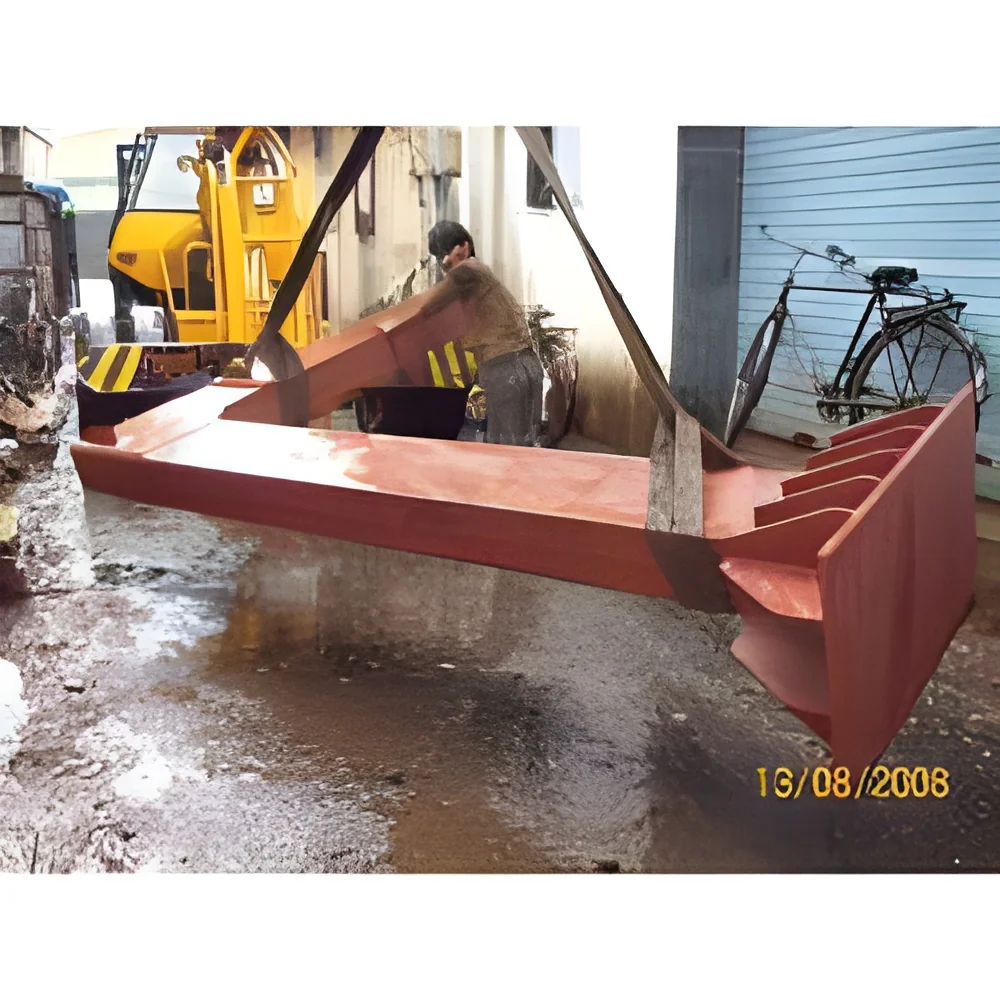
Description
The Industrial Material Handling Freestanding Pillar Crane is engineered specifically for workshops and industrial environments where conventional overhead crane installation faces structural limitations. This robust standalone system delivers exceptional lifting capabilities without requiring building modifications or support structures. Designed for precision and reliability, it enables workers to lift, shift, and position heavy loads accurately across various industrial settings. The freestanding design proves particularly valuable in facilities with space constraints, high ceilings, or outdoor operations where traditional crane systems remain impractical or impossible to implement. These cranes deliver consistent performance where structural dependencies limit equipment options, providing a practical solution for challenging material handling requirements.

Multiple industrial sectors utilize freestanding pillar cranes for their unique operational advantages. Manufacturing faciliti...
The Industrial Material Handling Freestanding Pillar Crane is engineered specifically for workshops and industrial environments where conventional overhead crane installation faces structural limitations. This robust standalone system delivers exceptional lifting capabilities without requiring building modifications or support structures. Designed for precision and reliability, it enables workers to lift, shift, and position heavy loads accurately across various industrial settings. The freestanding design proves particularly valuable in facilities with space constraints, high ceilings, or outdoor operations where traditional crane systems remain impractical or impossible to implement. These cranes deliver consistent performance where structural dependencies limit equipment options, providing a practical solution for challenging material handling requirements.

Multiple industrial sectors utilize freestanding pillar cranes for their unique operational advantages. Manufacturing facilities employ them for assembly line operations requiring precise component placement and positioning. Logistics and warehousing operations implement these cranes for loading and unloading heavy goods in spaces without overhead infrastructure. Metal fabrication shops depend on them for handling steel beams, plates, and large fabricated components safely. Outdoor storage yards utilize pillar cranes for managing inventory that cannot be accommodated indoors. The automotive, aerospace, and heavy equipment sectors particularly value these cranes for maintenance and assembly applications where traditional lifting equipment proves insufficient for specific spatial requirements and operational needs.

Businesses select freestanding pillar cranes for their exceptional operational reliability and practical advantages. These systems reduce dependency on building infrastructure, eliminating expensive structural modifications while providing flexible lifting solutions. Their robust construction ensures minimal downtime and consistent performance in demanding industrial environments. They enhance workplace safety by offering controlled lifting mechanisms that significantly reduce manual handling risks and potential injuries. The long service life combined with low maintenance requirements makes them a cost-effective material handling solution for industrial operations seeking durable, reliable equipment that adapts to existing spatial constraints without compromising performance or productivity.

Key Features:
- Freestanding design operates independently without building modifications or support structures
- High load capacity suitable for demanding industrial applications and heavy materials
- Precision control mechanisms for accurate lifting and placement operations
- Robust construction ensuring durability and reliability in challenging environments
- Flexible installation options for various workshop layouts and spatial configurations

Benefits:
- Eliminates need for expensive building modifications or structural reinforcements
- Provides flexible material handling solutions for spaces with structural limitations
- Enhances workplace safety by reducing manual lifting risks and injuries
- Delivers reliable performance with minimal downtime in demanding conditions
- Offers long-term cost-effectiveness through durability and low maintenance requirements
Specifications
| Additional Information | |
|---|---|
| Country of Origin | India |
Application
Freestanding pillar cranes deliver essential material handling where traditional overhead systems cannot be installed due to structural limitations or space constraints. Their independent design operates without building modifications, making them perfect for facilities with high ceilings, irregular layouts, or outdoor areas where fixed infrastructure is impractical. These cranes provide flexible lifting, shifting, and precise placement of heavy loads in confined spaces where conventional equipment cannot reach.
Multiple industries benefit from these versatile lifting solutions. Manufacturing facilities utilize them for assembly line operations requiring accurate component positioning. Logistics operations employ them for loading and unloading heavy goods in spaces lacking overhead infrastructure. Metal fabrication shops rely on them for handling steel beams, plates, and large fabricated components safely. Their adaptability makes them indispensable for maintenance bays, production areas, and storage yards where workers need to move heavy items efficiently without structural dependencies.
- Metal fabrication shops for moving steel beams, plates, and fabricated components safely
- Warehouse loading docks for handling heavy pallets and machinery without overhead rails
- Outdoor storage yards for managing large inventory items without fixed infrastructure
- Manufacturing assembly lines for precise positioning of heavy equipment and components
- Maintenance facilities for lifting engines, machinery parts, and industrial equipment
Trade Details
| Available Stock | In Stock |
| Sample Availability | No |
Payment Terms
| Payment Terms |
|
Company Profile
Veer Fabricators, Maharashtra
 Maharashtra, India
Maharashtra, IndiaIndustrial Equipment & Machinery•Distributor / Wholesaler
Factory Details
Factory SizeBelow 1000 sqm
Annual Production Capacity0
Industrial Material Handling Freestanding Pillar Crane For Workshops
Industrial Freestanding Pillar Crane provides robust lifting solutions for workshops with structural constraints. Ideal for precise material handling in metal fabrication, warehouses, and outdoor storage yards with reliable performance.
Min. Order Quantity: 1 unit
Shipping
Shipping fee and delivery date to be negotiated. Contact supplier now for more details.
Veer Fabricators
 Maharashtra, India
Maharashtra, IndiaIndustrial Equipment & MachineryDistributor / Wholesaler