
 IN
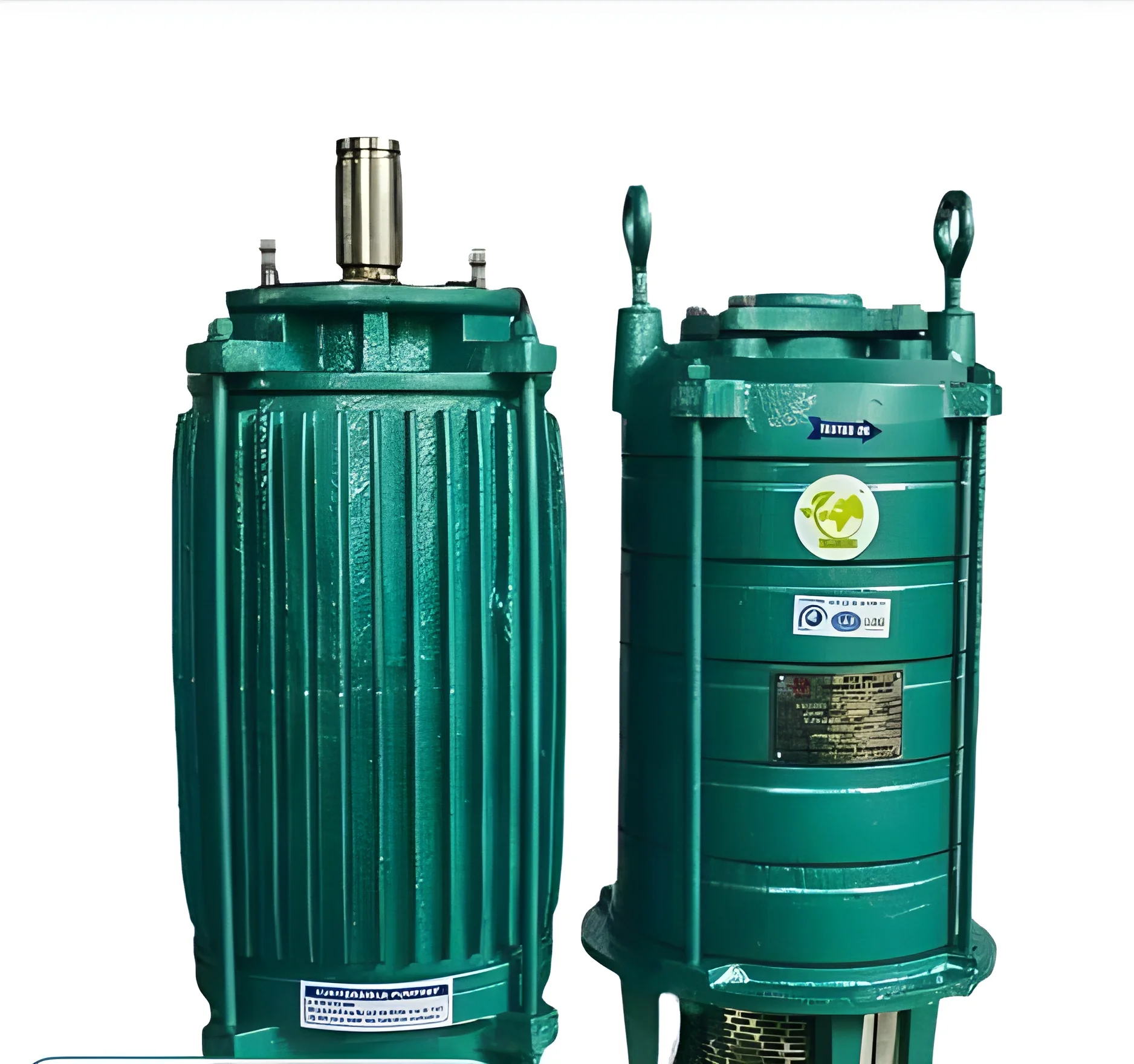
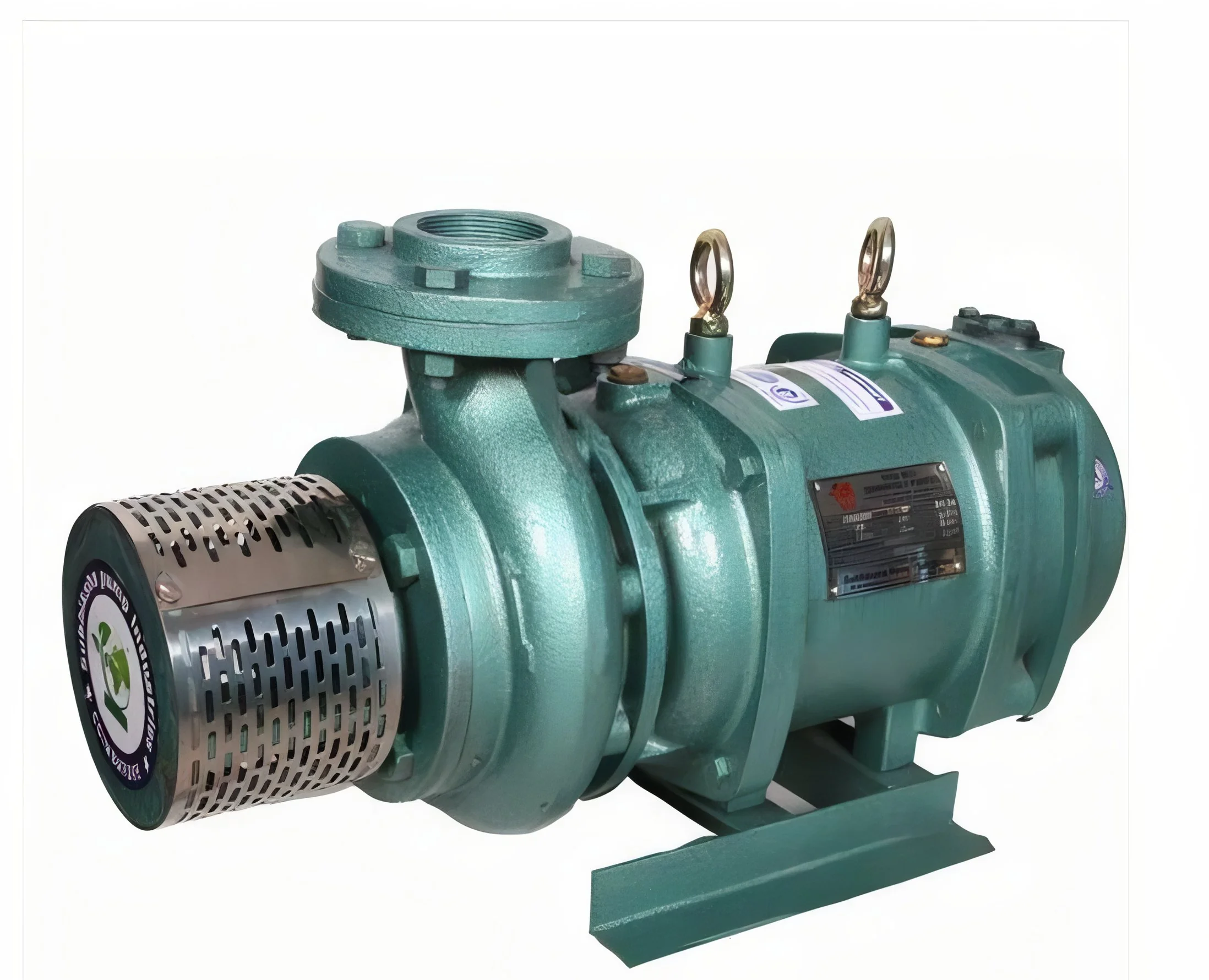
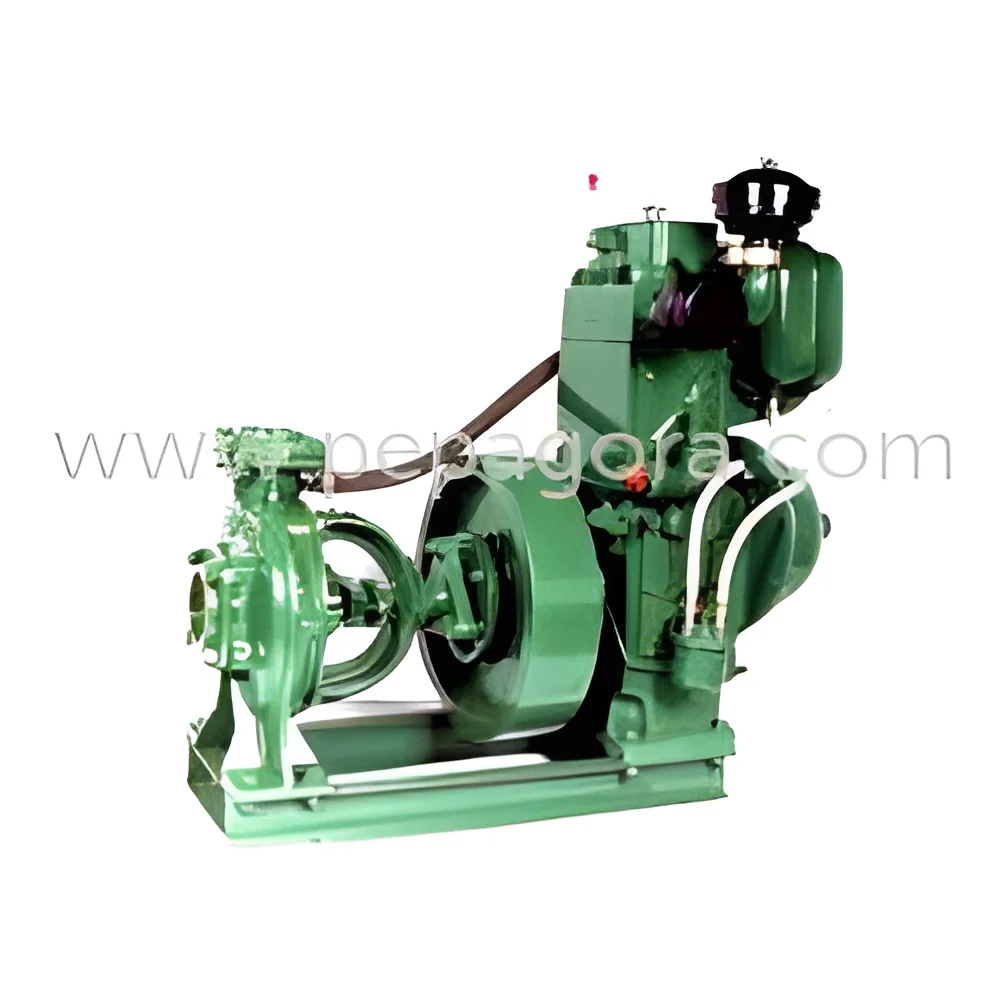
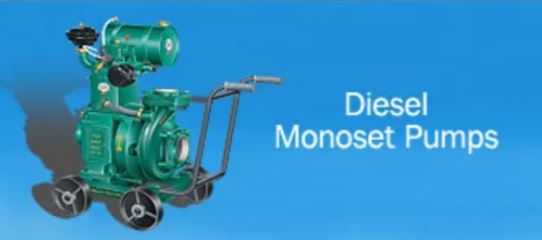
INIrrigation Pumps (Diesel, Electric)
85 products available
Key Features and Specifications
Common Applications and Use Cases
Product Variants and Subcategories
Benefits and Advantages
Buying Guide for B2B Buyers
Compliance and Certifications


 India
India
 India
India
 India
India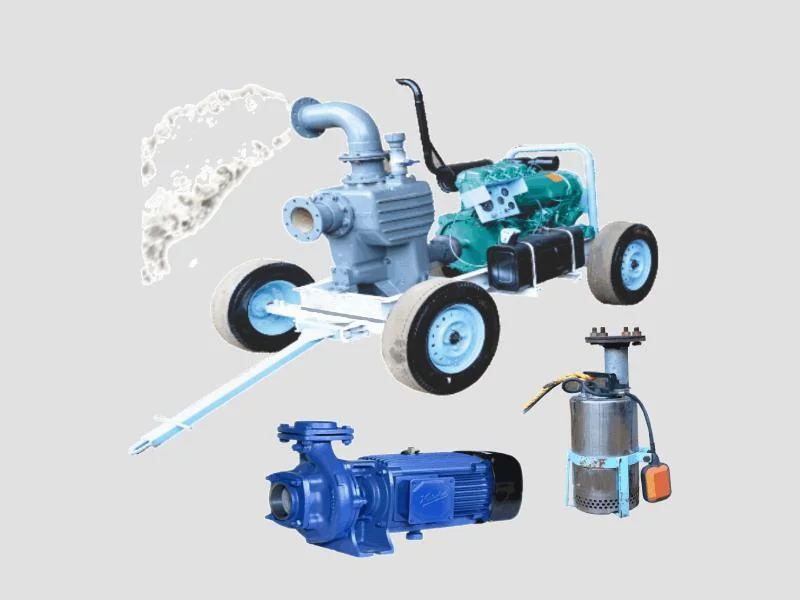
 India
India
 India
India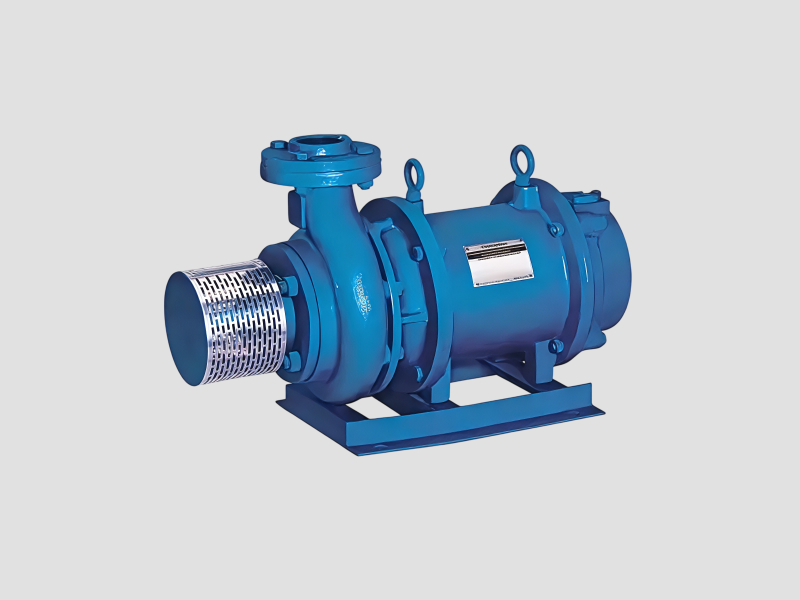
 India
India
 India
India
 India
India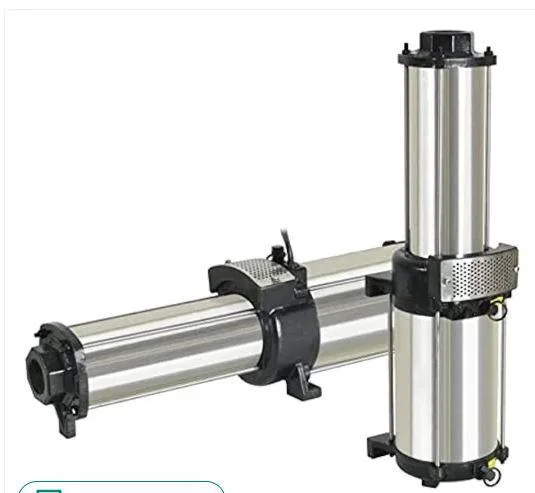 India
India India
India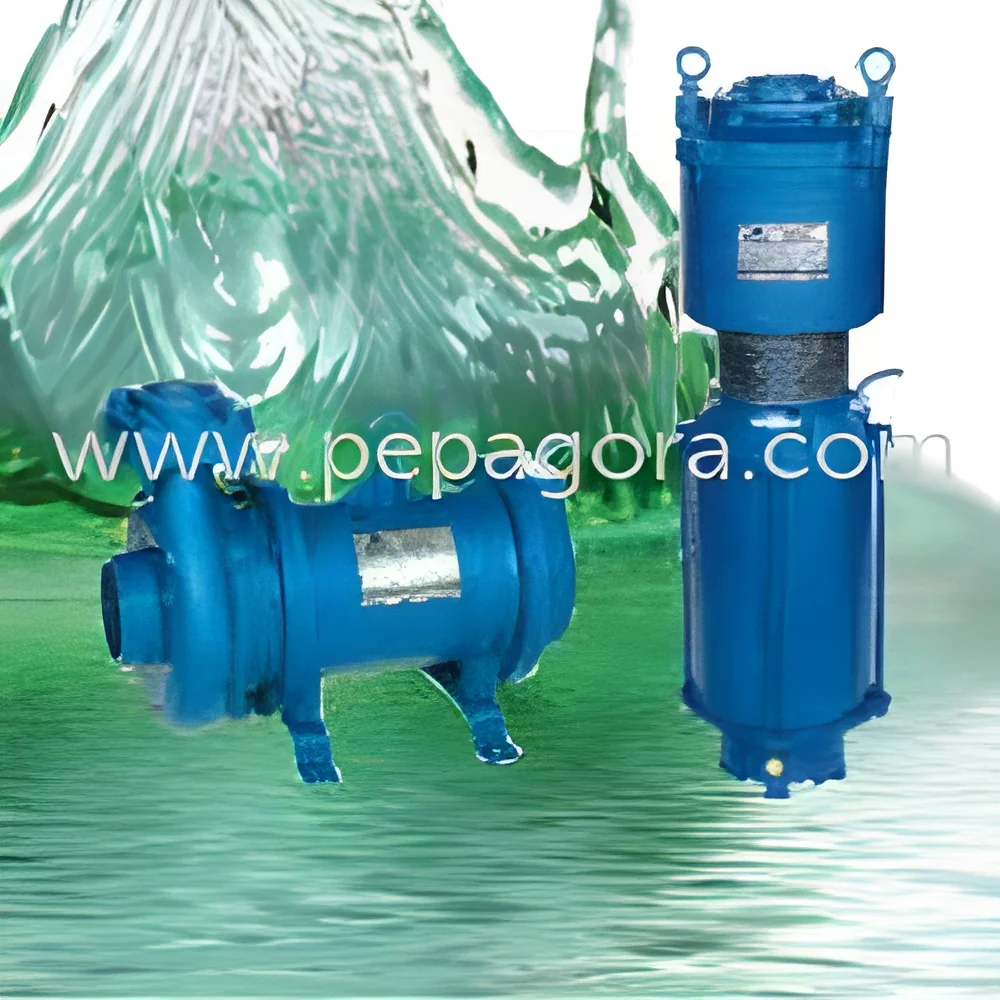
 India
India India
India
 India
India India
India
 India
India
 India
India
 India
India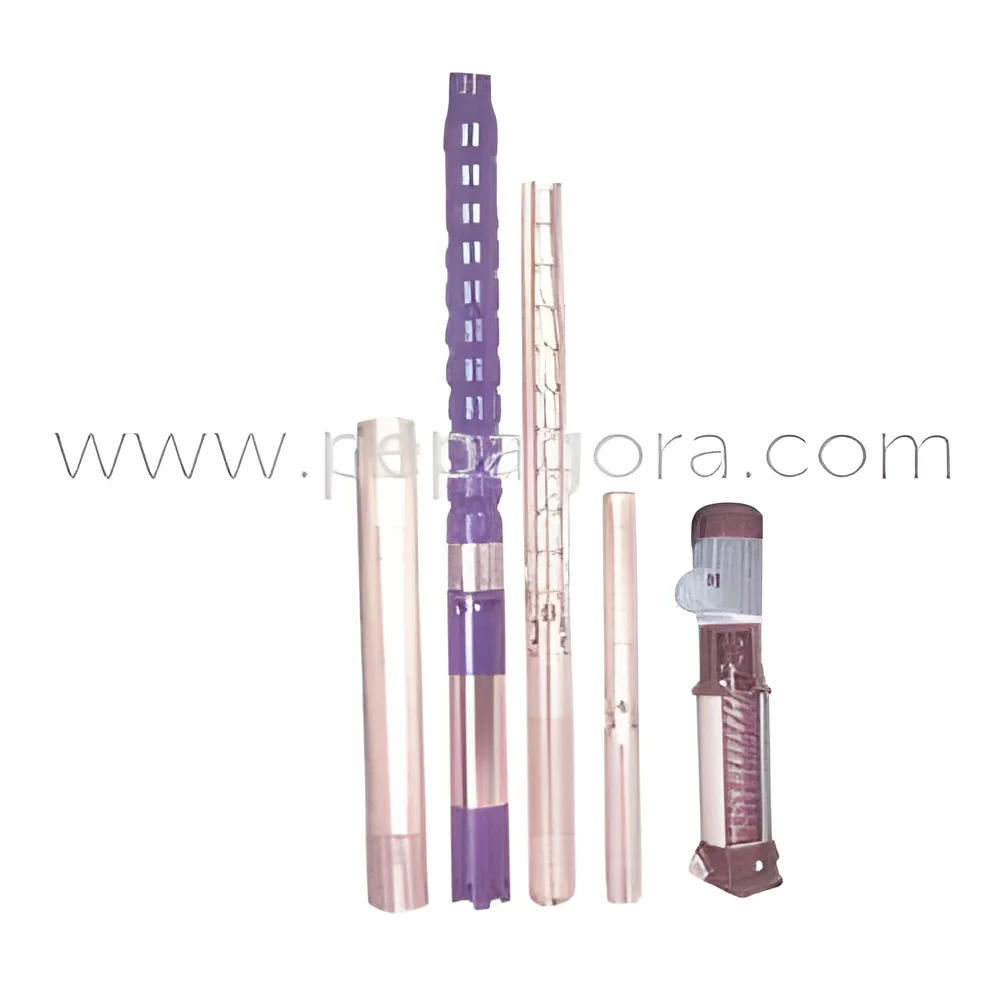
 India
India
 India
India India
India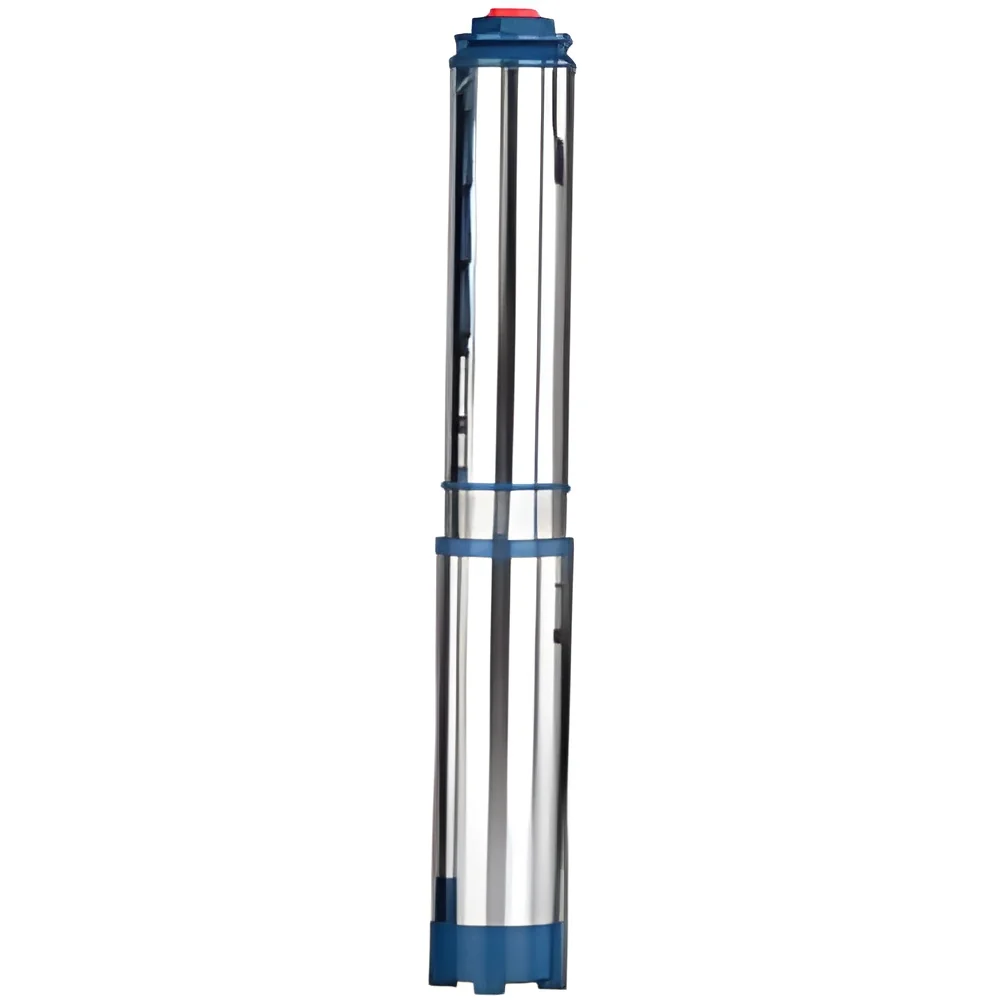
 India
India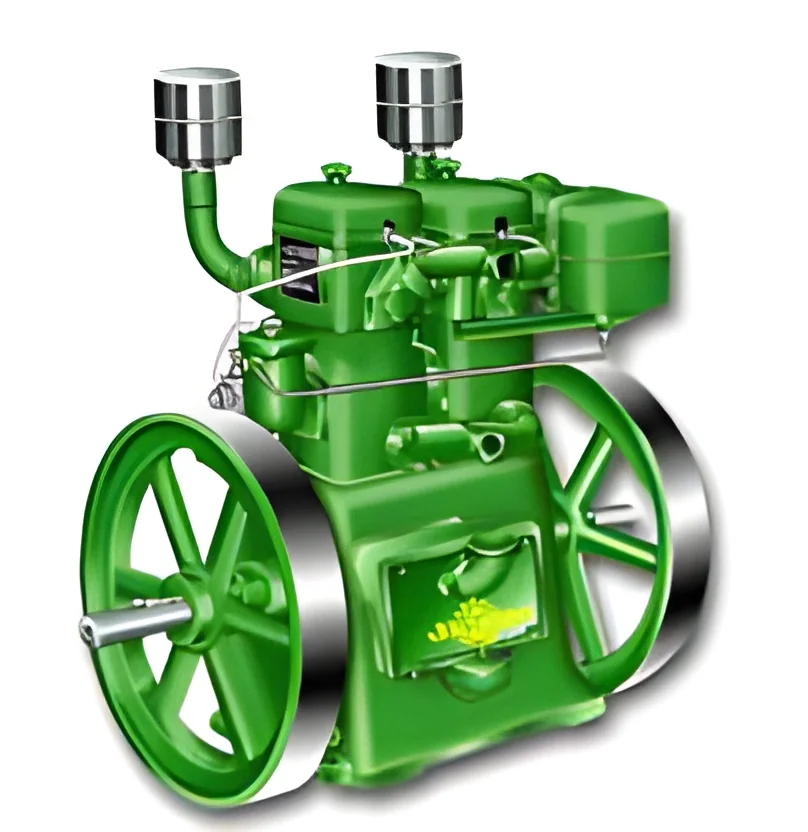
 India
India
 India
India India
India
 India
India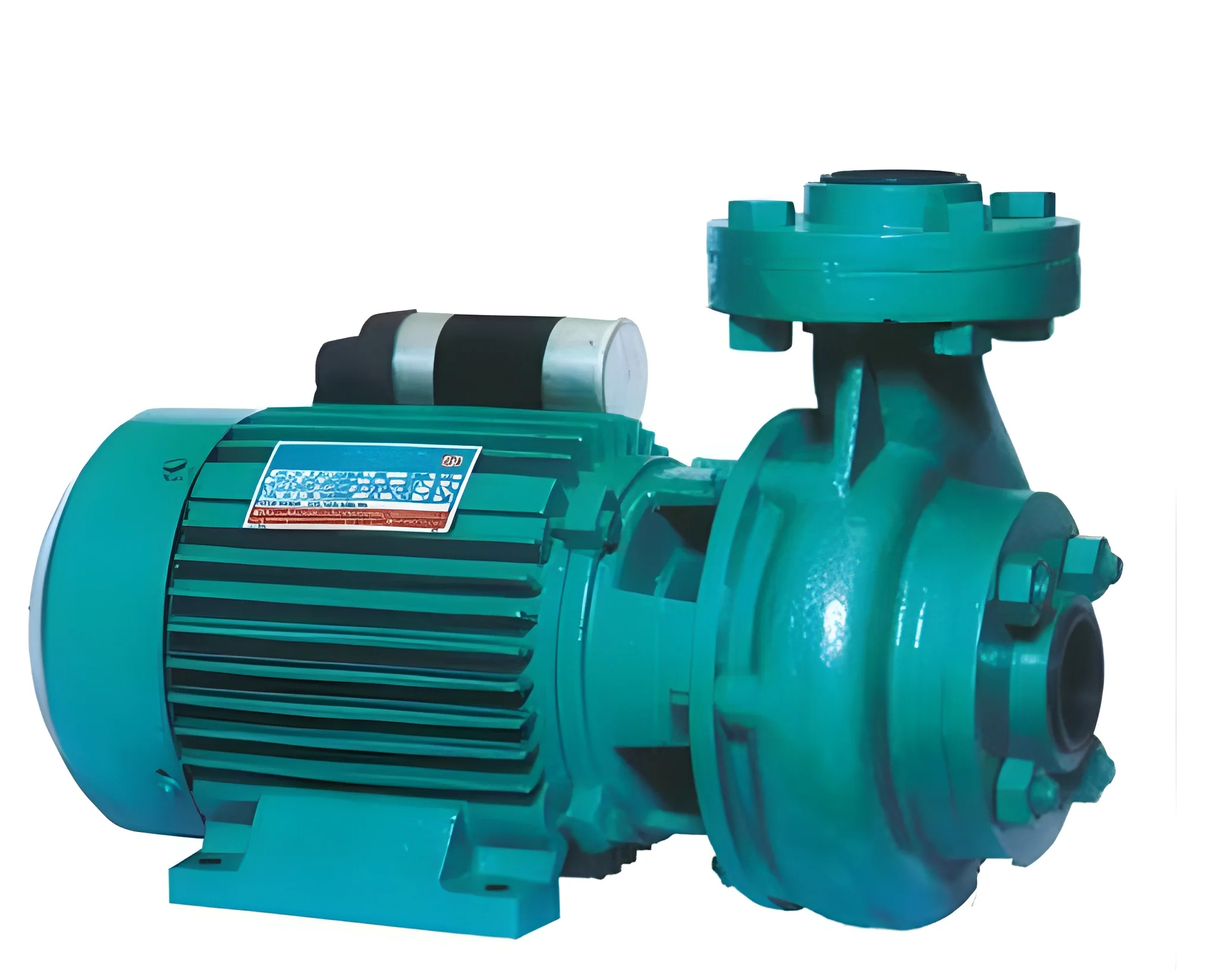 India
India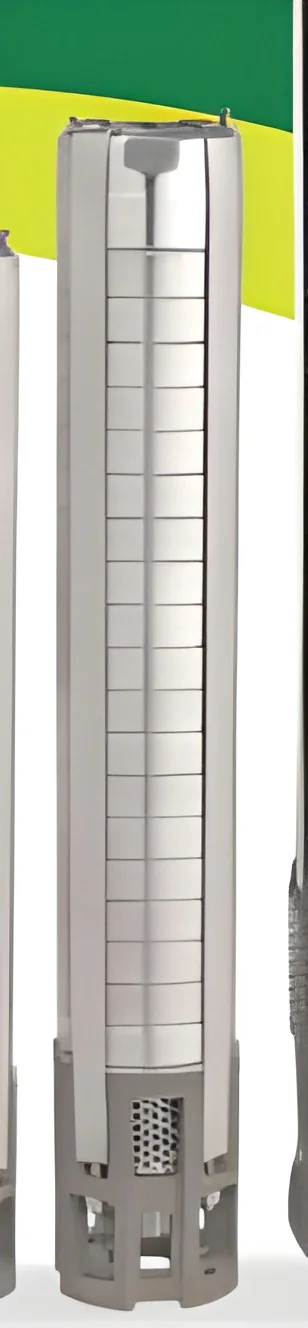 India
India
 India
India
 India
India
 India
India India
India
 India
India


 India
India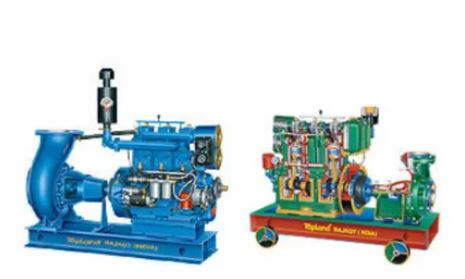

 India
India
 India
India

 India
India India
India India
India

 India
India
 India
India India
India India
India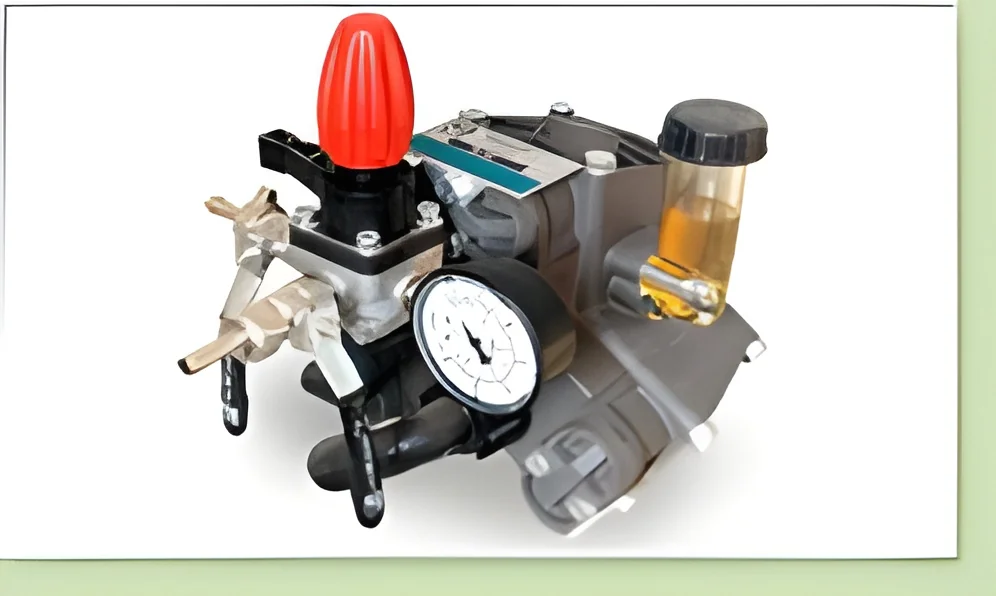 India
India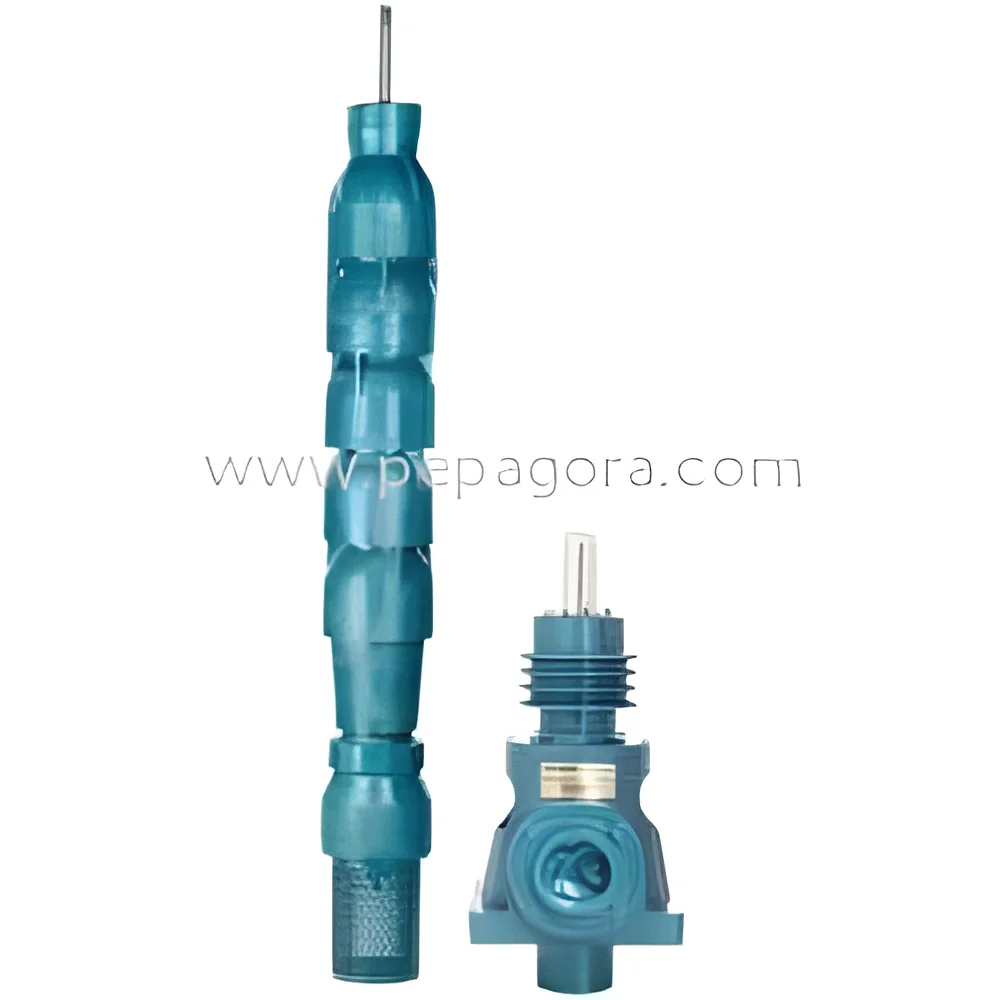
 India
India India
India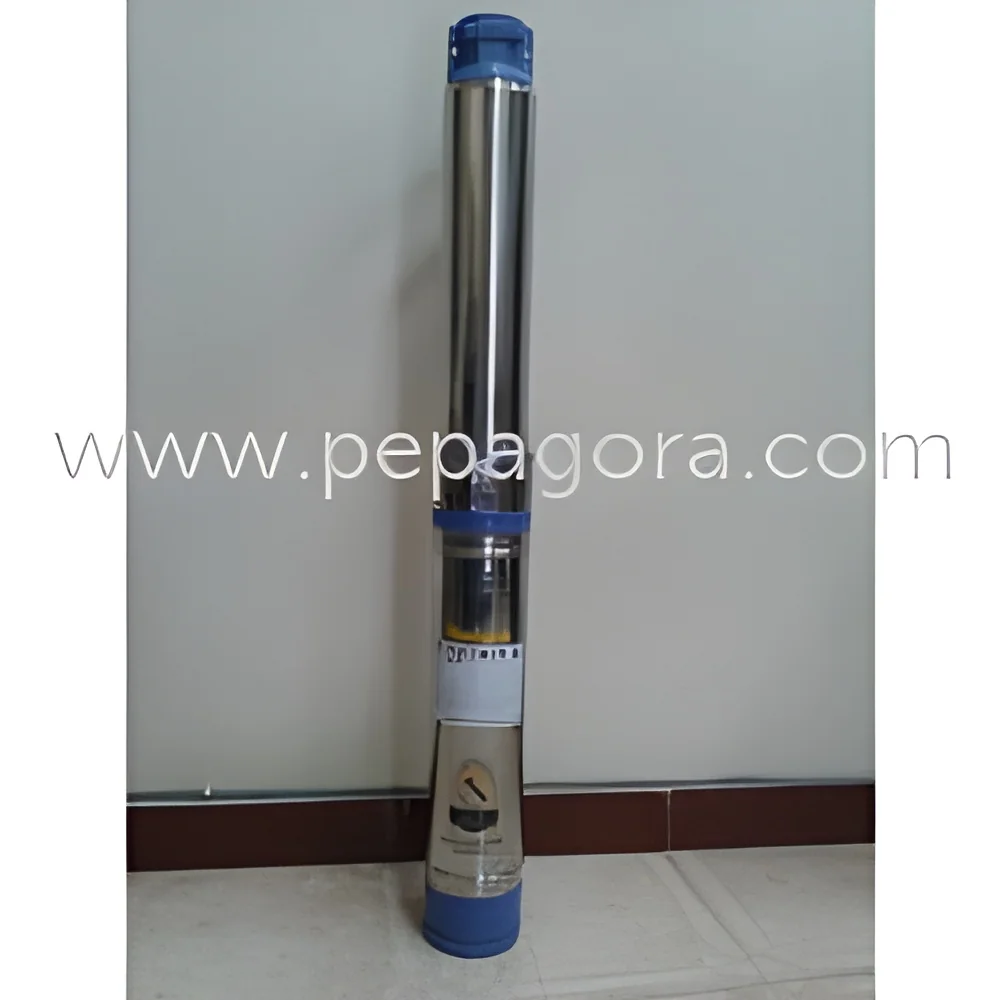 India
India
 India
India
 India
India

 India
India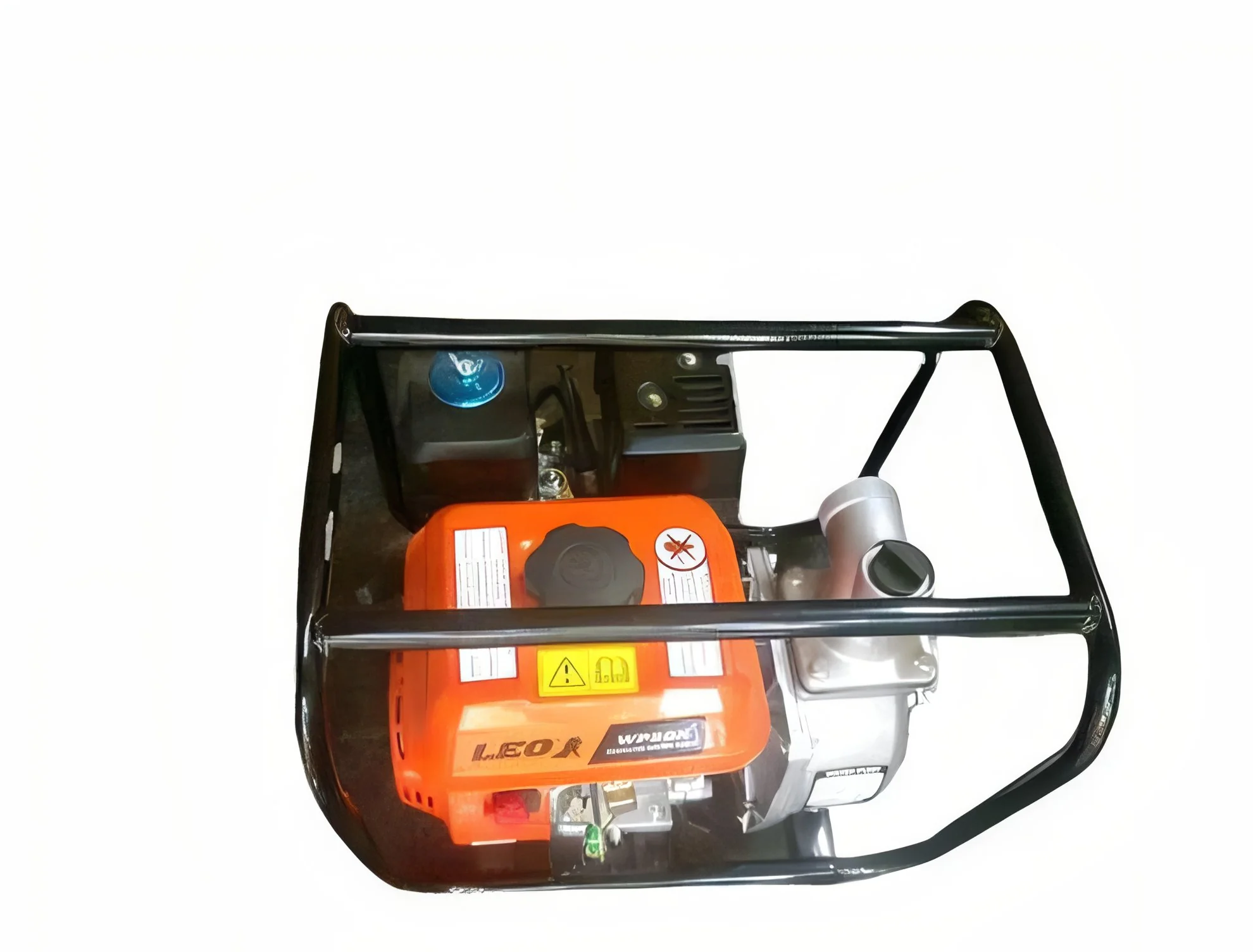 India
India
Frequently Asked Questions
What are Irrigation Pumps (Diesel, Electric)?
Irrigation Pumps (Diesel, Electric) are devices used to move water from a source to fields or crops for agricultural purposes. They are critical in modern farming, providing an efficient means to ensure that crops receive the necessary water for optimal growth.
What are the different types of Irrigation Pumps (Diesel, Electric)?
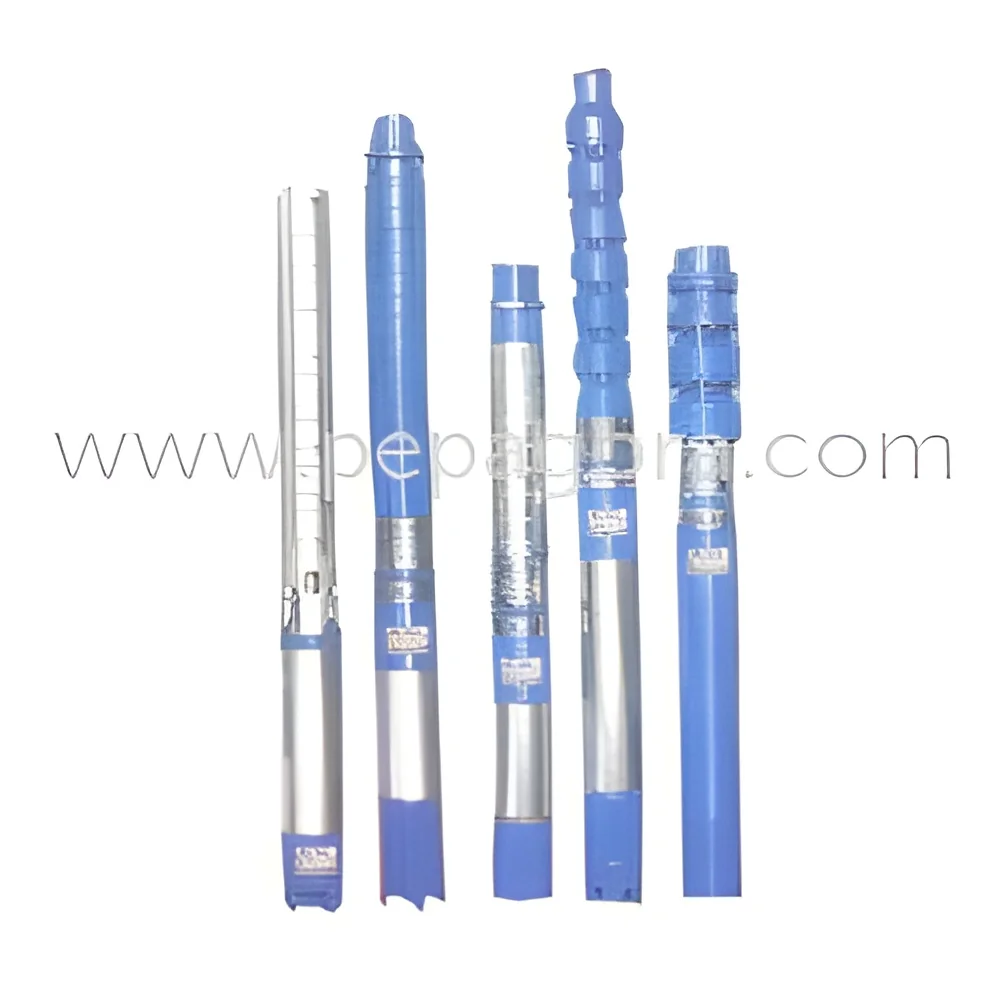
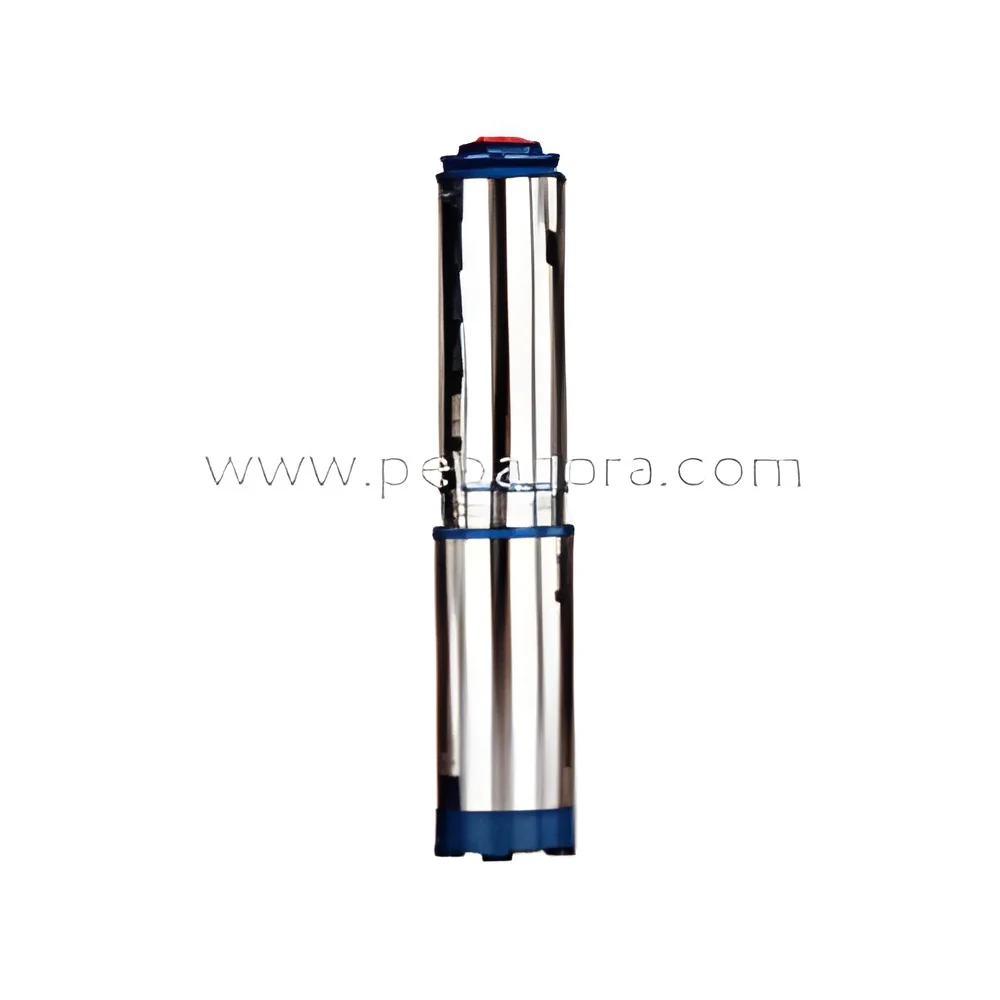
The main types of Irrigation Pumps include centrifugal pumps, submersible pumps, and positive displacement pumps. Diesel pumps are commonly used for remote areas without electrical supply, while electric pumps are favored for their efficiency and lower operational costs in accessible locations.
How do I choose the right Irrigation Pumps (Diesel, Electric)?
Choosing the right Irrigation Pump depends on factors such as the size of the land, the depth of the water source, and the type of crop being irrigated. Additionally, consider the power source availability, expected flow rate, and pressure requirements to ensure optimal performance.
What are the standard specifications for Irrigation Pumps (Diesel, Electric)?
Standard specifications for Irrigation Pumps typically include flow rate (measured in liters per minute), head pressure (measured in meters), and power rating (measured in horsepower). Additionally, the pump's material, efficiency rating, and compatibility with various water sources are important specifications to consider.
What is the price range for Irrigation Pumps (Diesel, Electric)?
The price range for Irrigation Pumps can vary widely based on type, capacity, and brand. Generally, you can expect prices to range from INR 10,000 to INR 1,50,000 or more, depending on the specific features and performance capabilities.
What quality standards apply to Irrigation Pumps (Diesel, Electric)?
Irrigation Pumps are generally manufactured following quality standards set by organizations like ISO and ISI. These standards ensure that pumps are reliable, efficient, and safe for use in agricultural applications, with specific attention to durability and performance.
Where can I find Irrigation Pumps (Diesel, Electric) suppliers in India?
You can find Irrigation Pumps suppliers in India through various online B2B marketplaces, trade shows, and industry directories. Websites like Pepagora.com provide a platform to connect with manufacturers and suppliers specializing in irrigation solutions.
Can Irrigation Pumps (Diesel, Electric) be customized?
Yes, many manufacturers offer customization options for Irrigation Pumps to meet specific needs. Customizations can include adjustments in flow rate, pressure capacity, and additional features based on agricultural requirements.
What is the typical minimum order quantity for Irrigation Pumps (Diesel, Electric)?
The typical minimum order quantity (MOQ) for Irrigation Pumps can vary by supplier but often ranges from 1 to 10 units. It's advisable to check with individual suppliers for their specific MOQ policies.
What is the typical lead time for Irrigation Pumps (Diesel, Electric)?
The typical lead time for Irrigation Pumps usually ranges from 2 to 6 weeks, depending on the manufacturer's production schedule and the complexity of the order. Always confirm lead times with suppliers before placing an order.
Why Businesses Trust Pepagora
Thousands of companies trust Pepagora to source smarter and sell faster
Expand Your Sales Globally

Source Smarter,Grow Faster
