IN
IN₹
Apparel & Fashion
Description
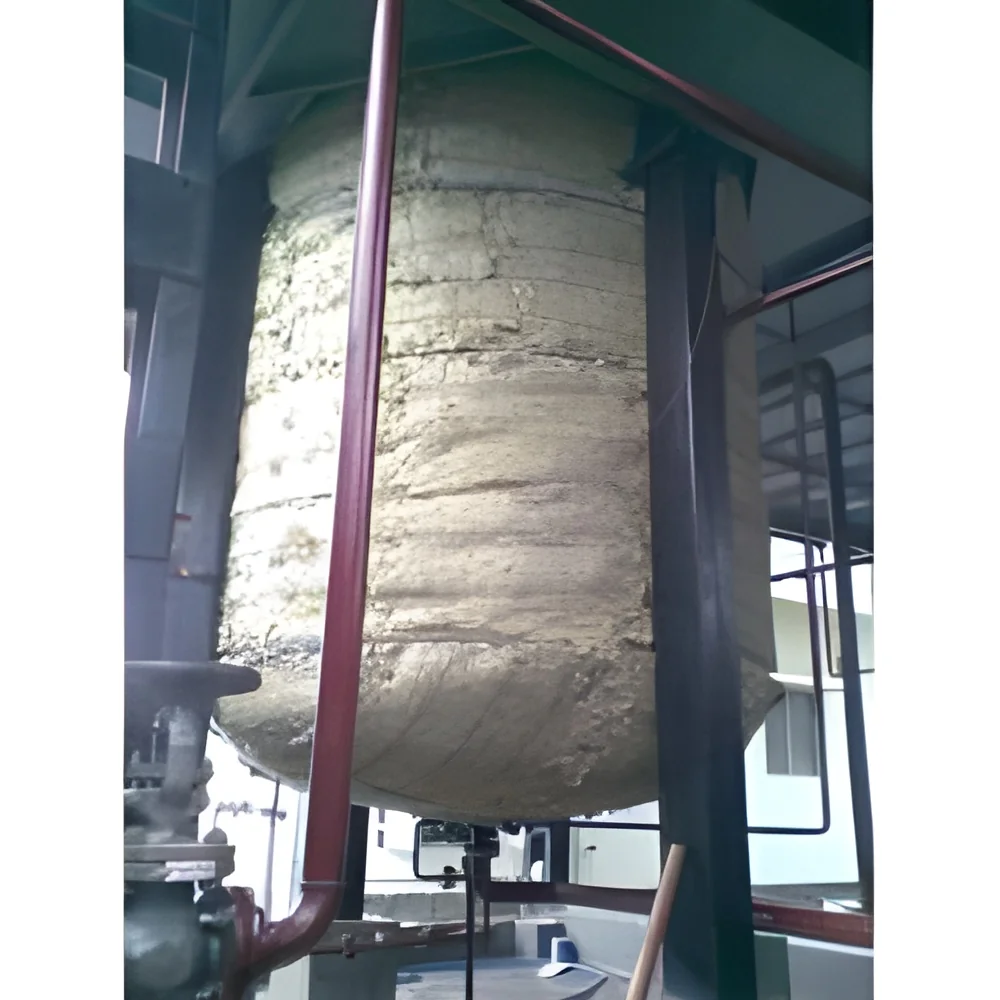
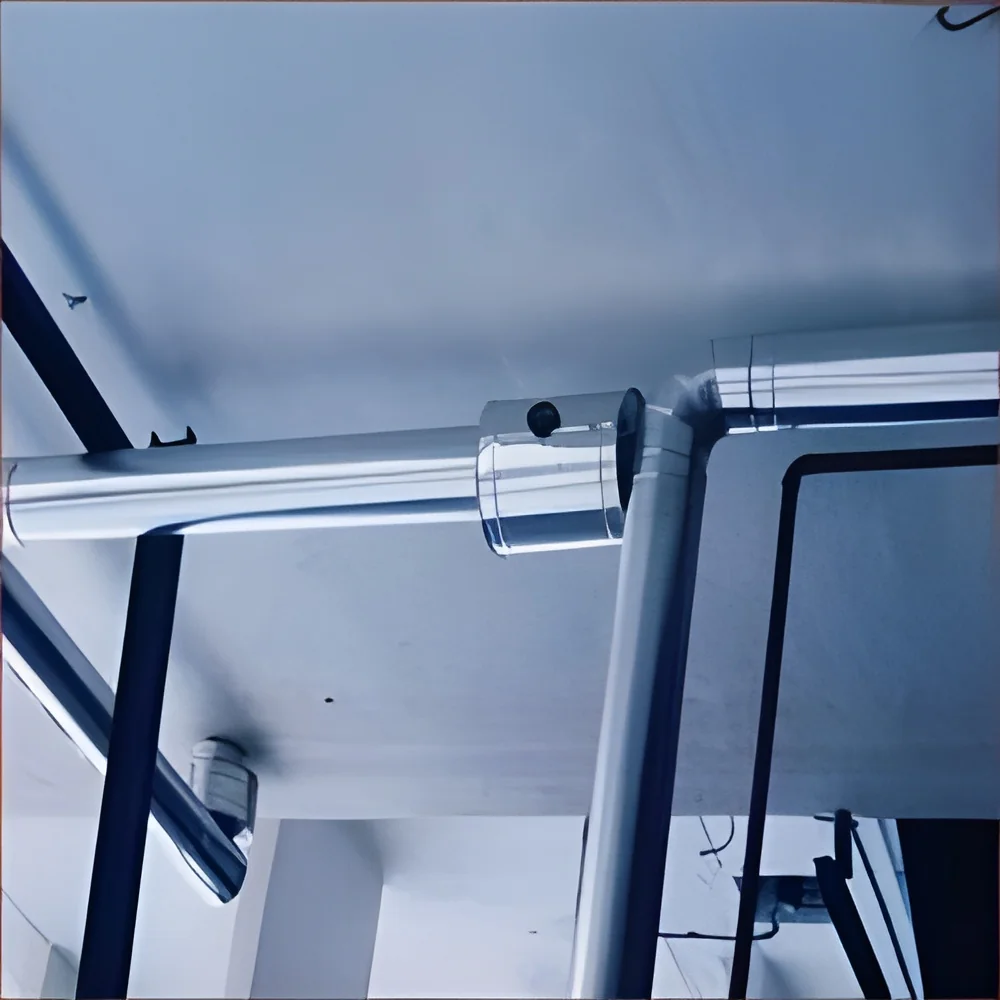
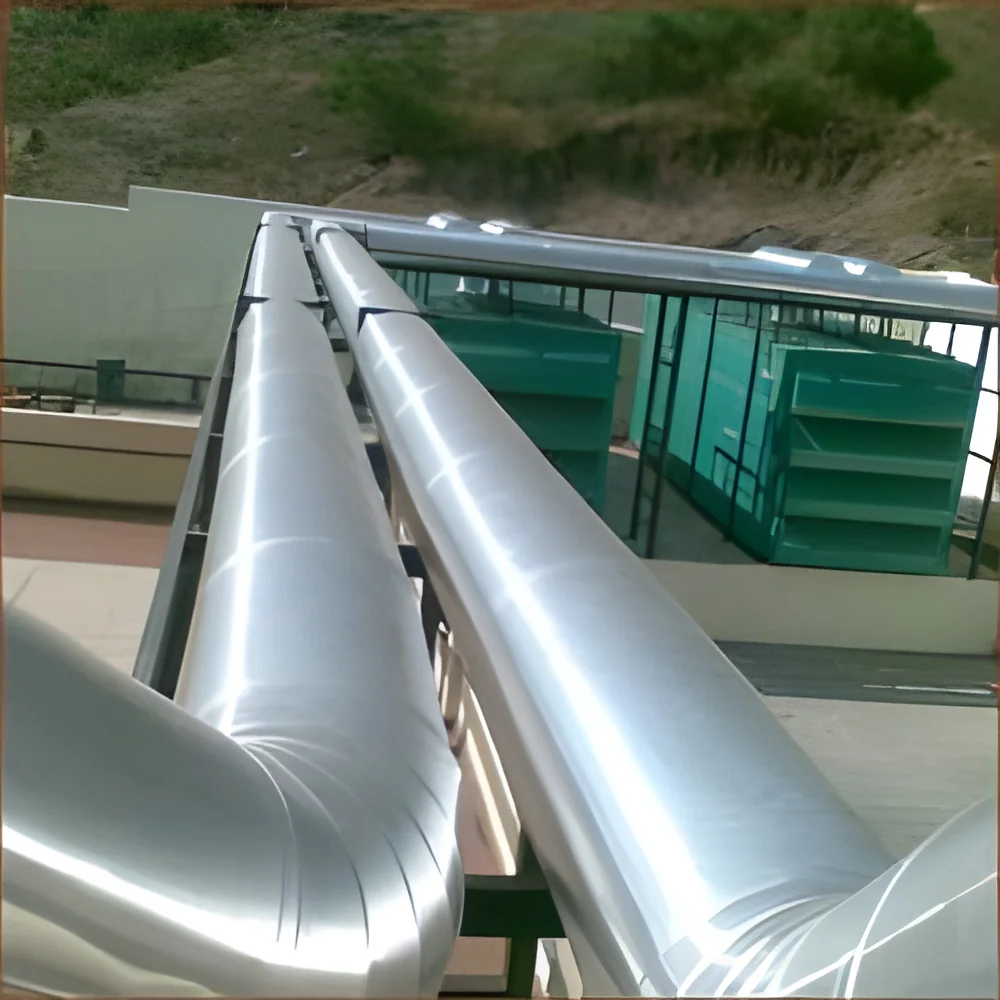
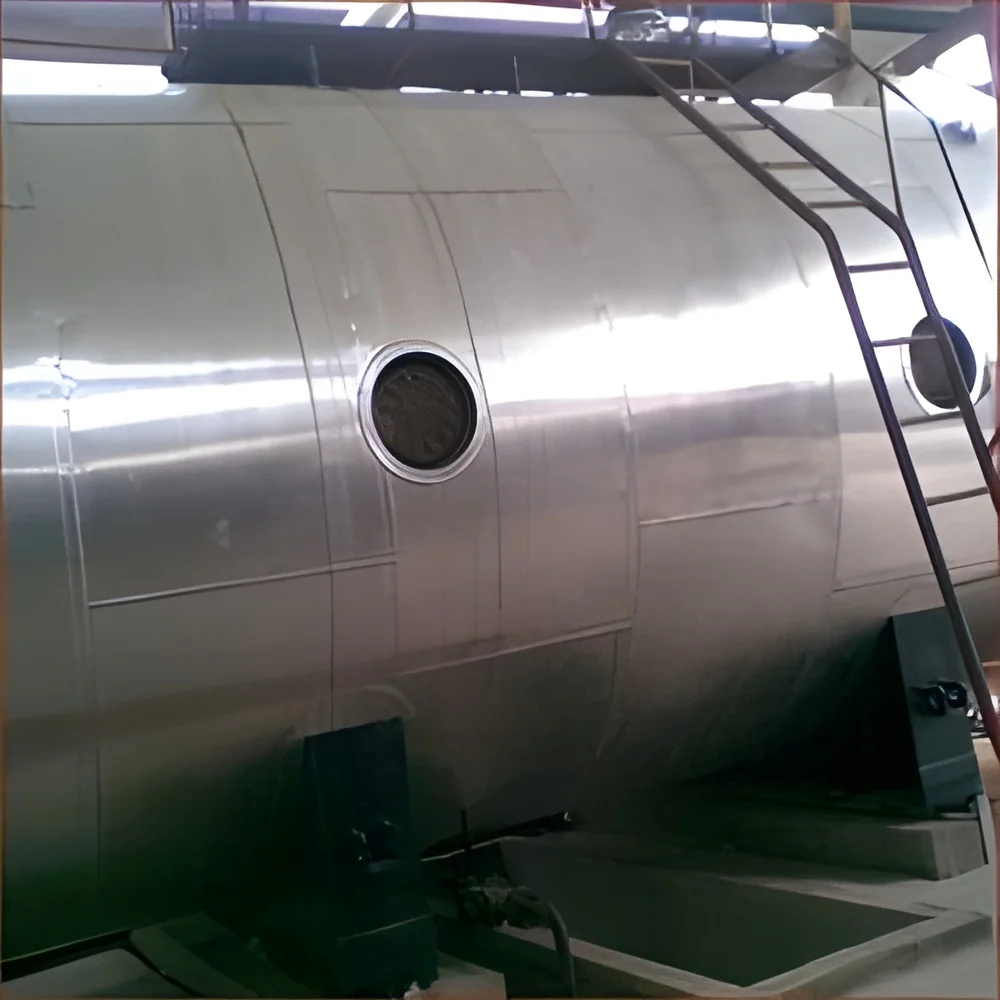
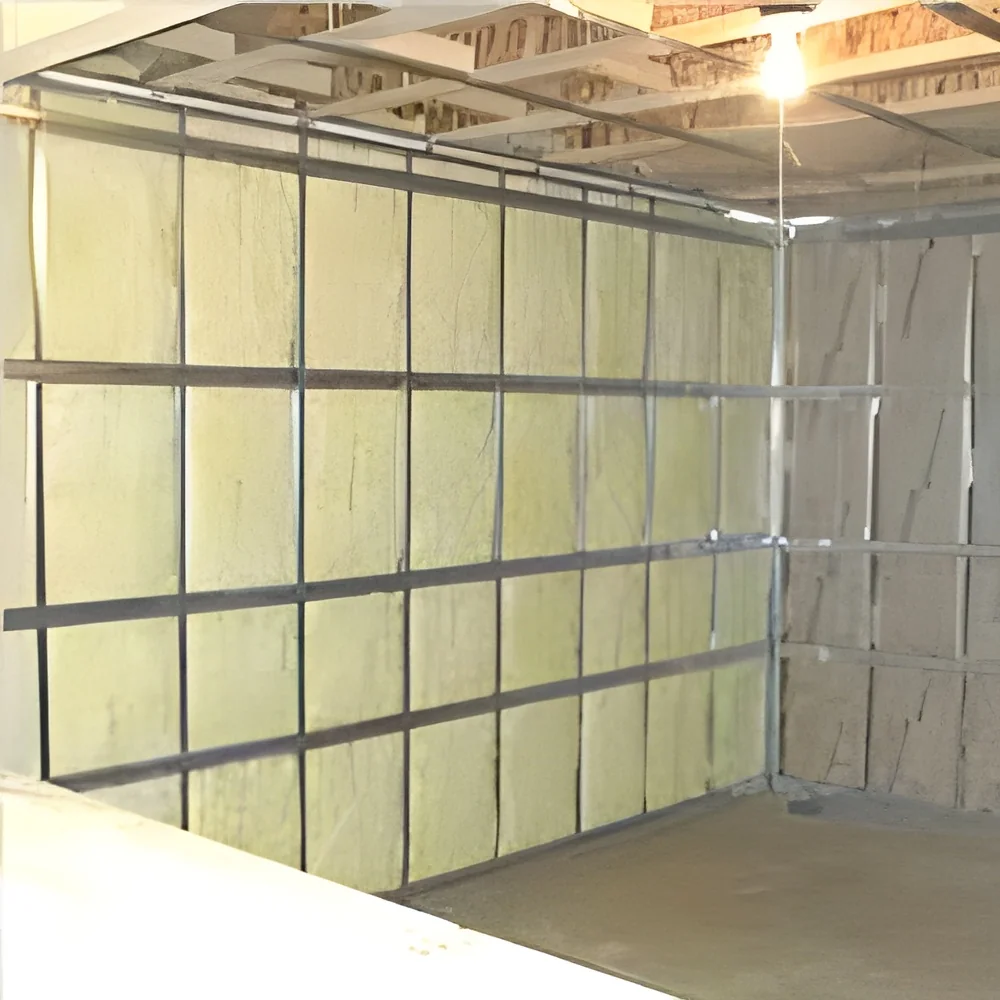
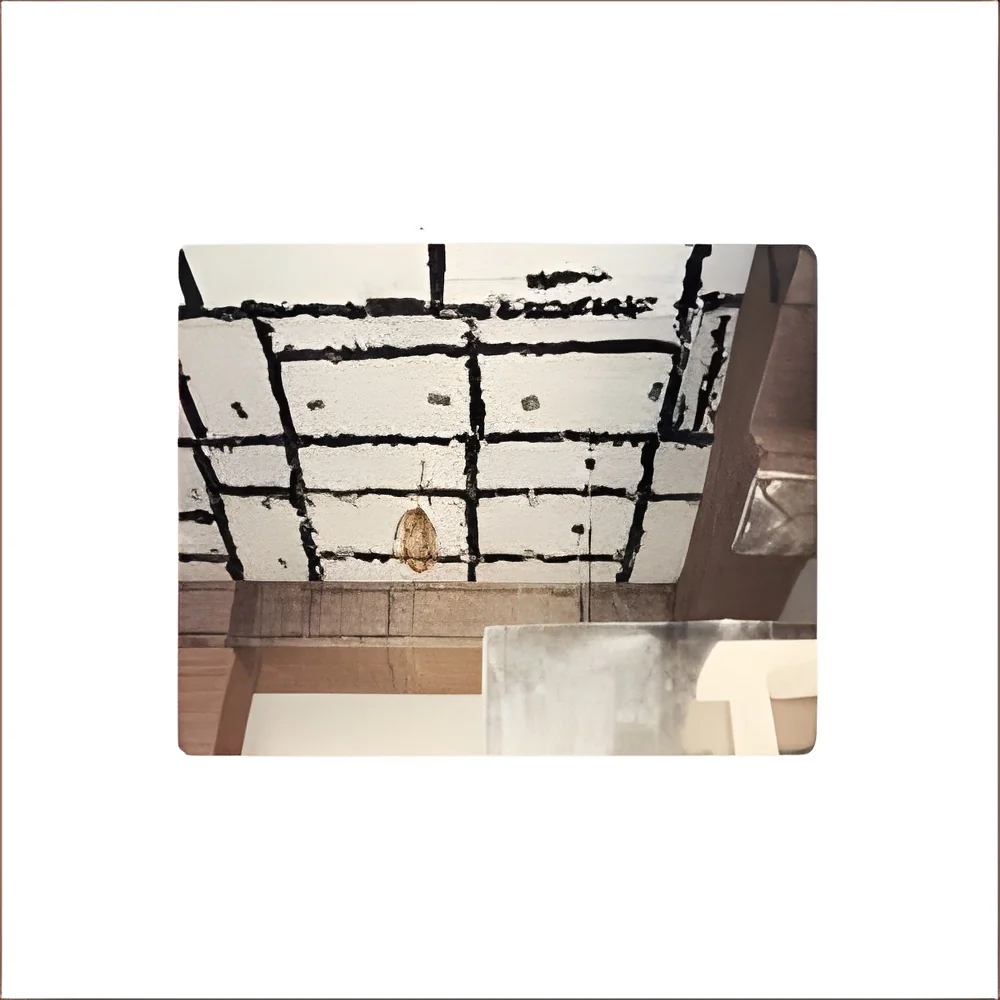
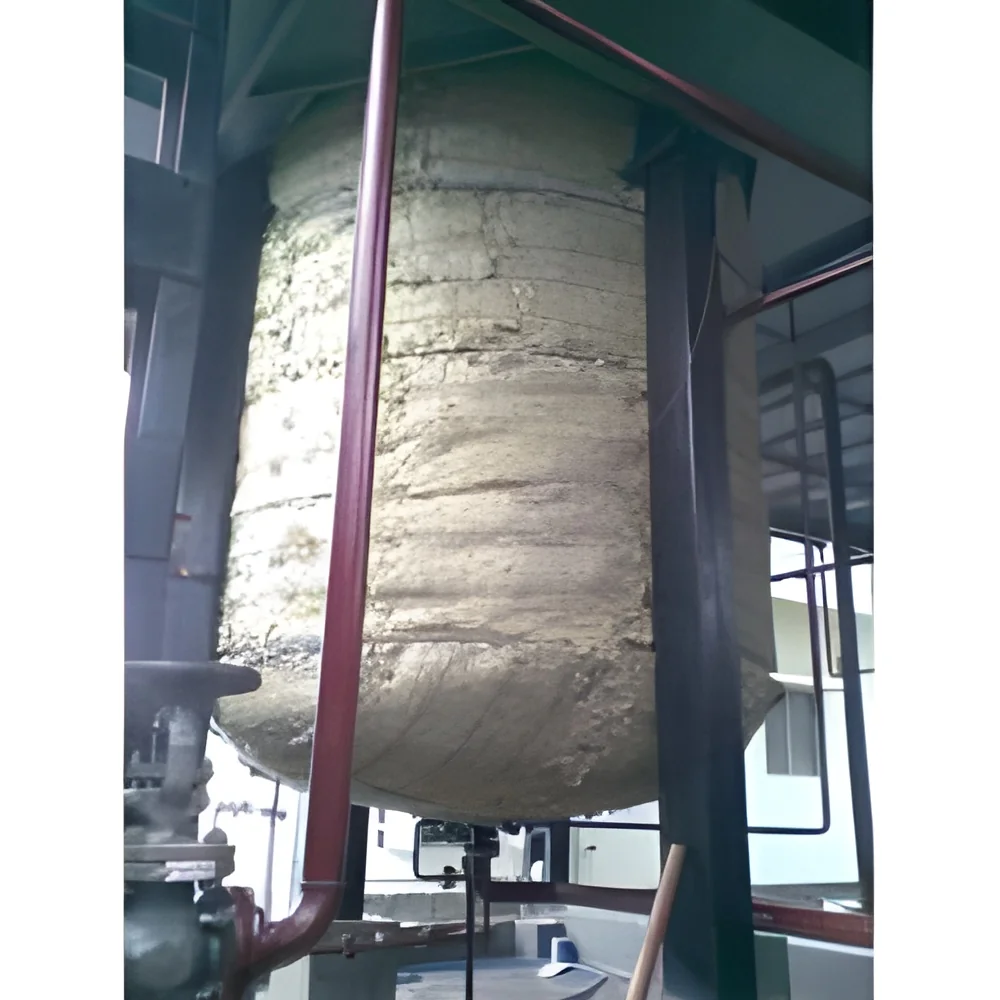
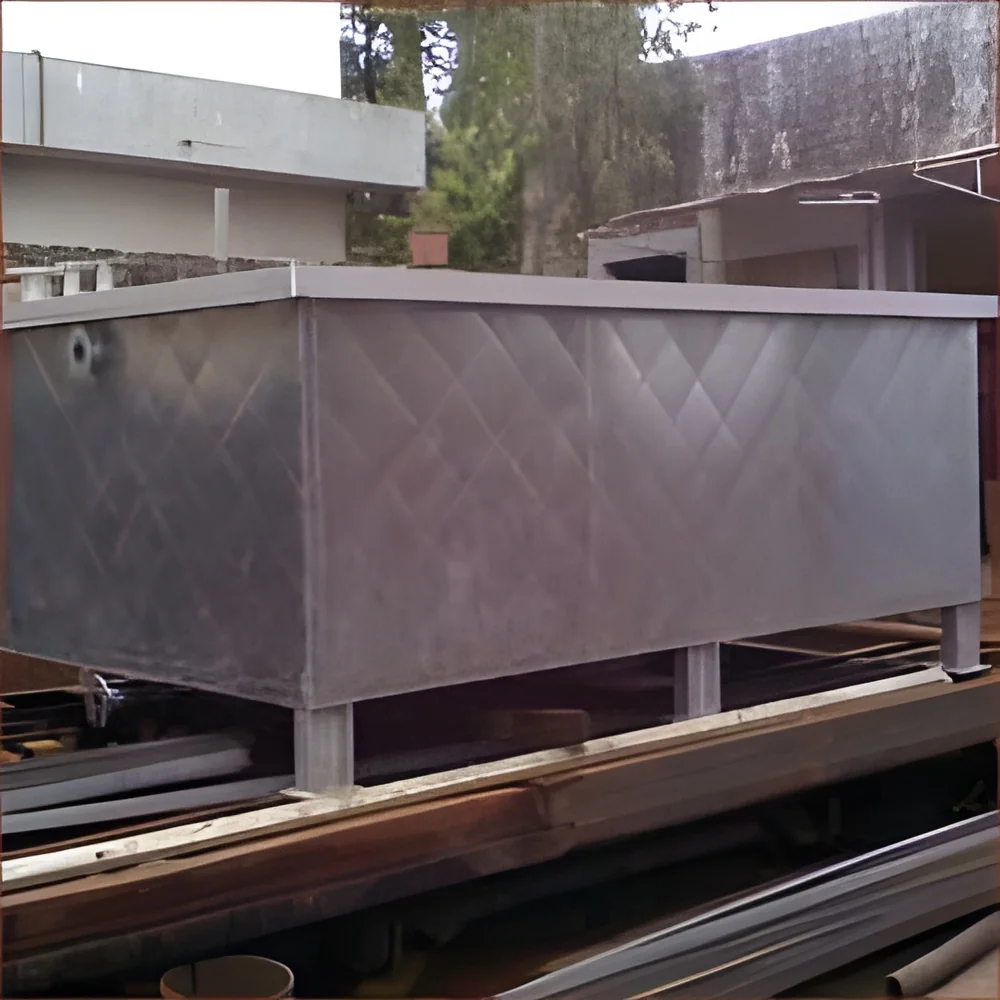
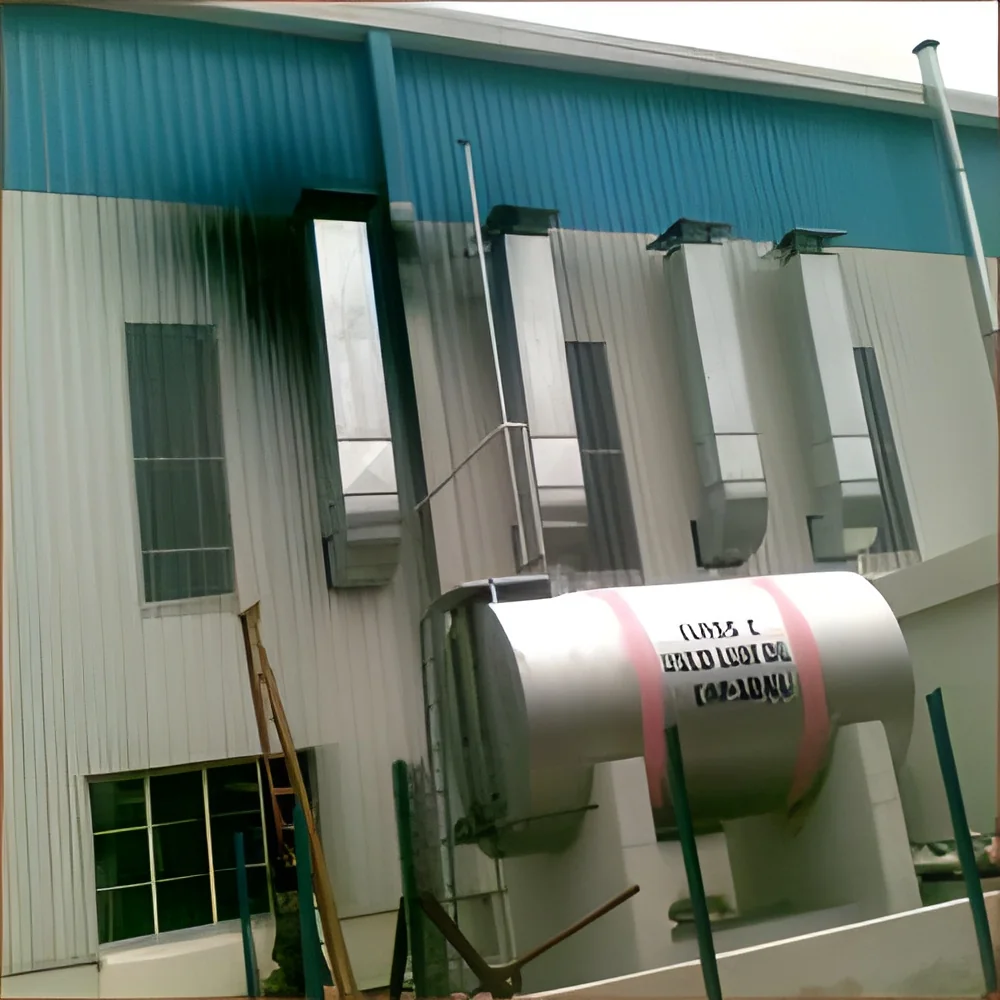
HVAC duct insulation is engineered to optimize heating, ventilation, and air conditioning systems by applying advanced insulating materials to ductwork. It effectively minimizes heat transfer, curbs energy consumption, and mitigates noise, aligning with industry standards for safety and efficiency. Designed for durability and performance, these solutions cater to a wide range of applications, providing dependable thermal management and supporting sustainable building practices without compromising on quality.

This insulation is extensively utilized in sectors like commercial construction, manufacturing, healthcare, and residential development. In commercial spaces, it ensures consistent indoor climates while cutting energy expenditures. Manufacturing sites employ it to safeguard processes needing exact thermal conditions, while healthcare institutions benefit from its role in maintaining sterile settings and acoustic comfort. Additionally, critical infrastructures such as data centers...
HVAC duct insulation is engineered to optimize heating, ventilation, and air conditioning systems by applying advanced insulating materials to ductwork. It effectively minimizes heat transfer, curbs energy consumption, and mitigates noise, aligning with industry standards for safety and efficiency. Designed for durability and performance, these solutions cater to a wide range of applications, providing dependable thermal management and supporting sustainable building practices without compromising on quality.

This insulation is extensively utilized in sectors like commercial construction, manufacturing, healthcare, and residential development. In commercial spaces, it ensures consistent indoor climates while cutting energy expenditures. Manufacturing sites employ it to safeguard processes needing exact thermal conditions, while healthcare institutions benefit from its role in maintaining sterile settings and acoustic comfort. Additionally, critical infrastructures such as data centers rely on it to avoid overheating and uphold continuous operations, highlighting its versatility across demanding environments.

The product delivers substantial business value by boosting energy efficiency, lowering operational costs, and prolonging HVAC system lifespan. Its reliability stems from premium materials and precise application, ensuring sustained performance with minimal upkeep. Key differentiators include adherence to safety regulations, adaptability to various conditions, and proven effectiveness in reducing energy waste. This makes it a prudent investment for organizations aiming for cost-effective, eco-friendly climate control solutions that enhance long-term operational stability.

Key Features:
- High thermal resistance materials for superior energy conservation.
- Customizable dimensions and thickness to match specific duct configurations.
- Compliance with industry standards ensuring safety and reliability.
- Effective noise reduction capabilities for quieter system operation.
- Options for fire and moisture resistance to suit diverse environmental needs.

Benefits:
- Significant reduction in energy consumption and utility expenses.
- Extended HVAC system life through protection against wear and condensation.
- Enhanced indoor comfort with stable temperatures and reduced noise levels.
- Compliance with building codes and sustainability goals for project approvals.
- Low maintenance requirements due to durable, high-quality construction.
Specifications
| Additional Information | |
|---|---|
| Country of Origin | India |
Application
HVAC duct insulation is vital for maintaining precise temperature control and energy efficiency across various settings. It minimizes thermal loss, reduces operational costs, and prevents condensation, ensuring system durability and adherence to sustainability standards. This makes it indispensable for modern infrastructure requiring reliable climate management and long-term performance.
Industries including manufacturing, commercial construction, and healthcare depend on high-grade duct insulation for stable environmental conditions and air quality. It supports even heating and cooling distribution while dampening noise in sensitive areas. Available in standard and specialized forms, it meets diverse project needs such as fire resistance and adaptability to specific environmental challenges.
- Office complexes and retail malls to enhance energy efficiency and comfort.
- Manufacturing plants for process temperature stability and safety compliance.
- Healthcare facilities maintaining sterile, temperature-controlled environments.
- Residential buildings for noise reduction and improved thermal comfort.
- Data centers preventing equipment overheating and ensuring operational reliability.
Trade Details
| Available Stock | In Stock |
| Sample Availability | No |
Payment Terms
| Payment Terms |
|
Company Profile

A. C. J. Insulation, Maharashtra
 Maharashtra, India
Maharashtra, IndiaServices & Support•Importer / Exporter
Factory Details
Factory SizeBelow 1000 sqm
Annual Production Capacity0
HVAC Duct Insulation For Thermal Efficiency Energy Savings Noise Reduction
HVAC duct insulation solutions deliver thermal efficiency, energy savings, and noise reduction for industrial, commercial, and residential climate control systems. Trusted quality ensures reliable performance and compliance.
Min. Order Quantity: 1 unit
Shipping
Shipping fee and delivery date to be negotiated. Contact supplier now for more details.
A. C. J. Insulation
 Maharashtra, India
Maharashtra, IndiaServices & SupportImporter / Exporter