
 IN
Glass Pulverizers
1 products available
What are Glass Pulverizers?
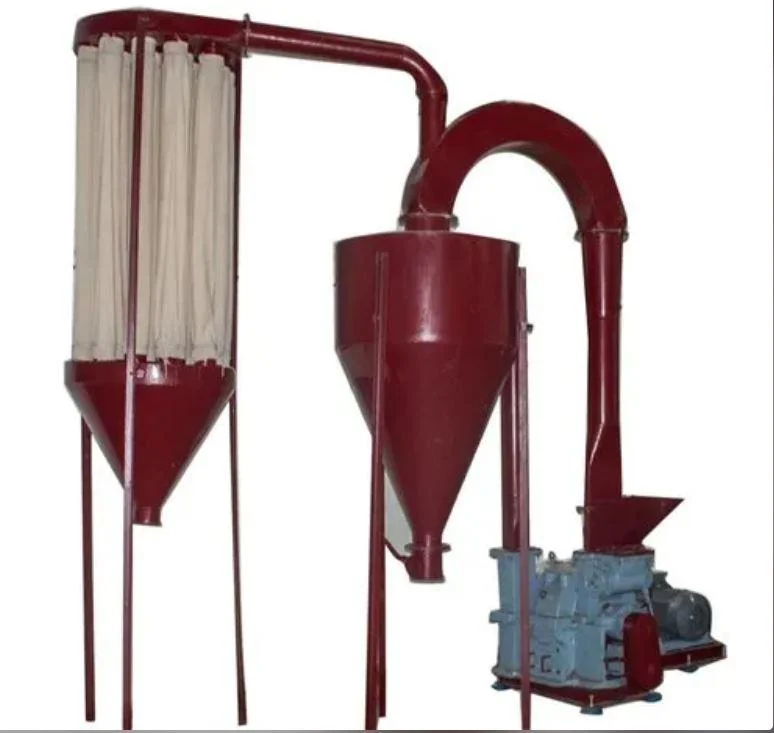
Glass pulverizers are specialized industrial machines designed to crush and grind glass materials into fine particles or powders. These machines utilize various mechanisms, including impact and shear forces, to break down glass into desired sizes. Glass pulverizers are crucial in recycling processes and glass manufacturing, allowing for the reprocessing of waste glass into usable materials.
The primary uses of glass pulverizers span multiple industries, including recycling, construction, and manufacturing. In recycling, they facilitate the conversion of waste glass into cullet, which can be melted down and repurposed. In construction, pulverized glass is often used as an aggregate in concrete or as a filler in various applications. The ability to produce uniform glass particles makes these machines invaluable in creating quality products while promoting sustainability.
In the current market, the demand for glass pulverizers is growing due to increased environmental awareness and the push for recycling initiatives. Industries are continually seeking efficient ways to manage glass waste, driving the need for reliable and effective pulverizing solutions. This trend underscores the importance of glass pulverizers in meeting both operational and environmental standards.
Key Features and Specifications
Glass pulverizers come equipped with various features that enhance their efficiency and functionality. Understanding these specifications is essential for selecting the right model for specific applications.
Key specifications include:
1. Crushing Capacity
- Determines the volume of glass that can be processed per hour.
- Typically ranges from several hundred to several thousand kilograms.
2. Particle Size Range
- Defines the fineness of the glass particles produced.
- Can achieve sizes from a few microns to several millimeters.
3. Power Consumption
- Indicates the electrical efficiency of the machine.
- Usually specified in kilowatts, with lower consumption being more desirable.
4. Operating Speed
- Refers to the speed at which the pulverizer operates.
- Measured in revolutions per minute (RPM), with higher speeds generally resulting in finer particles.
5. Material of Construction
- The build quality significantly affects durability and maintenance.
- Often constructed from high-strength steel or other robust materials.
6. Noise Level
- Important for workplace safety and compliance.
- Typically measured in decibels (dB), with lower levels preferred for quieter operations.
7. Safety Features
- Includes emergency stops, overload protection, and enclosure designs to ensure safe operation.
- Compliance with industry safety standards is crucial.
8. Maintenance Requirements
- Outlines how often the machine needs servicing and the complexity of maintenance tasks.
- User-friendly designs can minimize downtime and operational disruptions.
In summary, selecting a glass pulverizer involves understanding these key specifications to match the machine's capabilities with the intended application and operational requirements.
Common Applications and Use Cases
Glass pulverizers find applications in various industries due to their versatility and efficiency.
1. Recycling Industry: Glass pulverizers are essential in recycling operations, converting waste glass into cullet for reuse in manufacturing processes. This reduces landfill waste and promotes sustainability.
2. Construction Industry: The pulverized glass is often used as a lightweight aggregate in concrete mixtures. This not only enhances the strength of the concrete but also contributes to eco-friendly building practices.
3. Manufacturing: In the production of glass products, pulverizers enable manufacturers to create specific glass powders required for various applications. This includes creating glass frit for ceramics and glass coatings.
4. Landscaping: Pulverized glass can be utilized as decorative aggregate in landscaping, providing aesthetic value while promoting recycling.
5. Abrasives: The fine glass powders produced by pulverizers can be used in abrasive applications for polishing and cleaning purposes.
6. Paints and Coatings: Glass powders are sometimes incorporated into paints and coatings for improved texture and durability.
7. Insulation: Some glass pulverizers produce material suitable for insulation applications, adding value to construction and manufacturing processes.
Product Variants and Subcategories
Glass pulverizers come in various configurations to meet diverse industrial needs.
Standard Model
This model is designed for general-purpose glass pulverizing tasks. It features robust construction and is suitable for recycling and manufacturing applications.
Heavy-Duty Model
Engineered for high-capacity operations, the heavy-duty model can handle larger volumes of glass. It is ideal for large recycling facilities and manufacturers with significant processing needs.
Compact Model
The compact model is designed for facilities with limited space. Despite its smaller footprint, it offers efficient pulverizing capabilities and is suitable for smaller operations or specialized applications.
Benefits and Advantages
Investing in glass pulverizers offers several benefits that enhance operational efficiency.
1. Improved Recycling Rates: Glass pulverizers facilitate the recycling process, enabling businesses to turn waste glass into valuable materials, thus promoting sustainability.
2. Cost Efficiency: By reprocessing glass, companies can reduce material costs associated with purchasing new raw materials.
3. Versatility: These machines can handle various types of glass, making them suitable for different industrial applications.
4. Enhanced Product Quality: The ability to produce uniform particle sizes improves the quality of end products in manufacturing processes.
5. Reduced Environmental Impact: By recycling glass, businesses contribute to reduced landfill waste and lower environmental footprints.
6. Increased Production Capacity: High-capacity pulverizers enable businesses to process larger volumes of glass efficiently, meeting the demands of growing markets.
Buying Guide for B2B Buyers
When sourcing glass pulverizers, it is essential to consider several key factors to ensure a suitable purchase.
1. Quality Assessment: Evaluate the quality of the pulverizer by examining build materials, durability, and user reviews. High-quality machines tend to have longer lifespans and lower maintenance costs.
2. Supplier Verification: Vet potential suppliers to ensure they have a reliable track record and can provide necessary documentation. Look for suppliers with industry certifications and positive customer feedback.
3. Pricing and MOQ: Consider the pricing structure and minimum order quantities. Compare different suppliers to ensure competitive pricing without compromising quality.
4. Delivery and Lead Times: Understand the logistics involved in delivery. Confirm lead times to avoid disruptions in production schedules.
5. Compliance Requirements: Ensure that the pulverizers meet relevant industry standards and regulations. Compliance with safety and quality certifications is crucial for operational success.
Compliance and Certifications
Compliance with industry standards and certifications is vital for glass pulverizers to ensure quality and safety.
Glass pulverizers should adhere to relevant quality standards such as ISO 9001, which focuses on quality management systems. This standard ensures that manufacturing processes meet customer and regulatory requirements.
Certifications like CE and UL are important for indicating conformity to safety and environmental standards. CE certification demonstrates compliance with European Union regulations, while UL certification signifies adherence to rigorous safety testing.
Additionally, safety and testing requirements must be considered, including regular inspections and maintenance protocols to ensure that machines operate safely and effectively.
Regional compliance considerations may vary, so it is essential to understand the specific regulations applicable in different markets, particularly for international trade.
Why Source Glass Pulverizers from Pepagora?
Pepagora provides a trusted platform for sourcing glass pulverizers, offering several key advantages that cater to B2B buyers.
The verified supplier network available through Pepagora ensures that buyers can connect with reputable manufacturers and suppliers. This verification process adds a layer of trust and reliability, which is crucial in industrial purchases.
Pepagora's streamlined Request for Quotation (RFQ) process simplifies the procurement of glass pulverizers. Buyers can easily compare offers from multiple suppliers, enabling informed decision-making based on price and specifications.
Trade assurance and support from Pepagora provide an additional layer of protection for buyers. This feature helps ensure that transactions are secure and that support is available throughout the purchasing process.
With regional coverage extending across India, the GCC, and Southeast Asia, Pepagora facilitates access to a broad market. This geographic reach allows buyers to find suitable suppliers and products tailored to their specific operational needs.


Frequently Asked Questions
What are Glass Pulverizers?
Glass pulverizers are industrial machines used to crush and grind glass into fine particles or powder. They are commonly utilized in recycling processes, where waste glass is transformed into usable materials for various applications.
What are the different types of Glass Pulverizers?
There are several types of glass pulverizers, including hammer mills, impact crushers, and ball mills. Each type operates differently and may be chosen based on the specific requirements of the glass material being processed.
How do I choose the right Glass Pulverizers?
Choosing the right glass pulverizer involves considering factors such as the type of glass to be processed, the desired particle size, and the production capacity needed. It is also important to assess the machine's efficiency and maintenance requirements.
What are the standard specifications for Glass Pulverizers?
Standard specifications for glass pulverizers may include motor power, grinding capacity, and feed size. Additionally, they may have specific design features such as dust collection systems and noise reduction capabilities.
What is the price range for Glass Pulverizers?
The price range for glass pulverizers can vary widely depending on the type, capacity, and brand. Generally, prices can range from a few thousand to several lakhs of Indian Rupees.
What quality standards apply to Glass Pulverizers?
Glass pulverizers must adhere to various quality standards, including ISO certifications and safety regulations. These standards ensure the machines are efficient, reliable, and safe for industrial use.
Where can I find Glass Pulverizers suppliers in India?
You can find glass pulverizers suppliers in India through online B2B marketplaces like Pepagora. Additionally, trade shows and industrial exhibitions may also provide opportunities to connect with manufacturers and suppliers.
Can Glass Pulverizers be customized?
Yes, many manufacturers offer customization options for glass pulverizers to meet specific processing needs. Customizations may include modifications to size, capacity, and additional features like specialized feeding systems.
What is the typical minimum order quantity for Glass Pulverizers?
The typical minimum order quantity (MOQ) for glass pulverizers varies by supplier and can range from one unit to multiple units. It is advisable to check with the manufacturer for their specific MOQ policies.
What is the typical lead time for Glass Pulverizers?
The typical lead time for glass pulverizers varies based on the supplier and the level of customization required. Generally, it can range from a few weeks to several months, depending on production schedules.
Why Businesses Trust Pepagora
Thousands of companies trust Pepagora to source smarter and sell faster
Expand Your Sales Globally

Source Smarter,Grow Faster
